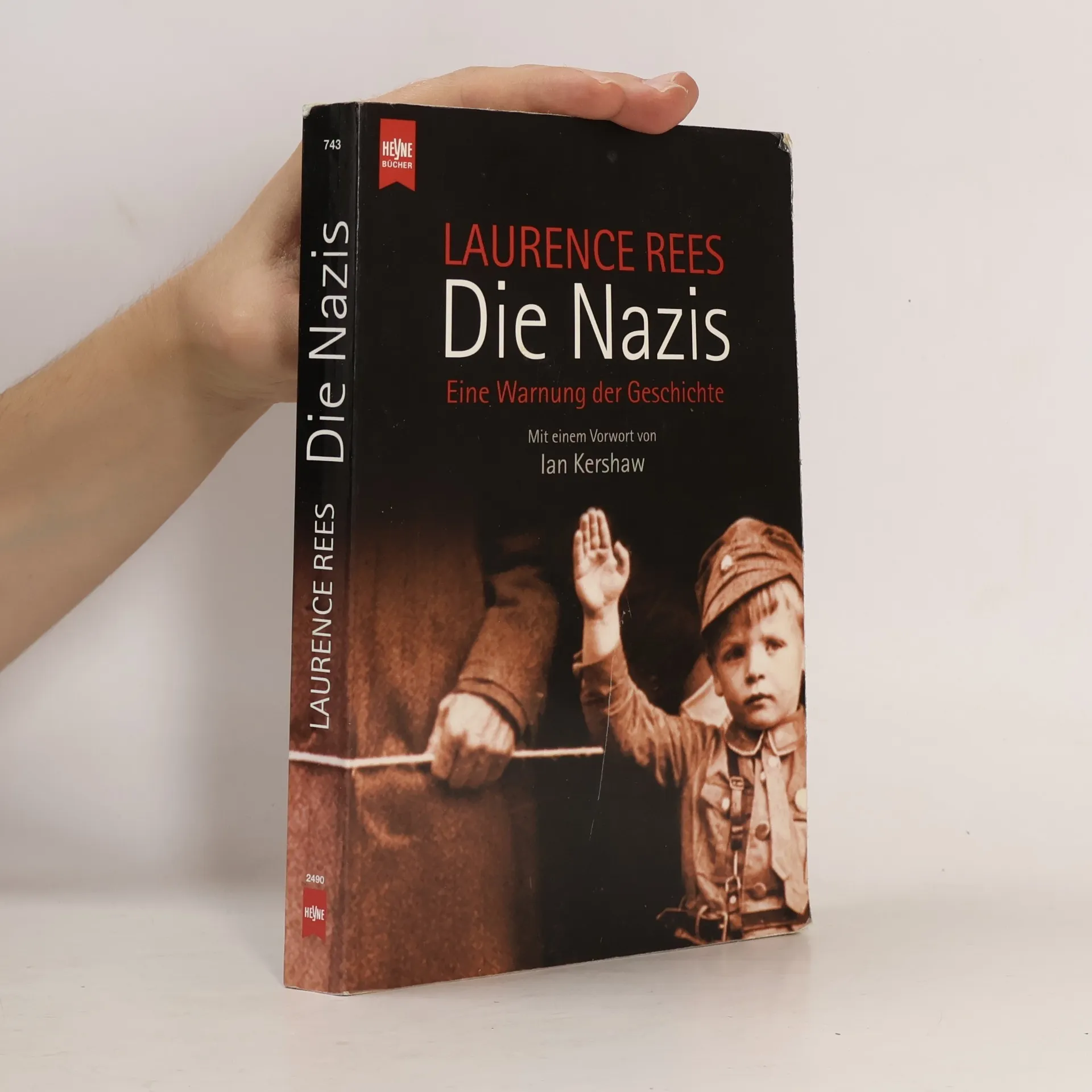
Der mehrfach für seine Arbeiten ausgezeichnete englische BBC-Journalist Laurence Rees legt hier das Buch zu seiner sechsteiligen TV-Dokumentation vor. Indem Rees Mythen des Nationalsozialismus und des Dritten Reiches (Mythos vom hypnotischen Führer, Mythos von der allgegenwärtigen Gestapo, Mythos von der straffen Befehlsstruktur) überprüft, zeigt er, wie wenig sie mit der historischen Wahrheit zu tun haben.
From the acclaimed author of The Old Ways and Landmarks -- an essay on the beauty and joy of reading, for anyone who has ever loved a book Every book is a kind of gift to its reader, and the act of giving books is charged with a special emotional resonance. It is a meeting of three minds (the giver, the author, the recipient), an exchange of intellectual and psychological currency, that leaves both participants the richer. Here Robert Macfarlane recounts the story of a book he was given as a young man, and how he managed eventually to return the favour, though never repay the debt. From one of the most lyrical writers of our time comes a perfectly formed gem, a lyrical celebration of the power and preciousness of the given book.
Eine Reise zu Fuß | Ein Klassiker des Nature Writing
352 Seiten
13 Lesestunden
Robert Macfarlane folgt den alten Wegen – jenen Pfaden, Hohlstraßen, Furten, Feld- und Seewegen, die seit der Antike die menschlichen Siedlungsräume miteinander verbinden und noch immer als unsichtbare Wegweiser unsere Bewegungen bestimmen. Seine Reise führt den wichtigsten Naturschriftsteller Großbritanniens von den englischen Kreidefelsen zu den einsamen Vogelinseln Schottlands, von den Kulturlandschaften Spaniens zu den Pilgerrouten Palästinas und bis in den Himalaya. Sie lässt ihn in fünftausend Jahre alte Fußstapfen treten und in einem kleinen Segelboot auf den nächtlichen Atlantik hinaustreiben. Er lauscht den Geschichten, die diese alten Wege noch immer erzählen, und den Stimmen derjenigen, die er auf seinen Fußmärschen begegnet: andere Wanderer, Spaziergänger und Sinnsucher, sogar tibetanische Mönche.
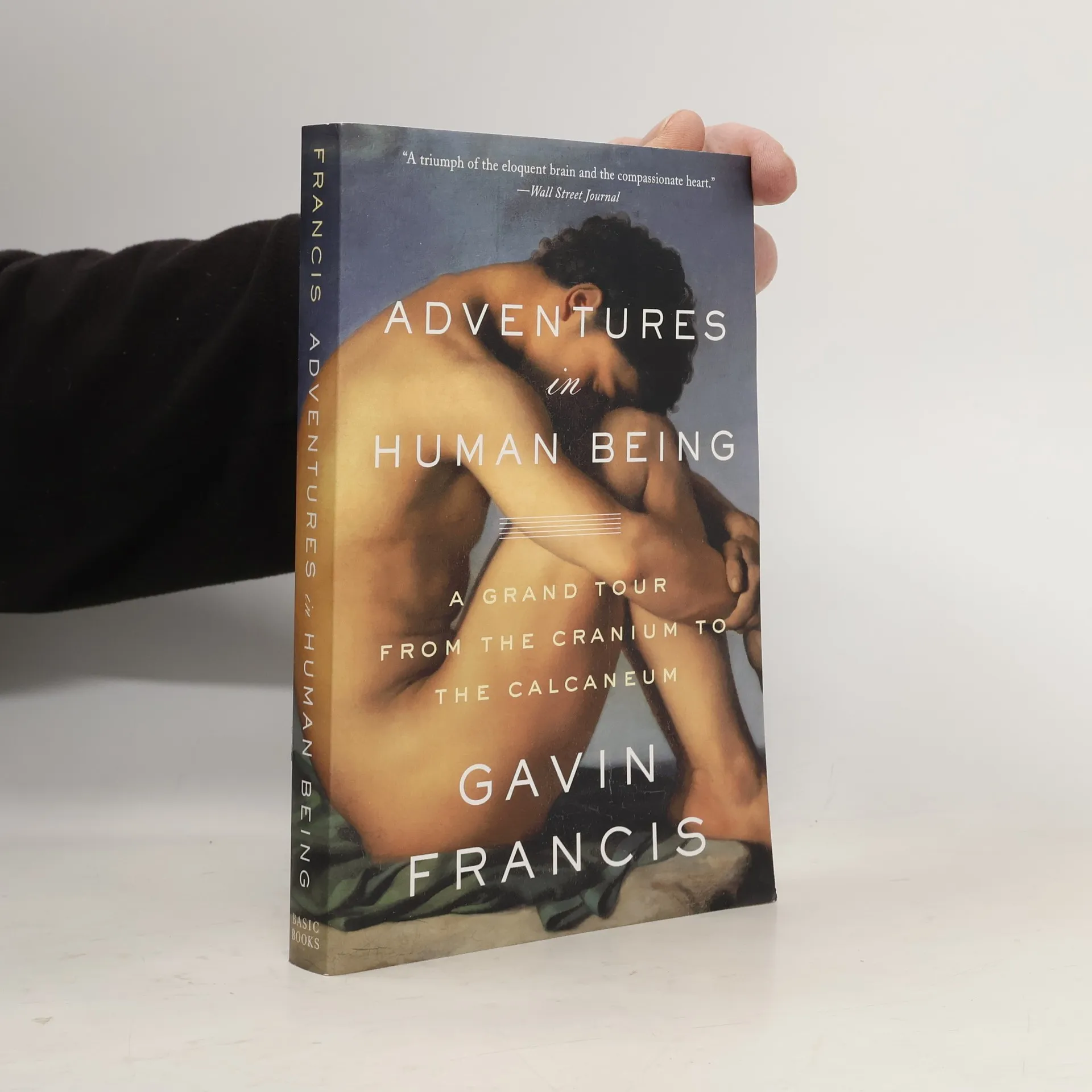
" Adventures in Human Being , with its deft mix of the clinical and the lyrical, is a triumph of the eloquent brain and the compassionate heart." -- Wall Street Journal We assume we know our bodies intimately, but for many of us they remain uncharted territory, an enigma of bone and muscle, neurons and synapses. How many of us understand the way seizures affect the brain, how the heart is connected to well-being, or the why the foot holds the key to our humanity? In Adventures in Human Being , award-winning author Gavin Francis leads readers on a journey into the human body, offering a guide to its inner workings and a celebration of its marvels. Drawing on his experiences as a surgeon, ER specialist, and family physician, Francis blends stories from the clinic with episodes from medical history, philosophy, and literature to describe the body in sickness and in health, in living and in dying. At its heart, Adventures in Human Being is a meditation on what it means to be human. Poetic, eloquent, and profoundly perceptive, this book will transform the way you view your body.
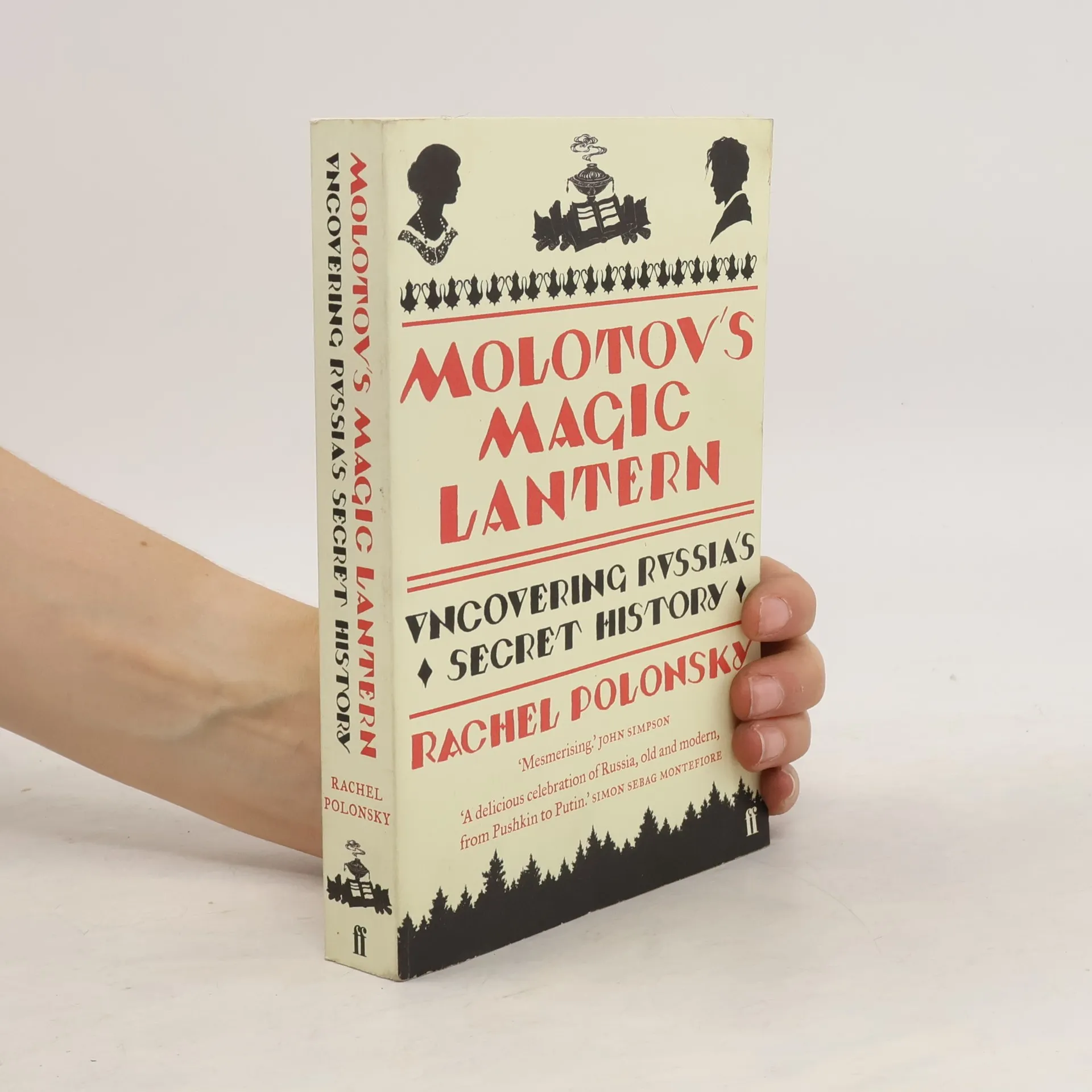
Molotov - ruthless apparatchik, participant in the collectivizations and the
Great Purge - was also an ardent bibliophile. Molotov's library and his magic
lantern became the prisms through which Rachel Polonsky renewed her vision of
Russia.
Zadie Smith ist nicht nur Autorin vieler hochgelobter Romane, sondern sie brilliert auch besonders in dieser kurzen Form, den Essays. Der vorliegende Band zeigt sie politischer denn je, denn Zadie Smith hat viel zu sagen über die zunehmend bedrohliche Verfasstheit der Welt und der Gesellschaft und bezieht sehr persönlich Stellung. Die Essays sind in fünf Kategorien unterteilt, und alle haben es in sich: »In der Welt« versammelt die politischen Essays, und gerade ihre Gedanken zum Brexit und zu Trump sind vielschichtig und erhellend, authentisch und engagiert. Die Kapitel »Im Publikum«, »Im Museum«, »Im Bücherregal« und »Freiheiten« erzählen uns ihre Sicht auf kulturelle Ereignisse oder persönlich Erlebtes und geben dabei immer ganz viel über sie selbst preist. Da sie sich mit schlechter Politik, guten Büchern, amerikanischen Rappern, Facebook und alten Meistern ähnlich gut auskennt, schreibt sie mit leichter Hand und mal böse, mal bewundernd Essays von besonderer Qualität, die uns die Welt schärfer sehen lassen. Ein Muss für jeden politisch denkenden Leser!
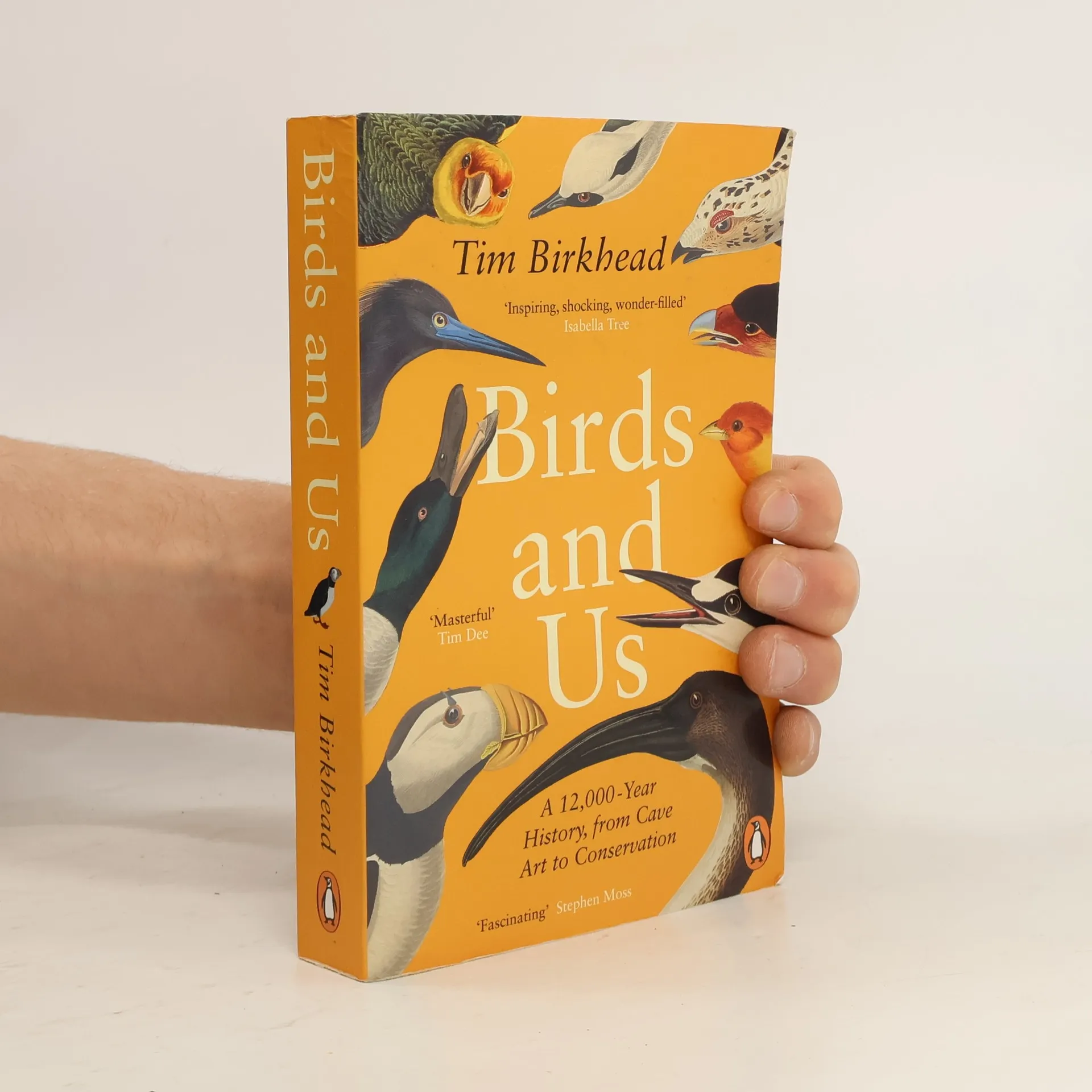
In Birds and Us, award-winning writer and ornithologist Tim Birkhead takes us on an epic and dazzling journey through this mutual history with birds, from the ibises mummified and deified by Ancient Egyptians to Renaissance experiments on woodpecker anatomy, from Victorian obsessions with egg collecting to the present fight to save endangered species and restore their habitats. Weaving in stories from his own life as a scientist, including far-flung expeditions to wondrous Neolithic caves in Spain and the bustling guillemot colonies of the Faroe Islands, this rich and fascinating book is the culmination of a lifetime's research and unforgettably shows how birds shaped us, and how we have shaped them.
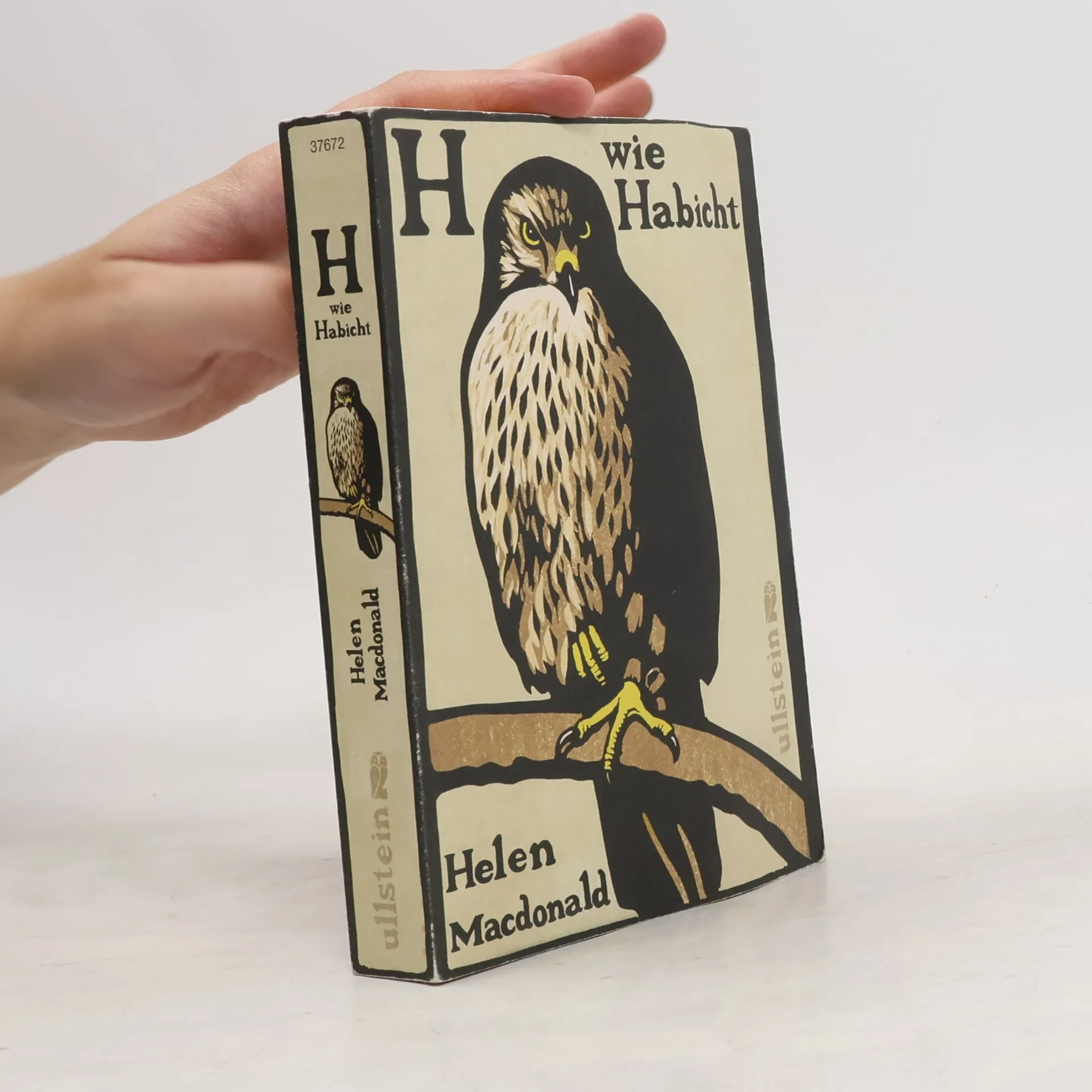
Schon als Kind beschließt Helen Macdonald, Falknerin zu werden. Ihr Vater unterstützt sie in dieser ungewöhnlichen Leidenschaft, er lehrt sie Geduld und Selbstvertrauen und bliebt eine wichtige Bezugsperson in ihrem Leben. Als er stirbt, setzt sich ein Gedanke in Helens Kopf fest: Sie muss ihren eigenen Habicht abrichten. Sie ersteht einen der beeindruckenden Vögel, ein Habichtweibchen, das sie auf den Namen Mabel tauft, und begibt sich auf die abenteuerliche Reise, das wilde Tier zu zähmen.
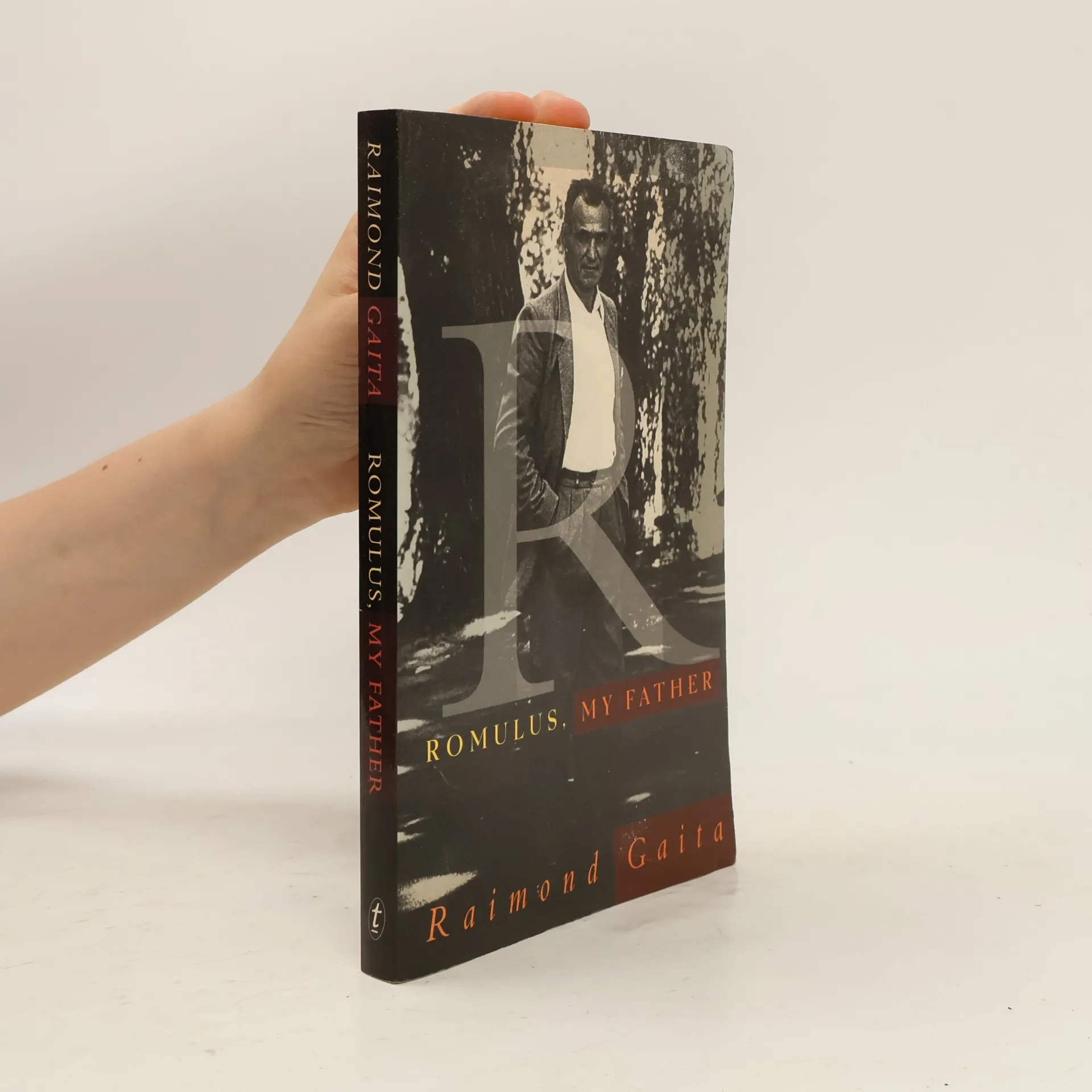
Romulus Gaita fled his home in his native Yugoslavia at the age of thirteen, and came to Australia with his young wife Christina and their infant son Raimond soon after the end of World War II. Tragic events were to overtake the boy’s life, but Raimond Gaita has an extraordinary story to tell about growing up with his father amid the stony paddocks and flowing grasses of country Australia. Written simply and movingly, Romulus, My Father is about how a compassionate and honest man taught his son the meaning of living a decent life. It is about passion, betrayal and madness, about friendship and the joy and dignity of work, about character and fate, affliction and spirituality.