

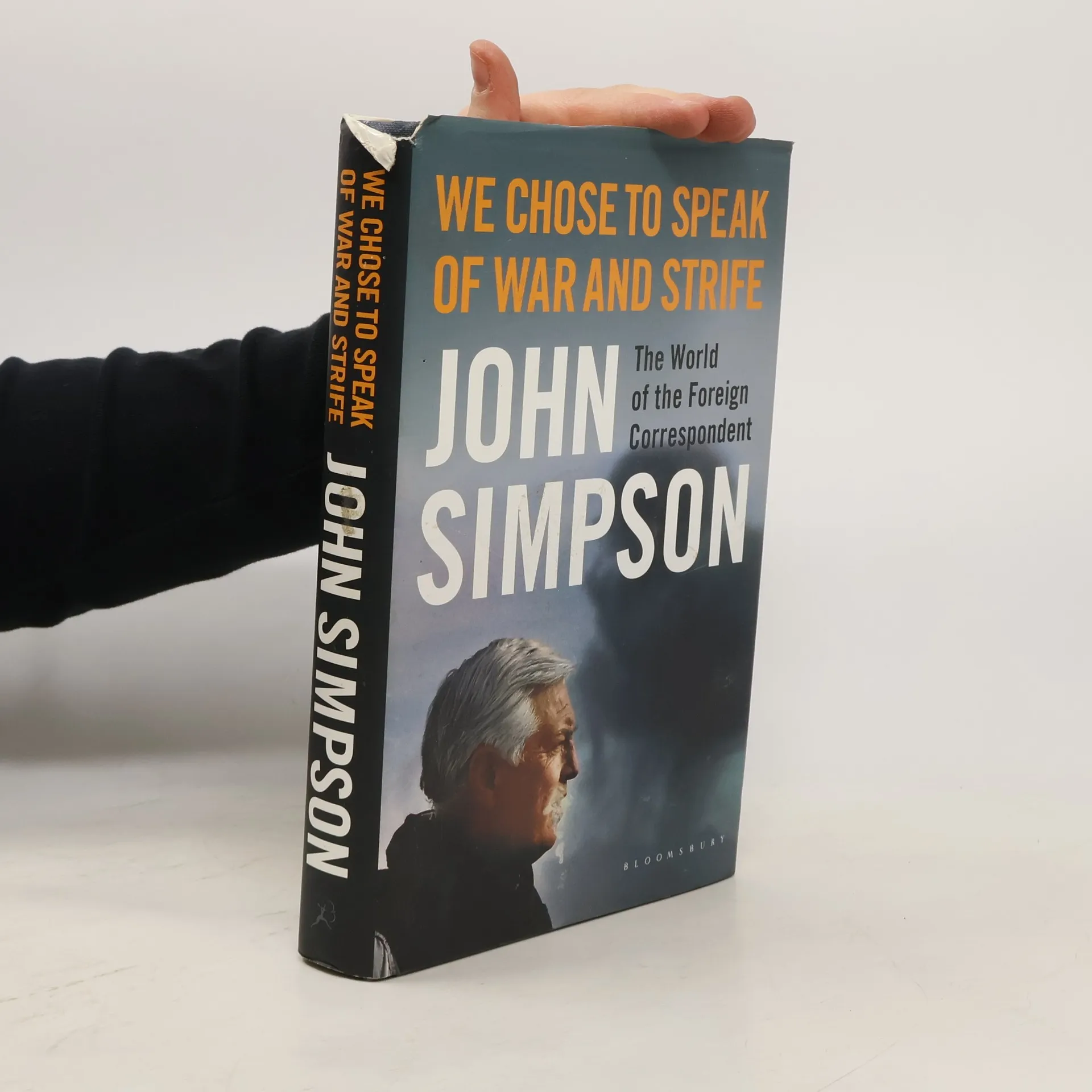
From distinguished foreign correspondent John Simpson, a fascinating history of what it is to risk life and limb to bring home news of the troubled world.In corners of the globe where fault lines seethe into bloodshed and civil war, foreign correspondents have, since the early nineteenth century, been engaged in uncovering the latest news and--despite obstacles bureaucratic, political, violent--reporting it by whatever means available. It's a working life that is difficult, exciting and glamorous.These stories from the last two hundred years celebrate an endangered tradition. Where once dispatches were trusted to the hands of a willing sea captain, telegraph operator or stranger in an airport queue prepared to spirit a can of undeveloped film back to London, today the digital realm has transformed the relaying of the news--if the work of gathering it in the field has changed little.We Chose to Speak of War and Strife brings us pivotal moments in history--from the Crimean War to Tiananmen Square and Sarajevo--through the eyes of those who witnessed them, and the astonishing tales of what it took to report them. Weaving in the history of the great correspondents who went before him, such as Alan Moorhead, Martha Gellhorn, Hemingway and Charles Wheeler, and offering extraordinary accounts from Simpson's own lifetime on the frontlines, this is a deeply personal book from a master of the profession.
John Cody Fidler-Simpson Bücher
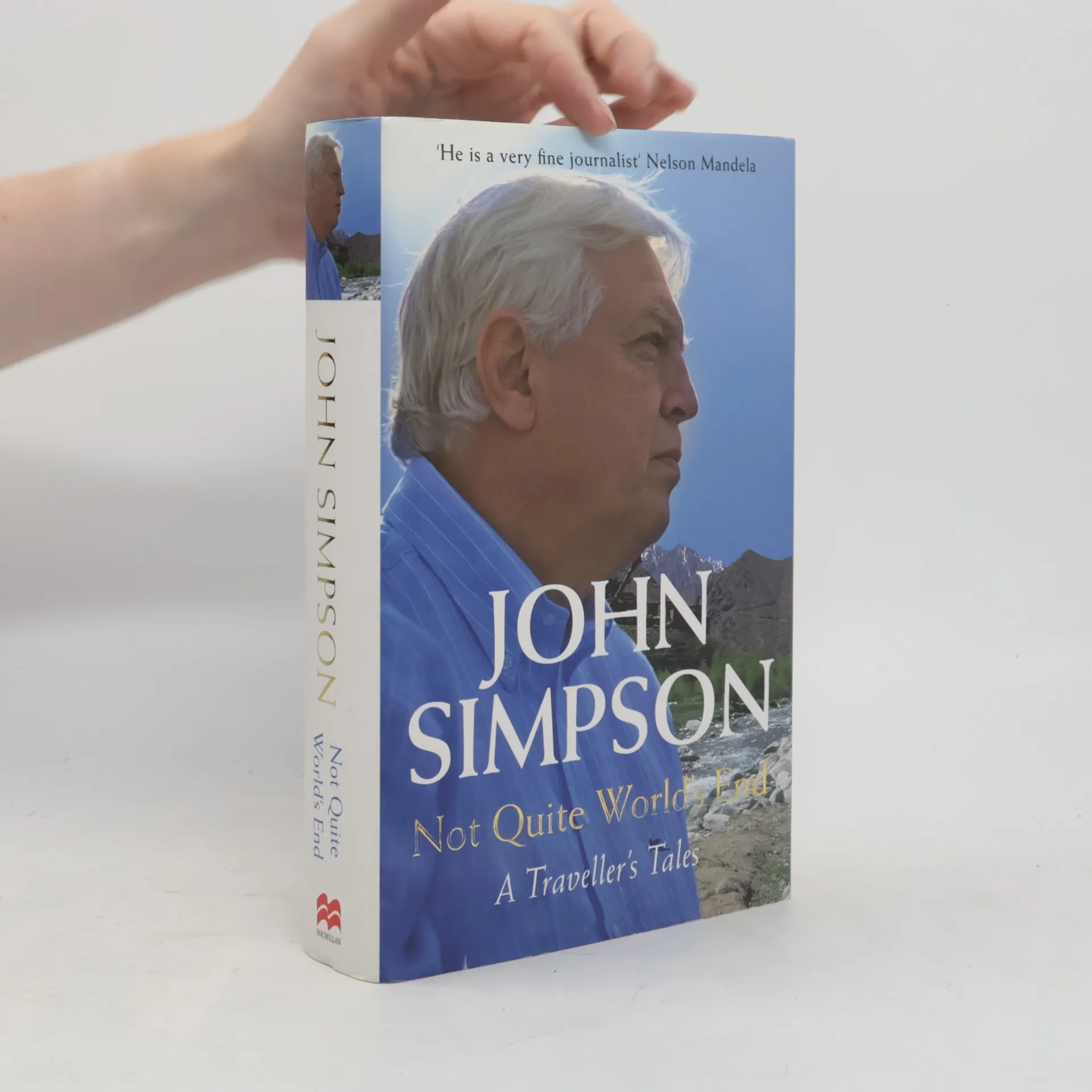
In it, he looks at the world's troubles - the Middle East, global warming, population explosion - and takes the perhaps surprising view that it's actually not nor will be the end of the world.
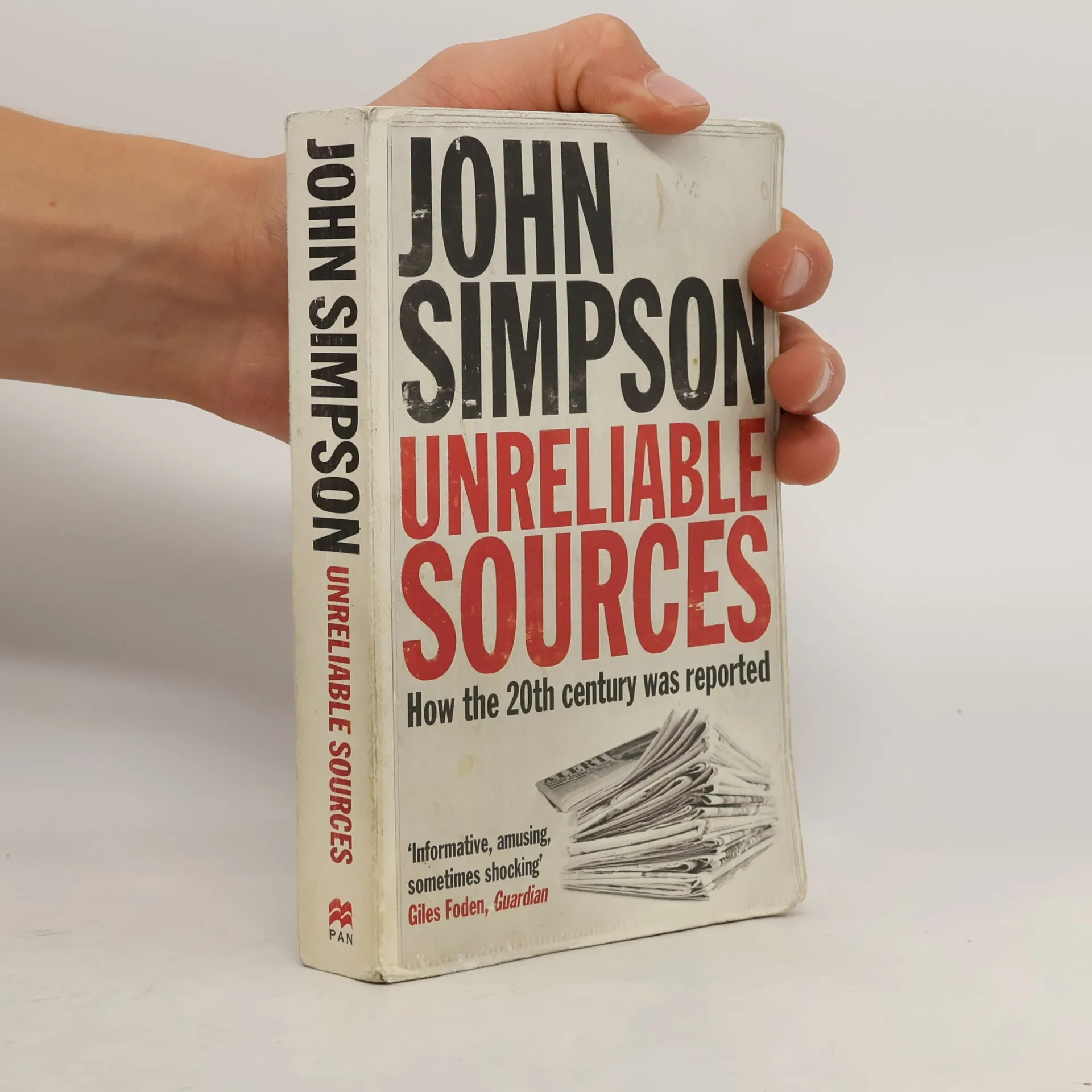
The book offers a compelling analysis of the British press's role in shaping public perception during pivotal historical events. Through the lens of one of the era's foremost reporters, it provides an insightful and often opinionated critique of media practices, highlighting the influence of journalism on society and politics. Readers will gain a deeper understanding of how the press has both reflected and shaped national narratives throughout history.