
Susan Taubes gelingt das Portrait einer Frau während ihrer Scheidung in einer filmisch fließenden Erzählweise. Sie entwirft ein bewegtes, mitunter rätselhaftes, aber höchst originelles Drama einer Frau in der heutigen Zeit. Scheiden tut weh handelt von Sophie Blinds Scheidung - ein Ereignis, das sie in andere Abschnitte ihres Lebens zurückversetzt und ihr die Gegenwart unwirklich erscheinen lässt. Ihre Sichtweise gleitet dadurch ins Halluzinatorische, teils ins Phantastische. Dieses Buch erzählt auch von einem Kind, das in Budapest mit einem Psychoanalytiker als Vater und einer Mutter, deren Affairen mit anderen Männern von der Familie als „klassische Symptome“ abgetan werden. Das Buch handelt aber auch von der Emigration nach Amerika im Jahre 1939, von der Erinnerung und vom vergessen, sowie von den zeitgeschichtlichen Zusammenhängen einer jüdischen Emigrantin aus Europa in den USA.
David Rieff Reihenfolge der Bücher
David Rieff ist ein amerikanischer Polemiker und Kommentator, dessen Werk komplexe globale Themen beleuchtet. Seine Bücher haben sich durchgängig mit Themen wie Einwanderung, internationalen Konflikten und Humanitarismus befasst. Rieffs Schreiben zeichnet sich durch scharfe Beobachtung und prägnante Analyse aus, wobei er oft die komplexen ethischen Dilemmata untersucht, die diesen kritischen Themen innewohnen.


- 2020
- 2017
In Praise of Forgetting
- 160 Seiten
- 6 Lesestunden
A leading contrarian thinker explores the ethical paradox at the heart of history's woundsThe conventional wisdom about historical memory is summed up in George Santayana’s celebrated phrase, “Those who cannot remember the past are condemned to repeat it.” Today, the consensus that it is moral to remember, immoral to forget, is nearly absolute. And yet is this right?David Rieff, an independent writer who has reported on bloody conflicts in Africa, the Balkans, and Central Asia, insists that things are not so simple. He poses hard questions about whether remembrance ever truly has, or indeed ever could, “inoculate” the present against repeating the crimes of the past. He argues that rubbing raw historical wounds—whether self-inflicted or imposed by outside forces—neither remedies injustice nor confers reconciliation. If he is right, then historical memory is not a moral imperative but rather a moral option—sometimes called for, sometimes not. Collective remembrance can be toxic. Sometimes, Rieff concludes, it may be more moral to forget. Ranging widely across some of the defining conflicts of modern times—the Irish Troubles and the Easter Uprising of 1916, the white settlement of Australia, the American Civil War, the Balkan wars, the Holocaust, and 9/11—Rieff presents a pellucid examination of the uses and abuses of historical memory. His contentious, brilliant, and elegant essay is an indispensable work of moral philosophy.
- 2015
Why have we failed so badly to address the crisis of hunger in the 21st century?
- 2011
Against Remembrance
- 133 Seiten
- 5 Lesestunden
Provocatively argues that the business of remembrance, particularly of the great tragedies of the past, are policitised events of highly selective memory. Rather than ending injustices, as we expect it to, collective memory in so many cases dooms us to an endless cycle of vengeance.
- 2009
Presents an account of Susan Sontag's final months, written by her son and drawing on previously unpublished letters and journals. This book writes about being by her side during that last year and at her death, and about the author's own contradictory emotions: his guilt for not consoling her enough.
- 2009
Im März 2004 wurde bei Susan Sontag Leukämie in der schlimmsten Form diagnostiziert. Die Frau, die schon zweimal den Krebs überlebt und einen berühmten Essay darüber geschrieben hatte, beschloss, den Kampf gegen die Krankheit auch dieses Mal aufzunehmen. Ihr Sohn David Rieff beschreibt in seinem Erinnerungsbuch, was es für ihn bedeutete, einer wahrheitshungrigen Mutter in ihrem letzten Lebensjahr Lügen erzählen zu müssen. Sein Porträt ist zutiefst ergreifend und wirft Fragen auf, die jedermann angehen: Wie verhalten sich Angehörige, wenn der Kranke belogen werden will? Wie wird man mit Schuldgefühlen fertig? Was bedeutet es, in einer Kultur zu leben, die den Tod leugnet?
- 2006
Through firsthand accounts from conflict zones like the Balkans, Africa, the Middle East, and Afghanistan, the author critically examines Western and UN military interventions aimed at promoting human rights and democracy. This collection of articles reflects on the complexities and unintended consequences of such actions, leading to a nuanced argument against armed intervention except in the most dire circumstances. Rieff's insights challenge prevailing assumptions and prompt a reevaluation of the efficacy of military solutions to humanitarian crises.
- 2003
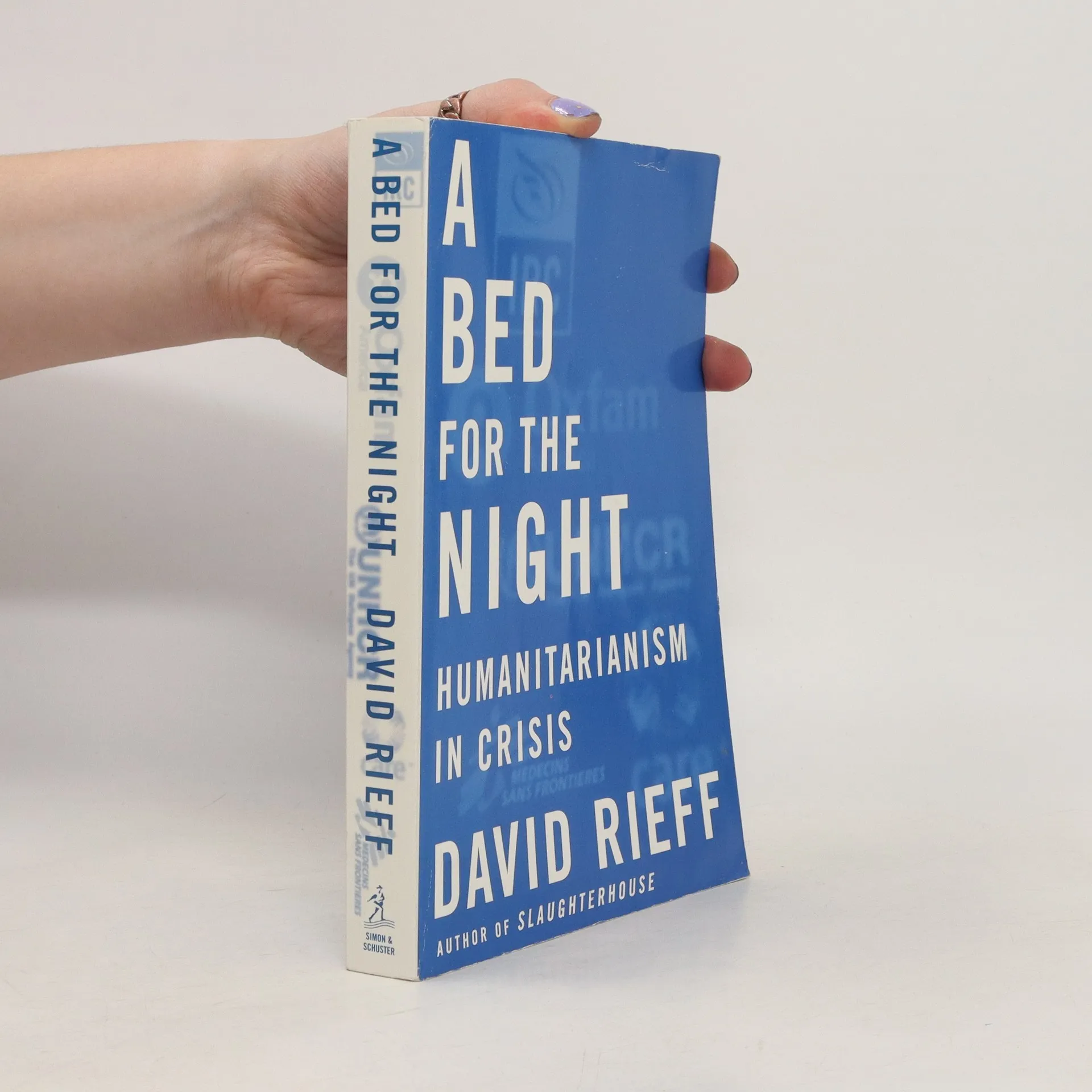
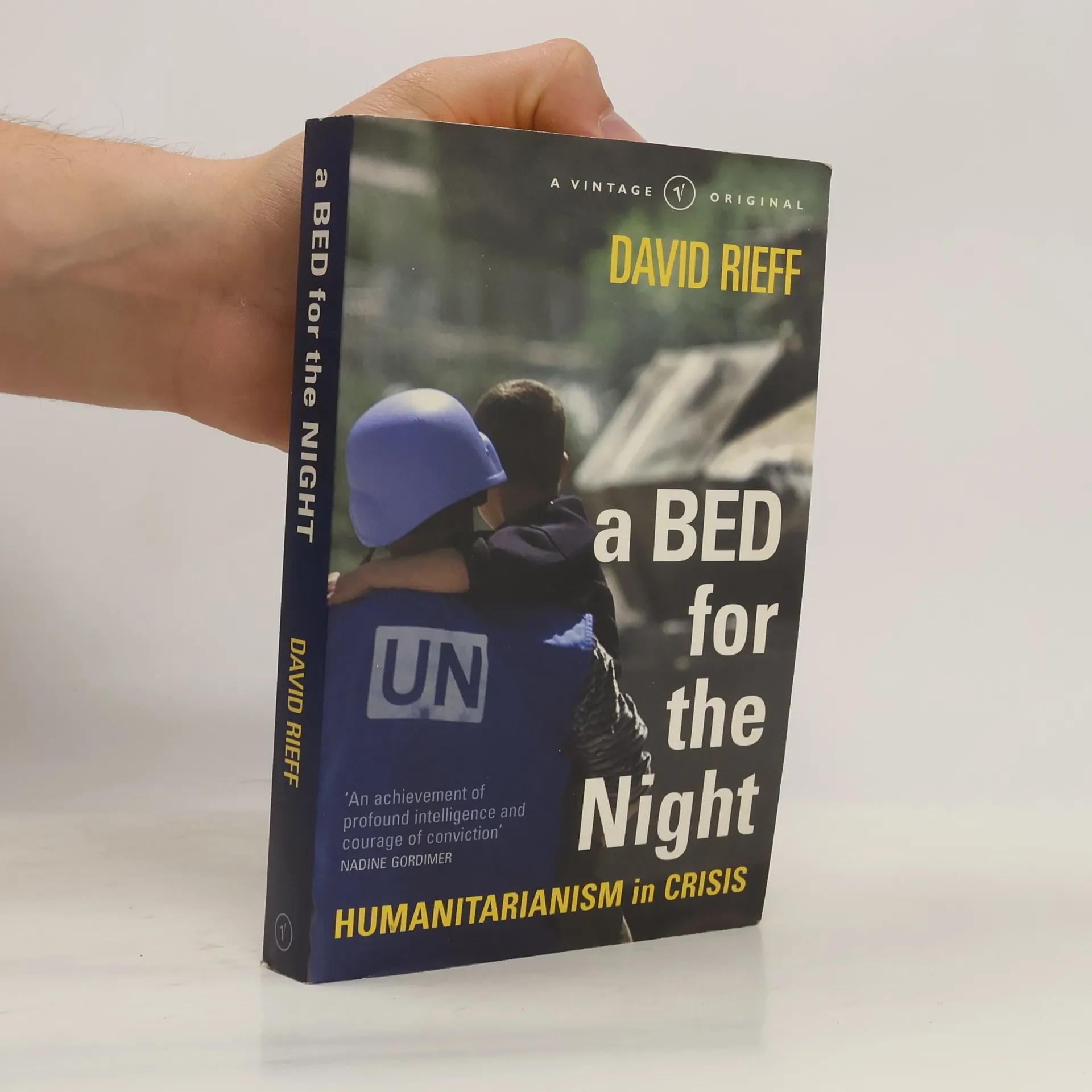
A Bed for the Night Humanitarianism in Crisis
humanitarianism in crisis
- 2002
A Bed For The Night
- 352 Seiten
- 13 Lesestunden
Timely and controversial, A Bed for the Night reveals how humanitarian organizations trying to bring relief in an ever more violent and dangerous world are often betrayed and misused, and have increasingly lost sight of their purpose.