
Gratis Versand ab 16,99 €. Mehr Infos.
Bookbot

David S. Linthicum

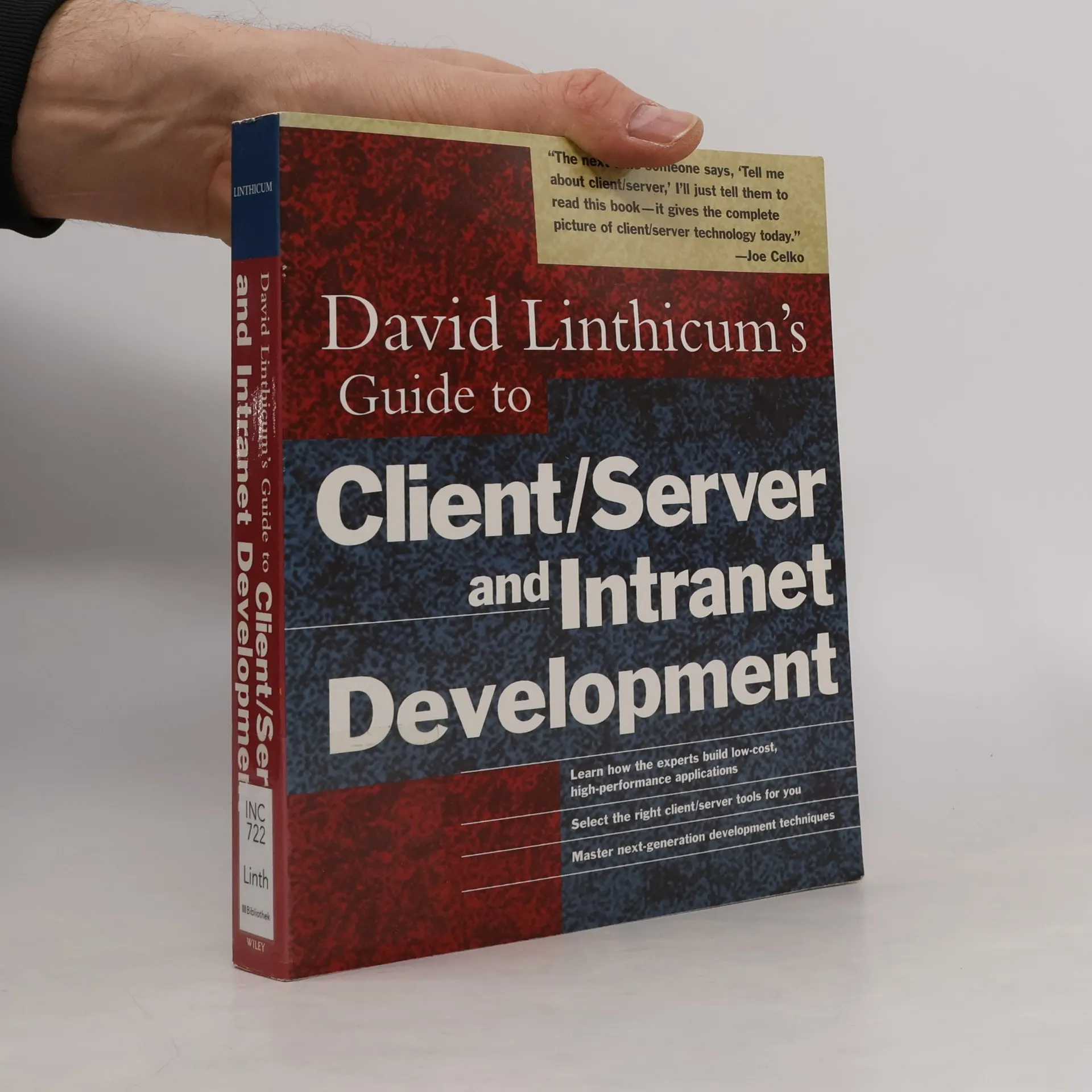
    David Linthicum's Guide to Client/Server and Intranet Development
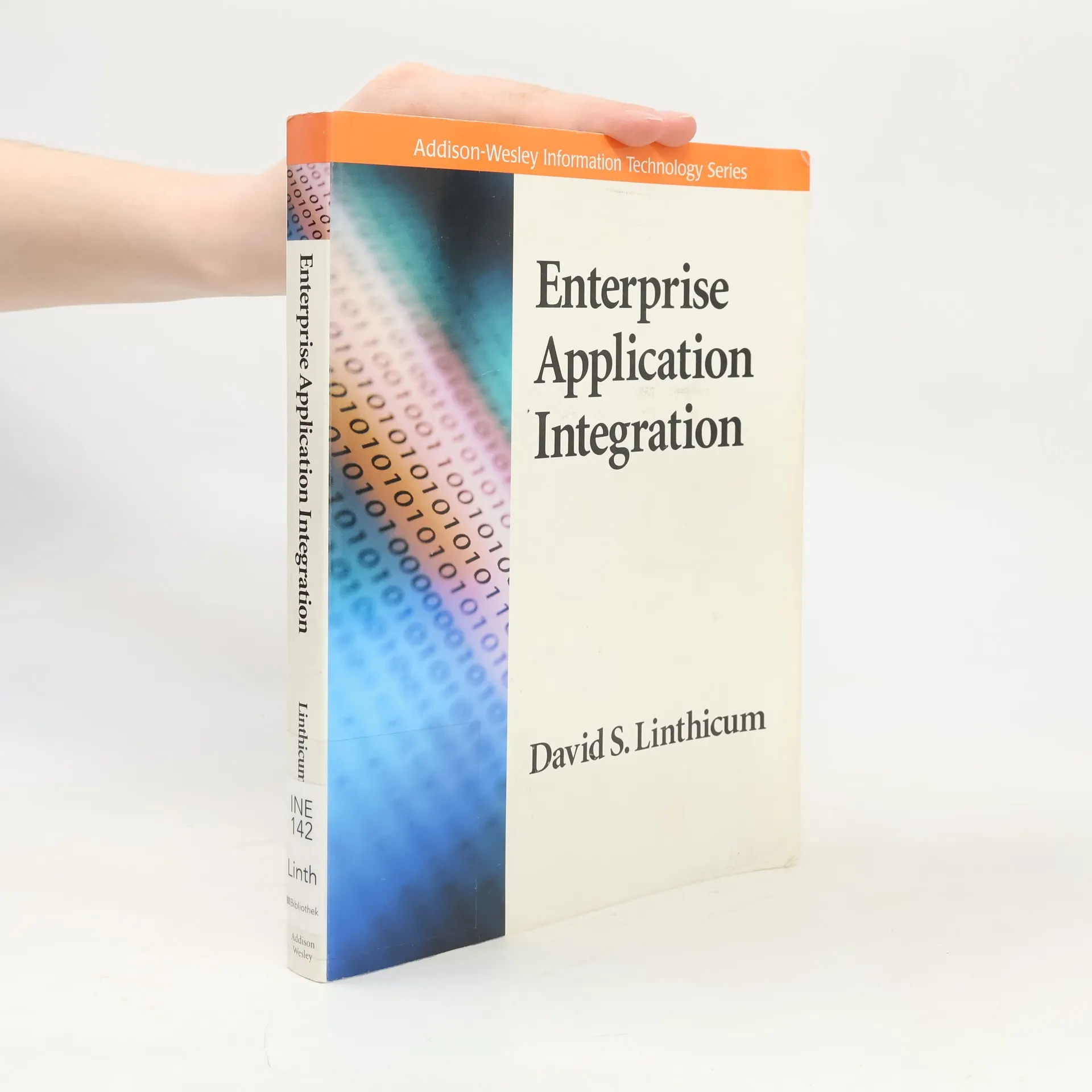
    Enterprise Application Integration
    • Enterprise Application Integration

      • 400 Seiten
      • 14 Lesestunden

      Organizations that successfully integrate their applications and data sources gain a competitive edge through enhanced efficiency and profitability. However, IT managers face significant challenges, including disparate legacy systems, varied hardware and networking technologies, and proprietary applications. Enterprise Application Integration (EAI) addresses this pressing need by enabling seamless communication between business processes and data across applications. This comprehensive examination of EAI covers its goals, approaches, and the technologies that support it, along with a roadmap for implementation. The book details the four major integration types: data-level, application interface-level, method-level, and user interface-level. It explores various middleware models and technologies, including application servers (such as Enterprise JavaBeans and ActiveX), message-oriented middleware (MOM), remote procedure calls (RPCs), distributed objects (CORBA and COM), database-oriented middleware (ODBC, JDBC, OLE DB), Java middleware standards, message brokers, and new process automation technologies. This practical guide walks readers through the major steps of implementing an EAI solution, from identifying data sources and building the enterprise metadata model to process integration and maintenance. Key topics also include integrating packaged applications like SAP R/3 and PeopleSoft, supply chain integration, the role

      Enterprise Application Integration
    • A renowned client/server expert provides state-of-the-art techniques for building client/server and intranet applications. This valuable guide shows developers how to leverage cutting-edge development tools and techniques to create real-life business applications. It offers step-by-step procedures for application creation, guidance on selecting appropriate software and hardware, and tips for estimating project costs. The book covers client/server and network architectures, middleware types, and development tools, enabling you to determine the best approach for your projects. It assesses numerous tools by type, features, and specialization, along with detailed guidelines for crafting effective solutions. You'll learn how to form and test your final system, along with expert tips essential for developers and application architects to enhance their effectiveness. In addition to recommendations and warnings, the guide includes case studies and covers the latest client/server development tools and methods, two-tier, three-tier, and multi-tier development models, repository-driven development, programming languages, database connectivity, and middleware. It also explores CORBA-compliant ORBs, the Microsoft Active Platform, and next-generation application partitioning tools like Forte and Dynasty.

      David Linthicum's Guide to Client/Server and Intranet Development