

Gratis Versand ab 14,99 €. Mehr Infos.
Bookbot

Rosemary Hill

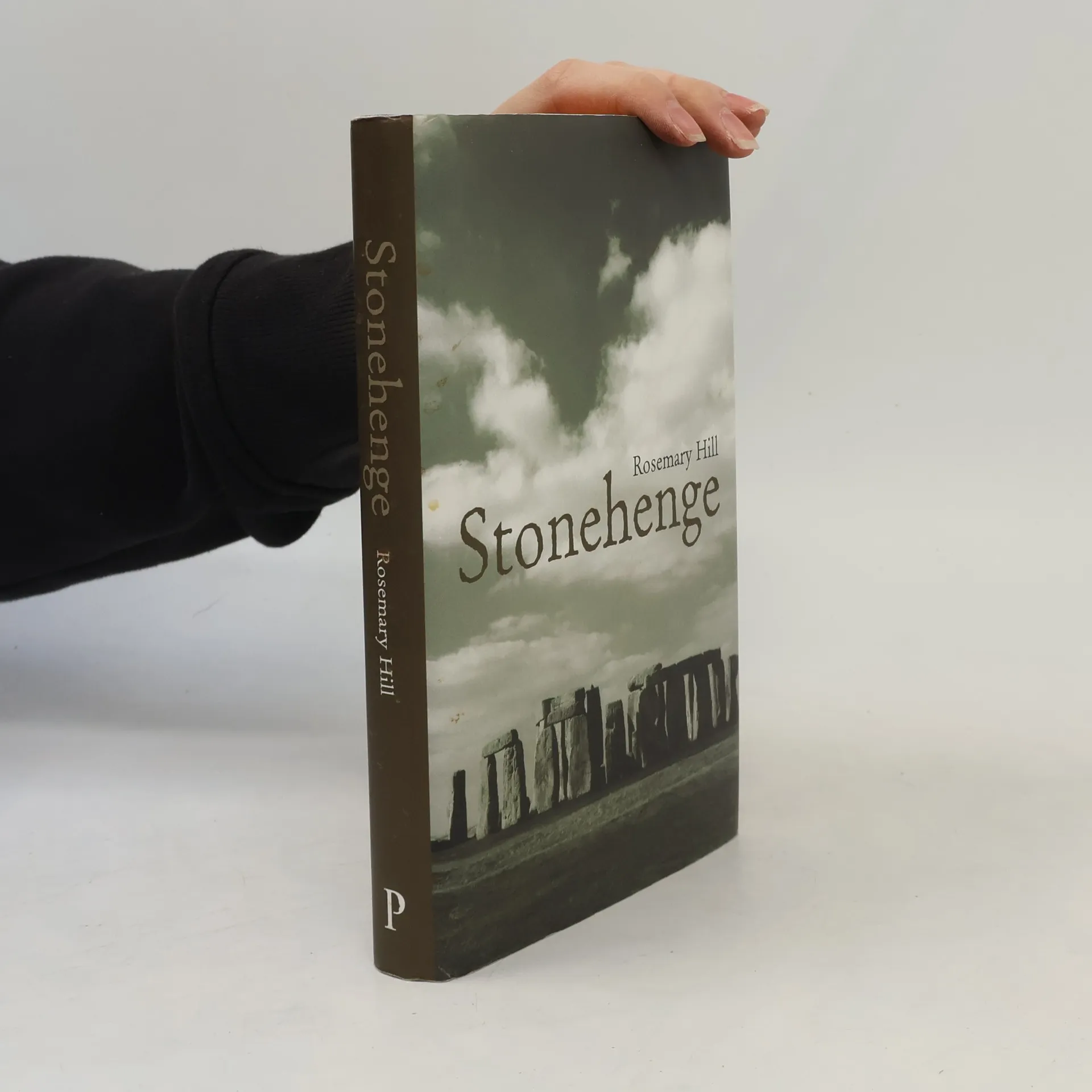
    Stonehenge
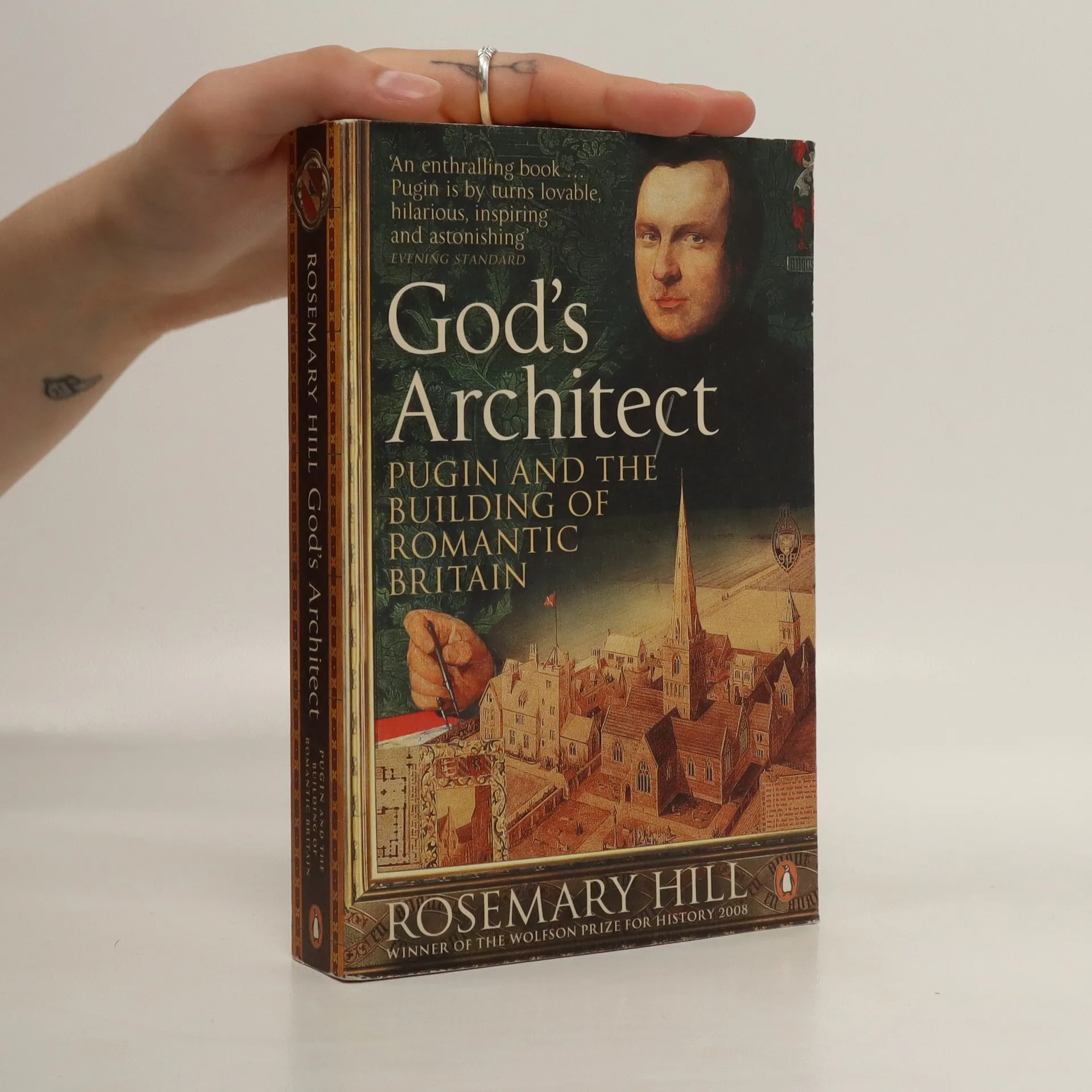
    God's architect : Pugin and the building of romantic Britain
    Time's Witness
    • Time's Witness

      • 416 Seiten
      • 15 Lesestunden

      From the Wolfson Prize-winning author of God's Architect: Pugin and the Building of Romantic Britain Between the fall of the Bastille in 1789 and the opening of the Great Exhibition in 1851, history changed. The grand narratives of the Enlightenment, concerned with kings and statesmen, gave way to a new interest in the lives of ordinary people. Oral history, costume history, the history of food and furniture, of Gothic architecture, theatre and much else were explored as never before. Antiquarianism, the study of the material remains of the past, was not new, but now hundreds of men - and some women - became antiquaries and set about rediscovering their national history, in Britain, France and Germany. The Romantic age valued facts, but it also valued imagination and it brought both to the study of history. Among its achievements were the preservation of the Bayeux Tapestry, the analysis and dating of Gothic architecture, and the first publication of Beowulf. It dispelled old myths, and gave us new ones: Shakespeare's birthplace, clan tartans and the arrow in Harold's eye are among their legacies. From scholars to imposters the dozen or so antiquaries at the heart of this book show us history in the making.

      Time's Witness
      4,0
    • 'God's Architect' is the full biography of Pugin, one of Britain's greatest architects, drawing on thousands of unpublished letters and drawings to recreate his life and work as architect, propagandist and romantic artist. It tells the turbulent story of Pugin's three marriages, the bitterness of his last years and his sudden death at 40

      God's architect : Pugin and the building of romantic Britain
      4,2
    • Stonehenge

      • 242 Seiten
      • 9 Lesestunden

      This is the first book to approach Stonehenge without any theoretical position. It describes what is known and believed about the monument's construction from c. 3000 BCE onwards. The Middle Ages were content with the story of it having been brought by Merlin from Ireland. The post Reformation antiquaries gave us the conception of Stonehenge as a historical monument. It played a significant role in the imagination of writers and artists. Then the Victorians invented prehistory and Darwin himself came to measure it. In 1918 it passed into public ownership and 1926 saw the first forced entry by Druids.The Earth Mysteries Movement now sees the stones as part of a greater web of ley lines and other phenomena. Archaeologists, united in their disdain for that, remain divided on many other points. And perhaps the most fraught issue now is conservation as the henge stands between two thundering main roads. This rich and provocative book explores all this in presenting a monument whose history is as fascinating as its secret.

      Stonehenge