

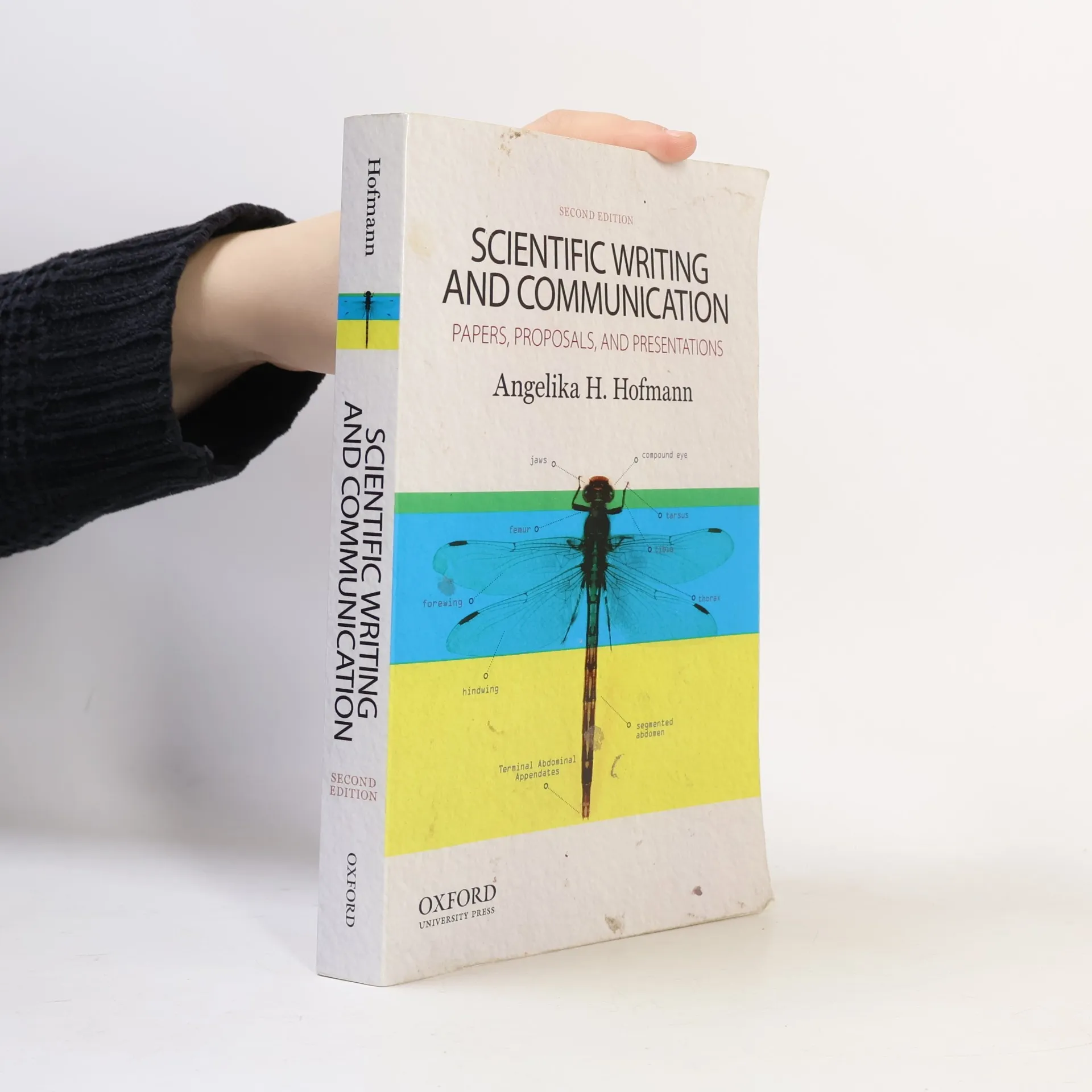
Scientific Writing and Communication
Papers, Proposals, and Presentations - Second Edition
- 752 Seiten
- 27 Lesestunden
This comprehensive handbook covers essential aspects of scientific communication necessary for promoting research and advancing careers. It begins with foundational writing styles and composition, then applies these principles to various formats, including research papers, grant proposals, and academic presentations. Targeted at upper-level undergraduates, graduate students, postdoctoral fellows, faculty, and professional researchers across disciplines, it offers practical guidance on writing mechanics, manuscript planning, and organizational strategies. Real-world examples from diverse fields illustrate effective technical writing and common pitfalls to avoid. Annotated text passages make writing principles relatable, while extensive end-of-chapter exercises allow readers to practice and apply these concepts. The book includes writing guidelines and revision checklists to help scientists navigate common challenges and refine their work. Its clear writing style is accessible to both native and non-native English speakers, with special features addressing the unique difficulties faced by ESL learners. Additionally, it provides tables and sample phrases to assist in drafting various sections of scientific documents. The thorough coverage of grant writing guides readers through the entire application process, ensuring they are well-prepared for submission and revision.