


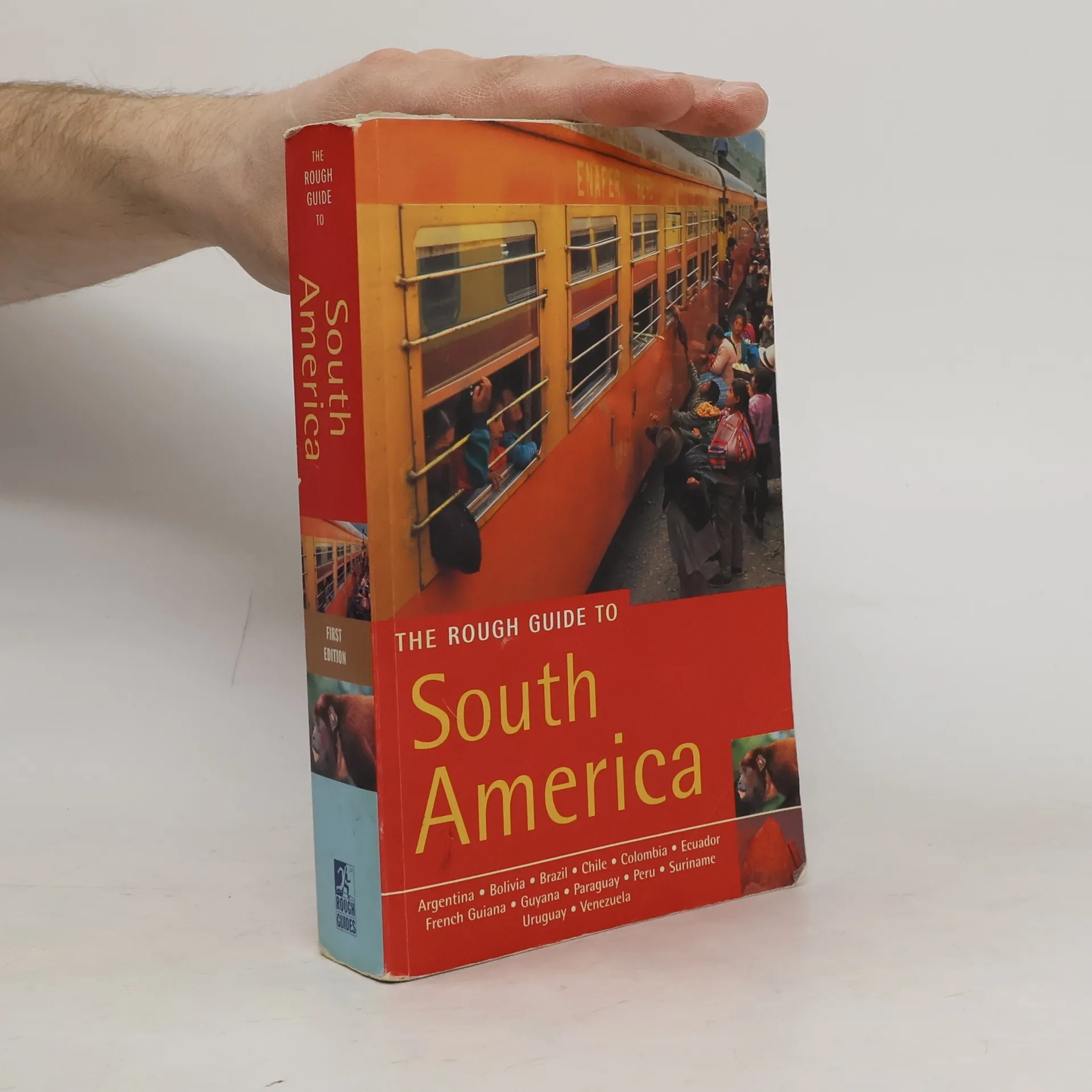
The Rough Guide to South America - First Edition
- 1102 Seiten
- 39 Lesestunden
Stretching from the Caribbean to Tierra del Fuego, South America is a vast mosaic of climates, landscapes, and peoples, almost twice the size of Europe. The continent showcases immense geographic and cultural diversity, featuring primeval rainforests, vibrant cities, stunning mountains, vast deserts, and remote indigenous villages. The thirteen countries are intriguing for their commonalities and distinct differences. Geographic realities, early settlement patterns, and the legacies of French, Dutch, English, Spanish, and Portuguese colonization have shaped a continent where internal differences often surpass those between nations. For instance, Brazil’s northern region shares more similarities with neighboring parts of the Amazon in Peru or Colombia than with Rio de Janeiro. Extreme social and economic disparities are evident, particularly in cities where wealth coexists with poverty, and the middle class faces decline. The continent's history is rooted in its original Amerindian populations, European colonization, slavery, and immigration. Indigenous peoples, descendants of ancient societies, remain influential, especially in the Andes, Amazon, and Paraguay. By the early 16th century, Spanish and Portuguese explorers established settlements, dividing the continent among European powers. South America, seen as a land of wealth, lacked sufficient labor, leading colonizers to turn to Africa for enslaved workers. Following inde