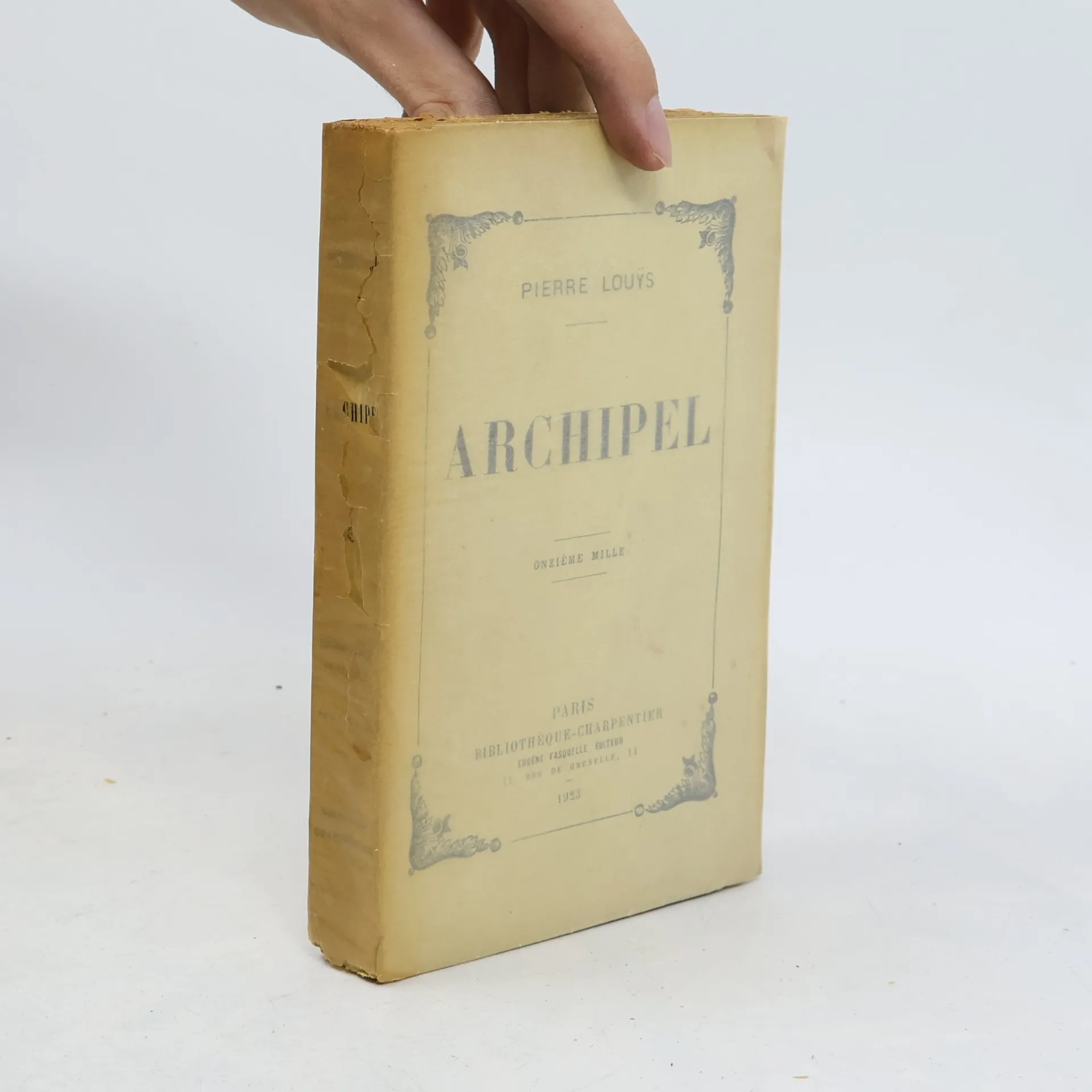
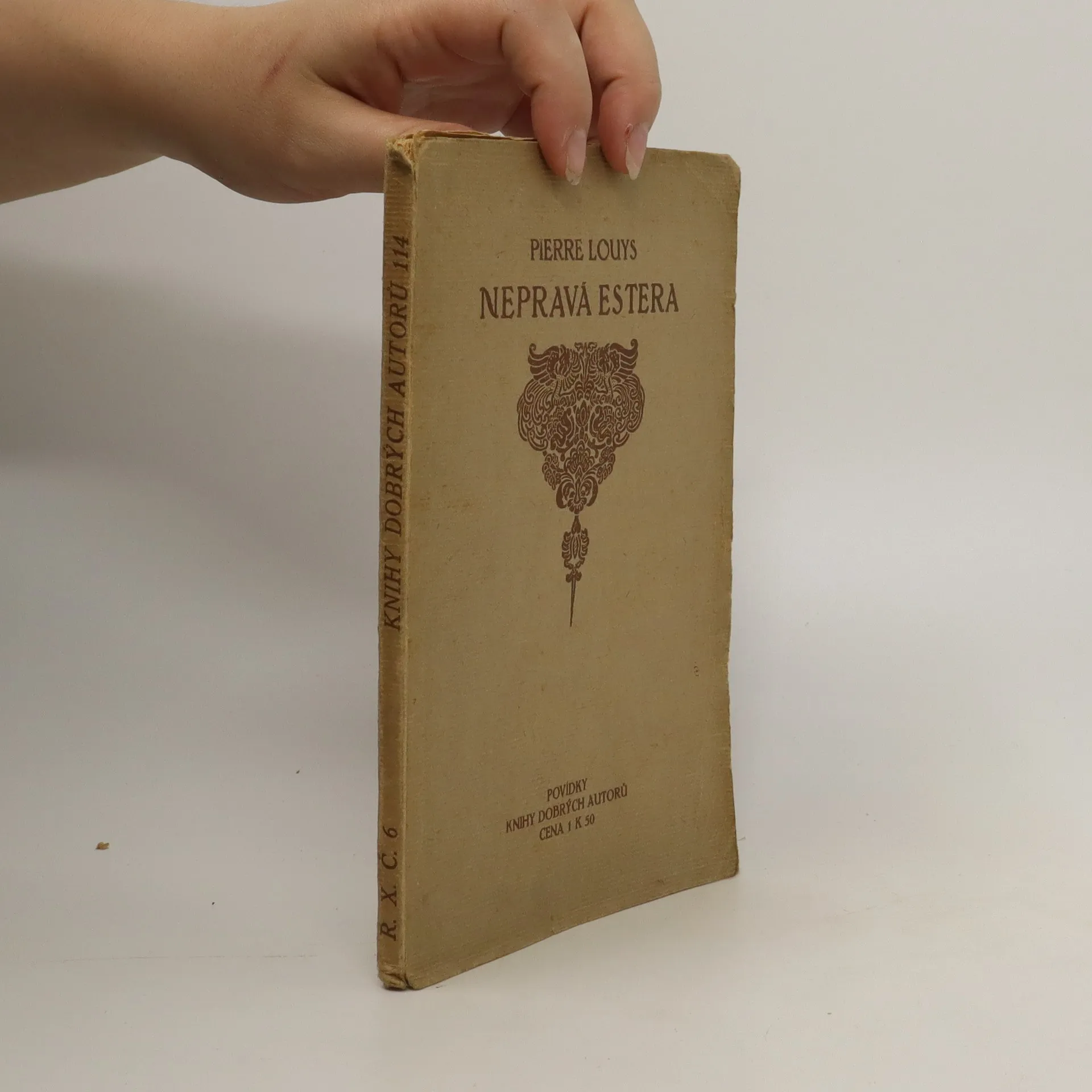
Kdo je Pybrac? Zřejmě Guy du Faur, pán z Pibrac, francouzský básník a diplomat, který žil v letech 1529-84 a jehož šlechtický přídomek se někdy psal v podobě, jakou zvolil Louys. Jenže souvislosti mezi domnělým předobrazem a Louysovou skladbou jsou matné; podobně jako vztah mezi středověkým Smilem z Lichtenburku, případně Smilem Flaškou z Pardubic, a eposem Rytíř Smil, který bývá tradičně připisován Jaroslavu Vrchlickému.
Pierre Louÿs Reihenfolge der Bücher (Chronologisch)
10. Dezember 1870 – 4. Juni 1925
Pierre Louÿs war ein französischer Dichter und Schriftsteller, der dafür bekannt ist, „heidnische Sinnlichkeit mit stilistischer Perfektion auszudrücken“. Seine Werke befassen sich häufig mit lesbischen und klassischen Themen und spiegeln sein Streben nach formaler Eleganz wider. Im Laufe seiner Karriere pflegte Louÿs Freundschaften mit vielen bedeutenden Künstlern und Komponisten seiner Zeit. Seine bedeutenden Beiträge zur französischen Literatur wurden mit Ernennungen zum Chevalier und später zum Offizier der Ehrenlegion gewürdigt.
Le cul de la femme
- 96 Seiten
- 4 Lesestunden
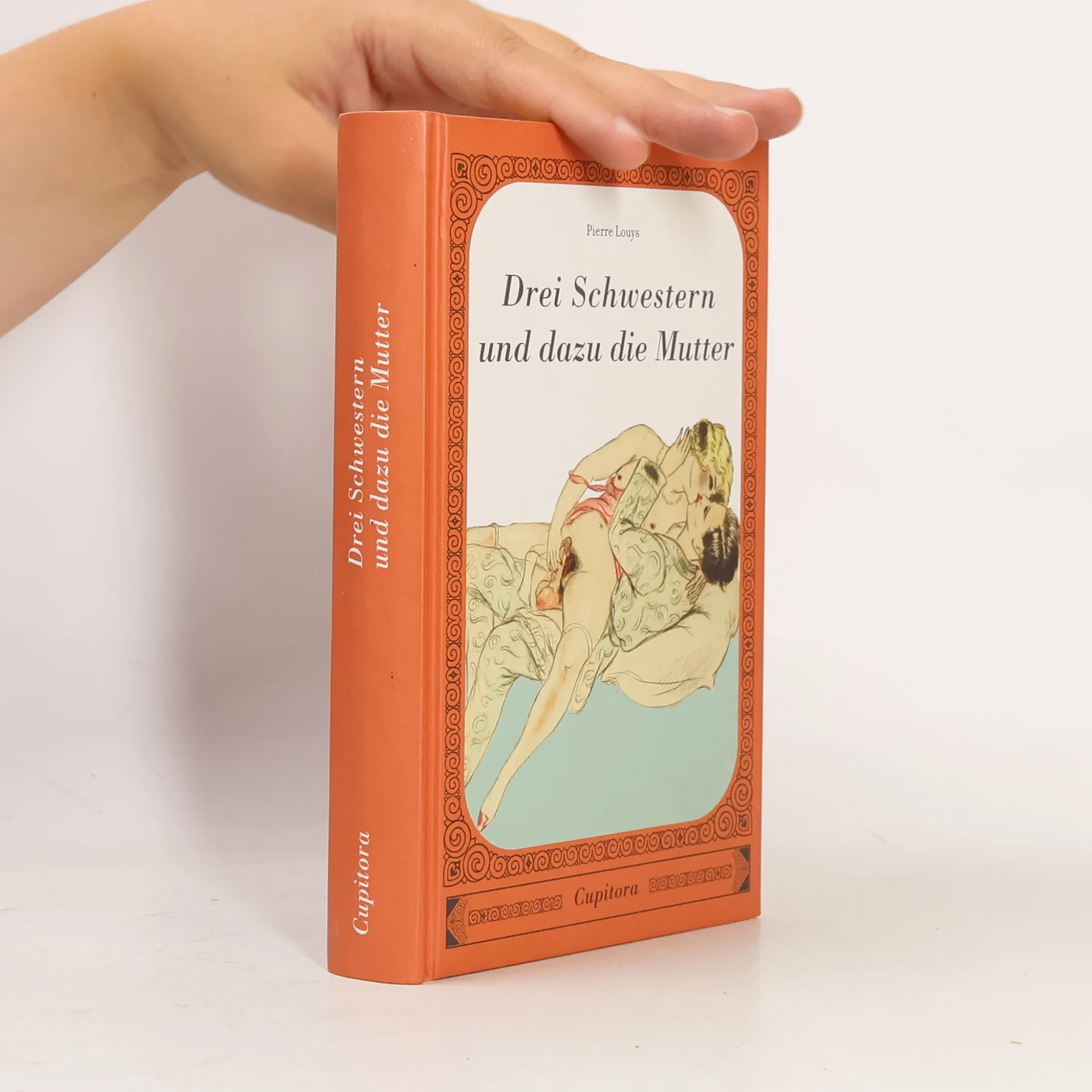
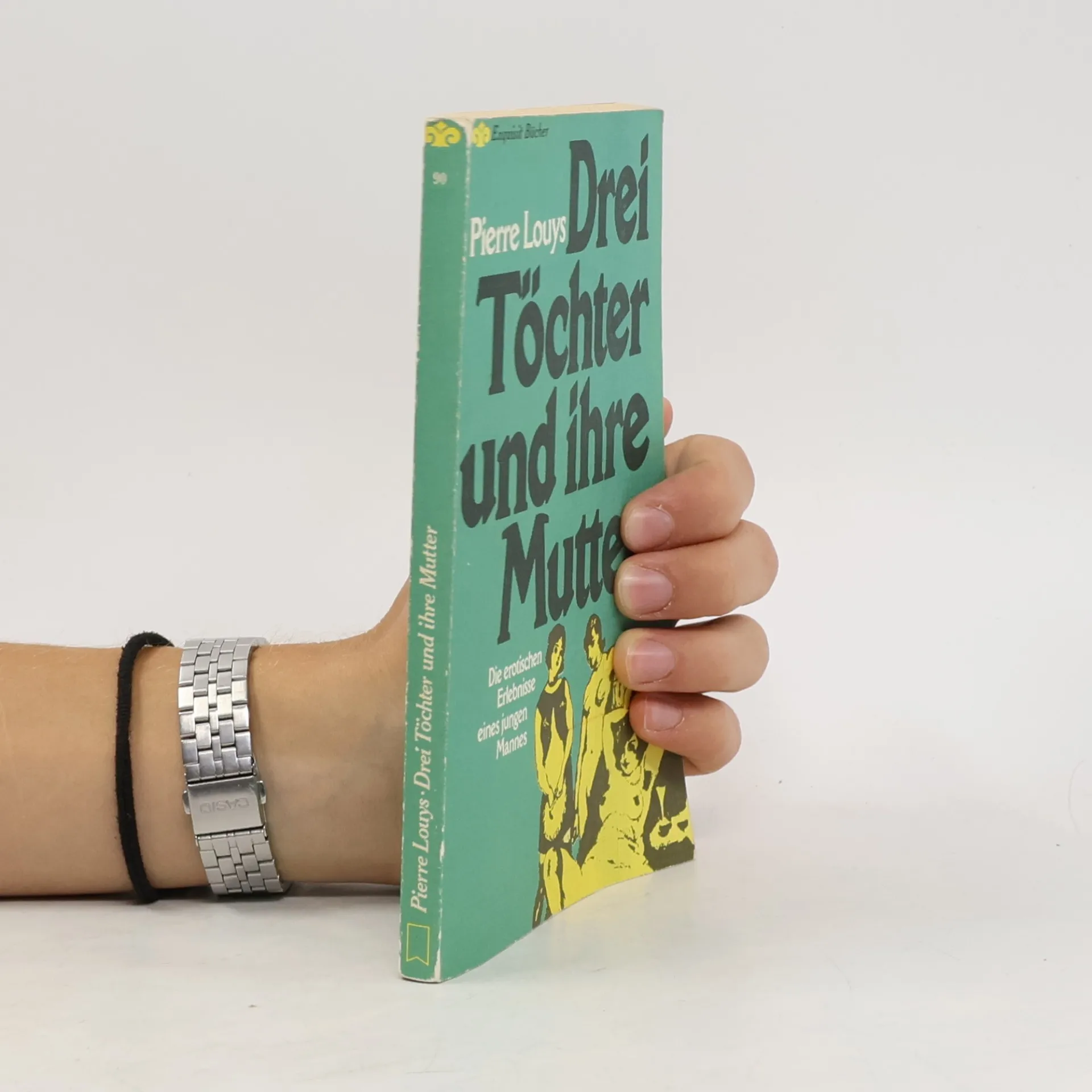
Tři dcery a matka
- 214 Seiten
- 8 Lesestunden
Novela Tři dcery a matka (Trois filles de leur mere, 1926) patří k Louysovým nejprovokativnějším prózám. Její rukopis byl nalezen mezi texty v autorově pozůstalosti a předlohou se jí údajně stala Louysova osobní zkušenost, již během dvou dnů prožil s nedospělými dívkami a jejich matkou. A skutečně, v tomto skandálním příběhu se matka oddává incestnímu a pedofilnímu vztahu se svými třemi dcerami, jimž nevěřícně, zato zdatně sekunduje sám vypravěč. Není jen aktérem hrubých fyzických hrátek, ale také posluchačem, jemuž se dívky svěřují se svými předchozími sexuálními zkušenostmi a touhami, v nichž vedle řady perverzních praktik figuruje také zoofilie. Právě proto je tento text svým tématem a smělostí v rámci světové literatury silně kontroverzním i dnes.
Twilight of the Nymphs, The
- 268 Seiten
- 10 Lesestunden
This collection features seven mildly erotic stories rooted in mythology, showcasing Pierre Louÿs's exquisite retelling of these legends. Originally published in limited editions in Paris from 1893 to 1898, the narratives highlight his remarkable literary craftsmanship, blending imaginative artistry with delicate themes. While less sensational than some of his other works, these stories stand out for their subtlety and emotional depth, offering a sympathetic exploration of timeless myths.
Žena a loutka
- 121 Seiten
- 5 Lesestunden
Román, předloha filmu Luise Buňuela Tajemný předmět touhy, je příkladem dekadentní prózy se silně estetizující tendencí dodat všemu ráz artistní zjemnělosti, která kontrastuje s materiálem příběhu: ten je především o lásce a žárlivosti, s nemalou dávkou erotiky a nezbytně zištným sexus necans. Dominuje barrevná španělská scenérie a kruté rozmary hrdinky.
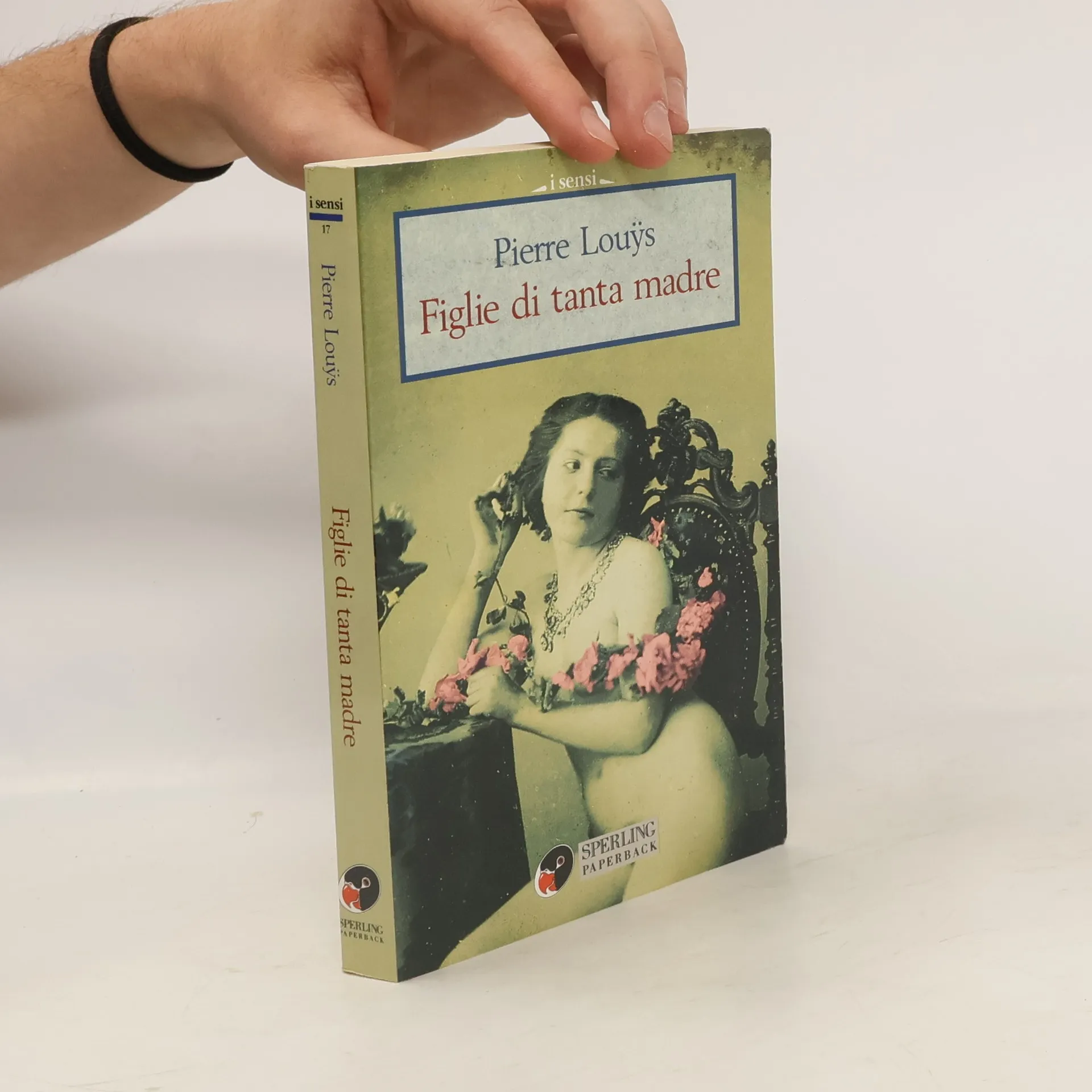
Figlie di tanta madre
- 207 Seiten
- 8 Lesestunden
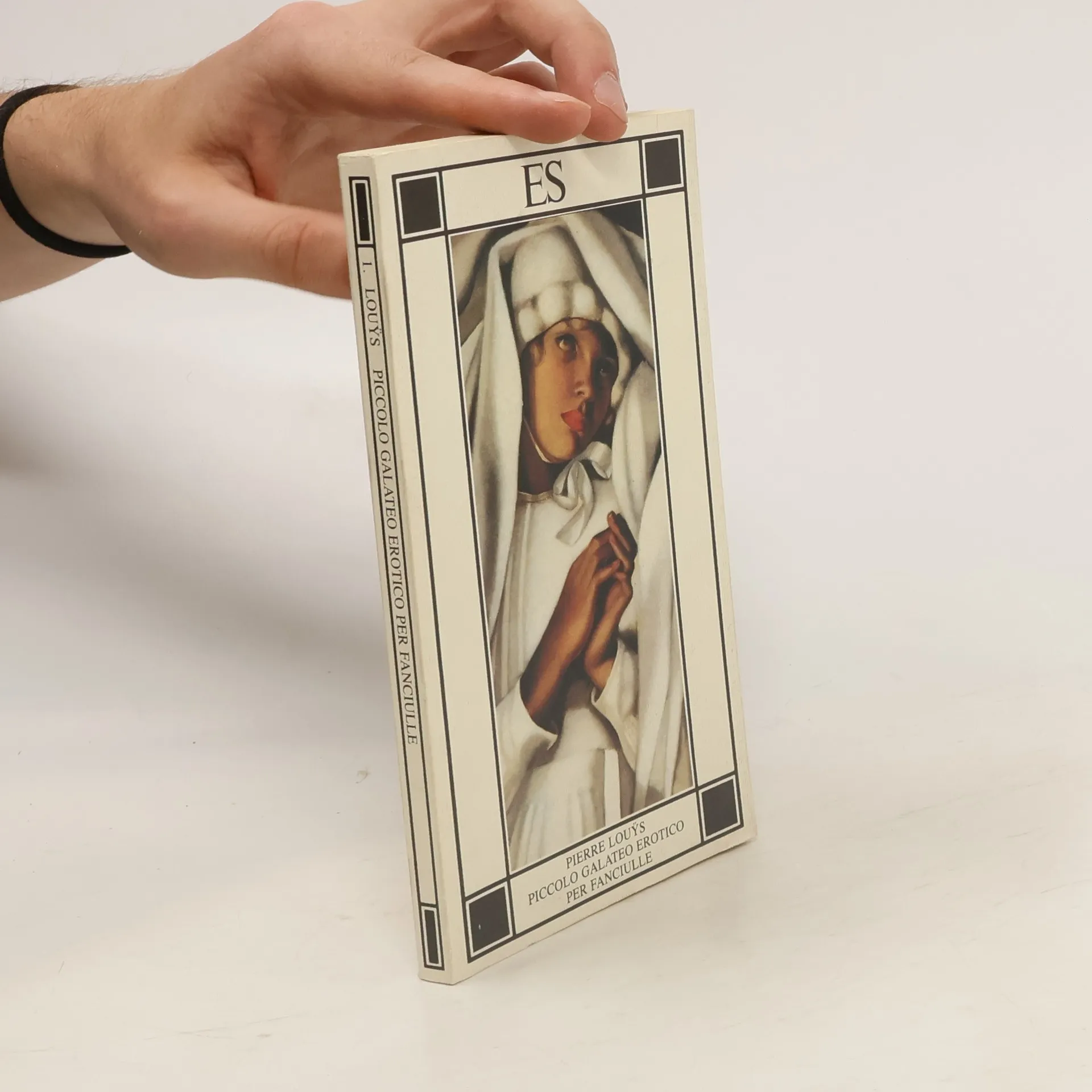
Piccolo galateo erotico per fanciulle
- 102 Seiten
- 4 Lesestunden
Insegnamenti di buona condotta per fanciulle a beneficio dei collegi è stato il primo manoscritto erotico di Pierre Louÿs a vedere la luce e rimane anche la sua scrittura più scandalosa, in cui l'umorismo ha la priorità sulla lascivia. Attraverso consigli scandalosamente volgari e offerti con ostentazione "a beneficio dei collegi", con un tono esilarante e parodico, Louÿs sovverte completamente le morali di fine Ottocento. Che si tratti di elencare regole di etichetta in chiesa, a casa o a scuola, o di sottolineare i doveri di una ragazza verso la famiglia, la comunità o Dio, Louÿs riesce a ridicolizzare tutte le istituzioni e non lascia alcun tabù intatto. Insegnamenti di buona condotta per fanciulle a beneficio dei collegi è continuato a essere sempre più scandaloso e sovversivo fin dalla sua prima apparizione nel 1926.
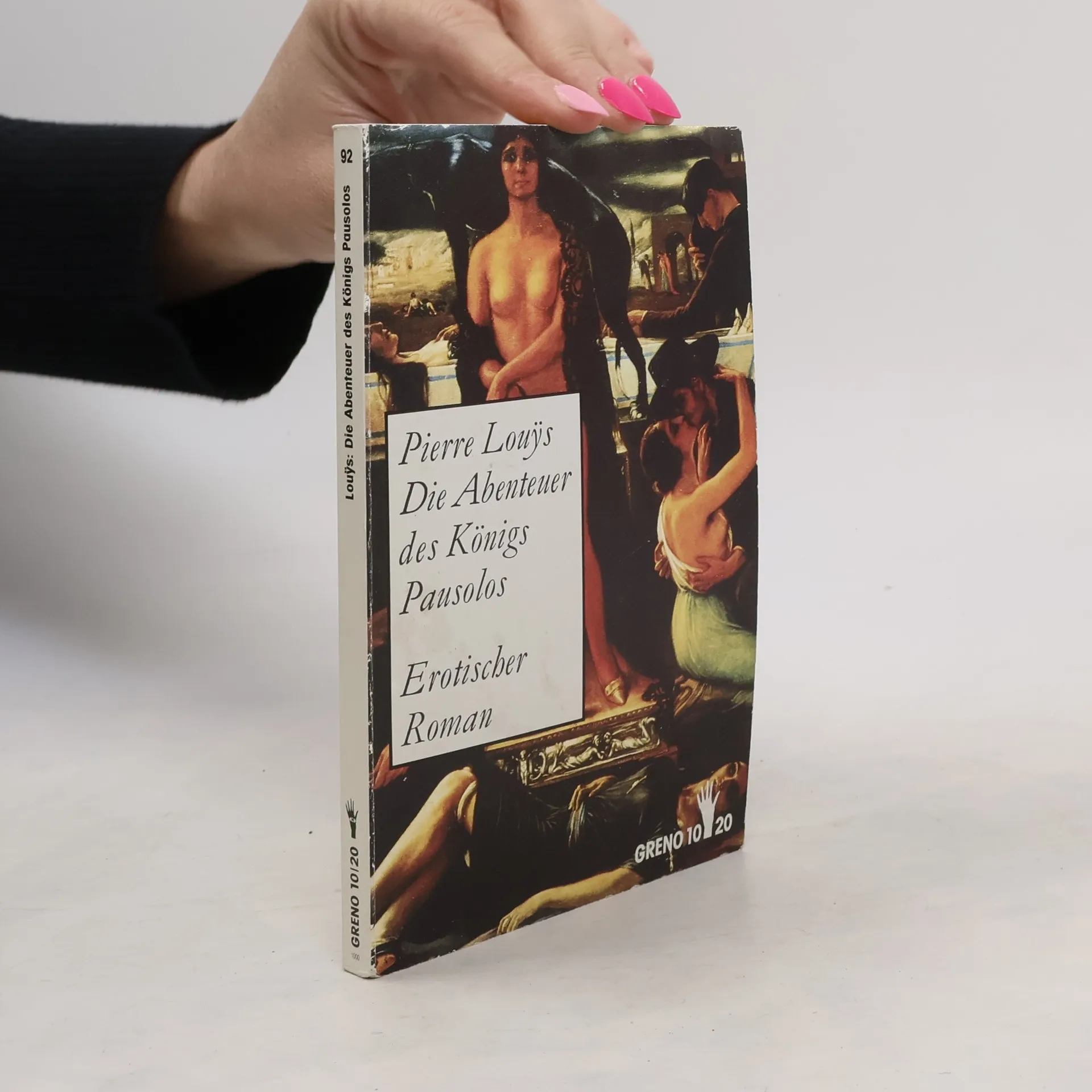
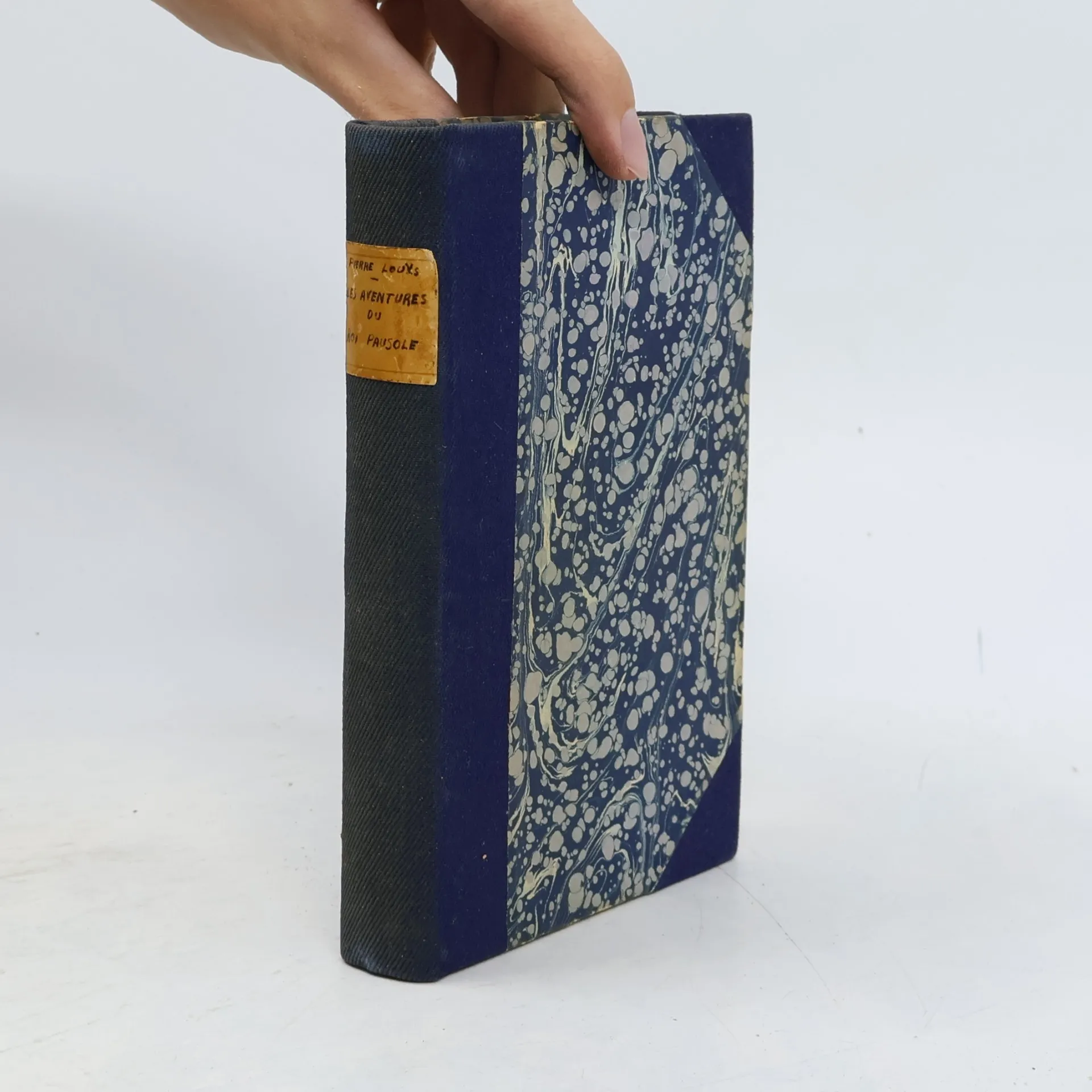
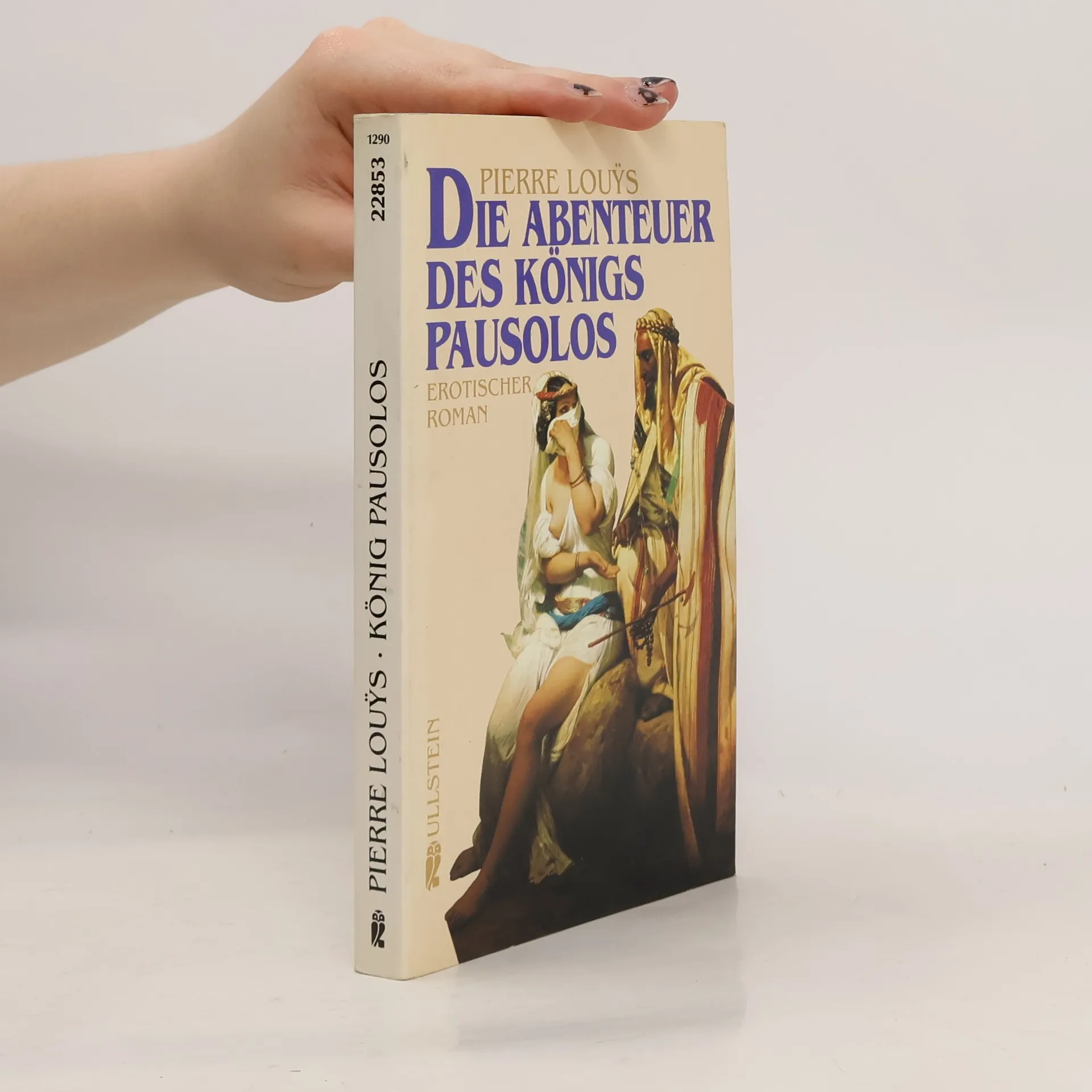
Die Abenteuer des Königs Pausolos
- 222 Seiten
- 8 Lesestunden
Die Abenteuer des Königs Pausolos. Erotischer Roman.
- 222 Seiten
- 8 Lesestunden
Schwestern
- 186 Seiten
- 7 Lesestunden
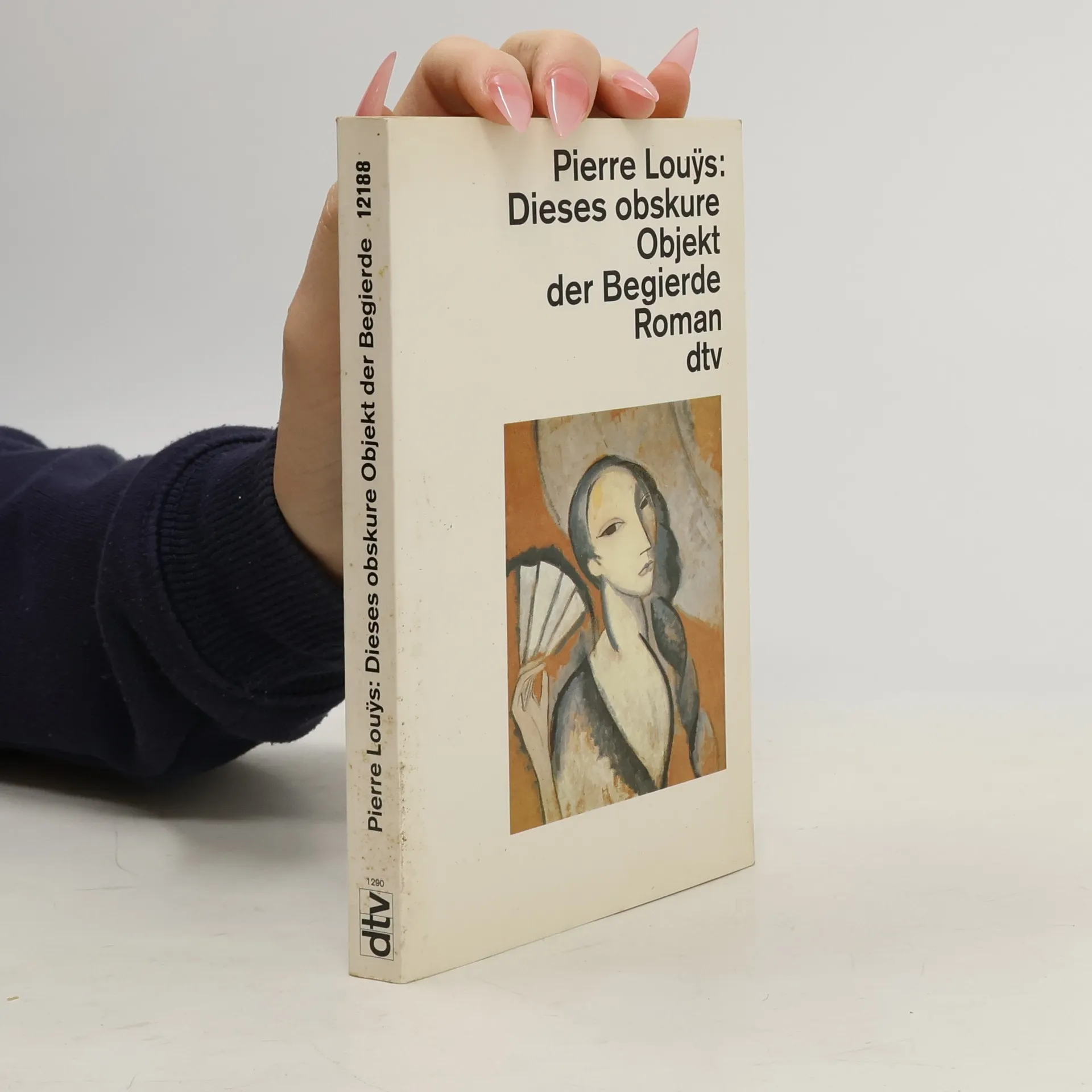
Zwei Schlüsselromane der erotischen Literatur ergründen die Grenzbereiche der menschlichen Leidenschaft: Aus Begehren wird Raserei, aus Bewunderung Obsession und aus der Liebe eine einzige entzückende Qual. Kein Thema hat Pierre Louÿs mehr interessiert als das ungeklärte Verhältnis zwischen den Geschlechtern, und nichts sezierte er mit größerer Lust und Virtuosität als das Verhältnis im Extrem, in der Obsession. 'Aphrodite' und 'Dieses obskure Objekt der Begierde' sind sublime Protokolle der alles verzehrenden Leidenschaft; beide erzählen von den schrankenlosen Abhängigkeiten zwischen Mann und Frau. Als 'La Femme et le Pantin' 1898 erschien, eroberte es sich sofort eine begeisterte Leserschaft. Der Belle Epoque-Roman wird hier - unter dem Titel der Buñuel-Verfilmung - in Neuübersetzung zusammen mit Louÿs' Aufsehen erregendem Romandebut vorgestellt. 'Dieses obskure Objekt der Begierde' ist die mädchenhafte Schönheit Conchita, eine andalusische Lolita, nur ungleich durchtriebener. Sie verspricht ihrem Verehrer alles und hält nichts, flüstert ihm Verheißungen ins Ohr und verhöhnt wenig später seine innigsten Begierden. Doch je tiefer die Hörigkeit geht, desto mehr enthüllt Louÿs das Opfer-Täter-Schema als grausames wechselseitiges Abhängigkeitsverhältnis. Auch in seiner 'Aphrodite', einem Glanzstück erotischen Raffinements, lotet der Autor die Grenzbereiche der menschlichen Seele aus.
The Woman and the Puppet
- 157 Seiten
- 6 Lesestunden
The Woman and The Puppet - which drew some of its inspiration from Bizet's Carmen, as well as a particular episode in Casanova's Memoirs - is a precise account of obsessive love, a distillation of decadent themes that holds good from one fin-de-siecle to another, a cautionary tale whose title acknowledges that for a woman to be fatale requires the complicity of a male puppet.. "The novel opens during the boisterous Seville Carnival of 1896 during which Andre Stevenol, an amorously-inclined young Frenchman, succeeds in attracting the attention of the alluring Concha Perez. A rendezvous is arranged, but before it can take place Andre meets Don Mateo, who, in a long monologue recounts his affair with Concha and seeks to dissuade the younger man from becoming embroiled with the 'worst of women', who has teased, ridiculed and humiliated him. The warning like most warnings had little effect.
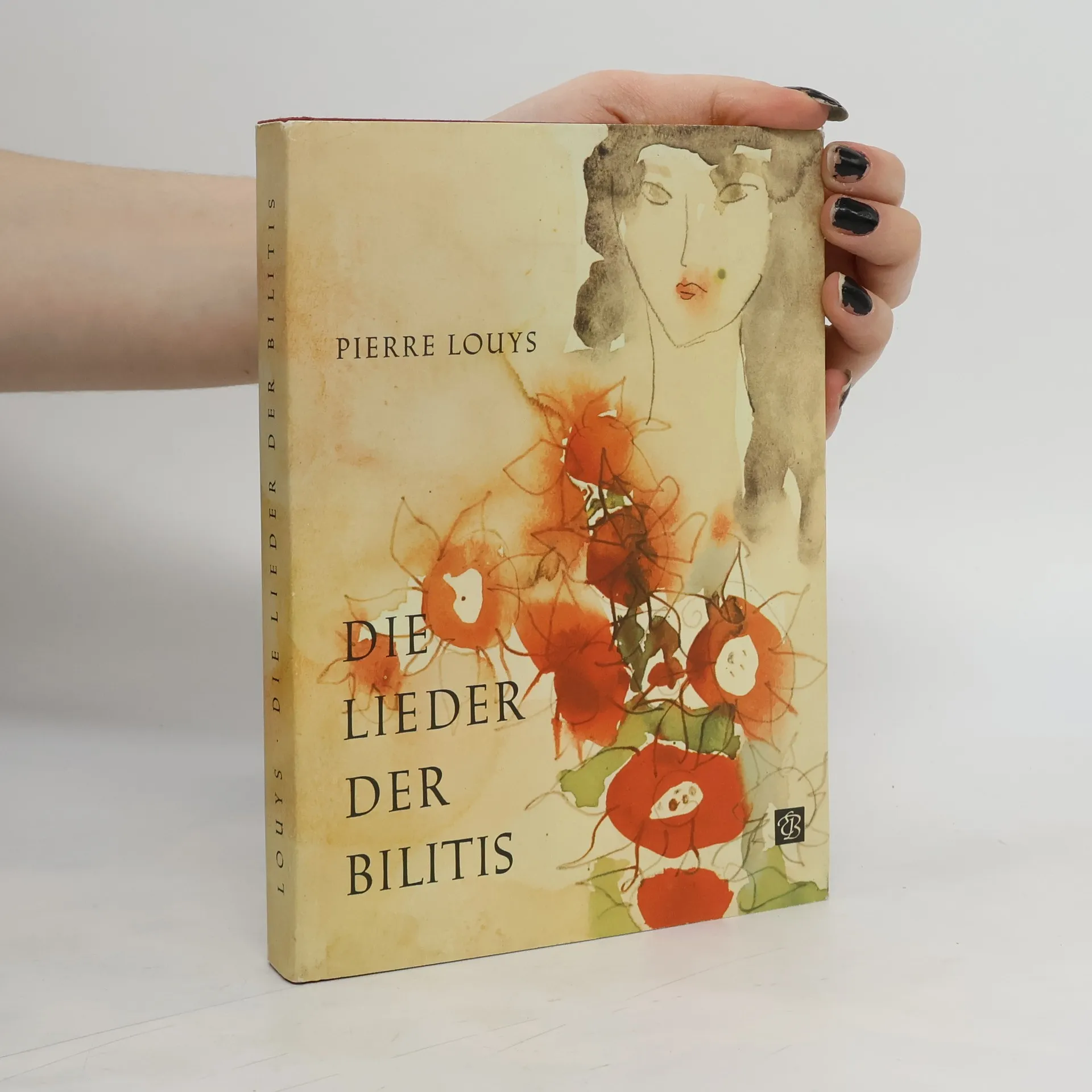
Sbírka erotické poezie v próze, původně vydaná jako dílo starořecké hetéry Bilitis, současnice slavné Sapfó. V jednotlivých básních se zrcadlí Bilitiny soukromé myšlenky s důrazem na lesbickou lásku, pozornost je však věnována také její veřejné činnosti.