

Gratisversand in ganz Deutschland!
Bookbot

Steven D. Levitt

    29. Mai 1967

    Steve Levitt ist ein amerikanischer Ökonom, der für seine Arbeiten über Kriminalität, insbesondere die Verbindung zwischen legalisierten Abtreibungen und Kriminalitätsraten, bekannt ist. Sein Ansatz nutzt ökonomische Prinzipien zur Analyse gesellschaftlicher Phänomene und deckt unerwartete Korrelationen auf. Mit einem Gespür für fesselndes Erzählen macht Levitt komplexe ökonomische Konzepte einem breiten Publikum zugänglich. Seine Arbeit regt die Leser an, die Welt auf neue und unkonventionelle Weise zu betrachten.

    Steven D. Levitt
    Choosing My Religion
    Confessions of a Hero-Worshiper
    Wann Sie eine Bank überfallen sollten
    Freakonomics: überraschende Antworten auf alltägliche Lebensfragen
    Think like a Freak
    Superfreakonomics
    • 2019

      Superfreakonomics es la sorprendente continuación de Freakonomics, donde Levitt y Dubner abordan temas controvertidos como la economía de la prostitución y el tráfico de drogas. Con preguntas provocadoras, exploran la relación entre incentivos y comportamiento humano, desafiando nuestra percepción del mundo de manera ingeniosa y entretenida.

      Superfreakonomics: Enfriamiento Global, Prostitutas Patrióticas Y Por Qué Los Terroristas Suicidas Deberían Contratar Un Seguro de Vida / Superfreakon
    • 2016

      Zbi�r zredagowanych wpis�w z najbardziej poczytnego bloga we wszechświecie. To idealny rozwiązanie dla milion�w czytelnik�w, kt�rzy uwielbiają wszystko, co związane z freakonomią. Ta książka - zaskakująca, elokwentna i dowcipna - to kolejny dow�d geniuszu autor�w. To ten sam geniusz, za sprawą kt�rego odnieśli oni międzynarodowy sukces: 7 milion�w sprzedanych egzemplarzy książki w 40 językach. Po publikacji Freakonomii jej autorzy założyli blog, kt�ry prowadzą do dziś. Piszą tam w mniej oficjalnym i bardziej osobistym stylu, a ich przemyślenia są czasem jeszcze bardziej szalone niż te zawarte w książce. W niniejszym tekście odpowiadają na szereg dość niecodziennych pytań: Dlaczego obsługa pokładowa samolotu nie dostaje napiwk�w? Jaką metodę ataku byś wybrał, gdybyś był terrorystą? Dlaczego w KFC co chwila brakuje smażonego kurczaka? Przez ostatnich dziesięć lat Steven D. Levitt i Stephen J. Dubner opublikowali na Freakonomics.com ponad 8 tysięcy wpis�w. Sami otwarcie przyznają, że wiele z nich jest do niczego. Postanowili je wszystkie przejrzeć i wybrali te najlepsze z najlepszych. Dzięki temu dowiesz się, na jakie tematy ludzie kłamią, dlaczego warto rozważyć wprowadzenie podatku od seksu oraz... tak, tak... kiedy warto obrabować bank (odpowiedź: nigdy, zwrot z inwestycji jest strasznie marny). Levitt i Dubner piszą tu r�wnież sporo o własnych zainteresowaniach i pasjach, od hazardu, przez golfa i tryktraka, aż po wycofanie z obiegu jednocent�wek.

      Kiedy warto obrabować bank oraz 131 innych zakręconych pomysłów i napadów pozytywnego bełkotu
    • 2016

      Die Top-Ökonomen Steven D. Levitt und Stephen J. Dubner sind Spezialisten darin, überraschende Lösungen für vertrackte Probleme zu finden. Und sie wissen genau, wie Erkenntnisse der Wirtschaftswissenschaften unser Leben leichter machen können. Im vorliegenden Buch stellen sich die Bestsellerautoren Fragen, die ihnen und ihren Lesern auf den Nägeln brennen. Mit ihrer ganz speziellen Mischung aus großartigem Humor und bestechender Logik erklären sie, warum Menschen lügen, Stewardessen kein Trinkgeld bekommen und es höchste Zeit ist, eine Sexsteuer einzuführen. Ein Buch der verblüffenden Erkenntnisse, randvoll mit Überlebenswissen für den Alltag.

      Wann Sie eine Bank überfallen sollten
    • 2015

      When to Rob a Bank

      • 400 Seiten
      • 14 Lesestunden
      3,5(11693)Abgeben

      In celebration of the 10th anniversary of the landmark book Freakonomics comes this curated collection from the most readable economics blog in the universe. It’s the perfect solution for the millions of readers who love all things Freakonomics. Surprising and erudite, eloquent and witty, When to Rob a Bank demonstrates the brilliance that has made the Freakonomics guys an international sensation, with more than 7 million books sold in 40 languages, and 150 million downloads of their Freakonomics Radio podcast. When Freakonomics was first published, the authors started a blog—and they’ve kept it up. The writing is more casual, more personal, even more outlandish than in their books. In When to Rob a Bank, they ask a host of typically off-center questions: Why don’t flight attendants get tipped? If you were a terrorist, how would you attack? And why does KFC always run out of fried chicken? Over the past decade, Steven D. Levitt and Stephen J. Dubner have published more than 8,000 blog posts on Freakonomics.com. Many of them, they freely admit, were rubbish. But now they’ve gone through and picked the best of the best. You’ll discover what people lie about, and why; the best way to cut gun deaths; why it might be time for a sex tax; and, yes, when to rob a bank. (Short answer: never; the ROI is terrible.) You’ll also learn a great deal about Levitt and Dubner’s own quirks and passions, from gambling and golf to backgammon and the abolition of the penny.

      When to Rob a Bank
    • 2015

      Výber z najčítanejšieho ekonomického blogu na svete. Pri príležitosti desiateho výročia vydania Freakonomics autori prinášajú výber najlepších príspevkov z rovnomennej stránky. Za dekádu sa stal z Freakonomics svetový fenomén, predalo sa vyše 7 miliónov kníh preložených do vyše 40 jazykov. Rovnako populárnou sa stala webová stránka s vyše 150 miliónmi stiahnutí podcastov. Písanie na blog, ktorý vznikol krátko po vydaní prvej knihy, je neformálnejšie a osobnejšie. Za dekádu sa na stránke objavilo vyše osemtisíc príspevkov od Levitta, Dubnera, ale aj ďalších autorov. Ako zvyčajne, aj tu si kladú množstvo zvláštnych otázok: Ako spáchať najlepší teroristický útok? Majú záchranu planéty v rukách vegáni? Mali by sme nechať cyklistov na Tour de France dopovať? Prečo sú ženy také nešťastné? Knihu dopĺňa aj niekoľko rozhovorov, od nositeľa Nobelovej ceny za ekonómiu až po luxusnú prostitútku.

      Freakopedia - Kedy vykradnúť banku... a ďalších 131 dobre mienených rád
    • 2015

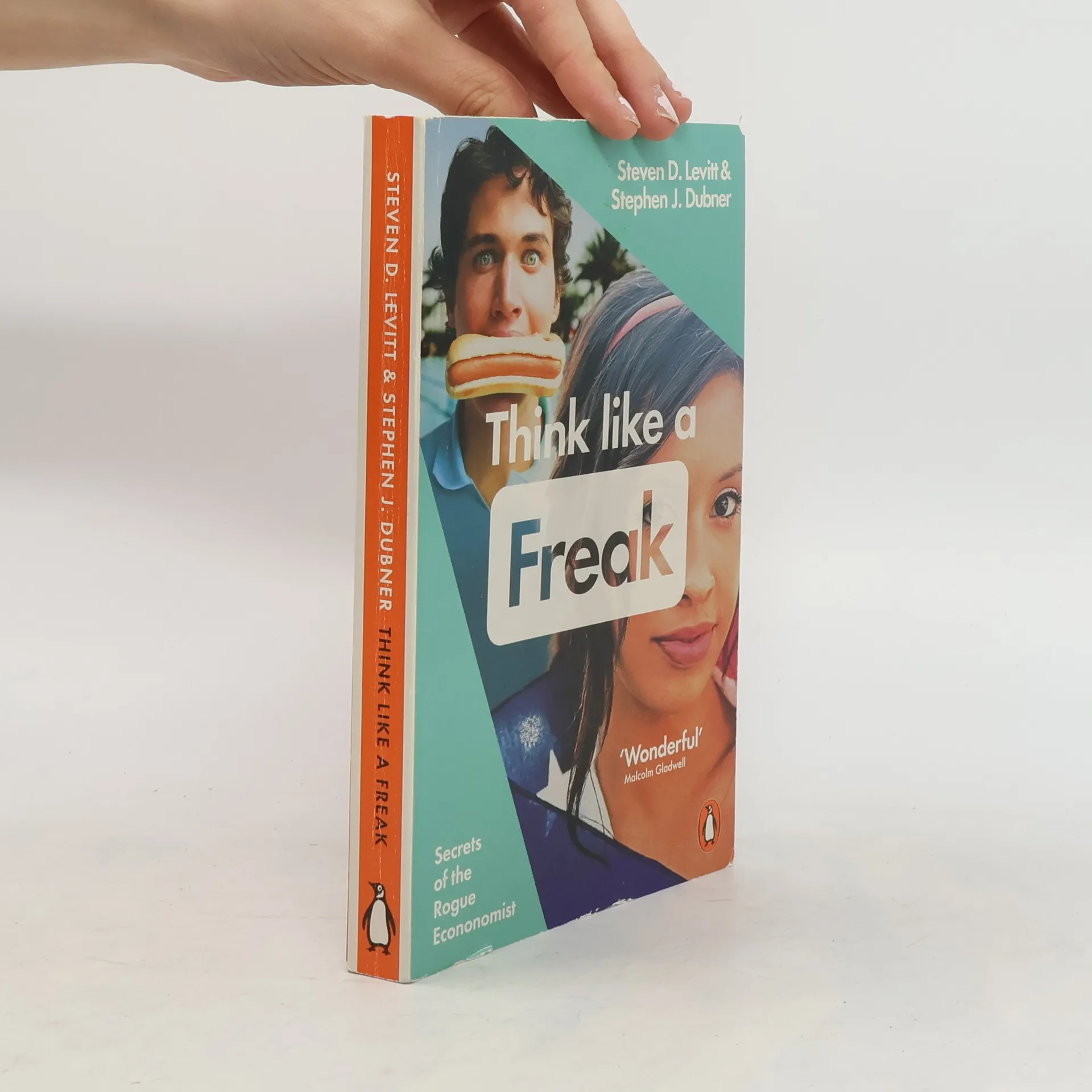
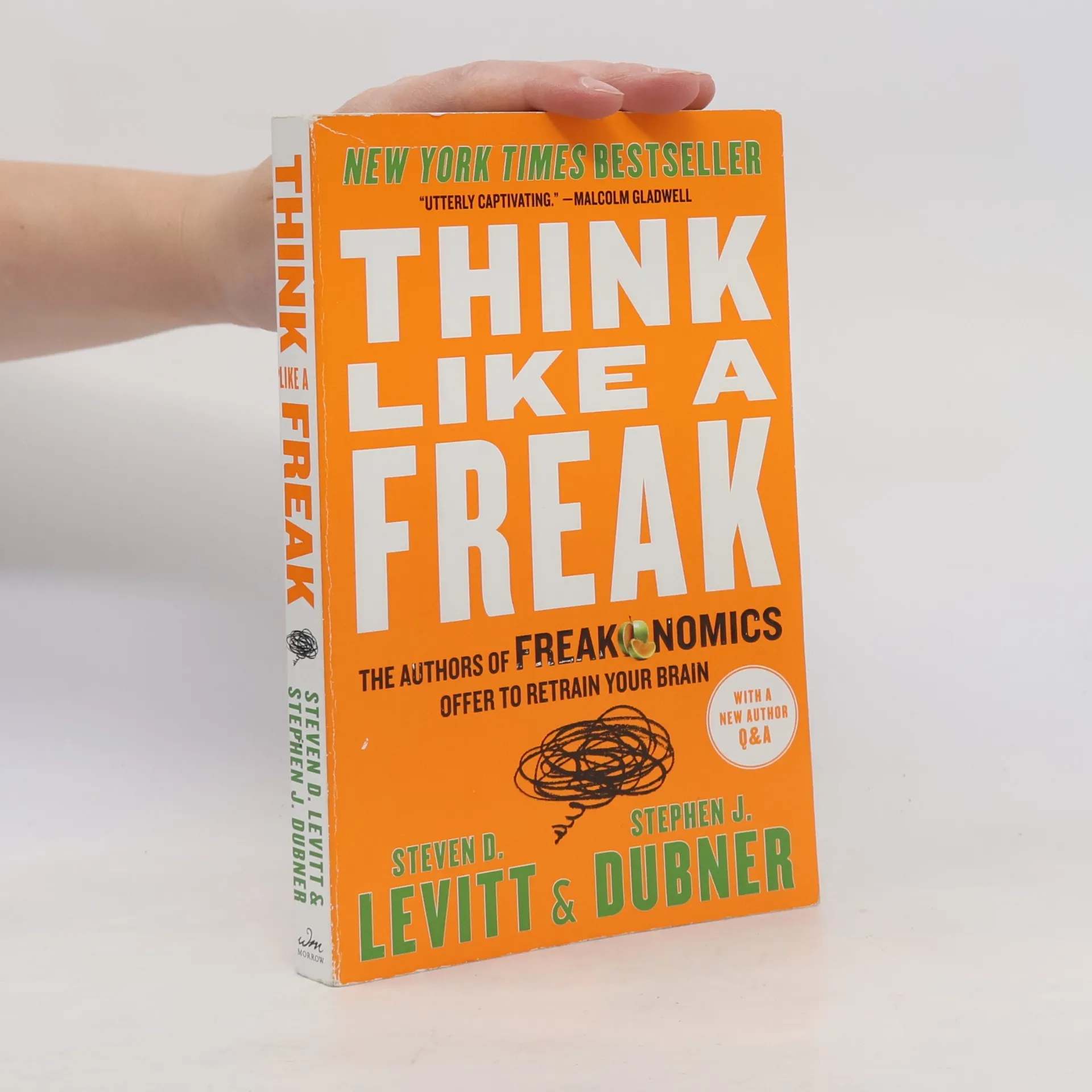
      Now in Paperback—the New York Times bestseller—and follow up to the revolutionary bestsellers Freakonomics and SuperFreakonomics—with a new author Q&A. With their trademark blend of captivating storytelling and unconventional analysis, Steven D. Levitt and Stephen J. Dubner take us inside their thought process and teach us all how to think a bit more productively, more creatively, more rationally. In Think Like A Freak, they offer a blueprint for an entirely new way to solve problems, whether your interest lies in minor lifehacks or major global reforms. The topics range from business to philanthropy to sports to politics, all with the goal of retraining your brain. Along the way, you’ll learn the secrets of a Japanese hot-dog-eating champion, the reason an Australian doctor swallowed a batch of dangerous bacteria, and why Nigerian e-mail scammers make a point of saying they’re from Nigeria. Levitt and Dubner plainly see the world like no one else. Now you can too. Never before have such iconoclastic thinkers been so revealing—and so much fun to read.

      Think Like a Freak: The Authors of Freakonomics Offer to Retrain Your Brain
    • 2014

      Think Like a Freak LP

      • 320 Seiten
      • 12 Lesestunden
      3,9(48)Abgeben

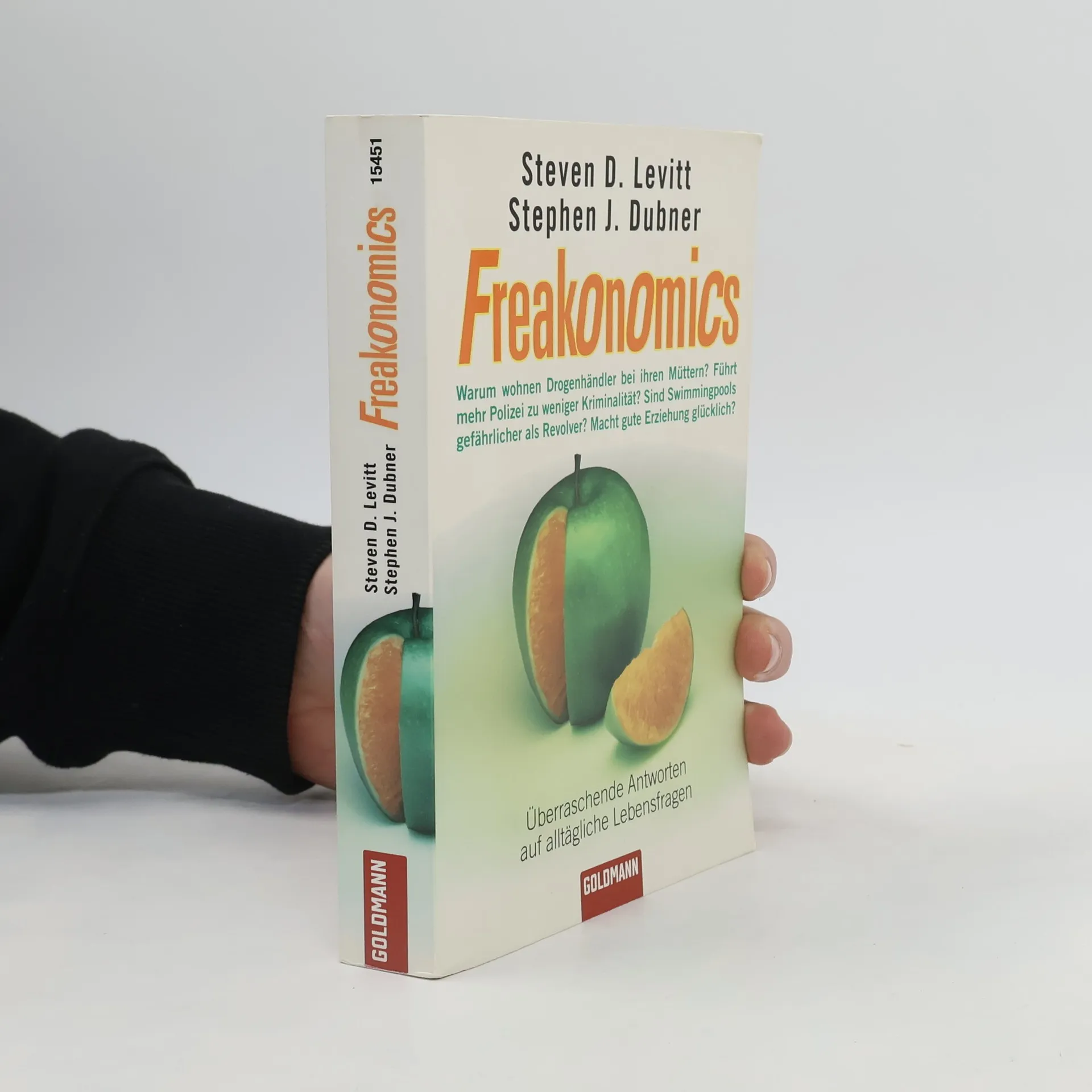
      Freakonomics reveals the surprising connections between various aspects of life, challenging conventional wisdom and offering a new perspective on everyday phenomena. Through engaging anecdotes and data analysis, it uncovers the underlying factors that drive behavior and decision-making, prompting readers to rethink their assumptions about economics, crime, education, and more. This groundbreaking work invites curiosity and critical thinking, making complex ideas accessible and entertaining.

      Think Like a Freak LP
    • 2014

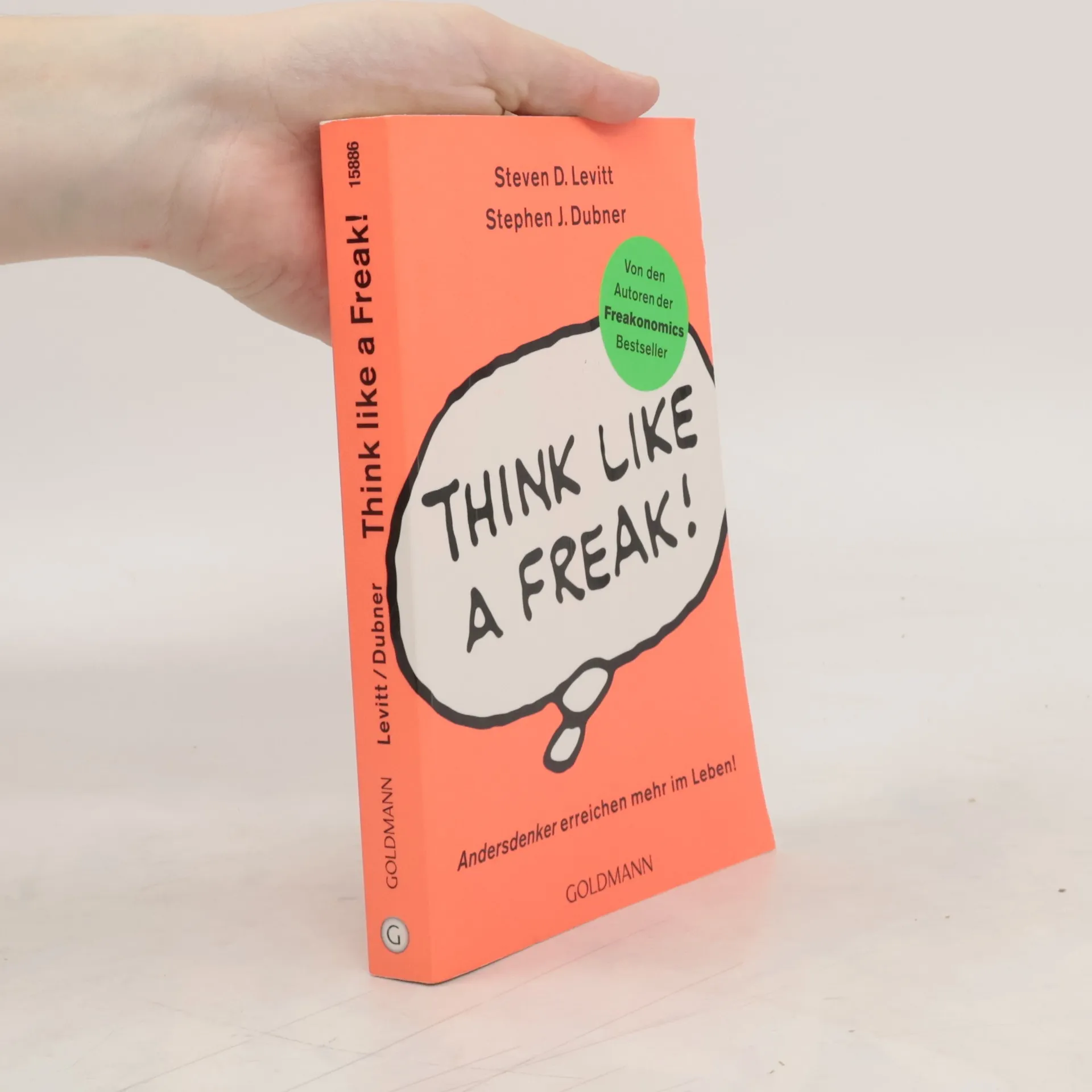
      Die Entlarvung der typischen Denkirrtümer Alltagsprobleme haben oft ganz andere Ursachen als gemeinhin vermutet. Und deshalb muss man, um sie wirklich zu lösen, einen überraschenden Weg einschlagen. Mit dieser Erkenntnis aus ihrem Bestseller Freakonomics haben Levitt und Dubner weltweit Aufsehen erregt. In diesem Buch führen sie alles, was sie an ihren Fallgeschichten gelernt haben, zu einem praktischen Toolkit zusammen. Das Denken-wie-ein-Freak bewährt sich überall: wenn Sie die eigenen Talente (oder Defizite) optimal in beruflichen Erfolg umsetzen, die Schulleistungen Ihrer Kinder nachhaltig verbessern und auch noch, wenn Sie Ihre Kinder dazu bringen wollen, Sie später im Alter im Pflegeheim zu besuchen. Think Like a Freak ist wieder ein unterhaltsames Feuerwerk brillanter Ideen. Diesmal aber mit unmittelbarem Praxisnutzen.

      Think like a Freak
    • 2014

      The Freakonomics books have come to stand for challenging conventional wisdom; using data rather than emotion to answer questions. Now Levitt and Dubner have turned what they've learned into a readable and practical toolkit for thinking smarter, harder, and different - thinking, that is, like a Freak. Think Like a Freak offers rules like 'Put Your Moral Compass in Your Pocket,' 'The Upside of Quitting,' 'Just Because You're Great at Something Doesn't Mean You're Good at Everything,' and 'If You Have No Talent, Follow Levitt's Path to Success.'

      Think Like a Freak: How to Think Smarter about Almost Everything