

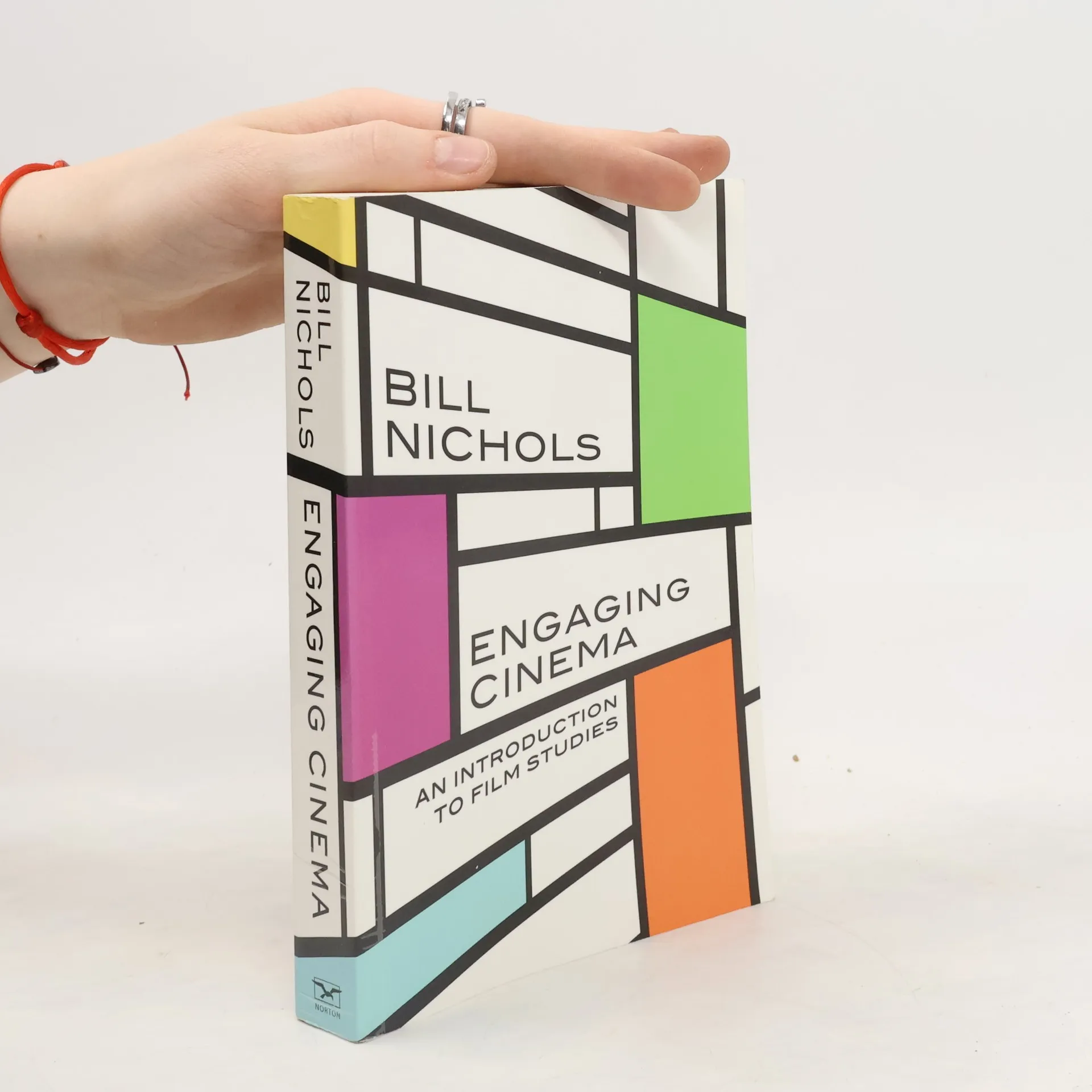
In what ways do films influence and interact with society? What social forces determine the kinds of movies that get made? How do movies reinforce—and sometimes overturn—social norms? As societies evolve, do the films that were once considered ‘great’ slip into obscurity? Which ones? Why? These questions, and many others like them, represent the mainstream of scholarly film studies today. In Engaging Cinema, Bill Nichols offers the first book for introductory film students that tackles these topics head-on. Published in a handy 'trade paperback' format, Engaging Cinema is inexpensive and utterly unique in the field—a perfect complement to or replacement for standard film texts.
Bill Nichols Reihenfolge der Bücher (Chronologisch)
1. Januar 1942
Bill Nichols ist eine Schlüsselfigur in der zeitgenössischen Dokumentarfilmstudie. Seine Arbeit leistete Pionierarbeit bei der Anwendung moderner Filmtheorie auf die Dokumentaranalyse und trug dazu bei, Filmwissenschaft als robuste akademische Disziplin zu etablieren. Durch einflussreiche Bücher und Aufsätze hat Nichols das kritische Verständnis der Dokumentarform und ihres Platzes im Kino geprägt. Sein Vermächtnis liegt in seiner tiefgreifenden Fähigkeit, die Essenz des Dokumentarfilms zu zerlegen und zu definieren.

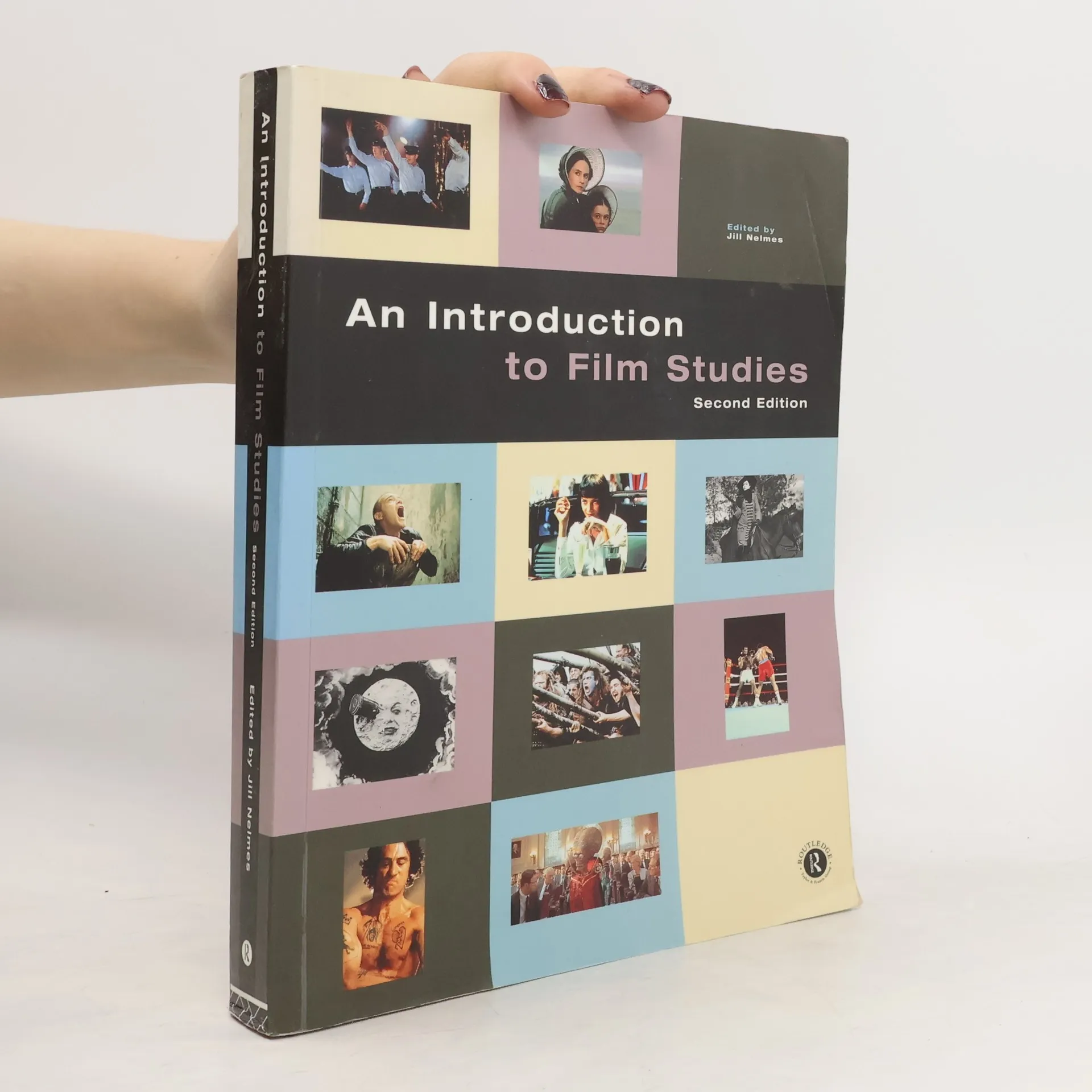

An Introduction to Film Studies
- 522 Seiten
- 19 Lesestunden
A comprehensive textbook for students of cinema, this revised and updated second edition provides a guide to key issues and concepts in film studies and also traces the historical development of film, while introducing some of the world's key national cinemas. Written by experienced teachers in the field and illustrated with over 160 film stills and production shots, it should be of interest to any introductory student of film.
Spike vs. Dracula
- 120 Seiten
- 5 Lesestunden
Presenting an incredible Spike saga spanning centuries! A hundred and twenty years ago, a tribe of gypsies inflicted a terrible curse upon the vampire known as Angelus... a curse that brought a terrible vengeance upon the tribe in the form of Angelus' family: Darla, Drusilla and most notably, William the Bloody, a.k.a. "Spike." But the gypsy clan has a dark and powerful supporter: Count Dracula. Outraged over the slaughter of the gypsies, Dracula seeks revenge upon the three vampires... and thus begins a rivalry between Spike and Dracula that will cover decades. A rivalry steeped in blood... honor... and eleven quid.
Introduction to Documentary, Third Edition
- 280 Seiten
- 10 Lesestunden
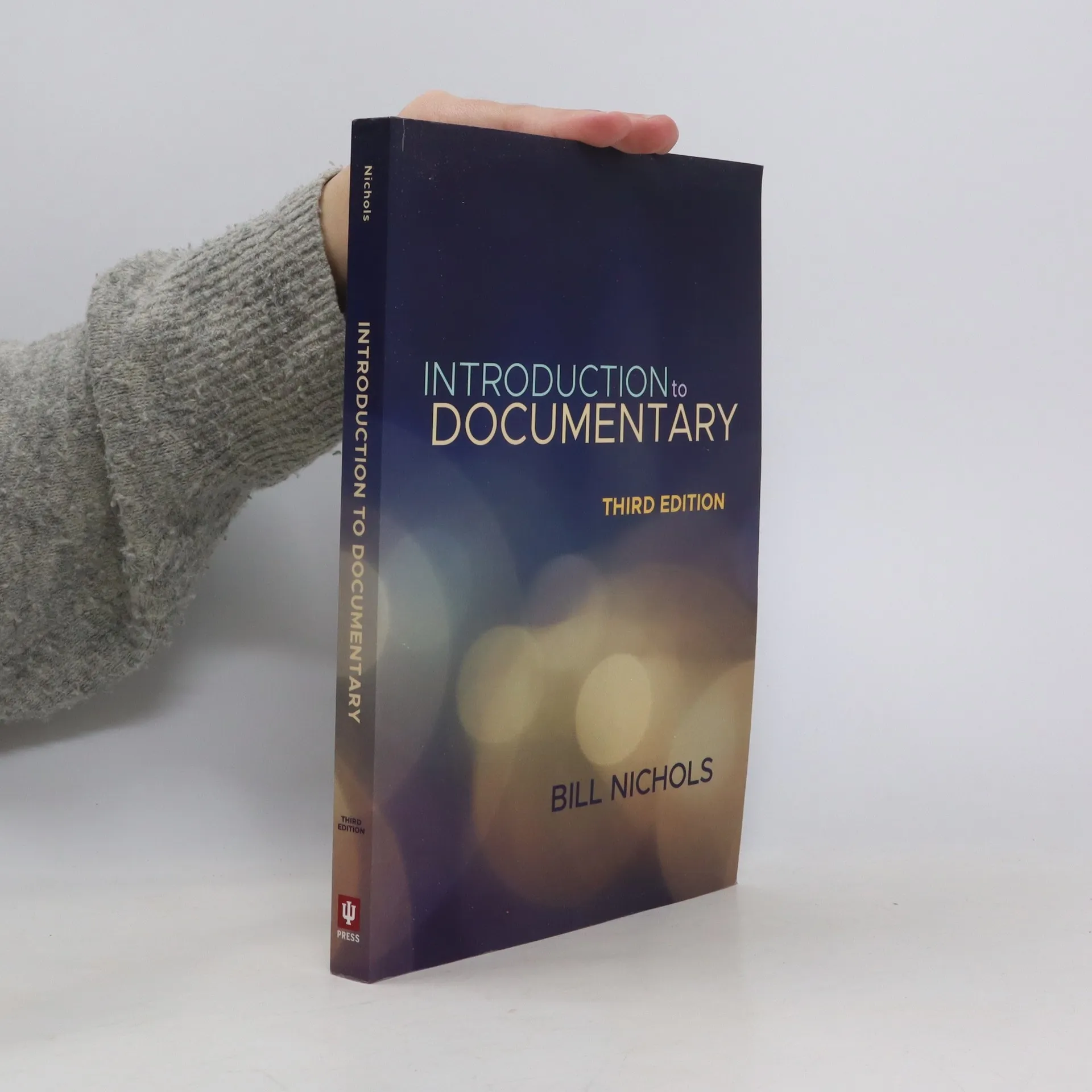
The third edition of Bill Nichols's best-selling text provides an up-to-date introduction to the most important issues in documentary history and criticism. A new chapter, "I Want to Make a Documentary: Where Do I Start?" guides readers through the steps of planning and preproduction and includes an example of a project proposal for a film that went on to win awards at major festivals. Designed for students in any field that makes use of visual evidence and persuasive strategies, Introduction to Documentary identifies the genre's distinguishing qualities and teaches the viewer how to read documentary film. Each chapter takes up a discrete question, from "How did documentary filmmaking get started?" to "Why are ethical issues central to documentary filmmaking?" Here Nichols has fully rewritten each chapter for greater clarity and ease of use, including revised discussions of earlier films and new commentary on dozens of recent films from The Cove to The Act of Killing and from Gasland to Restrepo.
Diese spannungsreiche Anthologie enthält die wichtigsten Texte der letzten 70 Jahre zum Dokumentarfilm. Ein wertvoller Reader und ein fundierter Diskussionsbeitrag zu den aktuellen Fragen des Genres.