Als Ethnologe in Marokko
- 350 Seiten
- 13 Lesestunden





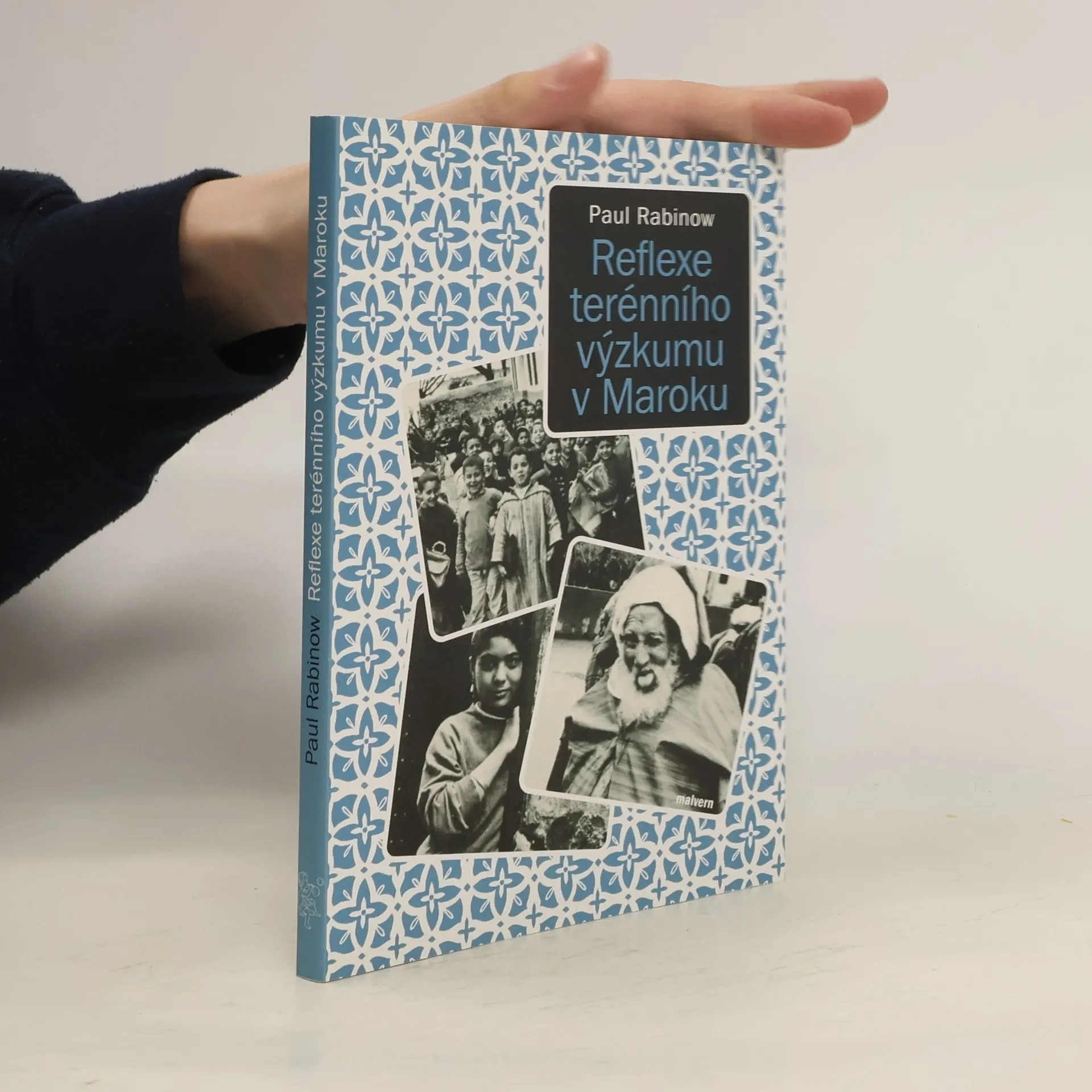
Paul Rabinow je předním americkým kulturním antropologem, jenž sehrál významnou úlohu v kritickém přehodnocování forem a norem antropologie, zejména v prosazování reflexivity jako plnohodnotné součásti antropologické tvorby dat. Rabinow v díle demystifikuje terénní výzkum jako základní metodologickou orientaci oboru, ukazuje, že jeho průběh a výsledky se odvíjejí nejen od užitých výzkumných technik, ale rovněž a neodmyslitelně od povahy výzkumníka a jeho naladěnosti. Rabinow živou a otevřenou formou líčí svá setkávání s Maročany i francouzskými usedlíky, trampoty a nástrahy antropologického terénního výzkumu, pochybnosti a myšlenky, nad nimiž během výzkumu přemítal. Třeba okamžik, kdy svého spolupracovníka Alího naštvaně vyhodil z auta a nechal jej dojít domů pěšky. Kladl si otázku, zda to znamená konec jeho vědeckého snažení v Maroku. V současnosti je reflexivita nedílnou součástí antropologického výzkumu i prezentace jeho výsledků a kniha Reflexe terénního výzkumu v Maroku se velice rychle zařadila do antropologického kánonu, i když se Rabinowovi dostalo varování, že vydáním díla si zničí slibně se rozvíjející kariéru.
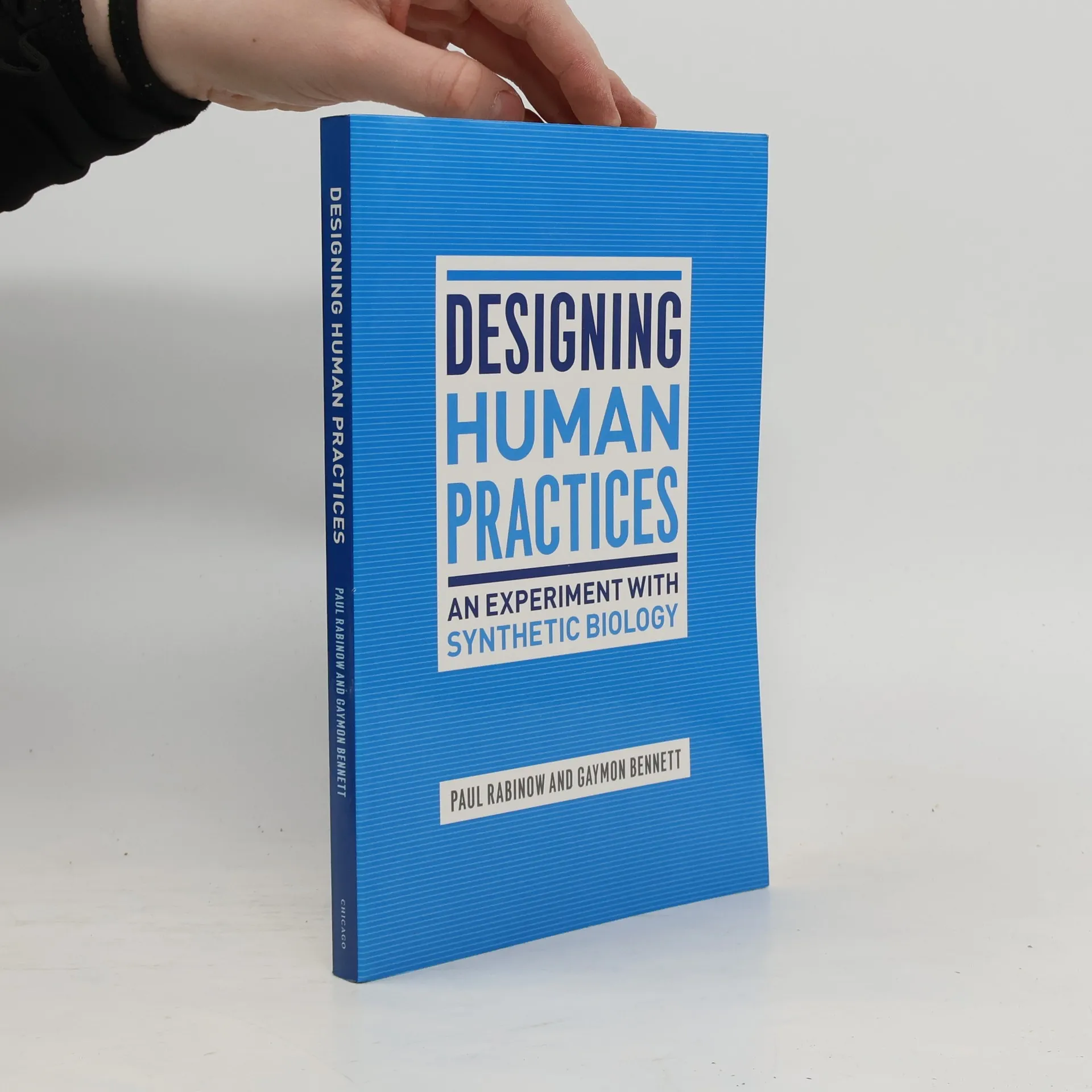
In 2006, anthropologists Paul Rabinow and Gaymon Bennett aimed to redefine the role of human sciences in biological research by establishing the Human Practices division of the Synthetic Biology Engineering Research Center. This facility was created to develop design standards for engineering new enzymes, genetic circuits, cells, and other biological entities while addressing ethical, security, and philosophical issues surrounding controversial biological work. Their goal was not just to monitor but to deeply integrate biosciences with anthropology, leading to a dynamic and experimental approach that could influence the center’s research. Designing Human Practices chronicles this anthropological experiment and its eventual rejection, offering insights into the challenges of collaboration and the micro-politics that limited the potential for mutual scientific advancement. By synthesizing biology, genetics, anthropology, and philosophy, and examining funding sources like the National Science Foundation, the work pushes the social study of science into new and thought-provoking areas. It uses real-world experiences to reflect on how human and life sciences can and should mutually transform each other.
In this compact volume, influential anthropologists Paul Rabinow and George E. Marcus engage in conversations about the evolution of anthropological knowledge, pedagogy, and practice, with contributions from James D. Faubion and moderation by Tobias Rees. The discussions center on contemporary challenges in anthropology, particularly regarding the understanding of subjects and the design of ethnographic research projects. Rabinow and Marcus explore what remains distinctly anthropological in studying modern events and propose innovative directions for the field. They emphasize the need to redesign pedagogical practices for training researchers and advocate for collaborative initiatives to analyze and transform ethnographic research designs. Reflecting on their earlier work in the landmark collection Writing Culture, they assess its impact on the field and its conceptual limitations. They discuss the intellectual landscape at the time of its publication and how anthropology has evolved, touching on topics like ethnography's self-reflexive turn, identity, the Public Culture project, and the shifting interests of students. This volume offers readers insight into vibrant discussions among key figures who have significantly influenced anthropology's recent past and are committed to its future.
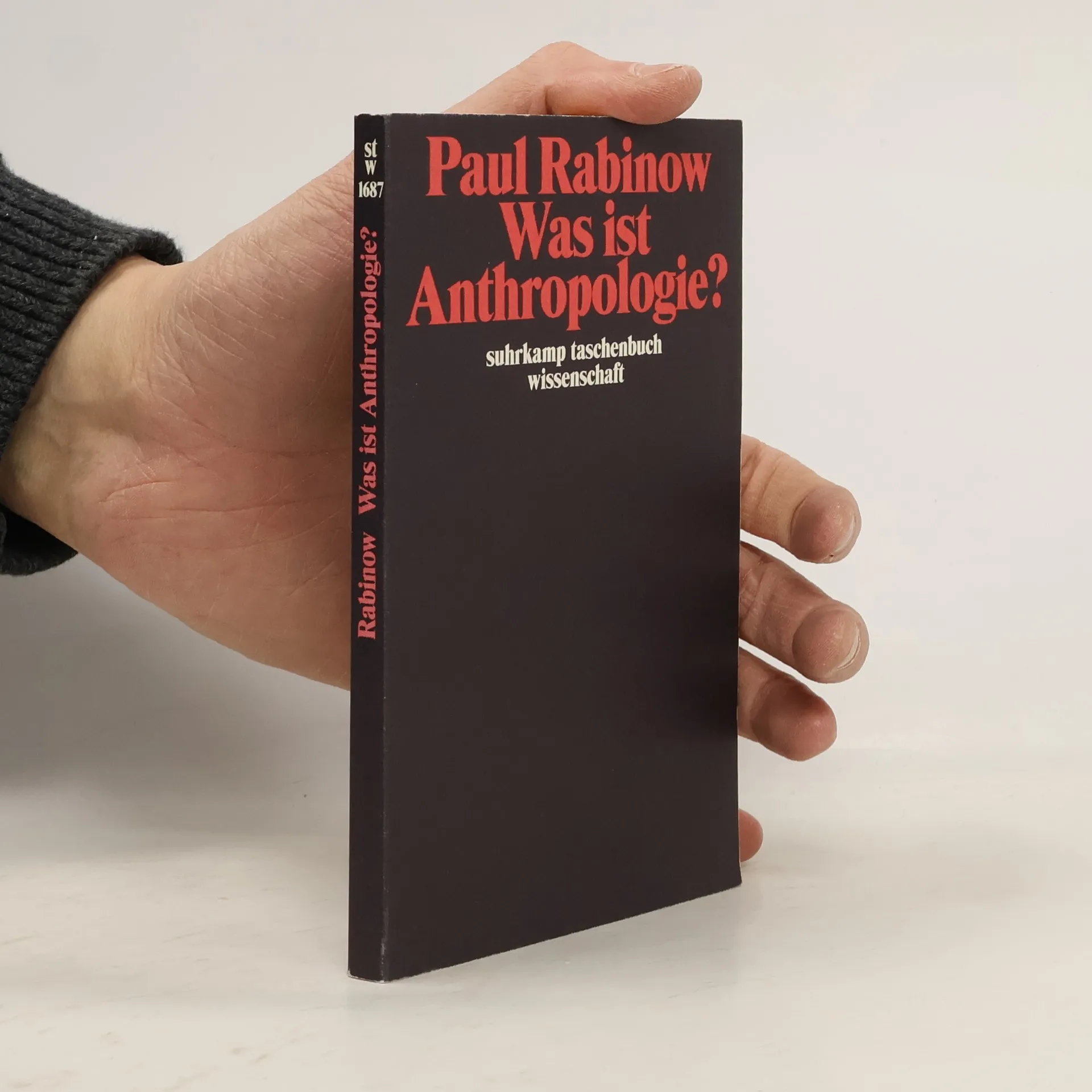
Was heißt Anthropologie heute? Wie könnte sich eine Anthropologie gestalten, die sich darum bemüht, der Offenheit des Jetzt gerecht zu werden und die Spielarten des Menschseins in der Gegenwart zu analysieren? Ist die »Lehre vom Menschen« überhaupt noch als eine universale, auf den Menschen ausgerichtete Wissenschaft denkbar? Ausgehend von Max Webers Sorge um die Menschheit in der Moderne, entfaltet Paul Rabinow eine Anthropologie, die ihren Ausgang zum einen bei der Frage nimmt, ob sich von »Menschheit« heutzutage überhaupt noch sinnvoll sprechen läßt, zum anderen aber auch von der ethnographisch fundierten Analyse, was man unter Menschheit heute versteht. Ziel ist die Rehabilitierung der Anthropologie als Gegenstand der Theorie vor dem Hintergrund empirischer Forschung.
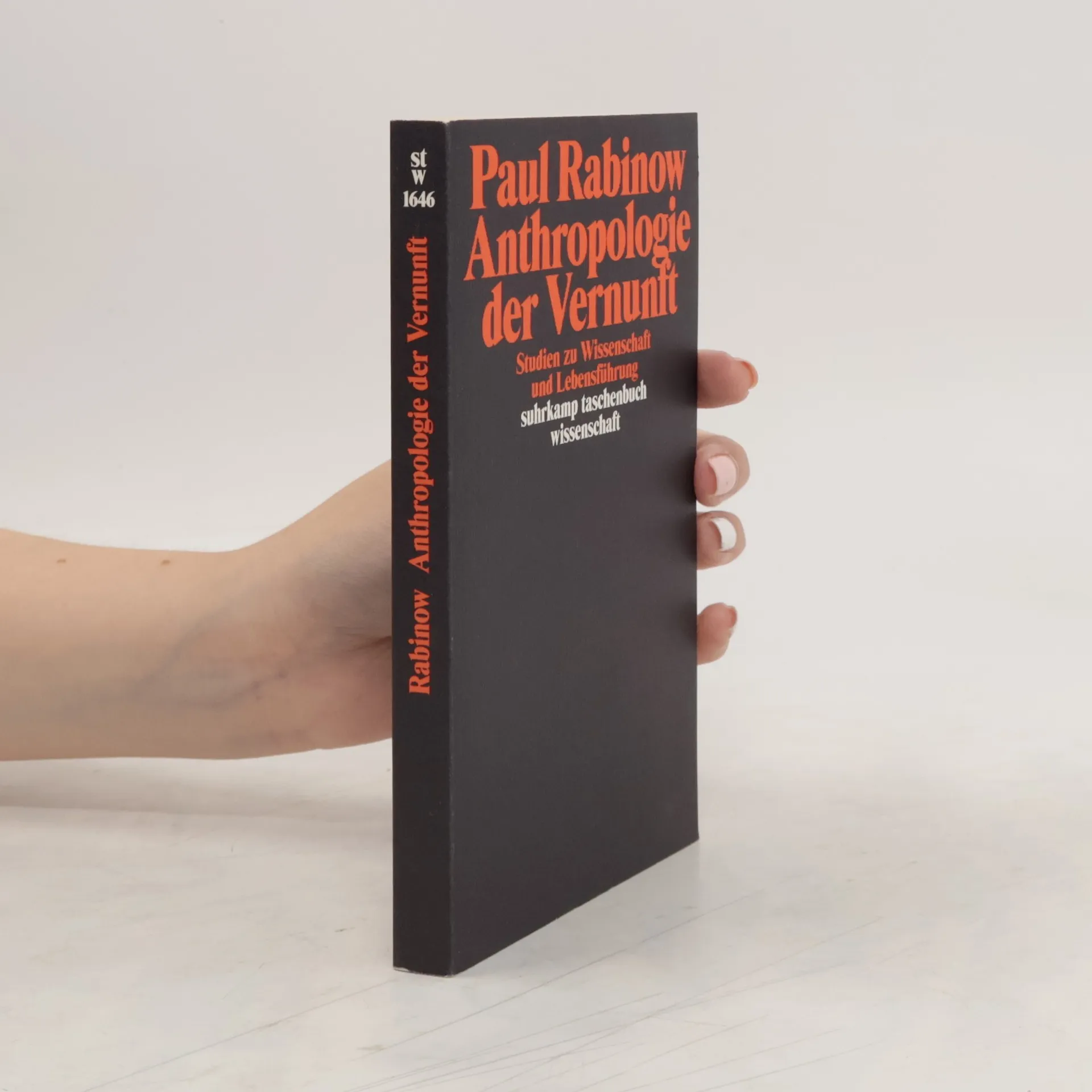
Studien zu Wissenschaft und Lebensführung
Was heißt Aufklärung heute, was Vernunft? Wie begründet sich das Verhältnis zwischen Vernunft und Lebensführung gegenwärtig? Diesen Fragen geht Paul Rabinow in den hier gesammelten Essays ethnographisch nach. Ethnographisch heißt: die Vernunft selbst als ein menschliches, dem Anthropologen zugängliches und also studierbares Feld sozialer Handlung zu begreifen. In konkreten, der Biotechnologie entnommenen Fallstudien fragt Rabinow nach der Vernunft, die in Laborexperimenten oder in Ethikdebatten am Werk ist. Indem er diese jeweilige Vernunft und deren implizite Menschenbilder auf die Lebensführung der Wissenschaftler hin anwendet und befragt, entstehen subtile anthropologische Studien einer biopolitischen Gegenwart.
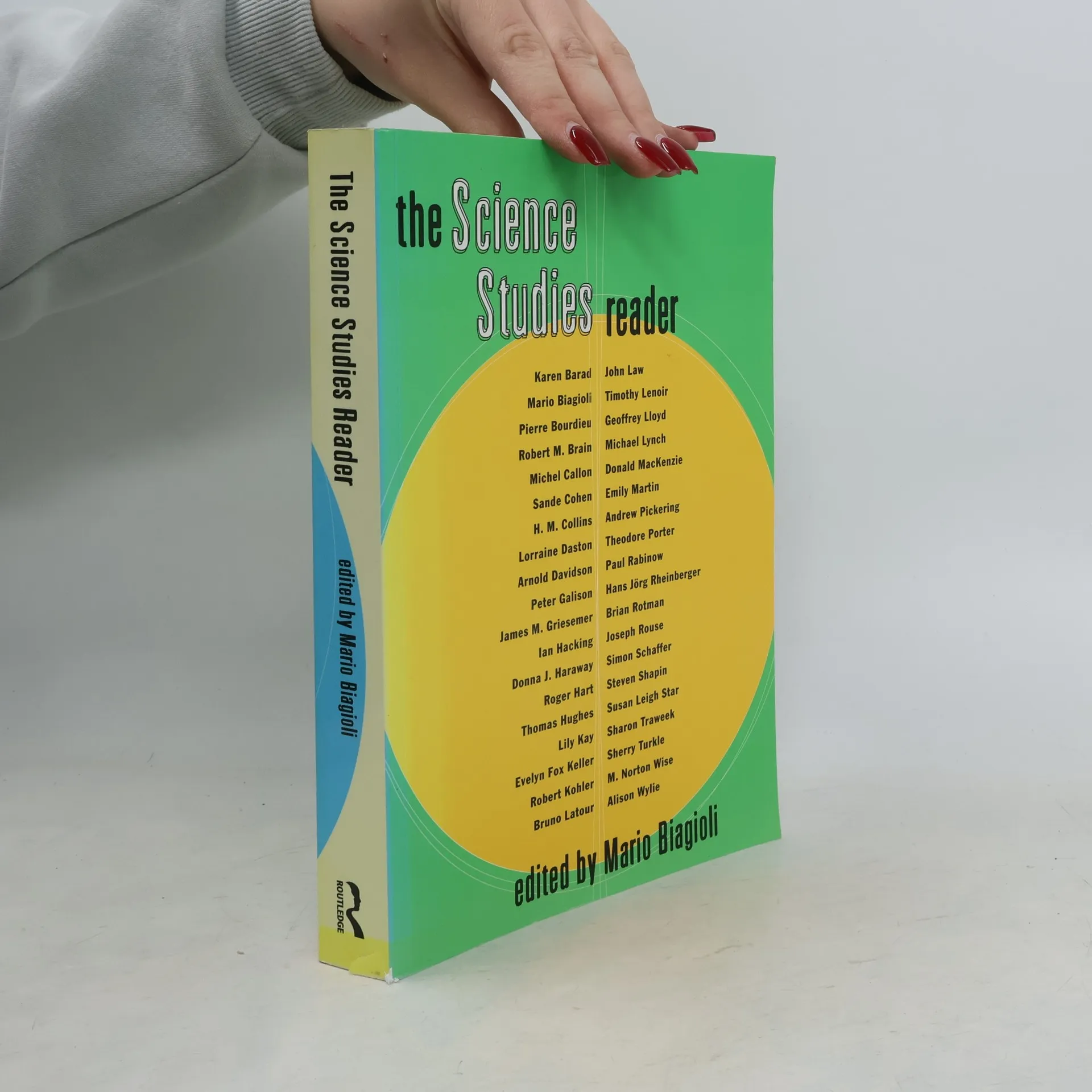
The Reader focuses on the practices of modern and contemporary science and technology located in different national and institutional settings, with some attention to non- Western contexts. By mapping some of the open questions and points of tension likely to occupy the field for years to come, the essays in the Reader cast fresh light on what "science" means at the end of the twentieth century.
This account offers a captivating look into the invention of the polymerase chain reaction (PCR), a groundbreaking biotech discovery that revolutionized molecular biology. PCR enhances scientists' capabilities to identify and manipulate genetic materials, enabling the rapid reproduction of millions of copies of specific DNA segments, thus transforming scarce genetic material into an abundant resource for experimentation. The narrative delves into the biotechnology culture that developed at Certus Corporation during the 1980s, examining the interplay of scientific, technical, social, economic, political, and legal factors that shaped this field. It features interviews with key figures involved in the creation of PCR, including Kary Mullis, the Nobel laureate credited with its discovery, along with a team of innovative scientists and business leaders. The book illustrates how a unique practice emerged through the collaboration of diverse individuals, their work environment, and the invention itself. Critics praise the work for its detailed exploration of the discovery process and its ethnographic approach to understanding the realities of scientific work in the lab, raising important questions about the nature of innovation in biomedical research.
Exploring Paul Rabinow's innovative approach to anthropology, this collection of essays encourages readers to reconsider the Western understanding of reality. It highlights how commonly accepted truths are tied to specific social practices, revealing their role as social forces. The work delves into Western rationality, particularly through the lens of molecular biology, and poses critical questions about the interplay between scientific practices, ethics, and power dynamics. This fresh perspective aims to deepen the discourse on the implications of scientific inquiry in our understanding of human nature.
Michel Foucault was one of the most influential thinkers in the contemporary world, someone whose work has affected the teaching of half a dozen disciplines ranging from literary criticism to the history of criminology. But of his many books, not one offers a satisfactory introduction to the entire complex body of his work. The Foucault Reader was commissioned precisely to serve that purpose. The Reader contains selections from each area of Foucault's work as well as a wealth of previously unpublished writings, including important material written especially for this volume, the preface to the long-awaited second volume of The History of Sexuality , and interviews with Foucault himself, in the course of which he discussed his philosophy at first hand and with unprecedented candor. This philosophy comprises an astonishing intellectual enterprise: a minute and ongoing investigation of the nature of power in society. Foucault's analyses of this power as it manifests itself in society, schools, hospitals, factories, homes, families, and other forms of organized society are brought together in The Foucault Reader to create an overview of this theme and of the broad social and political vision that underlies it.
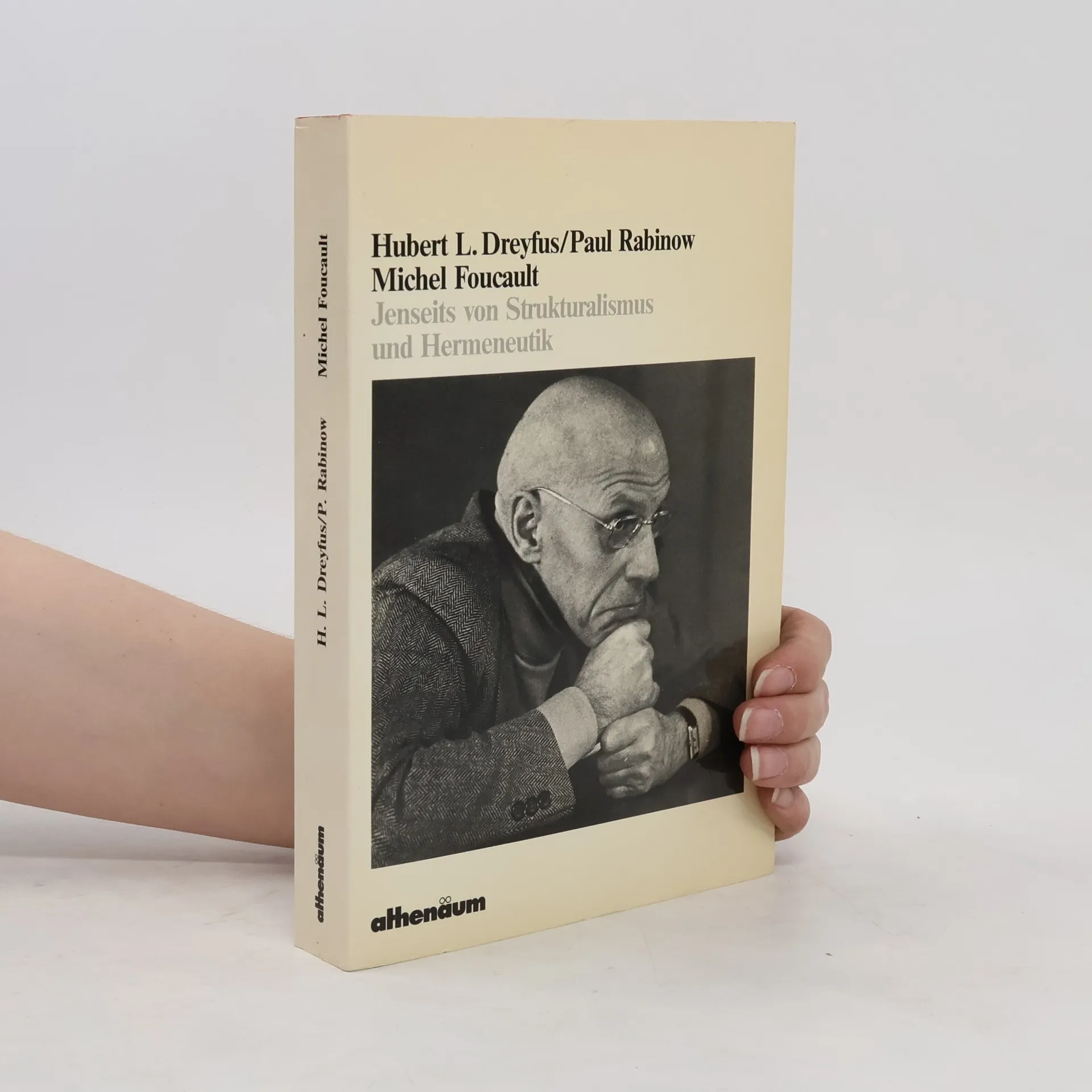
Dieses Buch bietet eine umfassende, kohärente Analyse von Foucaults Werk als Ganzes. Um zu zeigen, inwiefern Foucaults Arbeit über den Strukturalismus und die Hermeneutik hinausgeht, entfalten die Autoren eine sorgfältige, analytische Darstellung seines Schaffens. Sie argumentieren, dass Foucaults Werk eine nachhaltige und weitgehend erfolgreiche Anstrengung darstellt, eine neue Methode – die "interpretative Analyse" – zu entwickeln, die sowohl die Logik des strukturalistischen Anspruchs auf objektive Wissenschaft als auch die scheinbare Gültigkeit des hermeneutischen Gegenanspruchs erklärt, dass die Geisteswissenschaften nur durch das Verständnis der tiefsten Bedeutung des Subjekts und seiner Tradition vorankommen können. Die Autoren bieten eine kritische Auseinandersetzung mit Foucaults Ideen und deren Einfluss auf die Geisteswissenschaften, wobei sie die Komplexität und Relevanz seiner Theorien herausarbeiten.