John Carey Bücher


The Celtic Heroic Age
Literary Sources for Ancient Celtic Europe & Early Ireland & Wales
- 444 Seiten
- 16 Lesestunden
A new edition of an invaluable collection of literary sources, all in translation, for Celtic Europe and early Ireland and Wales. The selections are divided into three sections: the first is classical authors on the ancient celts-a huge selection including both the well-known-Herodotos, Plato, Aristotle, Livy, Diogenes Laertius, and Cicero-and the obscure-Pseudo-Scymnus, Lampridius, Vopsicus, Clement of Alexandria and Ptolemy I. The second is early Irish and Hiberno-Latin sources including early Irish dynastic poetry and numerous tales from the Ulster cycle and the third consists of Brittonic sources, mostly Welsh.
Eyewitness to History
- 706 Seiten
- 25 Lesestunden
Spanning from ancient Greece to the end of the Marcos regime in the Philippines, this collection of eyewitness accounts of significant historical events is culled from hundreds of memoirs, letters, travel books, and newspapers.
William Golding
- 192 Seiten
- 7 Lesestunden
The first biography of Nobel Prize winning novelist William Golding by celebrated writer and critic, John Carey. Drawing almost entirely on materials that have never before been made public, John Carey sheds new light on Golding. Through hundreds of letters, unpublished works and Golding's intimate journals, Carey draws a revelatory and definitive portrait of an extraordinary man.
Thackeray
- 208 Seiten
- 8 Lesestunden
A new approach to Thackeray. Although this study embraces all his work, it switches attention from his late novels, and bases the case for his imaginative vitality on the multifarious material - reviews, travel books, burlesques, "Punch" articles - that he turned out, mostly under severe financial stress, at the start of his writing career. Here was the breeding ground of "Vanity Fair"; here we find the subversive Thackeray, foe of humbug and high art, waylaying snobbery and the cant of social reformers with bravura and buffoonery - the Thackeray who, in Trollope's words, 'laughed, and ate, and drank, and threw his pearls about with miraculous profusion.' In portraying the range and intensity of Thackeray's imagination, topics singled out include: light and painting; ballet dancers; pantomime; "haute cuisine"; time's ruins; and the rainbow realm of commerce. The picture of Thackeray, as man and artist, that emerges, is fresh and challenging.
The Essential Paradise Lost
- 256 Seiten
- 9 Lesestunden
After its publication in 1667, John Milton's Paradise Lost was celebrated throughout Europe as a supreme achievement of the human spirit.
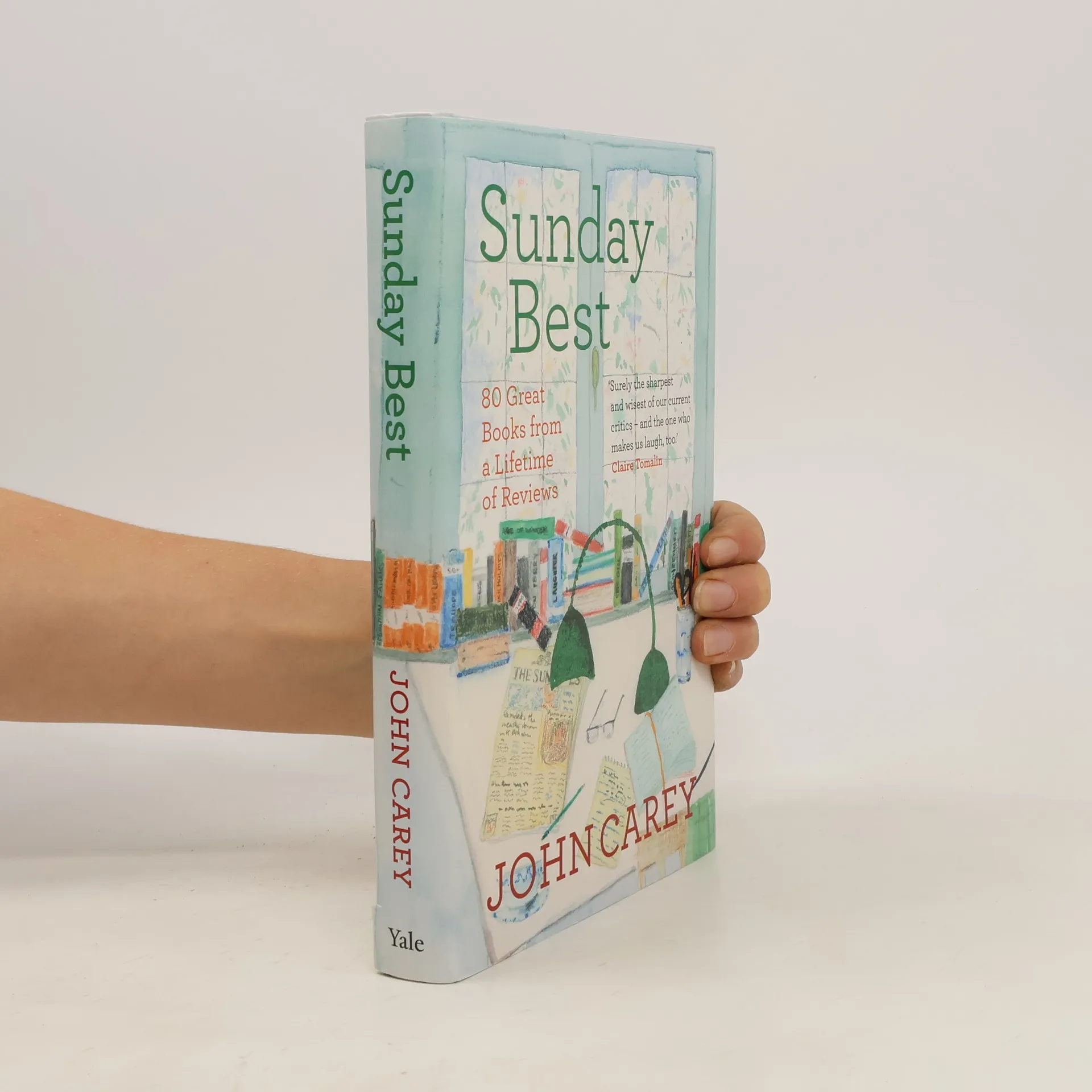
Sunday Best
- 312 Seiten
- 11 Lesestunden
A collection of John Carey's greatest, wisest, and wittiest reviews-amassed over a lifetime of writing
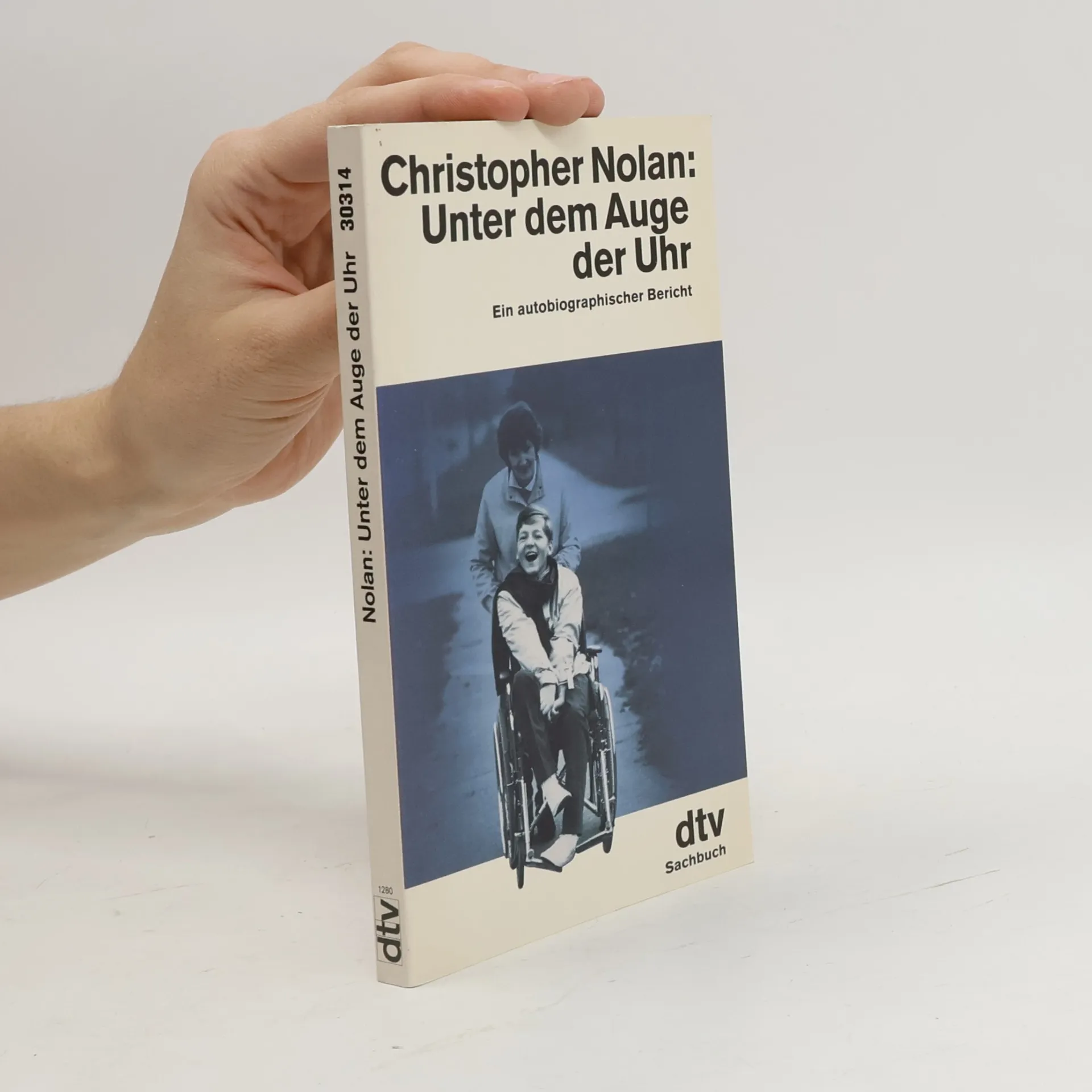
Ein autobiographischer Roman eines spastisch gelähmten und stummen jungen Mannes, der eindrucksvoll sein Leben als Schwerbehinderter in kraftvollen Bildern schildert.
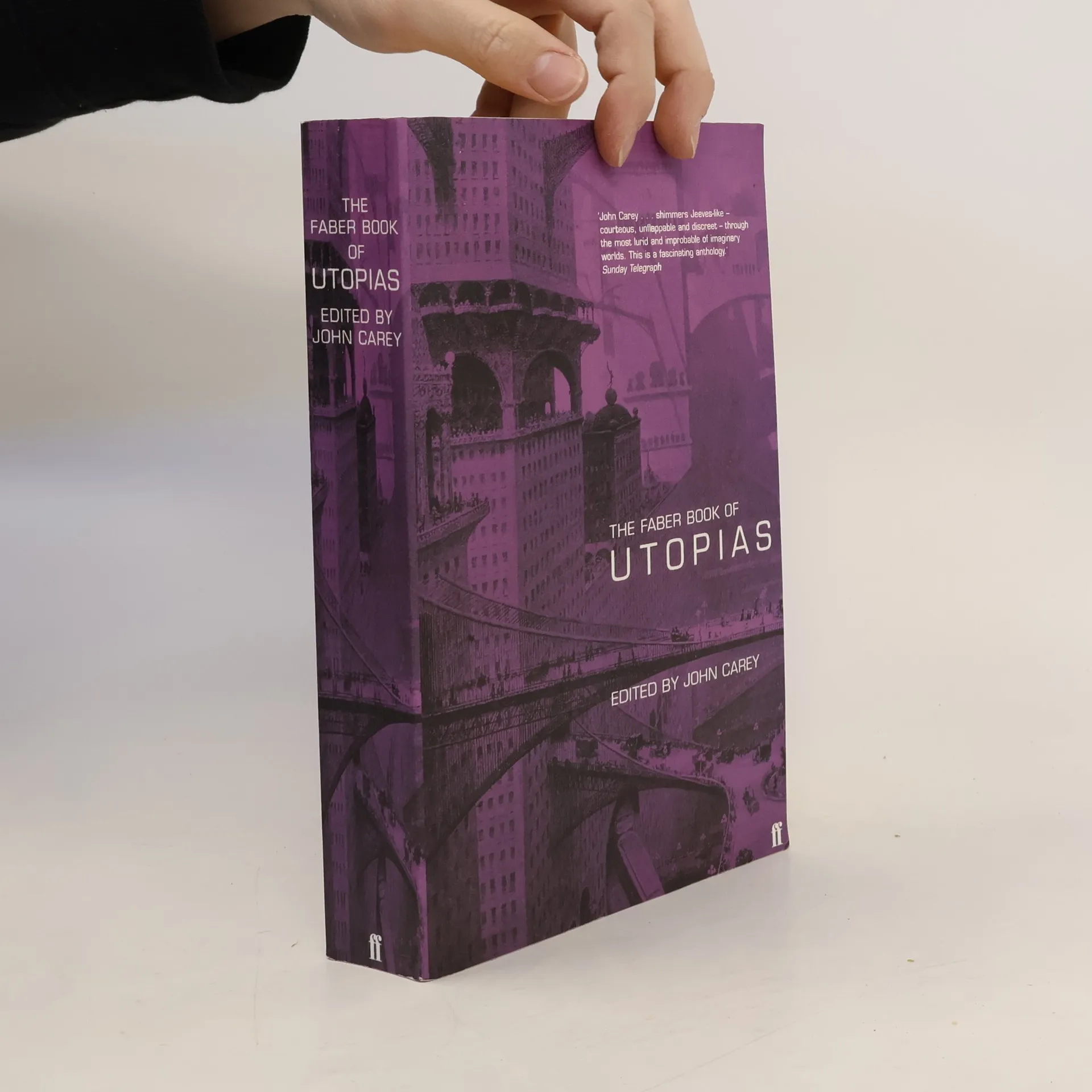
The Faber Book of Utopias
- 560 Seiten
- 20 Lesestunden
Utopias come in every conceivable cultural and sexual shade: communist, fascist, anarchist, green, techno-fantastic, all male, all female. John Carey's anthology encompasses many noble schemes, as well as chilling attempts at social control.
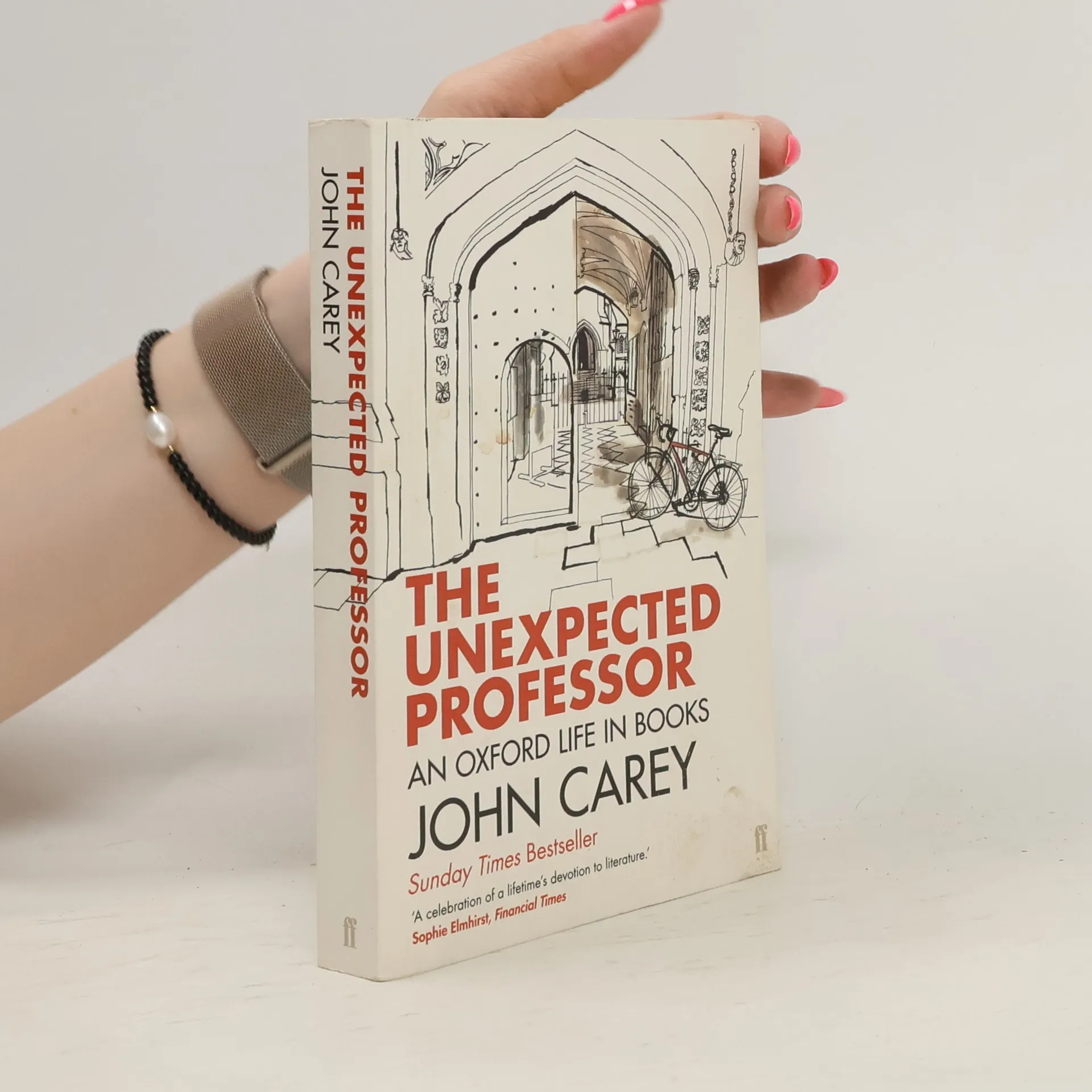
The unexpected professor : an Oxford life in books
- 384 Seiten
- 14 Lesestunden
John Carey's hugely acclaimed memoir, in which he reflects on a life immersed in literature.
A critique of the seventeenth-century British poet highlights his religious beliefs, writings, and major philosophical concerns
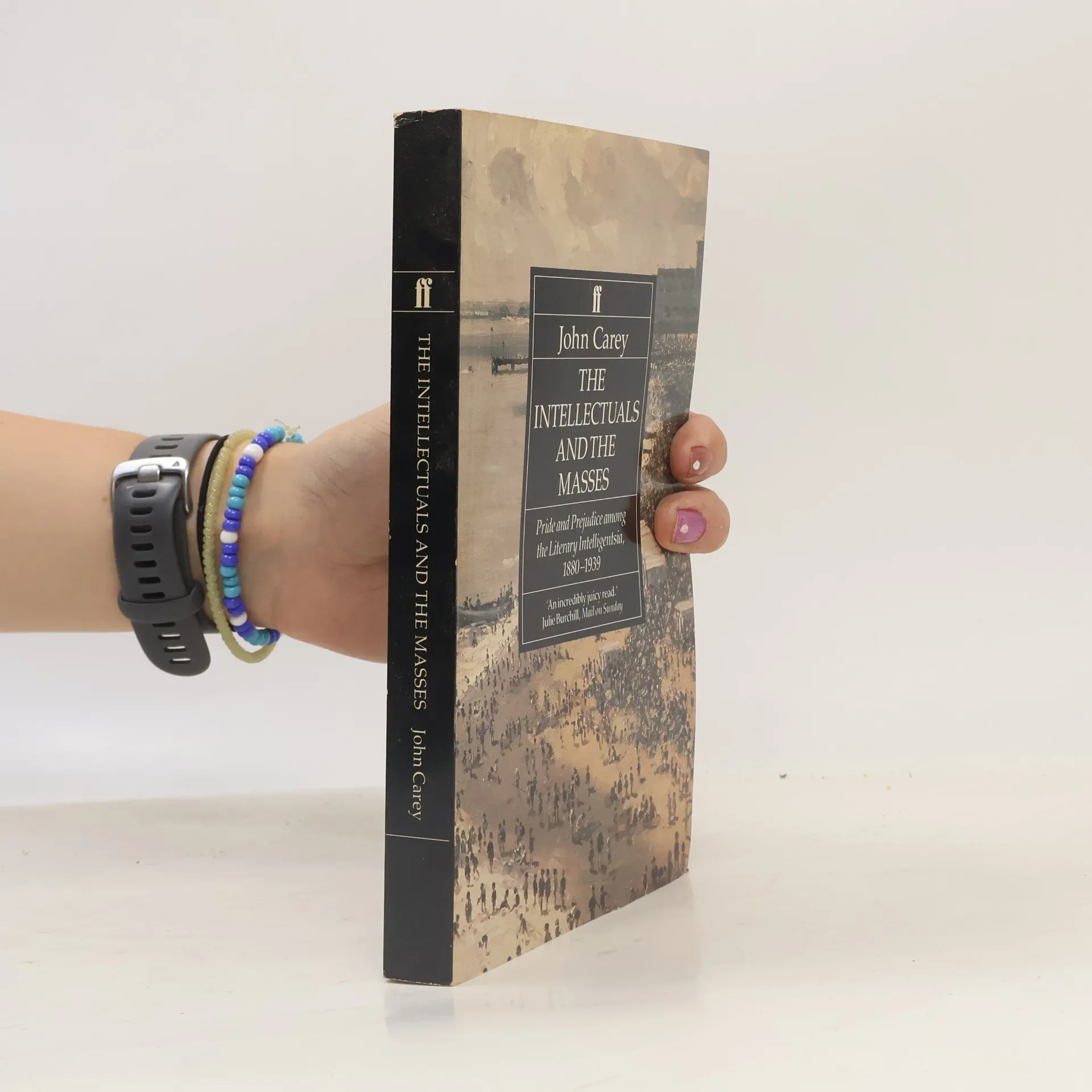
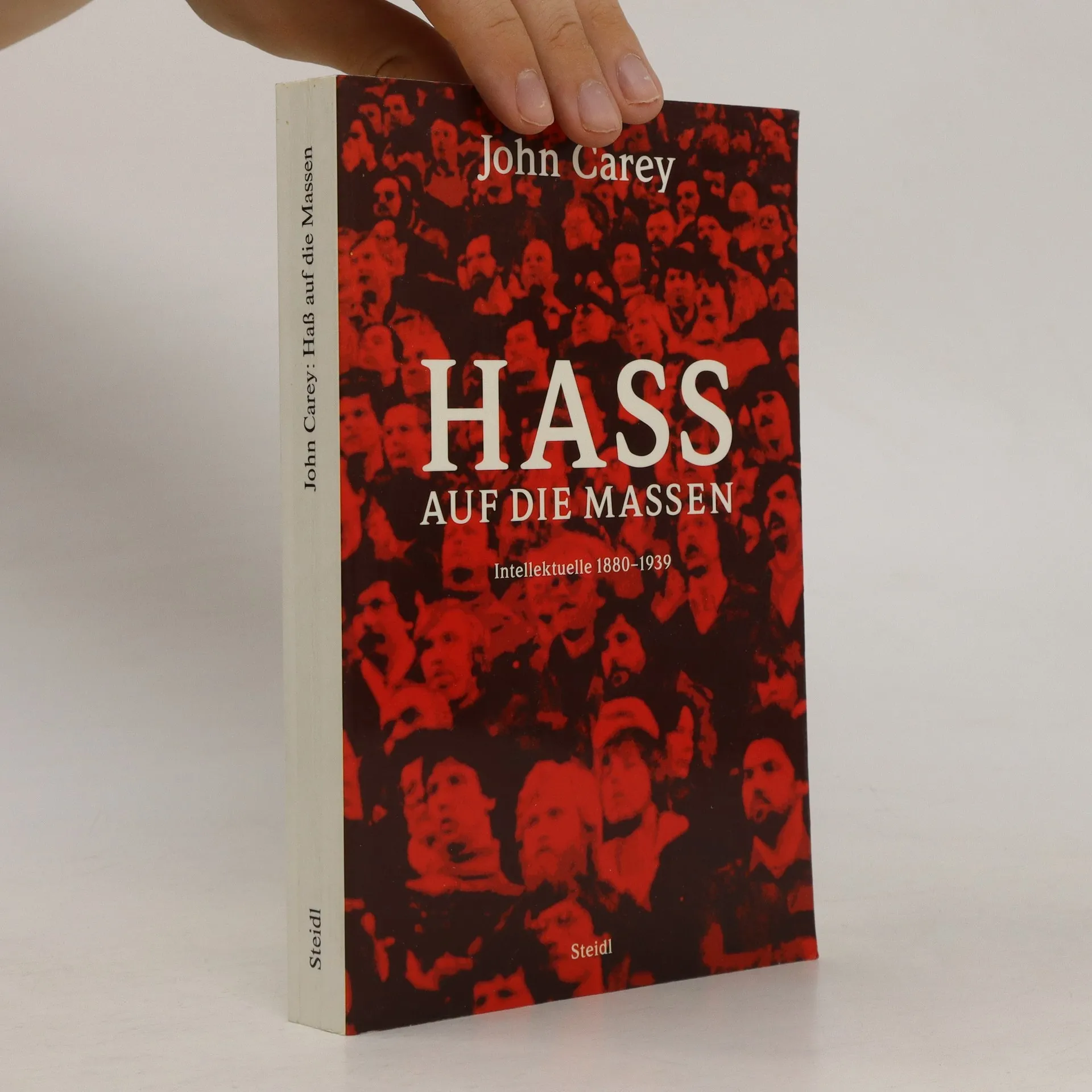
The Intellectuals and the Masses
- 256 Seiten
- 9 Lesestunden
Yeats and other canonized writers, he relates this to the cult of the Nietzschean Superman, which found its ultimate exponent in Hitler. Carey's assault on the founders of modern culture caused consternation throughout the artistic and academic establishments when it was first published in 1992.
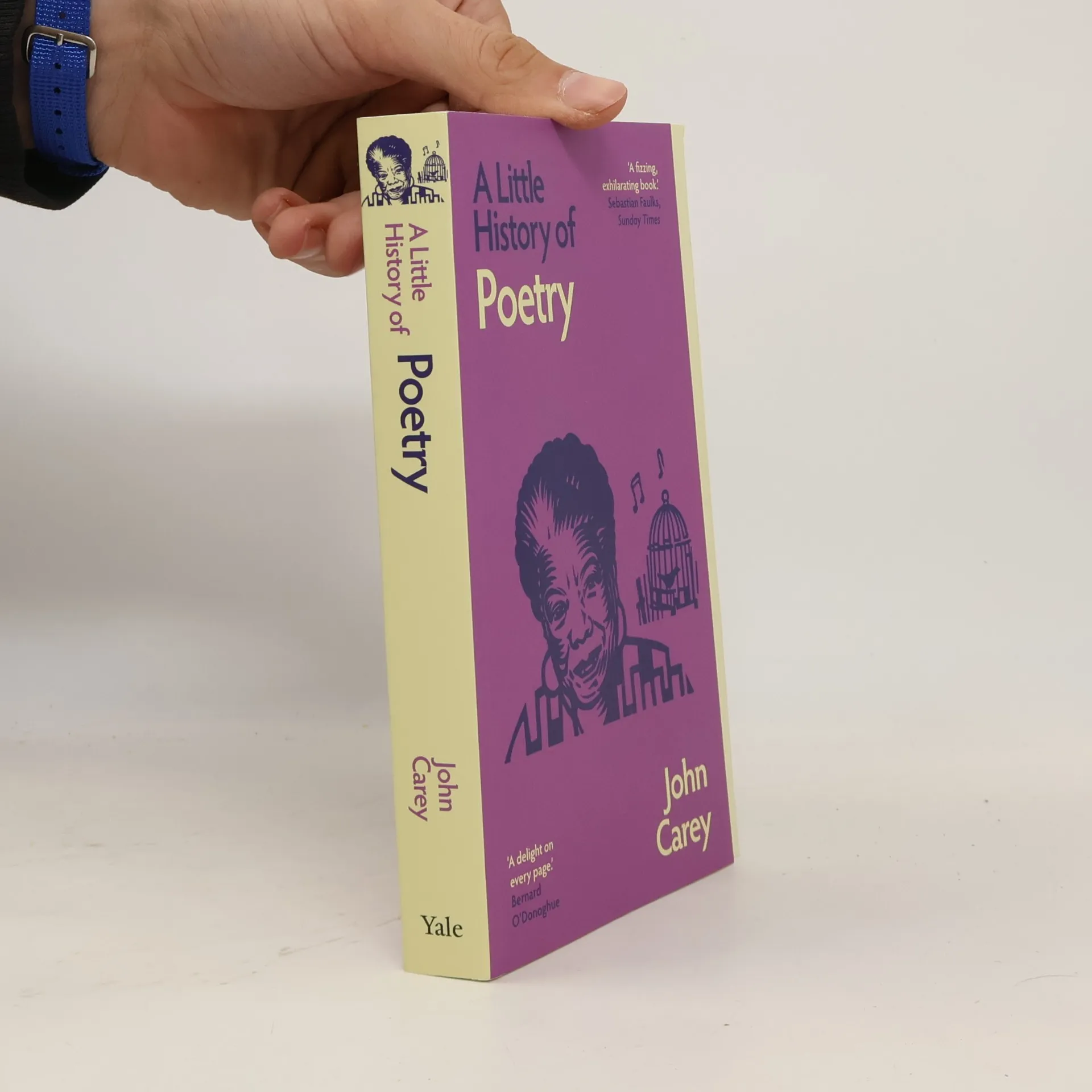
A Little History of Poetry
- 320 Seiten
- 12 Lesestunden
A vital guide to poetry from ancient times to the present "[A] fizzing, exhilarating book."--Sebastian Faulks, Sunday Times, London "Delightful.'"--New York Times Book Review Poetry is language made special, so that it will be remembered and valued. It does not always work - over the centuries countless thousands of poems have been forgotten. This Little History is about some that have not. John Carey tells the stories behind the world's greatest poems, from the oldest surviving one written nearly 4,000 years ago to those being written today. Carey looks at poets whose works shape our view of the world - such as Shakespeare, Whitman and Yeats - and more recent poets like Sylvia Plath, Seamus Heaney, and Marianne Moore who have started to question what makes a poem 'great' in the first place. Little Histories - Inspiring Guides for Curious Minds
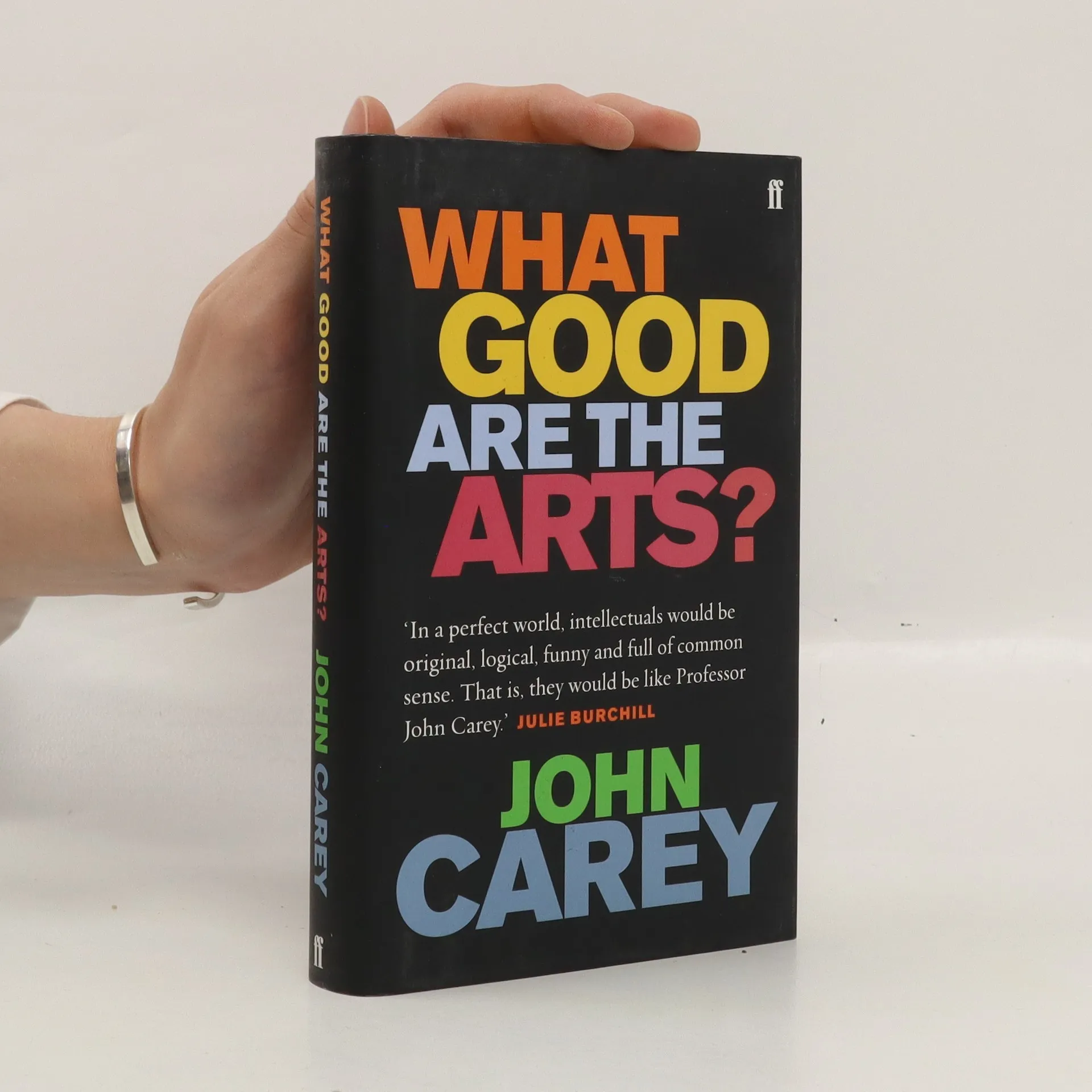
Do the arts make us better people? Are they a sign of civilization? Why should 'high' are be thought higher than 'low'? Are judgements about art anything more than personal opinions? What are works of art anyway - do they belong to some special, sacred category? Can the brain-scientists who are investigating the arts tell us anything useful about them? In the first part of his new book John Carey returns startling answers to these and related questions. In the second part he makes out a self-confessedly personal and subjective case for the superiority of literature to all other arts.
100 Poets
- 288 Seiten
- 11 Lesestunden
A wonderfully readable anthology of our greatest poetry, chosen by the author of A Little History of Poetry
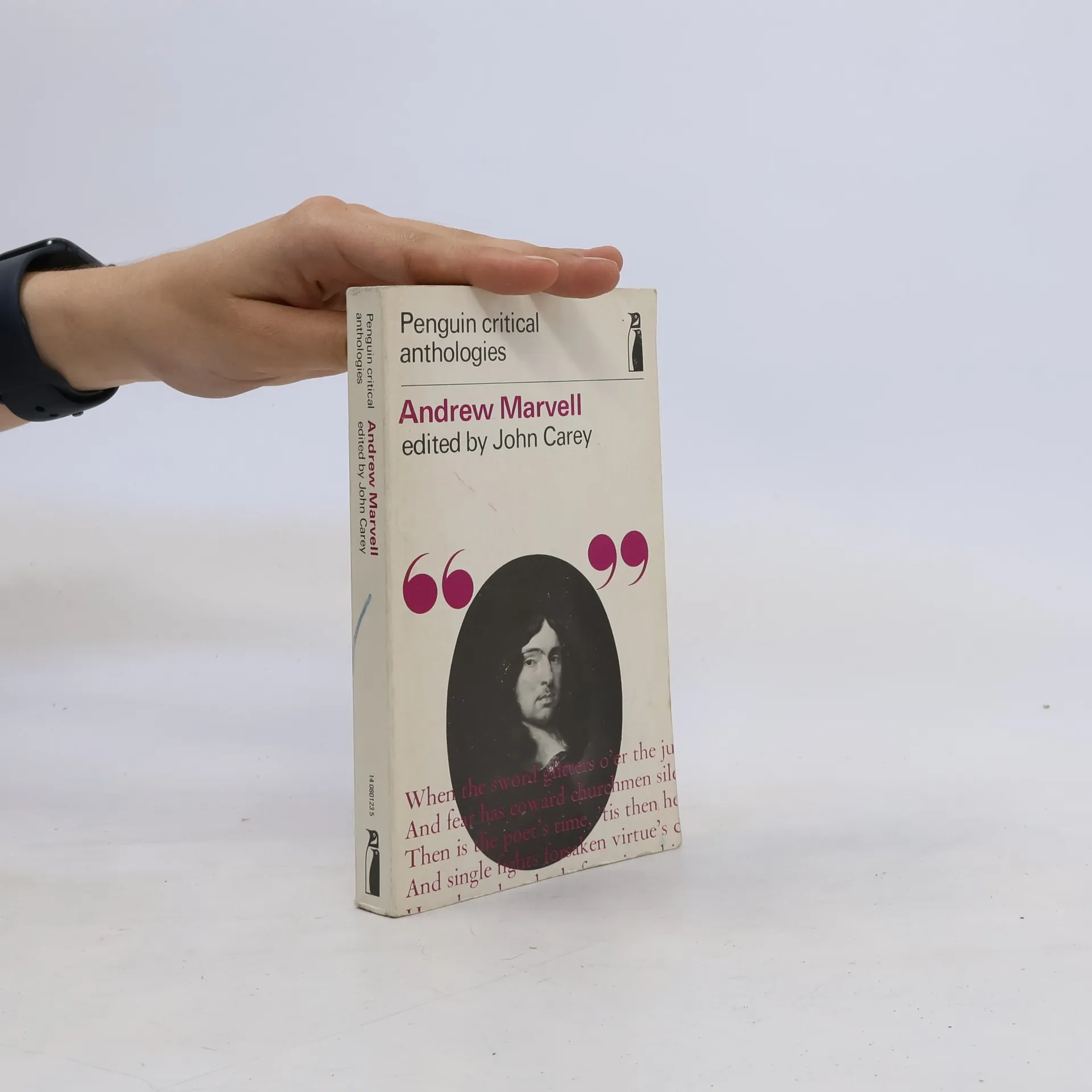
Andrew Marvell
Penguin critical anthologies