

Gerechte Lebens- und Arbeitsbedingungen für alle Frauen – nicht nur für einige wenige gut ausgebildete Karrierefrauen. Das ist der Kampf, zu dem die Autorinnen dieses leidenschaftlichen Manifests aufrufen, in knappen Thesen und in einer klaren Sprache, die keine Missverständnisse zulässt. Die strukturelle Benachteiligung von Frauen steht in direktem Zusammenhang mit allen Formen von Ungleichheit. Feminismus für die 99% ist der zeitgemäße Aufruf zur Abschaffung des Kapitalismus. Der Arbeiter produziert Waren. Wer aber produziert den Arbeiter? Die Antwort liegt auf der Hand: die Arbeiterin. Denn der Kapitalismus ist nicht nur eine Wirtschaftsform, sondern greift unmittelbar in unser aller Privatleben ein, definiert, wie wir Beziehungen organisieren, und führt zu Ausbeutung in allen Bereichen. Sexismus und Rassismus sind darin keine Nebeneffekte, sondern Teil dieser Strukturen von Macht und Dominanz, die den Kapitalismus erst ermöglichen und hervorbringen. In elf anschaulichen und scharfen Thesen, die zum Nach- und Weiterdenken anregen, die zum Diskutieren und Widersprechen einladen, fordern die Autorinnen eine neue Form der Solidarität: Ihre Vision ist ein feministischer, ökosozialistischer und antiimperialistischer Internationalismus, dessen Ziel nicht das Vorankommen Einzelner ist, sondern das Wohlergehen aller. »Die Zeit ist reif für eine neue feministische Bewegung.« - Cinzia Arruzza
Cinzia Arruzza Bücher
Cinzia Arruzza ist eine Philosophin, deren Werk sich mit den Schnittstellen von antiker Metaphysik, politischem Denken und zeitgenössischer kritischer Theorie befasst. Ihre wissenschaftliche Arbeit bewegt sich in den Komplexitäten von Platon und Aristoteles und erforscht grundlegende Konzepte von Herrschaft und Realität. Arruzza untersucht auch kritisch die marxistische Theorie und feministische Perspektiven mit Schwerpunkt auf Kapitalismus, Geschlecht und den Dynamiken der sozialen Reproduktion. Ihre intellektuellen Bestrebungen zielen darauf ab, klassische philosophische Anliegen mit drängenden modernen sozioökonomischen Fragen zu verbinden.



Is global emancipation a lost cause? Are universal values outdated relics of an earlier age? In fear of the horrors of totalitarianism should we submit ourselves to a miserable third way of economic liberalism and government-as-administration?In this major new work, philosophical sharpshooter Slavoj Žižek takes on the reigning ideology with a plea that we should re-appropriate several ‘lost causes,’ and look for the kernel of truth in the ‘totalitarian’ politics of the past.Examining Heidegger’s seduction by fascism and Foucault’s flirtation with the Iranian Revolution, he suggests that these were the ‘right steps in the wrong direction.’ He argues that while the revolutionary terror of Robespierre, Mao and the Bolsheviks ended in historic failure and monstrosity, this is not the whole story. There is, in fact, a redemptive moment that gets lost in the outright liberal-democratic rejection of revolutionary authoritarianism and the valorization of soft, consensual, decentralized politics.Žižek claims that, particularly in light of the forthcoming ecological crisis, we should reinvent revolutionary terror and the dictatorship of the proletariat in the struggle for universal emancipation. We need to courageously accept the return to this Cause — even if we court the risk of a catastrophic disaster. In the words of Samuel Beckett: ‘Try again. Fail again. Fail better.’
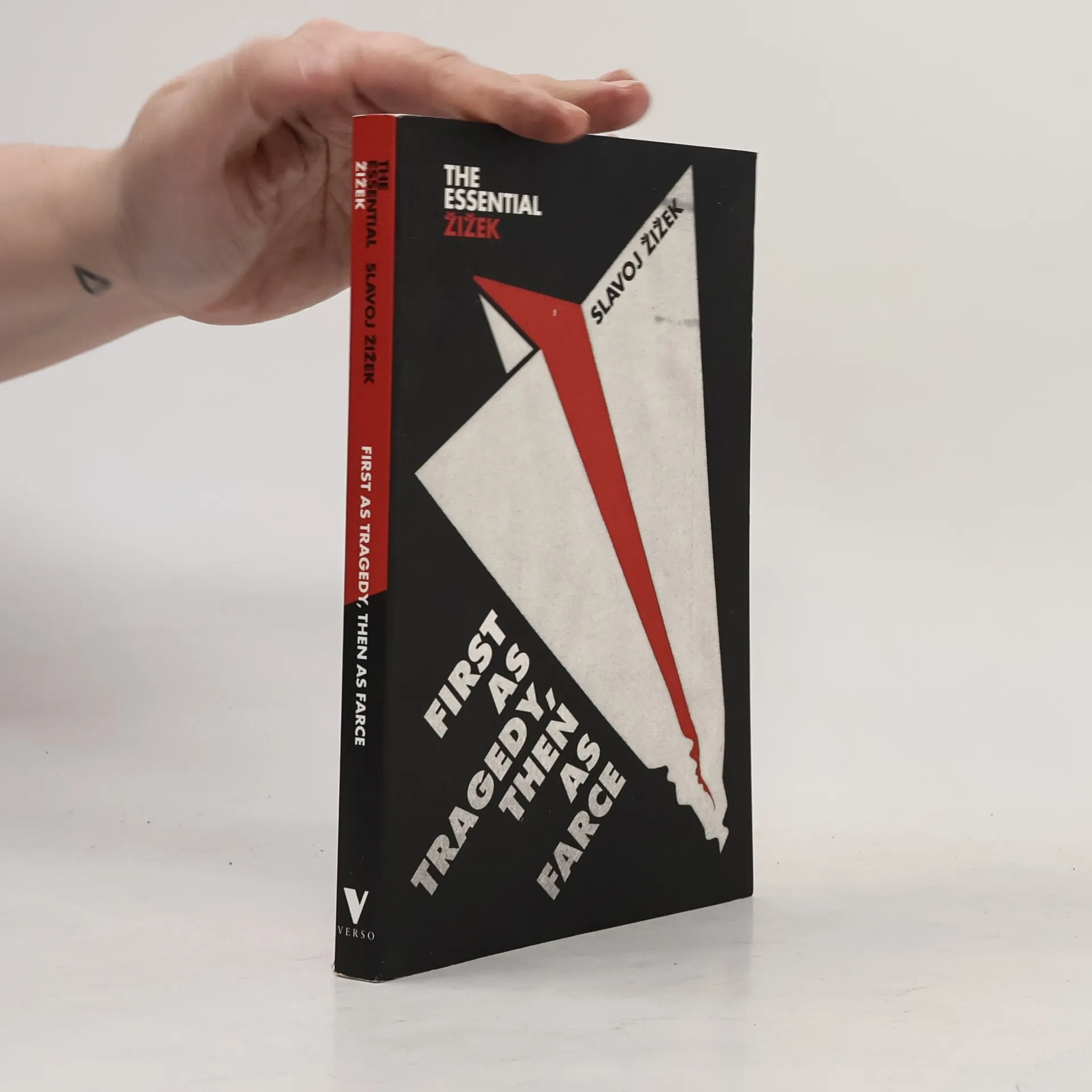
First as Tragedy, Then as Farce
- 176 Seiten
- 7 Lesestunden
�i�ek is to today what Jacques Derrida was to the '80s: the thinker of choice for Europe's young intellectual vanguard. -Observer