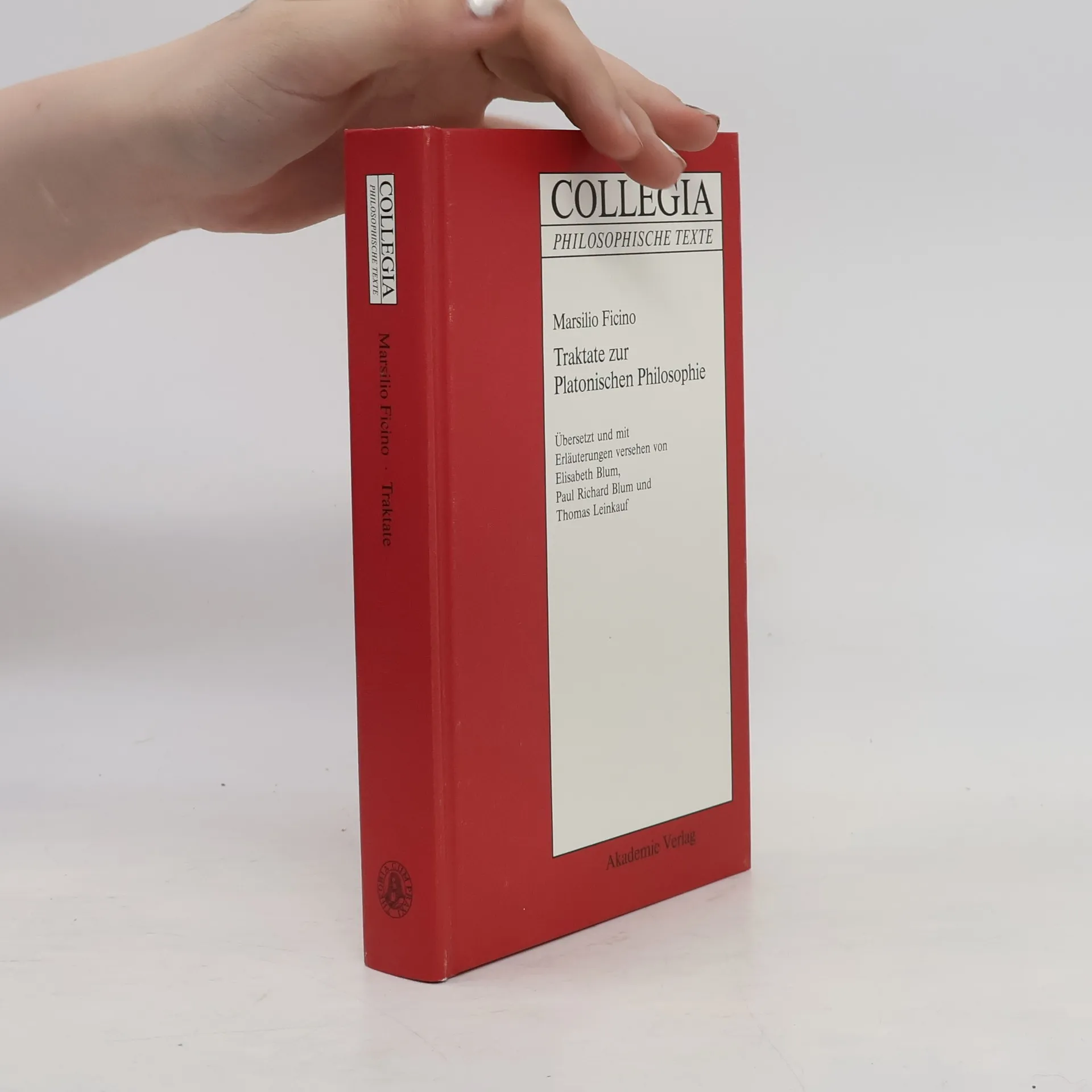
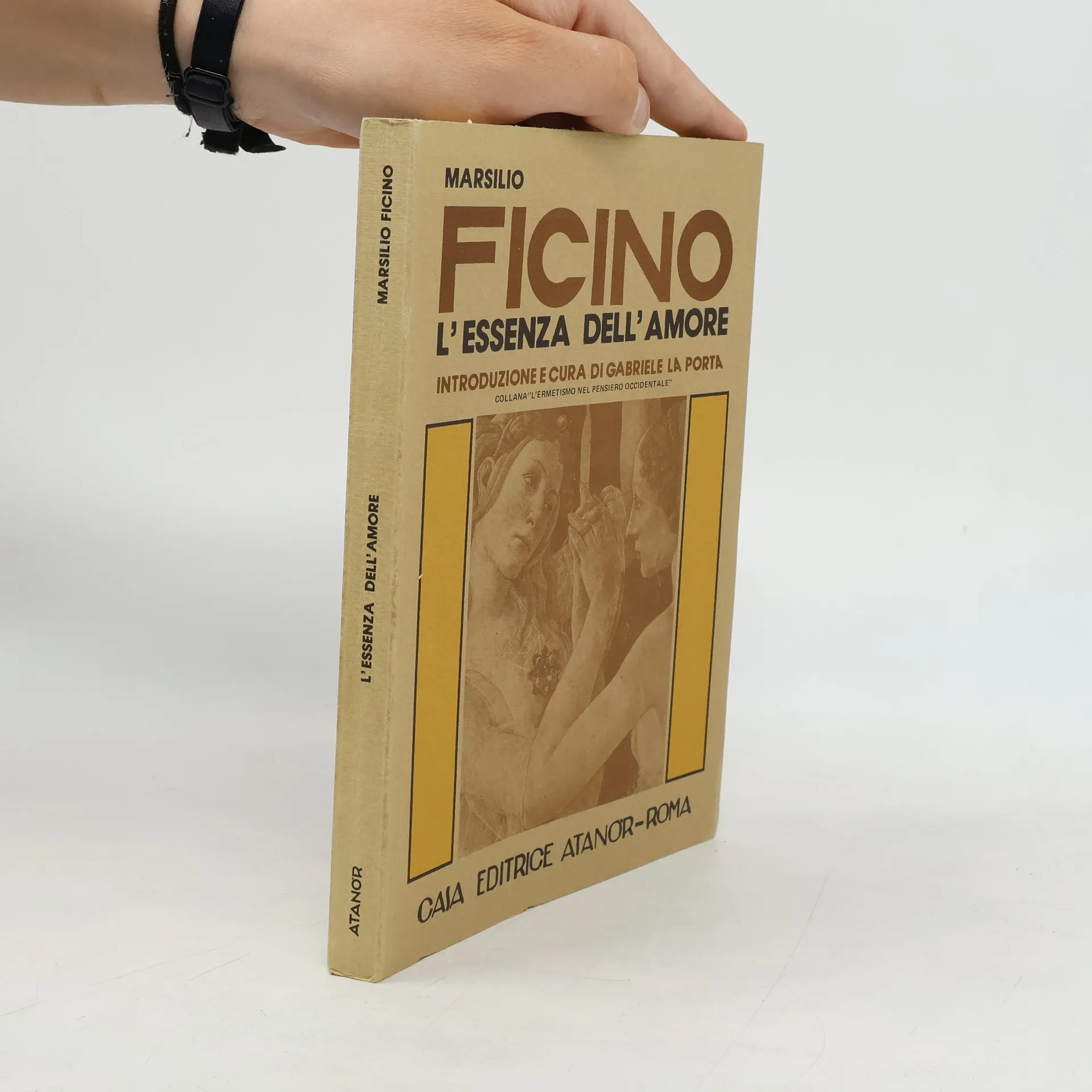
Marsilio FicinoReihenfolge der Bücher (Chronologisch)
19. Oktober 1433 – 1. Oktober 1499
Marsilio Ficino war eine Schlüsselfigur der italienischen Renaissance, dessen philosophisches Werk das platonische Denken wiederbelebte. Als Gelehrter und Priester beschäftigte er sich nicht nur mit Philosophie, sondern auch mit Astrologie und übersetzte als Erster Platons vollständige Werke ins Lateinische. Seine einflussreiche Florentiner Akademie prägte die Ausrichtung der europäischen Philosophie und des Renaissance-Denkens. Ficino war ein zentraler Knotenpunkt des intellektuellen Lebens seiner Zeit und verband sich mit den wichtigsten Denkern und Schriftstellern.
Marsilio Ficino's polemical work explores the intersection of Christianity and philosophy, presenting a critical examination of religious beliefs and practices. The volume includes an introduction and notes that provide context and insights into Ficino's arguments and historical significance. Through this text, readers gain a deeper understanding of the intellectual landscape of the Renaissance and the challenges posed to traditional religious thought.
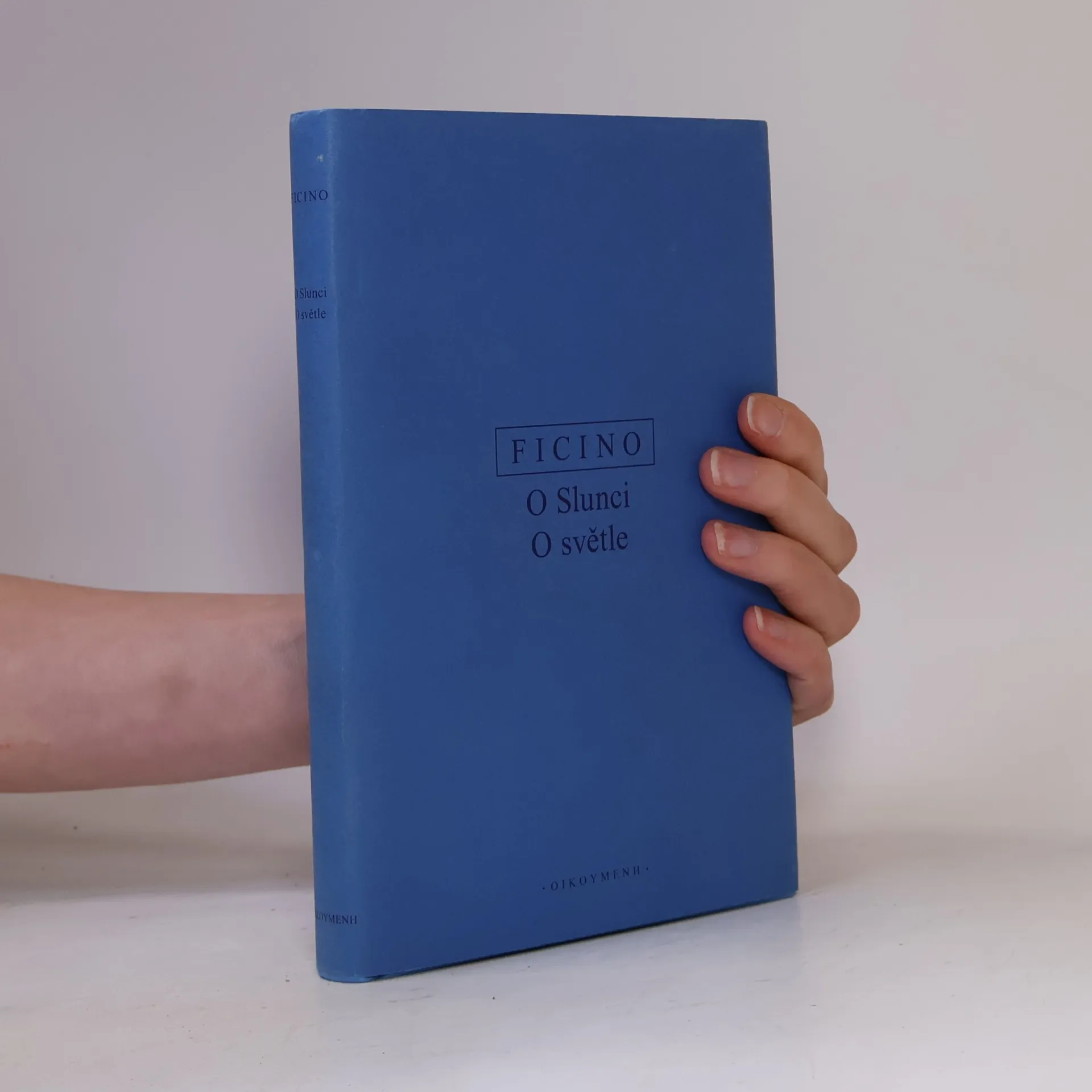
Nejzdařilejším a nejvlivnějším z Ficinových spisů se stal jeho Komentář k
Platónově Hostině, O lásce. Formou nápodoby Platónova Symposia, přeneseného do
prostředí medicejské Florencie, tu Ficino předkládá svou syntézu platonismu,
inspirovanou pohanskými i křesťanskými autory pozdní antiky, zejména Plótínem,
Augustinem a Dionysiem Areopagitou. Stěžejním tématem této filosofie je láska.
Ficino ji spolu s Dantem chápe jako božskou sílu, která prostřednictvím krásy
milovaného člověka přivádí zbloudilou lidskou duši k poznání Boha. Latinsko-
české vydání.
Band 1. Herausgegeben, eingeleitet und übersetzt von Peter Riemer und Clemens Zintzen
448 Seiten
16 Lesestunden
Die Biografie von Marsilio Ficino beleuchtet seine bedeutende Rolle als Übersetzer und Kommentator der platonischen und neuplatonischen Schriften. Schon in seiner Jugend erhielt er den Auftrag, Griechisch zu lernen und Platons Werke zu übersetzen. Auf Empfehlung von Pico della Mirandola ordnete er die Schriften des Plotin in Enneaden und verfasste zu jedem Traktat eine kommentierende Einleitung. Die moderne dreibändige Ausgabe bietet eine textkritische Edition mit deutscher Übersetzung und würdigt Ficinos Einfluss auf die Philosophie der Renaissance.
Listy florentského platonika Marsilia Ficina De officiis a Veritas de institutione principis patří mezi nejvlivnější z celé Ficinovy korespondence jakožto stručná pojednání o v renesanci oblíbených tématech morální filosofie. Unikátní recepce se dočkaly i v českém prostředí počátku šestnáctého století, kdy byly přeloženy do humanistické češtiny, list Veritas dokonce dvakrát. Publikace přináší kritickou edici obou listů, jejich nový překlad do češtiny, jakož i transkripci obou staročeských překladů, jejichž autory byli Řehoř z Hrubý z Jelení a Oldřich Velenský z Mnichova. Kniha je uvozena studií, která pojednává o Ficinově korespondenci a jejím filosofickém významu obecně, analyzuje oba zmiňované listy a věnuje se jejich působení v renesanci a raném novověku. Zabývá se také kontextem českých humanistických překladů, který ukazuje, že platonik Marsilio Ficino byl v českém prostředí v prvních dekádách šestnáctého století vnímán a recipován především jako morální filosof.
Marsilio Ficino (1433 1499) was the leading Platonic philosopher of the
Renaissance and is generally recognized as the greatest authority on ancient
Platonism before modern times. The I Tatti edition of his commentary on
Plotinus, in 6 volumes, contains the first modern edition of the Latin text
and the first translation into any modern language.
Marsilio Ficino (1433 1499) was the leading Platonic philosopher of the
Renaissance and is generally recognized as the greatest authority on ancient
Platonism before modern times. The I Tatti edition of his commentary on
Plotinus, in 6 volumes, contains the first modern edition of the Latin text
and the first translation into any modern language.
Spisy O Slunci a O světle představují zralou podobu autorova myšlení. První spis vychází z přirovnání ideje dobra ke Slunci a z analogie mezi viděním a věděním, jak je předkládá Platón v Ústavě. Spis O Světle je inspirován plótínovskou metafyzikou světla. Alegorické výklady Slunce a světla patří ke klíčovým motivům Ficinova myšlení.
Částečně souběžný latinský a český text, anglické resumé.
In 1490/92 the Florentine Platonist Marsilio Ficino made new translations of
two treatises he believed were the work of Dionysius the Areopagite, the
disciple of St. Paul mentioned in the Acts of the Apostles. They are presented
here in new critical editions accompanied by English translations, the first
into any modern language.
In 1490/92 the Florentine Platonist Marsilio Ficino made new translations of
two treatises he believed were the work of Dionysius the Areopagite, the
disciple of St. Paul mentioned in the Acts of the Apostles. They are presented
here in new critical editions accompanied by English translations, the first
into any modern language.
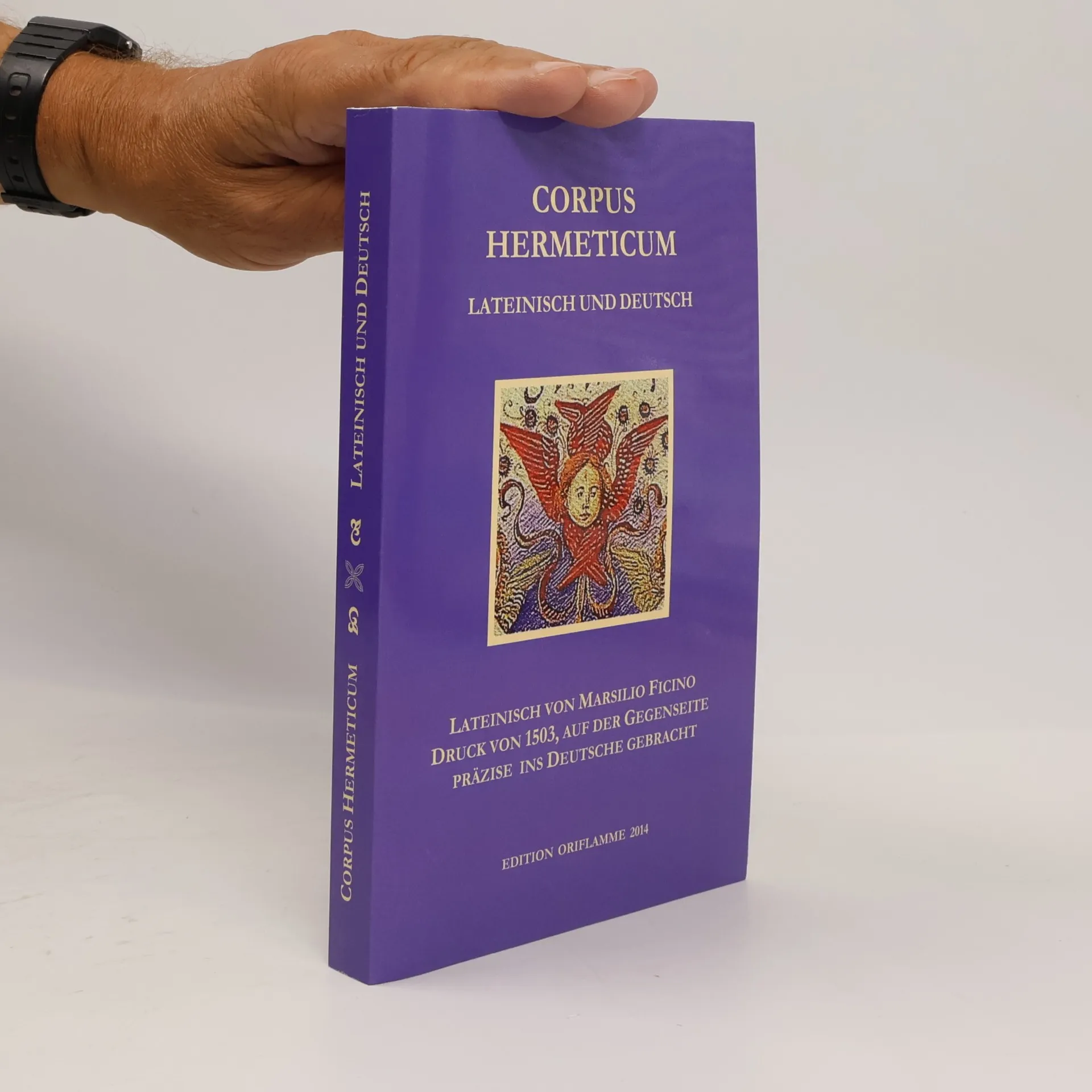
Lateinisch und Deutsch - Lateinisch von Marsilio Ficino, Druck von 1503, auf der Gegenseite präzise ins Deutsche gebracht
264 Seiten
10 Lesestunden
Die lateinische Übersetzung aus dem Griechischen durch Marsilio Ficino (1463/1471) nach dem Zweitdruck (Mainz, 1503), jetzt präzis ins Deutsche übersetzt durch M. P. Steiner zeigt das Corpus Hermeticum als einen Text von z. T. poetischer Schönheit, z. T. von höchster philosophischer Genauigkeit, der den Bogen spannt von aristotelischer Elementenlehre über Platons Ideenlehre bis zur heutigen Quantenphilosophie. – Facsimile des lateinischen Drucks und deutscher Text auf gegenüberliegenden Seiten.
Marsilio Ficino, the Florentine scholar-philosopher-magus, was largely
responsible for the Renaissance revival of Plato. His commentaries remained
the standard guide to the philosopher's works for centuries. Vanhaelen's new
translation of Parmenides makes this monument of metaphysics accessible to the
modern student.
Contains the author's analysis and commentary on the Phaedrus, which he
explicates as a meditation on beauty in all its forms and a sublime work of
theology. This title explores a poetics of divine inspiration that leads to
the Neoplatonist portrayal of the soul as a rhapsode whose song is an ascent
into the mind of God.
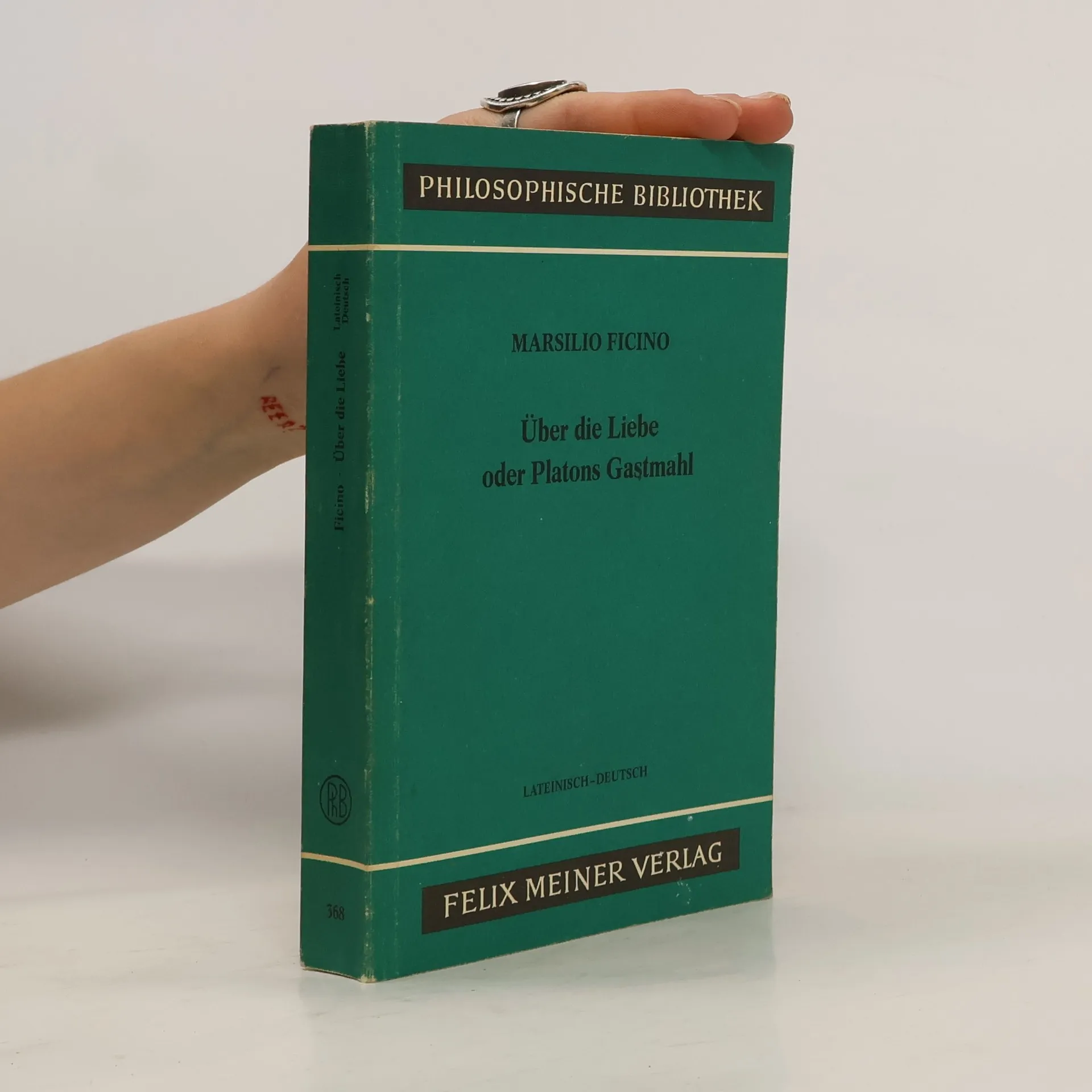
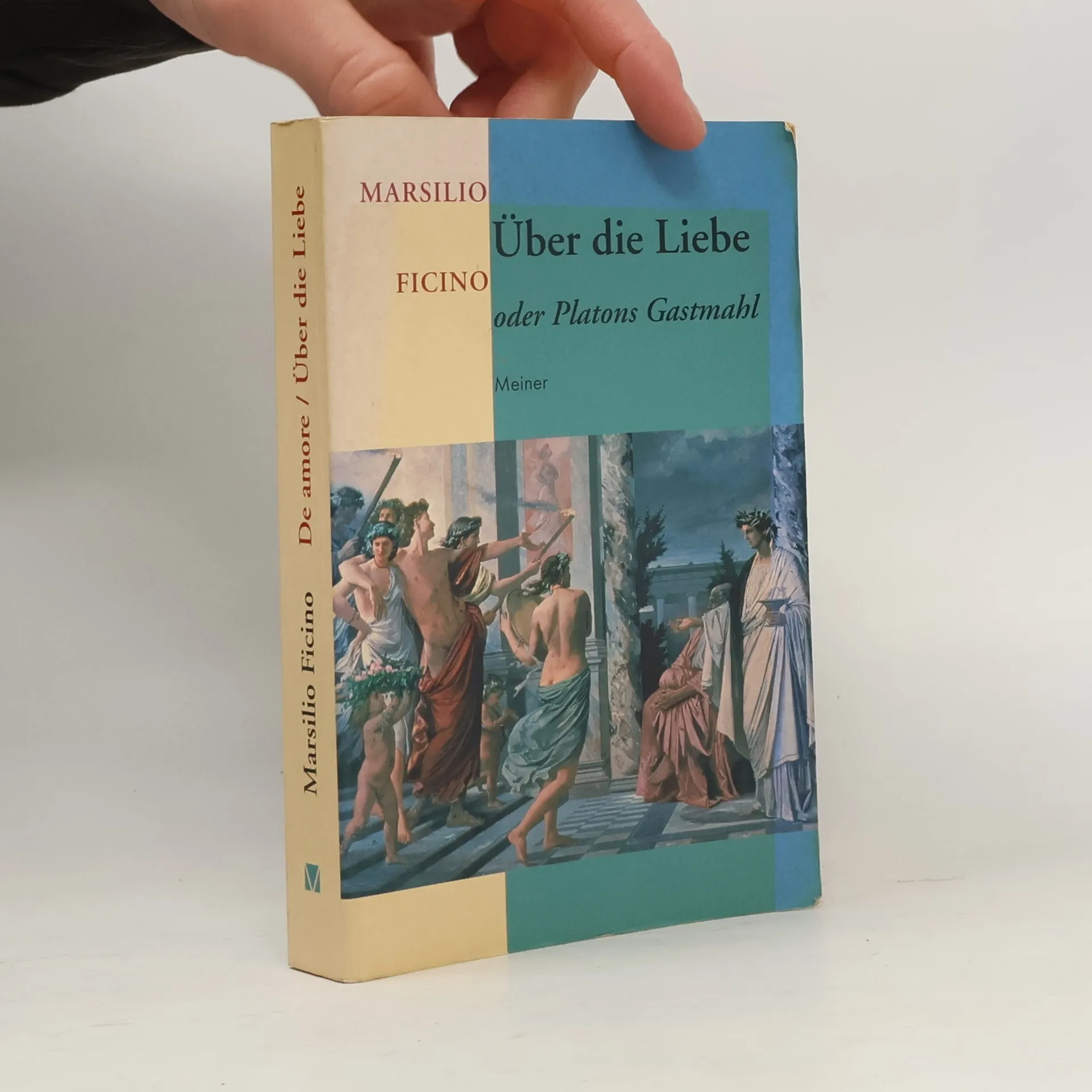
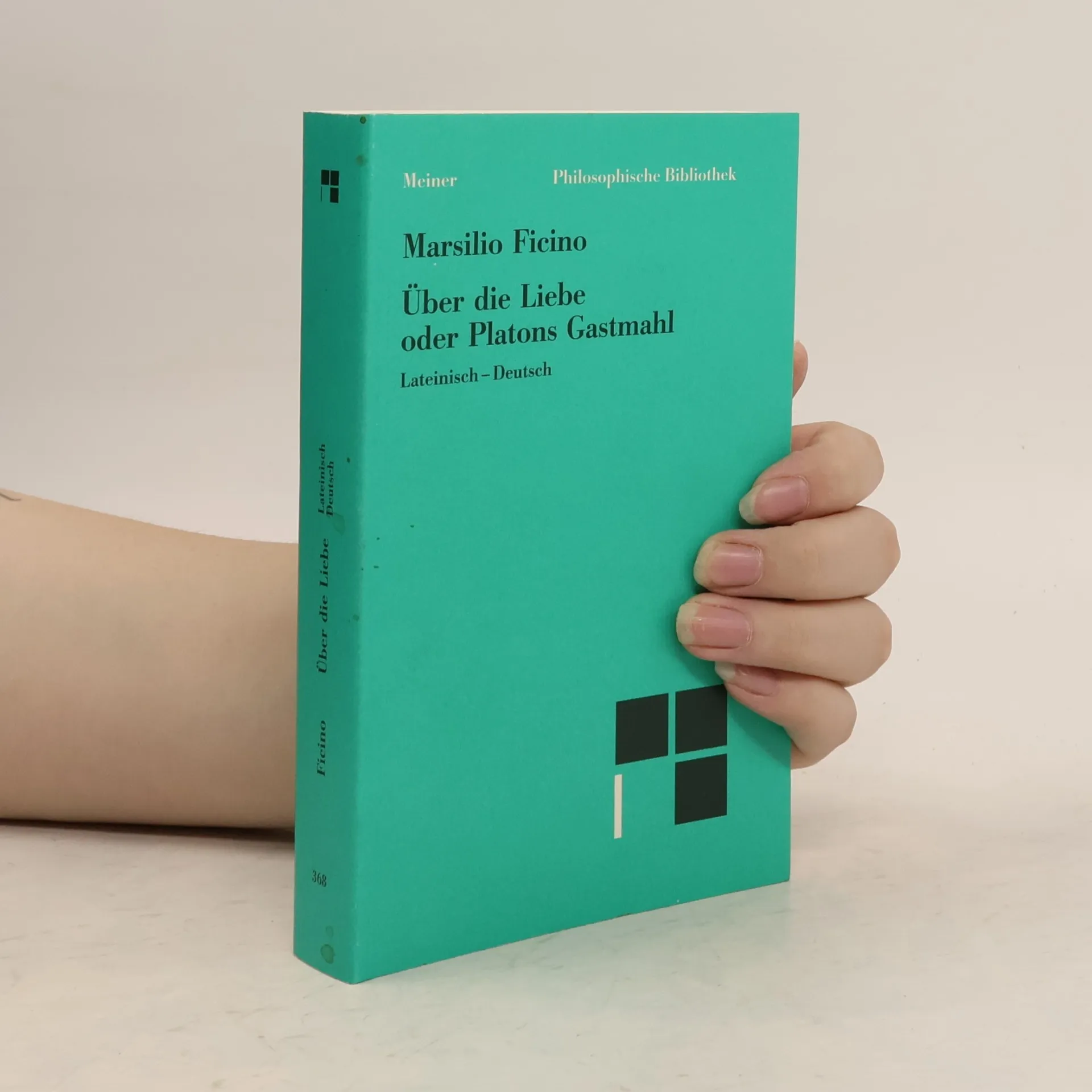
„Über die Liebe oder Platons Gastmahl“ bietet einen geeigneten Einstieg in den Neuplatonismus jener Zeit. Der Text ist sowohl Symposionkommentar als auch eine Abhandlung über Wesen und Ethik des Liebens und beinhaltet eine Anzahl neuplatonischer Gemeinplätze zum Thema der Liebe. Die von Paul R. Blum herausgegebene zweisprachige Ausgabe stellt den lateinischen und deutschen Text gegenüber. Zudem wird durch Anmerkungen auf Parallelstellen in Ficinos Werk hingewiesen. Eine Chronologie zu Ficinos Leben und Werk ist ebenfalls beigefügt.
Focusing on the intellectual journey of Marsilio Ficino, this volume of his letters reveals his pivotal role as head of the Platonic Academy in Florence during the Renaissance. His correspondence provides valuable insights into the philosophical and artistic movements of the time, highlighting the influential figures who shaped the era. Notably, it includes exchanges with prominent individuals such as Giorgio Antonio Vespucci, connecting the intellectual currents of the period to broader historical narratives.
This volume presents the visionary work and the philosophical masterpiece of
Marsilio Ficino. His Platonic evangelizing was successful and influential, and
his Platonic Theology is one of the keys to understanding the art, thought,
culture, and spirituality of the Renaissance. schovat popis
Set during the tumultuous years of 1481-84, this volume captures the impact of warfare among Italian states on the thoughts and writings of Marsilio Ficino. The letters reveal both the disruption and personal suffering caused by conflict, showcasing some of Ficino's most eloquent prose. Through his correspondence, readers gain insight into the philosophical and emotional responses to a time of strife, highlighting the intersection of personal and political turmoil.
The third volume of the letters of Marsilio Ficino, who was an influential
figure of the Italian Renaissance. It consists of the 39 letters Ficino
published in his book IV, which he dedicated to Matthias Corvinus, King of
Hungary.
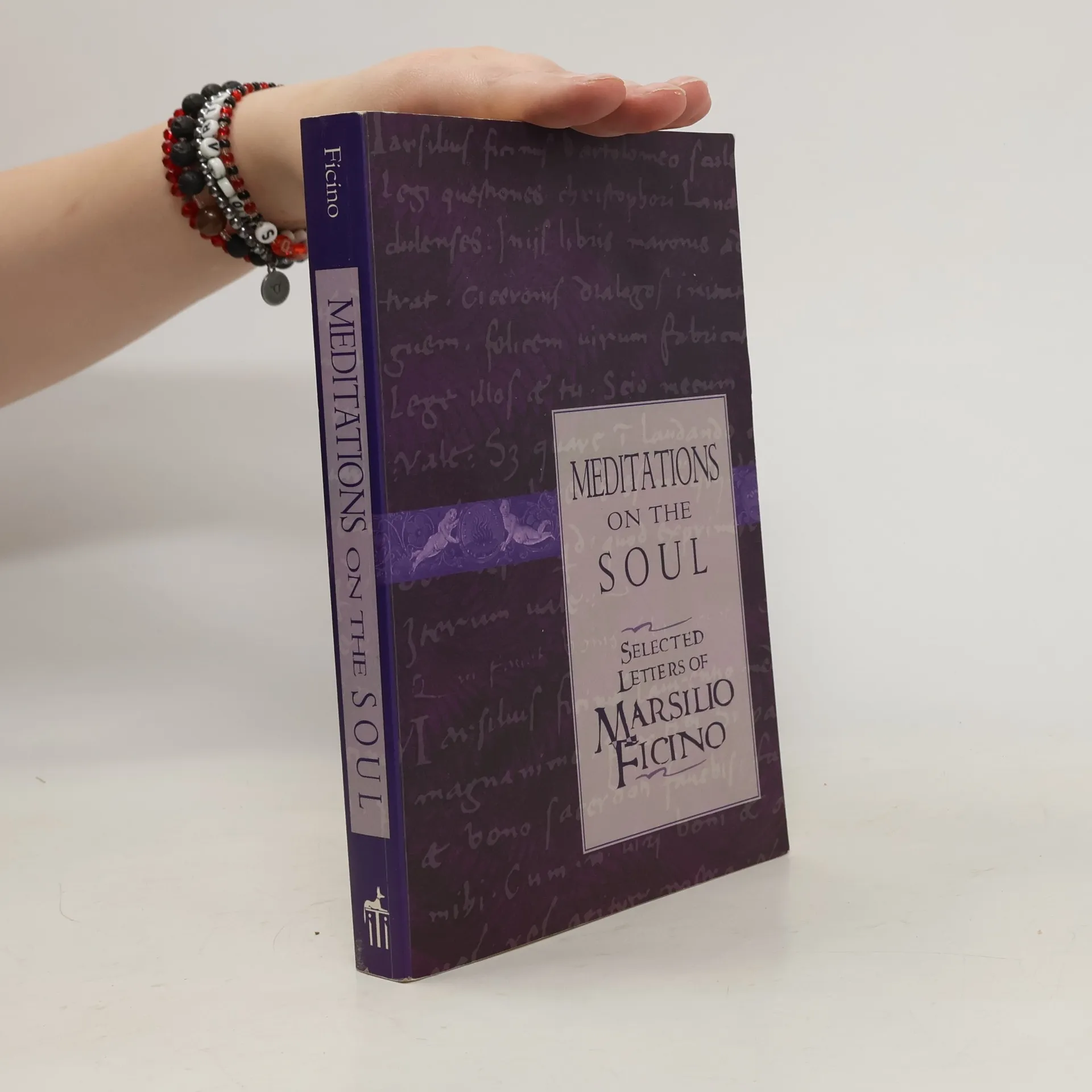
The problems that taxed the minds of people during the Renaissance were much the same as those confronting us today. In their perplexity, many deep-thinking people sought the advice of Marsilio Ficino (1433-99), the leader of the Platonic Academy in Florence, a magnet for the most brilliant scholars of 15th-century Europe.In devoting his life to the study and translation of the great dialogues of Plato and the Neoplatonists, Ficino and his colleagues were midwives to the birth of the modern world. Ficino was fearless in expressing what he knew to be true. Covering the widest range of topics, his letters offer a profound glimpse into the soul of the Renaissance.
Marsilio Ficinos 1469 entstandenes De amore ist ein Hauptwerk des Renaissanceplatonismus. Am Leitfaden von Platons Symposion halten gelehrte Florentiner in literarischer Form während eines Gastmahls Reden über die Liebe. Das Thema wird unter mystischen, medizinischen, erkenntnistheoretischen, kosmologischen, astrologischen und theologischen Aspekten abgehandelt, so daß man hier eine Renaissancephilosophie in nuce betrachten kann.
Marsilio Ficino (1433–1499) ist vor allem als bedeutender Übersetzer und Kommentator Platons und der Neuplatoniker bekannt. Die platonische Philosophie bildete jedoch nicht nur einen isolierten Bestandteil seines Denkens, sondern stellte einen unterstützenden Pfeiler des Christentums dar und formte zusammen mit diesem den christlichen Platonismus. Um Ficinus Denken vollständig zu verstehen, dürfen wir seine medizinischen Interessen nicht außer Acht lassen, die ihm eine spezifische Farbigkeit und Fülle verleihen. In seinem dreiteiligen Werk „De vita“ (1489), das zu seinen meistgelesenen Schriften wurde, widmet er sich Themen, die besonders für Gelehrte von Bedeutung sind, die wie Ficino selbst in ihrer Forschung anfällig für Melancholie sind; es handelt sich somit um das historisch erste Werk, das sich mit Berufekrankheiten beschäftigt. Obwohl es sich um gesundheitswissenschaftliche Texte handelt, entwickelt das dritte Buch ein theoretisches System der sogenannten natürlichen Magie (magia naturalis), das aus früheren magisch-astrologischen Traditionen schöpft und weit über die Grenzen der reinen Medizin hinausgeht. Aufgrund ihrer komplexen Natur, die ein breites Spektrum an Interessen und Themen widerspiegelt, können die Bücher als einzigartiges Tor zur Welt des renaissancezeitlichen Denkens betrachtet werden.