

Tim Wu nimmt uns in diesem Buch mit auf eine informative Reise durch das Reich der Kommunikationstechnologien beginnend bei Telefon über Radio, Fernsehen bis hin zum Internet. Dabei analysiert er gründlich die Entwicklung der Kommunikationsmöglichkeiten und deren Auswirkungen in Bezug auf die Möglichkeiten der offenen Kommunikation sowie deren Kontrolle. Er zeigt dabei unter anderem immer wiederkehrende Zyklen auf, wie neue Technologien häufig aus kleinen Unternehmen entstanden sind, später von wenigen großen dominiert wurden, um wiederum neue innovative Unternehmen entstehen zu lassen. Tim Wu zeigt die Hintergründe solcher Entwicklungen auf, die zu dem heutigen Stand geführt haben.
Tim Wu Bücher
1. Januar 1972
Tim Wu ist ein Autor, dessen Schriften sich mit der komplexen Beziehung zwischen Technologie und Gesellschaft befassen. Er untersucht kritisch die tiefgreifenden Auswirkungen technologischer Fortschritte und ihren gesellschaftlichen Einfluss. Wus Werk konzentriert sich auf die Analyse, wie Technologie unsere Welt formt und welche durchdachten Ansätze wir in Betracht ziehen sollten. Seine Beiträge werden für ihre aufschlussreiche Perspektive und ihre Fähigkeit, komplexe Probleme zu beleuchten, anerkannt.



The Curse of Bigness
- 192 Seiten
- 7 Lesestunden
We live in an age of extreme corporate concentration, in which global industries are controlled by just a few giant firms-big banks, big pharma, and big tech, just to name a few. But concern over what Louis Brandeis called the "curse of bigness" can no longer remain the province of specialist lawyers and economists, for it has spilled over into policy and politics, even threatening democracy itself. History suggests that tolerance of inequality and failing to control excessive corporate power may prompt the rise of populism, nationalism, extremist politicians, and fascist regimes. In short, as Wu warns, we are in grave danger of repeating the signature errors of the twentieth century. In The Curse of Bigness, Tim Wu, special assistant to President Biden for technology and competition policy, explains how figures like Brandeis and Theodore Roosevelt first confronted the democratic threats posed by the great trusts of the Gilded Age-but the lessons of the Progressive Era were forgotten in the last 40 years. He calls for recovering the lost tenets of the trustbusting age as part of a broader revival of American progressive ideas as we confront the fallout of persistent and extreme economic inequality
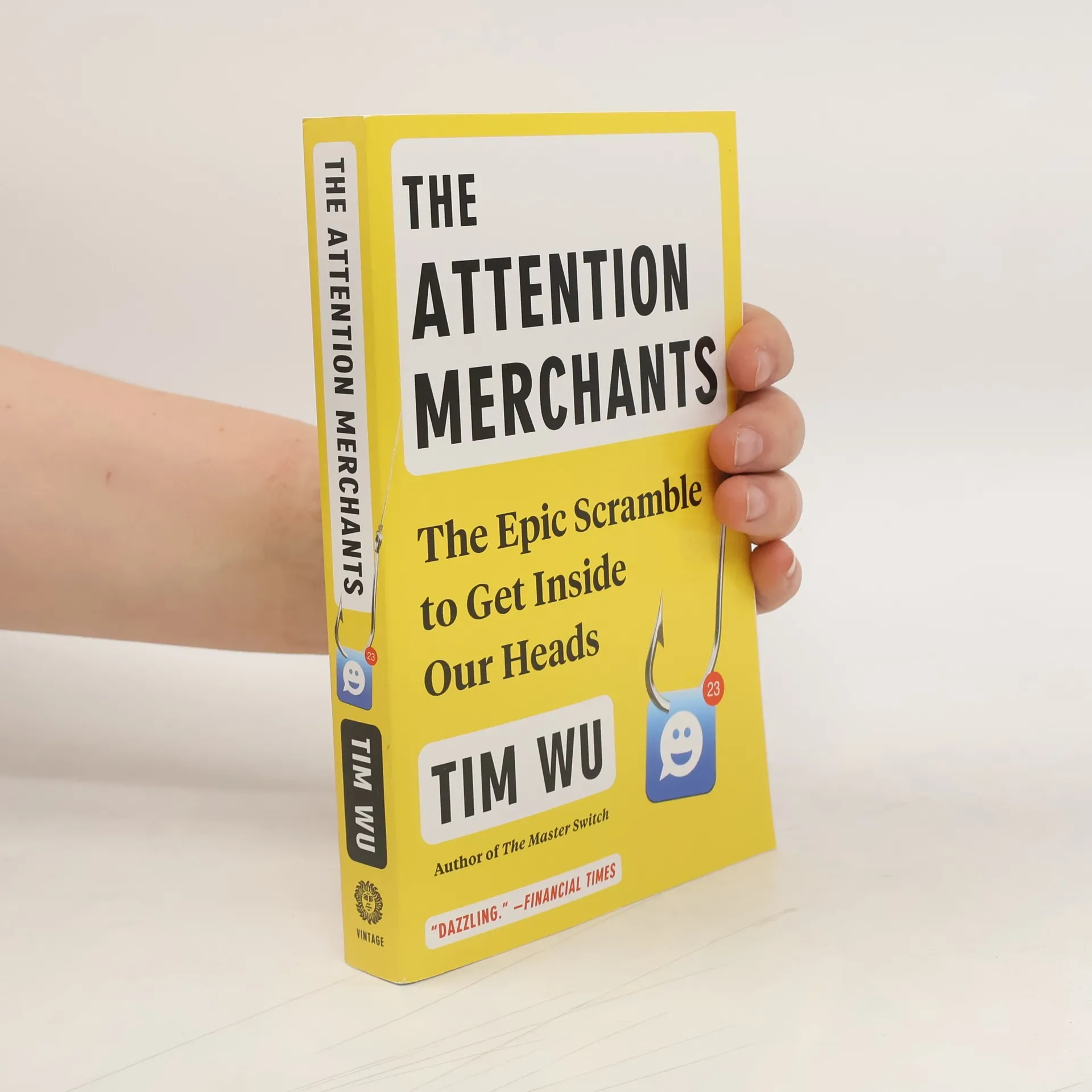
The Attention Merchants
- 432 Seiten
- 16 Lesestunden
Vigorous and entertaining, this book explores how electronic media has turned human attention into a highly valuable commodity. It addresses the growing anxiety surrounding the information age, offering a bracing intellectual tour de force. Readers will encounter lesser-known ideas and episodes from media history, presented with elegance and clarity, akin to stepping into a meticulously organized closet. This examination reveals the commercial efforts to capture and commodify our attention, illustrating how we have become both consumers and producers, essentially selling ourselves to ourselves. The narrative includes sharp illustrations of those who have attempted to resist the encroachment of advertising in our lives, often with little success, dramatizing the ongoing struggle effectively. It provides an engaging history of the attention economy, revealing how our current conditions have developed over time. The timing of this exploration is impeccable, as it traces marketers' relentless advance into our daily lives. Overall, it offers an erudite, energizing, and thorough account of humanity's fundamental endeavor: getting others to care about what matters to us. This engaging and informative work is a must-read for anyone interested in the dynamics of attention in our modern world.
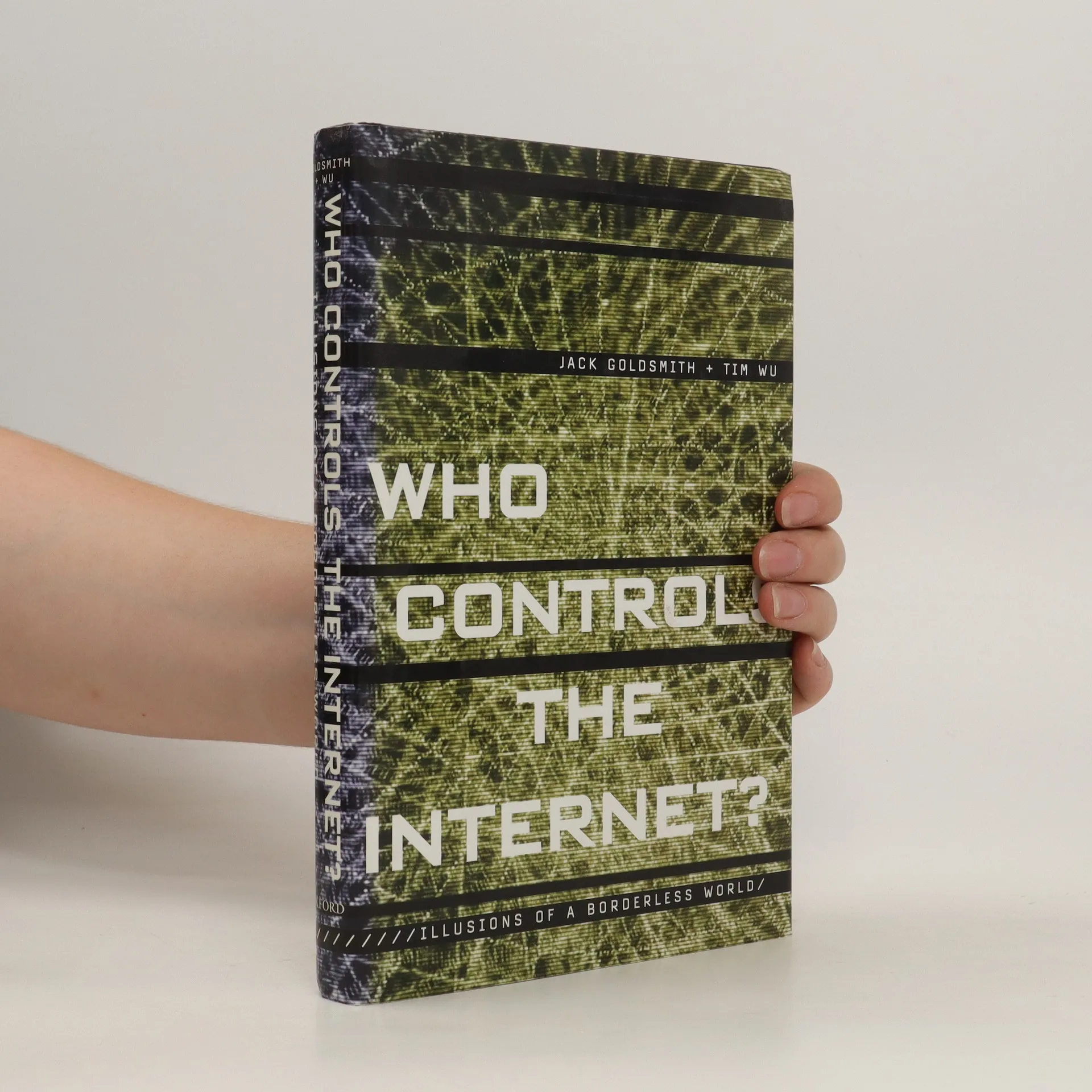
Who controls the Internet?. Illusions of a borderless world
- 226 Seiten
- 8 Lesestunden
In this provocative new book, the authors tell the fascinating story of the Internet's challenge to governmental rule in the 1990s, and of the fate of one idea--that the Internet might liberate users forever from government, borders, and even their physical selves.