Sean Martin Bücher
Dieser Autor ist bekannt für seine akribischen historischen Erzählungen, die sich mit den Komplexitäten weniger bekannter religiöser Gruppen und Militärorden befassen. Seine Schreibe zeichnet sich durch eine gekonnte Mischung aus umfangreichen Recherchen und fesselnder Erzählweise aus, die vergangene Epochen für den modernen Leser lebendig werden lässt. Er versteht es meisterhaft, komplexe Themen und historische Nuancen sowohl klar als auch tiefgründig zu beleuchten. Seine Werke bieten eine faszinierende Erkundung der Entwicklung menschlichen Glaubens und gesellschaftlicher Strukturen.

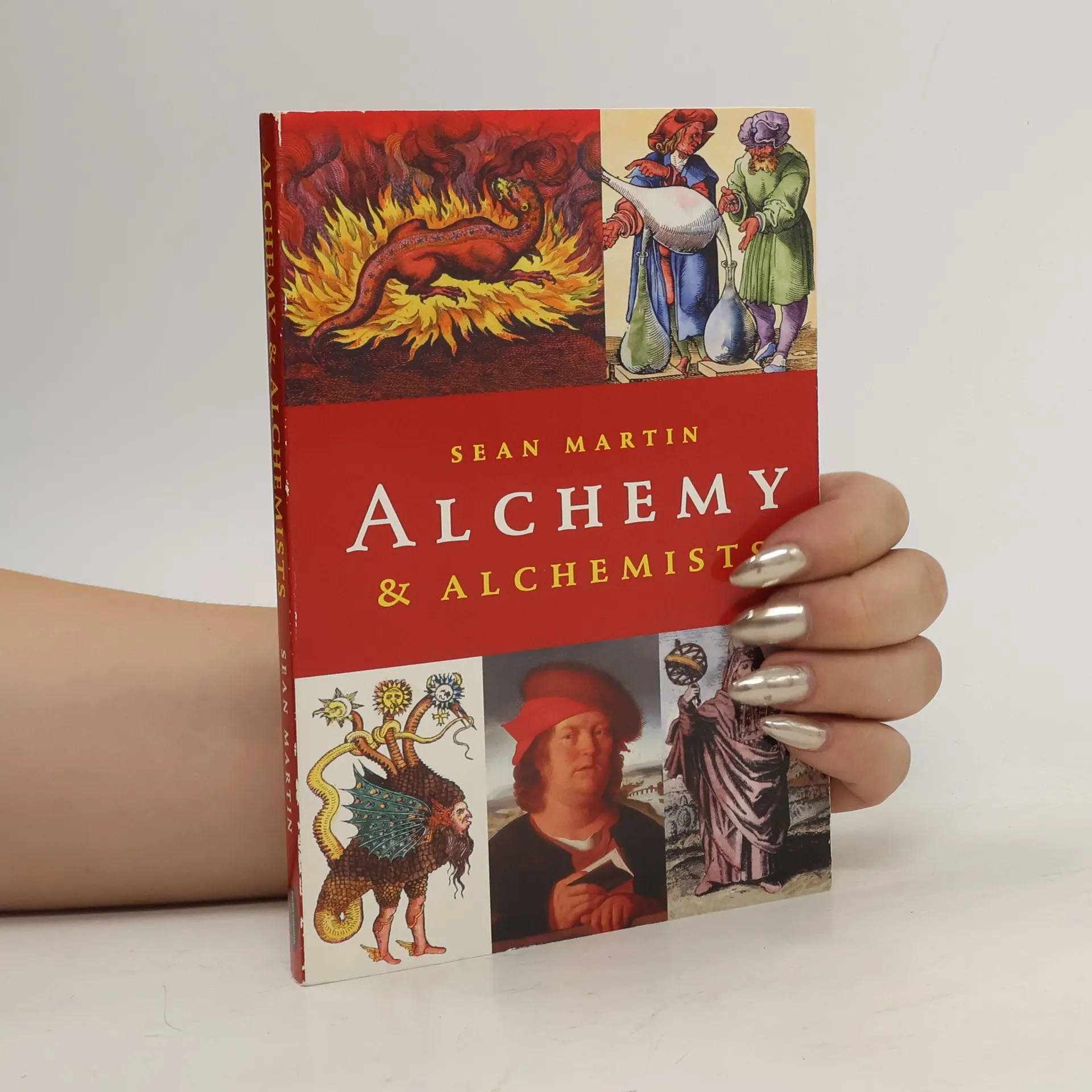
Alchemy And Alchemists
- 160 Seiten
- 6 Lesestunden
Alchemy has traditionally been viewed as 'the history of an error', an example of mediaeval gullibility and greed, in which alchemists tried to turn lead into gold, create fabulous wealth and find the elixir of life. But alchemy has also been described as 'the mightiest secret that a man can possess', and it obsessed the likes of Isaac Newton, Robert Boyle and many of the founders of modern science. This book explores its history, from its mysterious beginnings in Egypt and China, through the Hellenistic world and the early years of Islam and into mediaeval Europe.
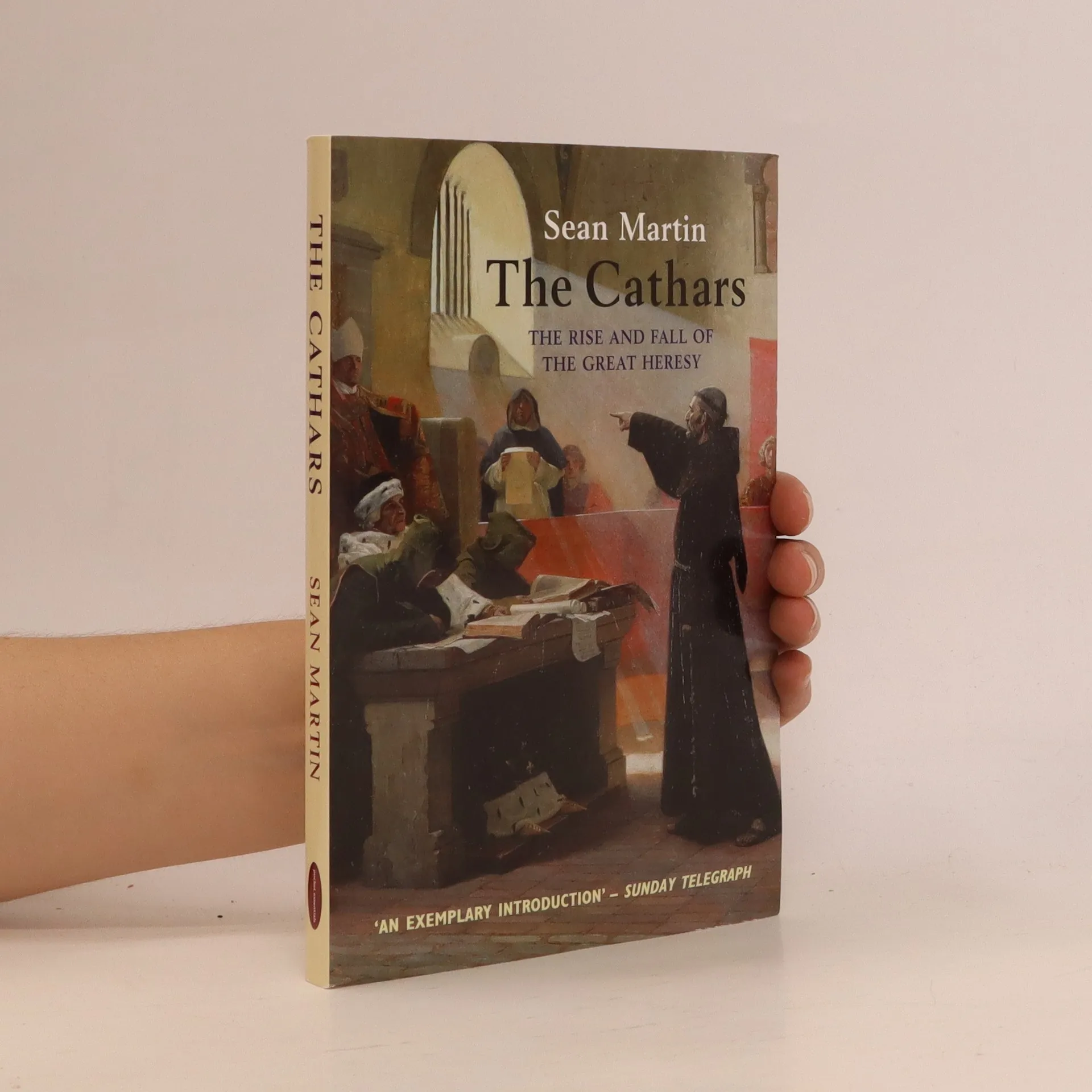
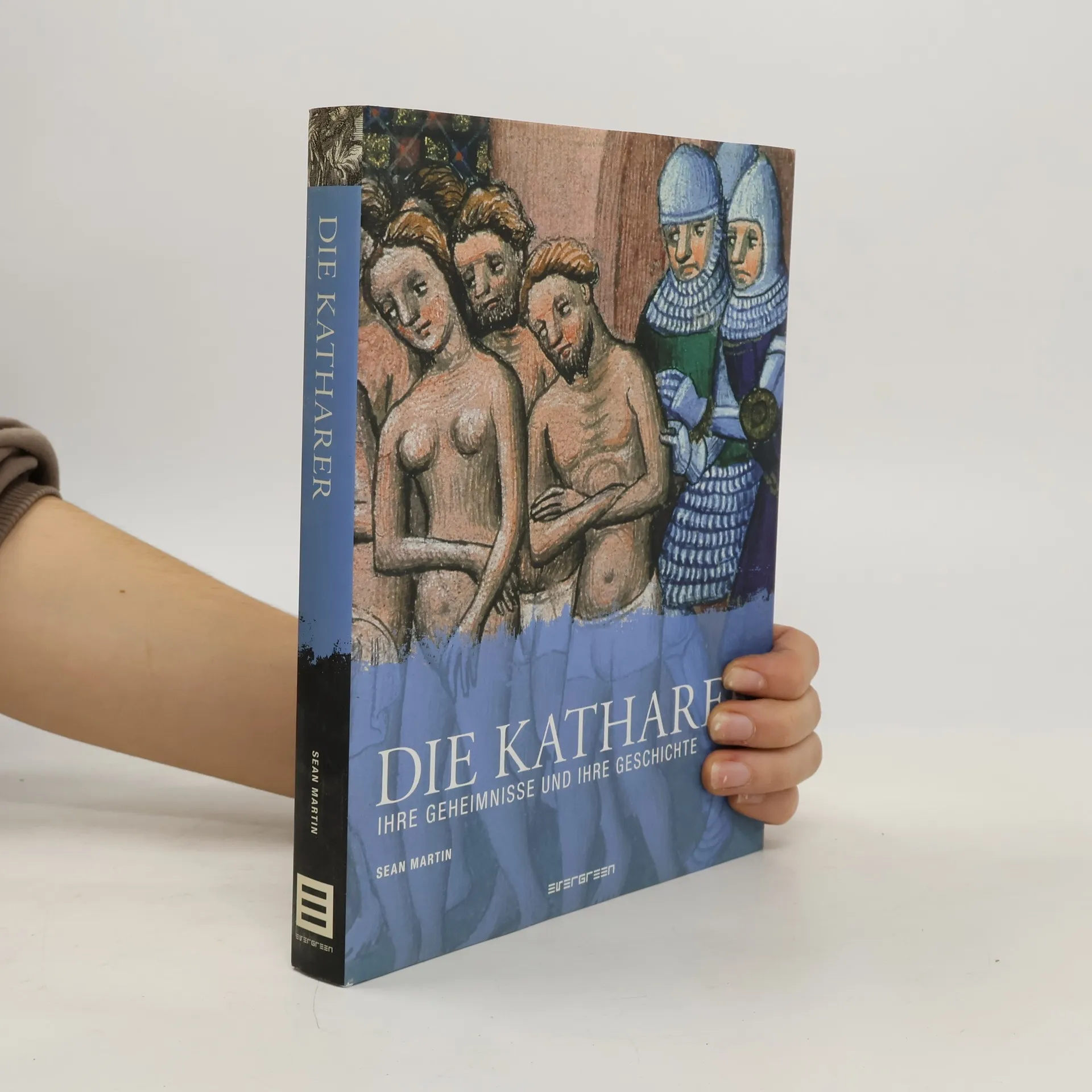
The Cathars
- 192 Seiten
- 7 Lesestunden
Catharism was the most successful heresy of the Middle Ages. Flourishing principally in the Languedoc and Italy, the Cathars taught that the world is evil and must be transcended through a simple life of prayer, work, fasting and non-violence. They believed themselves to be the heirs of the true heritage of Christianity going back to apostolic times, and completely rejected the Catholic Church, regarding it as the Church of Satan. Martin recounts the story of the ever mysterious Cathars in this lively and gripping book.
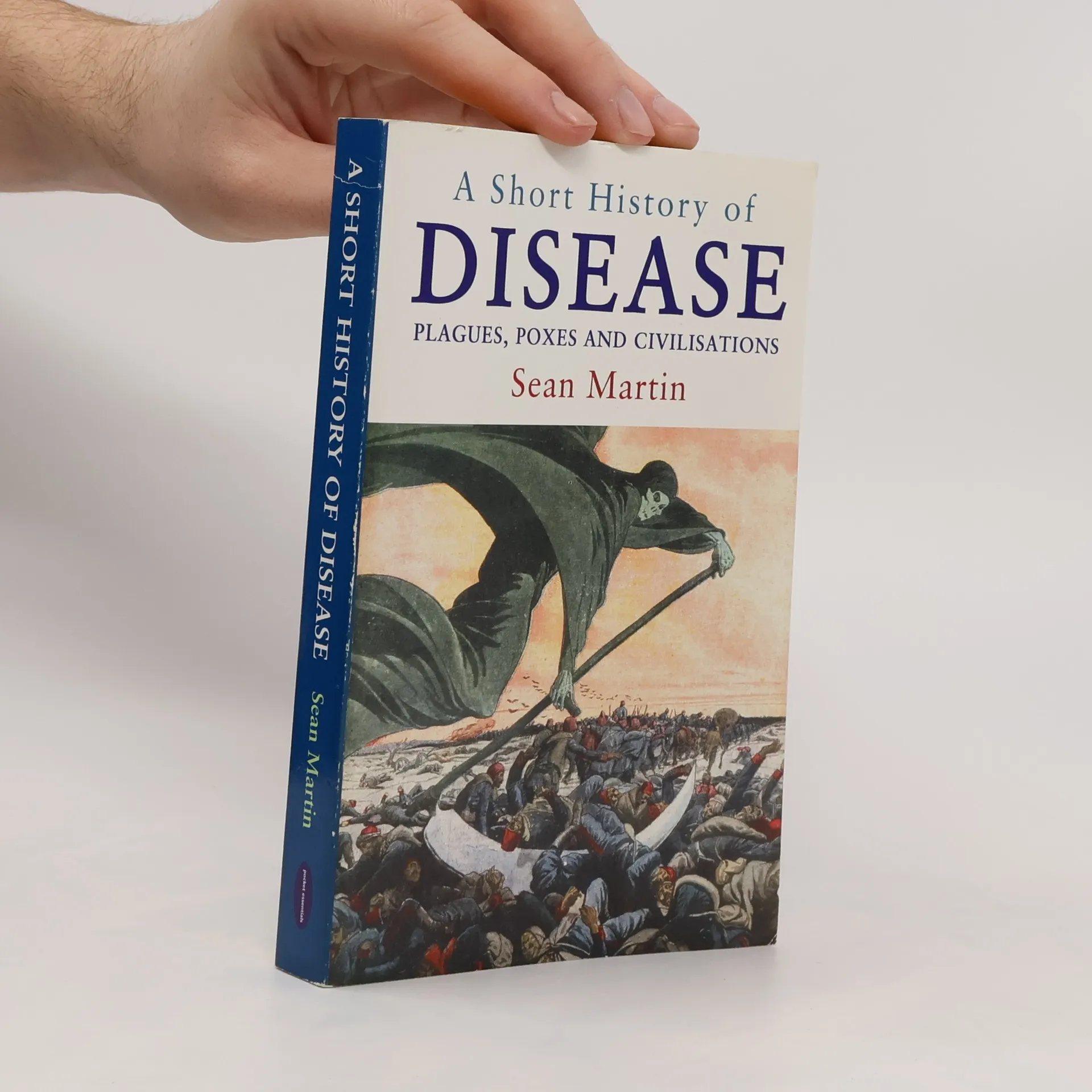
A Short History of Disease
- 320 Seiten
- 12 Lesestunden
A concise and accessible history of infectious and non-infectious diseases, complete with the most up-to-date research on 2014’s Ebola outbreakUsing an interdisciplinary approach, this survey chronicles the historical and geographical evolution of infectious and non-infectious diseases, from their prehistoric origins to the present day, offering a comprehensive, accessible guide to ailments and the medical methods used to combat them. Even before recorded history began, disease plagued human civilizations, claiming more lives than natural disasters and warfare combined. The ongoing battle with new and resurgent diseases has challenged physicians, scientists, and historians in their struggle to identify causes, antidotes, and preventative measures to combat these epidemics. Analyzing case studies including the Black Death, Spanish Flu, cholera, leprosy, syphilis, cancer, and Ebola, this book systematically maps the development of trends and the latest research on disease into a concise and enlightening timeline. Offering a fascinating and compelling insight into a popular area of social history, this easy-to-read introduction will tell you all you need to know about disease and the ongoing quest to protect human health.
Andrei Tarkovsky
- 224 Seiten
- 8 Lesestunden
Andrei Tarkovsky is the most celebrated Russian filmmaker since Eisenstein and one of the most important directors to have emerged during the 1960s and 1970s. Although he made only seven feature films, each one was a major landmark in cinema, the most well-known being the medieval epic Andrei Rublev. In this book, Sean Martin considers the whole of Tarkovsky's oeuvre, seeking to demystify Tarkovsky as a 'difficult' director whilst celebrating his radical aesthetic of long takes and tracking shots. AVAILABLE FROM MARCH 2011
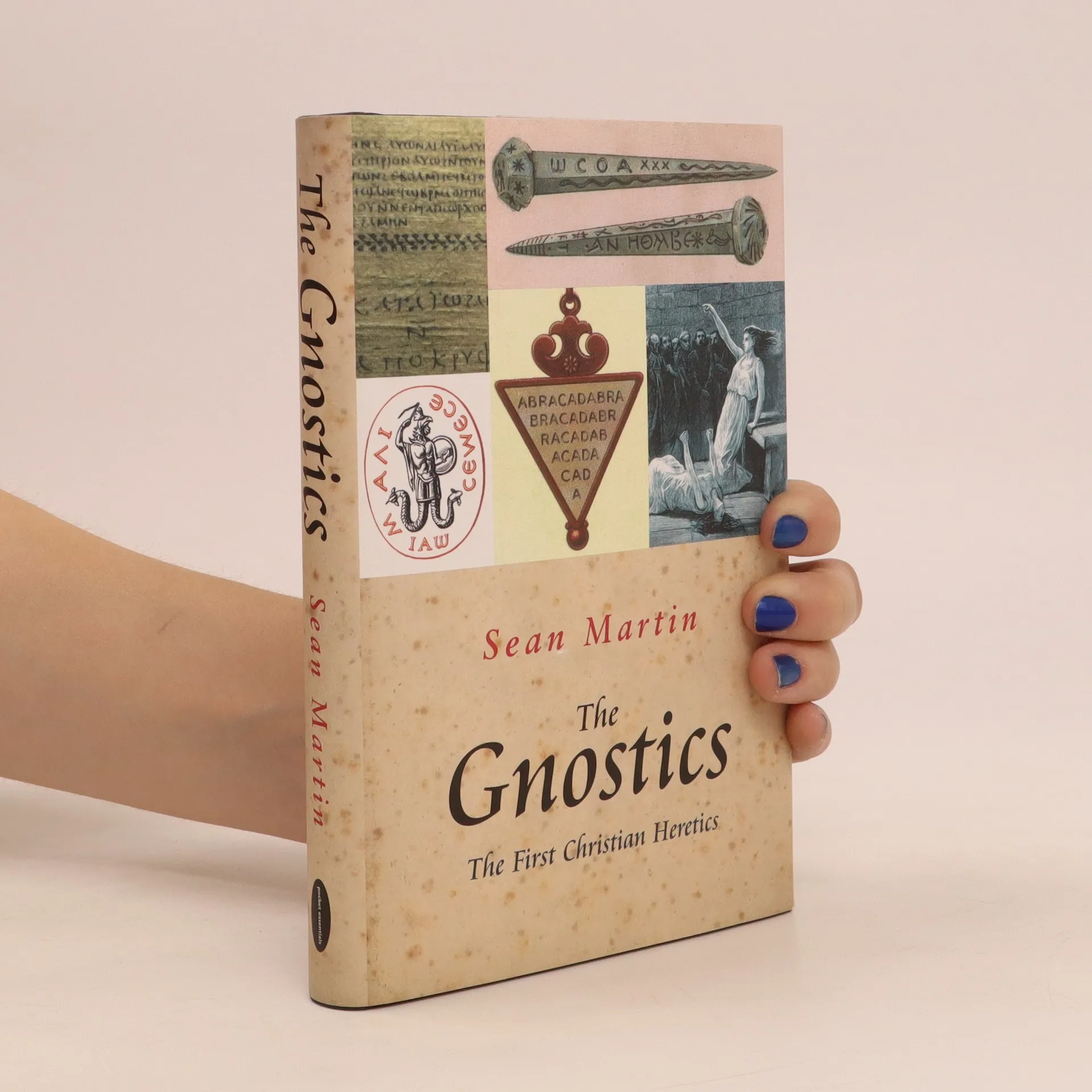
The gnostics : the first Christian heretics
- 160 Seiten
- 6 Lesestunden
Gnosticism is the name given to various religious schools that proliferated in the first centuries after Christ, nearly becoming the dominant form of Christianity, but eventually branded as heretical by the emerging Christian church. The long and diverse history of Gnosticism is recounted here, as well as reasons for its continued relevance today. Although some Gnostic beliefs are close to mainstream Christianity, others examined here include that the world is imperfect because it was created by an evil god who was constantly at war with the true, good God; that Christ and Satan were brothers; that reincarnation exists; and that women are the equal of men. Also covered is the influence Gnostics had on the Renaissance, the Enlightenment, the psychologist Carl Jung, the Existentialists, the New Age movement, and writers as diverse as William Blake, W. B. Yeats, Albert Camus, and Philip K. Dick.
The Knights Templar: The History and Myths of the Legendary Military Order
- 160 Seiten
- 6 Lesestunden
The Knights Templar rose from humble beginnings to become the most powerful military religious order of the Middle Ages. Formed to protect pilgrims in the Holy Land, they participated in the Crusades and rapidly gained wealth, lands, and influence. Seemingly untouchable for nearly two centuries, they fell from grace spectacularly after the loss of the Holy Land. In the ensuing centuries the Templars have exerted a unique influence over European history; orthodox historians see them as nothing more than soldier-monks whose arrogance was their ultimate undoing, while others see them as occultists of the first order.
Andrej Tarkovskij
- 118 Seiten
- 5 Lesestunden
Texty zahrnuté do tejto publikácie pristupujú k Tarkovského dielu z rôznych perspektív. Sean Martin prechádza základnými biografickými súvislosťami Tarkovského života, zasadzuje jeho dielo do kontextu vtedajšej sovietskej kinematografie a následne sa venuje autorovým pracovným metódam, pričom pomenúva konkrétne opakujúce sa témy, motívy a tiež naratívne a štylistické postupy uplatňované v jednotlivých filmoch. Petr Král ponúka v texte Tarkovský čili Hořící dům vyhranenú filozoficko-poetickú interpretáciu režisérových filmov. Napokon Juraj Oniščenko sa vo svojej štúdii venuje uchopeniu fenoménu času a tiež tematizuje dualitu skutočnosti a sna v Tarkovského filmovej tvorbe. Súčasťou publikácie je aj biografické heslo o Andrejovi Tarkovskom a anotácie Tarkovského študentských filmov a tiež siedmich dlhometrážnych hraných filmov pre kiná.
Nejslavnější rytířský a mystický řád dějin obestírá mnoho mýtů, fám a tajemna. Známý bestseller slavného britského autora a dokumentaristy Seana Martina vám odkryje roušku obestírající historii a život templářů, kteří vešli do povědomí veřejnosti i díky slavnému Da Vinciho kódu Dana Browna, a naučí vás orientovat se ve spletité síti historických fakt a populárních spekulací. Po skromných počátcích se templáři stali nejsilnějším vojensko náboženským řádem středověku. Řád byl zformován, aby ochraňoval poutníky do Svaté země, ale brzy začalo narůstat jeho bohatství i jeho vliv. Údajně se měli na Blízkém Východě naučit tajné moudrosti a získat esoterické poznání. Po dvě století se zdálo, že jsou nedotknutelní, poté ale upadli v nemilost a byli mocnými tvrdě pronásledováni a krvavě potíráni. Práce Seana Martina vyniká svou vyvážeností, komplexností a zároveň poutavým a přehledným vylíčením oficiálního stanoviska odborníků i nevědeckých spekulací. Provede vás po tenké hranici mezi historií a mýtem a oživí před vašima očima strhující příběh rytířů Templu.