Exploring the ideas of a pivotal twentieth-century thinker, this classic study delves into the profound impact of socialism on modern thought. The author, a renowned socialist critic, examines the intellectual legacy and contributions of this influential figure, highlighting key themes and concepts that shaped political discourse. Through insightful analysis, the book reveals the complexities of the thinker's philosophy and its relevance to contemporary issues, making it a vital read for those interested in political theory and social critique.
Terry Eagleton Reihenfolge der Bücher (Chronologisch)
22. Februar 1943
Terry Eagleton gilt als der einflussreichste lebende Literaturkritiker und Theoretiker Großbritanniens. Sein umfangreiches Werk befasst sich tiefgehend mit der Beziehung zwischen Literatur, Ideologie und Ästhetik, oft aus einer marxistischen Perspektive. Eagleton analysiert akribisch, wie literarische Texte durch gesellschaftliche und politische Kräfte geformt werden und wie diese Texte wiederum unser Weltverständnis beeinflussen. Sein Ansatz zeichnet sich durch intellektuelle Strenge aus und bleibt dennoch zugänglich, was ihn zu einer Schlüsselfigur der zeitgenössischen Literaturtheorie macht.



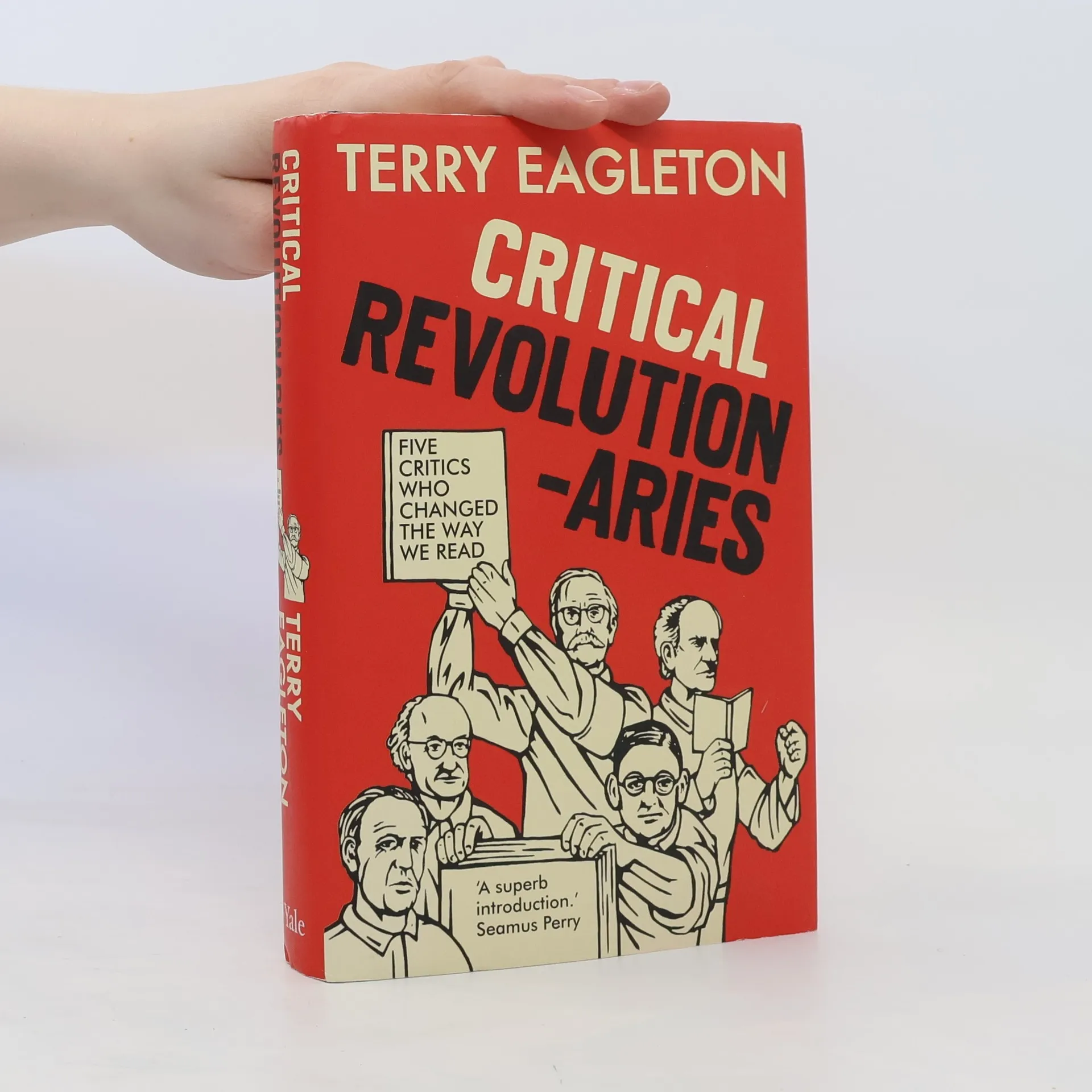
Critical Revolutionaries
- 336 Seiten
- 12 Lesestunden
Terry Eagleton looks back across sixty years to an extraordinary critical milieu that transformed the study of literature
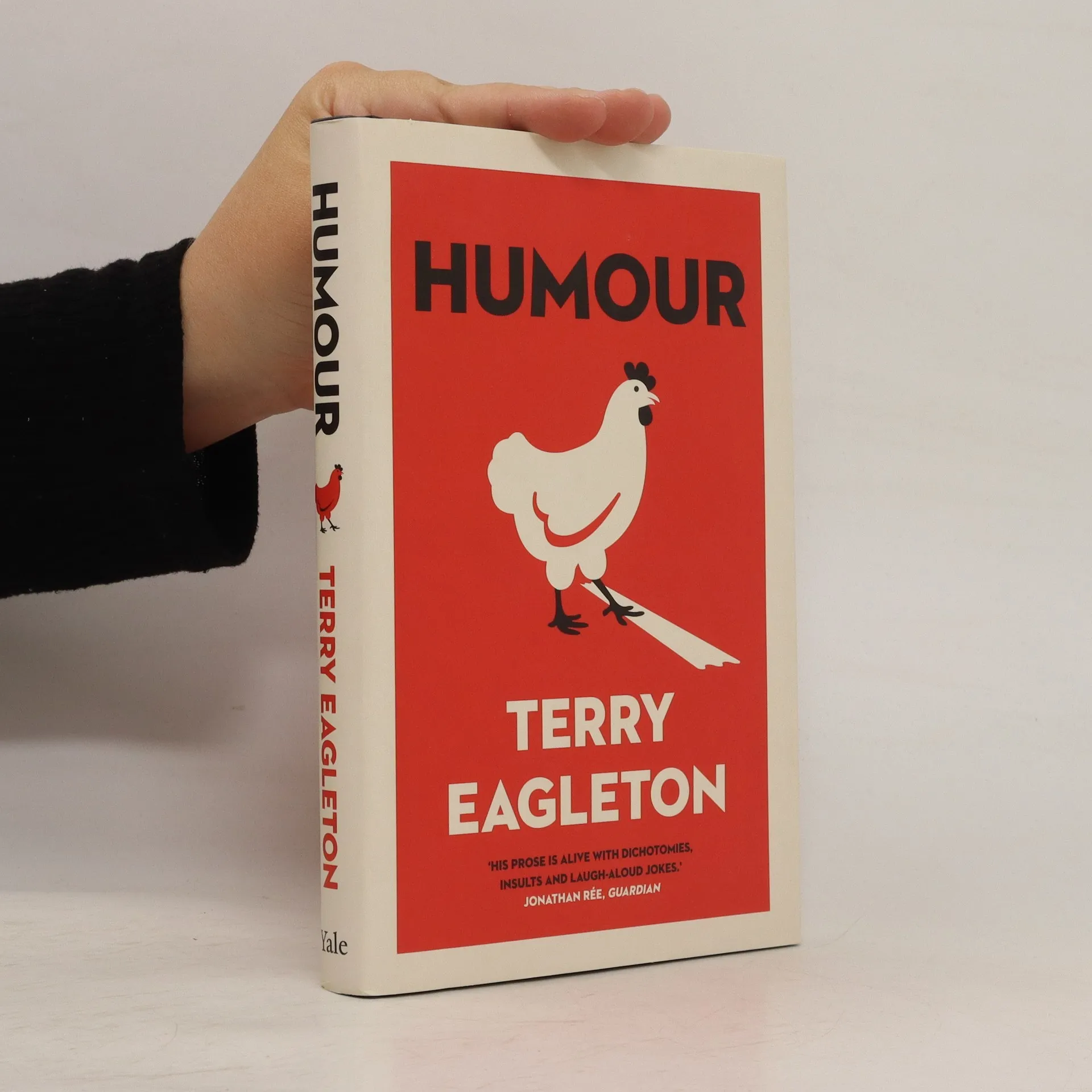
Humour
- 224 Seiten
- 8 Lesestunden
A compelling guide to the fundamental place of humour and comedy within Western culture—by one of its greatest exponentsWritten by an acknowledged master of comedy, this study reflects on the nature of humour and the functions it serves. Why do we laugh? What are we to make of the sheer variety of laughter, from braying and cackling to sniggering and chortling? Is humour subversive, or can it defuse dissent? Can we define wit? Packed with illuminating ideas and a good many excellent jokes, the book critically examines various well-known theories of humour, including the idea that it springs from incongruity and the view that it reflects a mildly sadistic form of superiority to others. Drawing on a wide range of literary and philosophical sources, Terry Eagleton moves from Aristotle and Aquinas to Hobbes, Freud, and Bakhtin, looking in particular at the psychoanalytical mechanisms underlying humour and its social and political evolution over the centuries.
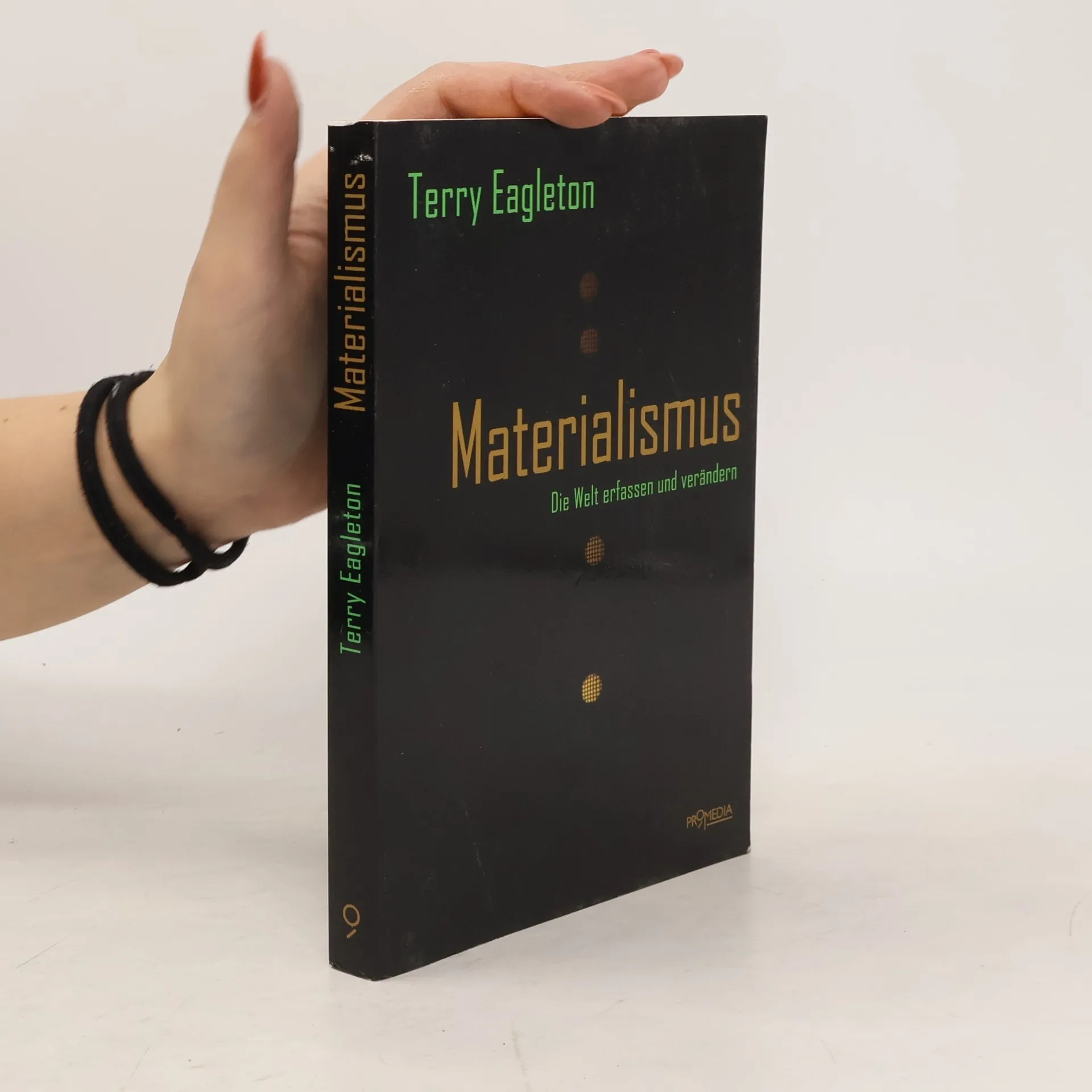
In seinem neuesten Werk setzt sich der bekannte britische Autor und Literaturwissenschaftler Terry Eagleton mit dem Verhältnis von Philosophie und Alltagserfahrung auseinander. Er bietet eine humanistische, für das praktische Zusammenleben der Menschen taugliche Variante des Denkens. Angesichts einer Gesellschaft, deren Mitglieder sich weitgehend als „materialistisch“ defi nieren und eines von emanzipatorischen Inhalten befreiten „New Materialism“ an den Universitäten hält Eagleton an einer „Politik der Materie“ fest, die für die Veränderung der Umstände eintritt. In einem Streifzug durch die Ideengeschichte des Materialismus, von Demokrit über Aristoteles bis hin zu Sigmund Freud, verteidigt der Autor die materialistische Gesinnung auch gegen aktuelle Trends der „Cultural Studies“ und postmoderner Strömungen.
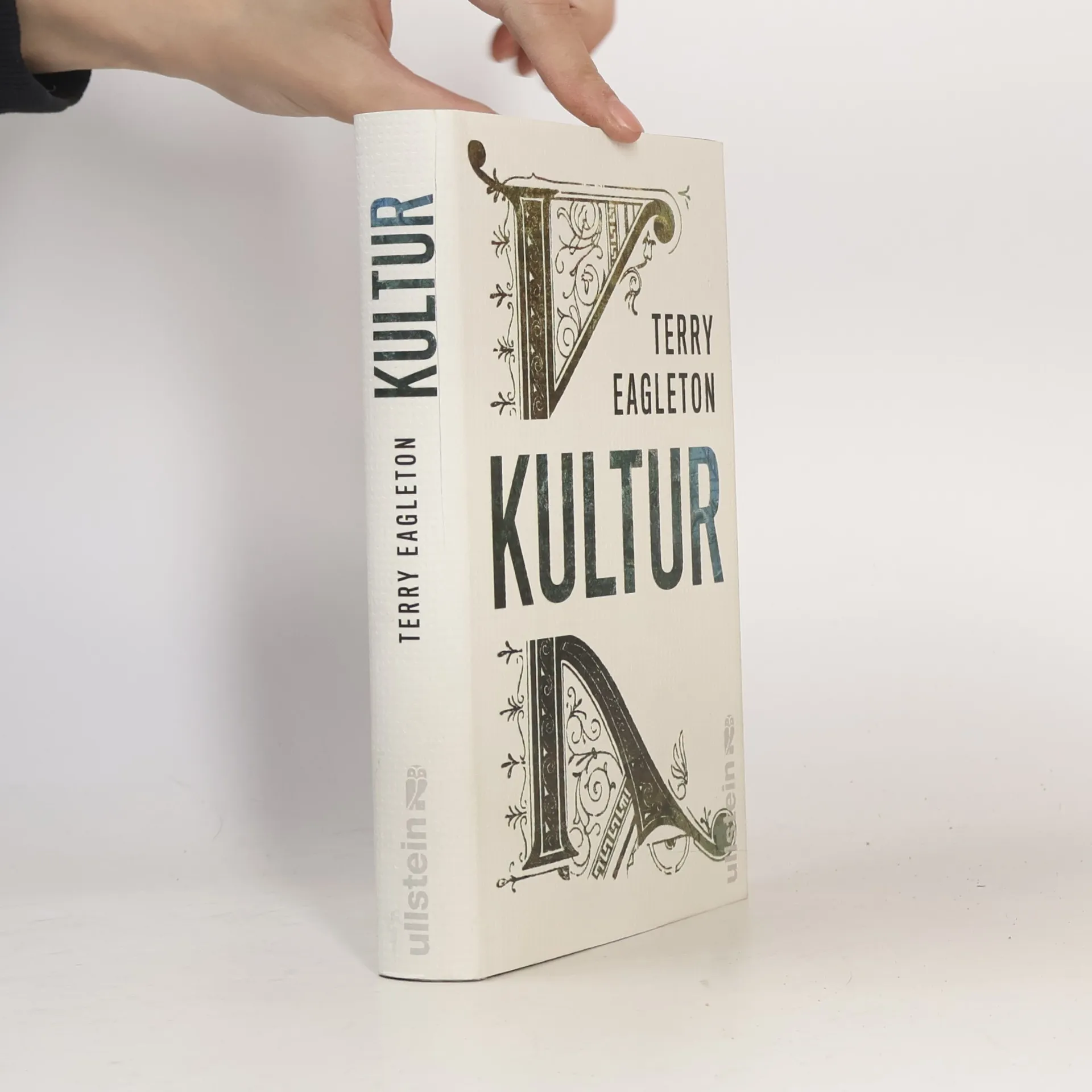
Was macht den Mensch zum Menschen? Generationen von Philosophen haben sich mit dieser Frage befasst, doch wohl keiner hat sie bislang mit der Leichtigkeit und dem funkelnden Geist eines Terry Eagleton beantworten können. Eagleton macht die Kultur als prägenden Aspekt unseres Menschseins aus und spannt in dieser so scharfsinnigen wie witzigen Analyse den Bogen von Klassikern wie Johann Gottfried Herder und Oscar Wilde bis ins heutige Hollywood. Er zeigt den Verfall der Religion und den Aufstieg und die Herrschaft der „unkultivierten“ Massen. Sein Buch ist ein leidenschaftliches Plädoyer für die Rückbesinnung auf kulturelle Werte und zugleich eine Anleitung, unsere sozialen Beziehungen zu vertiefen und so die Zivilgesellschaft zu stärken. „Eagleton ist ein begnadeter Polemiker und Stilist.“ Die Zeit
Hoffnungsvoll, aber nicht optimistisch
- 256 Seiten
- 9 Lesestunden
Hoffnung ist mehr als bloßer Optimismus oder Wunschdenken. Sie steht für ein philosophisches Konzept. Terry Eagleton bringt den Begriff zurück in den Diskurs - leidenschaftlich und brillant. Zu erwarten, eine schlechte Situation würde sich ins Gute verkehren, ist schlicht irrational. Nach drei Tagen Dauerregen kann man nicht davon ausgehen, dass am vierten Tag die Sonne scheint, hoffen kann man es sehr wohl. Denn bloßer Optimismus ist banal, Hoffnung dagegen erfordert Reflexion und klares, rationales Denken. Und hält immer auch die Möglichkeit des Scheiterns bereit. Hoffnung ist tragisch und zugleich eine permanente Revolution gegen Selbstzufriedenheit und Verzweiflung. Klug, geistreich und virtuos widmet sich Terry Eagleton dem Konzept Hoffnung. Er analysiert, wie sich unser Verständnis davon in sechs Jahrtausenden gewandelt hat – eine brillante Chronik menschlichen Glaubens und Verlangens, ein Abriss der Ideengeschichte von der Antike über Marx bis zu Ernst Bloch.
Terry Eagleton setzt sich mit Religion und Kultur seit der Aufklärung auseinander. Was als Siegeszug des Atheismus erscheint, ist die Ursache für die Krise der westlichen Kultur: Am 11. September 2001 stürzten auch die Hoffnungen der Atheisten in sich zusammen. Das Bedürfnis zu glauben wächst seitdem umso stärker, je deutlicher der spirituelle Bankrott der kapitalistischen Ordnung sichtbar wird. Daraus entwickelt Eagleton seine Überzeugung als Linkskatholik: Er fordert keine religiöse Wohlfühlmoral, sondern eine radikale Änderung unserer Lebensweise. Am Anfang müsste die Solidarität mit den Armen und Machtlosen stehen – als Voraussetzung für ein längst überfälliges neues Verhältnis von Glaube, Kultur und Politik.
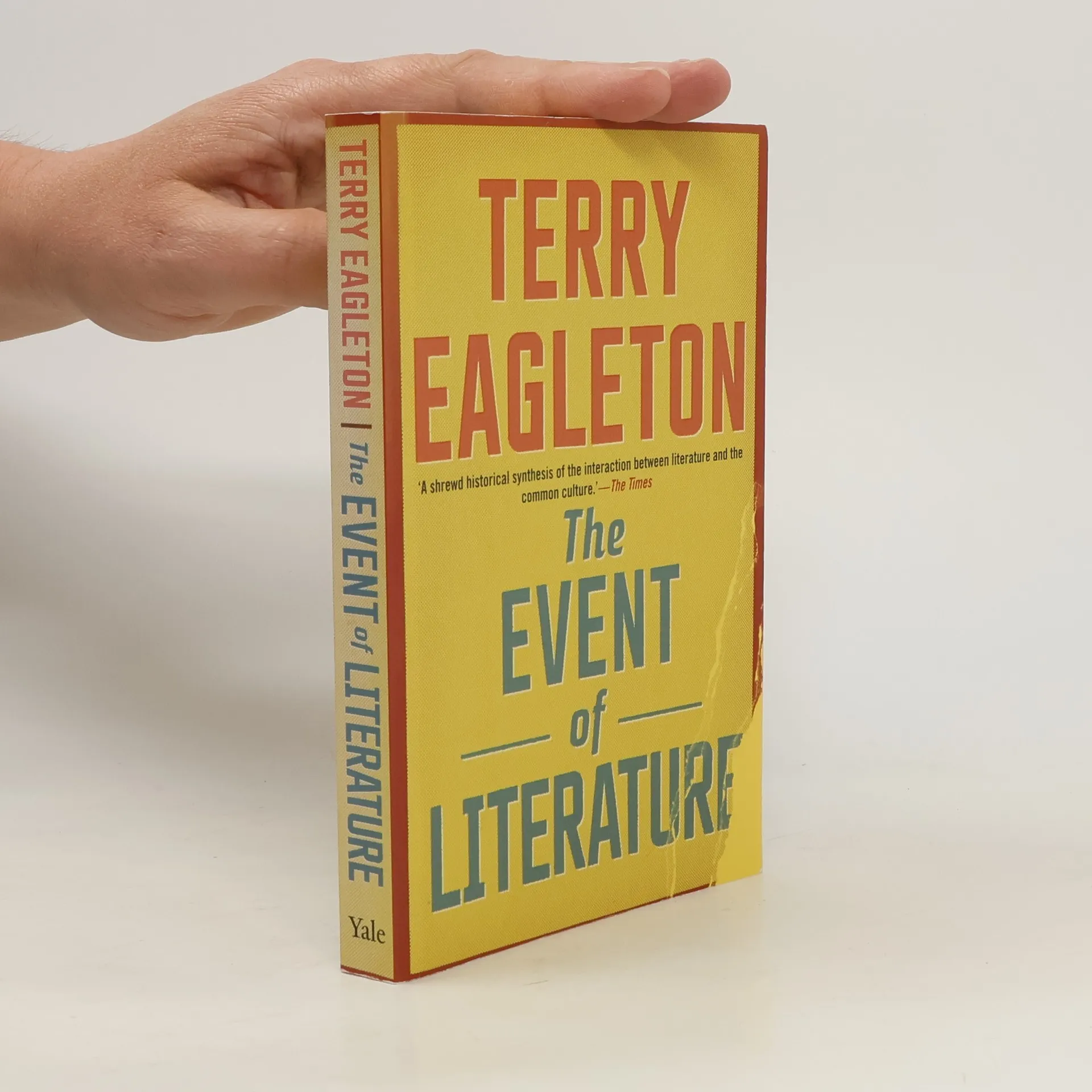
The Event of Literature
- 264 Seiten
- 10 Lesestunden
A renowned literary theorist reconsiders previous stances and offers his latest thinking on the nature of literature and literary study
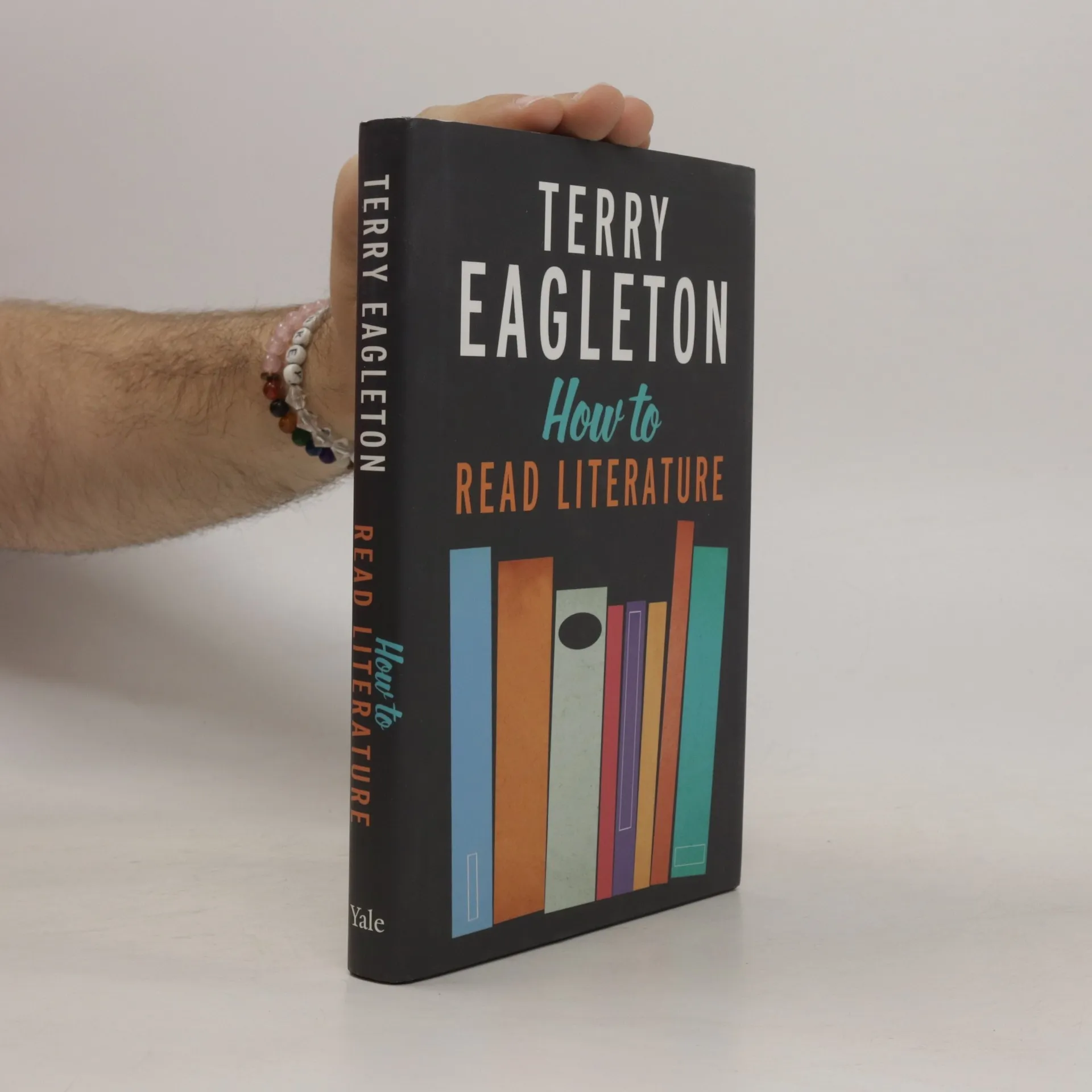
How to Read Literature
- 216 Seiten
- 8 Lesestunden
DIV A literary master’s entertaining guide to reading with deeper insight, better understanding, and greater pleasure /div
A native Briton describes America and its citizens through his English eyes, humorously questioning their choices in bumper stickers, use of adjectives and superlatives, and their overall lack of appreciation for the teapot.
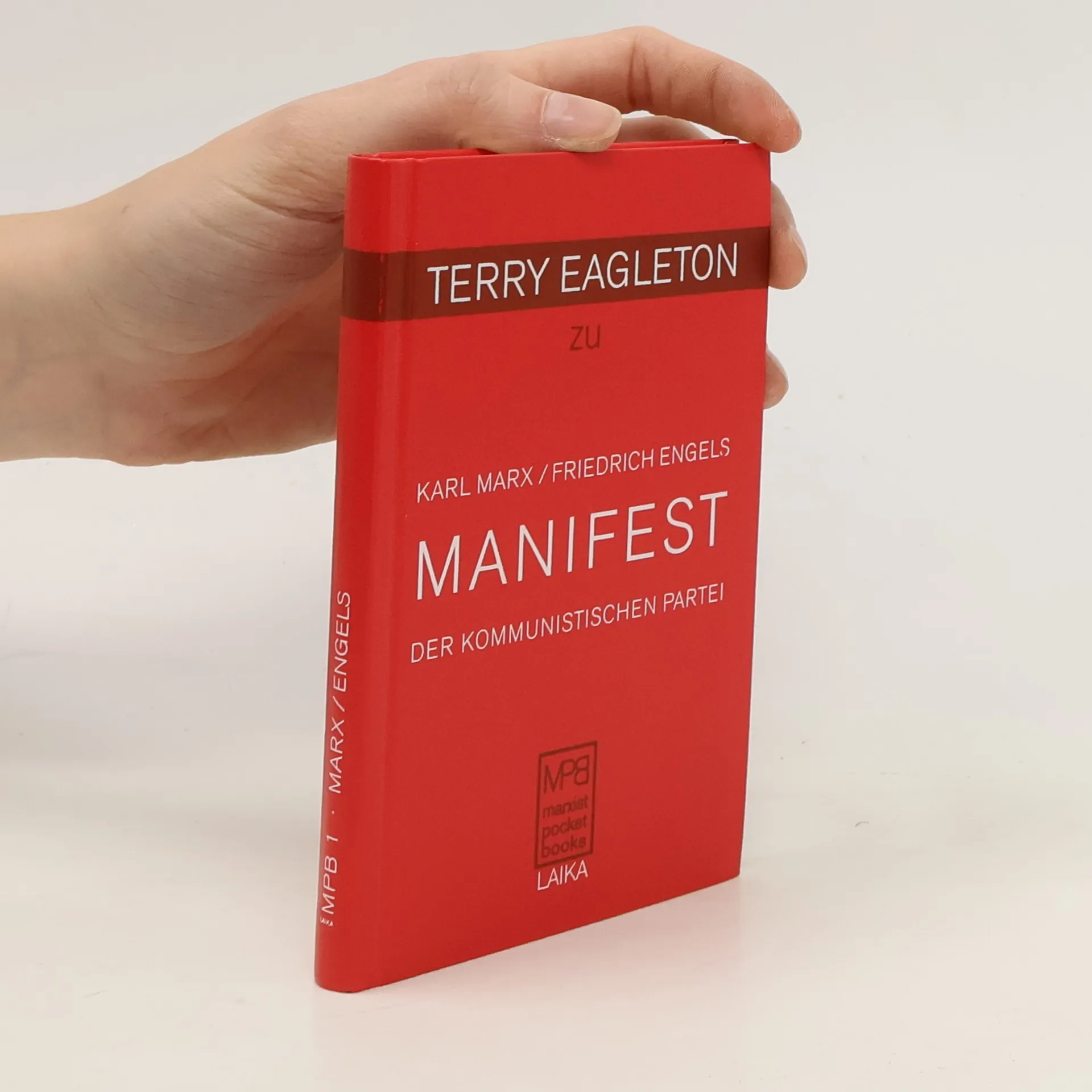
Terry Eaglteon zu Karl Marx, Friedrich Engels, Manifest der kommunistischen Partei
- 118 Seiten
- 5 Lesestunden
Das Kommunistische Manifest ist eines der glanzvollsten Werke des Marxismus. Bis heute gibt es kaum eine bessere Einführung in die sozialistische Theorie.Mit biblischer Sprachgewalt, witzig, spöttisch, einfach unterhaltsam und mit fast prophetischer Gabe analysieren Marx und Engels die Entwicklung des Kapitalismus, seiner Kräfte und Krisen.Der bekannte britische Literaturtheoretiker Terry Eagleton (Warum Marx Recht hat, Das Böse, Der Sinn des Lebens) ergreift in seiner Einleitung hier neu vorgelegten Originaltext von Marx und Engels elan- und humorvoll Partei für den Text, wobei er mit leichter Feder und starken Argumenten zugleich die beliebtesten Anfechtungen der marxistischen Theorie widerlegt.
Karl Marx ist wieder da. Terry Eagleton bricht eine Lanze für den großen Ökonomen und streitbaren Welterklärer: Scharfsinnig, originell und mit britischem Humor widerlegt Eagleton zentrale Argumente gegen den Marxismus, wie „Wir leben doch längst in einer klassenlosen Gesellschaft“ oder „Der Marxismus beraubt die Menschen ihrer Freiheit“. Der katholische Marxist Eagleton macht klar: An seinem 200. Geburtstag ist Karl Marx aktueller denn je.
Il senso della vita
- 155 Seiten
- 6 Lesestunden
Qual è il senso, il significato profondo della vita? In questo saggio Eagleton ci racconta come duemila anni di pensiero filosofico e di grande letteratura – da Aristotele a Catullo, da Shakespeare a Sartre passando per Spinoza, Marx, Cechov, Freud, Wittgenstein, Beckett, e persino per i Monty Python – hanno affrontato la questione, a parere dell'autore particolarmente complessa nel mondo moderno e secolarizzato. Invece di confrontarci a viso aperto con il sentimento strisciante dell'insensatezza, infatti, preferiamo oggi riempirne i potenziali vuoti con una moltitudine di stimoli effimeri: dal calcio al sesso alla New Age. La risposta di Eagleton è toccante e originale. Il senso della vita non sta solo nella felicità, intesa come piena fioritura delle potenzialità dell'individuo, ma anche nell'amore, ovvero nella capacità di condividere e realizzare progetti creativi assieme ad altri individui e alla società nel suo complesso. Il senso della vita assomiglia a suonare in uno'rchestra jazz: all'espressione libera e piena di tutti assieme e di ciascuno per sé.
Warum fasziniert uns das Böse und stößt uns zugleich ab? Werden wir böse geboren, oder macht uns erst die Gesellschaft zu Übeltätern? Gibt es so etwas wie Sünde? Bei seiner Suche nach Antworten zieht Terry Eagleton Augustinus und die Bibel ebenso heran wie Sigmund Freud, Hannah Arendt, Thomas Mann, William Shakespeare und die Daily Mail.
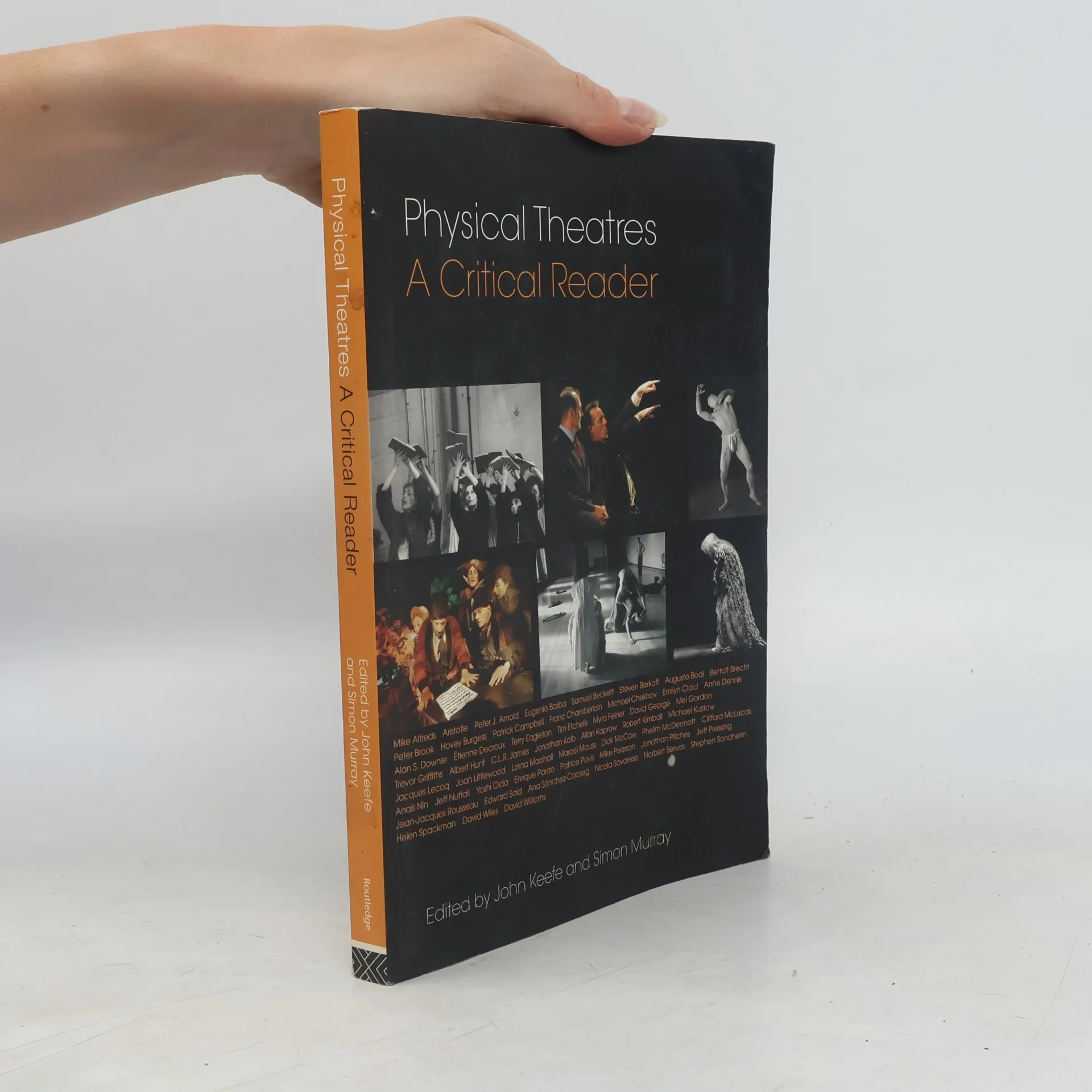
Physical Theatres: A Critical Reader is an invaluable resource for students of physically orientated theatre and performance. This book aims to trace the roots and development of physicality in theatre by combining practical experience of the field with a strong historical and theoretical underpinning.In exploring the histories, cross-overs and intersections of physical theatres, this critical Reader provides:six new, specially commissioned essays, covering each of the book s main themes, from technical traditions to contemporary practises discussion of issues such as the foregrounding of the body, training and performance processes, and the origins of theatre in both play and human cognition a focus on the relationship and tensions between the verbal and the physical in theatre contributions from Augusto Boal, Stephen Berkoff, tienne Decroux, Bertolt Brecht, David George, J-J. Rousseau, Ana Sanchez Colberg, Michael Chekhov, Jeff Nuttall, Jacques Lecoq, Yoshi Oida, Mike Pearson, and Aristotle.
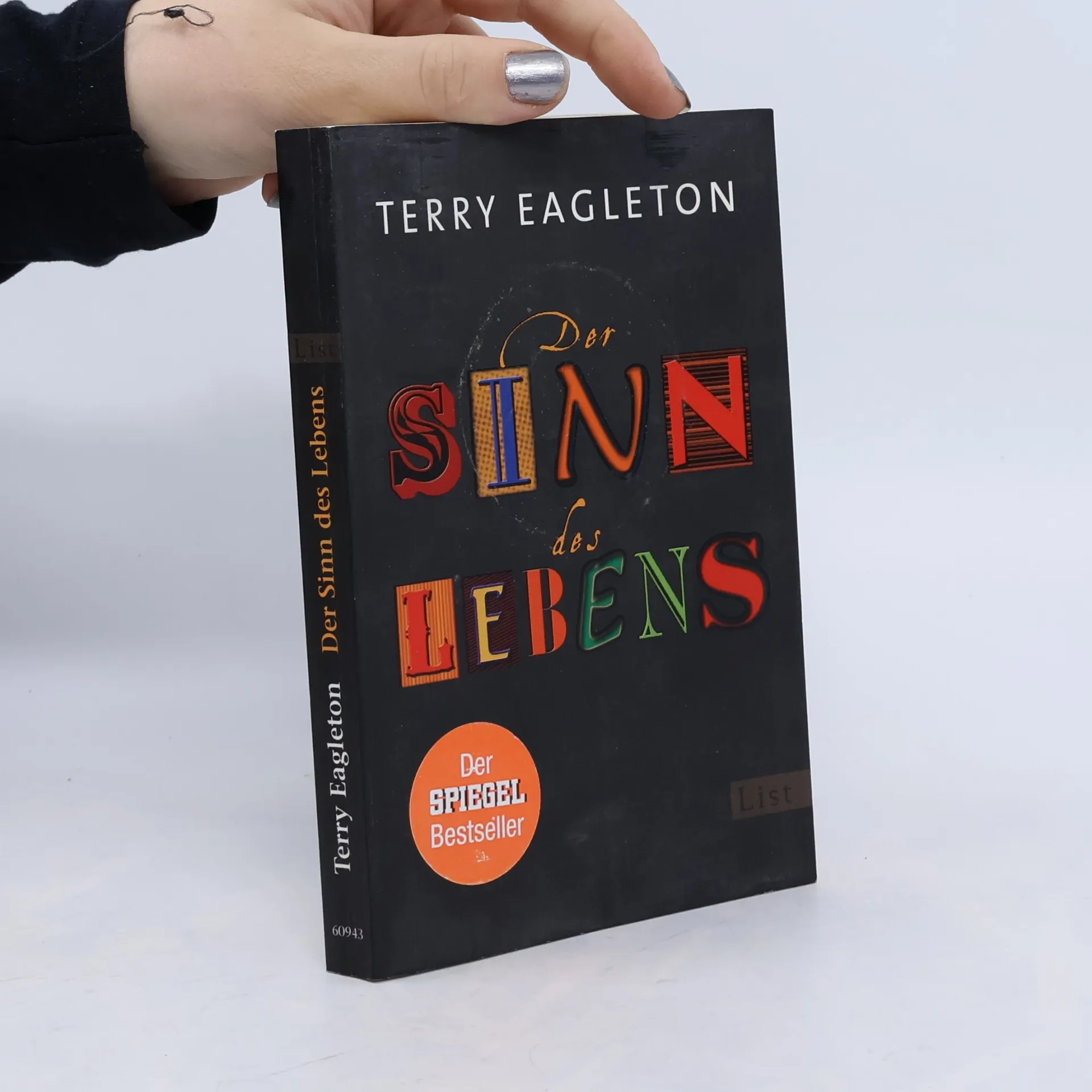
Der Sinn des Lebens
- 157 Seiten
- 6 Lesestunden
Was ist der Sinn des Lebens? Gibt es darauf überhaupt eine Antwort? Wenn ja, liegt sie in uns? Oder ist die Frage falsch gestellt? Terry Eagleton widmet sich diesem existenziellen Thema auf geistreiche und witzige Art. Ein außergewöhnliches Philosophiebuch. Der moderne Mensch tut sich besonders schwer mit der Sinnsuche. Viele glauben ebenso wenig an die eine, endgültige Bedeutung des Lebens wie an den Weihnachtsmann. Es scheint, als sei es heute einfacher, den Lebenssinn in New-Age-Religionen oder einem bestimmten Fußballclub zu entdecken, als sich mit zentralen philosophischen Fragestellungen zu beschäftigen. Zumal es einem die Philosophen auch nicht leicht machen: Sie haben die ärgerliche Angewohnheit, Fragen zu analysieren, anstatt sie zu beantworten. Zum Glück ist Terry Eagleton kein Philosoph. Er erläutert auf originelle und unterhaltsame Weise, wie Geistesgrößen von Shakespeare bis Schopenhauer, von Marx bis Sartre die Frage nach dem Sinn des Lebens beantwortet haben. Und er findet eigene, überraschende und inspirierende Antworten.
In this new presentation of the Gospels, Terry Eagleton makes a powerful and provocative argument for Jesus Christ as a social, political and moral radical, a friend of anti-imperialists, outcasts and marginals, a champion of the poor, the sick and immigrants, and as an opponent of the rich, religious hierarchs, and hypocrites everywhere—in other words, as a figure akin to revolutionaries like Robespierre, Marx, and Che Guevara.
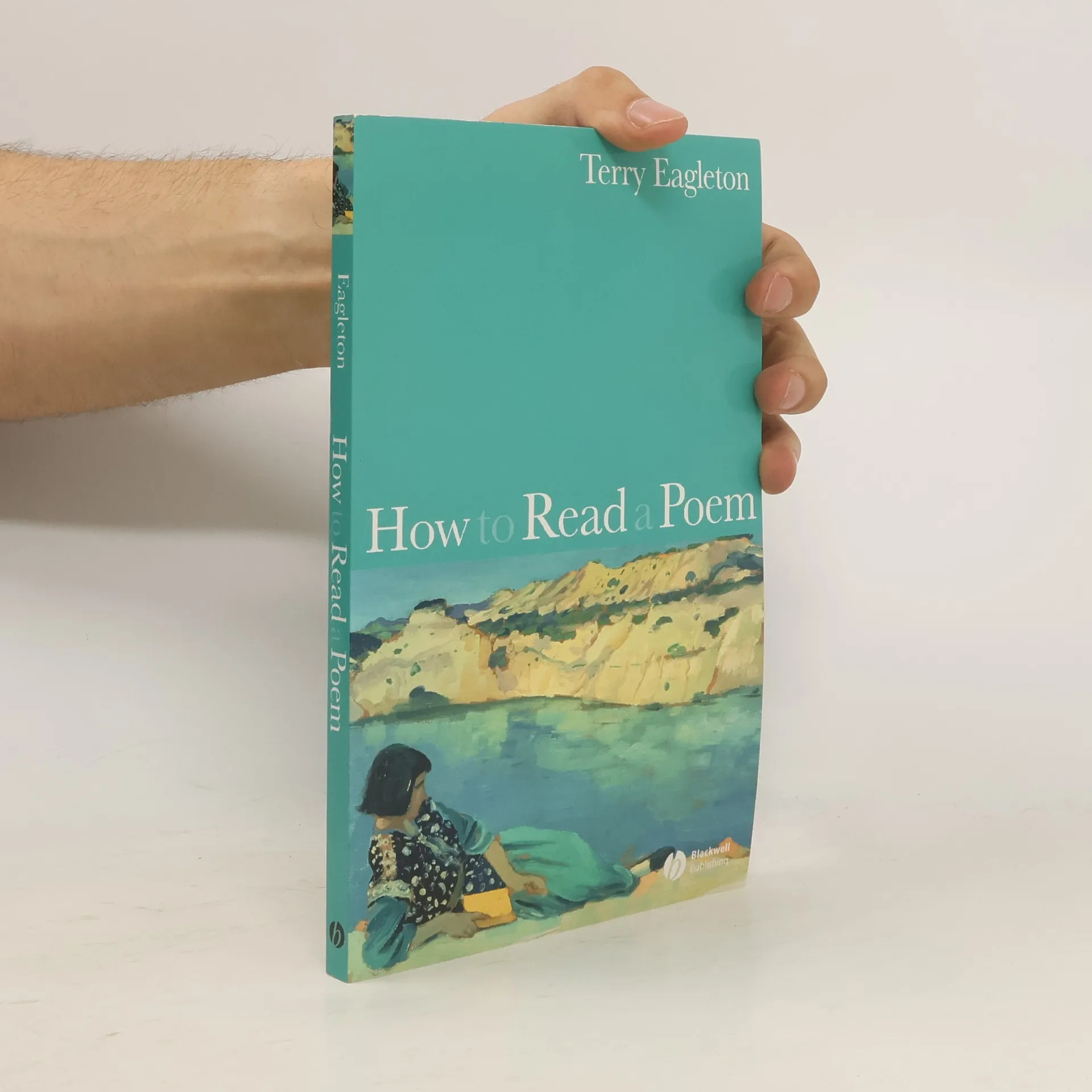
How to Read a Poem
- 192 Seiten
- 7 Lesestunden
Lucid, entertaining and full of insight, How To Read A Poem is designed to banish the intimidation that too often attends the subject of poetry, and in doing so to bring it into the personal possession of the students and the general reader. Offers a detailed examination of poetic form and its relation to content.
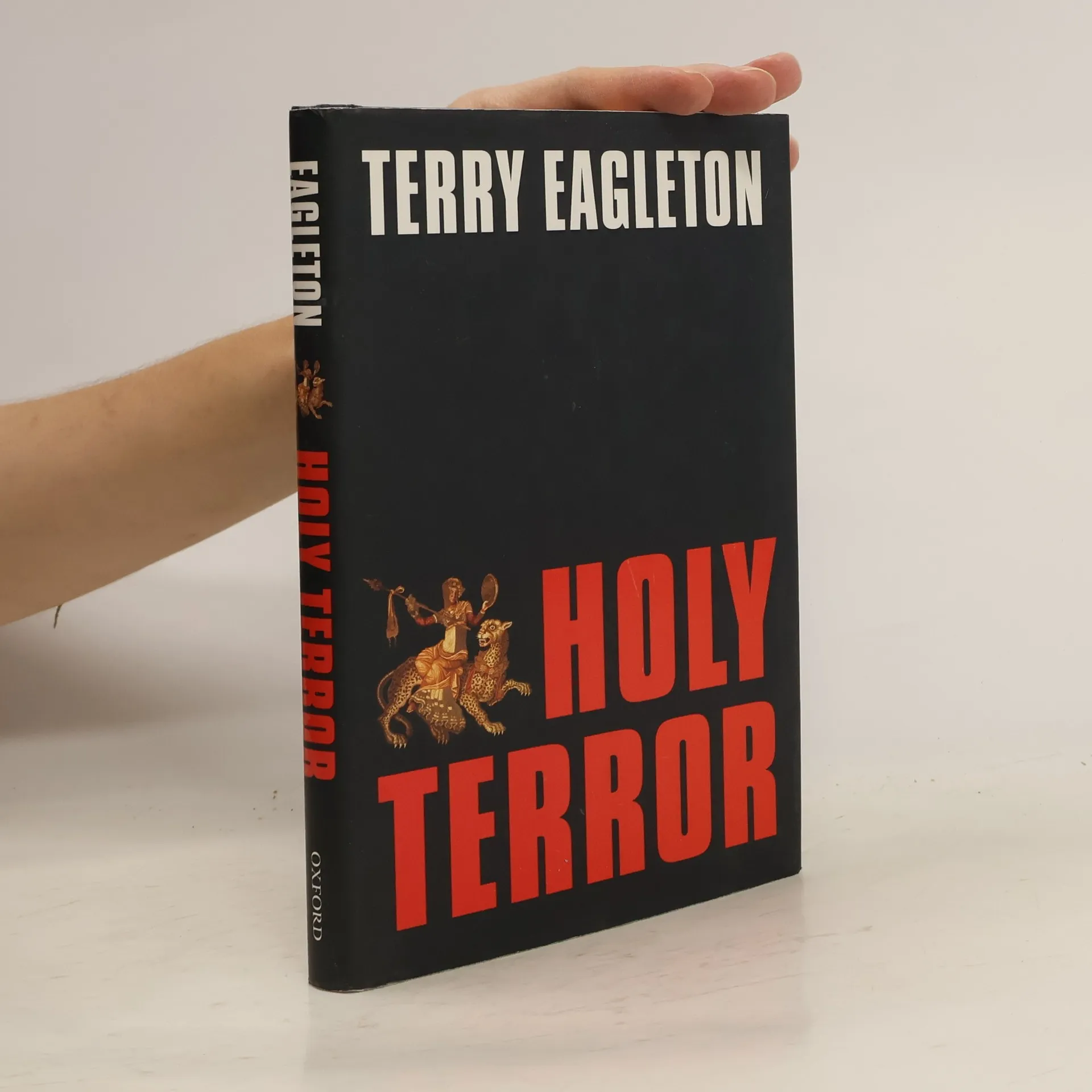
Holy Terror
- 160 Seiten
- 6 Lesestunden
In this investigation of the idea of terror, a cultural critic offers a metaphysics of terror with a serious historical perspective that draws upon political, philosophical, literary, and theological sources to trace a genealogy from the ancient world to present day.
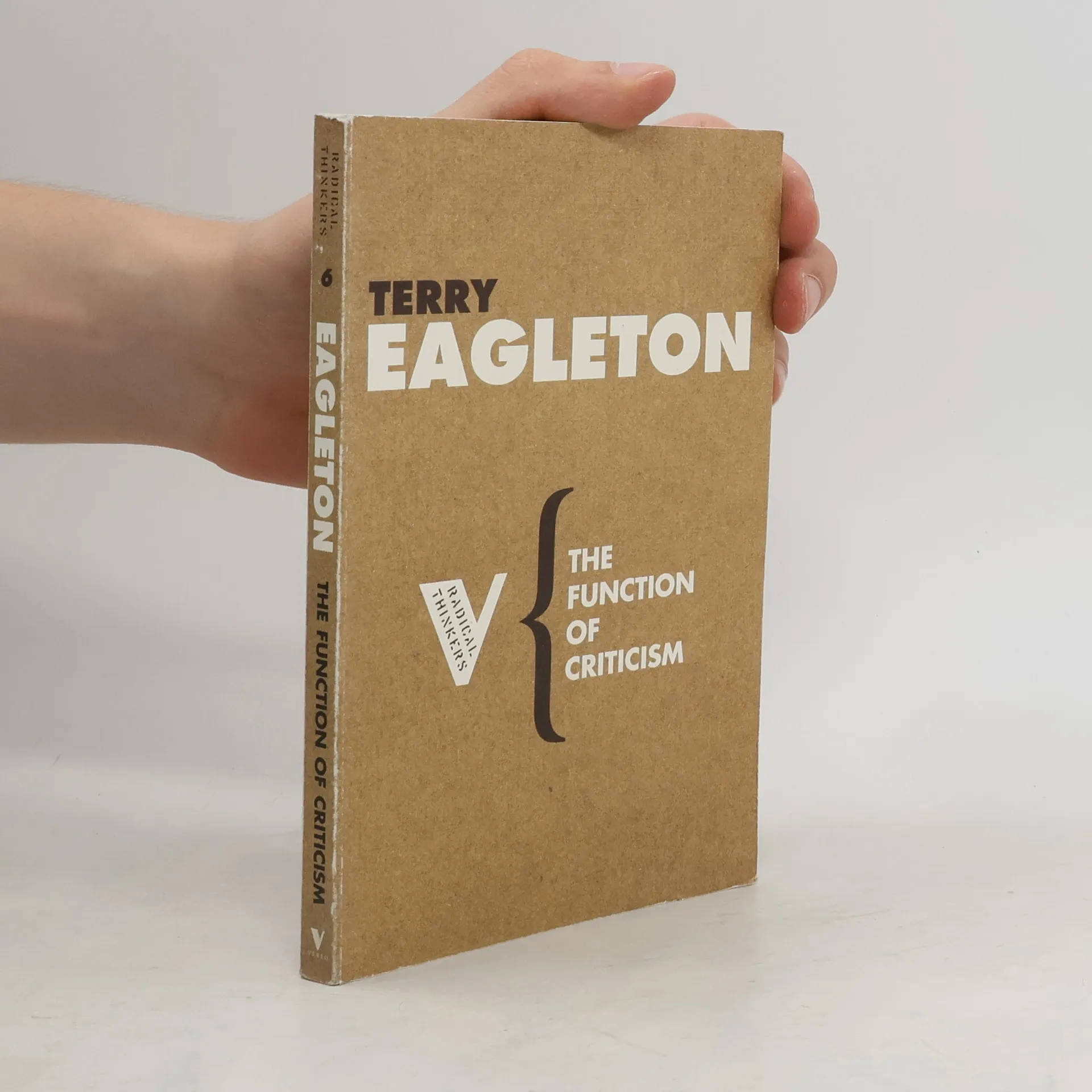
The Function of Criticism
- 136 Seiten
- 5 Lesestunden
A history and critique of the last 200 years of cultural criticism, from Addison and Steele to Barthes and Derrida.This wide-ranging book argues that criticism emerged in early bourgeois society as a central feature of a “public sphere” in which political, ethical, and literary judgements could mingle under the benign rule of reason. The disintegration of this fragile culture brought on a crisis in criticism, whose history since the 18th century has been fraught with ambivalence and anxiety.Eagleton’s account embraces Addison and Steele, Johnson and the 19-century reviewers, such critics as Arnold and Stephen, the heyday of Scrutiny and New Criticism, and finally the proliferation of avant-garde literary theories such as deconstructionism. The Function of Criticism is nothing less than a history and critique of the “critical institution” itself. Eagleton’s judgements on individual critics are sharp and illuminating, which his general argument raises crucial questions about the relations between language, literature and politics.
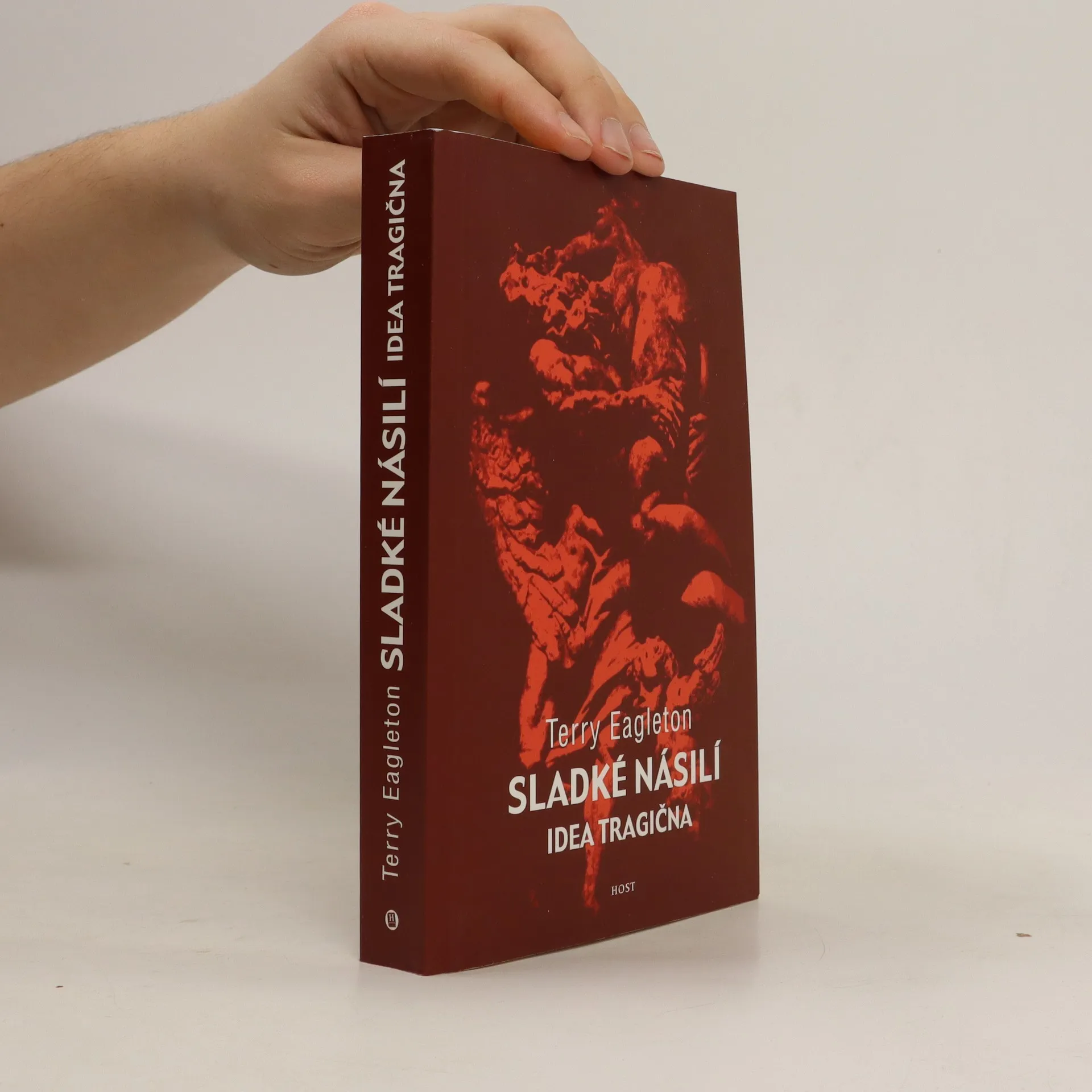
Autor předkládá komplexní studii tragédie od Aischyla až po Edwarda Albeeho, přičemž pojednává o teorii i praxi a pohybuje se mezi obecnými koncepty tragédie a analýzou jednotlivých děl a autorů. Neomezuje se pouze na tragické umění a zasahuje i do oblasti tragédie reálného života. Zkoumá pojem tragična v románech autorů, jako jsou Melville, Hawthorne, Stendhal, Flaubert, Dostojevskij, Kafka, Goethe, Mann a angličtí romanopisci. Eagleton s charakteristickou brilantností a pronikavostí ducha klade vedle sebe literaturu, filozofii, etiku, teologii a politickou teorii. Přitom dospívá k obecné politicko-filozofické syntéze založené na překvapivě rozsáhlé škále západního myšlení vyjádřené spisy autorů, jako byli Platón, svatý Pavel, svatý Augustin, Descartes, Pascal, Spinoza, Hume, Kant, Hegel, Kierkegaard, Nietzsche, Schopenhauer, Sartre a další. Kniha se staví nesouhlasně k myšlence "smrti tragédie" a při obhajobě radikálního a kontroverzního stanoviska předkládá úplný přehled definic tragédie samotné.
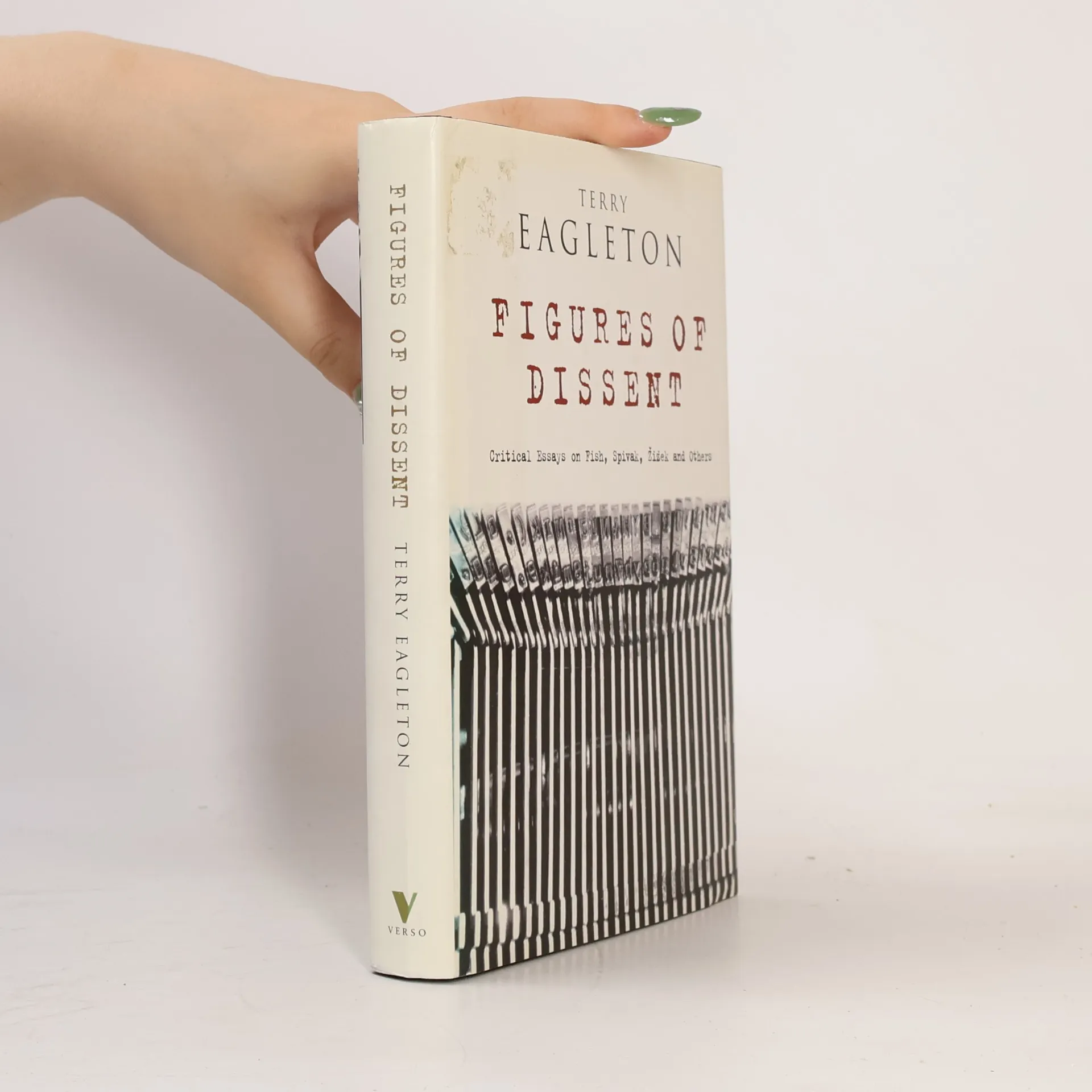
Eagleton comes face to face with Stanley Fish, Gayatri Spivak, Slavoj Zizek, Edward Said, David Beckham, and many others.
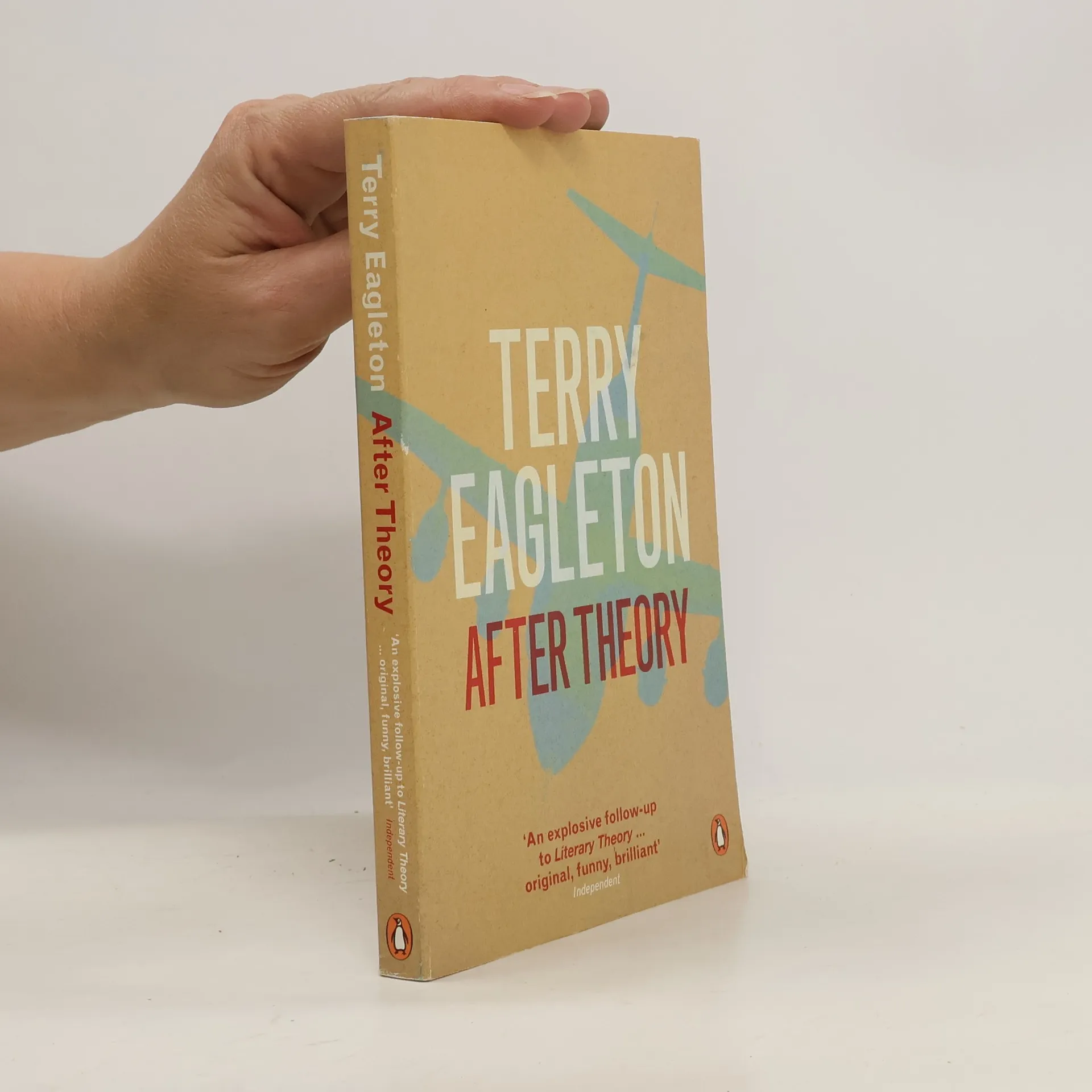
The politics of amnesia -- The rise and fall of theory -- The path to postmodernism -- Losses and gains -- Truth, virtue and objectivity -- Morality -- Revolution, foundations and fundamentalists -- Death, evil and non- being.
Sweet Violence
- 352 Seiten
- 13 Lesestunden
Terry Eagleton's Tragedy provides a major critical and analytical account of the concept of 'tragedy' from its origins in the Ancient world right down to the twenty-first century.A major new intellectual endeavour from one of the world's finest, and most controversial, cultural theorists.Provides an analytical account of the concept of 'tragedy' from its origins in the ancient world to the present day.Explores the idea of the 'tragic' across all genres of writing, as well as in philosophy, politics, religion and psychology, and throughout western culture.Considers the psychological, religious and socio-political implications and consequences of our fascination with the tragic.
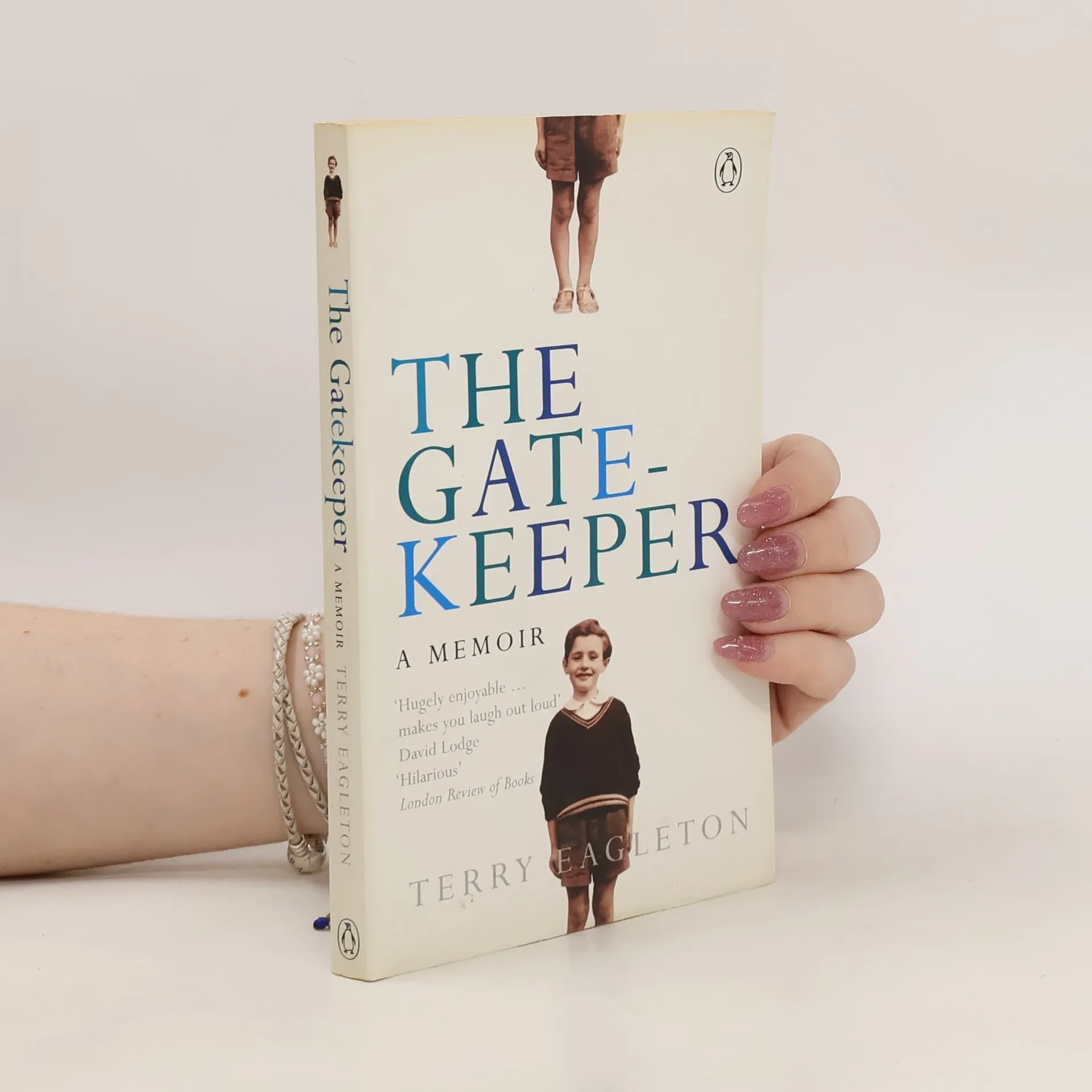
This memoir blends autobiography with moral, political and cultural reflections. Thoughts about god, evil, suffering, death and tragedy are interwoven with comic or moving scenes from Eagleton's life: his bizarre experiences as a young altar server in a convent of enclosed nuns; his precarious career in 1960s Cambridge as one of the few working-class students among a set of public school boys; and his abortive experience of life in a seminary. Eagleton was brought up in Salford in a working-class Catholic family and is now Thomas Warton Professor of English at the University of Oxford. His book discloses the more personal, spiritual side of a well-known cultural thinker; mixing the serious with the hilarious, life with ideas, the personal with the political.
Was ist Kultur?
- 189 Seiten
- 7 Lesestunden
„Kultur“ ist in aller Munde. Aber was ist Kultur? Eine Magazin-Rubrik oder die „Einheit des künstlerischen Stils eines Volkes“ (F. Nietzsche); „erlesenes Getue“ (L. Marcuse) oder ganz einfach eine „künstlich erzeugte Illusion“ (W. B. Yeats)? Dieses Buch führt ein in die unterschiedlichen Aspekte, was uns Kultur bedeutet, was wir mit Kultur anderen bedeuten wollen, und welchen Unterschied es macht, von der Kultur einen Blick auf andere Kulturen zu werfen. Es gibt einen Überblick über die Geschichte des Begriffs, diskutiert die Gründe für die aktuelle Überbetonung und versucht einen Kulturbegriff zu entwickeln, der sich nicht an dominant hochstehend und banal, klassisch und unterhaltend orientiert.
Idea kultury
- 152 Seiten
- 6 Lesestunden
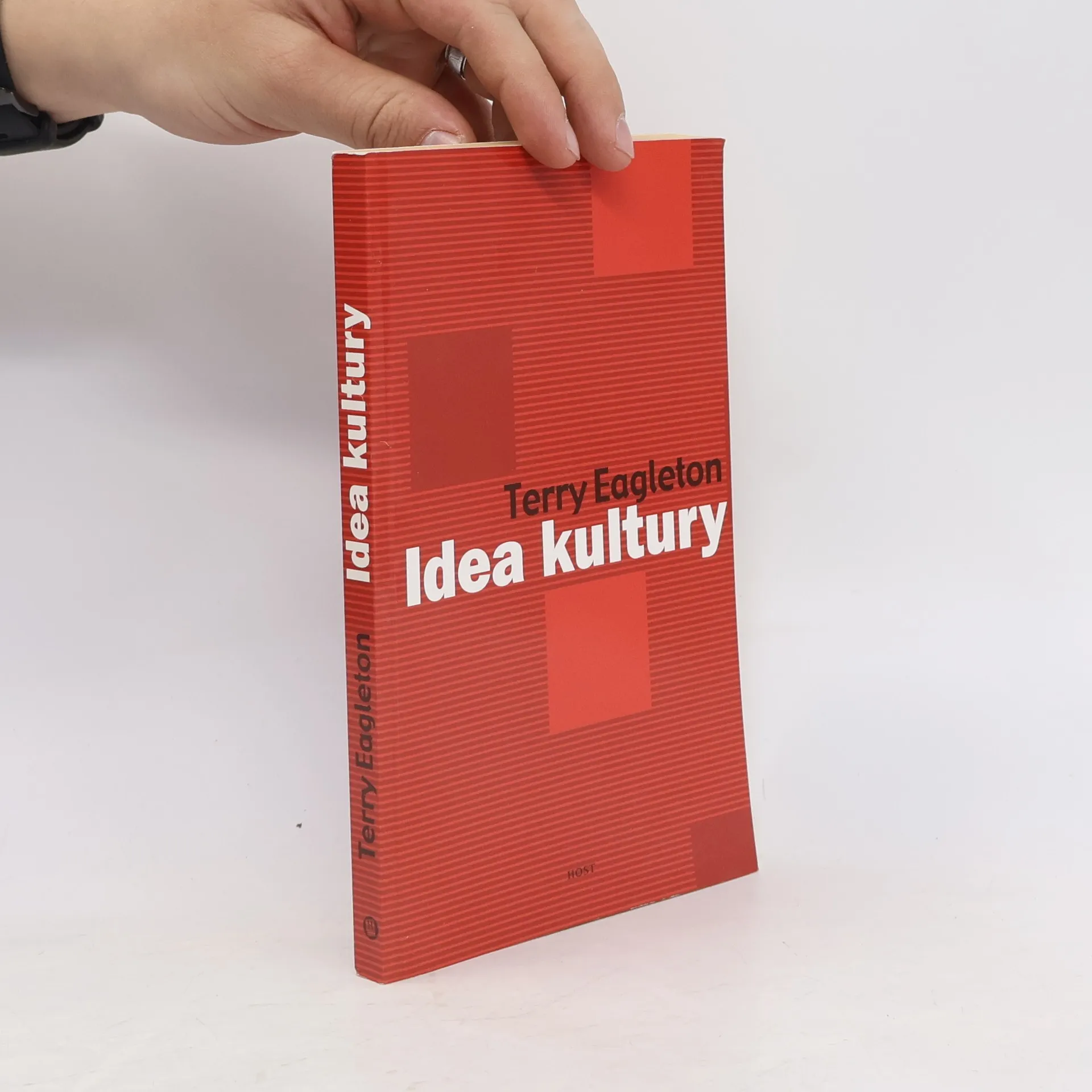
Kniha Idea kultury (Idea of Culture) Terryho Eagletona se zabývá různými významy a pojetími kultury. Autor kritizuje takzvaný „postmoderní kulturalismus“ a volá po komplexním studiu vztahu mezi kulturou a přirozeností. Překlad knihy může českým čtenářům sloužit jako úvod do současného „kulturního“ diskurzu. Může také podnítit debatu o důležitosti kultury a o jejím postavení v současném světě, potažmo v České republice. Přístupnost a invence této publikace jistě zaujme širokou vrstvu čtenářů, od univerzitních profesorů a studentů po běžné čtenáře, kteří se zajímají o humanitní vědy.
Die Wahrheit über die Iren
- 171 Seiten
- 6 Lesestunden
»Witzig, intelligent und mit leichter Hand geschrieben« Frankfurter Allgemeine Zeitung Voller Sprachwitz und mit einer Fülle liebenswerter Details breitet Terry Eagleton die Abstrusitäten, Abgründe und wunderbaren Eigenheiten der irischen Volksseele vor uns aus. Er serviert seine Einsichten in den irischen Nationalcharakter alphabetisch sortiert, beginnend mit A wie Alkohol (überraschende Erkenntnis: 30% aller Iren sind Abstinenzler – doch gleicht der Rest der Bevölkerung diese Schwäche selbstlos wieder aus). Am Ende entsteht aus den rund 100 Stichwörtern ein unterhaltsames, sehr menschliches und tief gründendes Portrait der Iren.
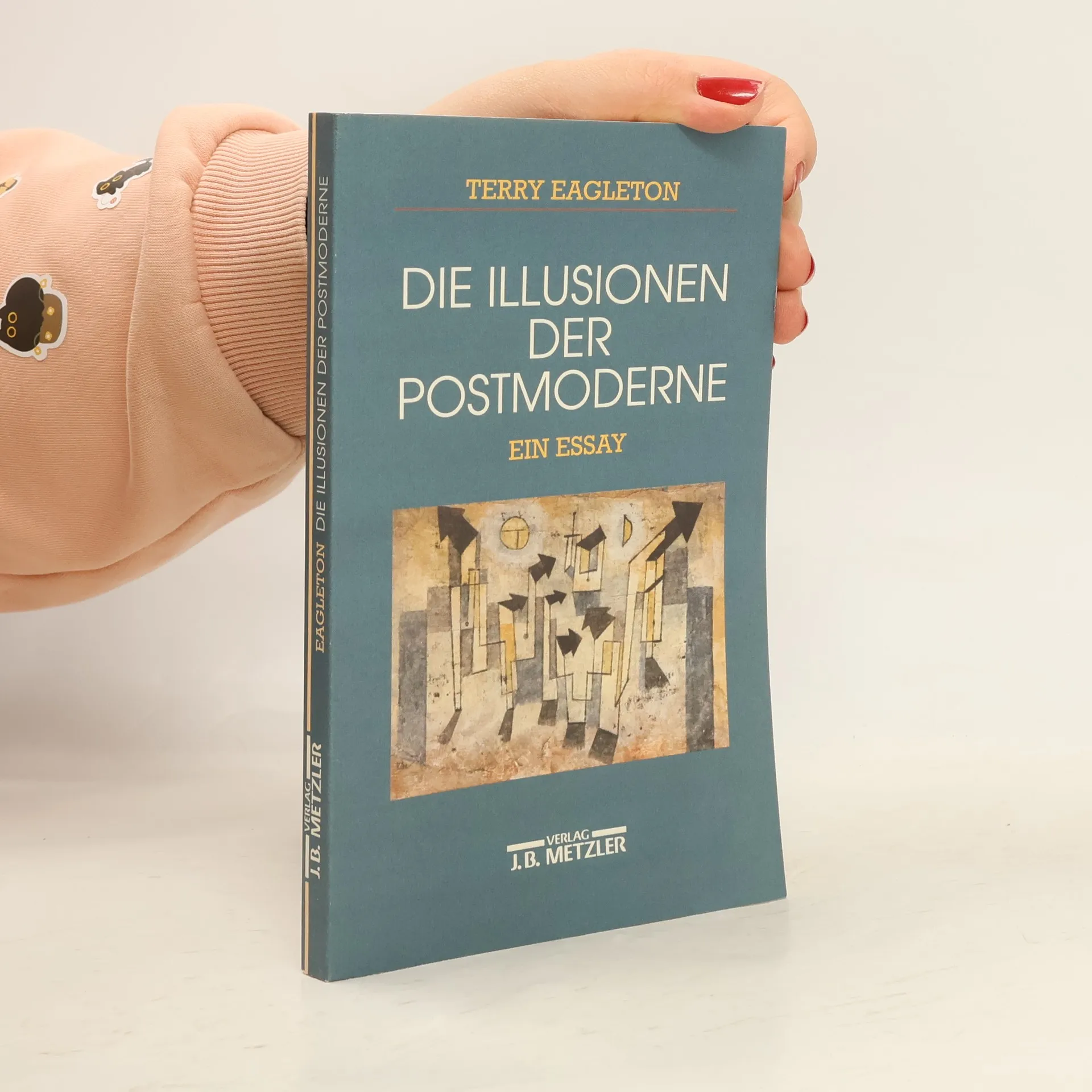
Die Postmoderne als Phänomen der Alltagskultur. Terry Eagleton schreibt aus einer politischen Perspektive über die Stärken und Schwächen der Postmoderne-Bewegung, die er als die Ideologie unserer Zeit begreift. Ein ungewöhnlicher Beitrag zur lebhaft geführten Debatte um die Postmoderne.
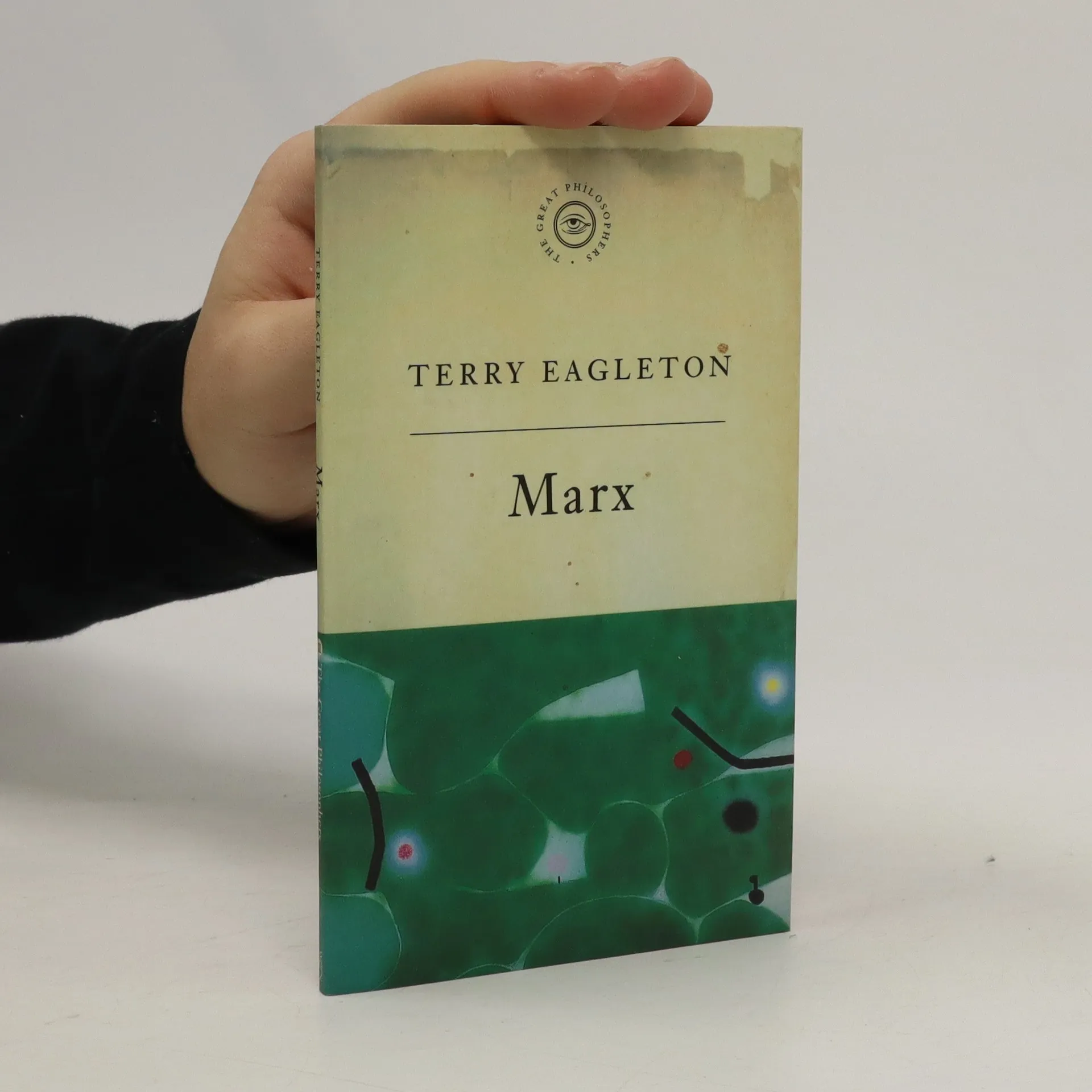
Terry Eagleton explains that freedom, for Marx, entailed release from commerciallabour, "a kind of creative superabundance over what is materially essential". Eagleton outlines the relationship between production, labour and ownership which lie at the core of Marx's thinking. Marx's utopia was a place in which labour is increasingly automated, emancipating the wealth of sensuous individualdevelopment so that "savouring a peach [is an aspect] of our self-actualisation as much as building dams".
Die Kategorie des Ästhetischen. Im Denken der Menschen besitzt das Ästhetische eine beherrschende Rolle und besticht durch seine Vielfalt und Wandelbarkeit. Dabei sind Freiheit und Gesetzmäßigkeit, Spontaneität und Notwendigkeit, Fremdbestimmung und Autonomie, Partikularität und Universalität die Erscheinungen, durch die das Ästhetische bestimmt wird. Brillant und provokativ beschreibt Eagelton die vielfältigen Beziehungen zwischen Kunst, Ethik und Politik in der Geschichte des modernen Denkens seit dem 18. Jahrhundert.
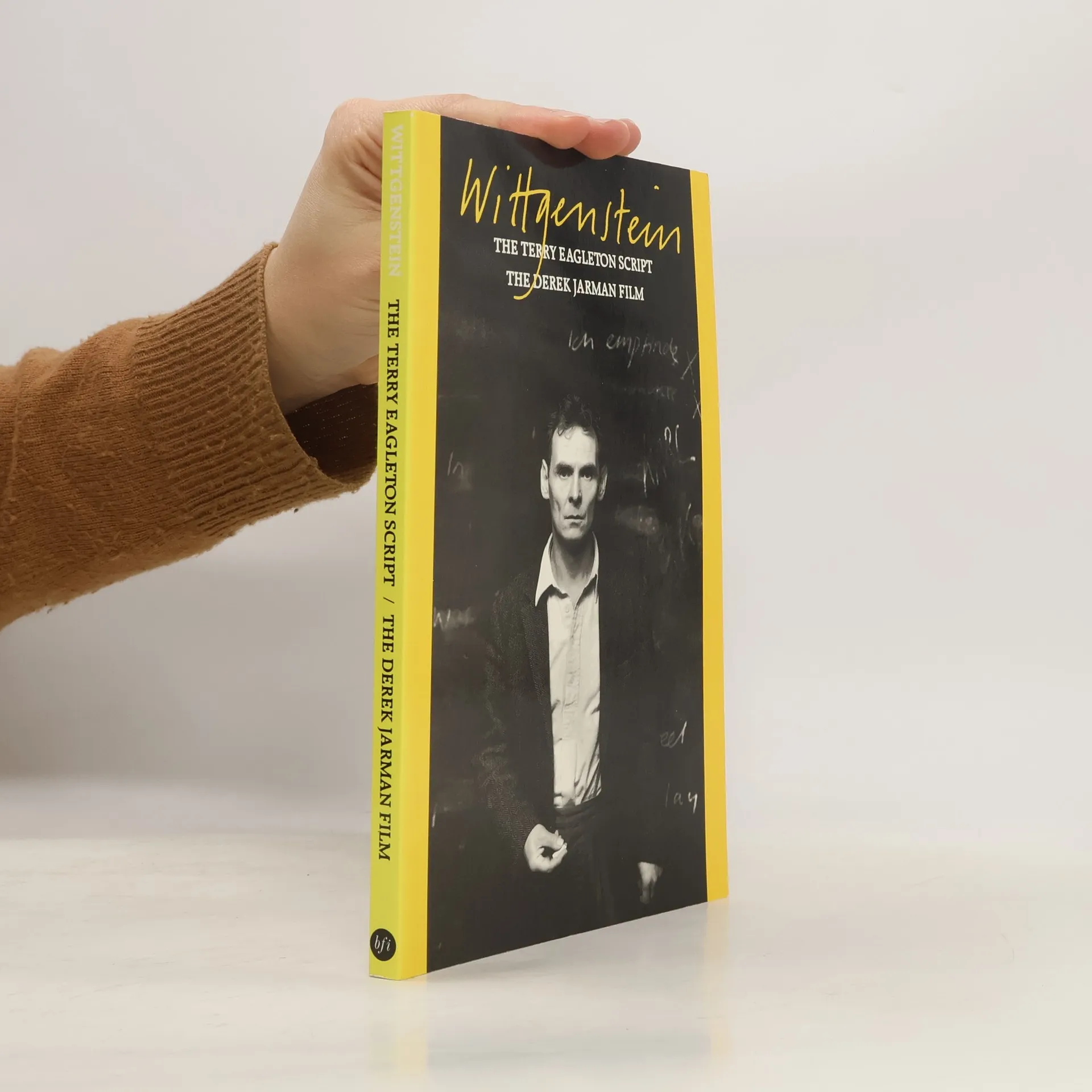
Derek Jarman's film "Wittgenstein" articulates the themes of this major 20th-century philosopher. Channel 4 television commissioned literary critic Terry Eagleton to write a television play which was eventually filmed by Derek Jarman. This illustrated book includes both the original screenplay & Jarman's very different shooting script. It also contains reflections on Wittgenstein, film & the problems of biography by both Derek Jarman & Terry Eagleton. Terry Eagleton is Britain's most influential radical literary critic. He's been a fellow of four Oxford & Cambridge colleges, & is presently Thomas Warton Professor of English Literature at Oxford. Derek Jarman was both a major film-maker & artist, a gay activist & an English patriot. Caravaggio & Blue were both acclaimed feature films. "An imaginative & serious attempt to render its subject's life in form & color."--The New Republic
Ist das „Ende der Ideologie“ nahe? Das Werk bringt Klarheit in die Vielzahl der Ideologiedefinitionen von der Aufklärung bis zur Postmoderne, bei Marx, Engels, Lukács, Gramsci, Adorno, Althusser und anderen. Witzig, geistreich, außerordentlich informativ und mit spitzer Feder geschrieben.
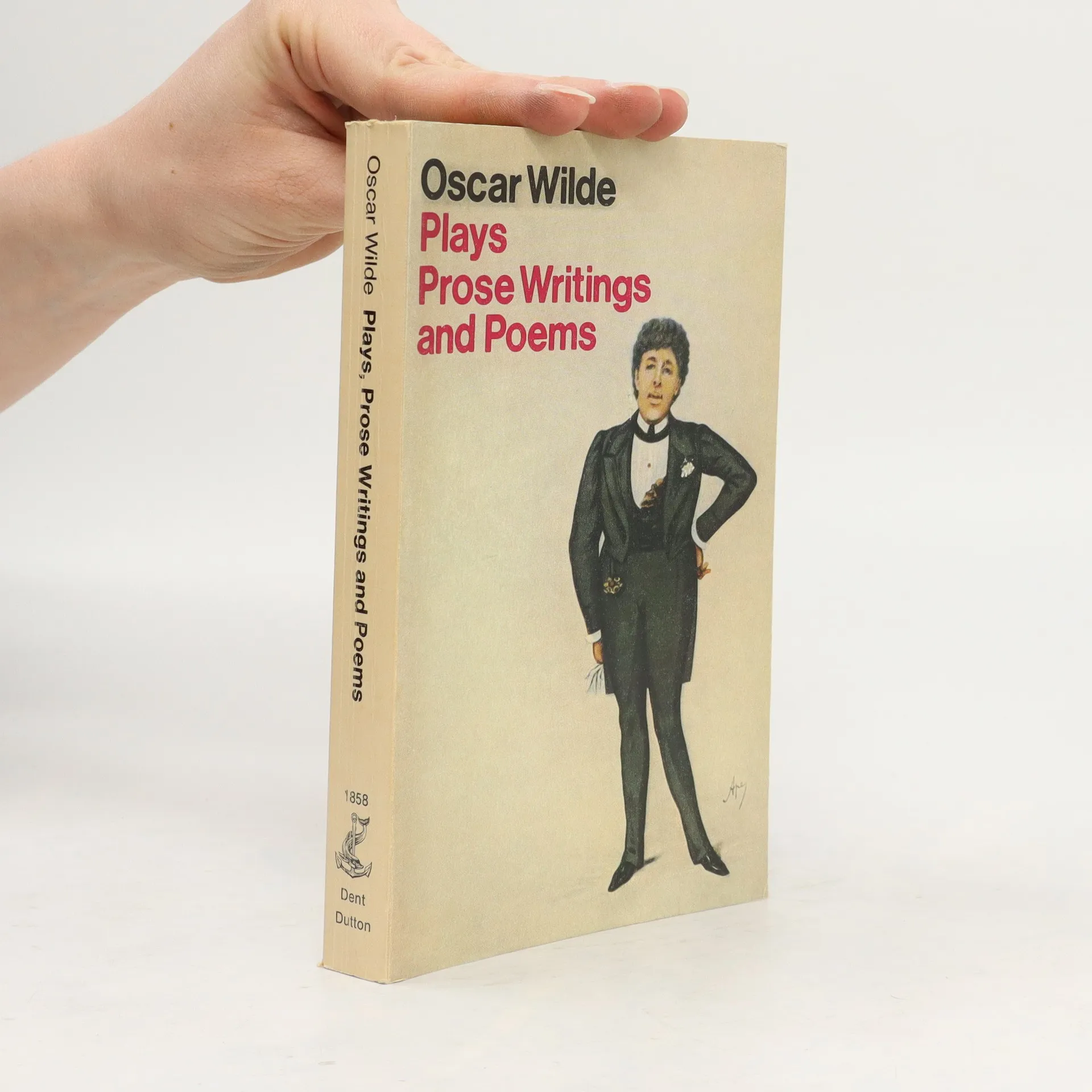
A volume incorporating much of the best of Wilde's The Critic As Artist; The Picture of Dorian Grey; The Soul of Man Under Socialism; Lady Windermere's Fan; The Importance of Being Ernest; The Ballad of Reading Gaol; The Harlot's House; The Sphinx; The Artist; The House of Judgment; A Few Maxims for the Instruction of the Over Educated.
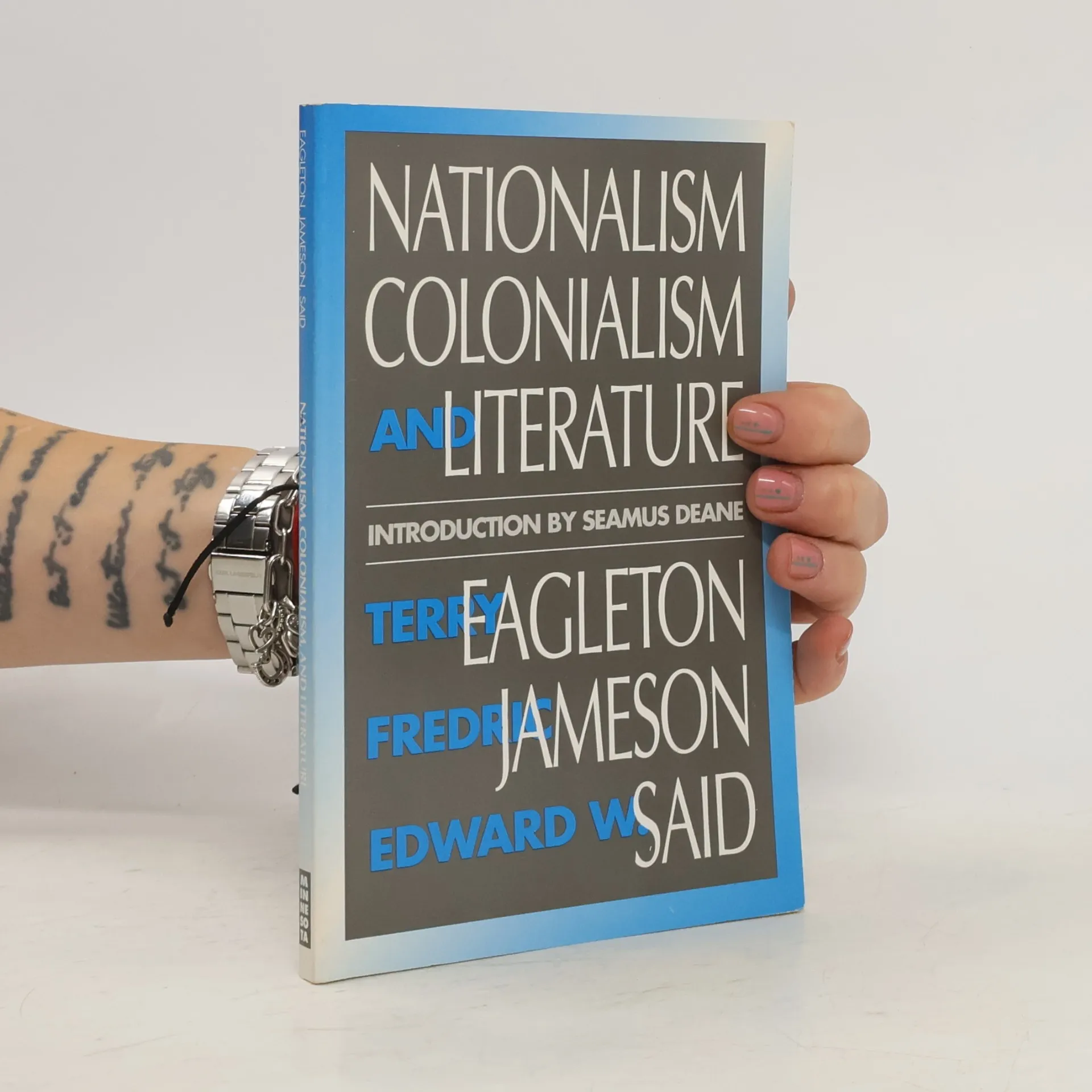
Nationalism, Colonialism, and Literature
- 112 Seiten
- 4 Lesestunden
The three essays constituting this volume were originally published as individual pamphlets by the Field Day Theatre Company, in Derry, Northern Ireland. Each deals with the question of nationalism and the role of cultural production as a force in understanding and analyzing the aftermath of colonization. The authors’ diverse perspectives are demonstrated by the essays’ respective titles: Eagleton, Nationalism: Irony and Commitment; Jameson, Modernism and Imperialism; and Said, Yeats and Decolonization. The essays have implication beyond their immediate topics, bearing upon questions of feminism, decolonization, and modernism to illuminate problems that belong to other groups and regions.
These essays (and a ballad) have their origins in Terry Eagleton’s continuing engagement with the possibilities of a literary criticism that is both materialist and open to diverse currents of thought in the human sciences.Eagleton’s combative intelligence here explores the encounter between Marxism and contemporary European and American literary theory. Included are a survey of the Althusserian contribution to literary analysis; thoughts on the fraught relations between Marxism and poststructuralism; and a brilliant evocation of the affinities and tensions between Wittgenstein, Derrida and Bakhtin.Intellectual figures in this wide-ranging topography include Jacques Derrida; the radical critic Fredric Jameson; the apostle of deconstruction, Paul de Man; the liberal humanist John Bayley; Bertoit Brecht; William Empson and Pierre Machersy. The volume also includes Eagleton’s brilliant reading of Conrad’s The Secret Agent .Against the Grain is an excellent introduction to the range of Terry Eagleton’s thought and his considerable body of work. It is also a useful primer for all readers interested in the vitality of literary theory today.
Einführung in die Literaturtheorie
- 264 Seiten
- 10 Lesestunden
Was ist Literatur? , fragt das mittlerweile legendäre Einleitungskapitel dieses Bandes. Pointiert und kritisch-souverän zugleich führt Eagleton an erste literaturtheoretische Fragen heran. Ebenso anschaulich erläutert der Autor in den weiteren Kapiteln die Grundlagen und Methoden der zentralen Ansätze der Literaturtheorie. Die 5. Auflage des erfolgreichen Buches enthält ein neues Vorwort Eagletons zur literaturtheoretischen Entwicklung der letzten 25 Jahre. Für die Annäherung an einen komplexen Stoff ohne Scheu und Verständnisschwierigkeiten.
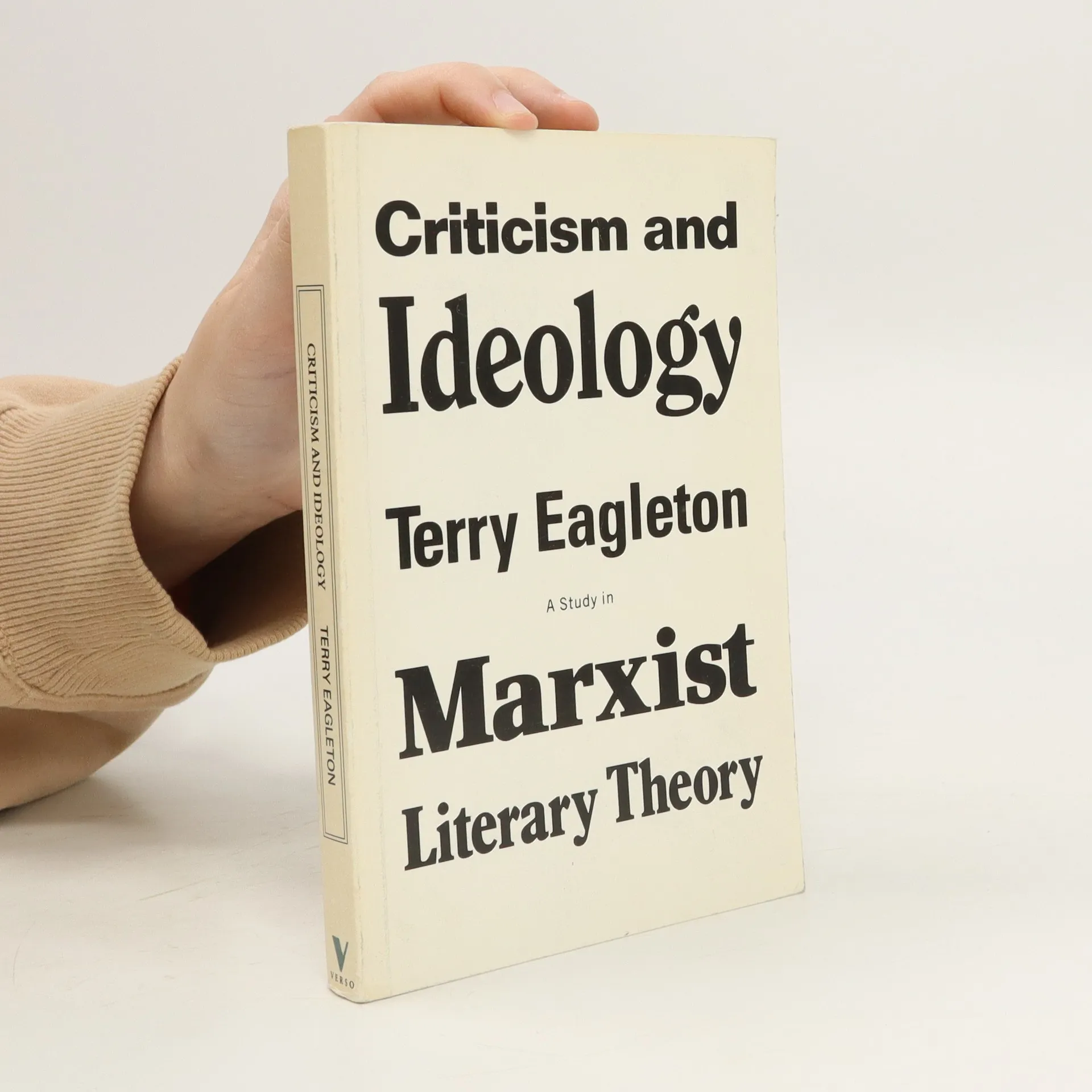
Criticism and Ideology
- 191 Seiten
- 7 Lesestunden
Terry Eagleton is one of the most important—and most radical—theorists writing today. His witty and acerbic attacks on contemporary culture and society are read and enjoyed by many, and his studies of literature are regarded as classics of contemporary criticism. Ranging across the key works of Raymond Williams, Lenin, Trostsky, Brecht, Adorno, Benjamin, Lukacs and Sartre, he develops a nuanced critique of traditional literary criticism while producing a compelling theoretical account of ideology. Eagleton uses this perspective to offer fascinating analyses of canonical writers, including George Eliot, Charles Dickens, Joseph Conrad, Henry James, T.S. Eliot, W.B. Yeats, James Joyce and D.H. Lawrence.
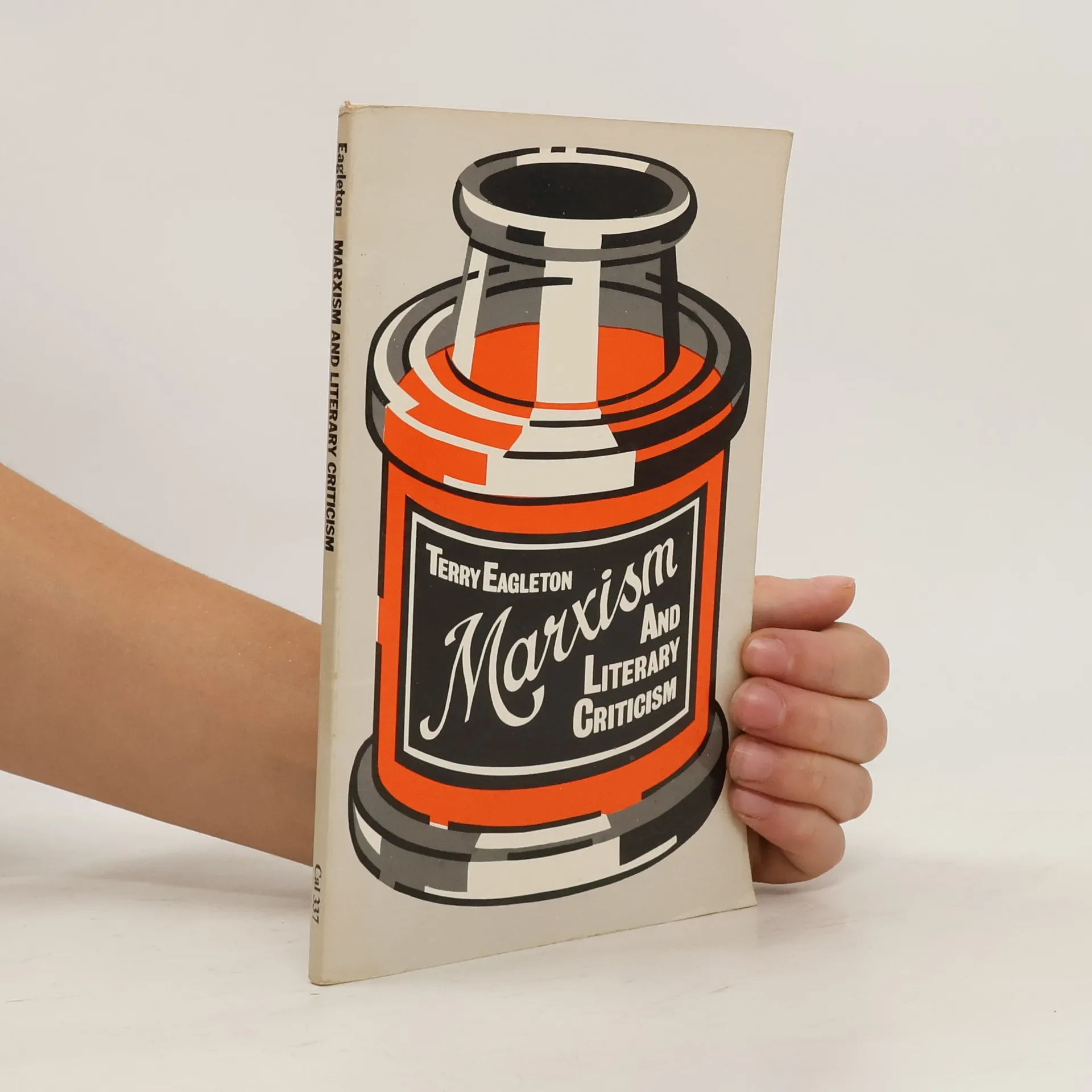
Marxism and Literary Criticism
- 98 Seiten
- 4 Lesestunden
"Far and away the best short introduction to Marxist criticism (both history and problems) which I have seen."--Fredric R. Jameson "Terry Eagleton is that rare bird among literary critics--a real writer."--Colin McCabe, The Guardian