
The narrative follows a renowned genome scientist on a global voyage, where he gathers an extensive collection of marine microbes. This groundbreaking research significantly enhances our comprehension of the microbiome that supports human life, showcasing the interconnectedness of marine ecosystems and our health. Through his journey, the scientist not only uncovers the mysteries of these microorganisms but also highlights their vital role in sustaining life on Earth.
David Ewing Duncan Reihenfolge der Bücher (Chronologisch)
David Ewing Duncan ist ein gefeierter Autor, dessen Werke sich mit komplexen Themen mit scharfer Intelligenz auseinandersetzen. Seine Schreibe zeichnet sich durch die Fähigkeit aus, vielschichtige wissenschaftliche und gesellschaftliche Fragen in fesselnde Erzählungen zu verwandeln. Duncan erforscht die tiefgreifenden Auswirkungen des technologischen Fortschritts und dessen Einfluss auf den menschlichen Zustand. Seine Arbeit regt die Leser an, über die Zukunft und unseren Platz darin nachzudenken.


Absolute Carnage: Immortal Hulk And Other Tales
- 112 Seiten
- 4 Lesestunden
The effects of Absolute Carnage are felt across the Marvel Universe! The late Thaddeus "Thunderbolt" Ross was once the Red Hulk - and briefly bonded to the Venom symbiote! Now, Ross' corpse has been unearthed, though why and by whom remain unclear. But with Ross' gamma-infused body possibly in nefarious hands, Bruce Banner intends to fi nd out! During its fi rst visit to New York City, the same symbiote briefl y bonded to a human host that wasn't Peter Parker or Eddie Brock! Now, years later, this mystery man will meet his destiny...at the hands of Carnage! And former Ghost Rider Alejandra Jones is next on the lethal killer's hit list! Danny Ketch must ride again, but can he keep her out of Carnage's clutches? Collecting: Absolute Carnage: Immortal Hulk (2019) 1, Absolute Carnage: Symbiote Spider-Man (2019) 1, Absolute Carnage: Symbiote of Vengeance (2019) 1, stinger pages from Symbiote Spider-Man (2019) 3, Immortal Hulk (2018) 20.
Talking to Robots
- 320 Seiten
- 12 Lesestunden
What robot and AI systems are being built and imagined right now? What do they say about us, their creators? Will they usher in a fantastic new future, or destroy us? What do some of our greatest thinkers, from physicist Brian Greene and futurist Kevin Kelly to inventor Dean Kamen, geneticist George Church, and filmmaker Tiffany Shlain, anticipate about our human-robot future? For even as robots and A.I. intrigue us and make us anxious about the future, our fascination with robots has always been about more than the potential of the technology -- it's also about what robots tell us about being human
Kalendář
- 228 Seiten
- 8 Lesestunden
Historický vývoj měření času a okolnosti vzniku kalendáře používaného většinou světa od doby kamenné do dnešních časů. Čtyři tisíce let trvá snaha o pochopení plynutí času a snahy o jeho měření. Dnes se zdá samozřejmé, že čas měříme na sekundy, minuty, hodiny, dny a roky, ale vždy tomu tak nebylo. Autor se snaží přiblížit tento zápas o stanovení jednotného způsobu dělení času. Zmiňuje se o prvních pokusech o lunární kalendář doby kamenné, o egyptském kalendáři, o reformách kalendáře Julia Caesara (46 př.n.l.) a papeže Řehoře XIII. (1582) a nepomíjí ani dnešní měření atomového univerzálního času. Vše vysvětluje na pozadí historických událostí. Publikace je doplněna časovou přímkou s chronologií událostí.
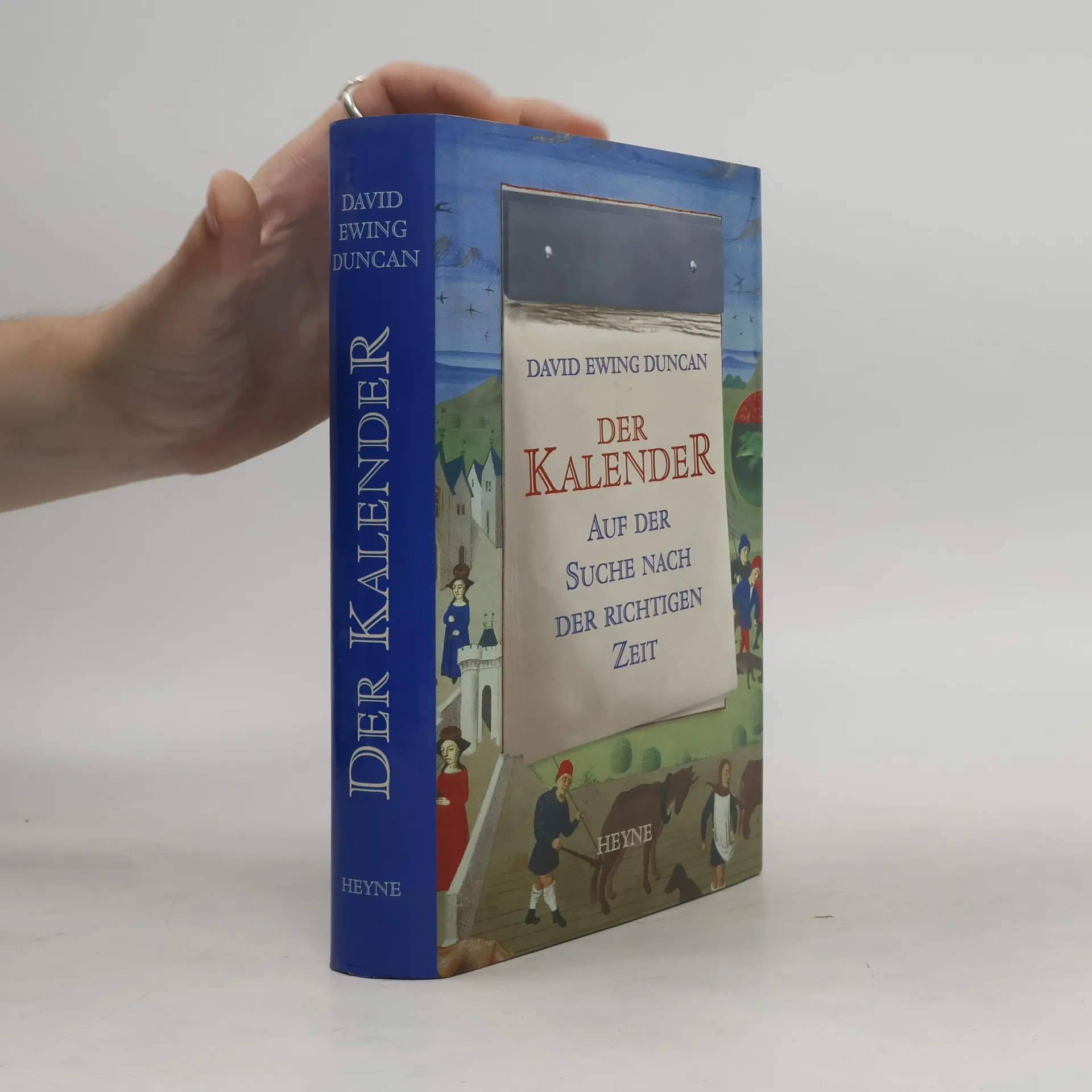
Der Kalender
- 383 Seiten
- 14 Lesestunden
Die Messung des täglichen und jährlichen Zyklus des Kosmos war nie ganz unkompliziert. Das Jahr 2000 ist alternativ das Jahr 2544 (buddhistisch), 6236 (altägyptisch), 5761 (jüdisch) oder einfach das Jahr des Drachen (chinesisch). Die Geschichte der Entstehung des westlichen Kalenders, die in diesem Buch erzählt wird, ist eine Geschichte von Kaisern und Päpsten, Mathematikern und Mönchen sowie dem Wachstum wissenschaftlicher Berechnungen, bis unsere Zeitmessung durch atomare Impulse bizarrerweise genauer ist als die Zeit selbst: Die Erde ist eine betagte Dame und leicht exzentrisch – sie verliert alle hundert Jahre eine halbe Sekunde. Tage wurden erfunden (Julius Caesar benötigte im Jahr 46 v. Chr. 80 zusätzliche Tage), verloren (Papst Gregor XIII. strich 1582 zehn Tage) und verschoben (weil Julius Caesar 31 Tage in seinem Monat hatte, bestimmte Augustus, dass er die gleiche Anzahl haben sollte, und nahm einen von Februar weg).