Der Dekan von Shandong: Interne Einblicke in eine chinesische Universität
- 233 Seiten
- 9 Lesestunden


David Plotke ist Professor für Politikwissenschaft an der New School for Social Research. Seine Forschung untersucht die Dynamik politischer Bewegungen, konzentriert sich auf deren Aufstieg und Fall und die tiefgreifenden gesellschaftlichen Transformationen, die sie auslösen können. Plotkes Arbeit versucht zu verstehen, wie sich Macht verschiebt und Institutionen entwickeln, und zieht dabei Erkenntnisse aus historischen und zeitgenössischen Kontexten. Sein einflussreicher Ansatz bietet Lesern neue Perspektiven, um politischen Wandel zu verstehen und zu bewältigen.


Focusing on the interplay between Christian resistance and capitalism in Latin America, this work delves into the theological debates shaped by this dynamic. Employing postmodern critical theory from Deleuze and Foucault, it examines capitalism's influence on human desire and the Church's response. The book offers a comprehensive analysis of the evolution, challenges, and potential future of liberation theology in the region, marking it as a significant contribution to the understanding of its rise and decline.
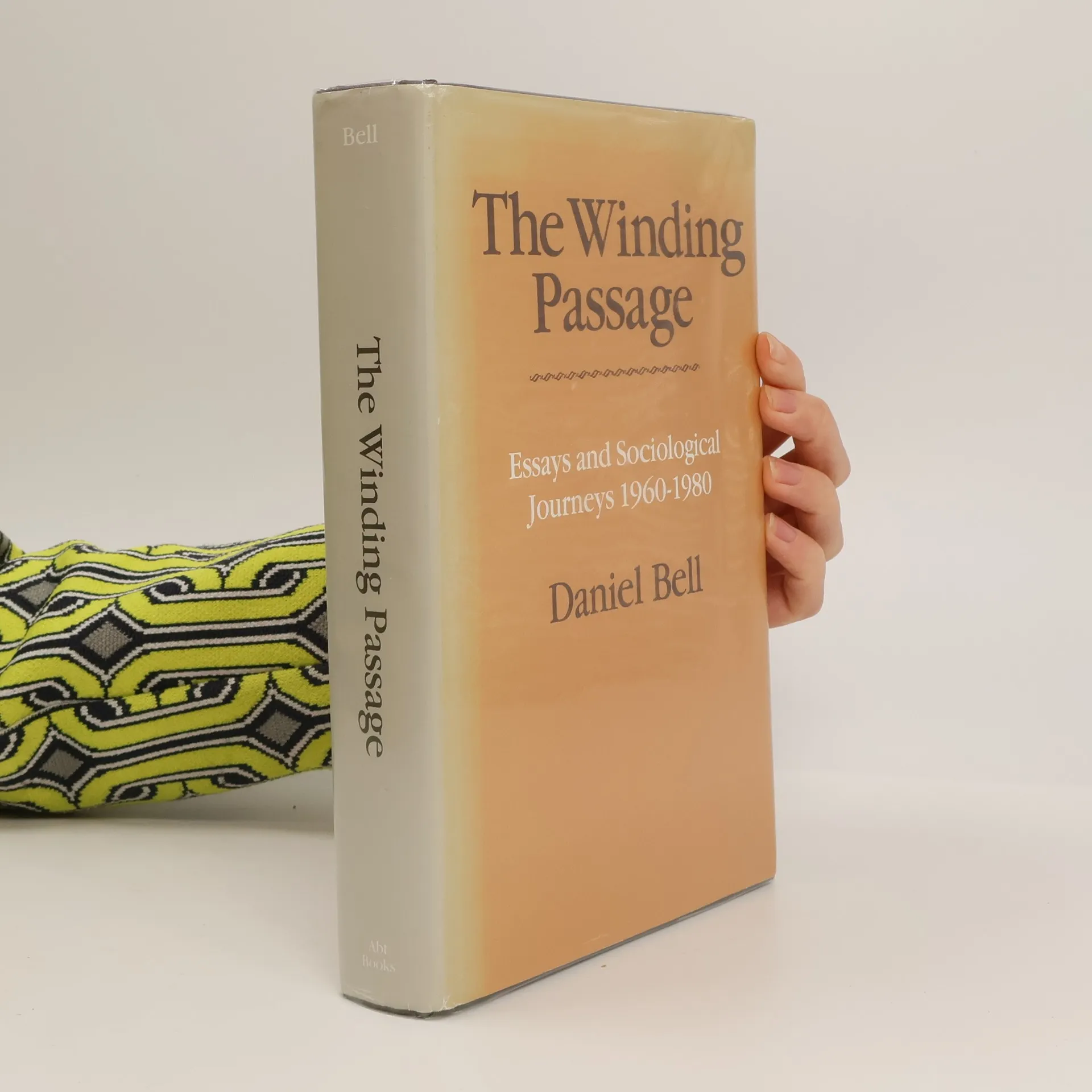
Originally published by Abt Books in 1980, this book brings together most of Daniel Bell's best work in his second career as a sociologist. The essays deal with a diverse range of topics including technology and culture, religion and personal identity, the intellectual and society, and the validity of the concept of class.
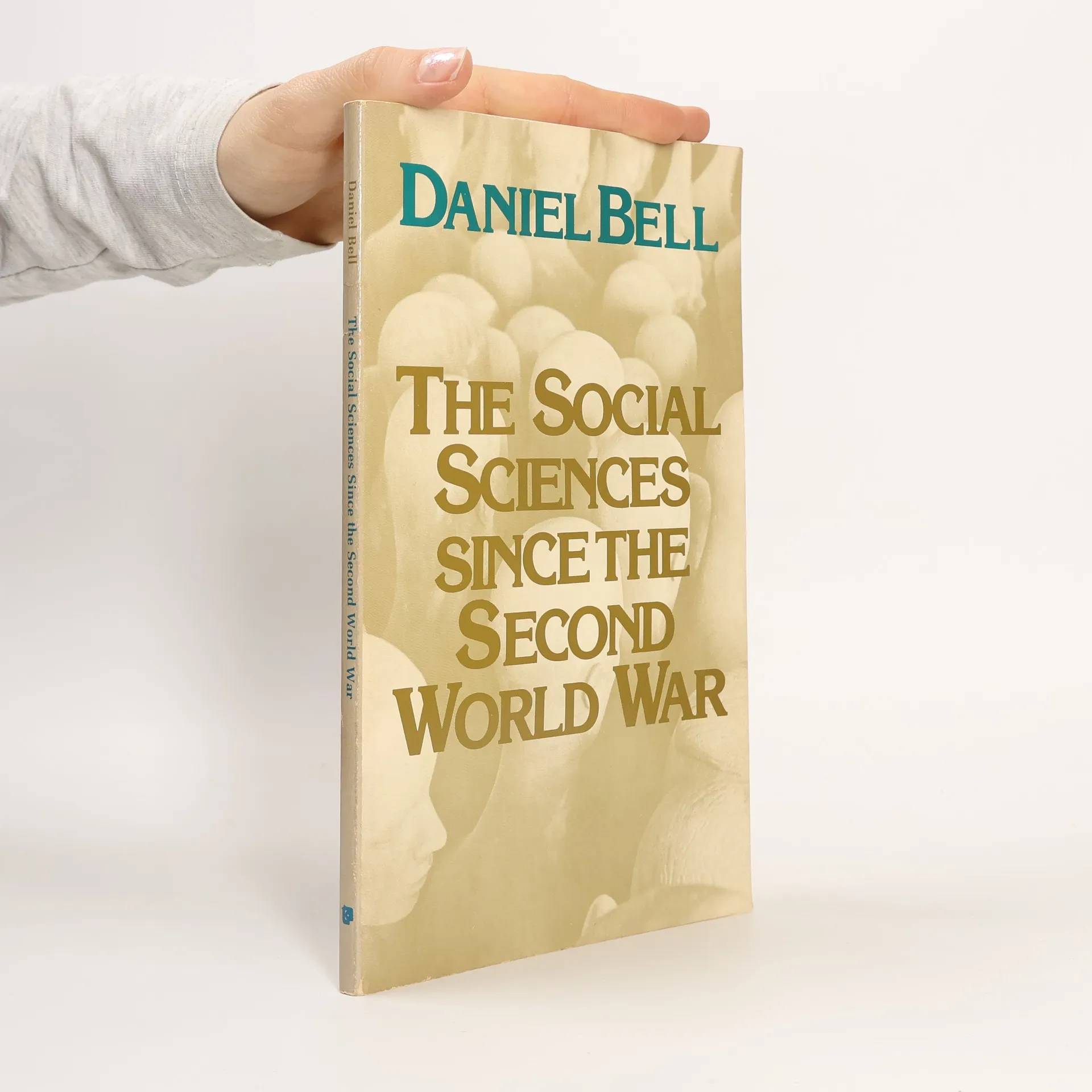
Organizing his work thematically to explore important ideas and trends that have influenced the social sciences since World War II, Daniel Bell charts the rise and fall of major developments in the field and presents a comprehensive survey of the progress of the social sciences over this thirty-five year period. Bell discusses such major advances as the emergence of sotiobiology as an effort to unify social behavior through genetically-based parameters, structuralism, the multiplicity of new paradigms in macroeconomics, and schools of neo-Marxism. Parts I and II of The Social Sciences Since the Second World War originally appeared as yearly installments in the Encyclopaedia Britannica's Great Ideas Today series and are combined for the first time in book form. Dr. Bell has added an introductory essay that reviews the time frame and details his rationale for focusing on specific disciplines. His emphasis throughout is on those synoptic efforts geared at providing a systematic body of theory that set forth some coherent statement about human behavior or social structure. The book concludes with a discussion of the viability of formulating a unified viewof knowledge through the unity of science.
Brand New. Ship worldwide
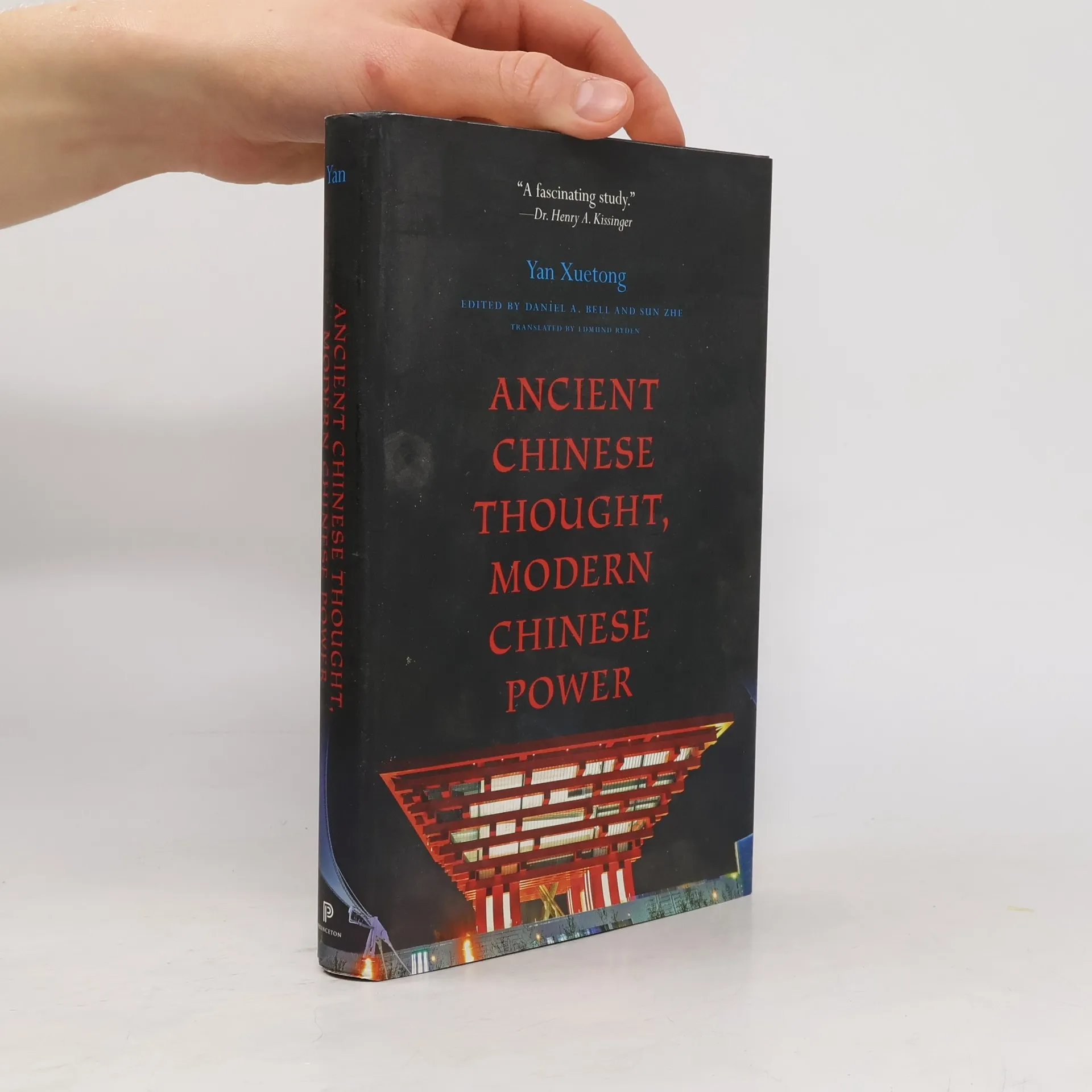
The rise of China could be the most important political development of the twenty-first century. What will China look like in the future? What should it look like? And what will China's rise mean for the rest of world? This book, written by China's most influential foreign policy thinker, sets out a vision for the coming decades from China's point of view. In the West, Yan Xuetong is often regarded as a hawkish policy advisor and enemy of liberal internationalists. But a very different picture emerges from this book, as Yan examines the lessons of ancient Chinese political thought for the future of China and the development of a Beijing consensus in international relations. Yan, it becomes clear, is neither a communist who believes that economic might is the key to national power, nor a neoconservative who believes that China should rely on military might to get its way. Rather, Yan argues, political leadership is the key to national power, and morality is an essential part of political leadership. Economic and military might are important components of national power, but they are secondary to political leaders who act in accordance with moral norms, and the same holds true in determining the hierarchy of the global order. Providing new insights into the thinking of one of China's leading foreign policy figures, this book will be essential reading for anyone interested in China's rise or in international relations.
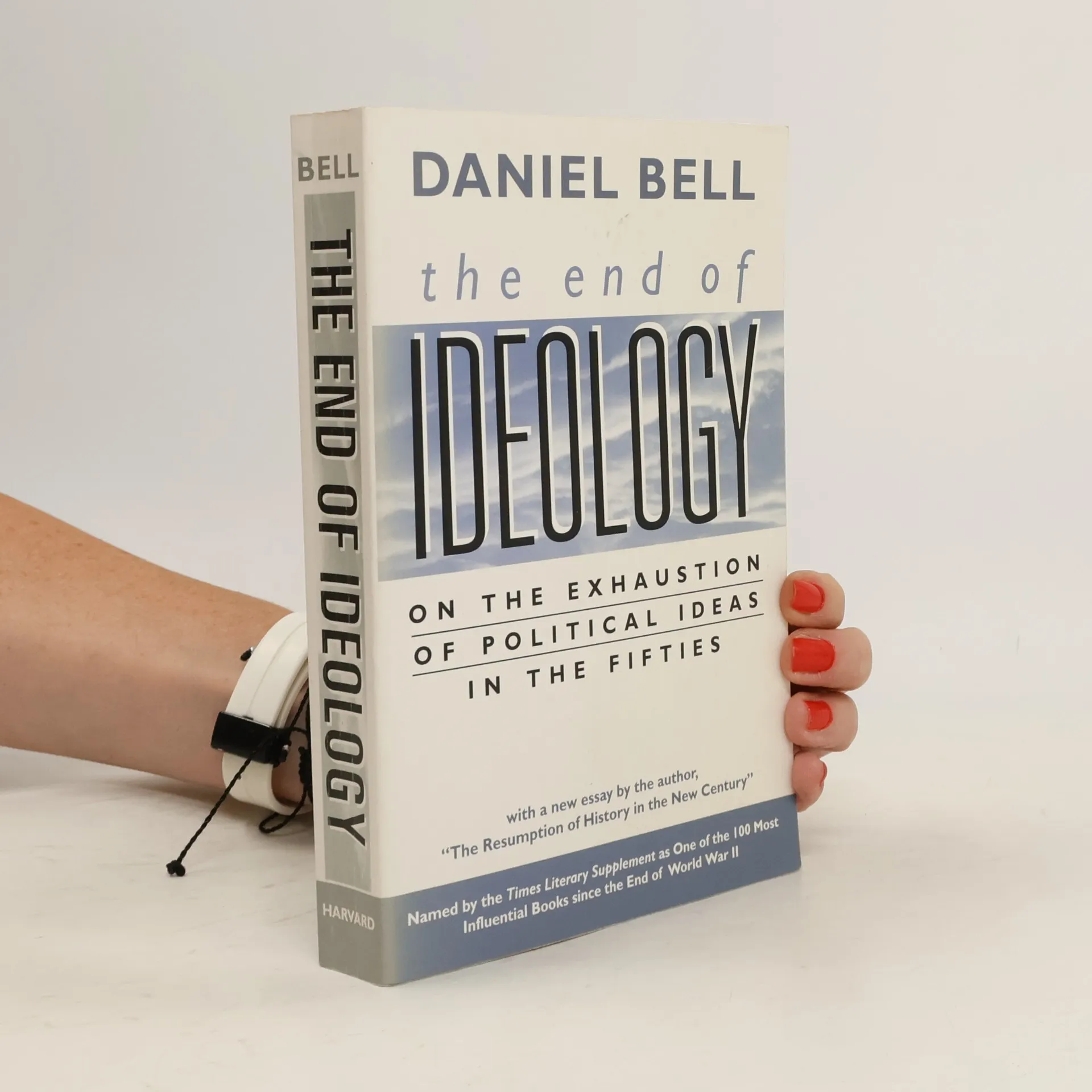
On the exhaustion of political ideas in the fifties, with "The Resumption of History in the New Century"
This work first argued that the older humanistic ideologies from the 19th and early 20th centuries were exhausted, and that new parochial ideologies would arise. This 2000 edition argues that there is a resumption of history with the end of communism and the return of traditional conflicts. schovat popis
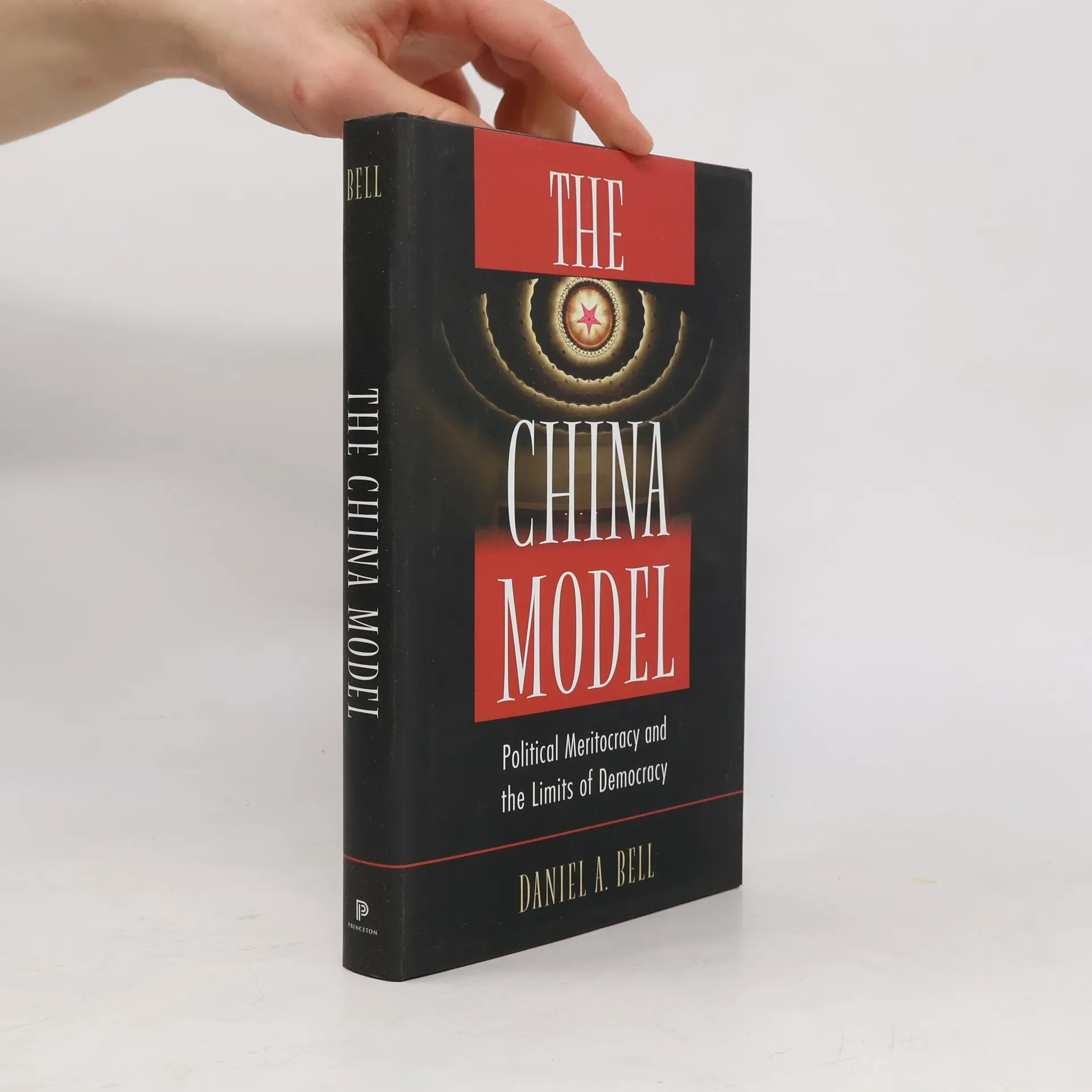
"Westerners tend to divide the political world into 'good' democracies and 'bad' authoritarian regimes. But the Chinese political model does not fit neatly in either category. Over the past three decades, China has evolved into a political system that can best be described as 'political meritocracy.' [This work] seeks to understand the ideals and the reality ofthis unique political system"-- Provided by publisher
All complex societies are organized along hierarchies, yet the concept has become almost taboo today. This work argues that this stigma is misguided, asserting that social hierarchies cannot and should not be eliminated. Drawing from Chinese thought and other philosophical traditions, the authors explore which forms of hierarchy are justified and how they can promote morally desirable goals. They emphasize the importance of distinguishing just hierarchies from unjust ones, particularly those based on race, sex, or caste. The authors contend that the justification for hierarchy depends on the nature of the social relation and context. Different principles should govern various social relations; for instance, the justification for hierarchy among intimates differs from that among citizens, countries, or even between humans and intelligent machines. The authors advocate for morally justified hierarchies that can positively influence both personal and political spheres, contrasting them with the unjust hierarchies of the past. This work offers a robust defense of hierarchy's role in contemporary society, highlighting its potential to serve useful purposes across different domains.
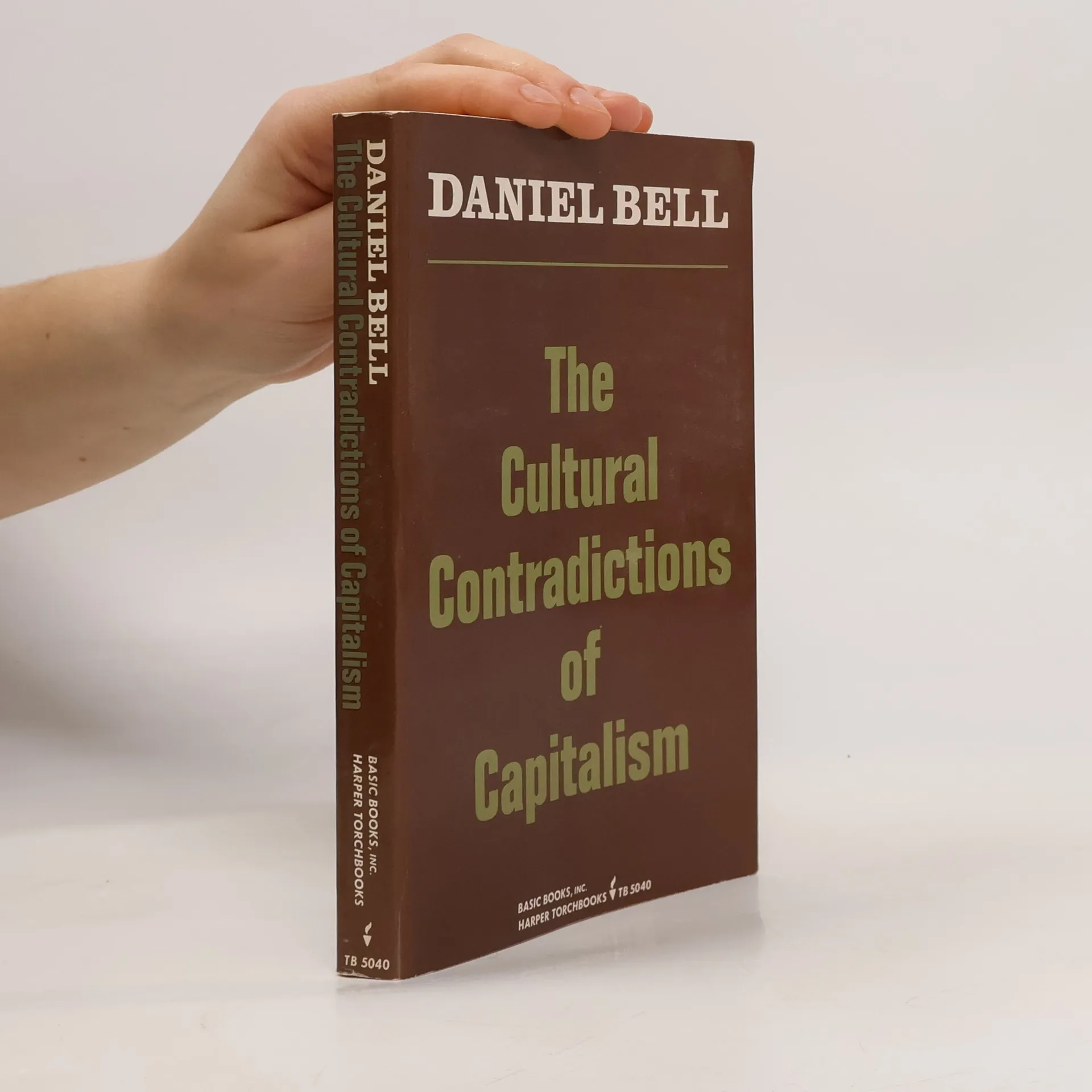
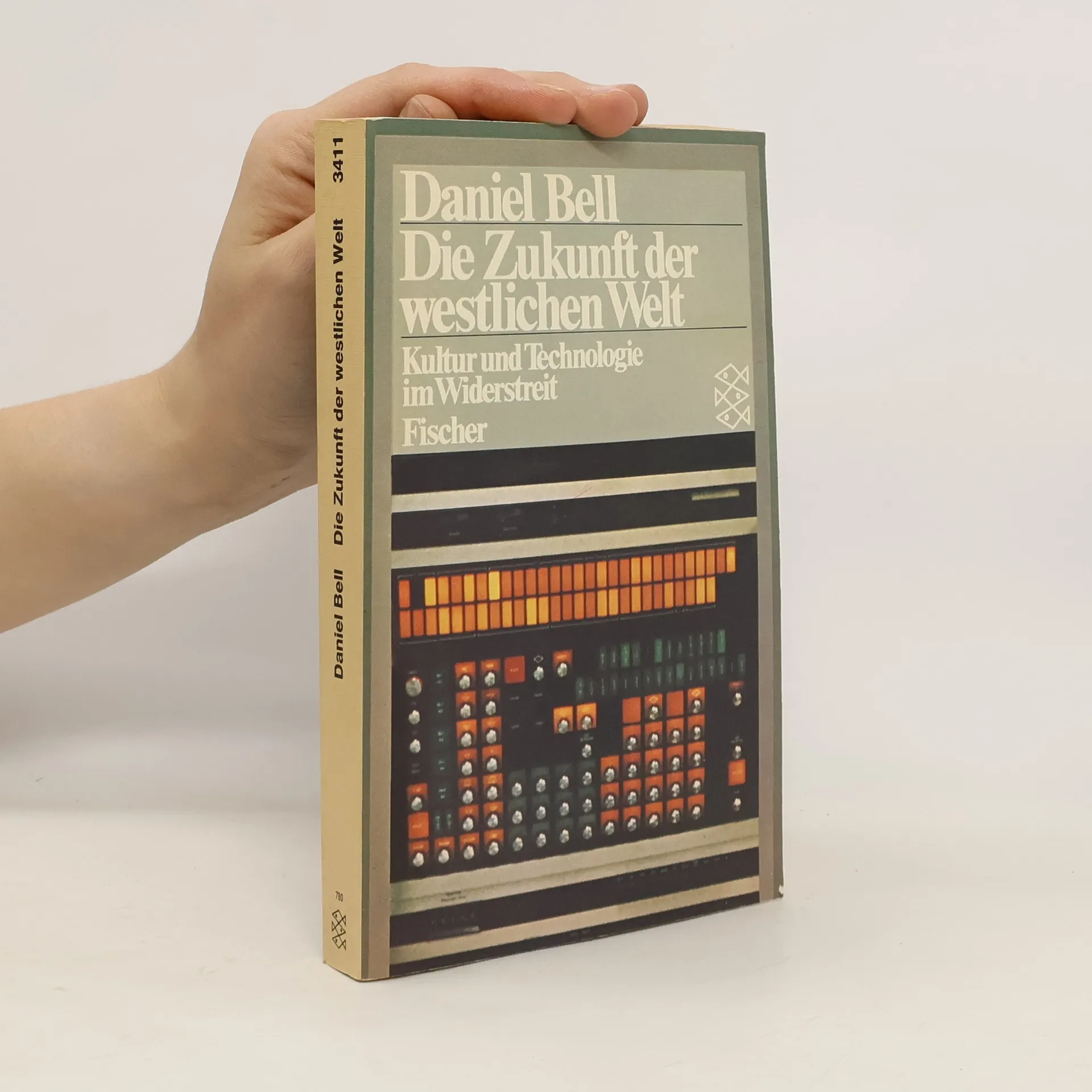
Dnes již klasická kniha amerického sociologa Daniela Bella, který proslul svou analýzou postindustriální společnosti a tzv. konce ideologie uzavírá jeho trilogii úvahami o stavu a perspektivách společnosti pozdního kapitalismu z hlediska proměn, stavu a perspektiv kultury. U Bella se snoubí pochopení pro radikální změny kulturní produkce a vnímání kultury (nástup modernismu) s obhajobou konzervativních hodnot a poučenou kritikou toho, co Bell chápe jako ohrožení západní civilizace a kultury. Čtenář/ka jistě přečte se stejným zájmem kapitoly třebas o pop-hédonismu, psychedelickém bazaru nebo dyonýské tlupě jako úvahy o profanaci našeho světa a budoucnosti liberálních idejí v něm.
Une revue européenne à Paris