

Wir senden dir das abgebildete Buch
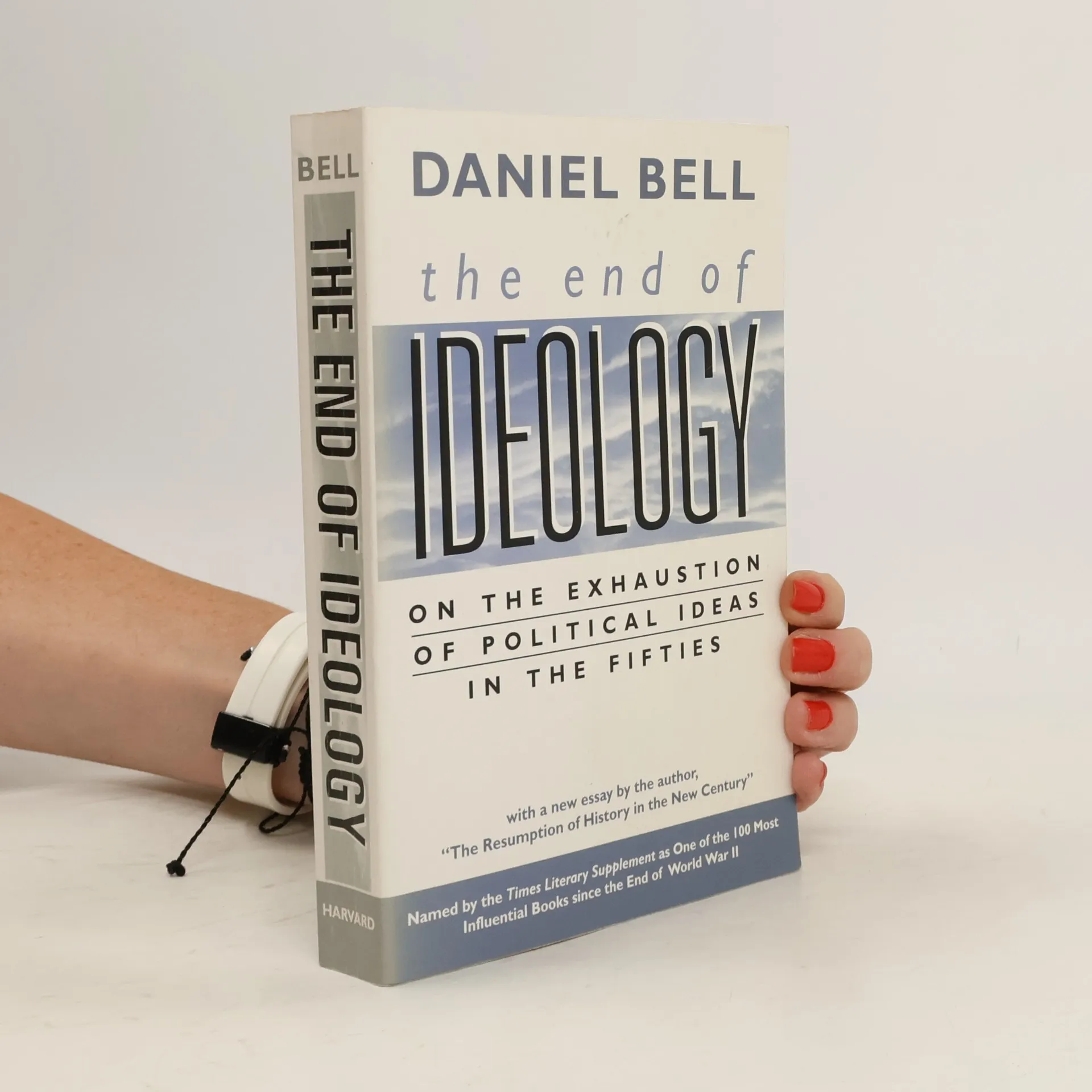

The End of Ideology
On the exhaustion of political ideas in the fifties, with "The Resumption of History in the New Century"
Autor*innen
Buchbewertung
Parameter
- 540 Seiten
- 19 Lesestunden
Mehr zum Buch
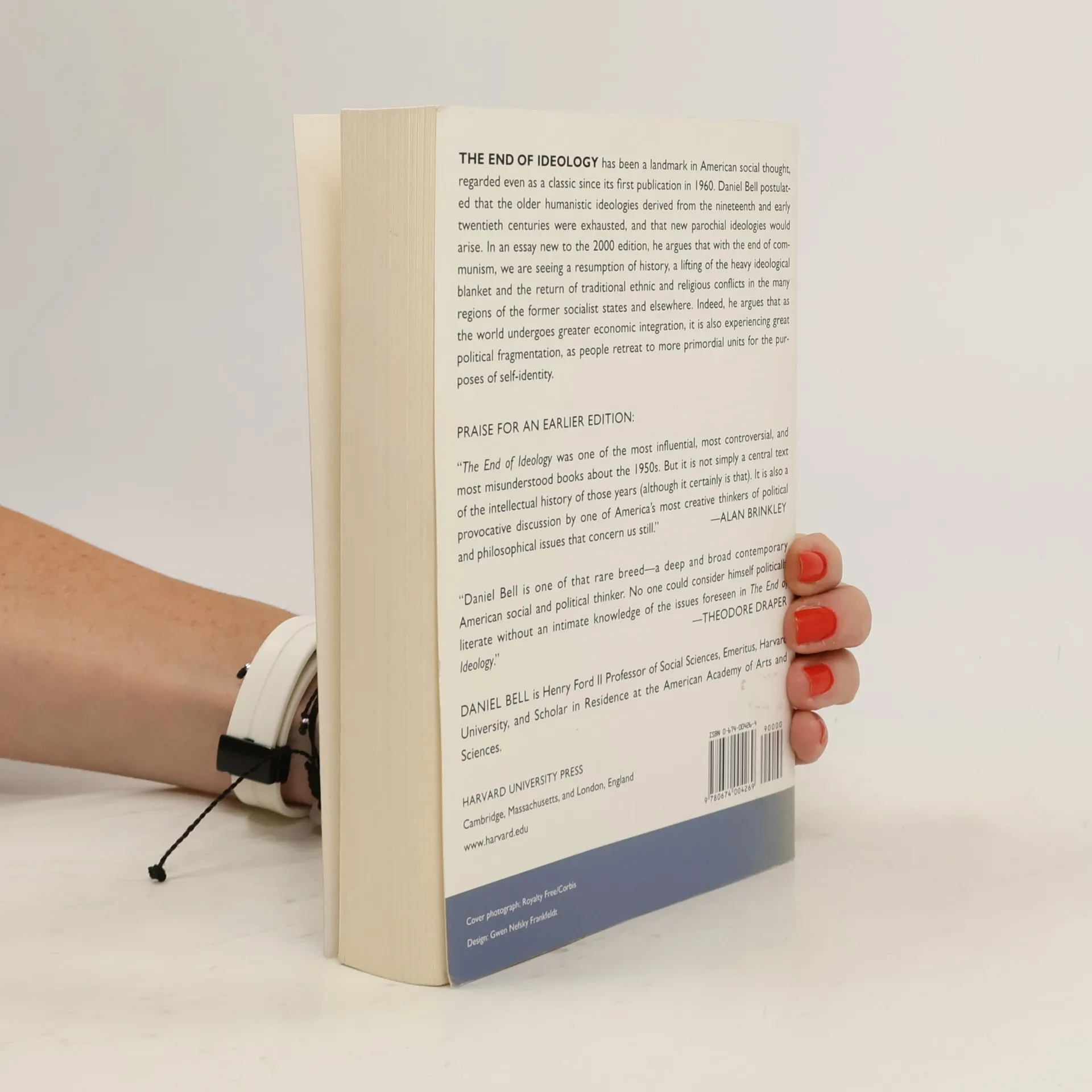
This work first argued that the older humanistic ideologies from the 19th and early 20th centuries were exhausted, and that new parochial ideologies would arise. This 2000 edition argues that there is a resumption of history with the end of communism and the return of traditional conflicts. schovat popis
Publikation

Buchkauf
The End of Ideology, Daniel Bell
- Sprache

- Erscheinungsdatum
- 2000
- Einband
- (Paperback),
- Buchzustand
- Gebraucht - Gut
- Preis
- 16,99 €inkl. MwSt.
Hier könnte deine Bewertung stehen.
- Titel
- The End of Ideology
- Untertitel
- On the exhaustion of political ideas in the fifties, with "The Resumption of History in the New Century"
- Sprache
- Englisch
- Autor*innen
- Daniel Bell
- Verlag
- Harvard University Press
- Erscheinungsdatum
- 2000
- Einband
- Paperback
- Seitenzahl
- 540
- ISBN10
- 0674004264
- ISBN13
- 9780674004269
- Reihe
- Schlagwörter
- Historisches Thema, Philosophisches Thema, Politische Theorien, Wissenschaftliche Theorien, Demokratie, Ideologie
- Bewertung
- 3,6 von 5 Sternen
- Beschreibung
- This work first argued that the older humanistic ideologies from the 19th and early 20th centuries were exhausted, and that new parochial ideologies would arise. This 2000 edition argues that there is a resumption of history with the end of communism and the return of traditional conflicts. schovat popis