The world's major languages
- 928 Seiten
- 33 Lesestunden
This book describes the most interesting features of over 50 of the world's major languages and language groups.



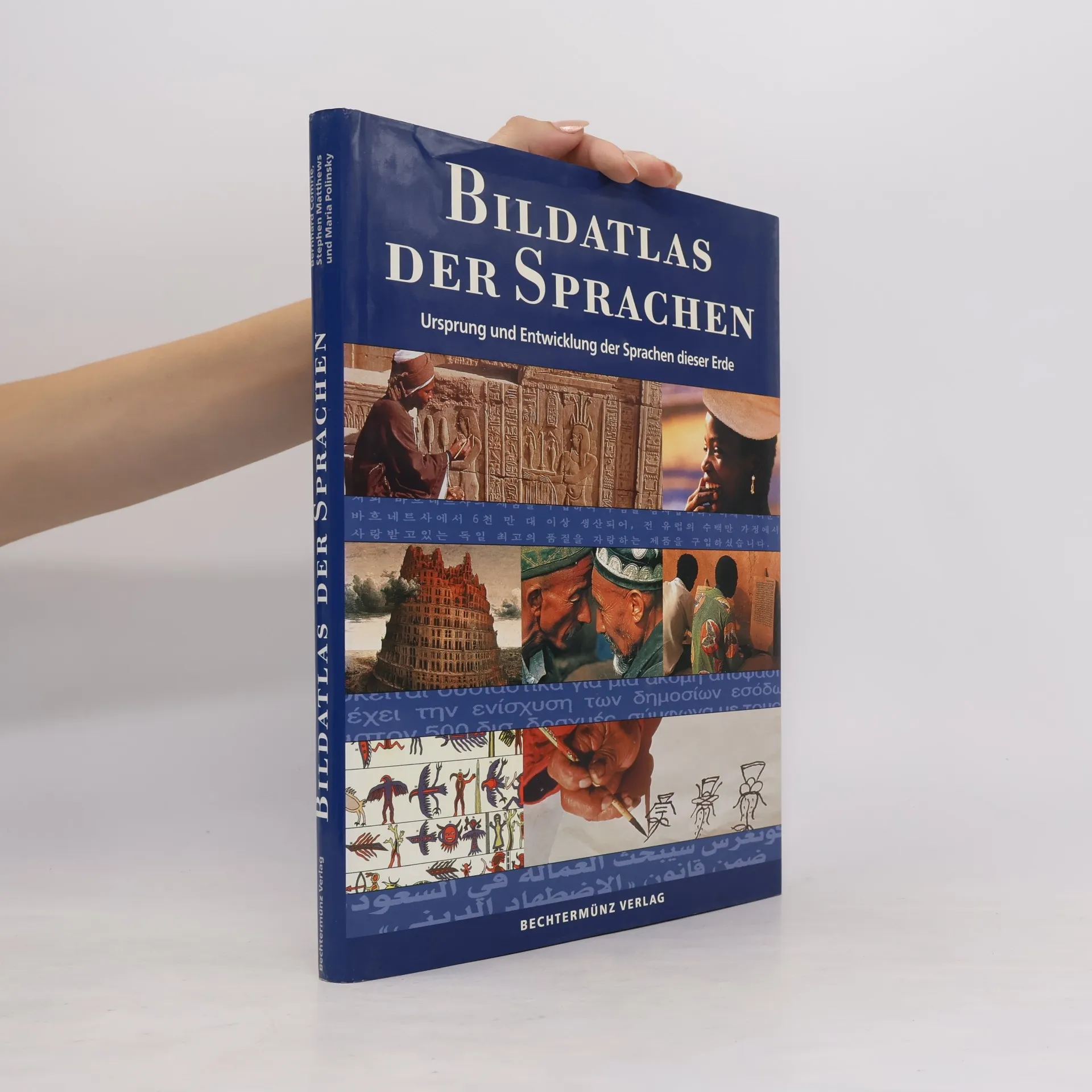
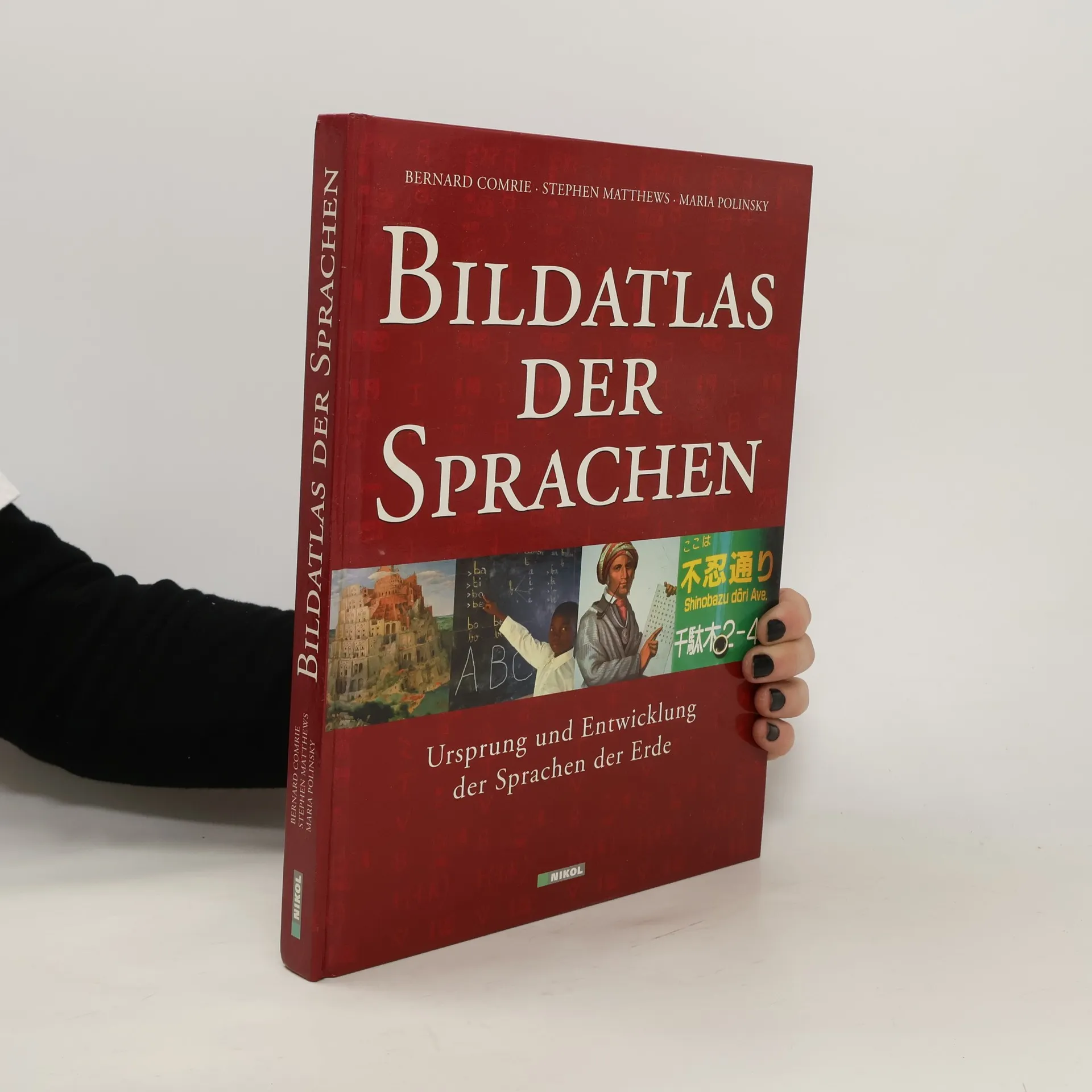
This book describes the most interesting features of over 50 of the world's major languages and language groups.
Im »Bildatlas der Sprachen« werden die Sprachfamilien der fünf Kontinente sowie deren Verbreitung und Ausdehnung vorgestellt. Die Präsentation umfasst interessante und einzigartige Aspekte der jeweiligen Grammatik und des Vokabulars. Auch isolierte Sprachen, wie das Baskische, werden behandelt. Genealogien der Sprachfamilien sind durch Stammbäume (z. B. indoeuropäische, germanische, romanische, slawische Sprachen) und über dreißig farbige Landkarten sichtbar. Farblich abgesetzte Info-Boxen vermitteln zusätzlich sprachwissenschaftliche, kulturelle und historische Informationen. Der Haupttext wird durch zahlreiche Fotos und Illustrationen ergänzt. Zudem werden die verschiedenen Schriftsysteme der Welt detailliert dargestellt. Hierbei werden Schrift-/Lautzeichen (wie Hieroglyphen, Keilschrift, Silbenzeichen, Logogramme) der letzten fünf Jahrtausende in über 40 übersichtlichen Tabellen präsentiert und durch Fotografien antiker Kunstwerke, Manuskripte und Monumente illustriert. Ausgewählte Beispiele veranschaulichen die Evolution von über 200 Sprachen. Ein Glossar, Literaturverzeichnis und alphabetisches Register runden das Werk ab, an dem die renommierten Linguisten Bernard Comrie, Stephen Matthews und Maria Polinsky als beratende Herausgeber mitgewirkt haben. Der »Bildatlas der Sprachen« ist besonders empfehlenswert für Leser, die in die sprachhistorische Materie einsteigen möchten und eine Visualisierung durch Landkarten und Tab
In this scholarly volume, each of the living Slavonic languages are analysed and described in depth, together with the two extinct languages - Old Church Slavonic and Polabian. In addition, the various alphabets of the Slavonic languages - particularly Roman, Cyrillic and Glagolitic - are discussed, and the relationships of the Slavonic languages to other Indo-European languages and to one another, are explored. The last chapter provides an account of those Slavonic languages in exile , for example, Russian, Ukrainian, Polish, Czech and Slovak in the USA.Each language-chapter is written by an expert in the field, in a format designed for comparative study. Information on each language an introductory description of social context and development (where appropriate); a discussion of phonology; a detailed presentation of synchronic morphology, noting major historical developments; comprehensive treatment of syntactic properties; a discussion of vocabulary; an outline of main dialects; and an extensive bibliography, listing English and other sources.
Oorsprong en ontwikkeling van taal en schrift in de gehele wereld
Since its first publication, Language Universals and Linguistic Typology has become established as the leading introductory account of one of the most productive areas of linguistics—the analysis, comparison, and classification of the common features and forms of the organization of languages. Adopting an approach to the subject pioneered by Greenberg and others, Bernard Comrie is particularly concerned with syntactico-semantic universals, devoting chapters to word order, case making, relative clauses, and causative constructions. His book is informed throughout by the conviction that an exemplary account of universal properties of human language cannot restrict itself to purely formal aspects, nor focus on analysis of a single language. Rather, it must also consider language use, relate formal properties to testable claims about cognition and cognitive development, and treat data from a wide range of languages. This second edition has been revised and updated to take full account of new research in universals and typology in the past decade, and more generally to consider how the approach advocated here relates to recent advances in generative grammatical theory.