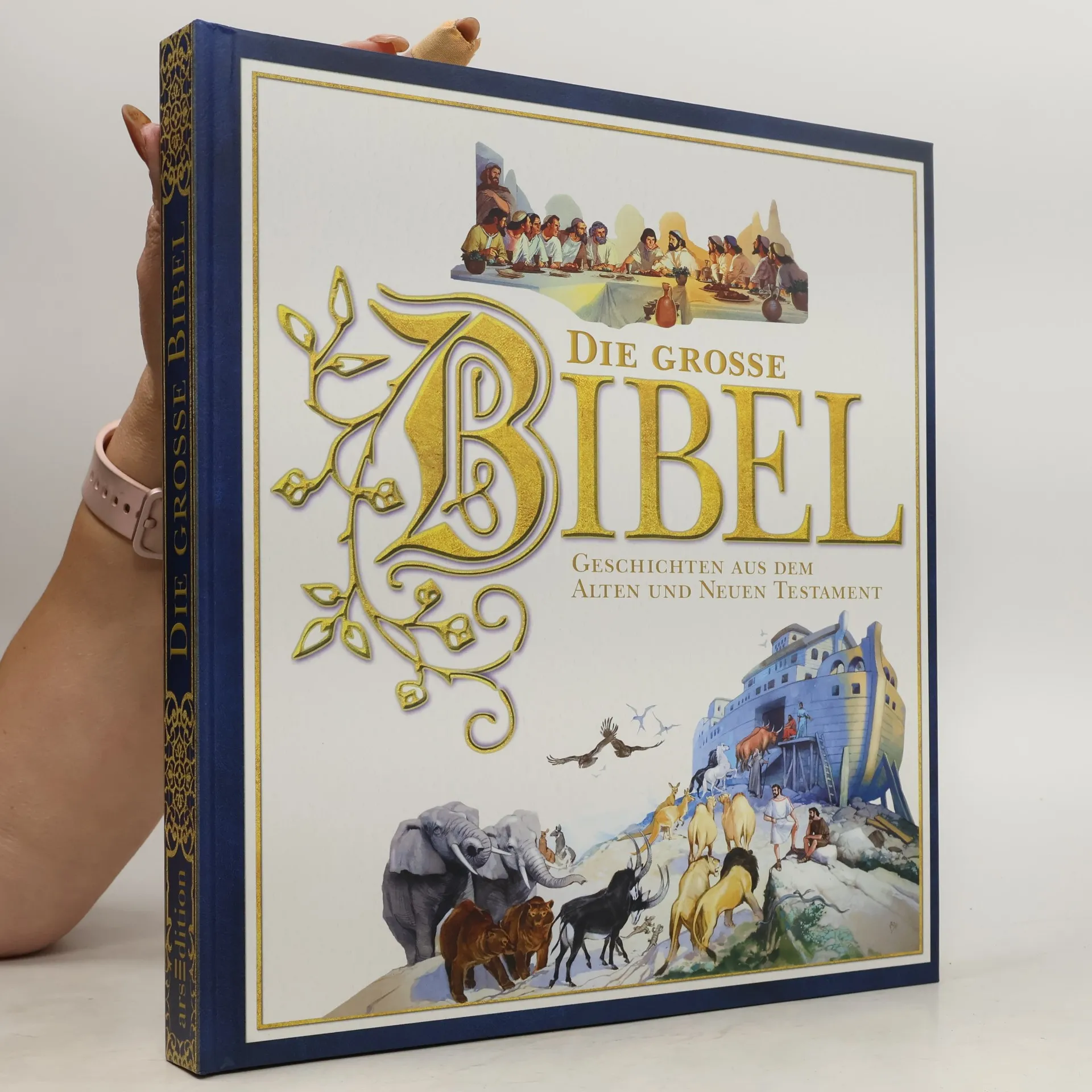
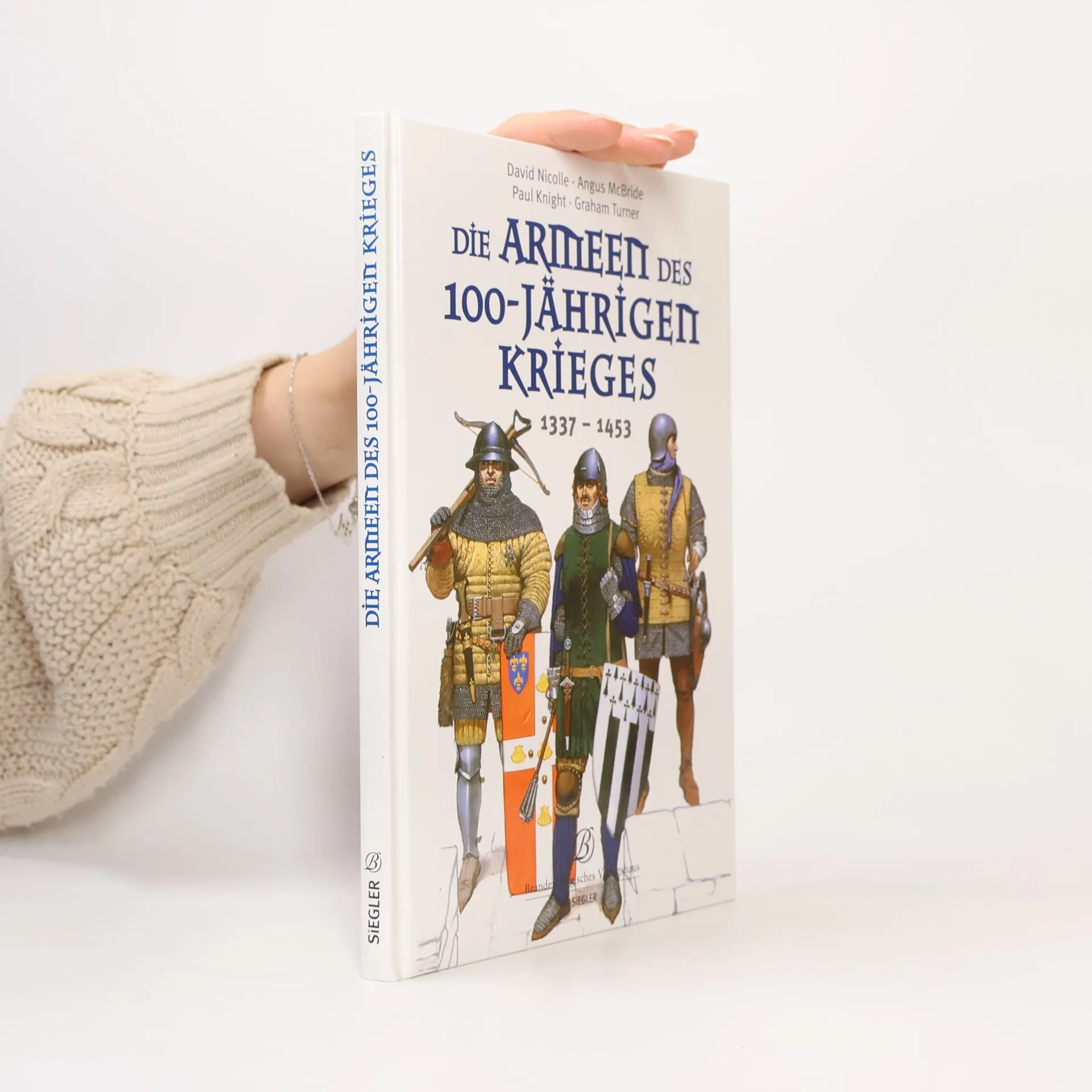
Die Armeen des Hundertjährigen Krieges
- 96 Seiten
- 4 Lesestunden
Rare book




Rare book
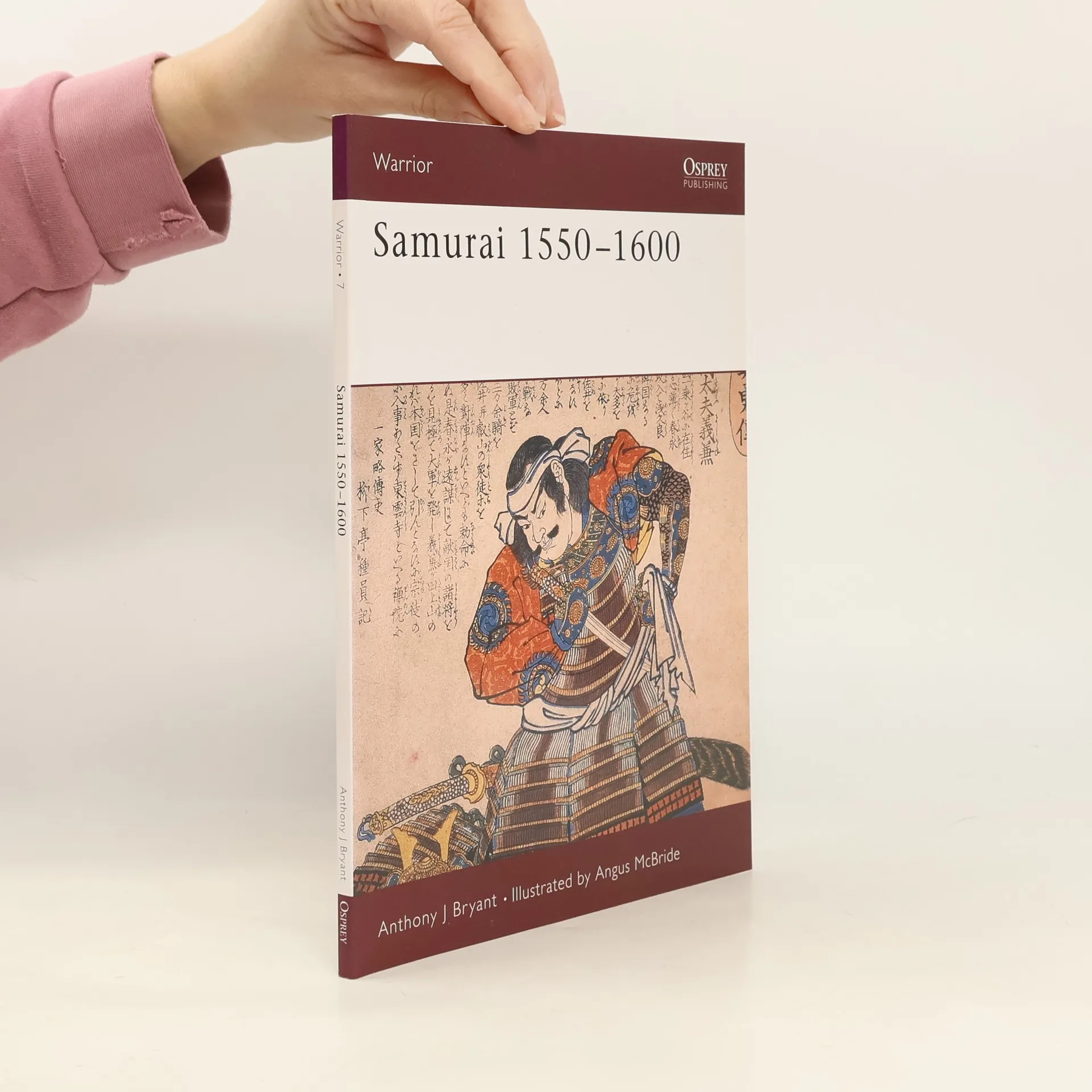
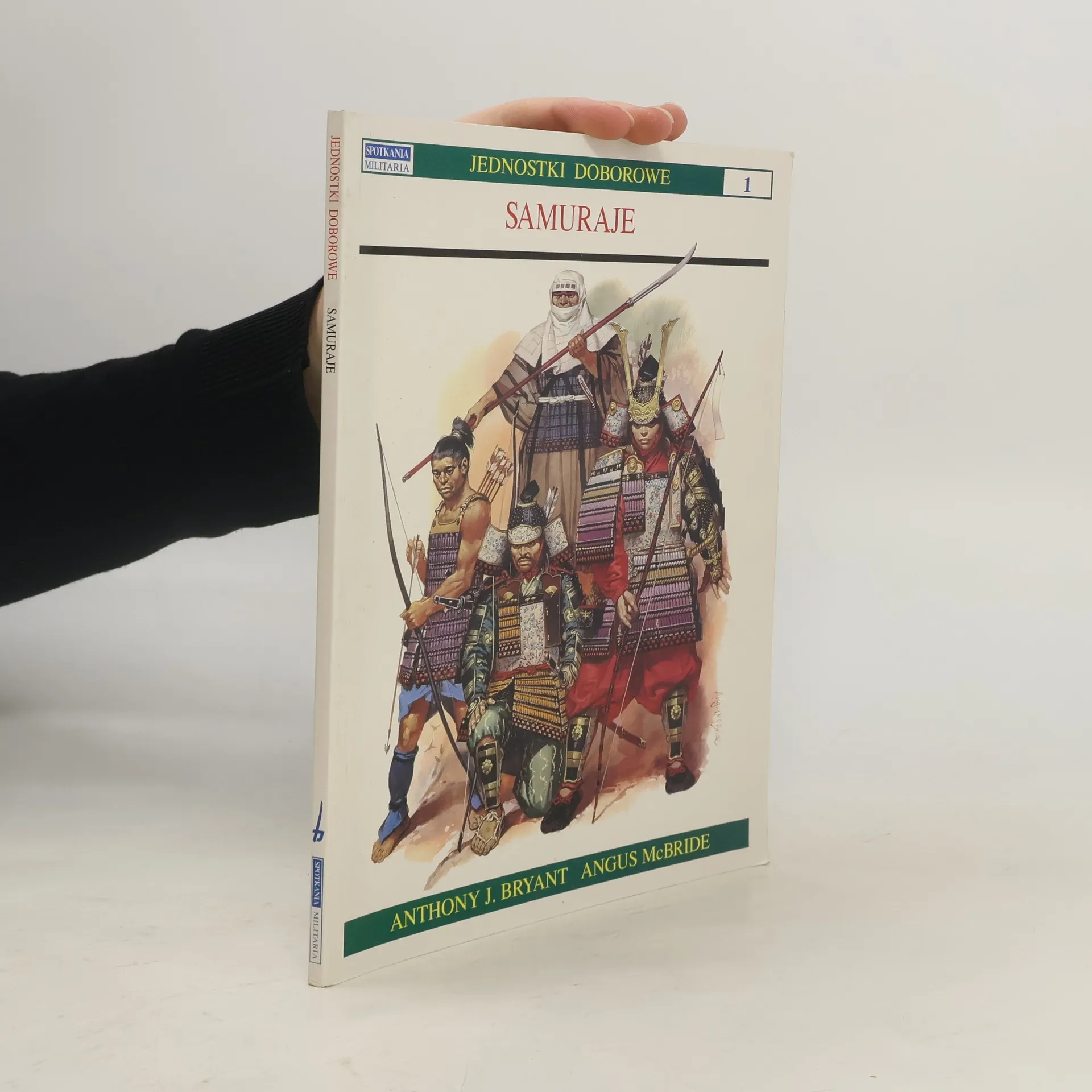
Anthony Bryant erzählt die faszinierende Geschichte der berühmten Krieger-Kaste ebenso wie die ihrer Waffen und Rüstungen, aber auch das Leben der Samurai jenseits des Schlachtfelds wird eindrucksvoll beschrieben. Ein Buch für alle, die mehr wissen wollen über die charismatischen japanischen Krieger.
Viele von uns verfolgen den täglichen Wetterbericht mit großem Interesse. Ob Sonne oder Regen, Wind, Schnee, Hitze oder Kälte - die vielfältigen Erscheinungen des Wetters prägen unseren Alltag. Unwetter können lebensbedrohlich sein: Wirbelstürme wie Hurrikane oder Tornados hinterlassen eine Spur der Verwüstung. Wie das Wetter entsteht, welche Wettererscheinungen es gibt und wie es zu Wetterkatastrophen kommt, stellt der Autor dieses WAS IST WAS-Bandes, Rainer Crummenerl, sachkundig und leicht verständlich dar. Er erklärt, was Wetterfronten sind, wie man eine Wetterkarte liest und wie moderne Wettervorhersage gemacht wird.
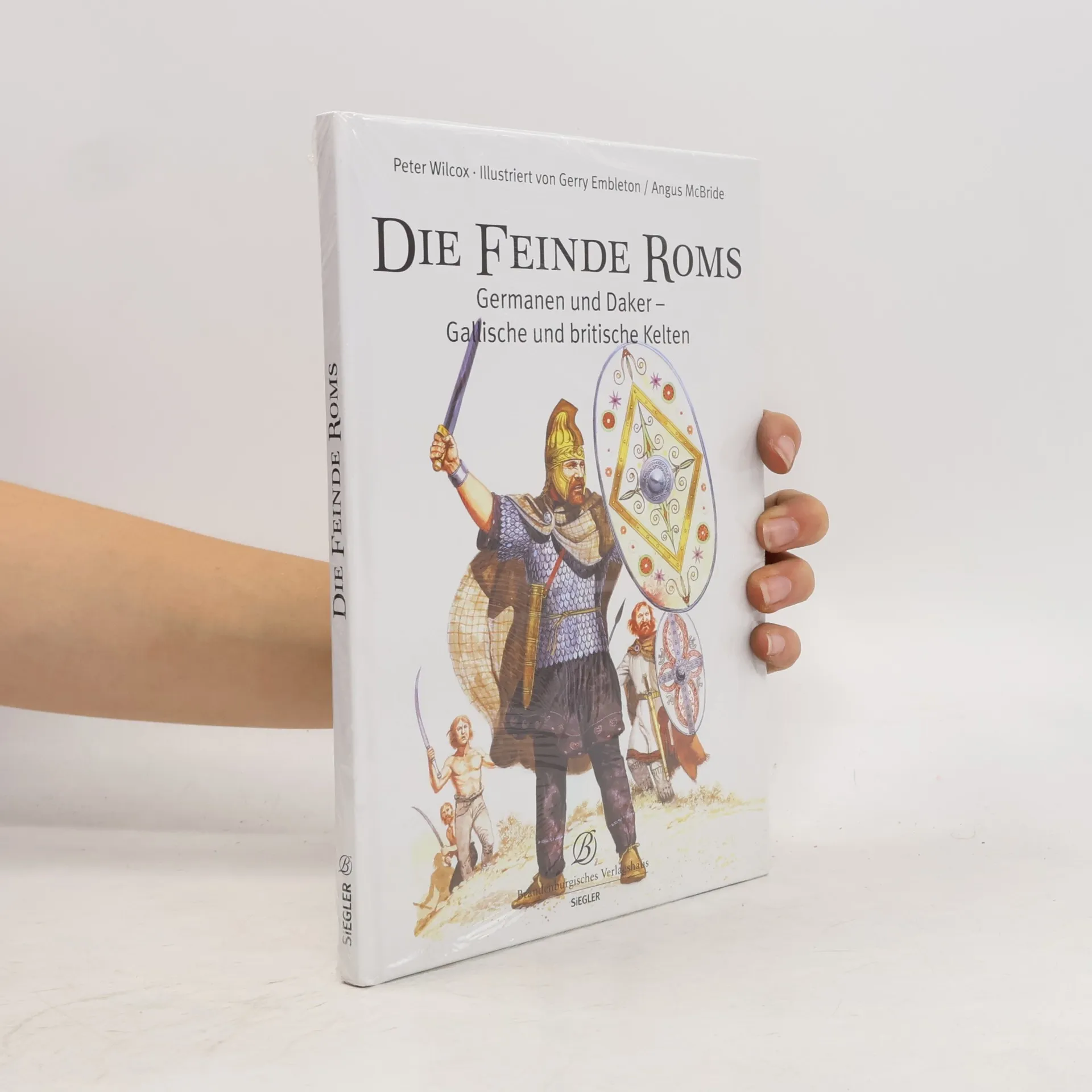
Die Germanen und Daker, diese energischen Barbaren aus dem Norden, zerstörten die westlichen Teile des römischen Imperiums. Sie waren es, die dem sterbenden Koloss im Süden den Gnadenstoß erteilten und anschließend das mittelalterliche Europa errichteten, das Feudalsystem und das Rittertum. Ihre direkten Nachfahren waren die Ritter und Krieger. In jeglicher Hinsicht waren sie die Erschaffer der modernen Welt, und es scheint ironisch, dass die meisten Menschen so gut wie nichts über sie wissen. Im Jahr 390 vor Christus zog eine gallische Armee gegen Rom ins Feld. Eine zuversichtliche römische Armee von 15.000 Mann, die ihr den Weg blockieren wollte, wurde besiegt. Drei Tage nach dieser Schlacht eroberten die Gallier Rom, von dem sie einen Großteil niederbrannten, und sie forderten viel Gold, wenn sie die Stadt verlassen sollten. Während dieses gewogen wurde, warf Brennus, der Anführer der Gallier, sein Schwert auf die Waage mit den Worten Vae victis, Schmerz den Besiegten so sagt man. Ein Gefühl, welches die Gallier unmittelbar danach eigenhändig erleben sollten
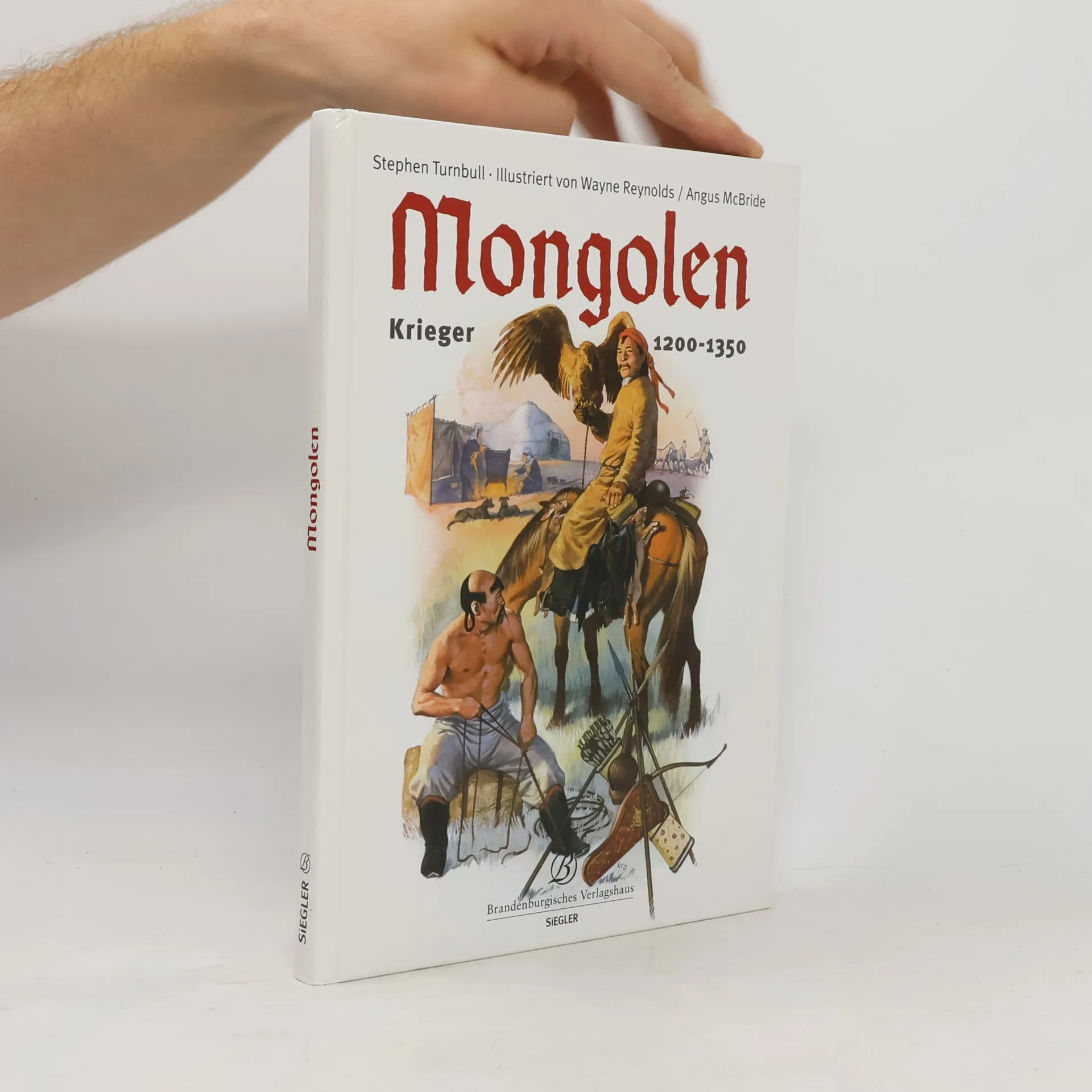
Die mongolischen Krieger sind eine der großen Erfolgsgeschichten der Weltmilitärgeschichte. Unter der Führung von Dschingis Khan und seinen Nachfolgern eroberten die Mongolen einen Großteil der bekannten Welt und kämpften in Gebieten, die von den gefrorenen Steppen über die Wildnis Palästinas bis zu den Dschungeln Javas und den großen Flüssen Chinas reichten. Dabei zeigten sie eine bemerkenswerte Fähigkeit, eine Vielzahl von militärischen Techniken und Technologien zu übernehmen, anzupassen und zu verbessern, von Belagerungswaffen bis hin zur Marinekriegsführung. Dieses Buch erzählt die Geschichte dieser bemerkenswerten Militärorganisation, einschließlich Details zu Waffen, Taktiken, Ausbildung und Überzeugungen.
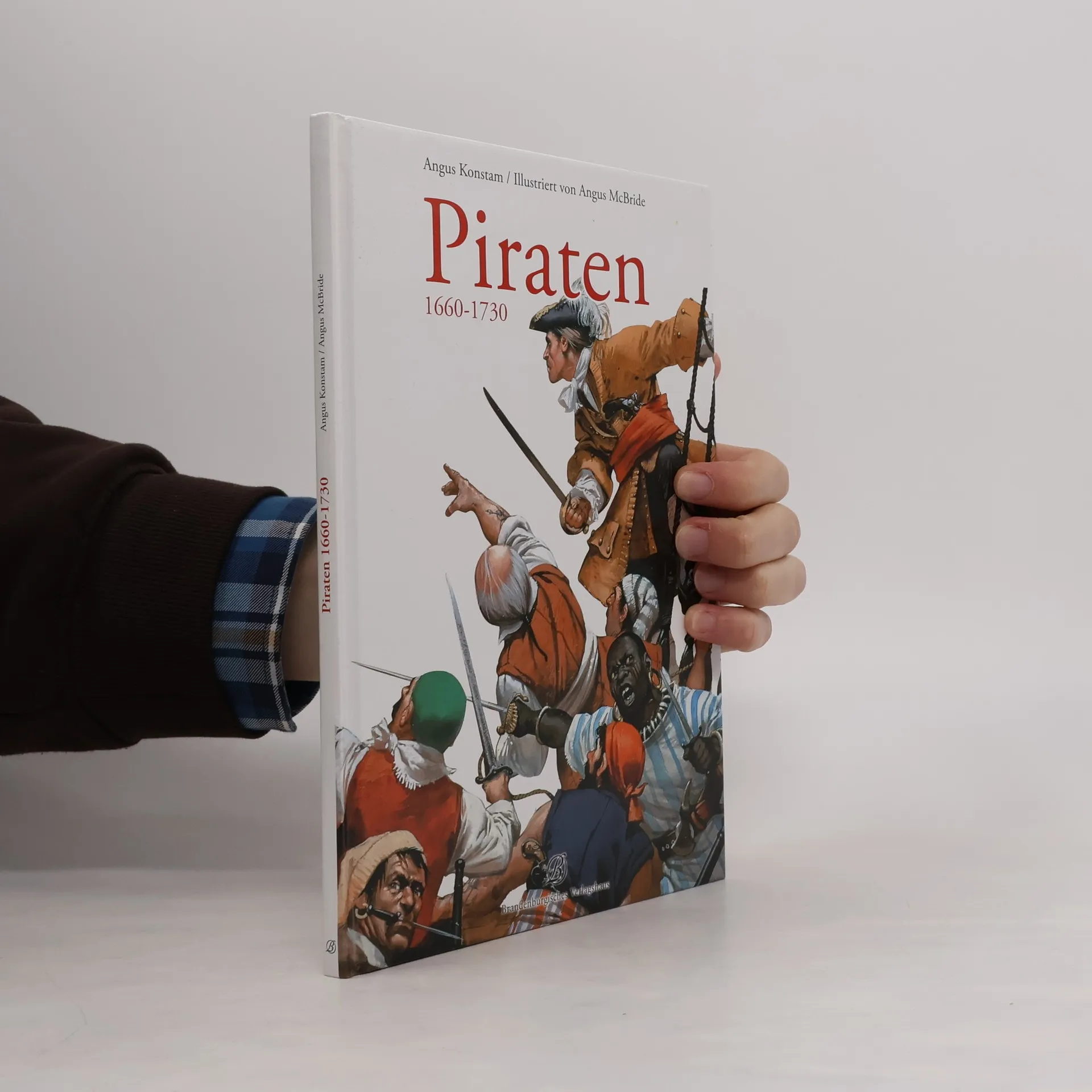
Wilde Seeschlachten, Rum, Eroberungen und Schätze – Das sind die Bilder, die man mit berüchtigten Piraten verbindet. Dieses Buch gibt ein präzises Bild des sogenannten „Goldenen Zeitalters“ der Piraterie (1660 - 1730). Es beschreibt ausführlich, was Menschen zu einem Piratenleben auf See verleitete, wie sich Piraten kleideten, welche Waffen sie besaßen und wie ihre Eroberungspläne aussahen. Natürlich versäumt es dieses kleine Piraten-Lexikon dabei nicht, die wichtigsten Vertreter der Piraterie vorzustellen, darunter Henry Morgan, William Kidd, Henry „Long Ben“ Avery und Stede Bonnet.
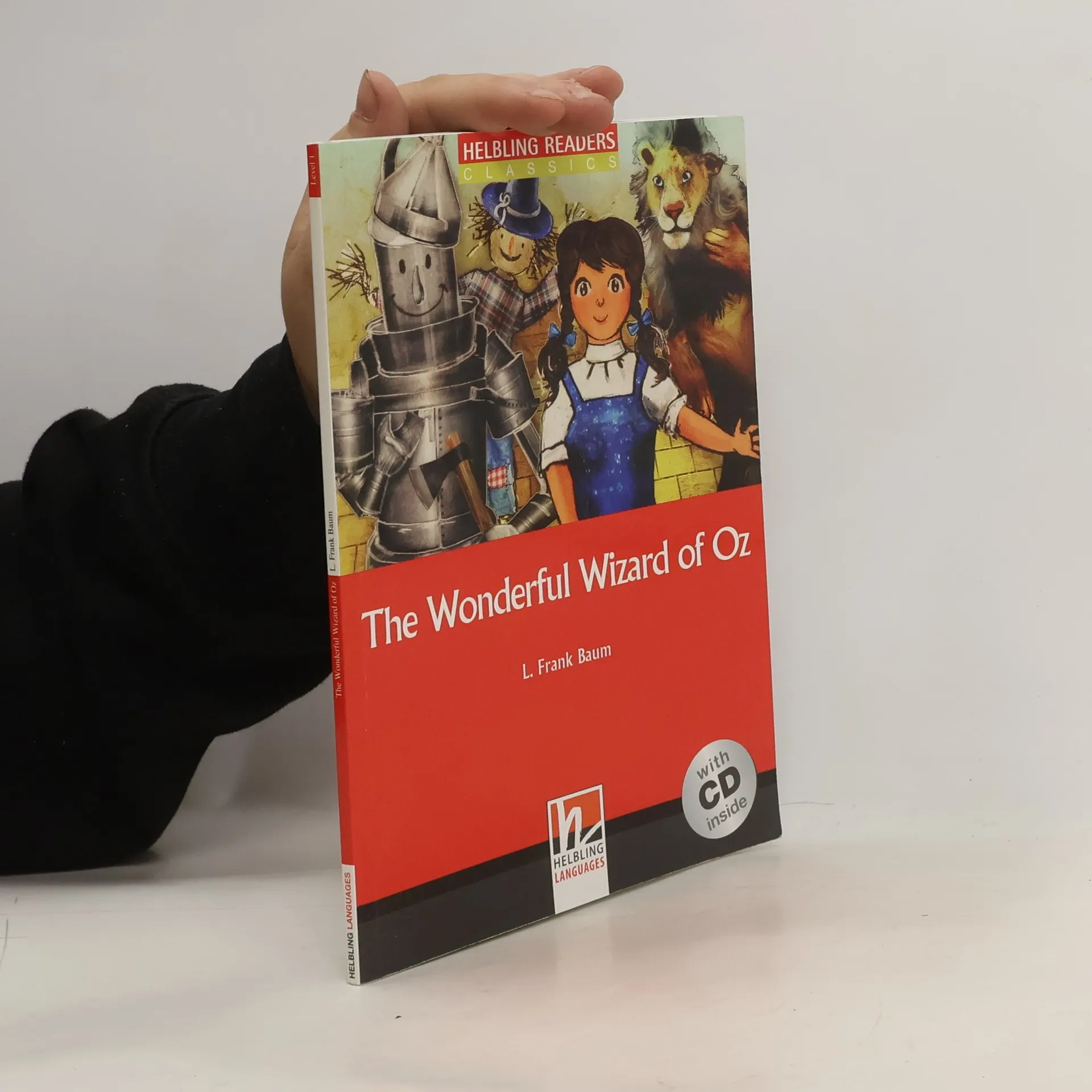
Helbling Readers Classics have a wide variety of Before and After Reading activities to help and develop understanding, as well as background information, fact files and lots of pointers for project and culture work. The stories are carefully gradedin five levels according to internationally recognised standards and include preparation for the Cambridge ESOL and Trinity exams. Helbling Readers Classics have a wide variety of Before and After Reading activities to help and develop understanding, as well as background information, fact files and lots of pointers for project and culture work. The stories are carefully gradedin five levels according to internationally recognised standards and include preparation for the Cambridge ESOL and Trinity exams.
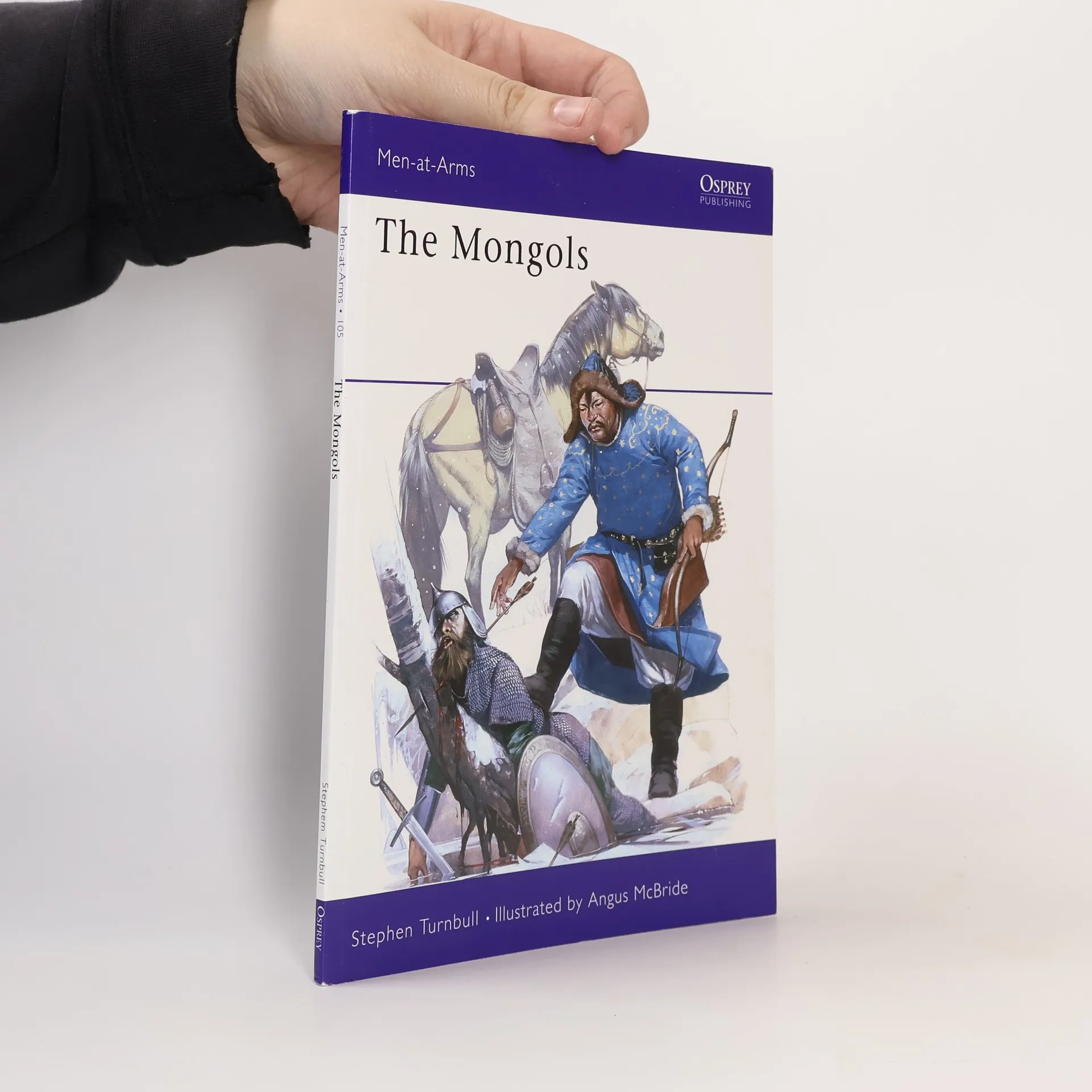
The history of the Mongol armies is a catalogue of superlatives. No armies in history have ever won so many battles or conquered so much territory. No army has ever provoked such justifiable terror and loathing in its victims, or slaughtered so many of its vanquished. What other army in history has marched on Russia in the winter and survived, let alone won victories? The stories of these and many other amazing feats of this 'barbarian' people are here brought vividly to life by Stephen Turnbull, from the birth of Genghis Khan in the wind-swept steppes of Mongolia, through the conquest of China and beyond.
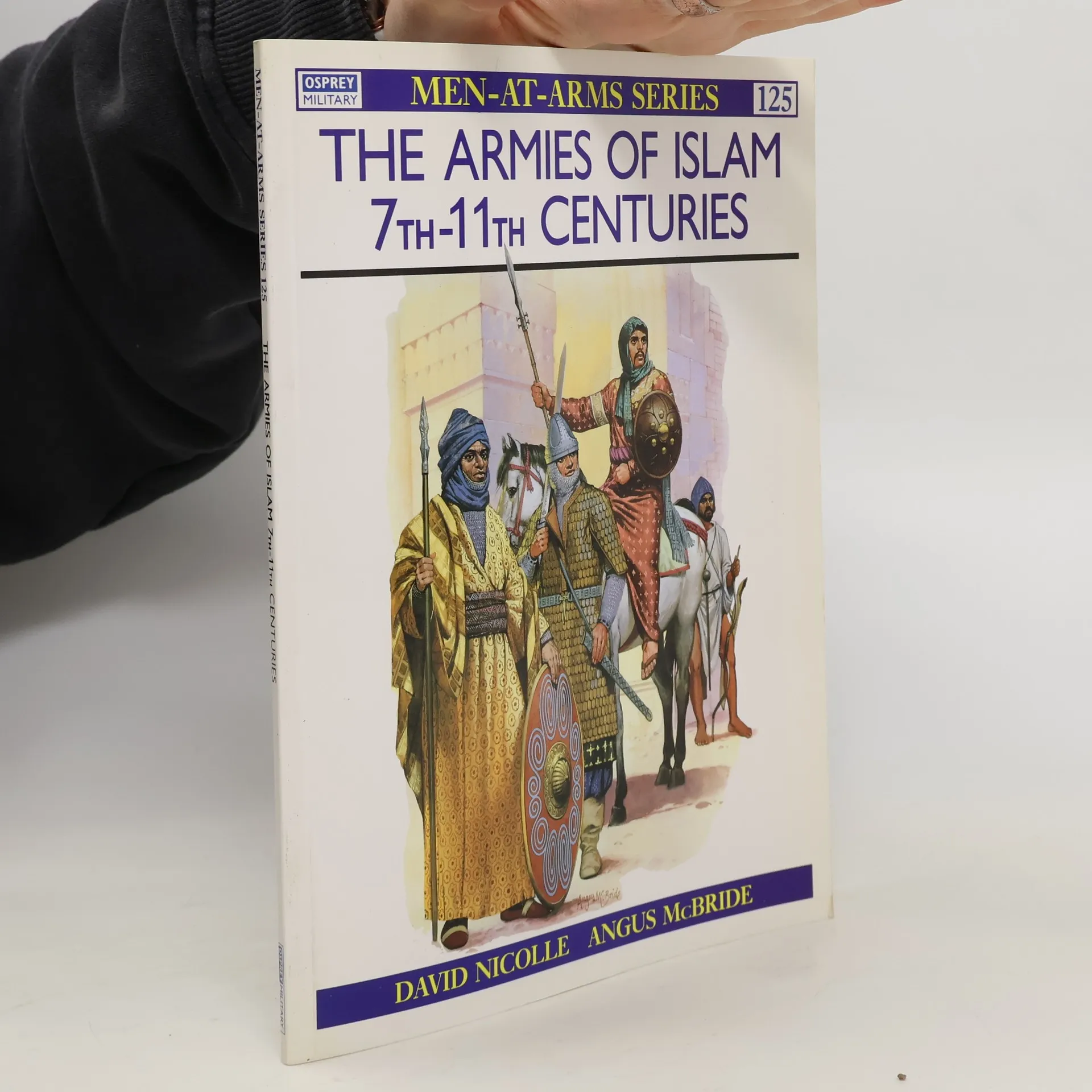
During the Middle Ages, Islam was Christian Europe's only civilized and most troublesome neighbor. The Middle Ages saw almost continual strife between these two distinct cultures. By the time the Frankish Crusaders reached the Middle East at the end of the 11th century, Islam had already incorporated three major races: Arabs, Persians and Turks, each of which contributed different strengths to the armoury of Islam. This title explores the organization, uniforms and equipment of the armies of Islam from the 7th to 11th centuries, backed by illustrations, museum photographs and eight full page color plates by popular Osprey artist Angus McBride.
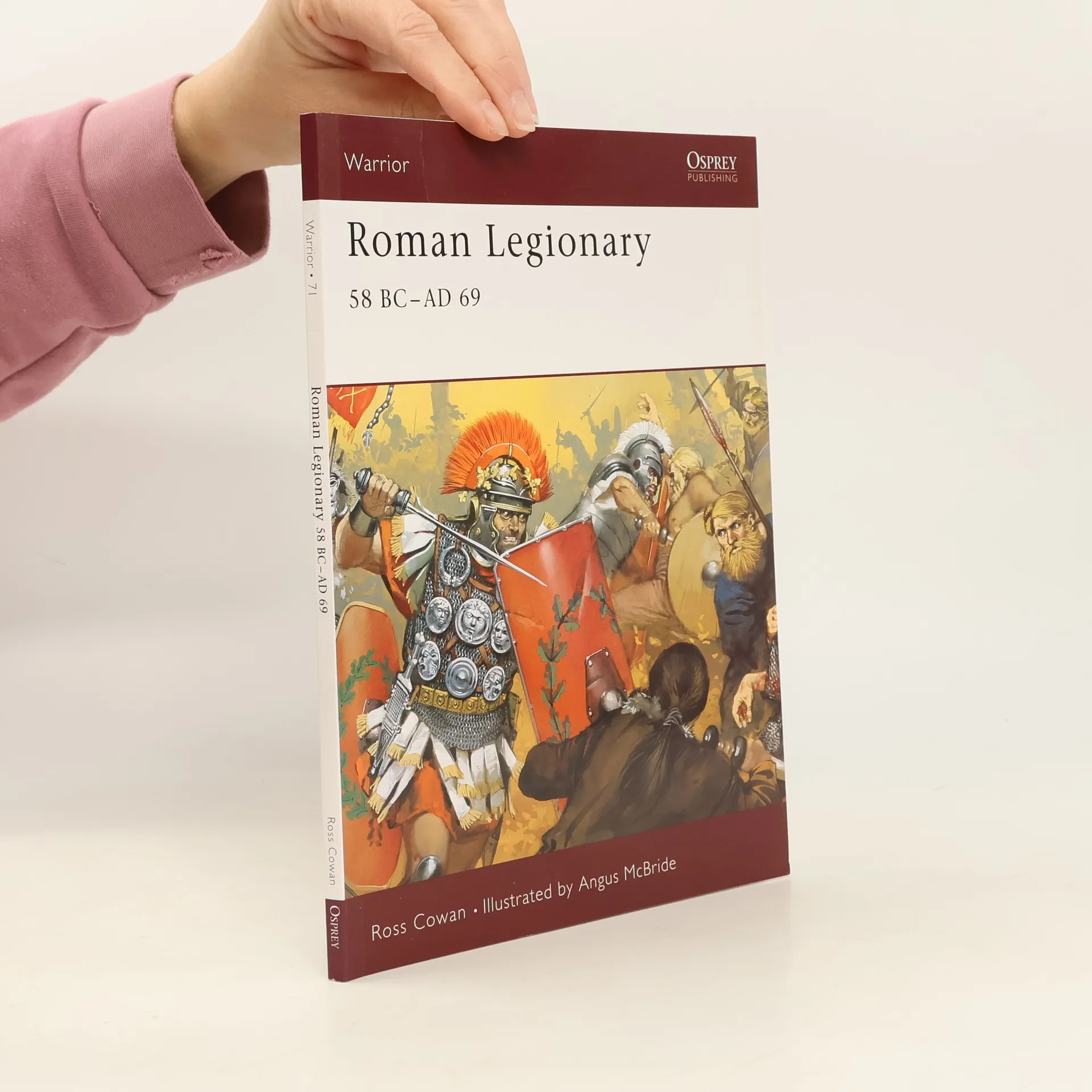
The period 31 BC-AD 43 saw the greatest expansion of the Roman Empire. In 31 BC Octavian defeated Antony at the battle of Actium and remodelled the semi-professional Roman army into a permanent force of 28 legions. Octavian became the first emperor (Augustus) and under his leadership the legions conquered northern Spain, all Europe south of the Danube line and Germany west of the Elbe. The legionaries exemplified the heroic culture of the Roman world and this title takes a behind-the-scenes look at their lives, training, weaponry and tactics, including the bloody massacre of the Teutoberg forest.
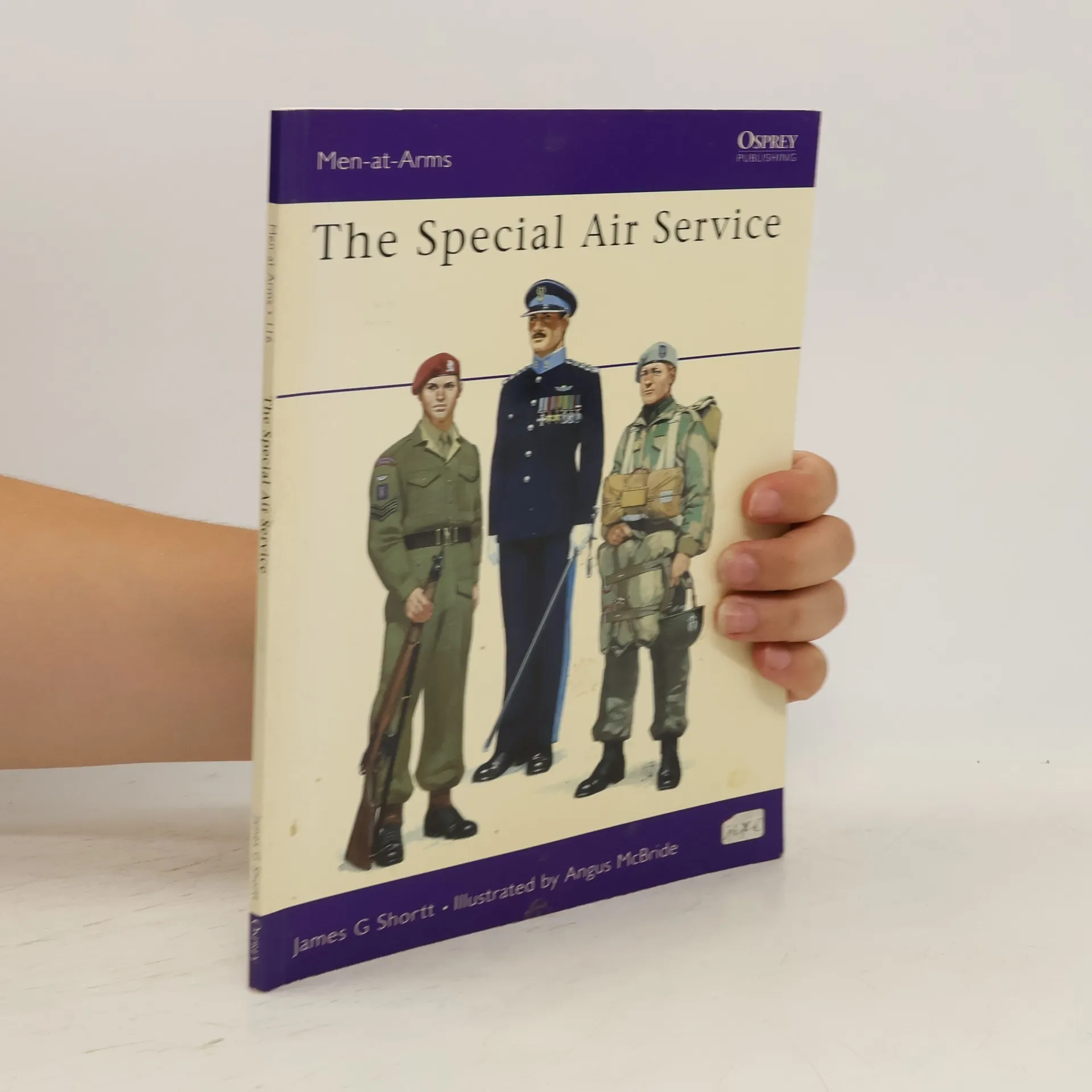
Since its birth at Kabrti in 1941, the Special Air Service has consistently captured the imagination of the military and public alike by the daring and unconventional nature of its operations. The nature of the tasks and the methods peculiar to the SAS have made it difficult to standardise items of equipment. Apart from issues common to the British Army as a whole, SAS personnel have need of, and access to, various specialised 'pieces of kit': often SAS innovations created to meet specific needs. James Shortt investigates the organisation, tactics, equipment and remarkable history of Britain's elite fighting force.
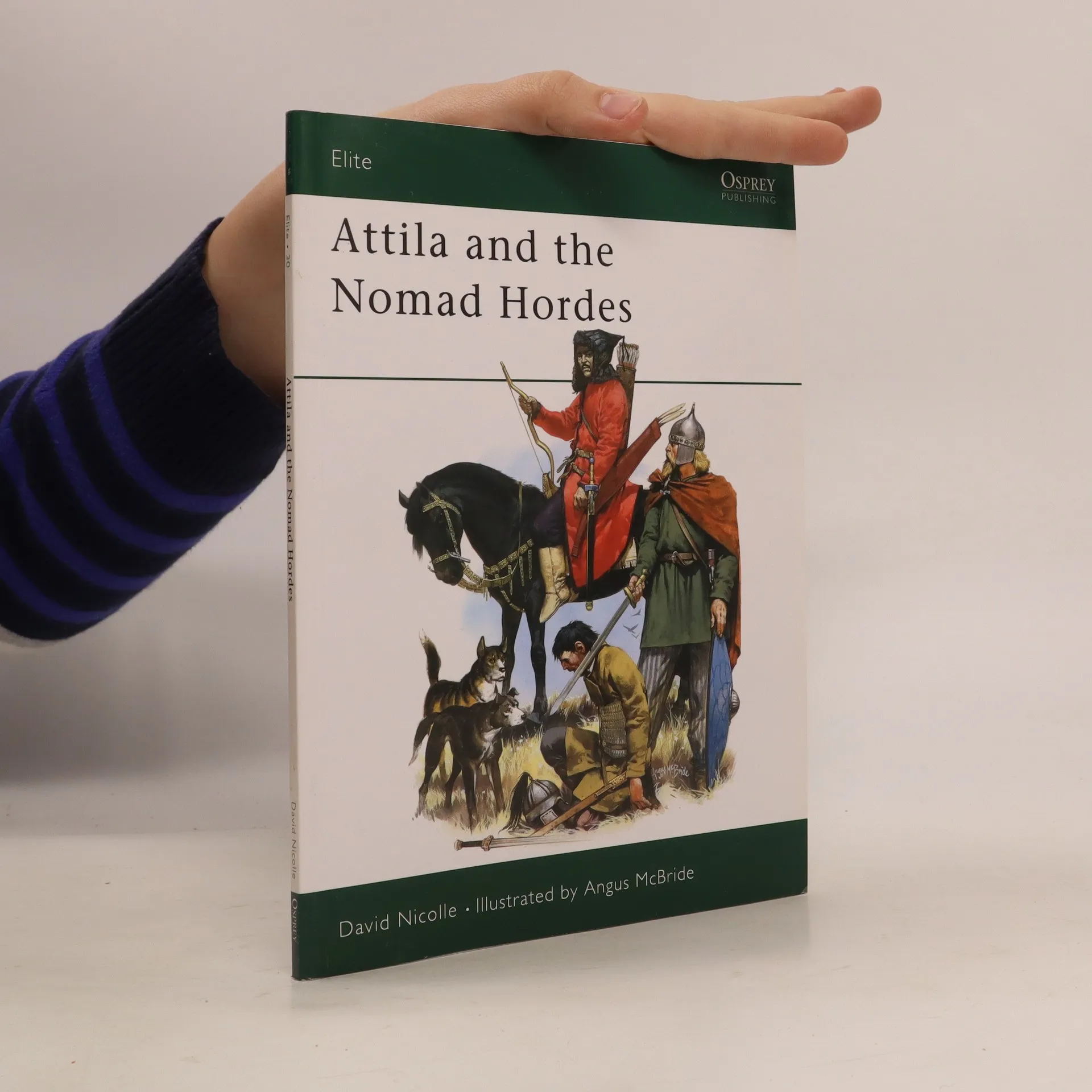
Of all the conquerors who swept out of Central Asia, two names stand out in European memory – Attila the Hun and Genghis Khan the Mongol. Both are remembered for massacres and devastation; yet whereas Genghis is also famous for the laws he imposed on half of Asia and for the trade which flourished under Mongol rule, Attila's notoriety seems unrelieved by positive achievements. But what was Attila's short-lived empire really like? What happened to the Huns afterwards, and what role did the nomads of Central Asia play in the centuries between Attila and Genghis Khan?
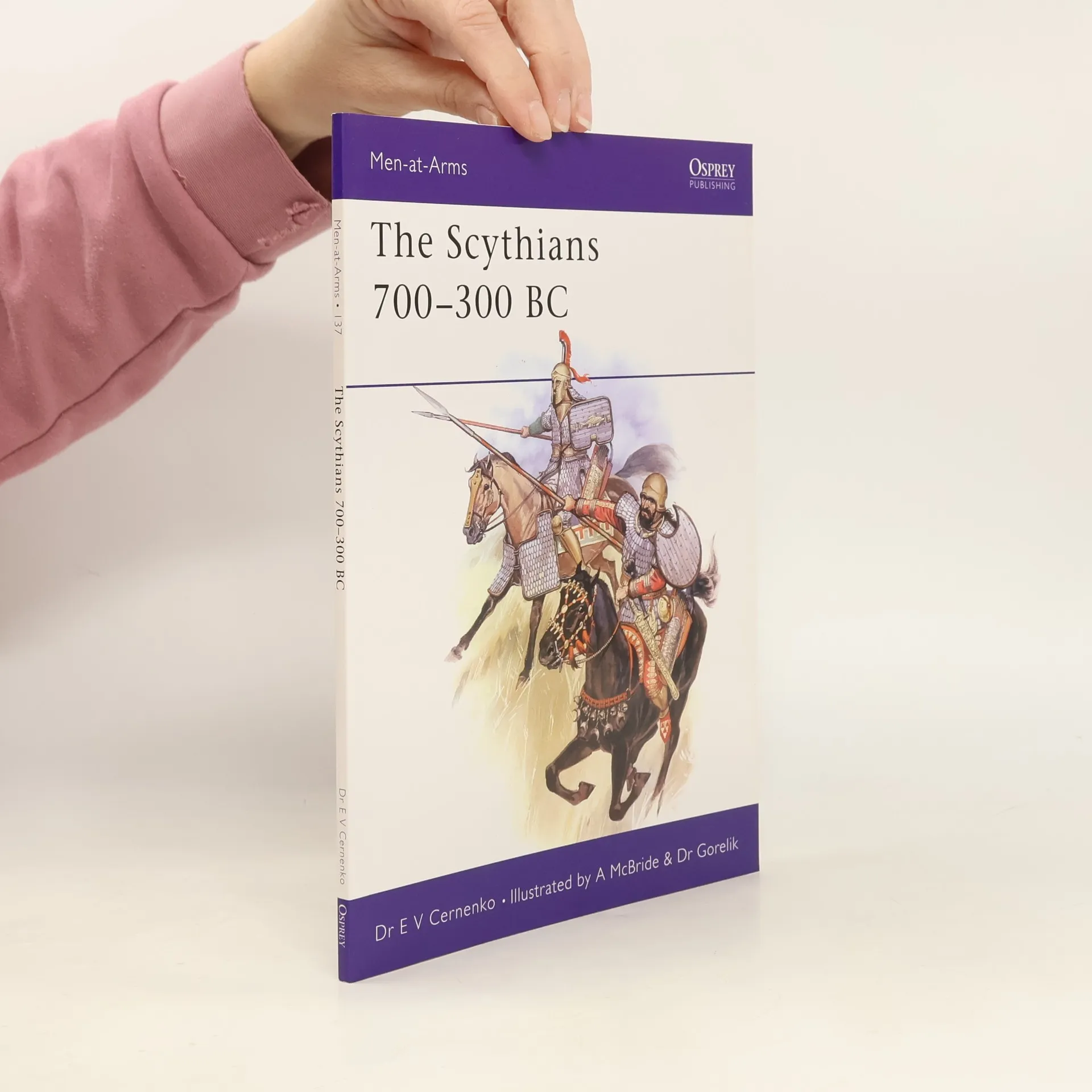
Though the 'Scythian period' in the history of Eastern Europe lasted little more than 400 years, the impression these horsemen made upon the history of their times was such that a thousand years after they had ceased to exist as a sovereign people, their heartland and the territories which they dominated far beyond it continued to be known as 'greater Scythia'. From the very beginnings of their emergence on the world scene the Scythians took part in the greatest campaigns of their times, defeating such mighty contemporaries as Assyria, Urartu, Babylonia, Media and Persia. This highly illustrated book details their costume, weapons and the way they waged war
This title examines some of the most colourful and fanciful uniforms in military history, those of Napoleon's Guard Cavalry. The detailed text covers units such as the Grenadiers à Cheval; the Empress's Dragoons; the Chasseurs à Cheval; the Mamelukes; the Gardes d'Honneur; the Polish Lancers; the Dutch Lancers; the German Lancers and the Lithuanian Tartars. A plethora of illustrations complement the text, including eight fine full page colour plates by inimitable Angus McBride, providing admirably detailed reconstructions of uniforms and accompanied by ten pages of commentaries.
Describes the weapons, armour, uniforms and insignia of Japanese Samurai warriors from 1550 to 1600, and includes contemporary illustrations and new full-colour plates.
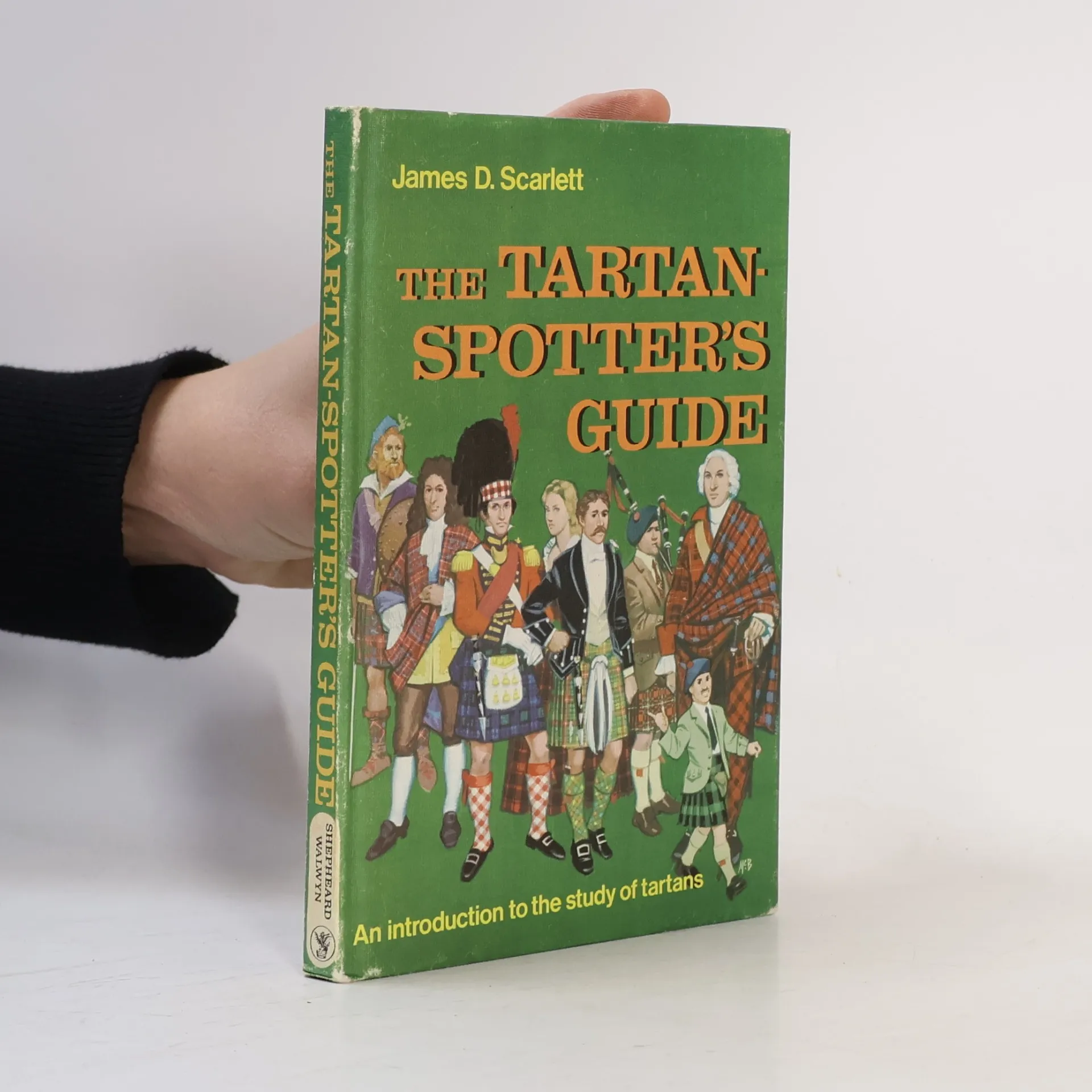
An introduction to the study of tartans
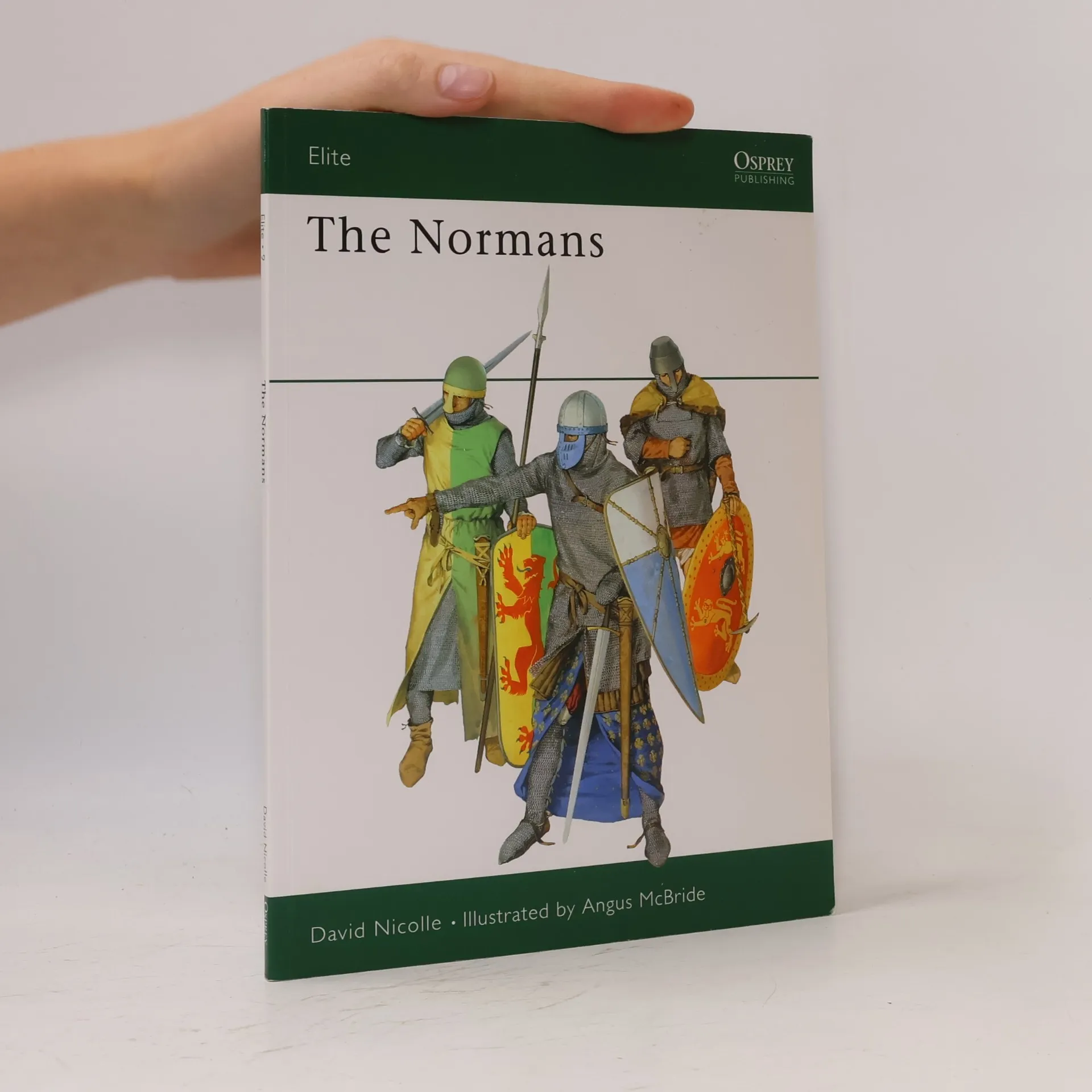
Osprey's study of the Normans during the Middle Ages. Despite the small geographic extent of Normandy its people played a crucial role in the history of the medieval world. Ferocity, boundless energy, cunning and a capacity for leadership were their heritage, to which modern scholars would add supreme adaptability and a simple piety. Their amazing military successes resulted from careful planning, speed of movement, decisiveness, daring and sheer ruthlessness. Added to this was a strong business sense and an appreciation of the value of money. Veteran Osprey author David Nicolle describes the history, arms and armour of the remarkable Normans in this fascinating volume.
This exciting encyclopedia contains Over 500 pages of lively informative text More than 1,000 colourful illustrations Six sections covering the many aspects of the world we live in Wide-ranging appeal for children with enquiring minds
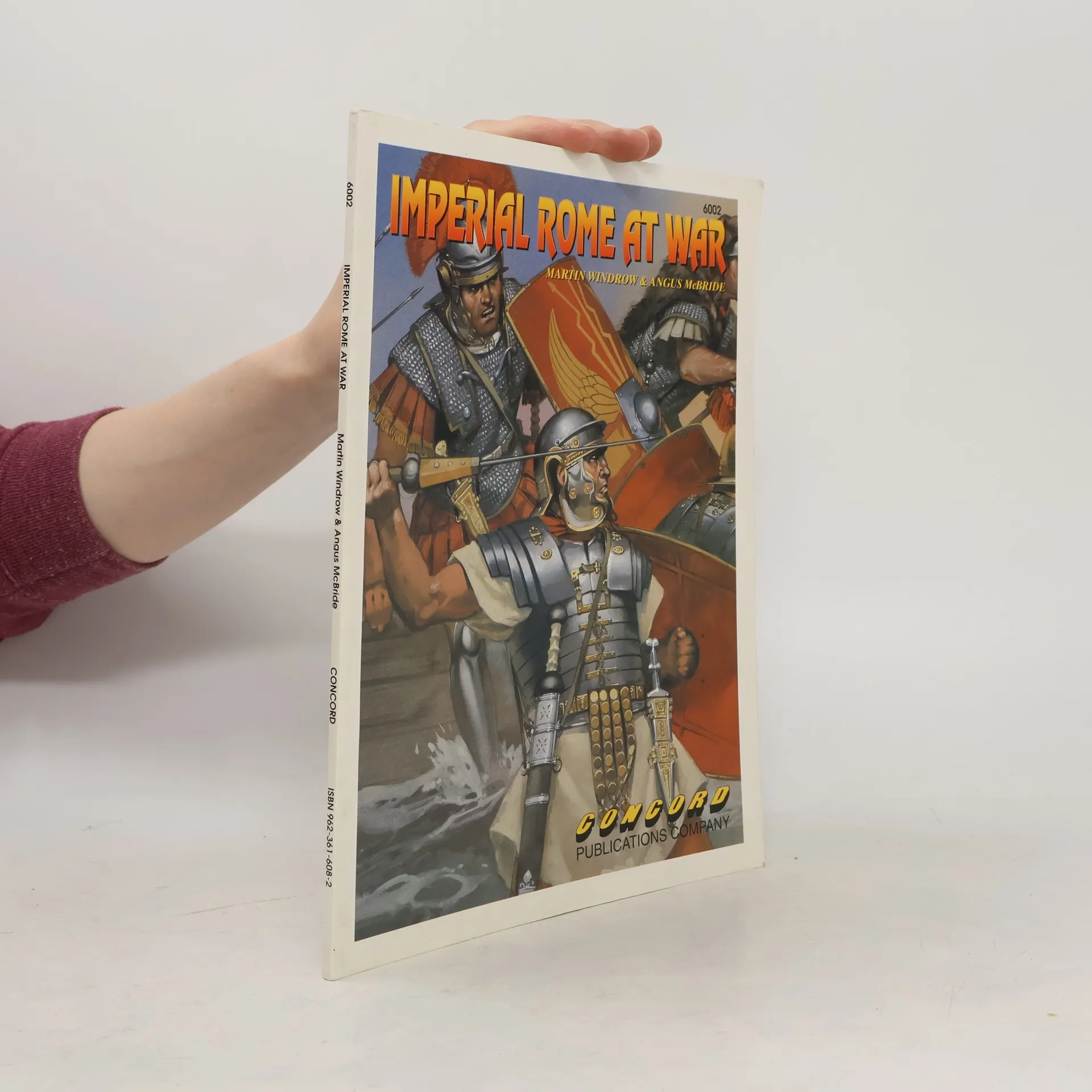
Imperial Rome at War Concord Publications #6002 U1
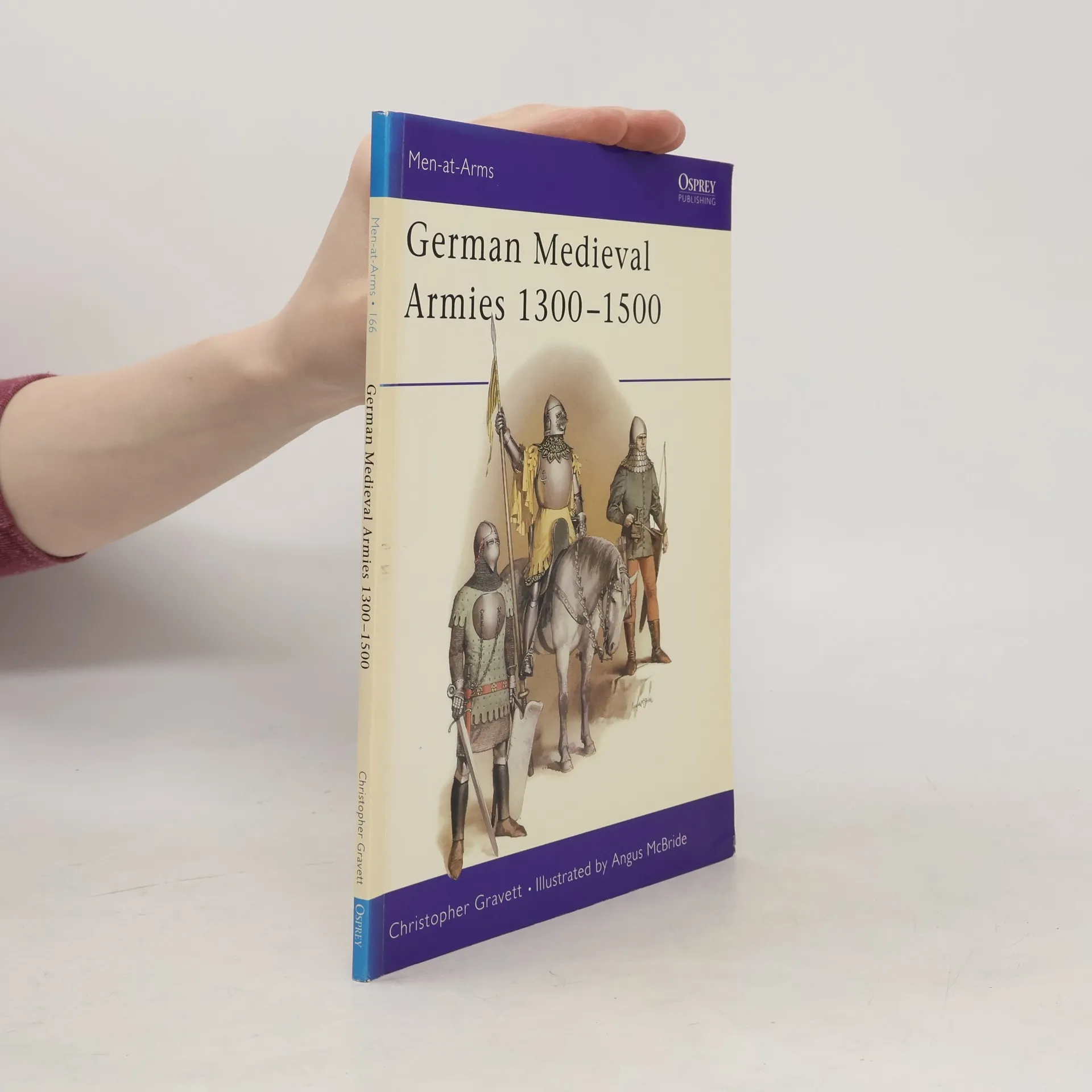
The German rulers were forceful and powerful men, and, surrounded by potential enemies, circumstances dictated the necessity of rule by strength based on military capacity. In the later 15th Century, three houses rose above the others; the families of Wittelsbach, Luxemburg and the powerful Austrian Hapsburgs. The struggles of these and other houses, and of the knights and towns, were to be a feature of German history throughout the Middle Ages. This title details the dress, weapons, heraldry and insignia of these prolific forces, as well as various battles, such as the Battle of Goellheim of 1298.
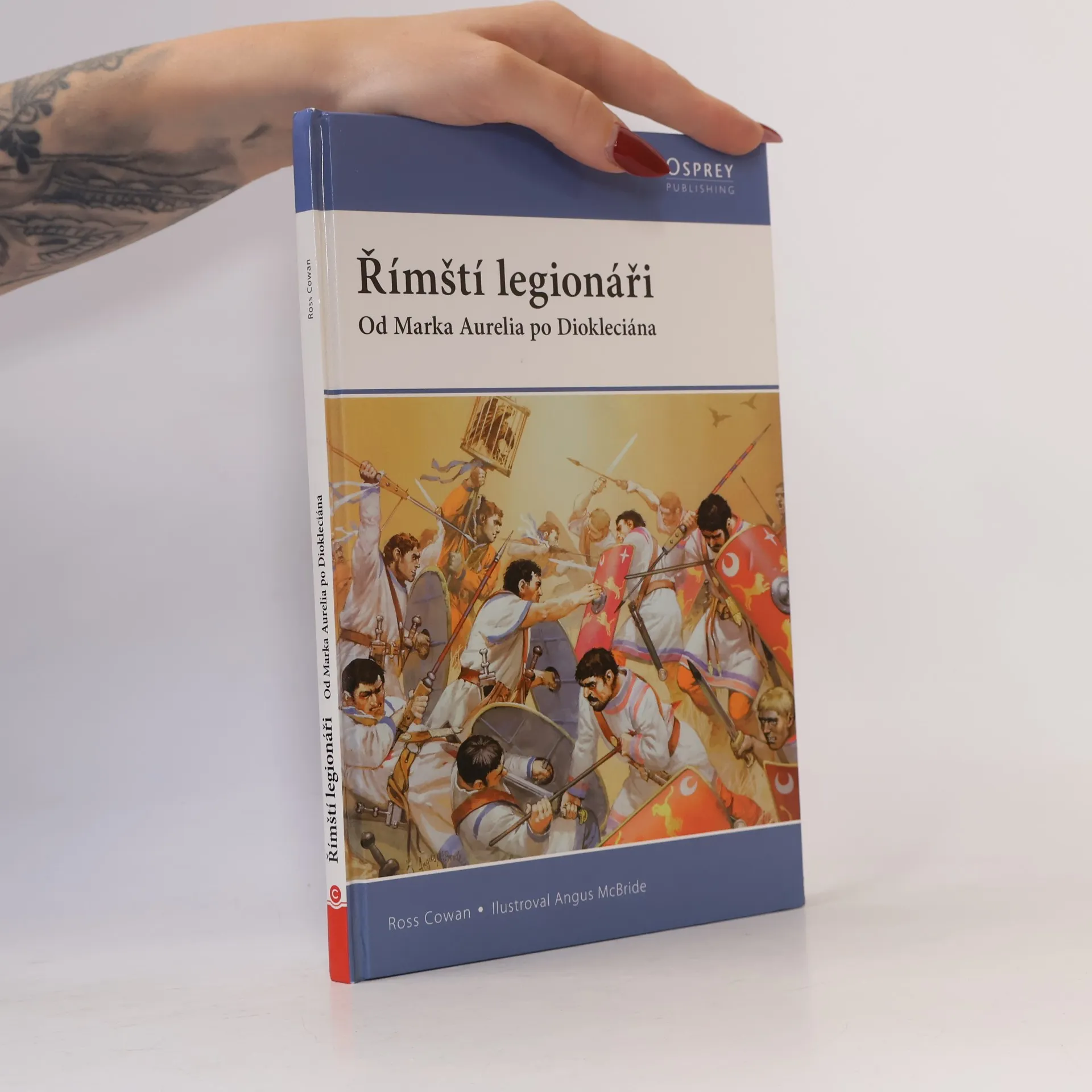
V letech 161 až 284 n. l. se římské legie účastnily bitev a válek, které byly svým rozsahem nevídané od dob pozdní republiky. Legie byly zcela zničeny ve válkách, s ostudou rozpuštěny pro vzpouru nebo nově zakládány za účelem vedení útočných i obranných válek. Tato publikace se zabývá legiemi císařského období s důrazem na legii II Parthica. Ta byla vytvořena císařem Septimiem Severem v roce 193/4, sídlila v Albanu nedaleko Říma a jako panovníkova osobní legie se stala jednou z nejvýznamnějších vojenských jednotek říše.
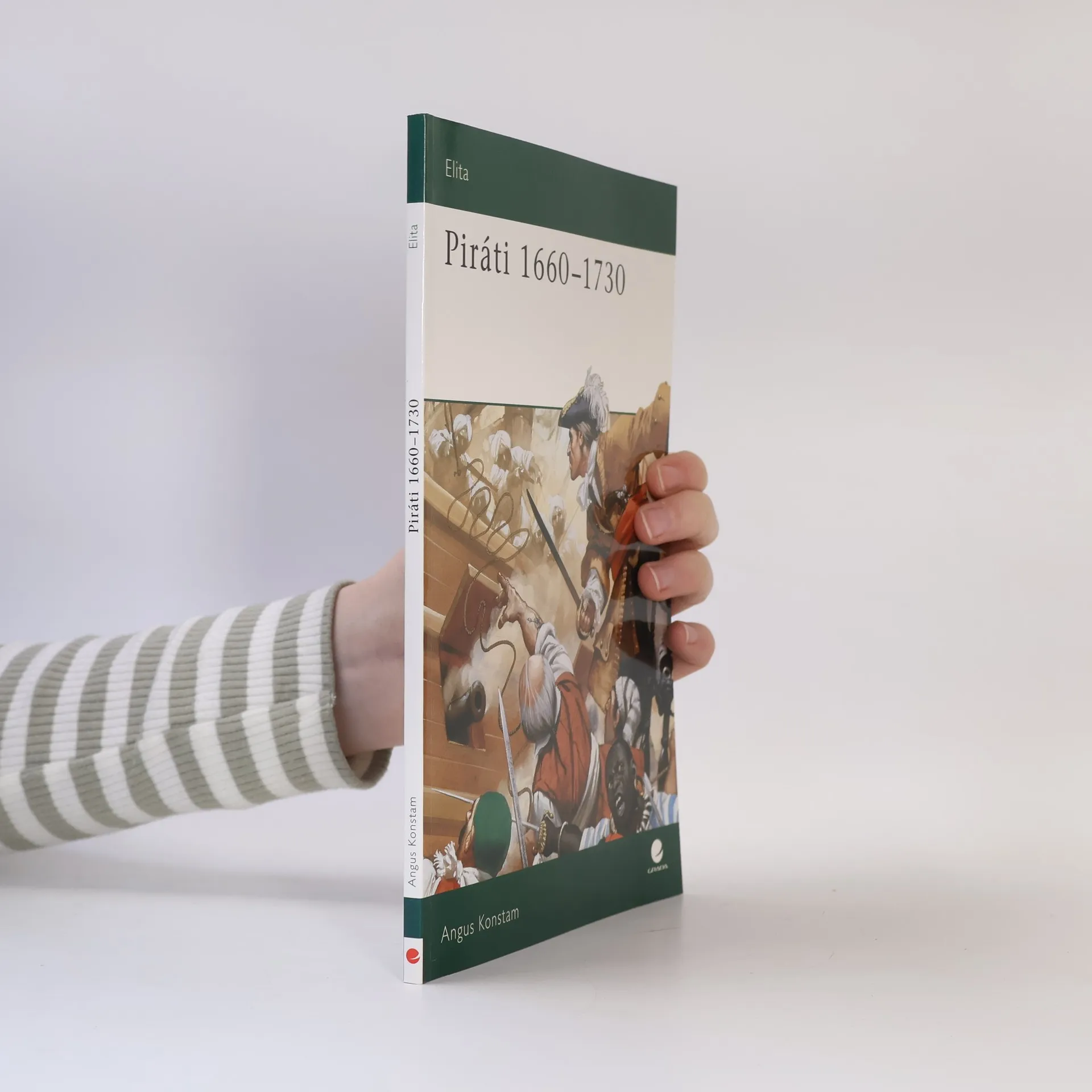
Publikace podává nesmírně poutavý a zároveň pravdivý obraz pirátů, kteří se plavili ve vodách Karibiku a podél pobřeží Ameriky během "zlatého věku" pirátství v letech 1660 až 1730. Podrobně líčí, co přimělo jednotlivce k pirátskému životu, jak se piráti oblékali, jaké používali lodě a zbraně, jaké bylo složení posádky i to, jakými zákony se řídila a jak si dělila kořist. Značné místo je pak věnováno portrétům nejvýznačnějších pirátů, kteří představovali skutečnou hrozbu pro námořní dopravu a obchod. Text doprovází velké množství obrazového materiálu.
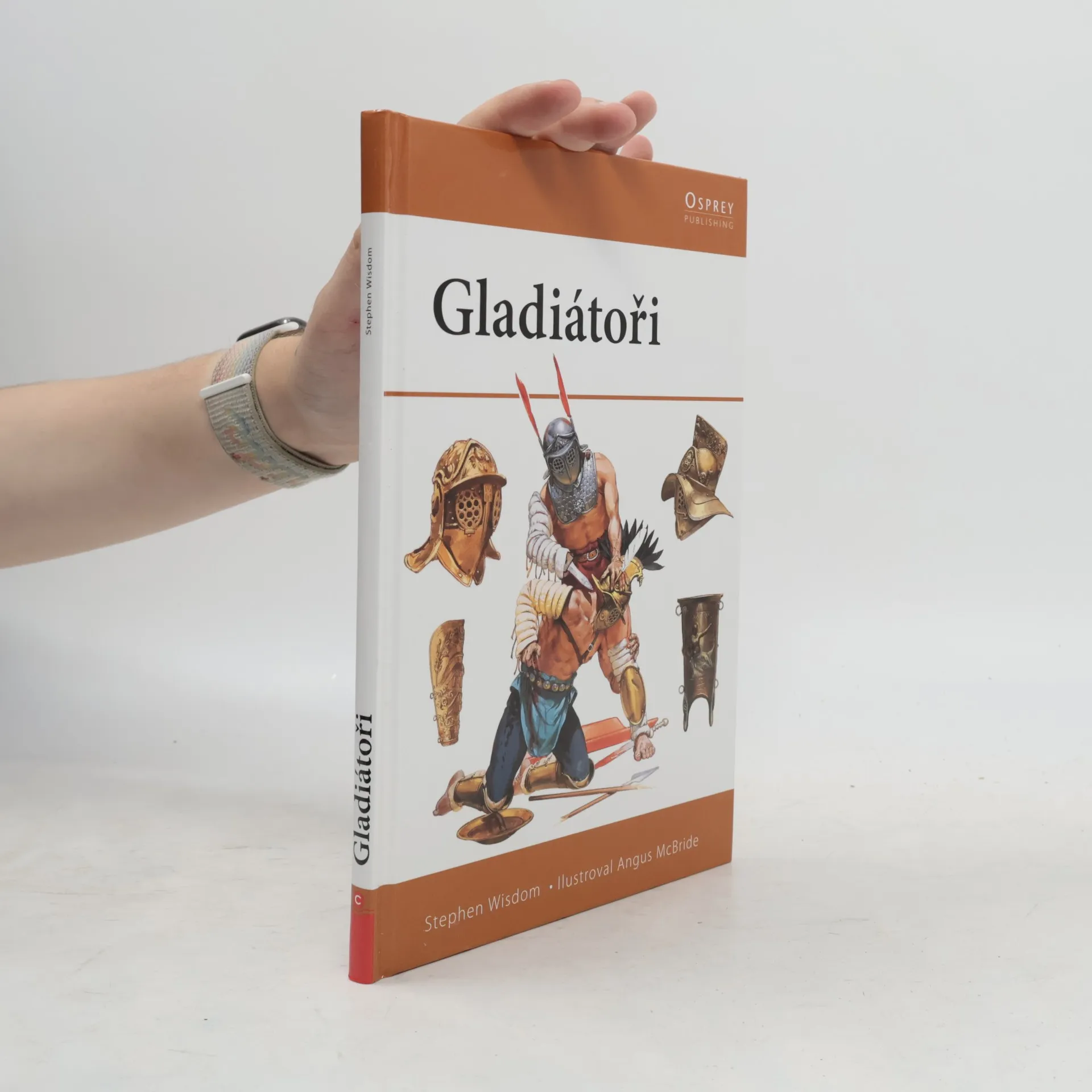
Gladiátorské hry římského světa zahrnovaly bitvy pro zábavu a zabíjení pro zisk. Ačkoli neblaze prosluly využíváním válečných zajatců, otroků a odsouzených zločinců, přesto se našli i dobrovolní zájemci o gladiátorskou profesi. Atrkativní podívaná byla nade vše: bojovníci byli povzbuzováni k prolévání krve protivníka a prodloužení jeho utrpení. Pro občany i císaře předváděli gladiátoři drama plné násilí - a publikum je za to milovalo. Tato kniha rozebírá, jak se muži - a také ženy - ocitli v aréně. Podrobně rovněž popisuje různé typy gladiátorů, jejich výzbroj a výstroj, jaký byl jejich každodenní život a výcvik - a jak vše vyvrcholilo vstupem do arény.
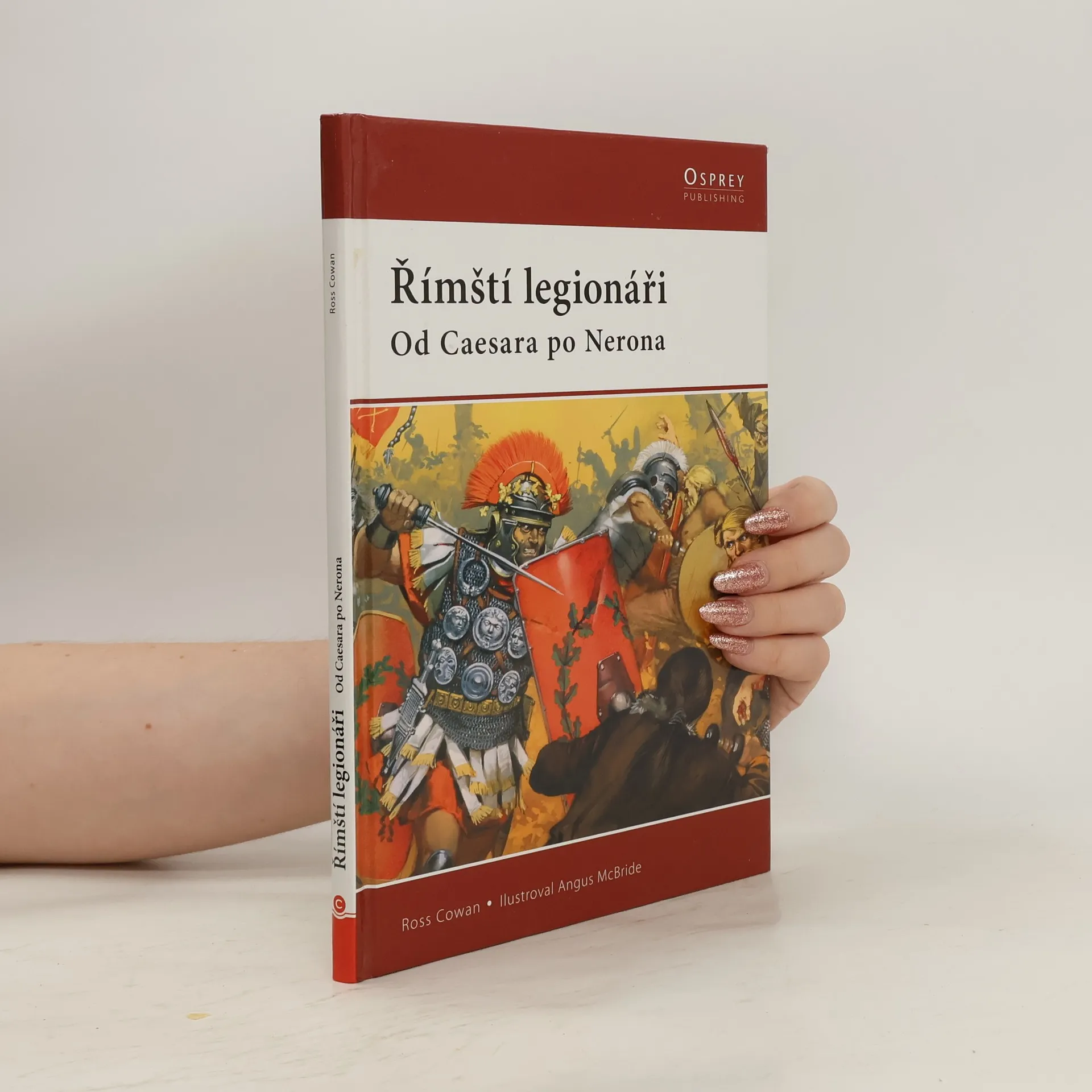
Období mezi lety 58 př. n. l. a 69 n. l. je dobou největší expanze římské říše. V roce 31 př. n. l. se Octavianovi podařilo porazit Marka Antonia v bitvě u Actia. Následně přebudoval částečně profesionální římskou armádu na stálou vojenskou sílu čítající 28 legií. Stal se také prvním císařem (Augustus) a pod jeho vedením legie dobyly severní Španělsko, Evropu na jih od Dunaje a Germánii na západ od Labe. Legionáři pak byli zosobněním heroické kultury římského světa a tato kniha nabízí pohled do zákulisí jejich života, výcviku, výzbroje a taktiky, včetně popisu krvavého masakru v Teutoburském lese.
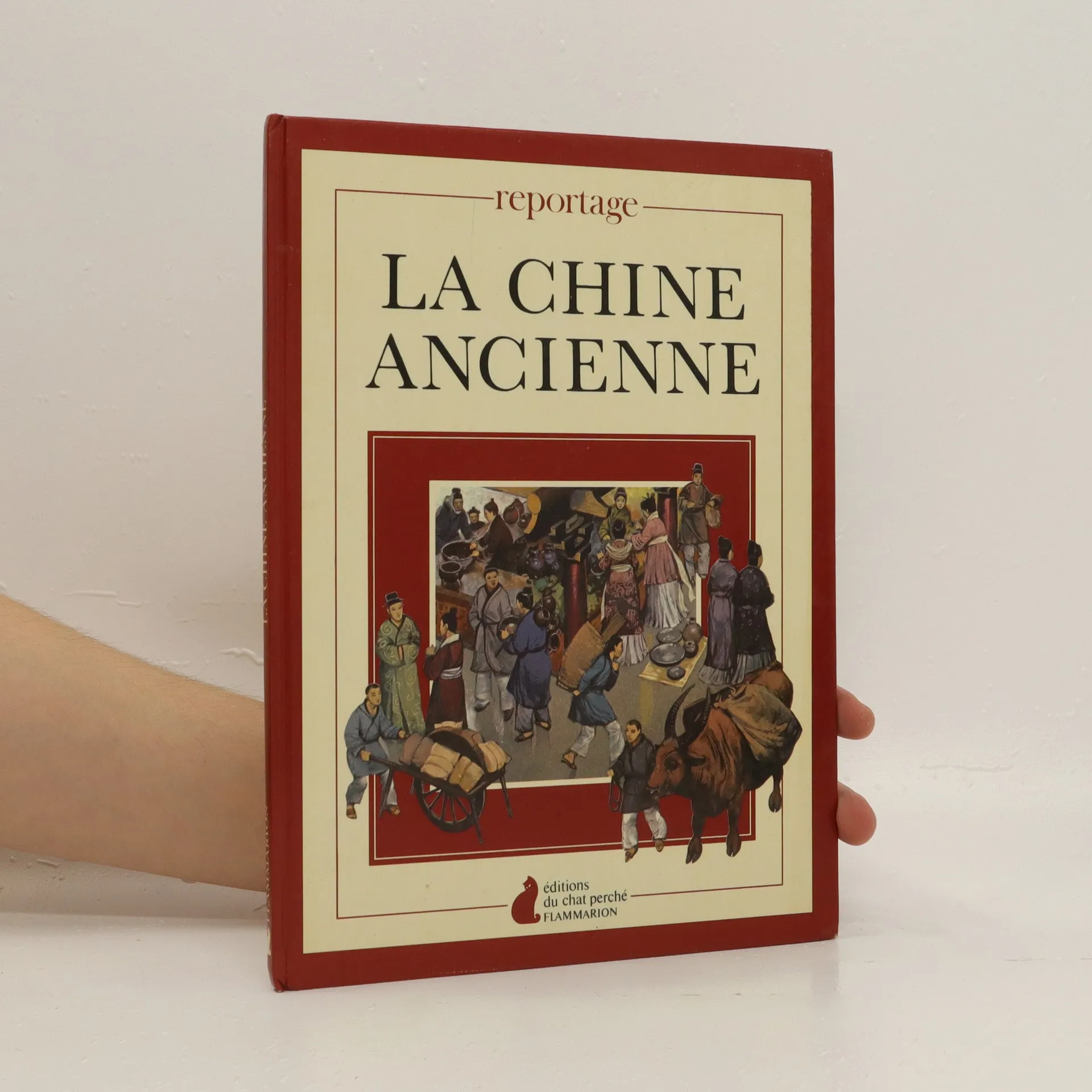
Un reportage succinct qui donne une information assez rigoureuse sur le sujet énoncé. Illustrations, cartes géographiques, plans étoffent une mise en page aérée. L'absence d'un glossaire et d'index accentue, en l'occurence, la difficulté du vocabulaire technique. Pour les 11-13 ans.