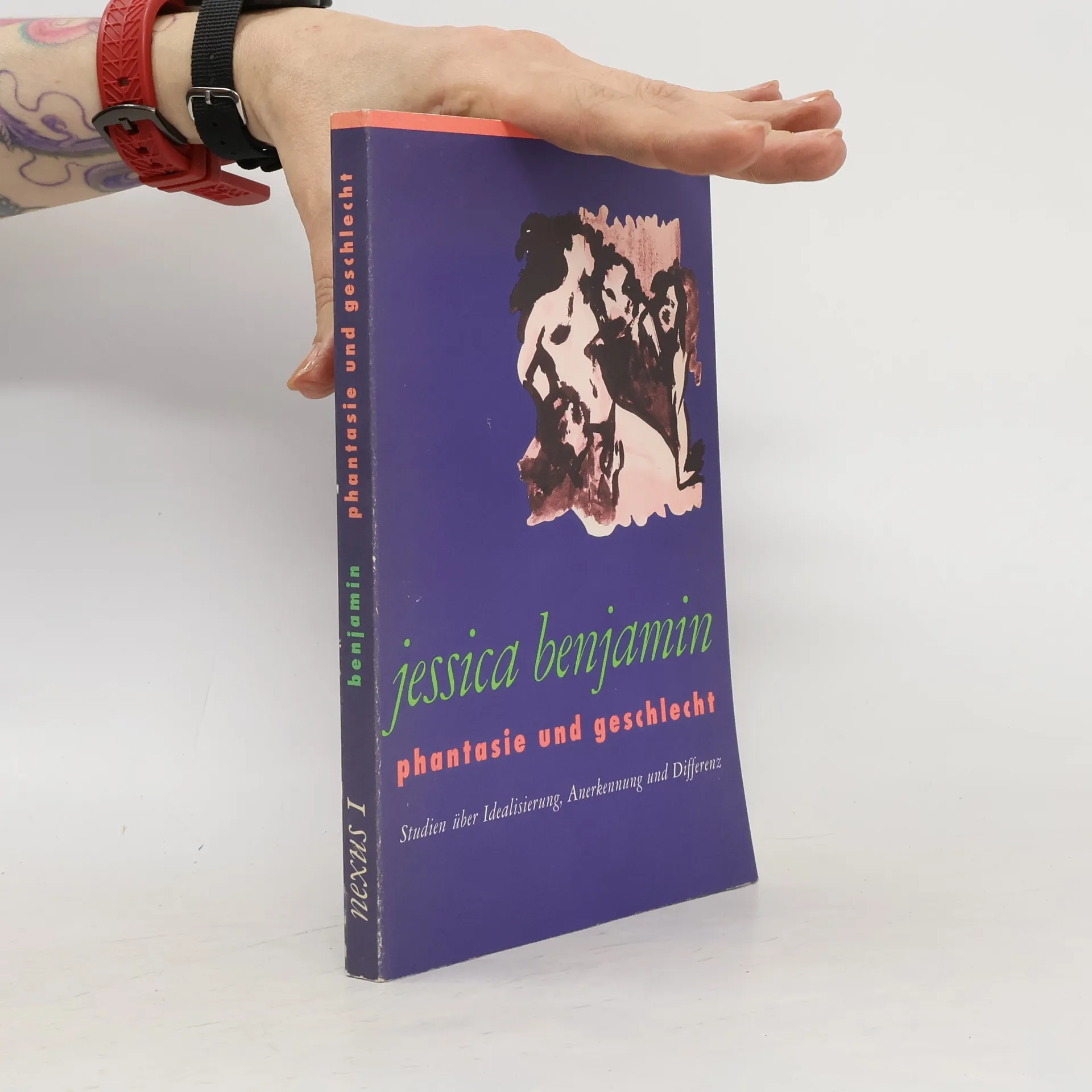
In diesem Werk erörtert die Autorin Geschlechterfragen aus der Perspektive der Entwicklungspsychoanalyse. Jessica Benjamin, Psychoanalytikerin und Feministin, plädiert für das, was sie Geschlechterheterodoxie nennt - eine Sicht auf die Ähnlichkeiten und Unterschiede zwischen den Geschlechtern - und beleuchtet dabei Aspekte von Liebe, Sexualität, Aggression und Pornografie.
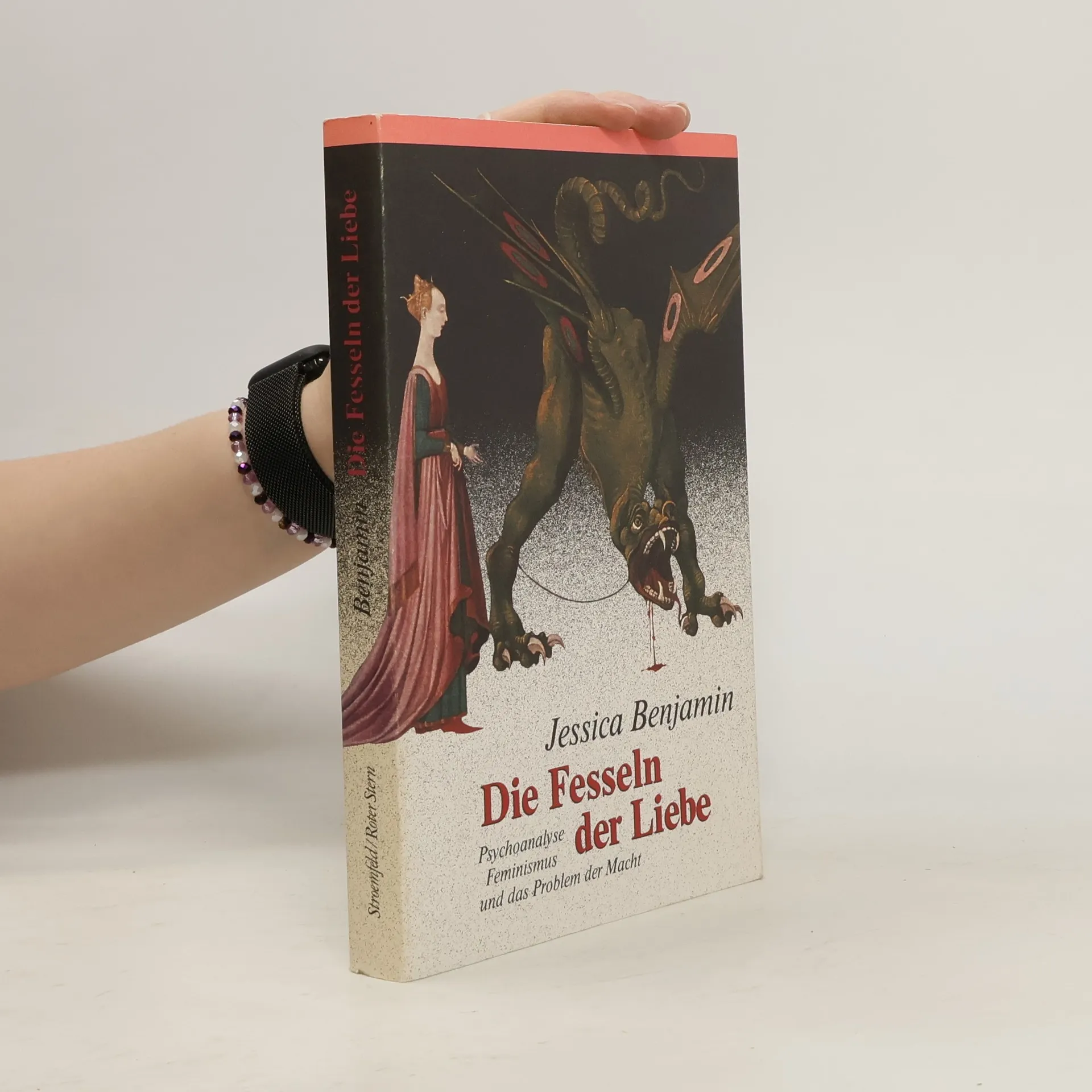
In "Die Fesseln der Liebe" zeigt die New Yorker Psychoanalytikerin, warum wir Unterwerfungsverhältnisse annehmen und oft sogar noch selbst vertiefen. Sie beschreibt den komplexen psychischen Prozeß, der beide Seiten in Fesseln schlägt und zu Komplizen macht. Die Autorin spürt diese Strukturen in unserem Familienleben auf, in gesellschaftlichen Institutionen, vor allem in unseren sexuellen Beziehungen - entgegen bewußtem Engagement für Gleichheit und Freiheit. Die Fesseln der Liebe ist ein wesentlicher Beitrag zu zeitgenössischem gesellschaftlichen Denken. Unter Einbeziehung klinischer Erfahrungen und neuerer psychologischer Forschungen bietet Jessica Benjamin einen entscheidenden Neu-Ansatz für die Psychoanalyse und ihre Auseinandersetzungen mit dem Unbehagen in der Kultur.
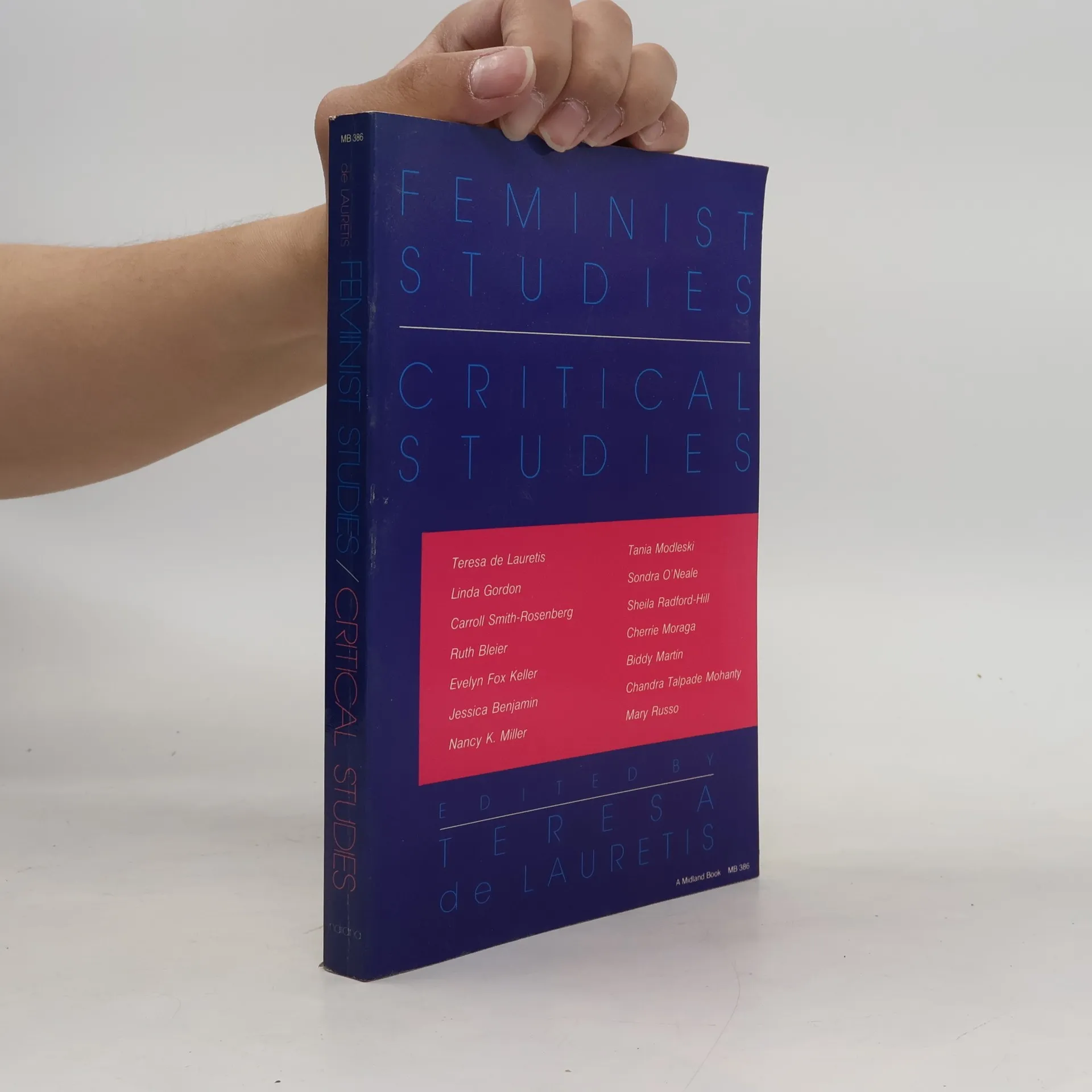
"This wonderful book does nothing less than to create the next stage of feminist thought." ―Catharine R. Stimpson"De Lauretis provides a way of thinking about feminism that accepts rather than tries to resolve differences, that refuses fixed definitional categories and insists instead on the contradictory and changing meaning of gendered identities." ―The Women's Review of Books"This is not a new collection but it is still one of the best." ―Exceptional Human ExperienceThe essays in this collection represent very recent developments in feminist research and writing in the areas of history, scientific discourse, literary criticism, and cultural theory.The contributors Teresa de Lauretis, Linda Gordon, Carroll Smith-Rosenberg, Ruth Bleier, Evelyn Fox Keller, Jessica Benjamin, Nancy K. Miller, Tania Modleski, Sondra O'Neale, Sheila Radford-Hill, Cherrie Moraga, Biddy Martin, Chandra Talpade Mohanty, and Mary Russo.