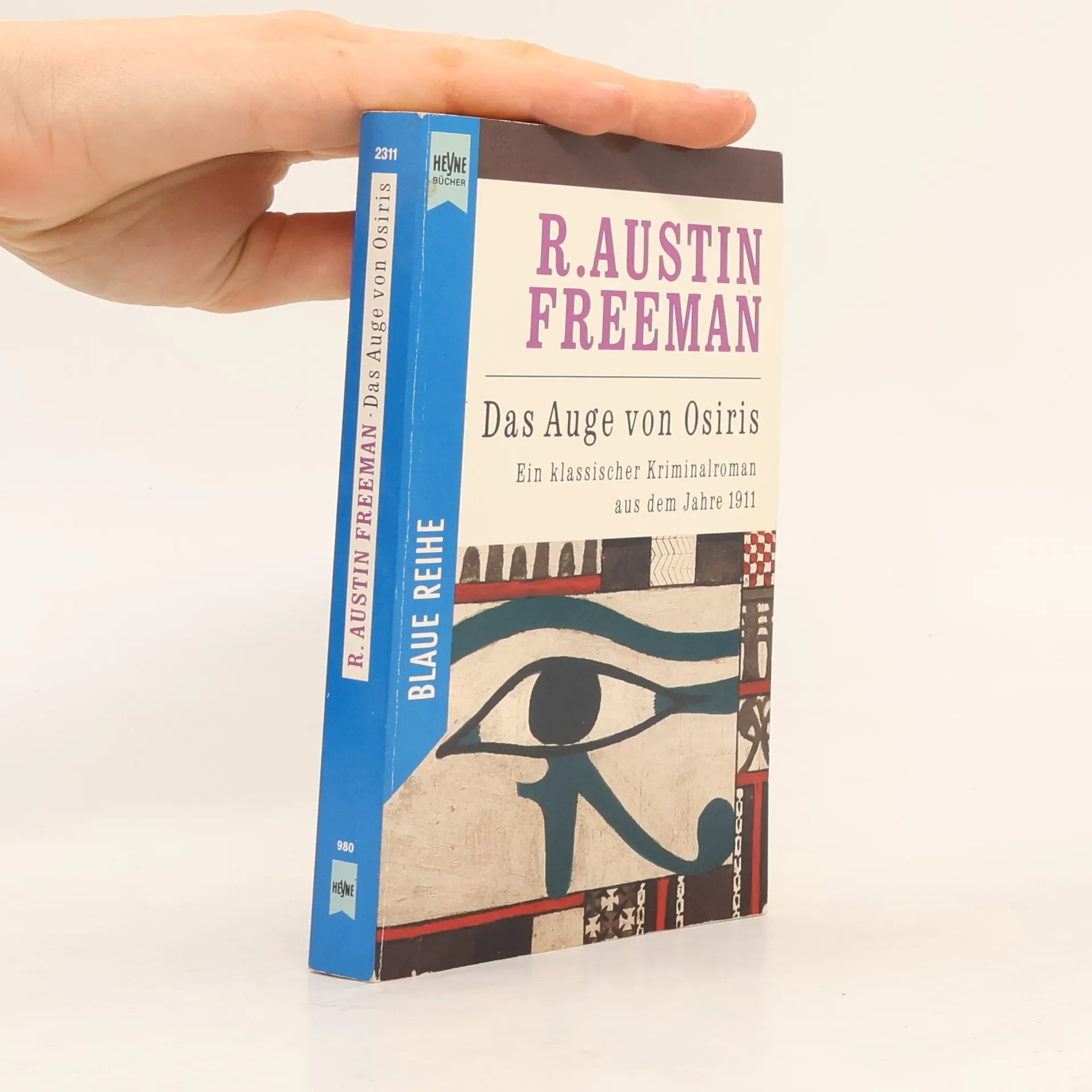
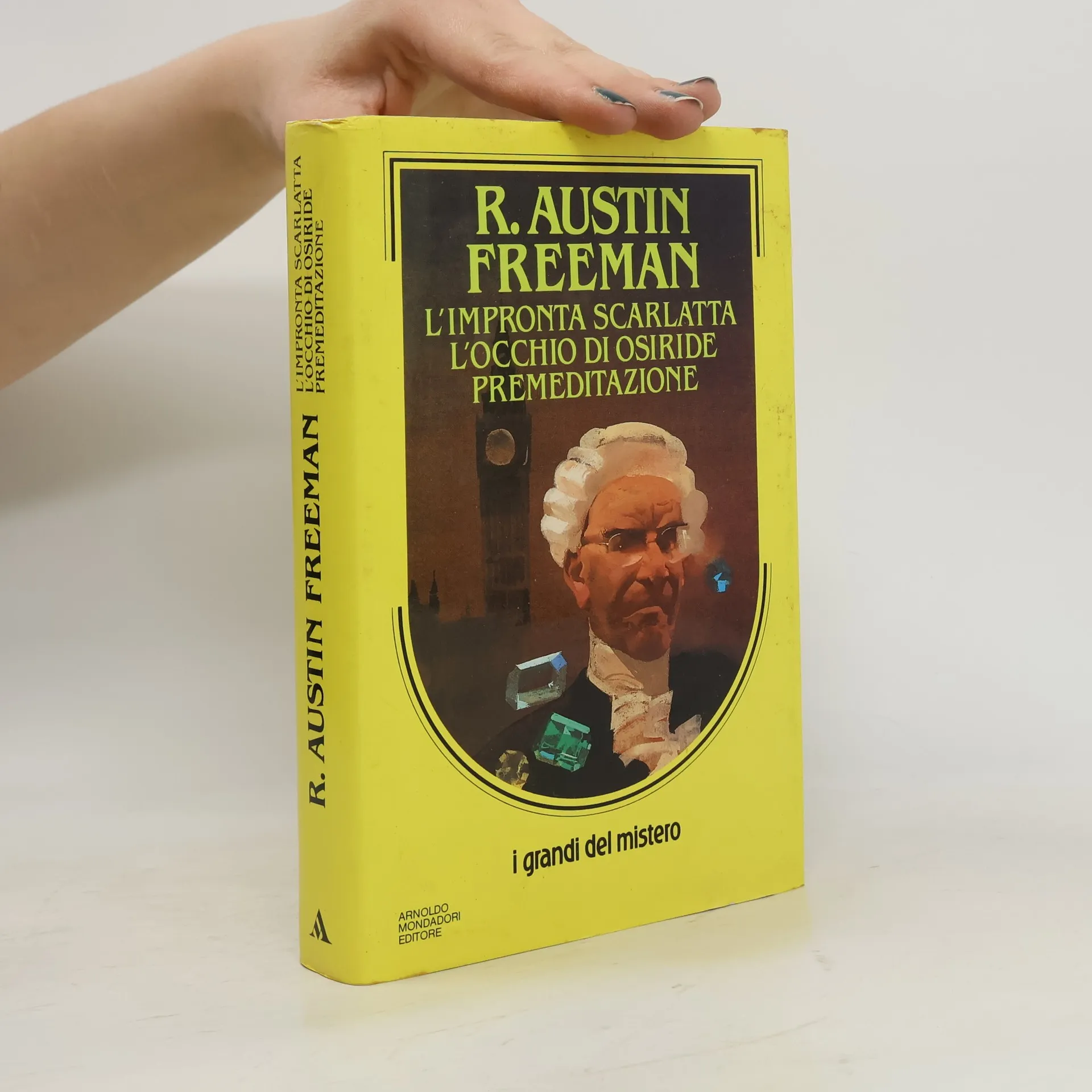
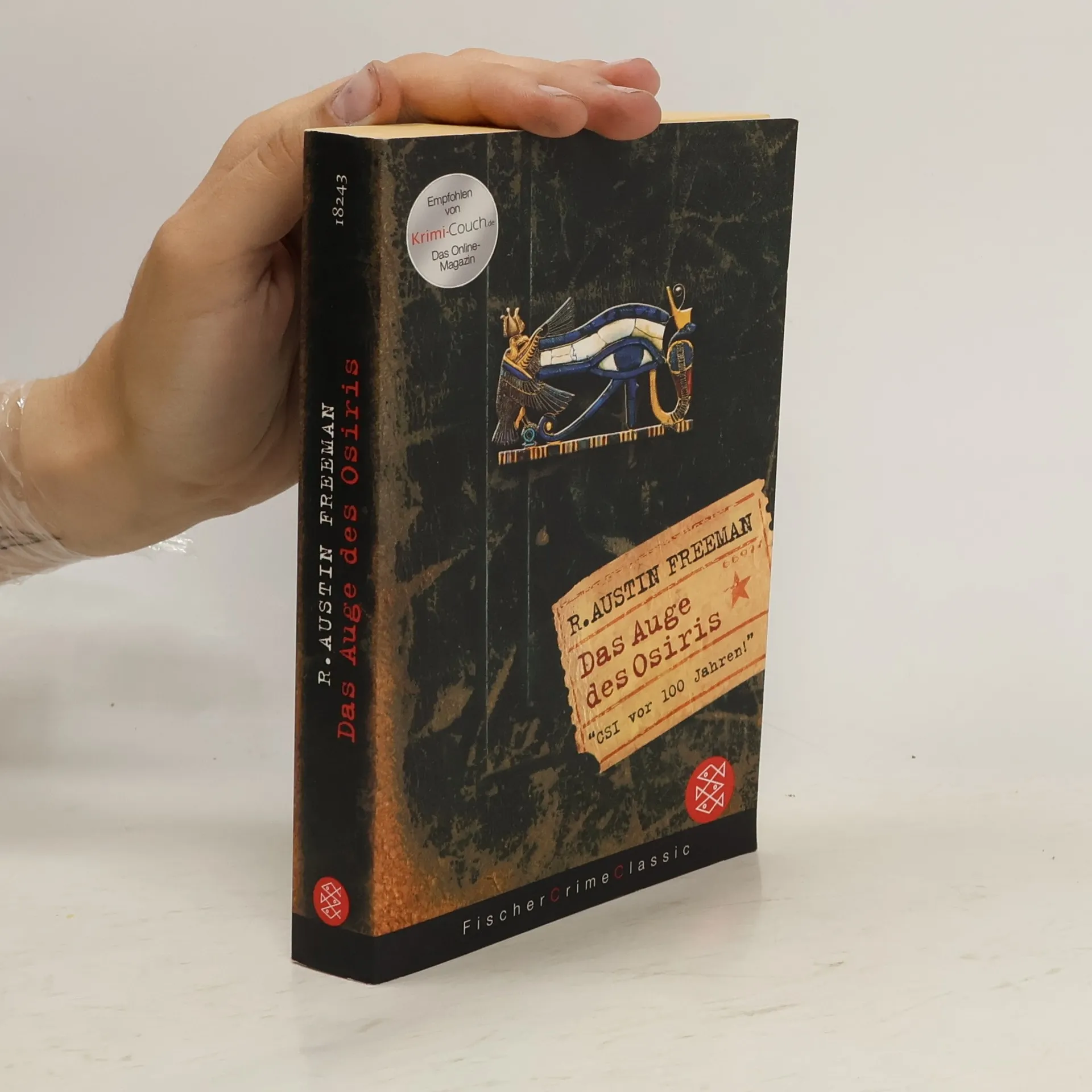
„CSI vor hundert Jahren - mit Dr. Thorndyke gelangt die Forensik in den Kriminalroman.“ Krimi-couch Wie bestimmt man den genauen Todeszeitpunkt, wenn die Leiche unauffindbar ist? Für Dr. Thorndyke stellt sich genau diese Frage, denn John Bellingham, ein bekannter Ägyptologe, ist spurlos verschwunden.
Richard Austin Freeman Bücher
11. April 1862 – 28. September 1943
Dieser Autor erlangte Berühmtheit durch seine Kriminalromane, die häufig im Bereich der forensischen Wissenschaft angesiedelt waren und die Figur des Dr. Thorndyke aufwiesen. Sein Stil zeichnet sich durch die sorgfältige Einbeziehung von echtem, wenn auch oft obskurem, wissenschaftlichem Wissen aus Bereichen wie Tropenmedizin, Metallurgie und Toxikologie aus. Er zog aus seinen frühen Erfahrungen als Kolonialchirurg, um seine Erzählungen zu bereichern, und gilt als Erfinder des „umgekehrten Kriminalromans“, bei dem das Verbrechen zu Beginn enthüllt wird und die nachfolgende Handlung sich auf die Bemühungen des Detektivs konzentriert, das Rätsel zu lösen.

Der Tote im Teich
- 125 Seiten
- 5 Lesestunden
Das Geheimnis der Juwelen
- 123 Seiten
- 5 Lesestunden
Der steinerne Affe
- 127 Seiten
- 5 Lesestunden
Theology through mythology J. R. R. Tolkien was many things: English Catholic, father and husband, survivor of two world wars, Oxford professor, and author. But he was also a theologian. Tolkien's writings exhibit a coherent theology of God and his works, but Tolkien did not present his views with systematic arguments. Rather, he expressed theology through story. In Tolkien Dogmatics, Austin M. Freeman inspects Tolkien's entire corpus--The Hobbit, The Lord of the Rings, and beyond--as a window into his theology. In his stories, lectures, and letters, Tolkien creatively and carefully engaged with his Christian faith. Tolkien Dogmatics is a comprehensive manual of Tolkien's theological thought arranged in traditional systematic theology categories, with sections on God, revelation, creation, evil, Christ and salvation, the church, and last things. Through Tolkien's imagination, we reencounter our faith.
The book features Dr. Thorndyke, a medico-legal forensic investigator created by Richard Austin Freeman, who is known for pioneering the inverted detective story format. In these narratives, the crime and perpetrator are revealed at the outset, focusing instead on the detective's unraveling of the mystery. Freeman draws on his experiences as a colonial surgeon, weaving in authentic scientific knowledge from fields like tropical medicine, metallurgy, and toxicology, enriching the plots with genuine forensic details.
The Complete Dr. Thorndyke - Volume VII
- 692 Seiten
- 25 Lesestunden
Volume VII features the thirteenth, fourteenth, and fifteenth Thorndyke novels, published in 1931, 1932, and 1933. In "Pontifex, Son, and Thorndyke," Jasper Gray's ordinary day spirals into a series of strange events, intersecting with Thorndyke's investigation of an unusual suicide, forever altering Jasper's life. "When Rogues Fall Out" unfolds as a disagreement between thieves and a policeman leads to the latter's death. Thorndyke, Jervis, and Polton work with the police to bring the murderer to justice while exploring a mysterious house. In "Dr. Thorndyke Intervenes," an old case resurfaces when a human head is discovered at a train station, prompting a journey through an ancient crypt and British mines that ultimately restores a lost inheritance. Dr. John Thorndyke, a contemporary of Sherlock Holmes, employs scientific methods to solve complex mysteries, often with the help of his friend Dr. Christopher Jervis. Spanning from 1905 to 1942, Thorndyke's adventures present intricate puzzles and vivid depictions of late Victorian and early Edwardian England, from his chambers to the surrounding countryside. Many Thorndyke volumes have been hard to find, but MX Publishing is reintroducing these classic tales in omnibus editions for modern readers. "Thorndyke will cheerfully show you all the facts. You will be none the wiser . . . ." - Dorothy L. Sayers.
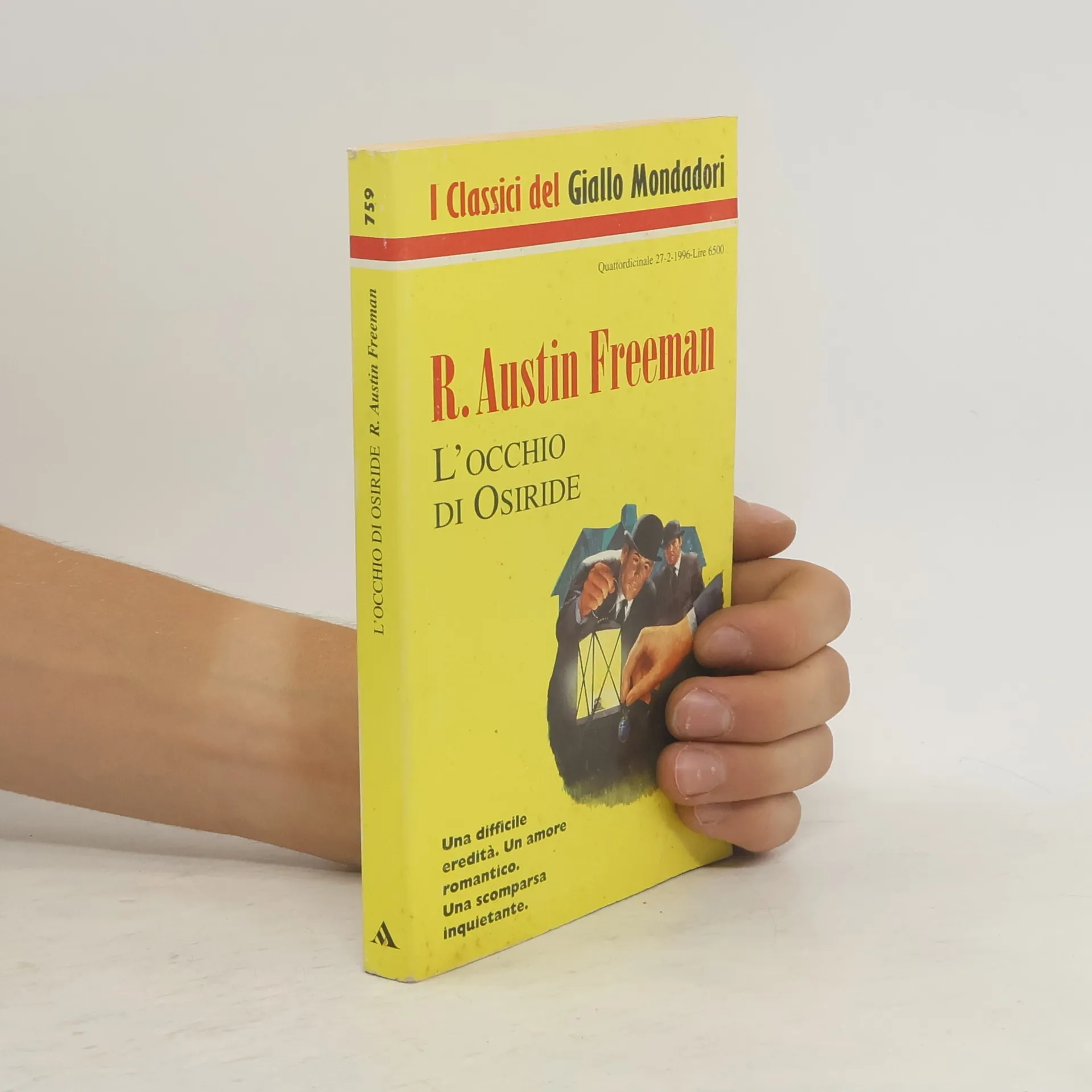
The Mystery of 31 New Inn
- 238 Seiten
- 9 Lesestunden
Set in one of Chancery's last surviving inns, the story unfolds with the mysterious death of Jeffrey Blackmore, prompting an inquest led by Mr. Thorndyke. The narrative intricately weaves themes of opium and morphine poisoning, illustrated through a patient's extreme symptoms. A tracking chart, inspired by the author's own experiences in Ashanti, adds a unique element to the investigation. As Mr. Marchmont recounts his observations of Blackmore's death scene, the plot thickens, revealing secrets tied to the inn's storied past.
John Thorndyke's Cases
- 194 Seiten
- 7 Lesestunden
The book features Dr. Thorndyke, a medico-legal forensic investigator, who navigates intricate mysteries in the inverted detective story format. This unique approach reveals the crime and perpetrator upfront, focusing on the detective's investigative process. Drawing from his experiences as a colonial surgeon, Freeman incorporates genuine scientific knowledge into his narratives, exploring topics like tropical medicine, metallurgy, and toxicology. His innovative storytelling significantly impacted the detective fiction genre.
Travels And Life In Ashanti And Jaman (1898)
- 598 Seiten
- 21 Lesestunden
The book is a facsimile reprint of an original antiquarian work, preserving its historical significance despite potential imperfections like marks and flawed pages. It reflects a commitment to cultural preservation and accessibility, ensuring that important literature remains available in high-quality editions that honor the original text.
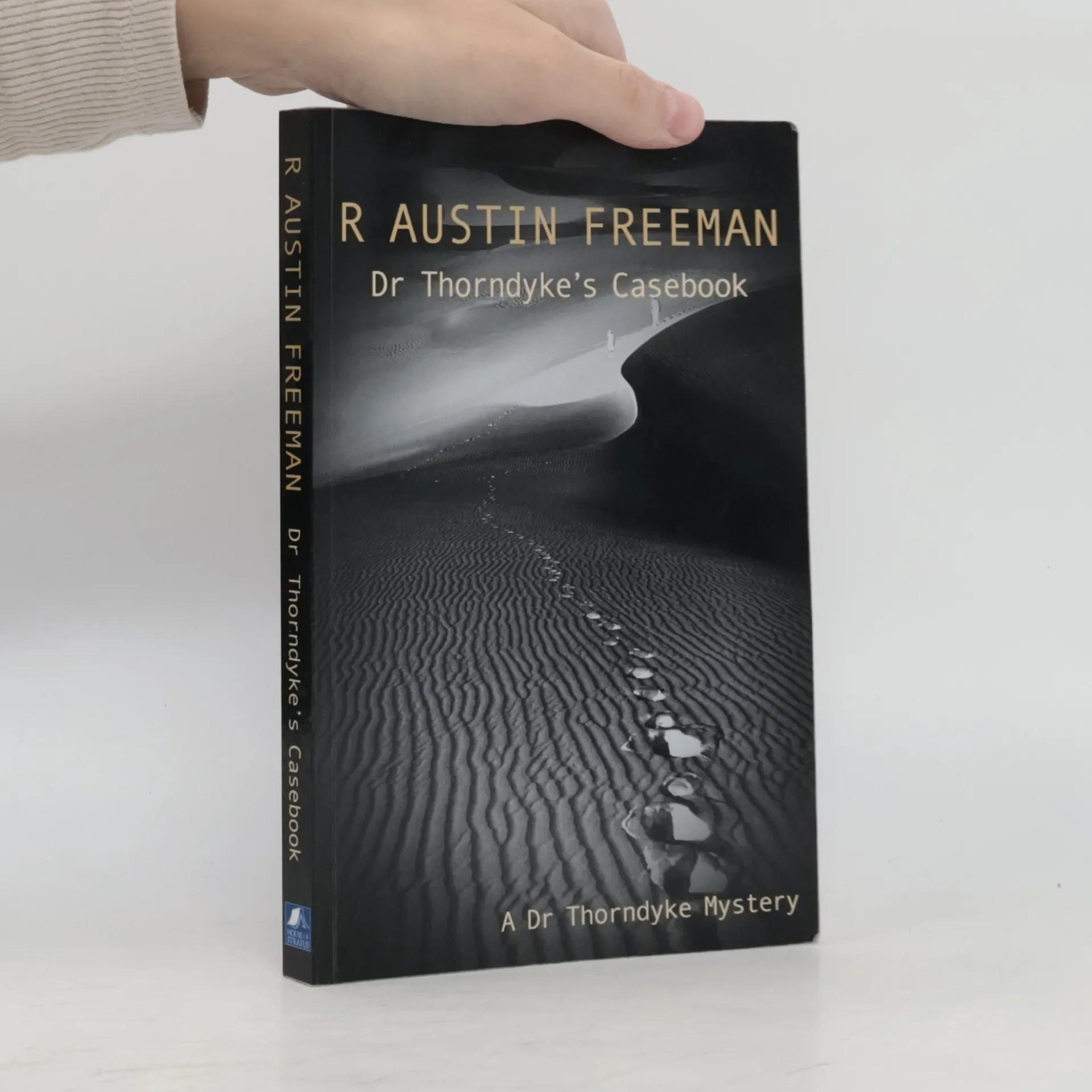
Dr Thorndyke's Casebook
- 204 Seiten
- 8 Lesestunden
A compelling collection of Dr Thorndyke mysteries is presented here in a bumper crop of Richard Austin Freeman’s fiction. Opening with ‘The Case of the White Footprints’; revealing the secrets of ‘The Blue Scarab’; and teasing all that read ‘The Stolen Ingots’, Freeman introduces some extraordinary detective stories to bamboozle the most able of minds. Once you pick this book up, you won’t be able to put it down.
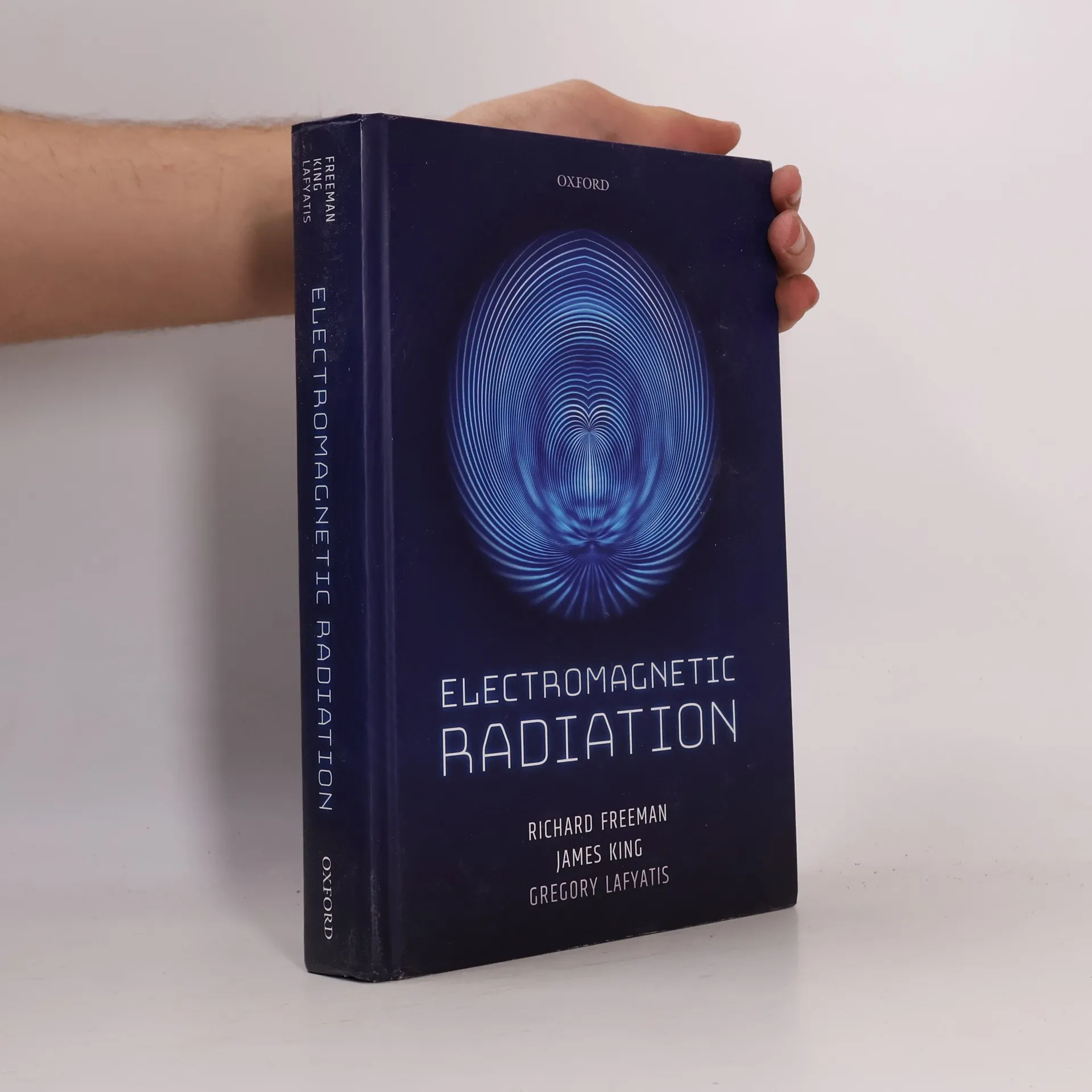
Electromagnetic Radiation
- 638 Seiten
- 23 Lesestunden
This graduate-level book on classical electrodynamics emphasizes electromagnetic radiation, aiming to efficiently introduce essential concepts for practicing physicists. It covers light interactions and extends to radio frequency radiation, x-rays, and more. The focus on applications is complemented by numerous exercises and problems. The structure conveys fundamental concepts rigorously, with detailed derivations often placed in side notes or end-of-chapter discussions. The book is divided into four parts: Part I reviews basic electricity and magnetism, providing a concise overview of key topics. Part II explores the origins of radiation, discussing time variations of charge and current densities, along with Jefimenko's field equations derived from retarded potentials. Part III introduces special relativity and its connection to Maxwell's equations, including relativistic field theory and the treatment of radiation from accelerating charges, featuring a chapter on the unresolved issue of radiation reaction. Part IV addresses practical problems of electromagnetic radiation interacting with matter, covering energy transport, scattering, diffraction, and an application-oriented discussion of fields in confined environments.
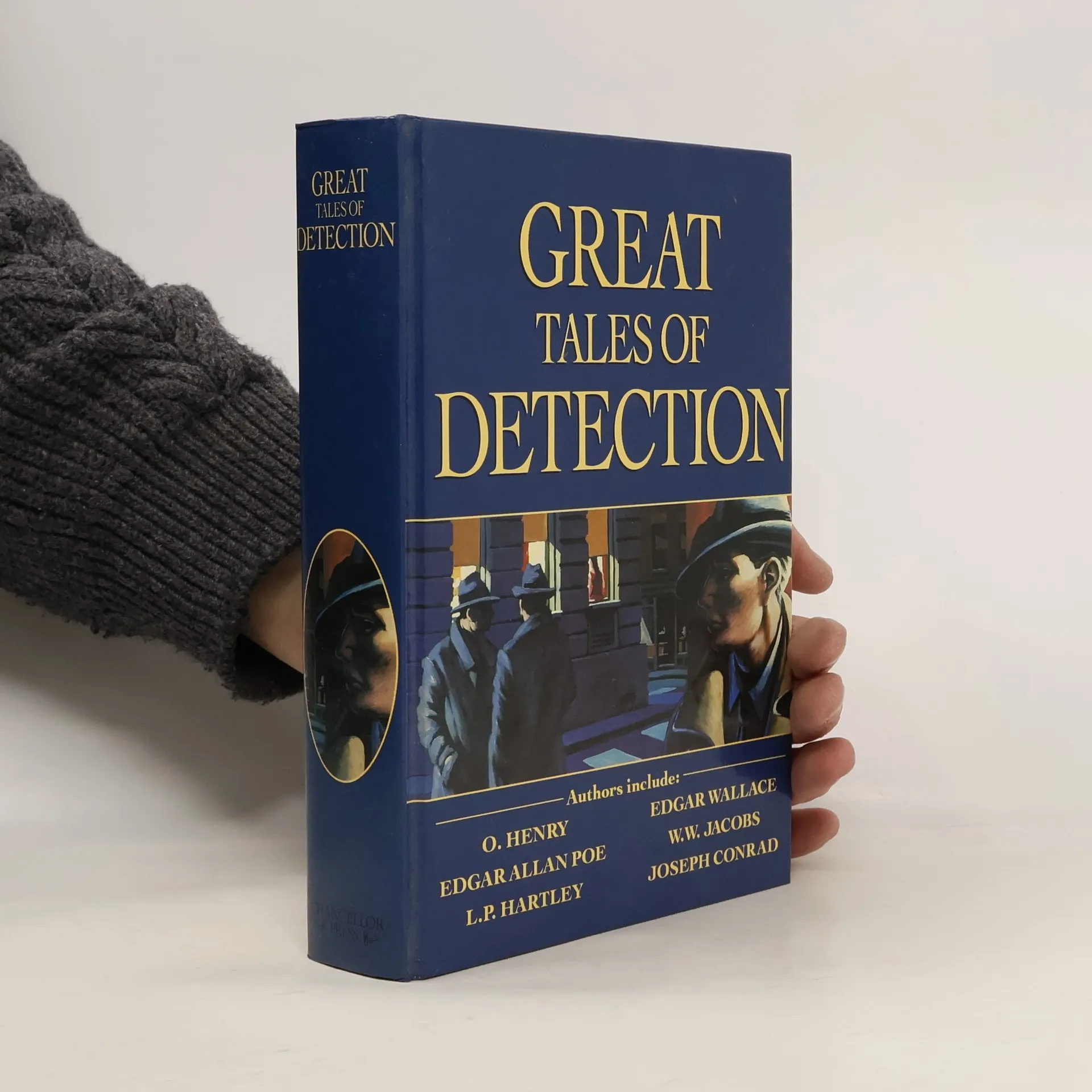
Great Tales of Detection
- 640 Seiten
- 23 Lesestunden
This collection features 42 crime stories by authors such as Margery Allingham, G.K. Chesterton, Edgar Wallace and L.P. Hartley.
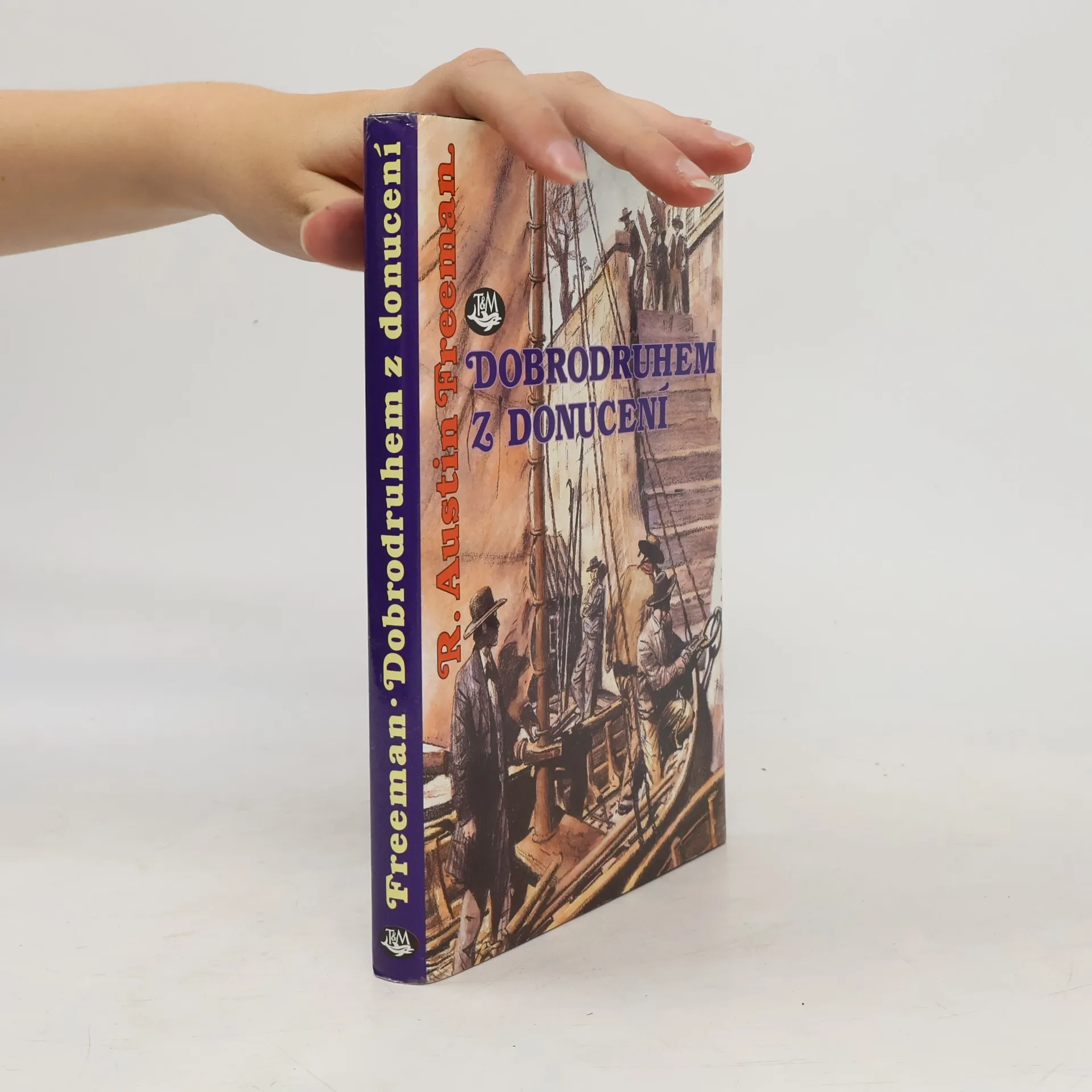
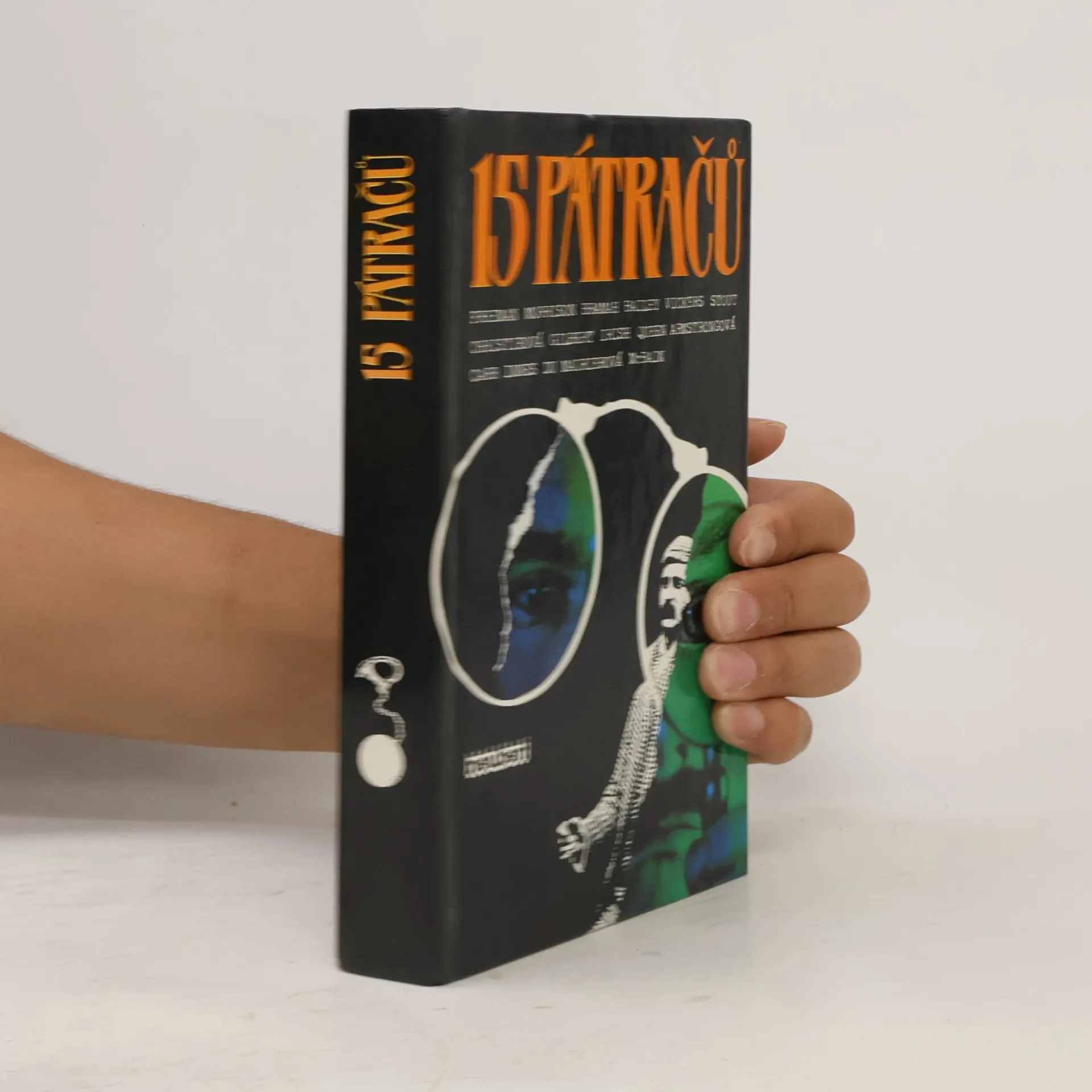
Dobrodruhem z donucení
- 245 Seiten
- 9 Lesestunden
Námořní dobrodružství mladíka, který byl neoprávněně obviněn z vraždy a prchá na moře.
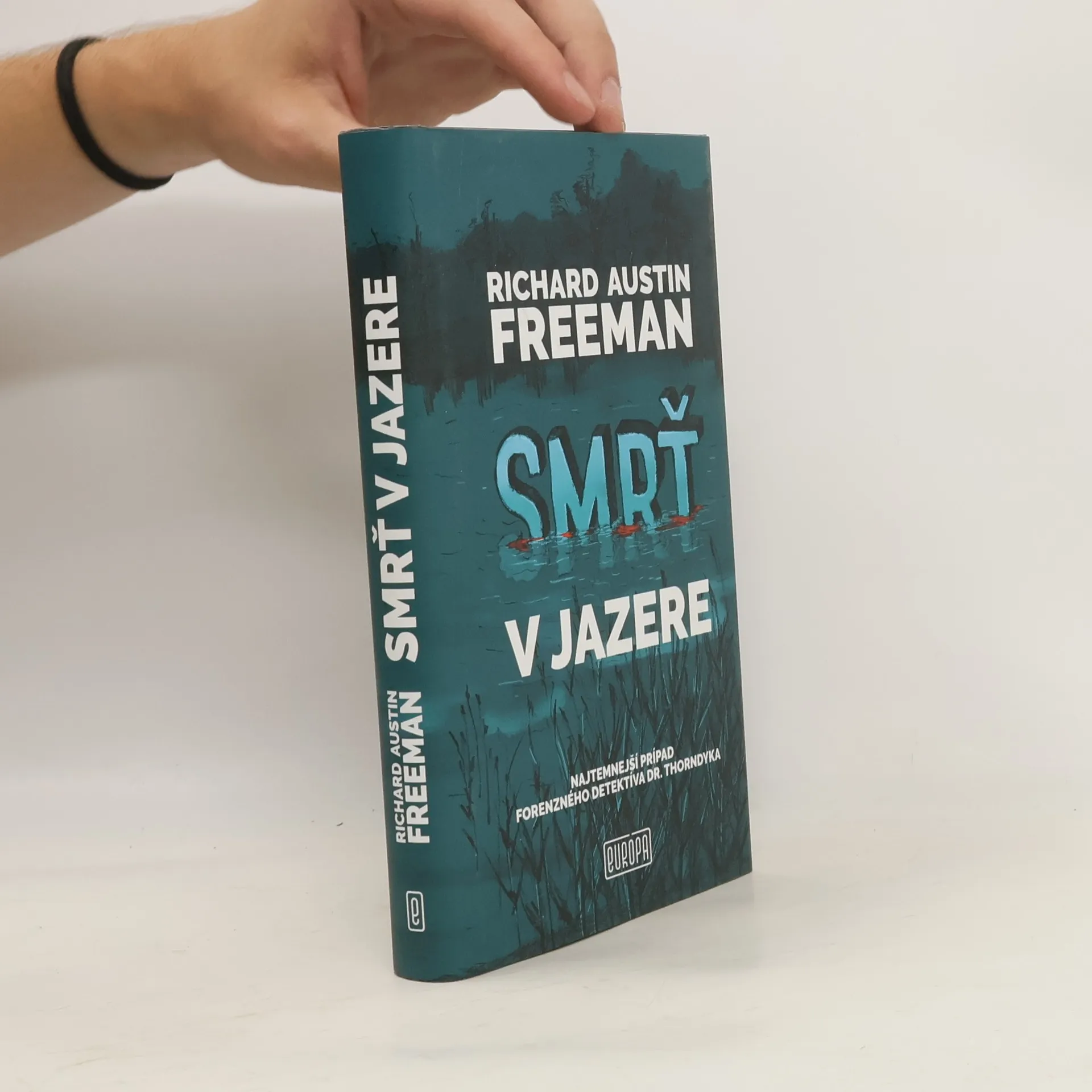
Smrť v jazere
- 224 Seiten
- 8 Lesestunden
Richard Austin Freeman (1862 – 1943), pôvodne lekár, sa stal duchovným otcom literárnej postavy Dr. Thorndyka, prvého vedeckého detektíva a predobrazu súčasných forenzných vyšetrovateľov. Jeho príbehy sú prepojené s čarom zaprášených laboratórií a chemických experimentov. Dr. John Thorndyke, impozantný gentleman so zeleným kufríkom, nosí prenosné laboratórium a nadväzuje na vedeckú stránku Sherlocka Holmesa. Freeman kladie dôraz na technické aspekty zločinu a vedecké skúmanie materiálnych stôp. Dr. Thorndyke verí, že každý predmet má svoj príbeh, ak sa mu pozorne nastražia uši. Všetky experimenty a teórie, ktoré využíva, sám testoval v laboratóriu. Na základe poznatkov z odborných disciplín vyvodzuje brilantné logické závery, ktoré vedú k odhaleniu vraha. Freeman má významné miesto v detektívnom žánri; ako prvý sformuloval pravidlá fair play a experimentoval s tzv. príbehom obráteným naruby. S prekladom jeho diela sa dostáva k čitateľom absolútna klasika detektívneho žánru.
Antalogie anglické a americké detektivní povídky. Předčasná smrt v roce 1984 zabránila Janu Zábranovi, aby napsal předmluvu k této antologii z anglické a americké detektivní povídky středního a delšího rozsahu, kterou pro nakladatelství Odeon připravil a která původně měla být výhradně jeho dílem. Pokusme se tedy vymezit záměr antologie a kritéria výběru alespoň na základě Zábranova edičního návrhu. V roce 1967 a znovu v roce 1970 vydal Odeon průkopnickou antologii anglické a americké detektivní povídky, sestavenou manželi Outratovými a nazvanou Jedenadvacet detektivů. Jan Zábrana měl v úmyslu na tuto antologii navázat — a to i volnou parafrázi jejího názvu — a vytvořit k ní jakousi analogii. Soustředil se však nikoli na krátké povídky (short stories) tak jako Outratovi, kteří jen výjimečně zařadili povídku delší než dvacet strojopisných stran, ale na to, čemu Američané říkají long stories (dlouhé povídky) nebo též novelettes (novely). V praxi to konkrétně znamená povídky, jejichž rozsah se pohybuje mezi zhruba třiceti až sedmdesáti stránkami textu.
I Grandi Maestri del Giallo: L'impronta scarlatta
- 127 Seiten
- 5 Lesestunden
Siamo nel cuore della vecchia, eccentrica Londra, un pacco contenente diamanti grezzi di dimensioni e valore eccezionalim appena giunto dal Sudafrica all’ufficio di John Hornby, commerciante in preziosi, viene riposto in cassaforte. Ma quando il giorno successivo la cassaforte viene aperta, i diamanti sono scomparsi: eppure non vi sono tracce d’effrazione e il custode, durante i suoi giri di ronda, non ha udito nulla. Sul fondo della cassaforte, un foglio di carta sporco di sangue, che porta l’impronta chiarissima di un pollice. Da qui si dipana l'intreccio di questo tipico giallo "scientifico", ricco di suspense e di atmosfera.
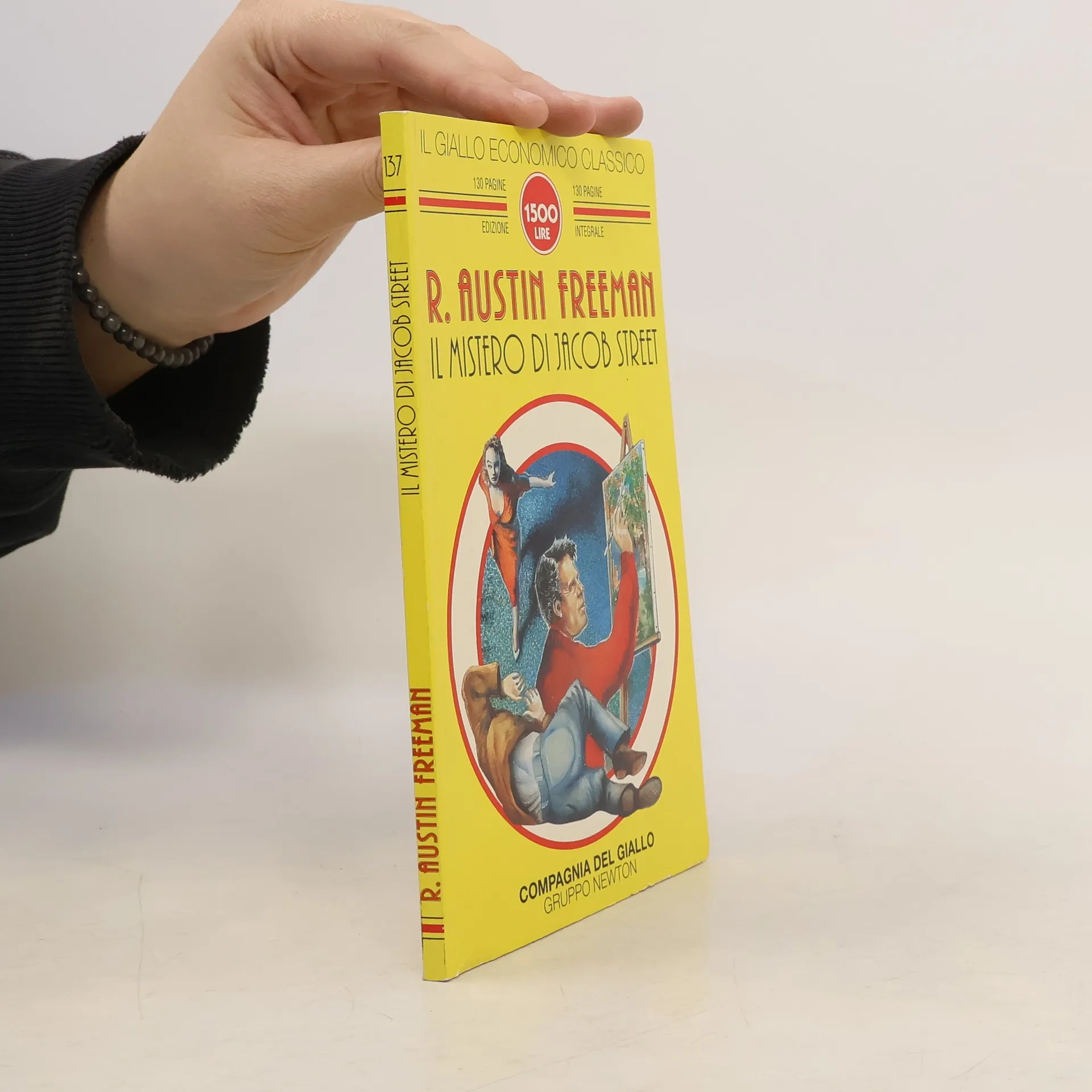
Il giallo economico classico - 137: Il mistero di Jacob Street
- 128 Seiten
- 5 Lesestunden
A peaceful, pleasant afternoon in the woodland scene of Linton Green is disturbed when a brutal murder takes place. But thanks to an unseen witness, the killer may be caught, and the witness turns out to be a blessing in disguise. This is the story of Thomas Pedley, a gifted artist who paints what he sees from memory.
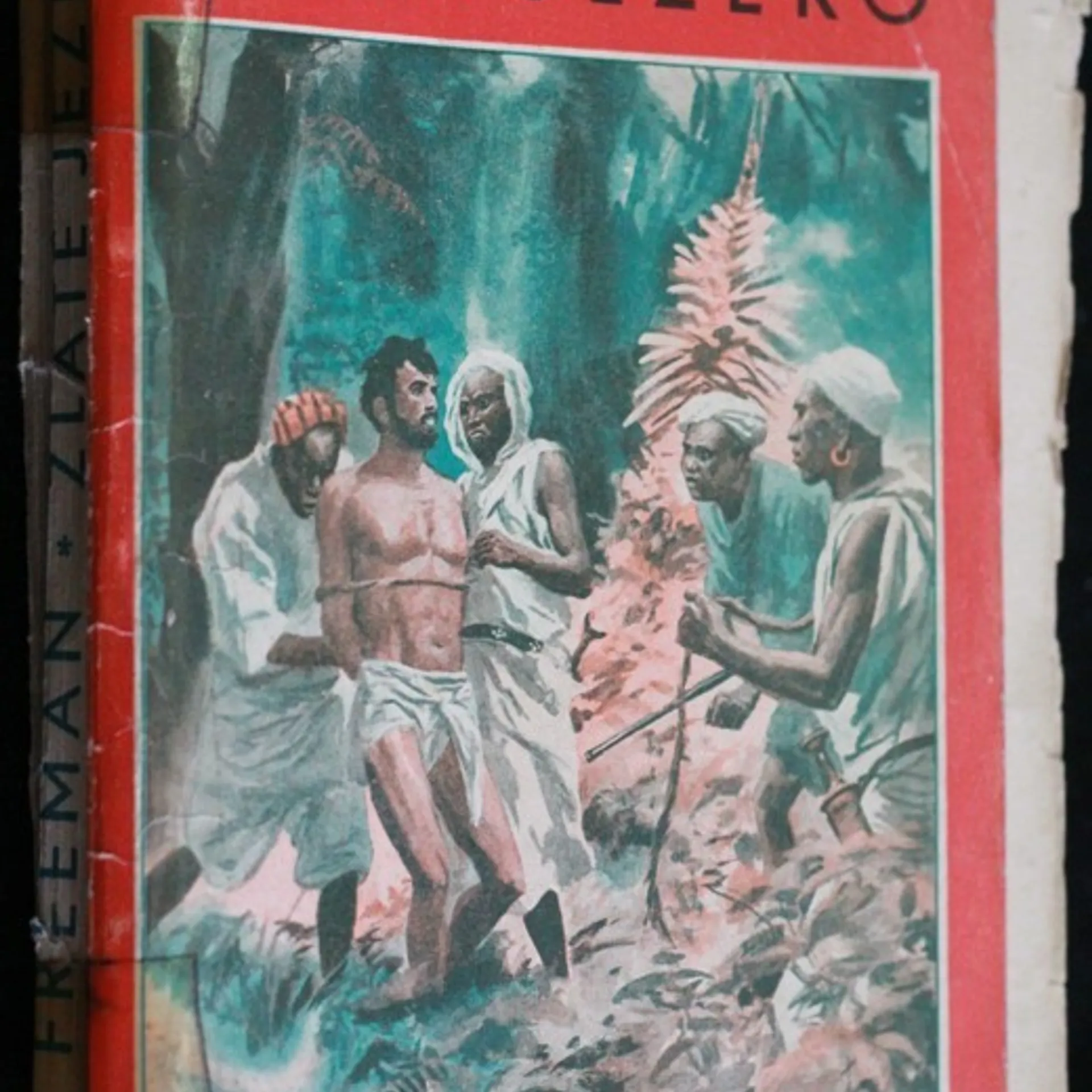
Zlaté jezero
- 332 Seiten
- 12 Lesestunden
Il Giallo Economico Classico - 134: Il testimone muto
- 128 Seiten
- 5 Lesestunden
Il giallo economico classico - 145: Il mistero Penrose
- 128 Seiten
- 5 Lesestunden
Penrose is an eccentric old man in possession of some dazzling gems, which he won't insure. When Dr Thorndyke is alerted to a burglary at his house, a scrap of paper is found with the word 'lobster' on it along with two Latin words. Meanwhile, Penrose has fled in panic after a car accident. The police are clearly mystified, but Thorndyke in his indelible style is on track; hunting down a fugitive, testing a theory, and getting to the bottom of a tantalising, complex mystery.
L'affare D'Arblay
- 97 Seiten
- 4 Lesestunden