William Dalrymple Reihenfolge der Bücher (Chronologisch)
20. März 1965
William Dalrymple ist ein gefeierter Autor, der für seine aufschlussreichen Erkundungen der indischen Geschichte und Kultur bekannt ist. Seine Werke zeichnen sich durch sorgfältige Recherche, fesselnde Erzählungen und die einzigartige Fähigkeit aus, die Vergangenheit für heutige Leser lebendig werden zu lassen. Dalrymple verwebt meisterhaft historische Ereignisse mit menschlichen Erfahrungen und befasst sich mit Themen wie kulturellen Begegnungen, religiöser Identität und gesellschaftlichem Wandel. Seine eindringliche Prosa, reich an lebendigen Beschreibungen und denkwürdigen Charakteren, zieht die Leser tief in die Welten, die er darstellt.


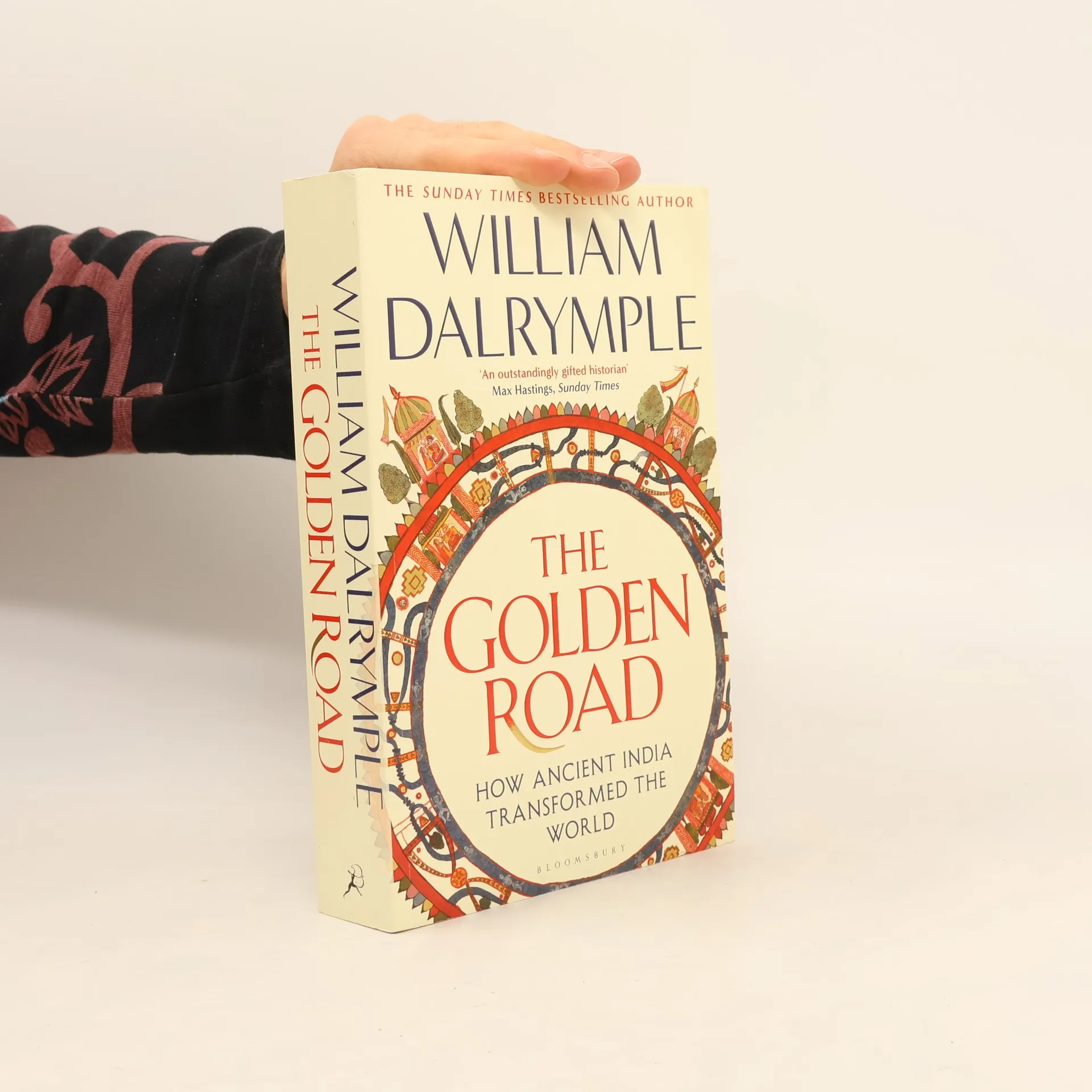
India's rich cultural heritage played a pivotal role in shaping civilizations long before modern influences took hold. A millennium ago, its contributions in religion, art, technology, astronomy, mathematics, medicine, language, and literature spread widely, reaching regions from Afghanistan to Japan. This book explores the profound impact of India's cultural exports, revealing a history of influence that challenges the narrative of a solely passive cultural recipient.
The Company Quartet
The Anarchy, White Mughals, Return of a King and The Last Mughal
- 2200 Seiten
- 77 Lesestunden
The narrative explores the complex and often overlooked dynamics of the East India Company's rise and its impact on the Mughal Empire, which was once a significant global economic power. Through meticulous research and engaging storytelling, Dalrymple reveals the darker aspects of colonialism, highlighting the transition from a thriving empire to corporate dominance. This four-book collection provides a comprehensive view of over two centuries of colonial history, marked by political intrigue and resistance, making it an essential read for history enthusiasts.
Forgotten Masterpieces
- 192 Seiten
- 7 Lesestunden
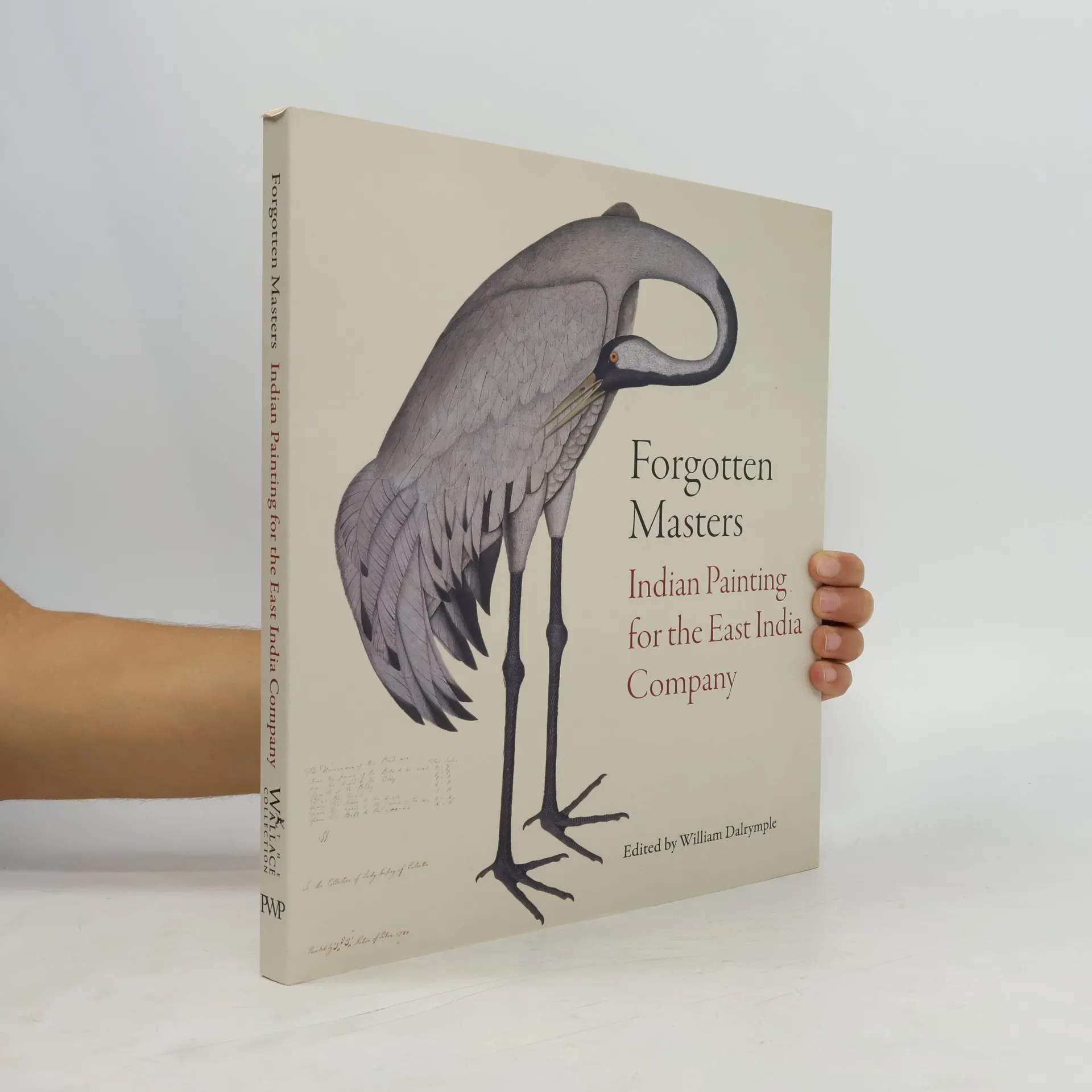
As the East India Company extended its sway across India in the late eighteenth century, many remarkable artworks were commissioned by Company officials from Indian painters who had previously worked for the Mughals. Published to coincide with the first UK exhibition of these masterworks at The Wallace Collection, this book celebrates the work of a series of extraordinary Indian artists, each with their own style and tastes and agency, all of whom worked for British patrons between the 1770s and the bloody end of the Mughal rule in 1857. Edited by writer and historian William Dalrymple, these hybrid paintings explore both the beauty of the Indian natural world and the social realities of the time in one hundred masterpieces, often of astonishing brilliance and originality. They shed light on a forgotten moment in Anglo-Indian history during which Indian artists responded to European influences while keeping intact their own artistic visions and styles. These artists represent the last phase of Indian artistic genius before the onset of the twin assaults - photography and the influence of western colonial art schools - ended an unbroken tradition of painting going back two thousand years. As these masterworks show, the greatest of these painters deserve to be remembered as among the most remarkable Indian artists of all time.
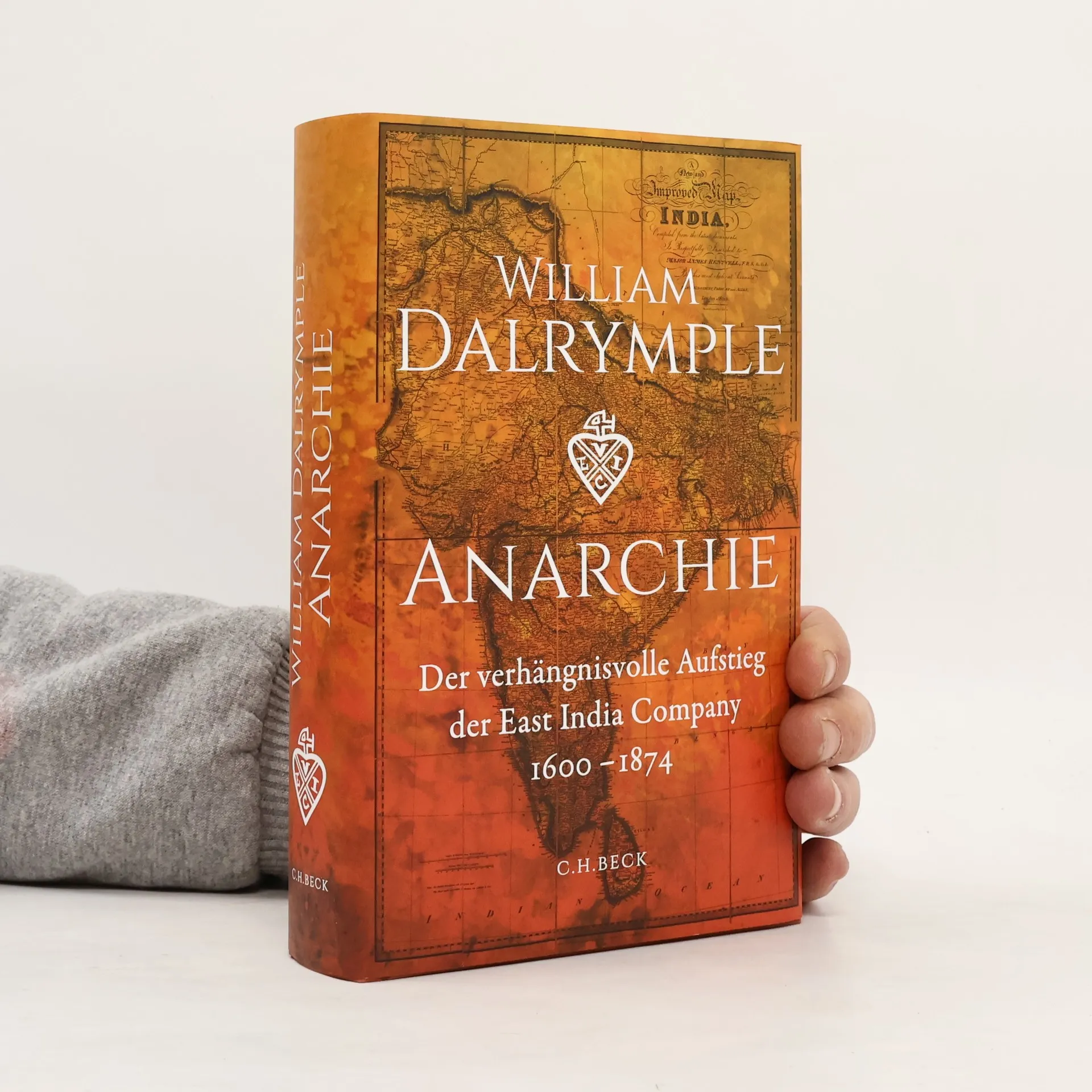
The Anarchy
- 320 Seiten
- 12 Lesestunden
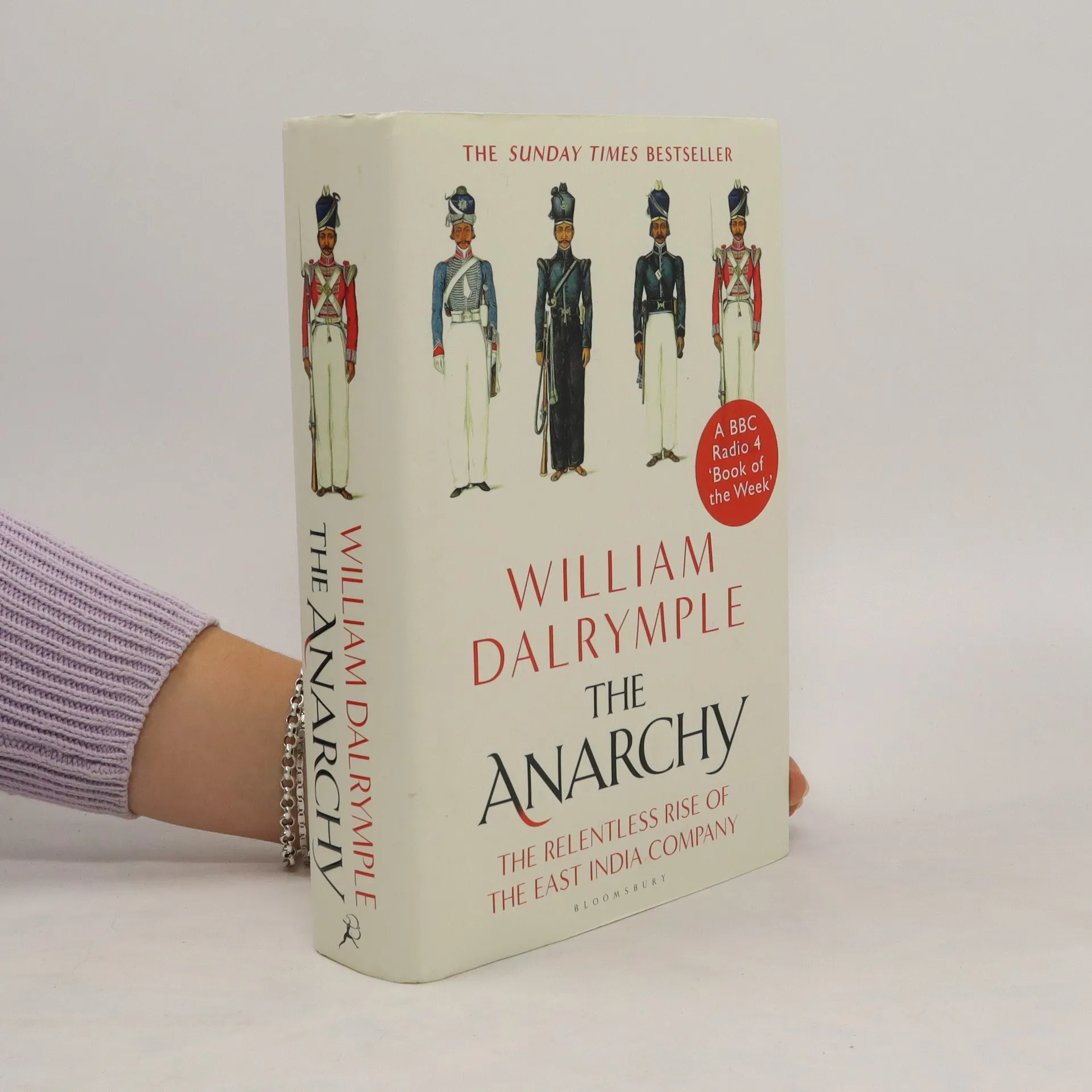
In 1765 the East India Company defeated and captured the young Mughal emperor and forced him to set up a new government run by English traders. The creation of this new government marked the moment that the East India Company ceased to be a conventional international trading corporation, dealing in silks and spices, and became something much more unusual: an aggressive colonial power in the guise of a multinational business
The first comprehensive and authoritative history of the Koh-i Noor, arguably the most celebrated and mythologised jewel in the world. On 29 March 1849, the ten-year-old Maharajah of the Punjab was ushered into the magnificent Mirrored Hall at the centre of the great Fort in Lahore. There, in a public ceremony, the frightened but dignified child handed over to the British East India Company in a formal Act of Submission to Queen Victoria not only swathes of the richest land in India, but also arguably the single most valuable object in the subcontinent- the celebrated Koh-i Noor diamond. The Mountain of Light. The history of the Koh-i-Noor that was then commissioned by the British may have been one woven together from gossip of Delhi Bazaars, but it was to be become the accepted version. Only now is it finally challenged, freeing the diamond from the fog of mythology which has clung to it for so long. The resulting history is one of greed, murder, torture, colonialism and appropriation through an impressive slice of south and central Asian history. It ends with the jewel in its current controversial setting- in the crown of Queen Elizabeth the Queen Mother. Masterly, powerful and erudite, this is history at its most compelling and invigorating.
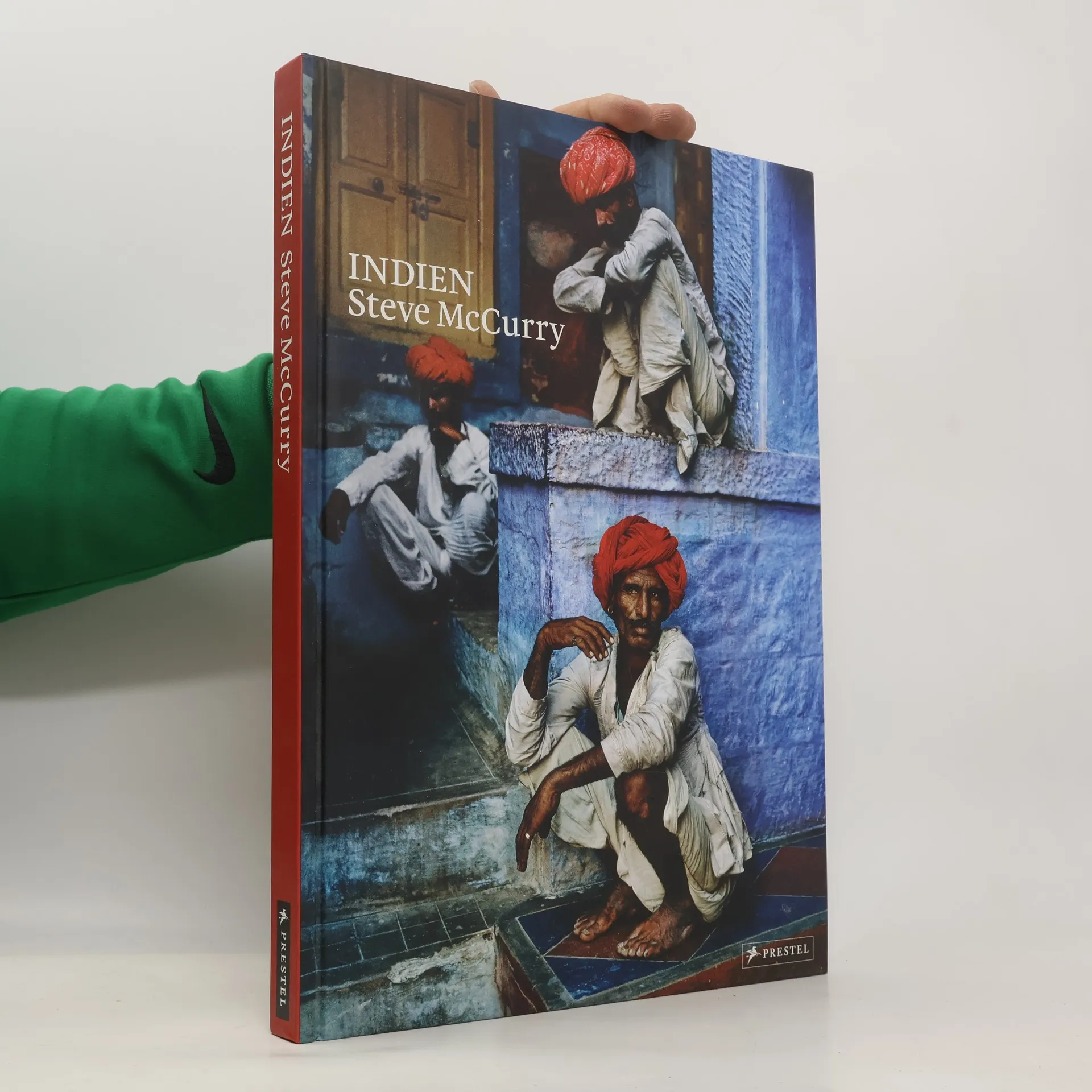
Steve McCurry – die Farben und Gesichter Indiens Steve McCurry nimmt den Betrachter mit auf eine unvergessliche Reise ins exotische Herz Indiens. Ein stimmungsvoller Bildband für Reisende, Träumer und Liebhaber des indischen Subkontinents. Der legendäre Magnum-Fotograf Steve Mc Curry versteht es meisterhaft, die wilde Schönheit und die starken Gegensätze des Subkontinents in fesselnden Aufnahmen festzuhalten. Egal ob in den belebten Gassen von Neu-Delhi, beim bunten Ganesh Festival in Mumbai oder auf den Blumenmärkten in Kaschmir – stets gelingen ihm faszinierende Momentaufnahmen von Menschen in ihrer alltäglichen Umgebung. Seit über 30 Jahren bereist McCurry die Welt und ist heute einer der renommiertesten Fotografen, berühmt für seine intensiven Porträtaufnahmen, aber auch tief bewegenden Bilder aus Krisengebieten rund um den Globus. Zu Indien fühlt sich McCurry seit jeher hingezogen: Das Land bereiste er schon zu Beginn seiner Karriere in den 1970er-Jahren. Seitdem kehrte er unzählige Male zurück. Dieser großformatige Bildband mit 96 seiner schönsten und beeindruckendsten Aufnahmen wird ergänzt durch einen einleitenden Essay des Autors und Indienkenners William Dalrymple.
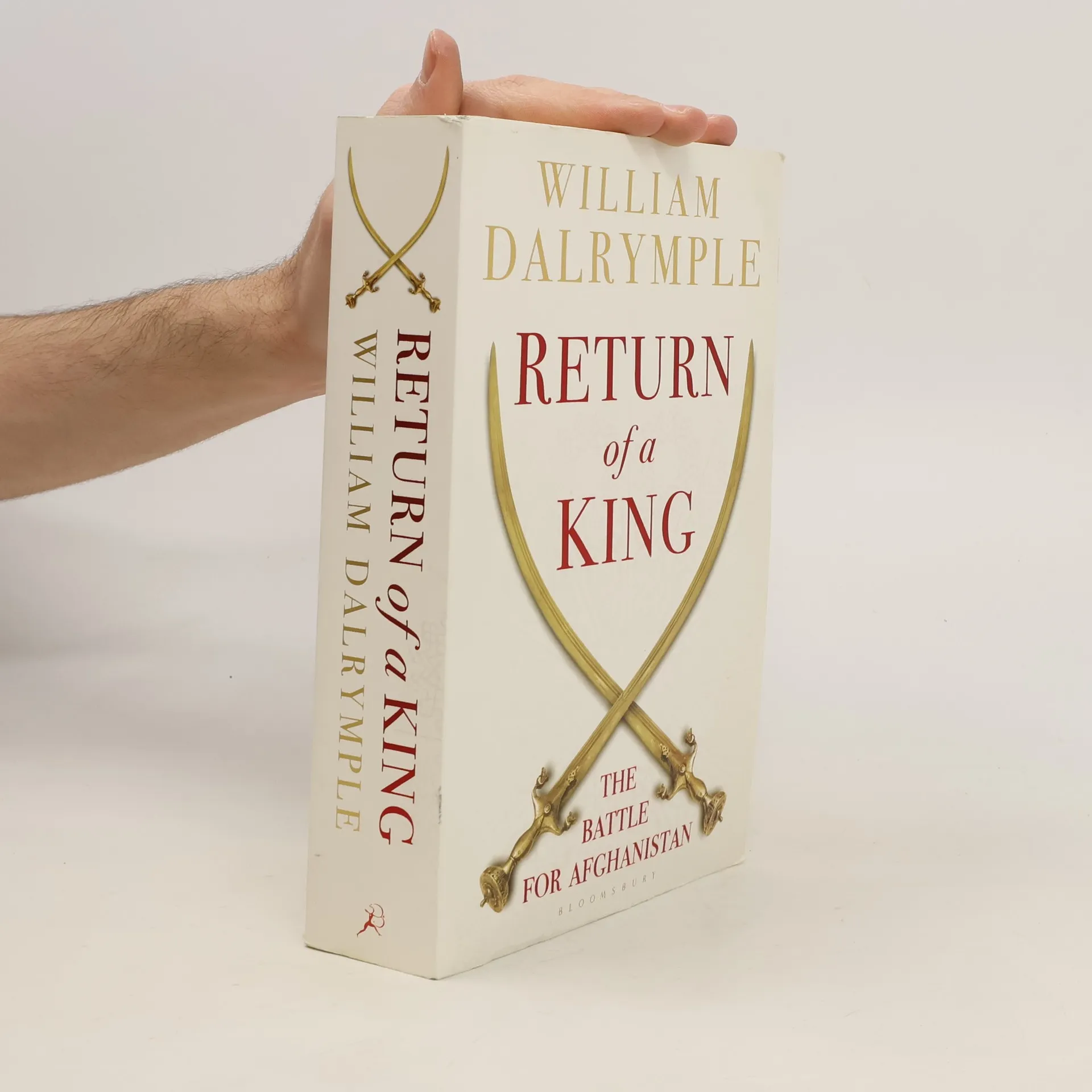
Return of a King
- 567 Seiten
- 20 Lesestunden
In the spring of 1839, the British invaded Afghanistan for the first time. Led by lancers in scarlet cloaks and plumed shakos, nearly 20,000 British and East India Company troops poured through the high mountain passes and re-established on the throne Shah Shuja ul-Mulk. On the way in, the British faced little resistance. But after two years of occupation, the Afghan people rose in answer to the call for jihad and the country exploded into violent rebellion. The First Anglo-Afghan War ended in Britain's greatest military humiliation of the nineteenth century: an entire army of the then most powerful nation in the world ambushed in retreat and utterly routed by poorly equipped tribesmen. Return of a King is the definitive analysis of the First Afghan War, told through the lives of unforgettable characters on all sides and using for the first time contemporary Afghan accounts of the conflict. Prize-winning and bestselling historian William Dalrymple's masterful retelling of Britain's greatest imperial disaster is a powerful and important parable of colonial ambition and cultural collision, folly and hubris, for our times.
The Sacred India Book
- 224 Seiten
- 8 Lesestunden
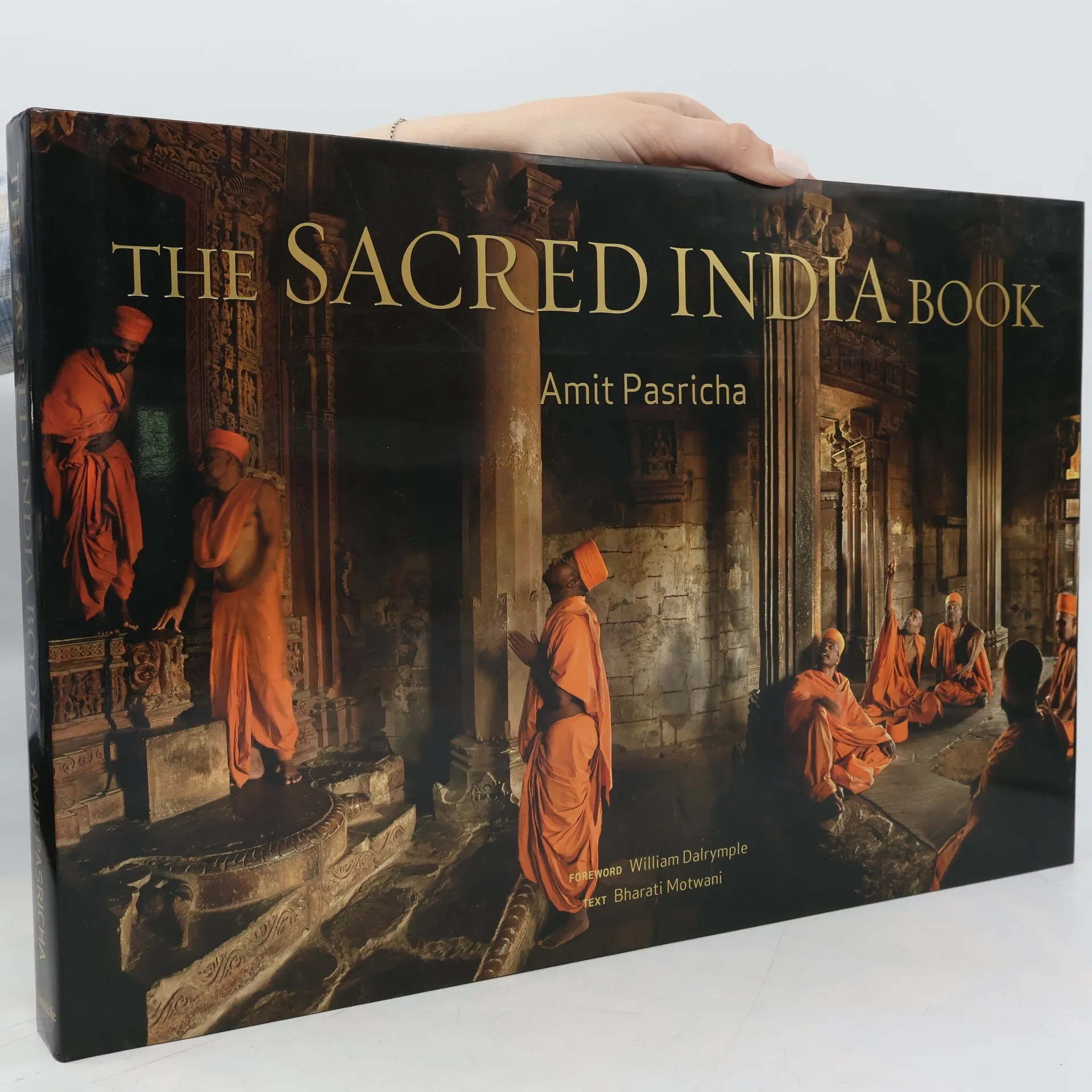
Spirituality is the shining thread that runs through every motif of the rich and complex tapestry that is India. It is not only worship in temple, mosque or church, in gurudwara or agiary, that defines the faith of Indians - it is their ordinary, everyday kind of spirituality that serves as an axis, balancing the temporal with the eternal. "The Sacred India Book" seizes and distils this ephemeral quality often described as 'the Spirit of India'. Amit Pasricha seeks out meditative moments and momentous ones, exalted moments and exultant ones - the eternal quality of a weathered cross overlooking a windswept beach, the ecstatically outstretched hands of Holi celebrants at Vrindavan, the quiet faith of a women as she ties a piece of coloured thread on the latticed screen of a shrine. His photographs lay before the viewer the colourful, intricate mosaic of Indian religion, spirituality, ritual and images of religious art such as the living, writhing energy of unfinished idols in a potter's shed in Kolkata; the making of religious music a Buddhists chant from atop icy mountains; and, the richness of religious traditions in the pristine precision of a Parsi ritual. Amit Pasricha's masterful use of the panoramic format - in unintentional but fitting consonance with the wide, encompassing nature of the sacred in India - and Bharati Motwani's insightful text make "The Sacred India Book" a limited edition to be preserved and treasured.
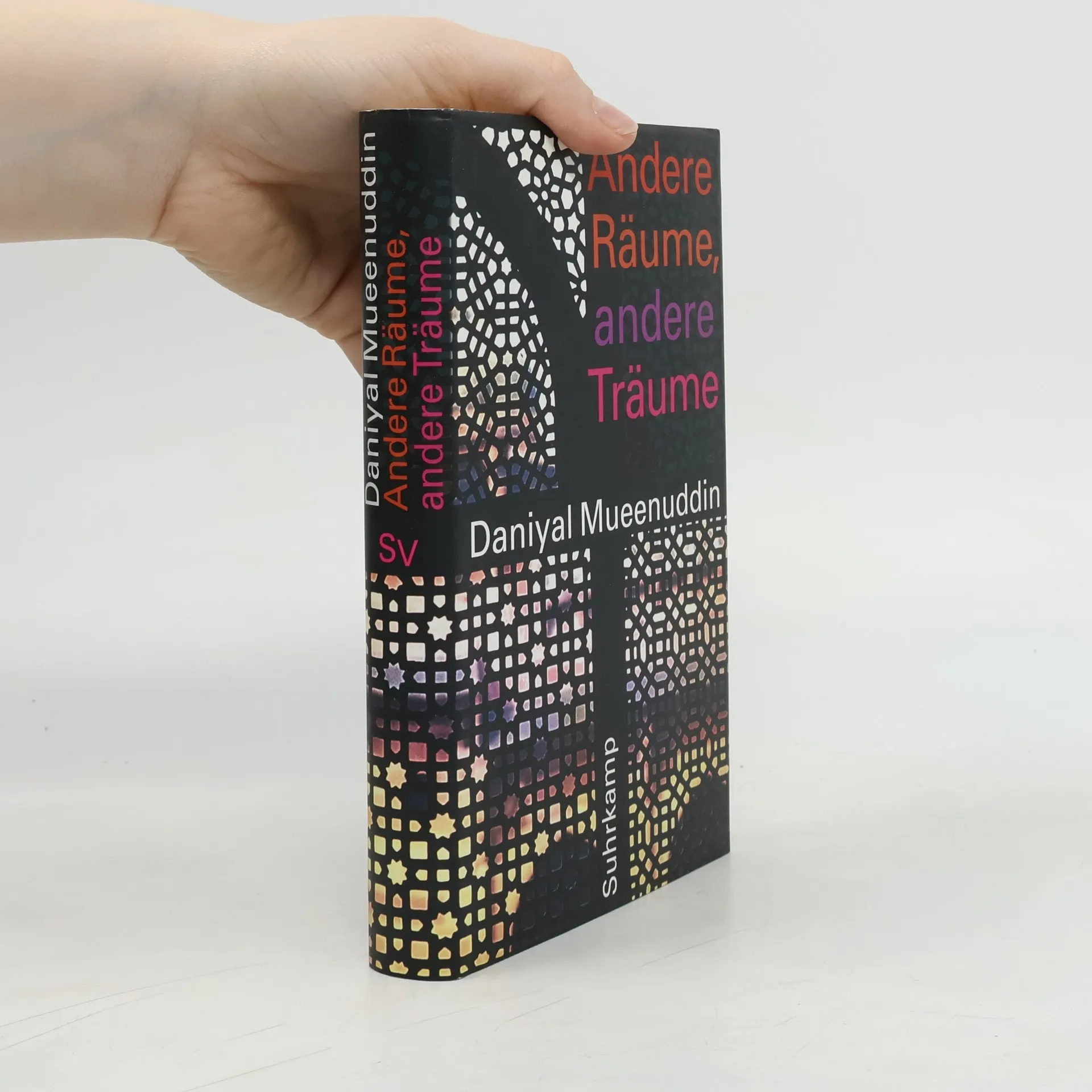
Eine Villa in der Hauptstadt, eine Farm auf dem Land – der betagte K. K. Harouni ist ein vermögendes und einflußreiches Mitglied der pakistanischen Landbesitzerklasse. Verständlich, daß seine Beziehung zu einer Frau, die gesellschaftlich weit unter ihm steht, bei seiner Familie auf wenig Begeisterung stößt. Nach Harounis Tod wird sie dorthin verstoßen, wo sie herkam: auf die Straße. Um den Clan dieses Patriarchen und seine Angestellten kreisen acht faszinierende Erzählungen: über Harounis Neffen, der sich in eine Amerikanerin verliebt; über Nawab, den Elektriker, unentbehrliche Arbeitskraft auf Harounis Besitztümern und immer auf der Suche nach neuen Einnahmequellen; über Saleema, die sich als Küchenhilfe durchschlägt, bis sie Harounis Diener Rafik begegnet und ihr Leben plötzlich ganz anders zu werden verspricht. Doch das Glück ist meist von kurzer Dauer in Mueenuddins Pakistan. Daniyal Mueenuddins Debüt war bereits vor seinem Erscheinen ein Ereignis und machte Furore mit Vorabdrucken im New Yorker und in Salman Rushdies Best American Short Stories. Mitreißend, tragisch, elegisch und humorvoll webt es die Lebensgeschichten von Menschen ineinander und öffnet den Blick auf eine Welt, die man so schnell nicht vergißt.
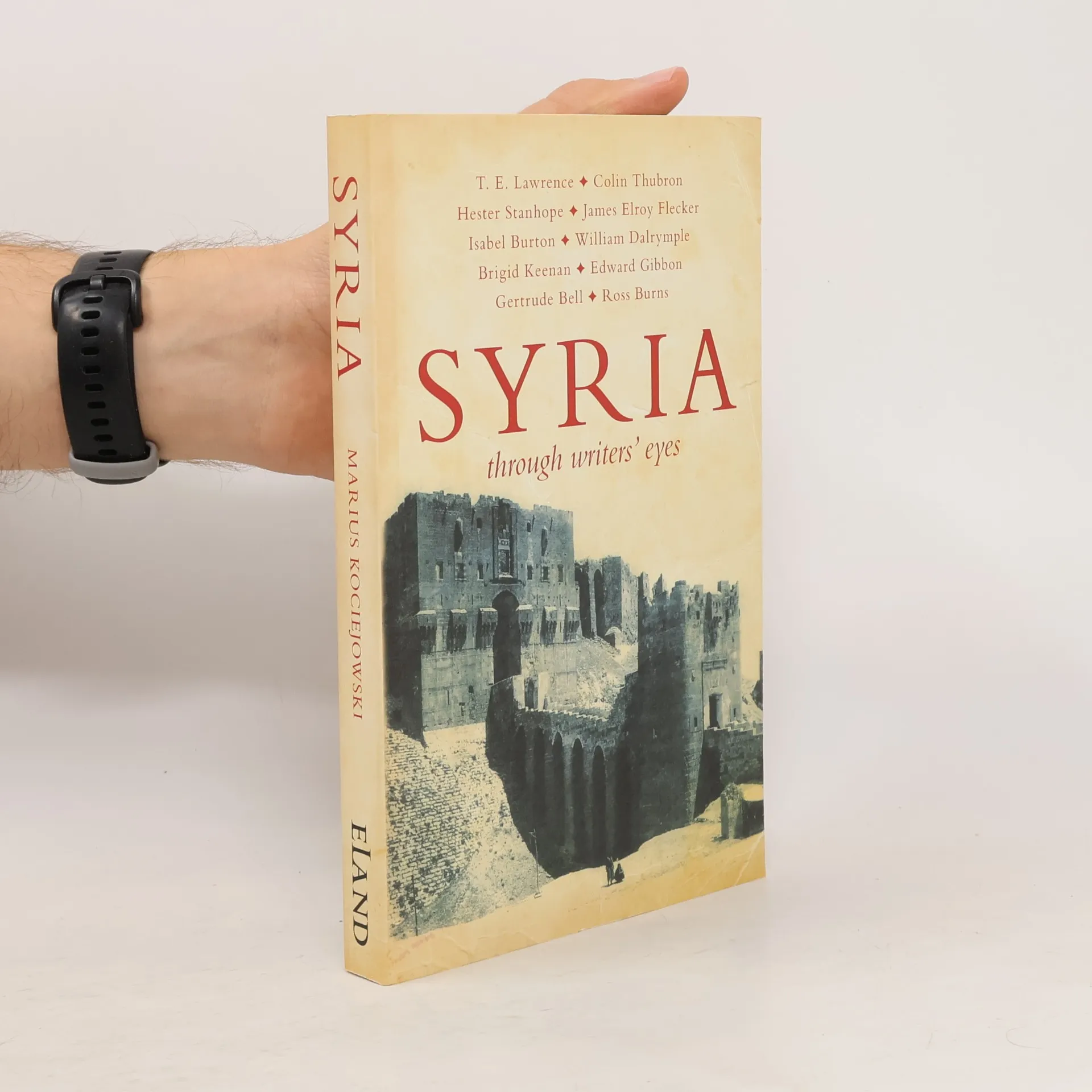
A useful companion for those travelling to Syria, this work is part of a series that is a collection of writing, aiming to invest the traveller with a cultural and historical background to Syria.
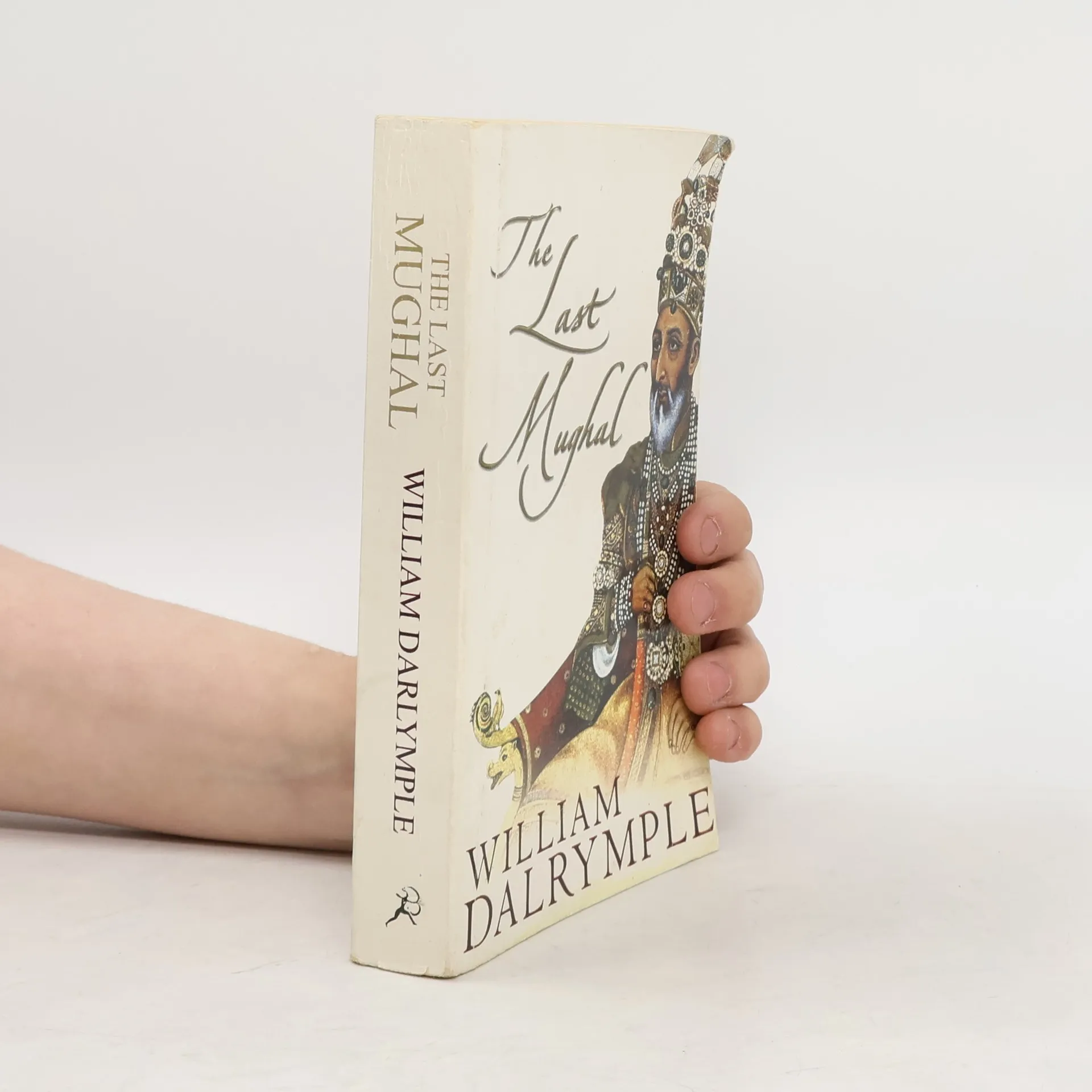
The Last Mughal
- 608 Seiten
- 22 Lesestunden
Rangoon, November 1862. Ein in ein Leichentuch gehüllter Kadaver wird von britischen Soldaten zu einem anonymen Grab nahe einem Gefängnis getragen. Der englische Hochkommissar atmet auf, als er feststellt, dass es keine Spuren mehr des letzten der Großen Mogulen geben wird. Bahadur Shah II., genannt Zafar, geboren 1775, war der letzte Mogul-Kaiser, ein Nachkomme von Dschingis Khan. Obwohl er seine Rechte und Macht zugunsten der Britischen Ostindien-Kompanie verloren hatte, blieb Zafar ein raffinierter Dichter und talentierter Kalligraf, der zu einer Wiederbelebung der indischen Geschichte beitrug. 1857 wird Delhi, seine Hauptstadt, zum Schauplatz eines gewaltsamen Aufstands, der Sepoy-Revolte, den Zafar unterstützt. Dieser Aufstand, der von den Engländern niedergeschlagen wird, führt zur Zerstörung der einst prächtigen Stadt und des mogulischen Erbes. Diese bewegende Erzählung schildert das fabelhafte Delhi durch das Prisma von Zafar und erkundet ihr tragisches Schicksal während der Katastrophe von 1857. Mithilfe unveröffentlichter Archive in Urdu und Persisch bietet der Autor eine reiche Synthese religiöser Toleranz zwischen Indien und dem Islam und offenbart zeitgenössische Resonanzen am Ende der mogulischen Dynastie.
Město džinů : rok v Dillí
- 351 Seiten
- 13 Lesestunden
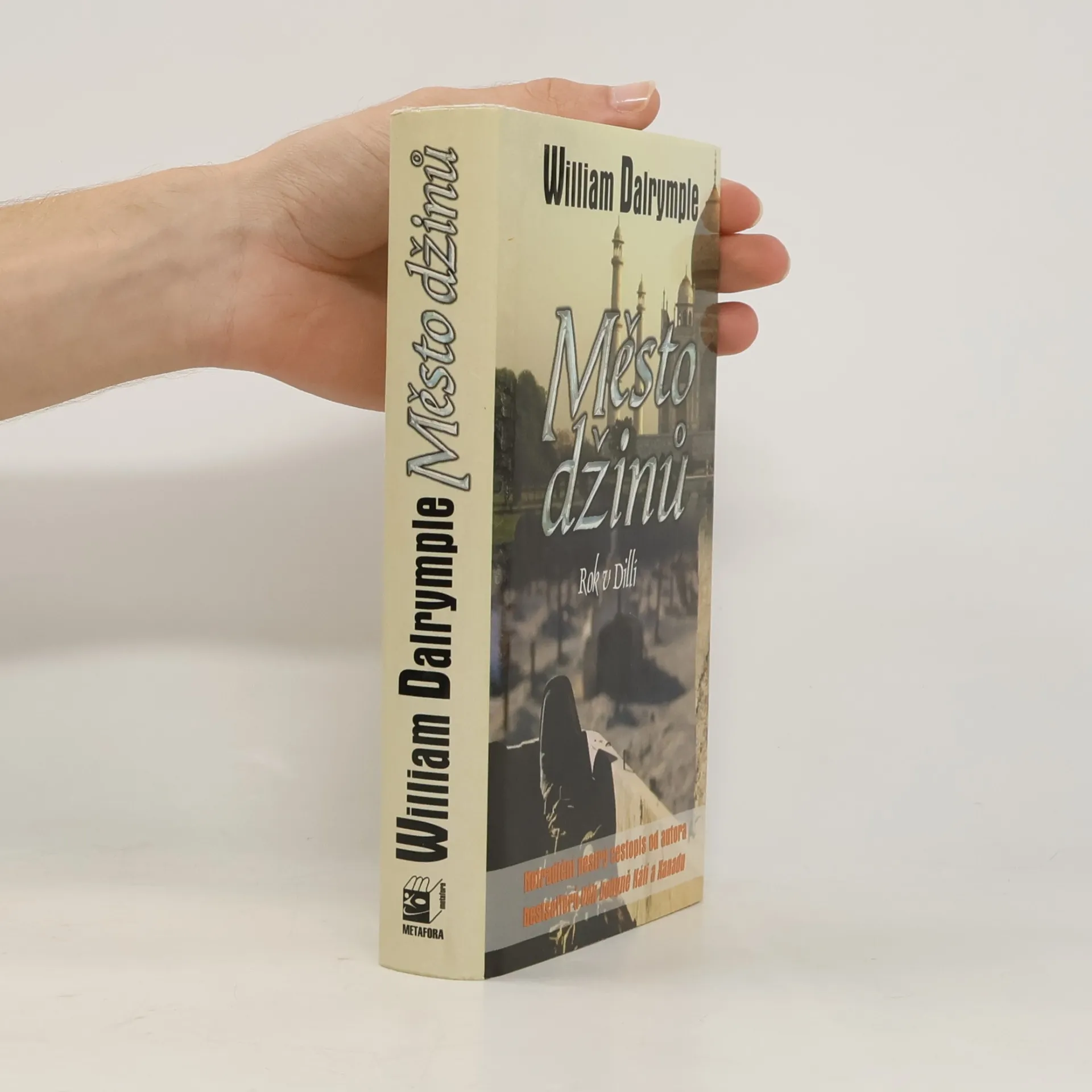
Město džinů se odehrává se během jednoho roku, který autor strávil v Dillí. Bizarní exotické město se před námi postupně odhaluje, takže jsme brzy vtaženi do jeho křivolakých uliček, na hlučné bazary, do mešit, svatyní a hrobek. Vůbec si neuvědomujeme, že zatímco nás vypravěč baví neuvěřitelnými historkami o kohoutích zápasech, praštěných taxikářích a svatých mužích, bezděky do sebe nasáváme také množství vědomostí. Kromě toho, že se nenásilně seznámíme s celou pohnutou historií Indie, od násilného rozdělení, přes britskou nadvládu a sikhská povstání až do současnosti, potkáme spolu s autorem také nepřeberné množství figurek i osobností, tak živých, že jen těžko uvěříme, že jsme je neviděli na vlastní oči. Chovatelé holubů, súfističtí mystikové, muslimští léčitelé, hudebníci, tančící derviši, kaligrafové, filozofové, potrhlý indický domácí… to jsou jen někteří z mnoha. Pokud jste si až dosud vážně mysleli, že poučování musí být nudné, tahle kniha vás definitivně vyvede z omylu.
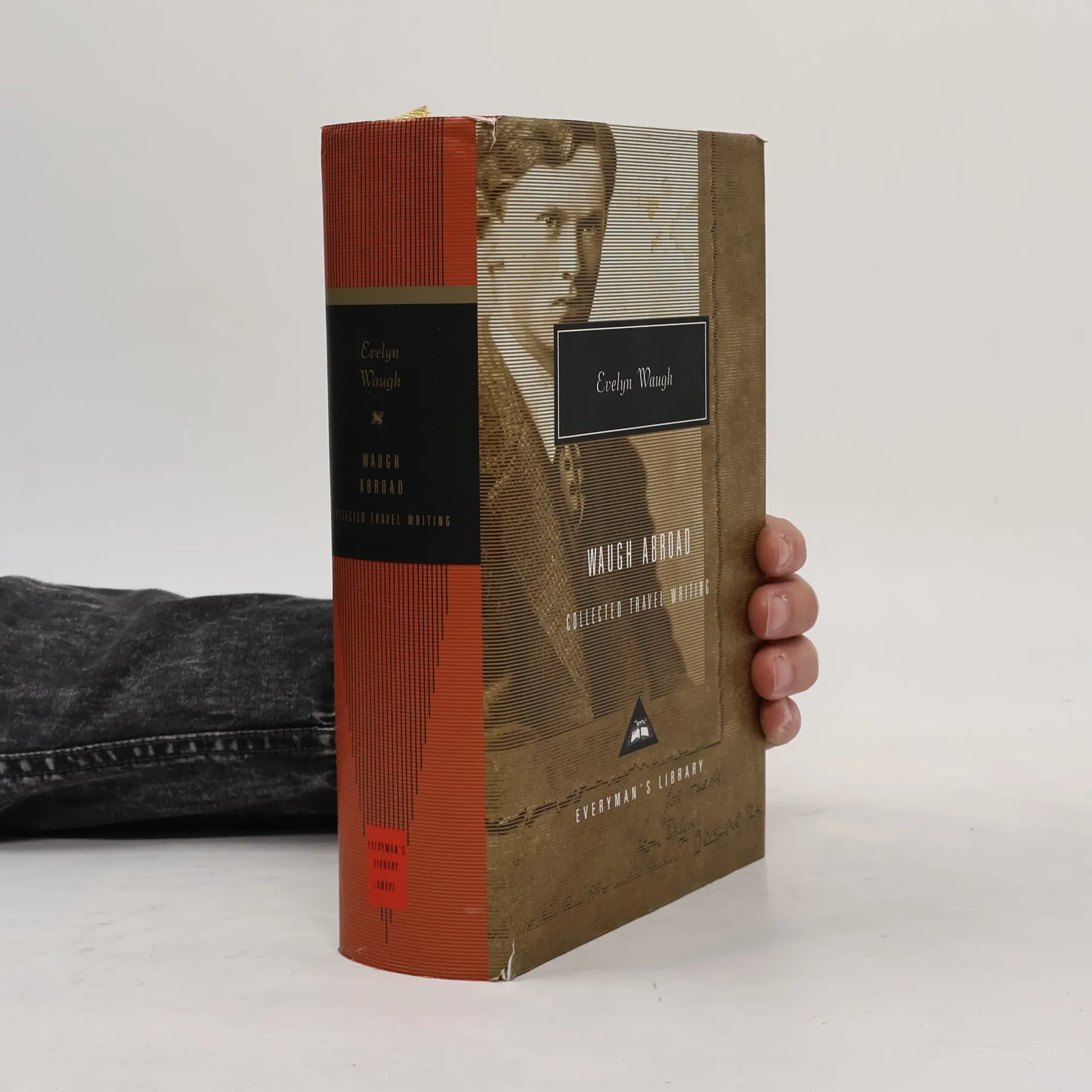
(Book Jacket Jacketed)Thirty years’ worth of Evelyn Waugh’s inimitable travel writings have been gathered together for the first time in one volume.Waugh’s accounts of his travels–spanning the years from 1929 to 1958–describe journeys through the West Indies, Mexico, South America, the Holy Land, and Africa. And just as his travels informed his fiction, his novelist’s sensibility is apparent in each of these pieces. Waugh pioneered the genre of modern travel writing in which the comic predicament of the traveler is as central as the world he encounters. He wrote with as sharp an eye for folly as for foliage, and a delight in the absurd, not least where his own comfort and dignity are concerned.From his fresh take on the well-traveled and hence already “fully labeled” Mediterranean region in Labels, to a close-up view of Haile Selassie’s coronation in Remote People, from a comically miserable stint in British Guiana.
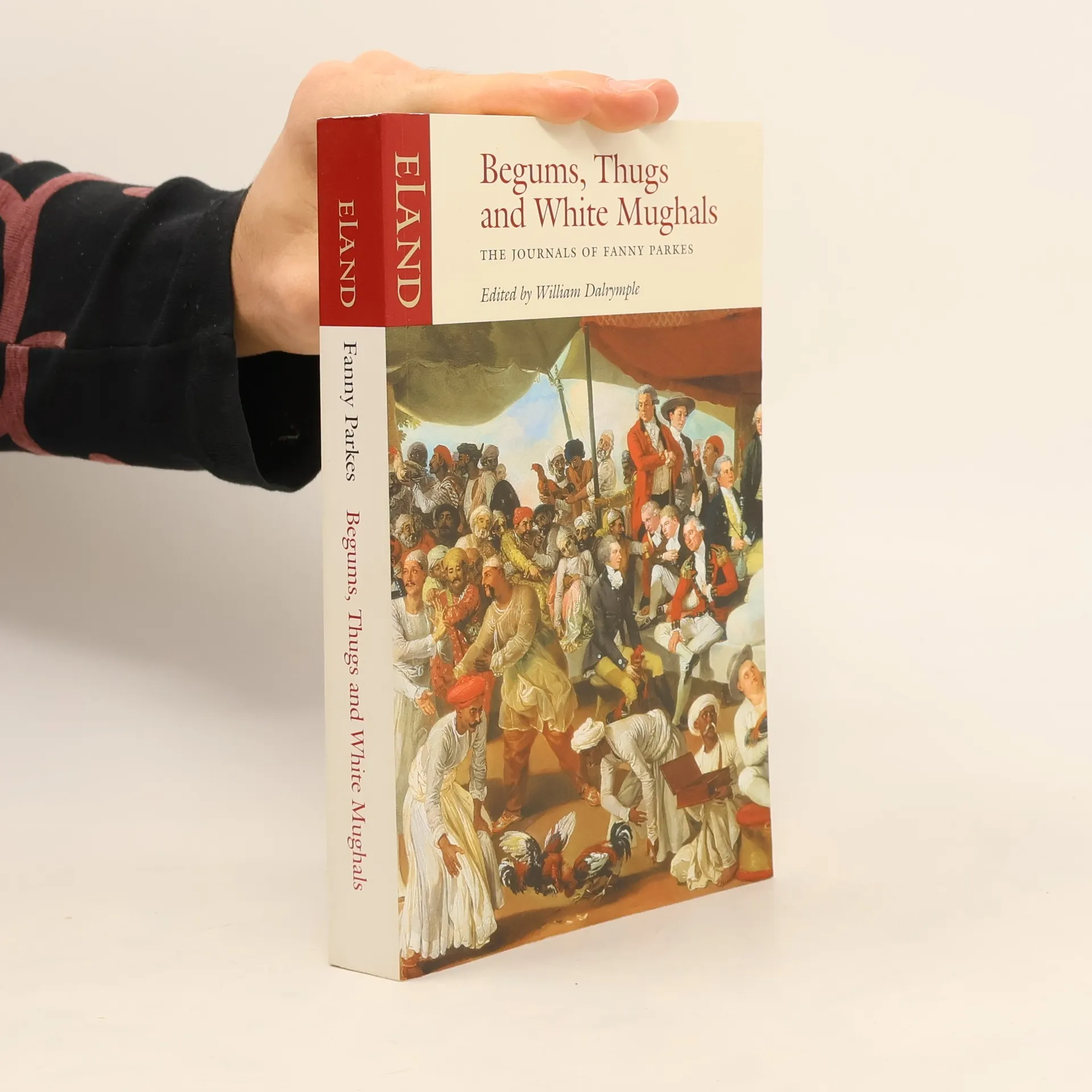
Fanny Parkes, who lived in India between 1822 and 1846, was the ideal travel writer - courageous, indefatigably curious and determinedly independent. Her delightful journal traces her journey from prim memsahib, married to a minor civil servant of the Raj, to eccentric, sitar-playing Indophile, fluent in Urdu, critical of British rule and passionate in her appreciation of Indian culture. Fanny is fascinated by everything, from the trial of the thugs and the efficacy of opium on headaches to the adorning of a Hindu bride. To read her is to get as close as one can to a true picture of early colonial India - the sacred and the profane, the violent and the beautiful, the straight-laced sahibs and the more eccentric "White Mughals" who fell in love with India and did their best, like Fanny, to build bridges across cultures.
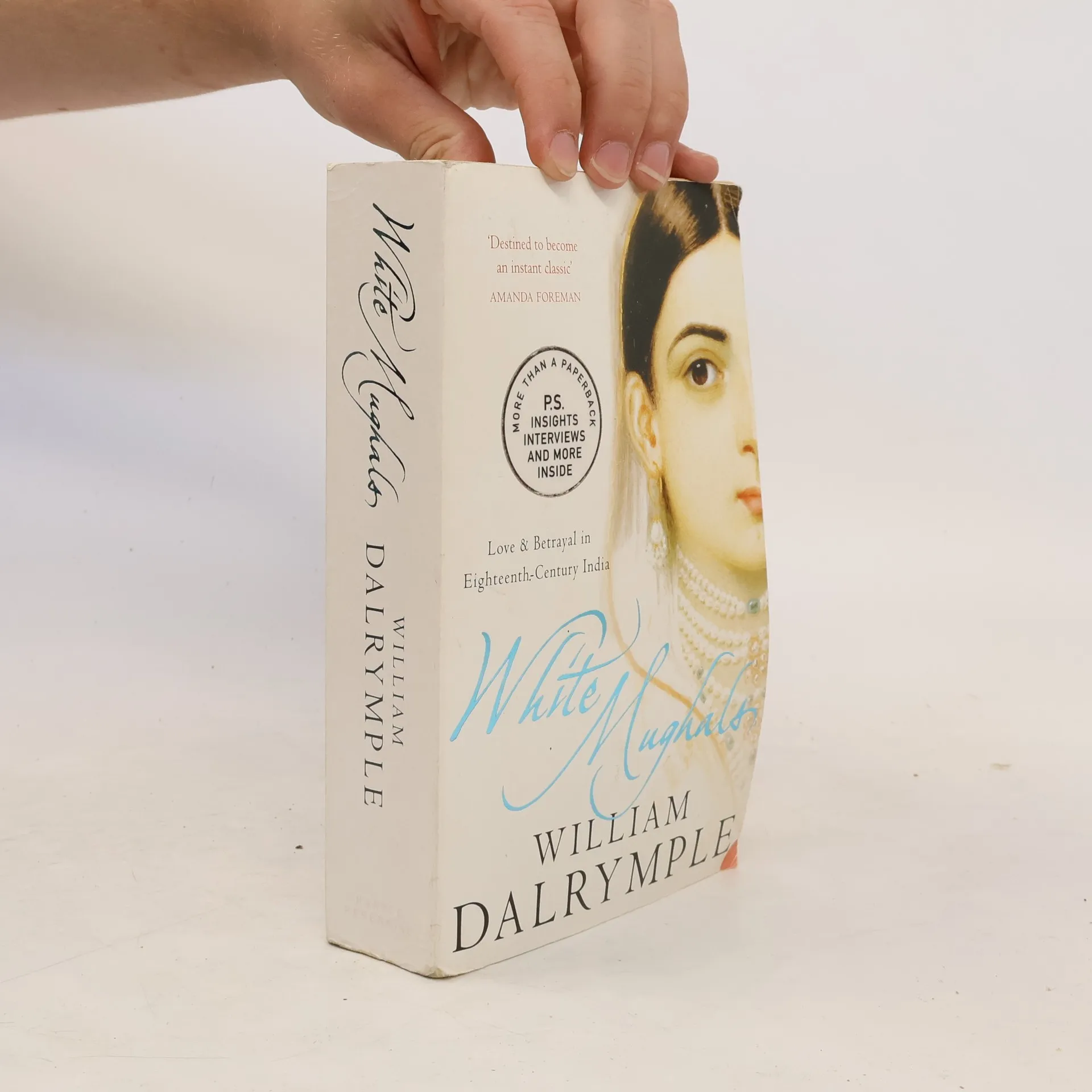
White Mughals
- 640 Seiten
- 23 Lesestunden
This compelling history of Britain's rule over India relates the true story of James Kirkpatrick, who converted to Islam and spied on the East India Company in the midst of an affair with the great-niece of the region's prime minister. Photos.
In India
- 391 Seiten
- 14 Lesestunden
Neun Menschen im heutigen Indien, neun Menschen, deren Leben auf ganz verschiedene Weise durch eine selbstverständliche Beziehung zum Göttlichen geprägt ist. Einer von ihnen ist Hari Das, ein unbedeutender Gefängniswärter, doch ein Mal im Jahr wird er selbst zu einem Gott, indem er einen heiligen Tanz vollführt; dann genießt er die Anerkennung all jener, die ihn sonst niemals beachten würden. Eine andere ist die jainistische Nonne Mataji, die der Welt und in letzter Konsequenz dem eigenen Leben entsagt. Wir begegnen Tempeldienerinnen und Epensängern, Menschen, die dem Sufismus anhängen oder tantrische Rituale am Leben erhalten. Und wir lernen Srikanda Stapathy kennen, den Bronzegießer, dessen Familie seit Jahrhunderten den Götterstatuen Leben einhaucht, doch sein Sohn will lieber Computerprogrammierer werden. William Dalrymple begegnet seinen Protagonisten mit tiefem Respekt. Er wertet nicht, lässt sie vielmehr selbst von ihrem Leben erzählen. Und so lesen wir wahre Geschichten, lesen von den unterschiedlichsten Glaubensrichtungen wie auch den unterschiedlichsten Regionen des Subkontinents. Das Buch stand monatelang auf Platz 1 der indischen Bestsellerliste - ein Hinweis darauf, wie nahe Dalrymple dem Herzen dieser Kultur kommt.
The Age of Kali
- 356 Seiten
- 13 Lesestunden
In Sri Lanka, Pakistan and India itself, William Dalrymple searches for evidence of Kali Yug, the Hindu "age of darkness." Venturing to places rarely visited by foreigners, he travels deep into guerilla territory with the Tamil Tigers. Visits Benazir Bhutto and meets the drug lords of the North West Frontier. He inveils a region where the strengths and problems of both modernity and tradition remain to be reconciled. The result is this engrossing, eagle-eyed and utterly enthralling collection."--Back cover.
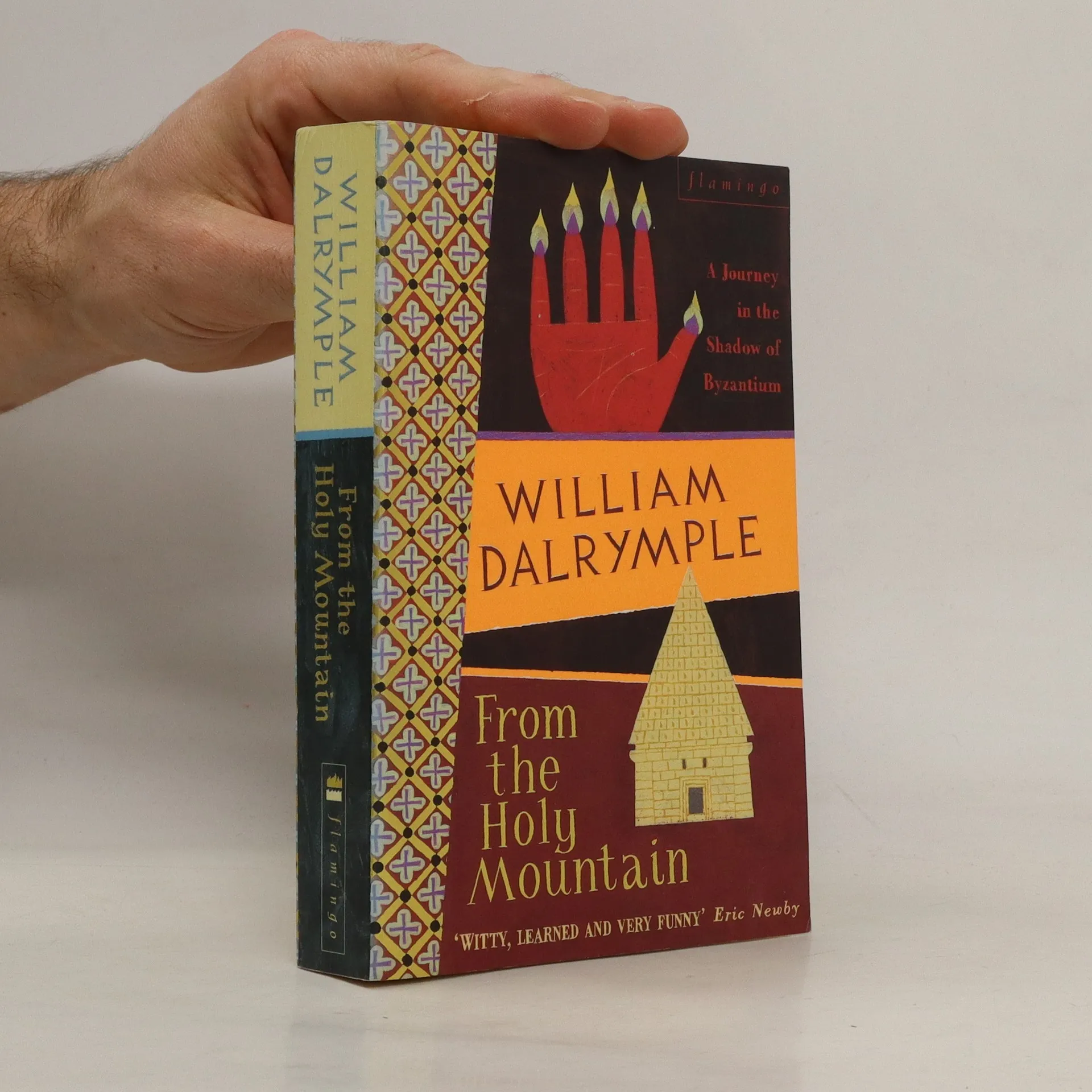
From the Holy Mountain
- 496 Seiten
- 18 Lesestunden
In the spring of 587 A.D., 2 men set out from the great desert monastery of St Theodosius, near Bethlehem. It was the start of an extraordinary journey across the entire Byzantine world, and William Dalrymple has followed in their footsteps
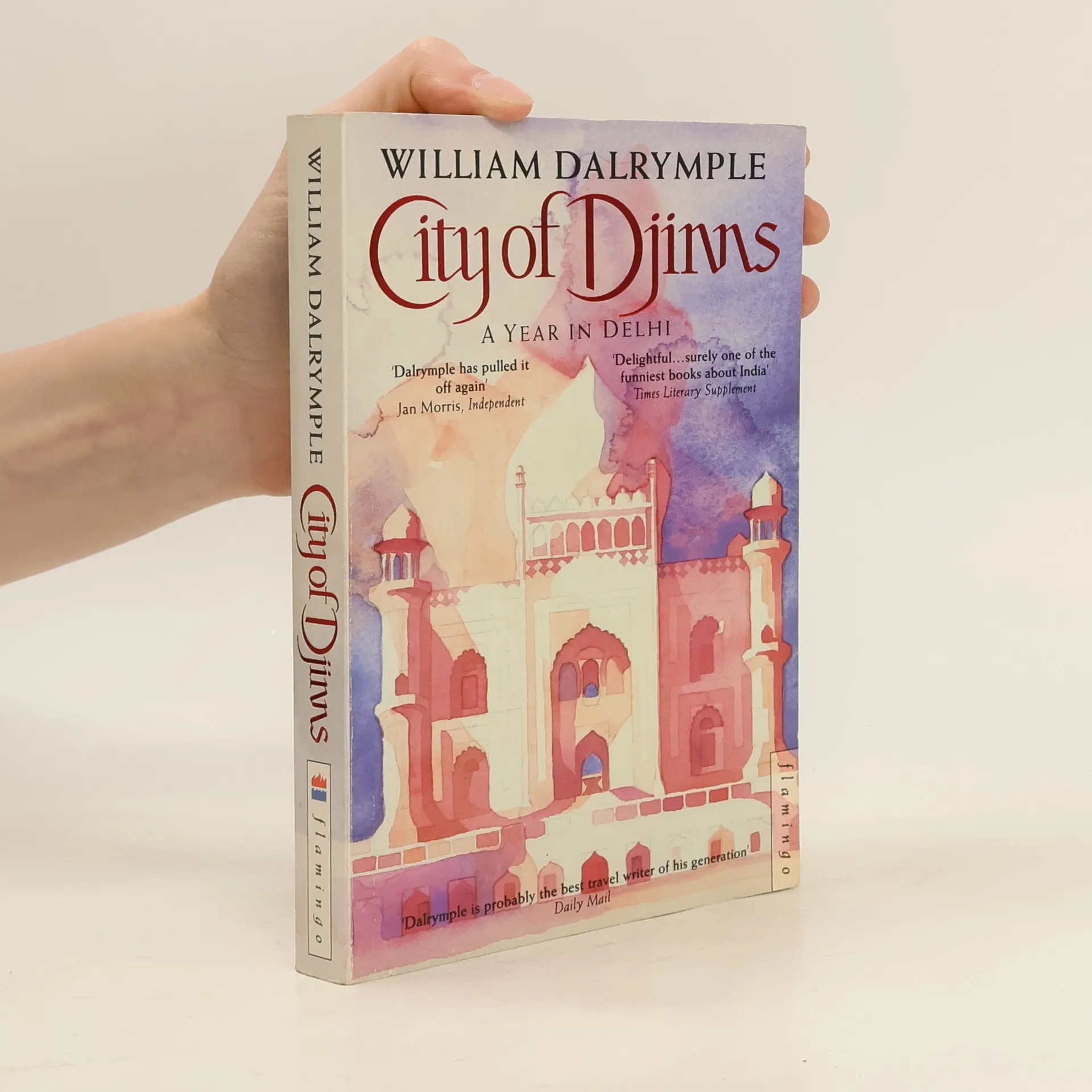
City of Djinns
- 352 Seiten
- 13 Lesestunden
'Could you show me a djinn?' I asked. 'Certainly, ' replied the Sufi. 'But you would run away.' From the author of the Samuel Johnson prize shortlisted 'The Return of a King', this is William Dalrymple's captivating memoir of a year spent in Delhi, a city watched over and protected by the mischievous invisible djinns. Lodging with the beady-eyed Mrs Puri and encountering an extraordinary array of characters - from elusive eunuchs to the last remnants of the Raj - William Dalrymple comes to know the bewildering city intimately. He pursues Delhi's interlacing layers of history along narrow alleys and broad boulevards, brilliantly conveying its intoxicating mix of mysticism and mayhem. 'City of Djinns' is an astonishing and sensitive portrait of a city, and confirms William Dalrymple as one of the most compelling explorers of India's past and present.
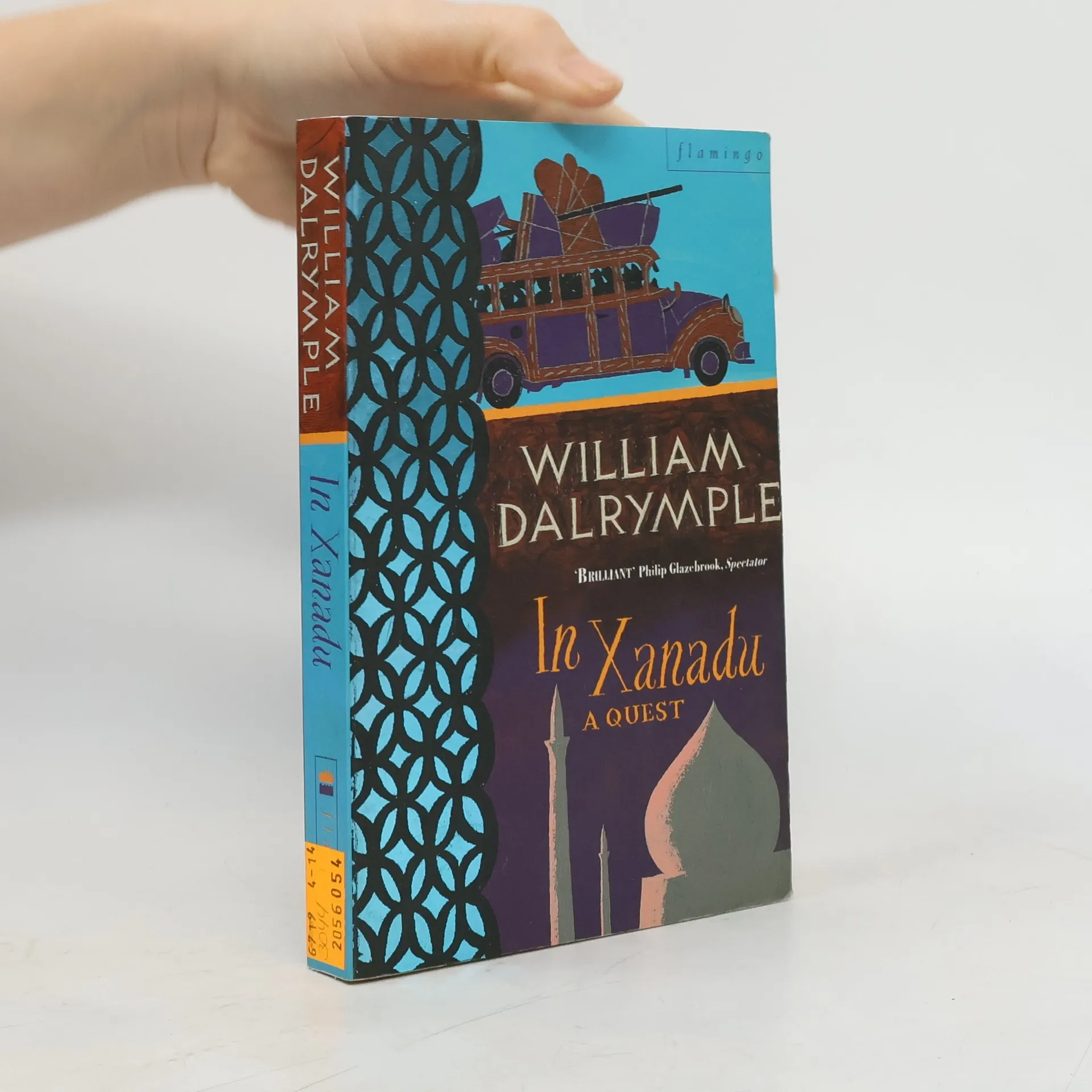
In Xanadu
- 320 Seiten
- 12 Lesestunden
One of the most successful, influential and acclaimed travel books of recent years from the author of 'Return of a King', which has been shortlisted for the Samuel Johnson prize. At the age of twenty-two, William Dalrymple left his college in Cambridge to travel to the ruins of Kublai Khan's stately pleasure dome in Xanadu. This is an account of a quest which took him and his companions across the width of Asia, along dusty, forgotten roads, through villages and cities full of unexpected hospitality and wildly improbable escapades, to Coleridge's Xanadu itself. At once funny and knowledgeable, In Xanadu is in the finest tradition of British travel writing. Told with an exhilarating blend of eloquence, wit, poetry and delight, it is already established as a classic of its kind.