Michael FootReihenfolge der Bücher (Chronologisch)
23. Juli 1913 – 3. März 2010
Ein britischer Autor taucht in die Rolle eines linken Politikers und Schriftstellers ein, dessen literarische Werke sich auf die britische politische Geschichte und Gesellschaftskommentare konzentrieren. Sein Schreiben zeichnet sich durch scharfen Einblick in politische Prozesse und tiefes Verständnis der gesellschaftlichen Kräfte aus, die eine Nation prägen. Der Ansatz des Autors ist sowohl analytisch als auch zugänglich, was es den Lesern ermöglicht, die Komplexität der Politik zu erfassen. Seine Schriften bieten eine zeitlose Perspektive auf die politische Landschaft und finden weiterhin Anklang bei denen, die sich für politische Geschichte und intellektuelles Denken interessieren.
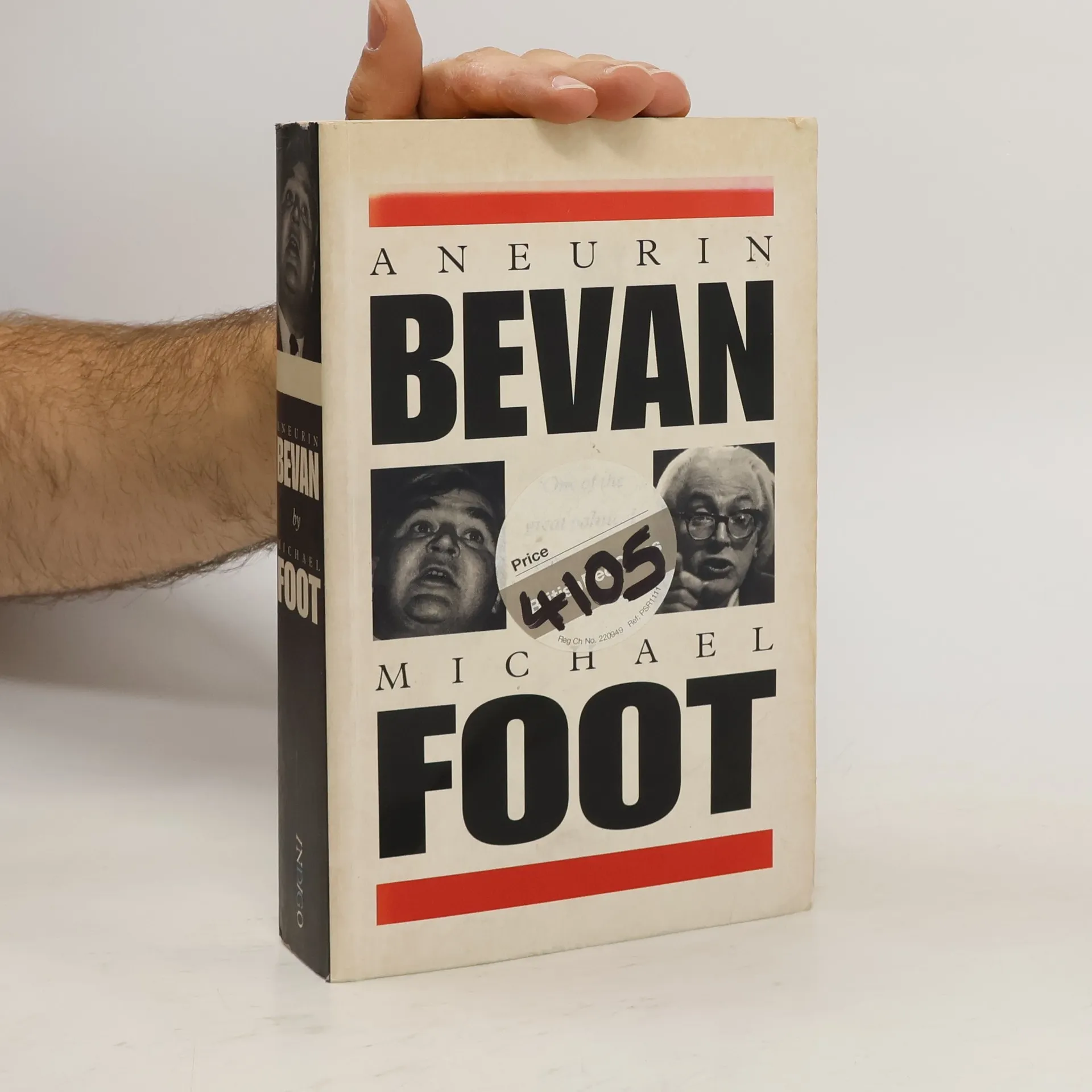
When Aneurin Bevan died in 1960 he was acclaimed as an outstanding political figure, a parliamentary debater of the first order and a man of courage and personal magnetism. Yet he spent his life at the centre of a ferocious political controversy. This biography unravels the details of his life.
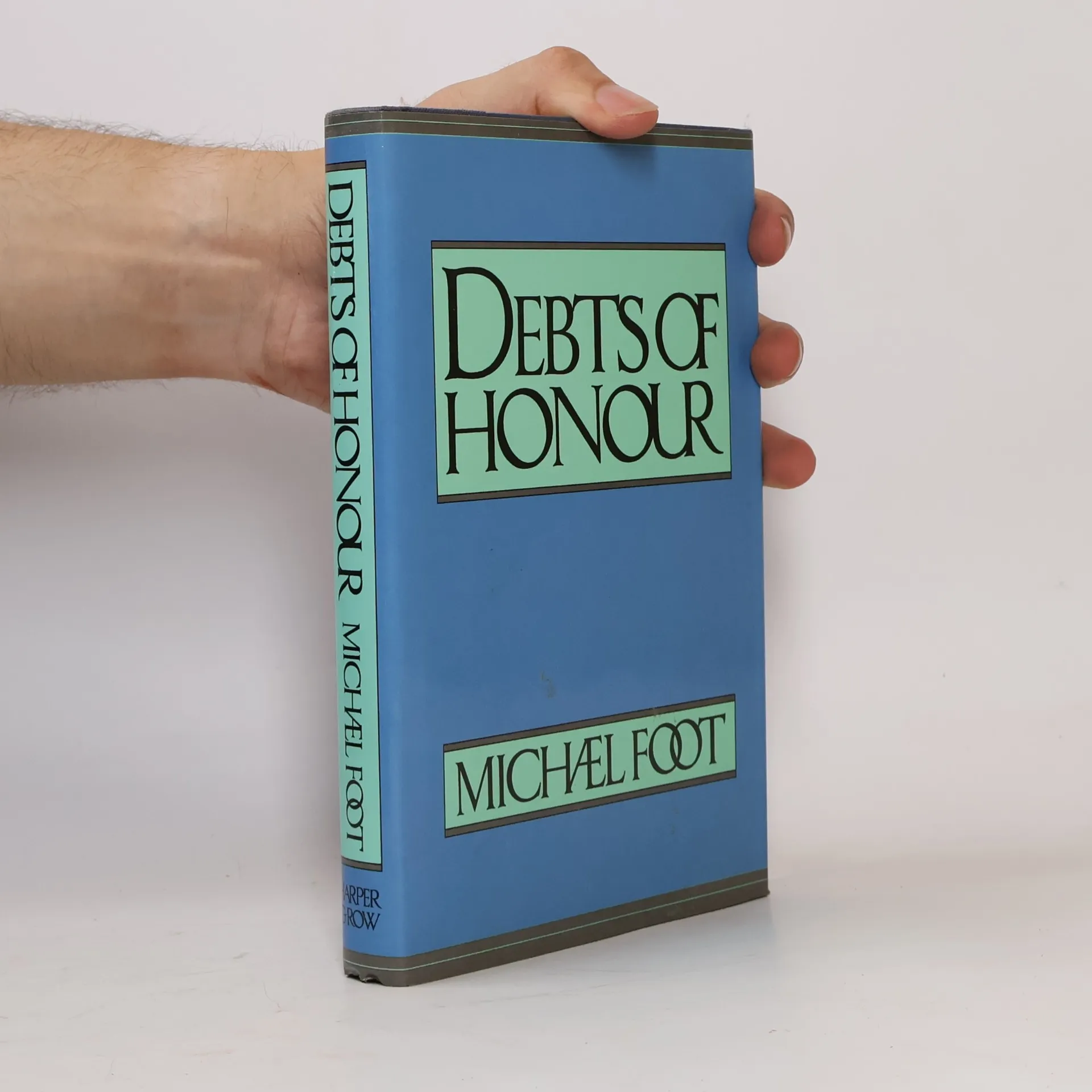
Debts of Honour is Michael Foot's renowned collection of essays, showcasing his eloquent writing. While he excelled in longer works, such as The Pen and the Sword and his biography of Aneurin Bevan, his essays reveal his sharpest insights. Kenneth Morgan describes the volume as enchanting, highlighting Foot's literary and political heroes, whose categories often merge into a shared aspiration. The collection features fourteen essays on figures like Isaac Foot, William Hazlitt, Benjamin Disraeli, Bertrand Russell, and Jonathan Swift, reflecting a wide-ranging intellectual curiosity that impressed even a young Tony Blair. In 1982, Blair lamented the ignorance of his generation, urging a revival of the radicalism of past thinkers like Hazlitt and Paine. A. J. P. Taylor praises Foot as an enthusiastic essayist who celebrates a diverse array of heroes, from politicians to philosophers, all united by their individualism and rejection of convention. The book is filled with delights, appealing to both the right and left of the political spectrum. Foot's open-mindedness and eclecticism shine through, making him a worthy companion to the figures he admires. Bernard Crick notes that Foot is not just a literate politician but one of the best literary and political essayists, making this collection thoroughly enjoyable.
A wickedly clever satire uses comic inversions to offer insights into human nature and society. It follows the four voyages of Lemuel Gulliver, a ship's surgeon. In Lilliput, he discovers a miniature world, towering over its inhabitants and observing their society from a god-like perspective. Conversely, in Brobdingnag, Gulliver becomes the curiosity, displayed in markets as a tiny man among giants. His journey continues to Laputa, a flying island where he encounters a society of speculators detached from reality, allowing their homeland to fall into disrepair while they obsess over impractical ideas. Finally, he reaches the land of the Houyhnhnms, gentle horses he admires, contrasting sharply with the Yahoos, filthy creatures resembling humans. Jonathan Swift (1667-1745), born in Dublin, crafted this enduring classic, which remains a profound exploration of the follies and vices of humanity through the lens of fantastical adventures.