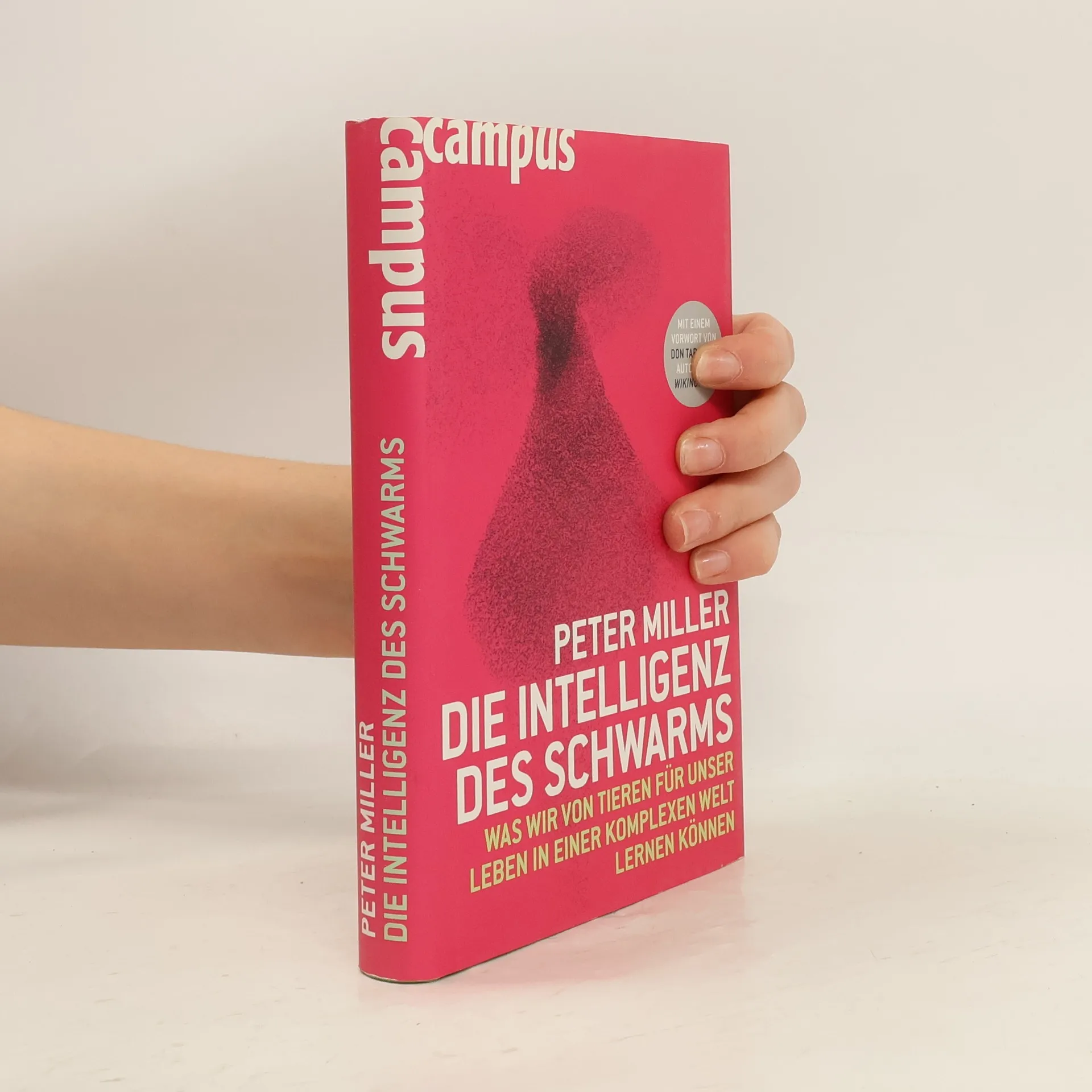
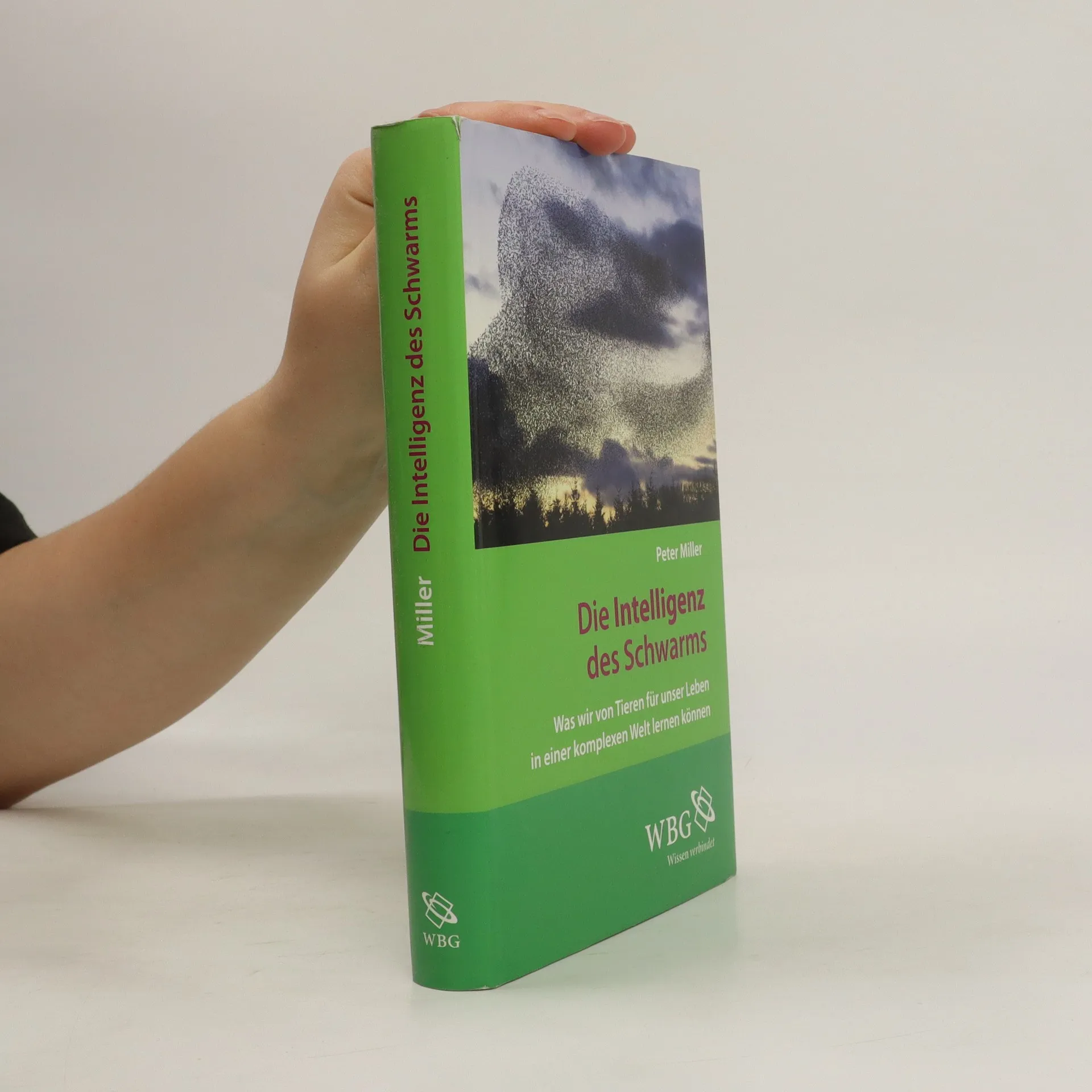
Was passiert, wenn Heuschrecken nach Mekka ziehen? In unserer hochkomplexen Welt brauchen wir schnelle und effiziente Lösungen. Wir finden sie bei den genialen Strategen des Tierreichs: den Schwärmen. National Geographic-Autor Peter Miller präsentiert die aktuellsten Forschungen aus Wissenschaft und Technik und zeigt, wie wir den Erfolg intelligenter Schwärme für uns nutzen können.
Was wir von Tieren für unser Leben in einer komplexen Welt lernen können
271 Seiten
10 Lesestunden
Was passiert, wenn Heuschrecken nach Mekka ziehen? In unserer hochkomplexen Welt brauchen wir schnelle und effiziente Lösungen. Wir finden sie bei den genialen Strategen des Tierreichs: den Schwärmen. National Geographic-Autor Peter Miller präsentiert die aktuellsten Forschungen aus Wissenschaft und Technik und zeigt, wie wir den Erfolg intelligenter Schwärme für uns nutzen können.
Since Philip Guston's death in 1980, his late figurative paintings and drawings have steadily reaped the acclaim they deserve--acclaim that was largely denied them during Guston's lifetime (Hilton Kramer infamously reviewed Guston as a "mandarin pretending to be a stumblebum" in a damning 1970 New York Times article). This volume reunites a selection of paintings from the Roma series, completed during Guston's residency at the American Academy in Rome in 1970-71. From early in his career, Guston had taken inspiration from Italian art, and his 1973 painting "Pantheon" features a list of Italian de Chirico, Masaccio, Piero della Francesca, Giotto and Tiepolo. Italian cinema (especially Fellini) and classical sculpture were also dear to his heart. The Roma works consolidate this dialogue with Italian art and culture. Diary entries published alongside the reproductions recount exchanges at the American Academy, pilgrimages to Venice, Arezzo, Sicily and Orvieto, and observations of the international cultural community in Rome.
Johan Rockström nimmt das dringlichste Dilemma unserer Zeit in den Blick: Wie können wir eine positive Zukunft für unseren Planeten und für die Menschheit gleichermaßen schaffen? Souverän und mit fundiertem Optimismus skizzieren Rockström und der Fotograph Klum eine Zukunft menschlichen Wohlstands innerhalb der Grenzen des Wachstums. Wir befinden uns im Zeitalter des Anthropozän: Über 7 Milliarden Menschen drohen das Ökosystem der Erde nachhaltig zu destabilisieren. Dieses Buch verbindet jüngste wissenschaftliche Erkenntnisse zum Klimawandel mit großartigem Storytelling und atemberaubenden Fotographien. Johan Rockströmräumt mit dem Mythos auf, wirtschaftliches Wachstum und gesellschaftlicher Wohlstand könnten nur auf Kosten der Umwelt erreicht werden. Wir haben unsere Zukunft selbst in der Hand. Rockström hat das Konzept der „Planetary Boundaries“ entwickelt, das die Belastbarkeit der Erde nach neun ökologischen Dimensionen konkret erfassbar macht. Allerdings ist eine gute Zukunft nur mit einem radikalen Gesinnungswandel zu bewältigen – nur so können wir die Hauptrolle als oberster Verwalter der Erde übernehmen.
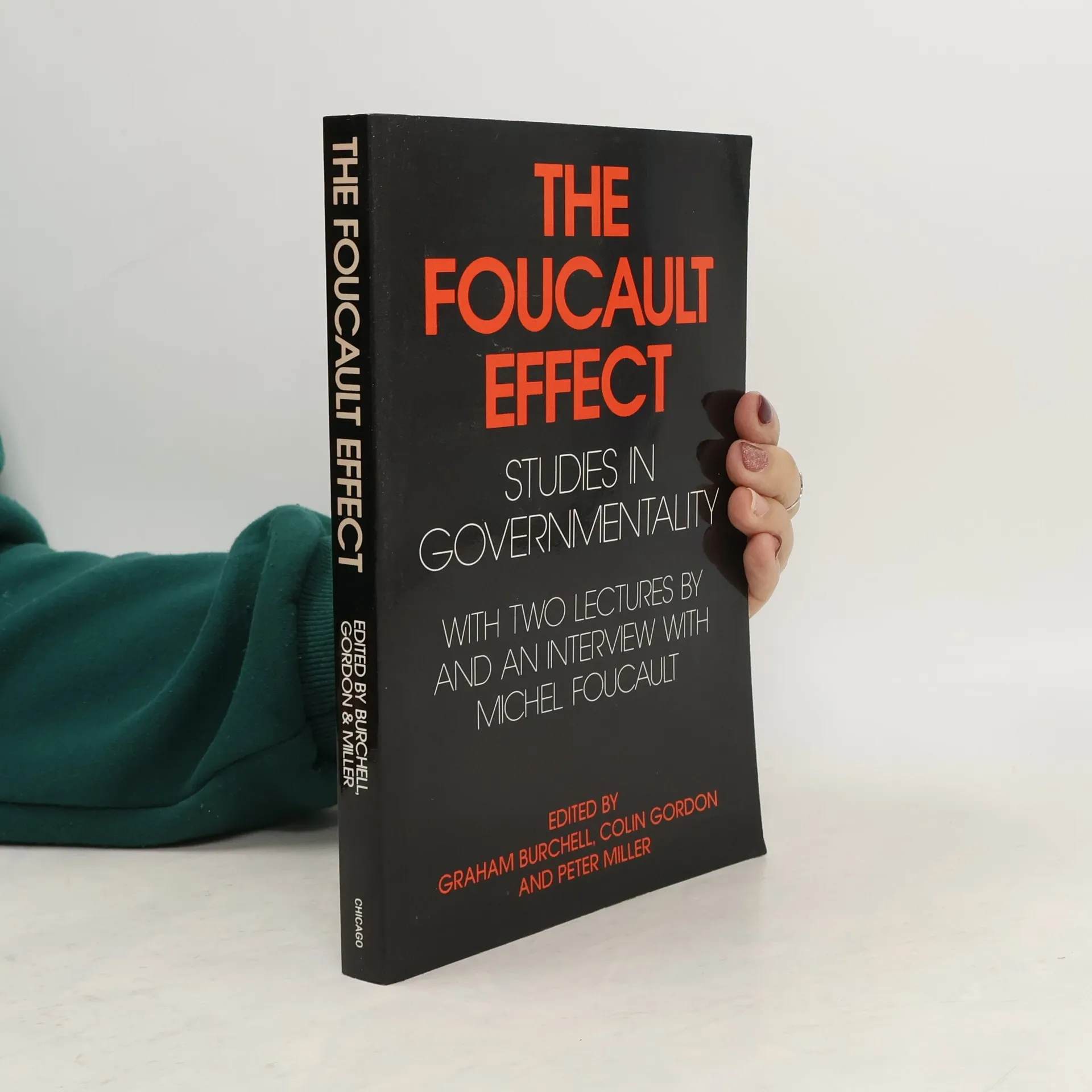
Studies in Governmentality: With Two Lectures by and an Interview with Michel Foucault
307 Seiten
11 Lesestunden
This volume is a sequel to Power/Knowledge, based on Michel Foucault's lectures at the Collège de France in 1978 and 1979, and his 1977 interview on imprisonment. Foucault explores governmental rationalities, examining government as both a contemporary practice and a historical phenomenon, highlighting how governmentality has been conceptualized and enacted. His insights into political discourse and governmentality are complemented by essays from esteemed scholars influenced by Foucault's work. They delve into various modern forms of government, such as state reasoning, police functions, liberalism, security, social economy, insurance, solidarity, welfare, and risk management. A central theme is that government is not an instinctive or natural phenomenon but rather an invention shaped by historical contexts. The collection also investigates the relationship between governmental practices and criticism, suggesting that critique can drive meaningful change and inspire new practices. This unique anthology of articles and primary materials paves the way for renewed discussions on Foucault's contributions and the implications for liberalism, social policy, and insurance.
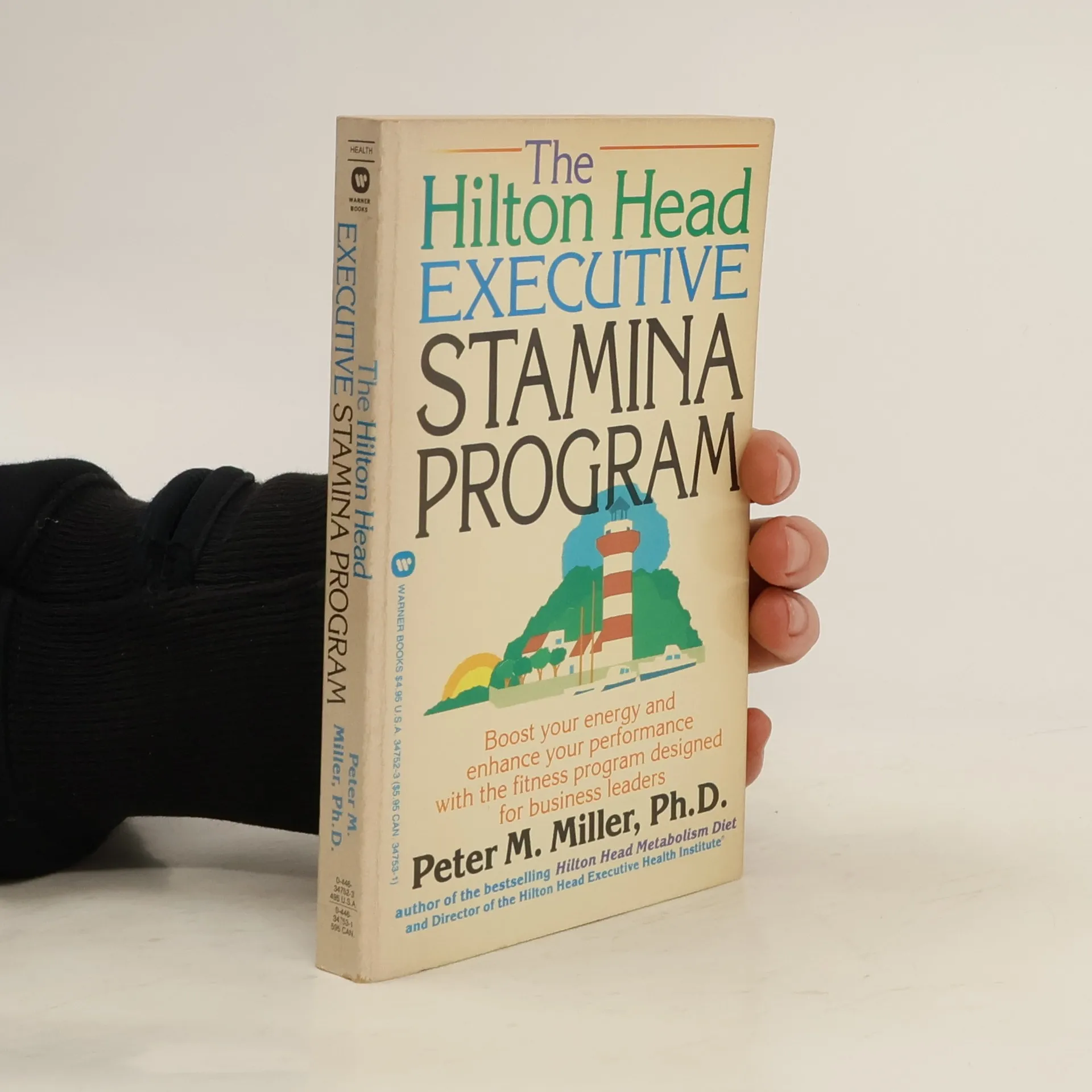
From the bestselling author of the Hilton Head Metabolism comes a successfully proven program that shows business people how to thrive on a hectic schedule and outperform the competition. Shows how to reverse the effects of executive fatigue--in just 20 minutes a day.
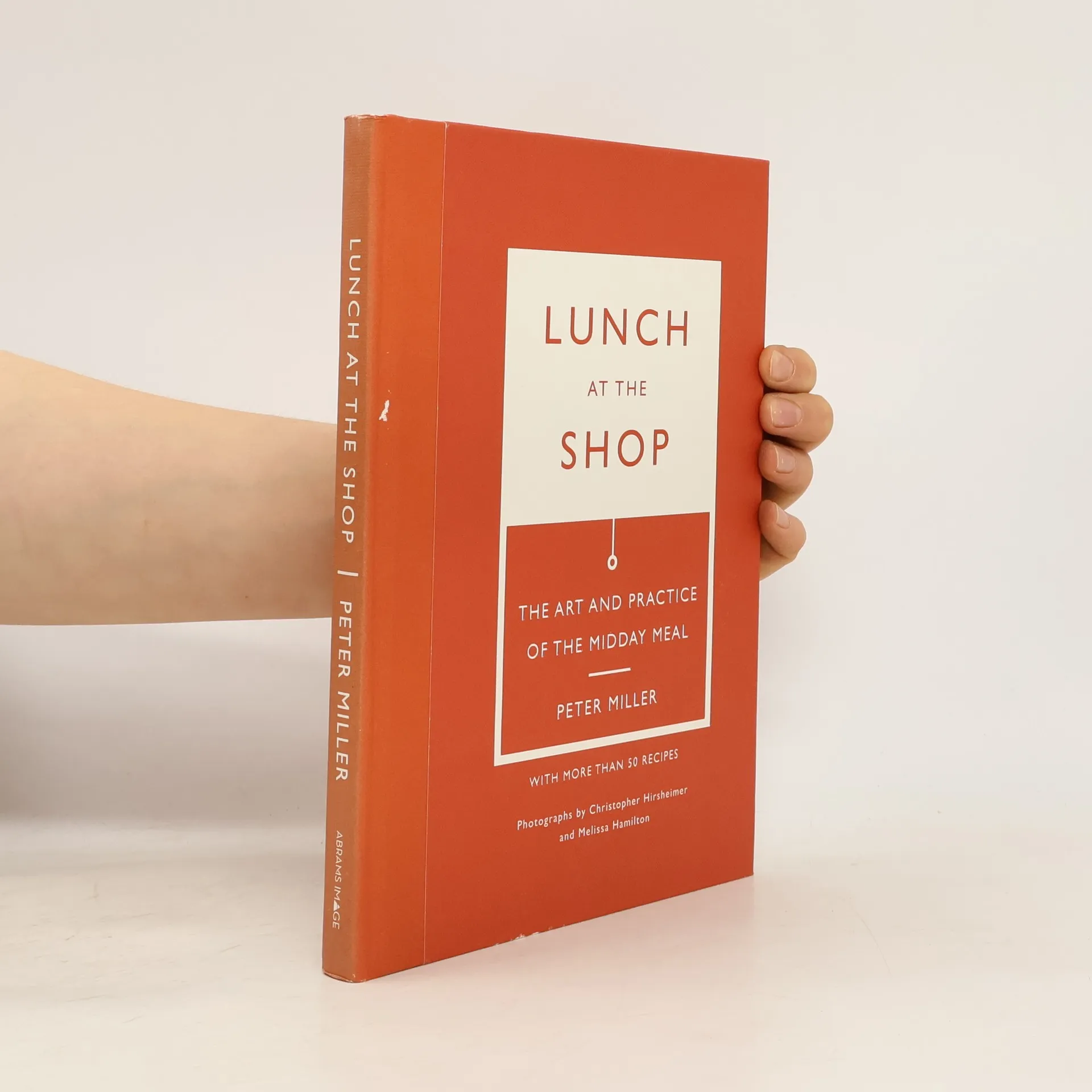
In our current bustle, lunch has been outsourced to stand-up counters, reduced to take-out platters, wrapped and rolled and packaged. But it doesn’t need to be so. Peter Miller makes lunch every day at his bookshop in Seattle. It may be only a salad or a sandwich, but he and his team put it together each day without a formal kitchen. It is a moment set aside, away from the computer and the clock. Lunch at the Shop is a call to lunch. On the most basic level, the book is a primer for making lunch for a few people at work, including more than 50 tried-and-tested, deliciously simple recipes. However, the essence of the book is about adopting a lifestyle that allows food to be savored every day, in a way that is easy, fresh, healthy, and a pleasure. “You may not know it yet, but you are hungry for what is bound and written on these pages. As he did for me, Peter Miller will help fill you up. I’m sure of it.” —Matthew Dillon, James Beard Award–winning chef of Sitka & Spruce, The Corson Building, and Bar Sajor
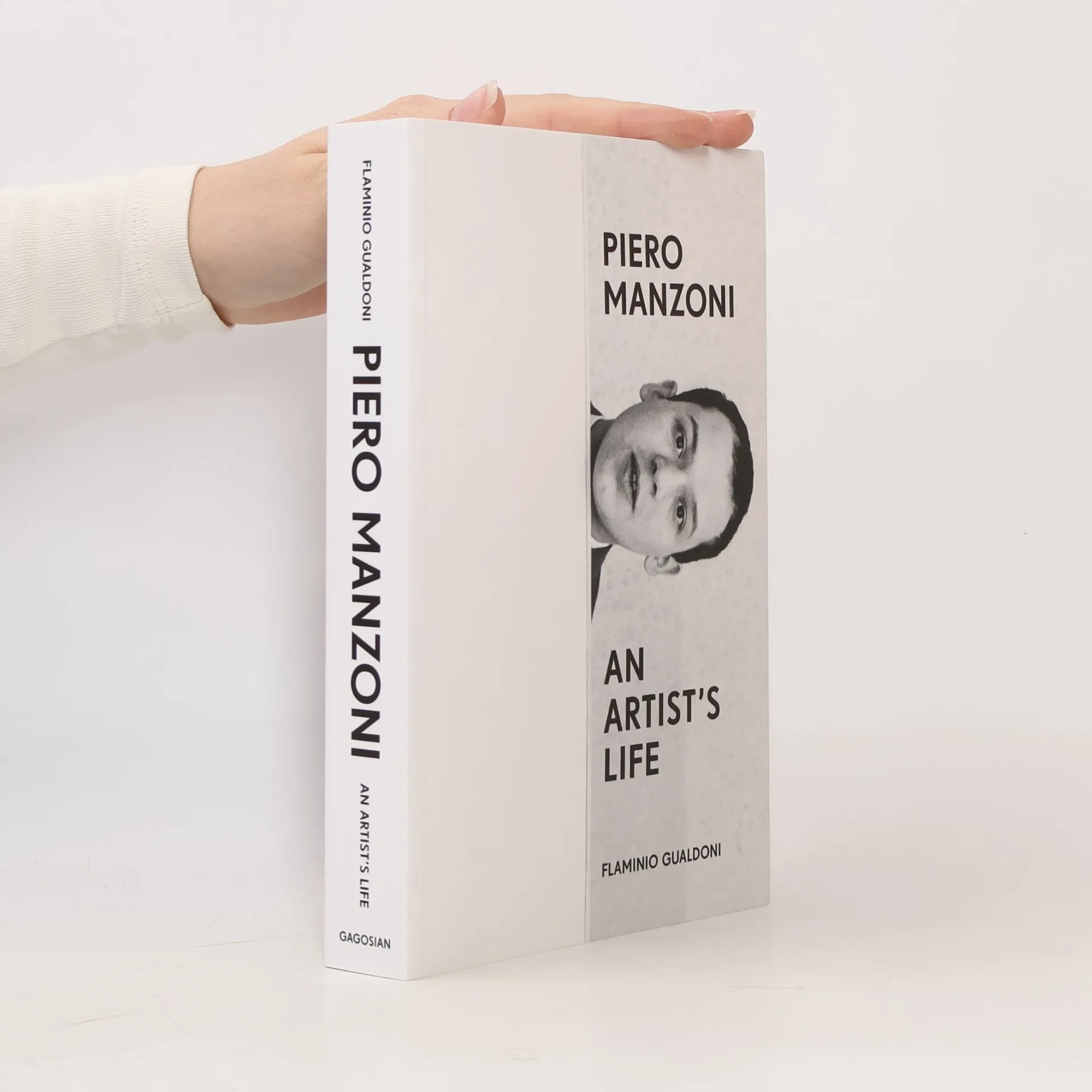
Piero Manzoni was one of the most radically inventive artists of the twentieth century whose work continues to challenge the definitions of artistic sovereignty and virtuosity to this day.
Written by a long-time motorcycle and Morgan car enthusiast, this work provides insight into the Morgan three-wheeled cycle cars that offered startling value for money. schovat popis
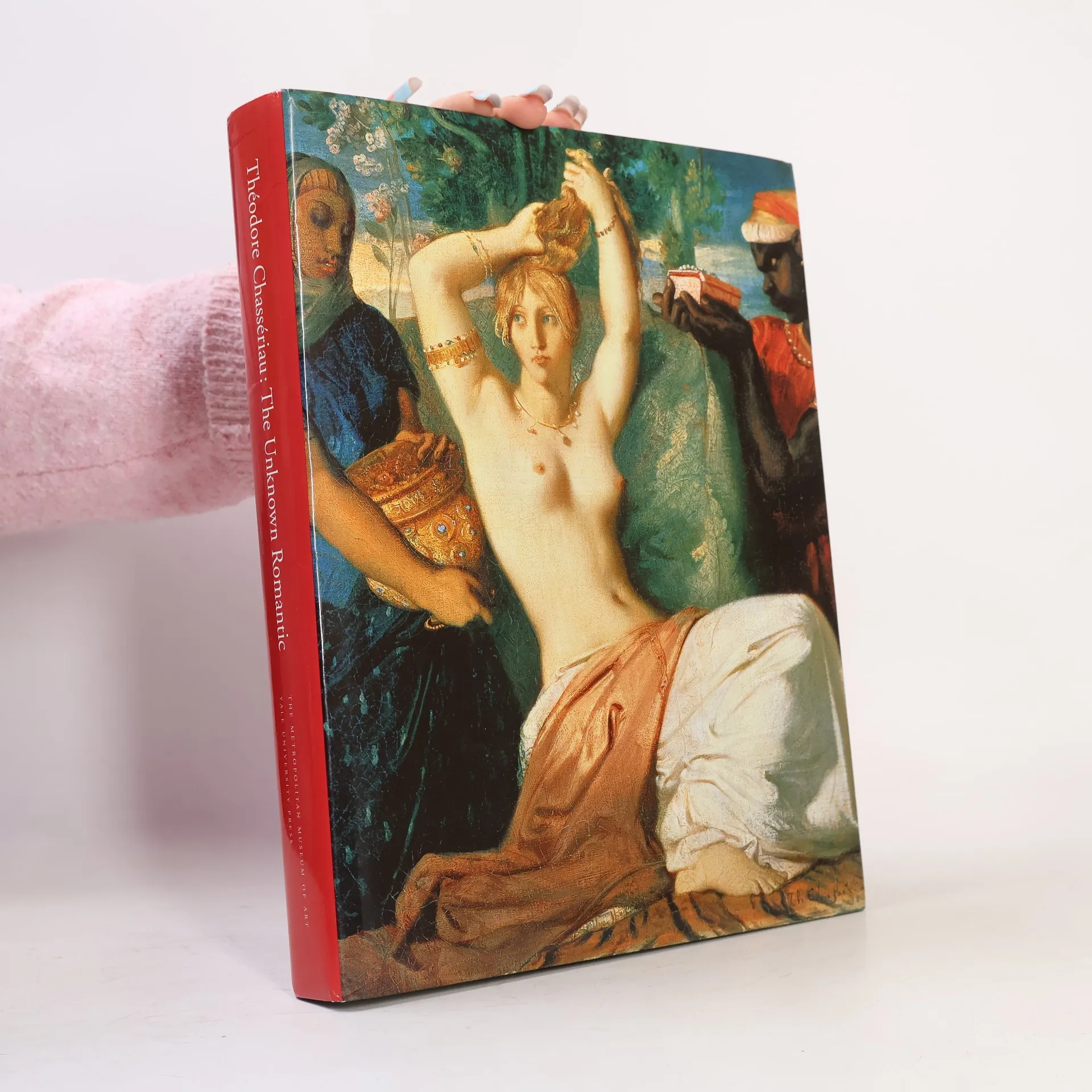
The Unknown Romantic: [exhibition] the Metropolitan Museum of Art, New York, Octobre 22, 2002-January 5, 2003]
432 Seiten
16 Lesestunden
Théodore Chassériau was one of the most sensual and intellectual painters of his time. A pupil and precocious disciple of Ingres, he also fell under the influence of Delacroix, and he left his mark on both the second generation of Romantic artists and their Symbolist successors. Although his works fuse Ingres's linear precision with the lush color and Romantic exoticism of Delacroix, they escape easy stylistic classification. His oeuvre includes Orientalist and religious paintings, scenes from Antiquity, and portraits, but he is best known for his ambitious decorative compositions for the churches of Paris and for the Cour des Comptes in the Palais d'Orsay. This beautiful book presents more than 250 of Chassériau's paintings, drawings, and prints. The texts of the essays and entries, as well as the extensive chronology, focus on the artist's personality, his professional and social milieu, and on the works themselves, thus providing an in-depth view of the state of the arts in France in the mid-nineteenth century. This lavishly illustrated book serves as the catalogue of the first retrospective of Chassériau's work since 1933, to be held at the Grand Palais, Paris (February 26-May 27, 2002), the Musée des Beaux-Arts, Strasbourg (June 9-September 21, 2002), and The Metropolitan Museum of Art (October 21, 2002-January 5, 2003).