Gratisversand in ganz Deutschland!
Bookbot

Gottfried Fliedl

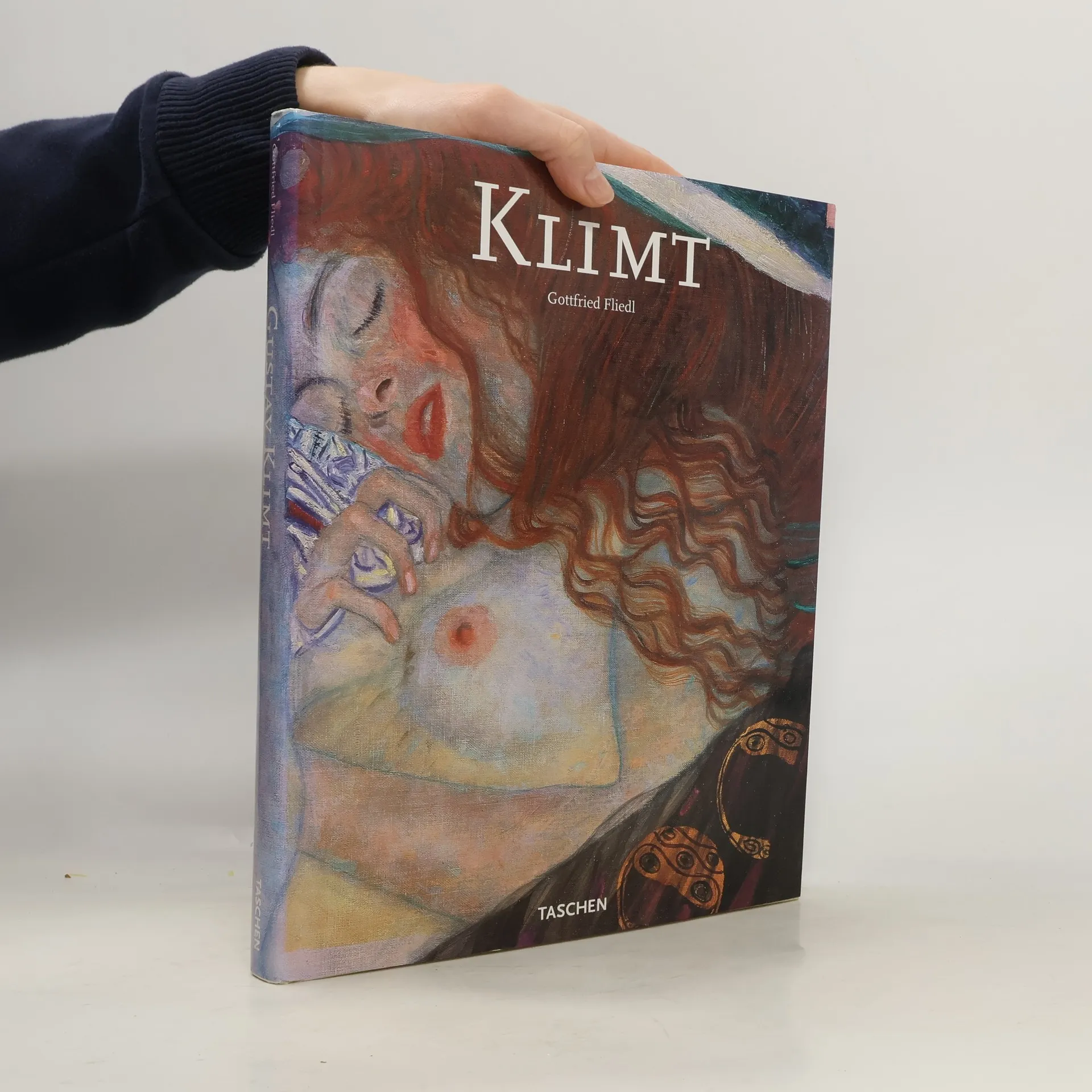
    Gustav Klimt 1862-1918: The world in female form
    Klimt
    Kunst und Lehre am Beginn der Moderne
    Museumsraum - Museumszeit
    Gustav Klimt 1862-1918
    Gustav Klimt
    • Die Kunst von Gustav Klimt (1862 – 1918) ist „fin de siècle“ in Vollendung. Sie ist Ausdruck der apokalyptischen Atmosphäre in Wiens oberer Mittelschicht – einer Gesellschaft, die sich der Kultivierung der Ästhetik und dem Kult des Vergnügens verschrieben hatte. Die ekstatische Freude, die Klimt und seine Zeitgenossen in der Schönheit fanden (oder zu finden hofften!), war stets vom Tod überschattet – er spielt eine wichtige Rolle in Klimts Werk. Klimts Ruhm resultiert aber in erster Linie aus seinem Ruf als einer der besten Vertreter erotischer Malerei und Grafik seiner Zeit. Vor allem seine kunstvollen Gemälde werden von erotischen Frauendarstellungen bestimmt – Klimt sah die Welt „in weiblichen Formen“. Autor Gottfried Fliedl widmet sich auch der Wiener Sezession und anaylisiert Klimts Rolle innerhalb dieser wichtigen Kunstbewegung.

      Gustav Klimt
    • Klimt

      • 239 Seiten
      • 9 Lesestunden
      4,4(1284)Abgeben

      The Kiss of the most fascinating painter of Vienna’s Belle Epoque ... Gustav Klimt’s art is thoroughly fin de siècle.It expresses the apocalyptic atmosphere of Vienna’s upper-middle-class society — a society devoted to the cultivation of aesthetic awareness and the cult of pleasure. The ecstatic joy which Klimt (1862–1918) and his contemporaries found — or hoped to find — in beauty was constantly overshadowed by death, and death therefore plays an important role in Klimt’s art. Klimt’s fame, however, rests on his reputation as one of the greatest erotic painters and graphic artists of his times. Particularly his drawings, which have been widely admired for their artistic excellence, are dominated by the erotic portrayal of women. Klimt saw the world "in female form." Author Gottfried Fliedlalso discusses the Secession movement and Klimt’s role within this important group of artists.

      Klimt
    • Gustav Klimt's art is thoroughly fin de siècle. It expresses the apocalyptic atmosphere of Vienna's upper middle-class society--a society devoted to the cultivation of aesthetic awareness and the cult of pleasure. The ecstatic joy which Klimt and his contemporaries found -or hoped to find--in beauty was constantly overshadowed by death. And death therefore plays an important role in Klimt's art. Klimt's fame, however, rests on his reputation as one of the greatest erotic painters and graphic artists of his times. Particularly his drawings, which have been widely admired for their artistic excellence, are dominated by the erotic portrayal of women. Klimt saw the world "in female form". Author Gottfried Fliedl also discusses the Secession movement and Klimt's role within this group of artists. Examining Klimt's work against the background of his times, he gives an appraisal of the artist while at the same time raising the critical issues.--From publisher description.

      Gustav Klimt 1862-1918: The world in female form