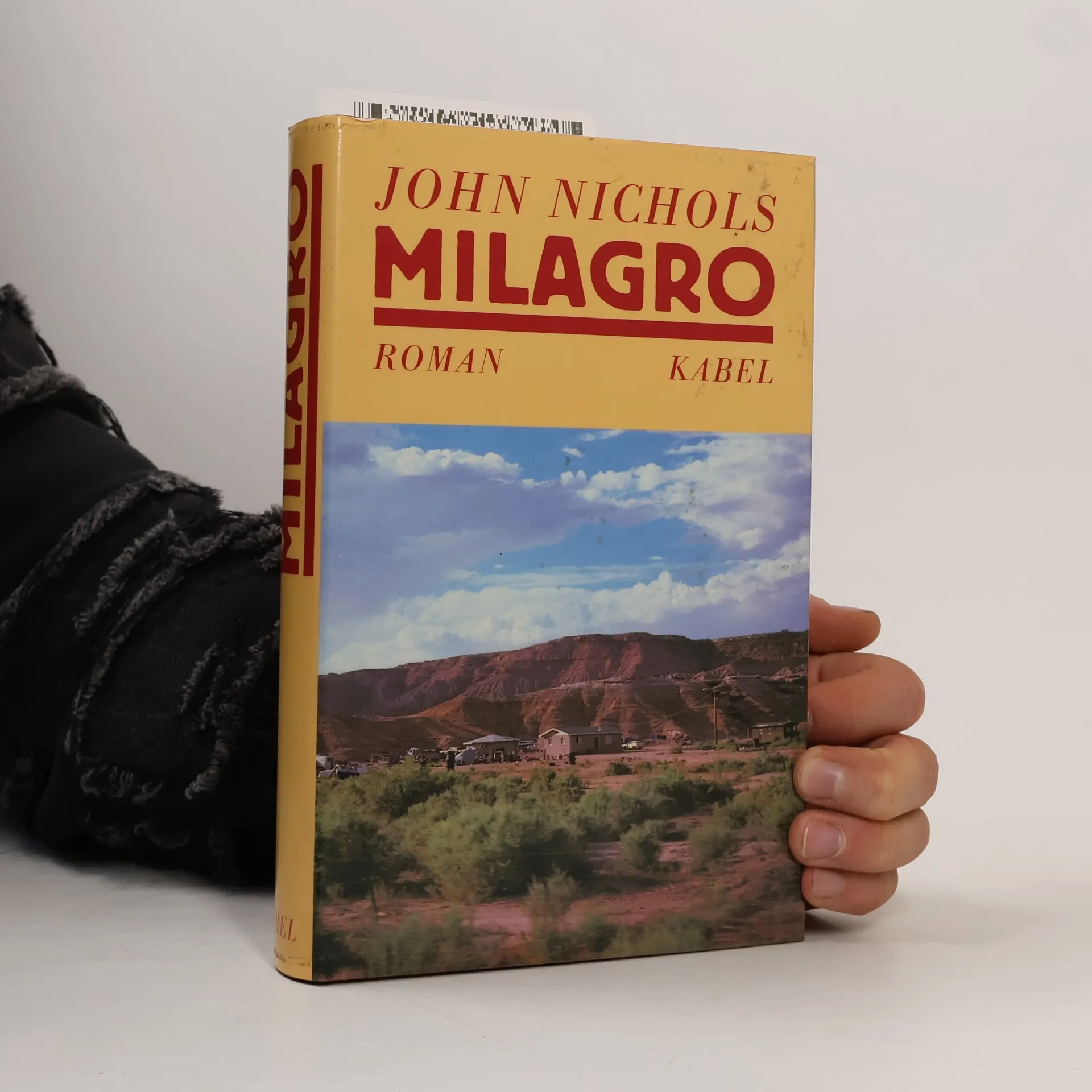
Milagro
- 640 Seiten
- 23 Lesestunden
Das Ziel des Autors beim Schreiben ist es, Ideen, Erfahrungen und die gewonnenen Lektionen zu teilen, in der Hoffnung, eine Bandbreite an Emotionen und kritischem Denken bei den Lesern hervorzurufen. Das Kernziel ist es, eine tiefgreifende Verbindung zu schaffen, einen Moment des gemeinsamen Verständnisses über Zeit und Raum hinweg, was der Autor als das wahre Wunder des geschriebenen Wortes betrachtet. Letztendlich betont der Autor, dass seine Arbeit ohne das Engagement und die Interpretation des Lesers unvollständig und bedeutungslos ist.


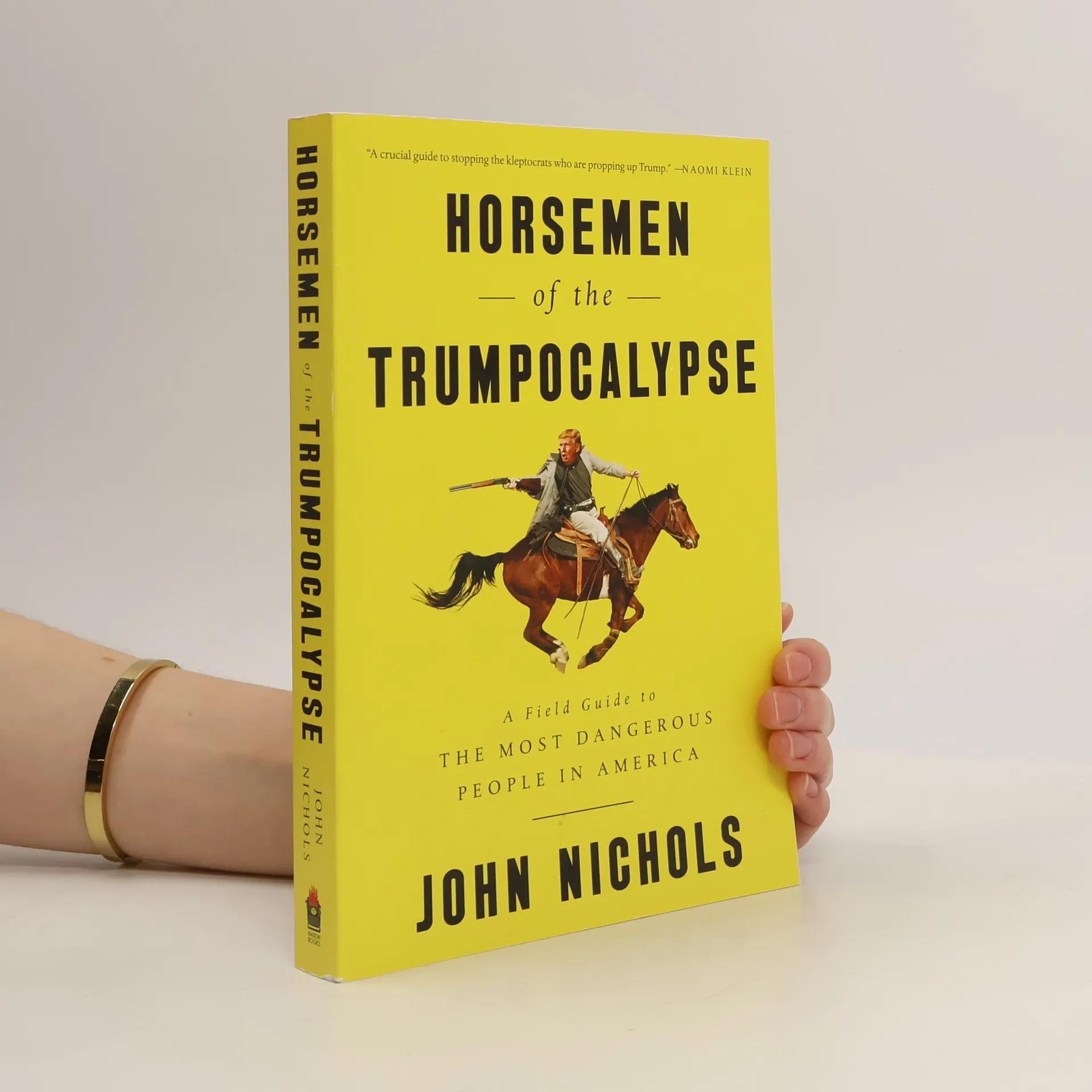
"Fighting fascism at home and abroad begins with the consolidation of a progressive politics. Seventy-five years ago, Henry Wallace, then the vice president of the United States, mounted a campaign about the “Danger of American Fascism.” As fighting in the European and Japanese theatres drew to a close, Wallace warned that the country might win the war and lose the peace; that the fascist threat the United States was battling abroad had a terrifying domestic variant, growing rapidly in power: wealthy corporatists and their allies in the media. Wallace predicted that if the New Deal project was not renewed and expanded in the postwar era, American fascists would use fear mongering, xenophobia, and racism to regain economic and political power. He championed a progressive postwar world—an alternative to the rising triumphalist “American Century” notion in which the United States rejected colonialism and imperialism. Wallace’s political vision—as well as his nomination to remain vice president—was sidelined by Democratic big city bosses and southern segregationists. In the decades to come, other progressives would mount similar campaigns: George McGovern and Jesse Jackson most prominently. As John Nichols chronicles in this book, they ultimately failed—a warning to would-be reformers today—but their efforts provide us with insights into the nature of the Democratic Party and strategic lessons for the likes of Bernie Sanders and Alexandria Ocasio-Cortez."--Publisher's description
Argues that the infusion of more and more cash into election campaigns is leading to predictable results, reducing political elections to little more than a numbers game and allowing the powers that be to practically buy an election.
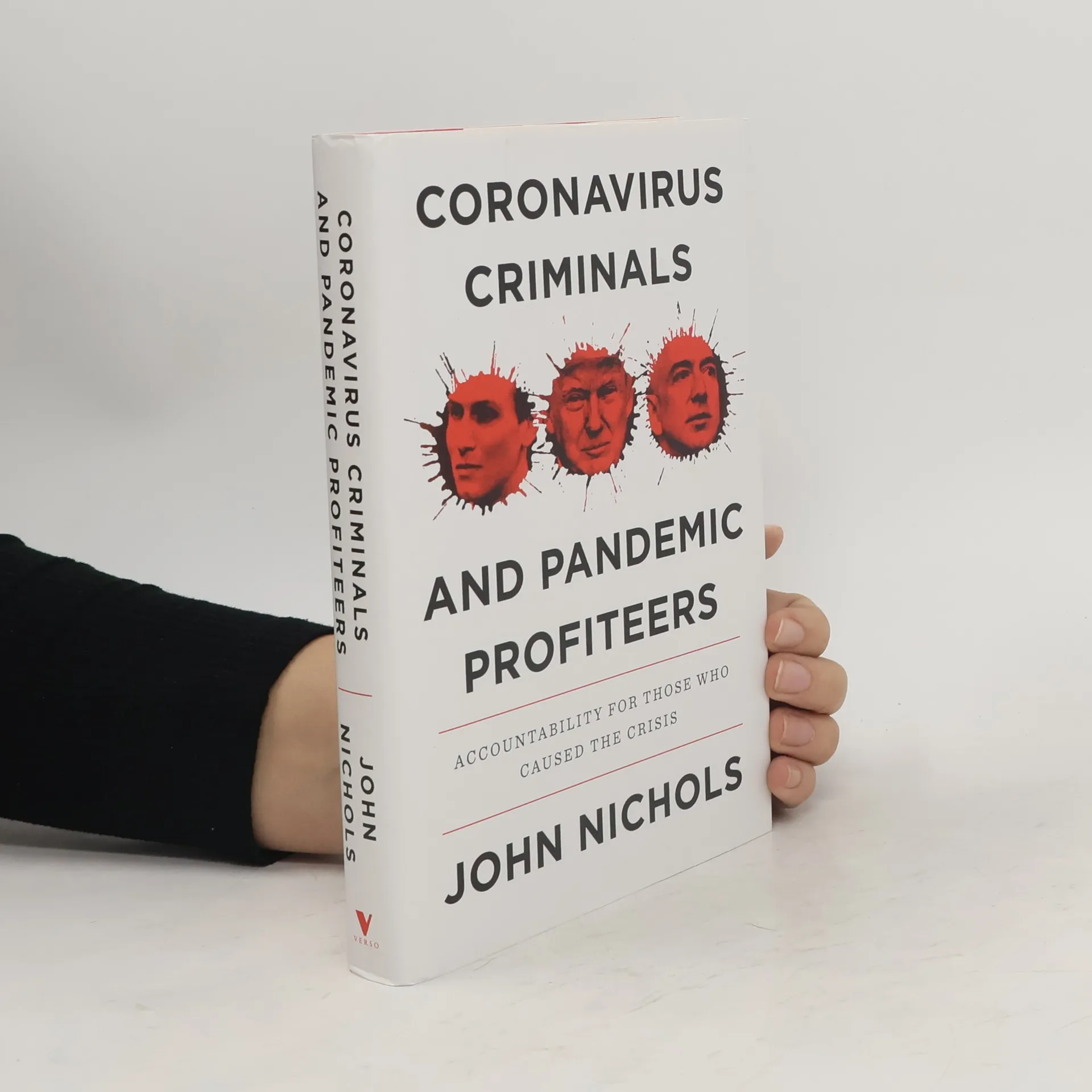
A furious denunciation of coronavirus criminals
"John Nichols has remarkable insight into life's crazy blend of comedy and tragedy. . . . Pure pleasure to read." -New York Times Book Review
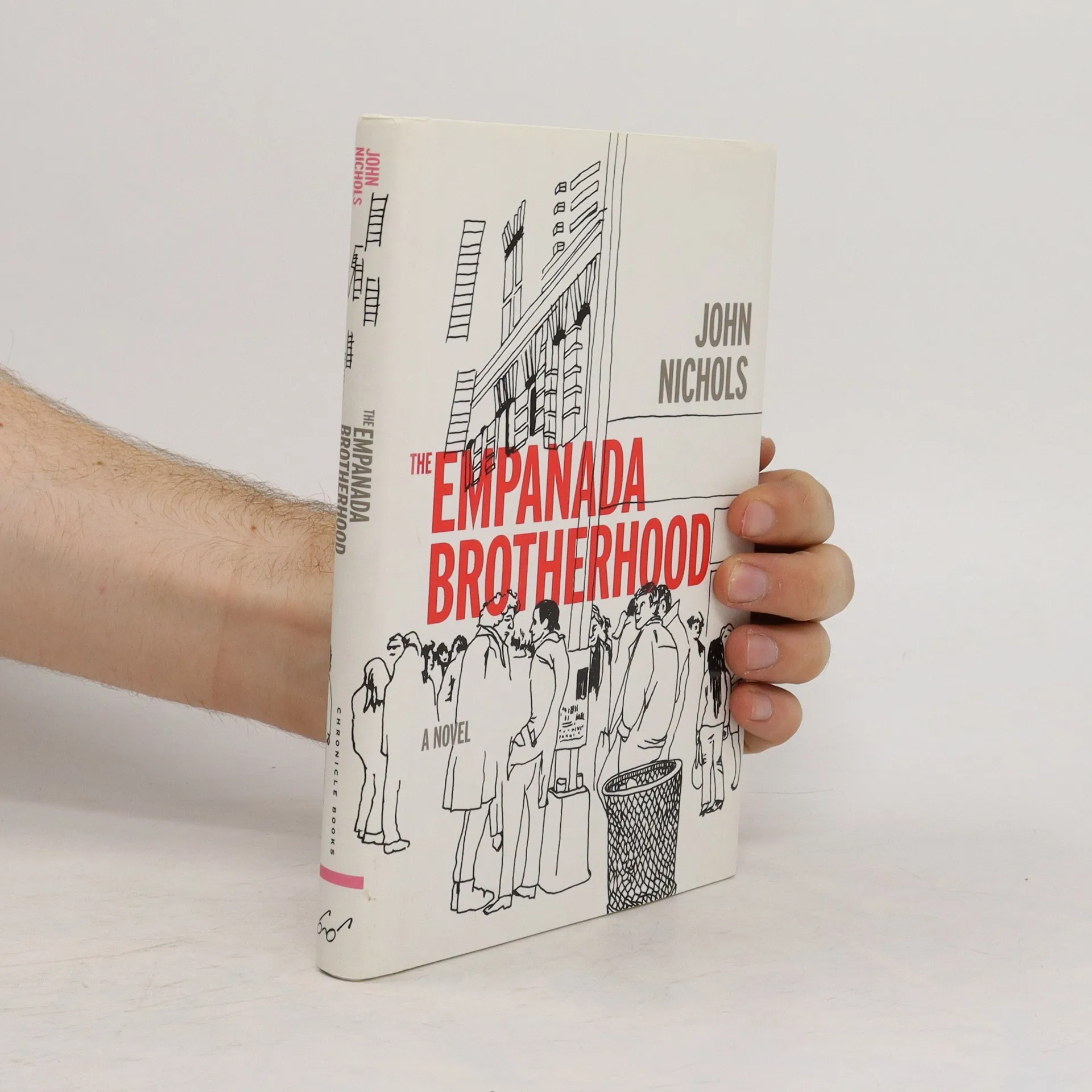
It's Greenwich Village in the early 1960s, when ex-patriots, artists, and colorful bums are kings. A tiny stand selling empanadas near the corner of Bleecker and MacDougal streets is the center of the action for the shy narrator, an aspiring writer just out of college. At the stand he falls in with a crowd of kooky outcasts from Argentina who introduce him to their raucous adventures, melodramatic dreamsand women, particularly a tough little flamenco dancer from Buenos Aires. Charming and insightful, this deceptively simple novel is a tale told by a master. It is a wise coming-of-age story, full of joyand touched by heartbreak, that captures a special time and place with extraordinary empathy and humor.