Coronavirus Criminals and Pandemic Profiteers
- 272 Seiten
- 10 Lesestunden
A furious denunciation of coronavirus criminals


Das Ziel des Autors beim Schreiben ist es, Ideen, Erfahrungen und die gewonnenen Lektionen zu teilen, in der Hoffnung, eine Bandbreite an Emotionen und kritischem Denken bei den Lesern hervorzurufen. Das Kernziel ist es, eine tiefgreifende Verbindung zu schaffen, einen Moment des gemeinsamen Verständnisses über Zeit und Raum hinweg, was der Autor als das wahre Wunder des geschriebenen Wortes betrachtet. Letztendlich betont der Autor, dass seine Arbeit ohne das Engagement und die Interpretation des Lesers unvollständig und bedeutungslos ist.

A furious denunciation of coronavirus criminals
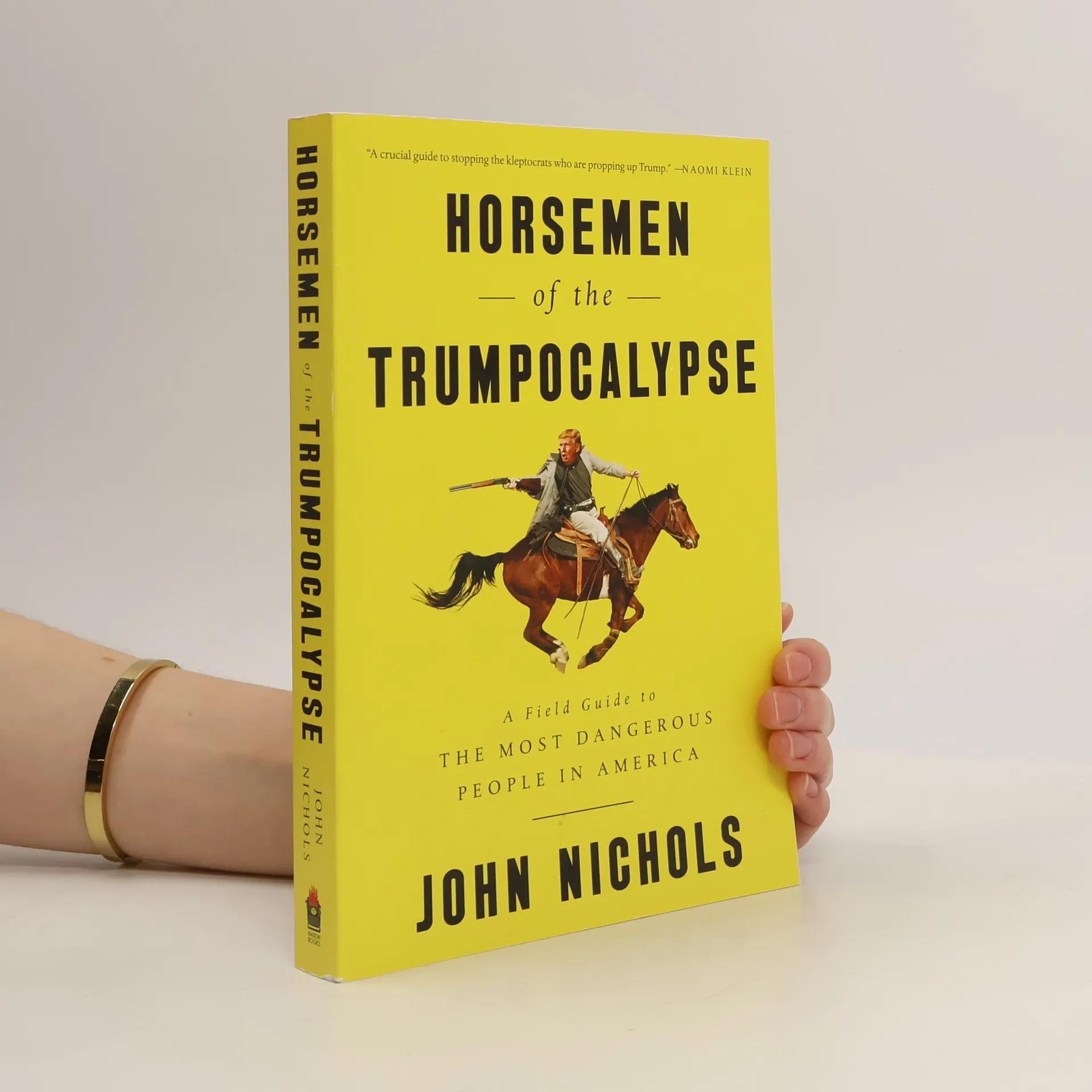
A Field Guide to the Most Dangerous People in America
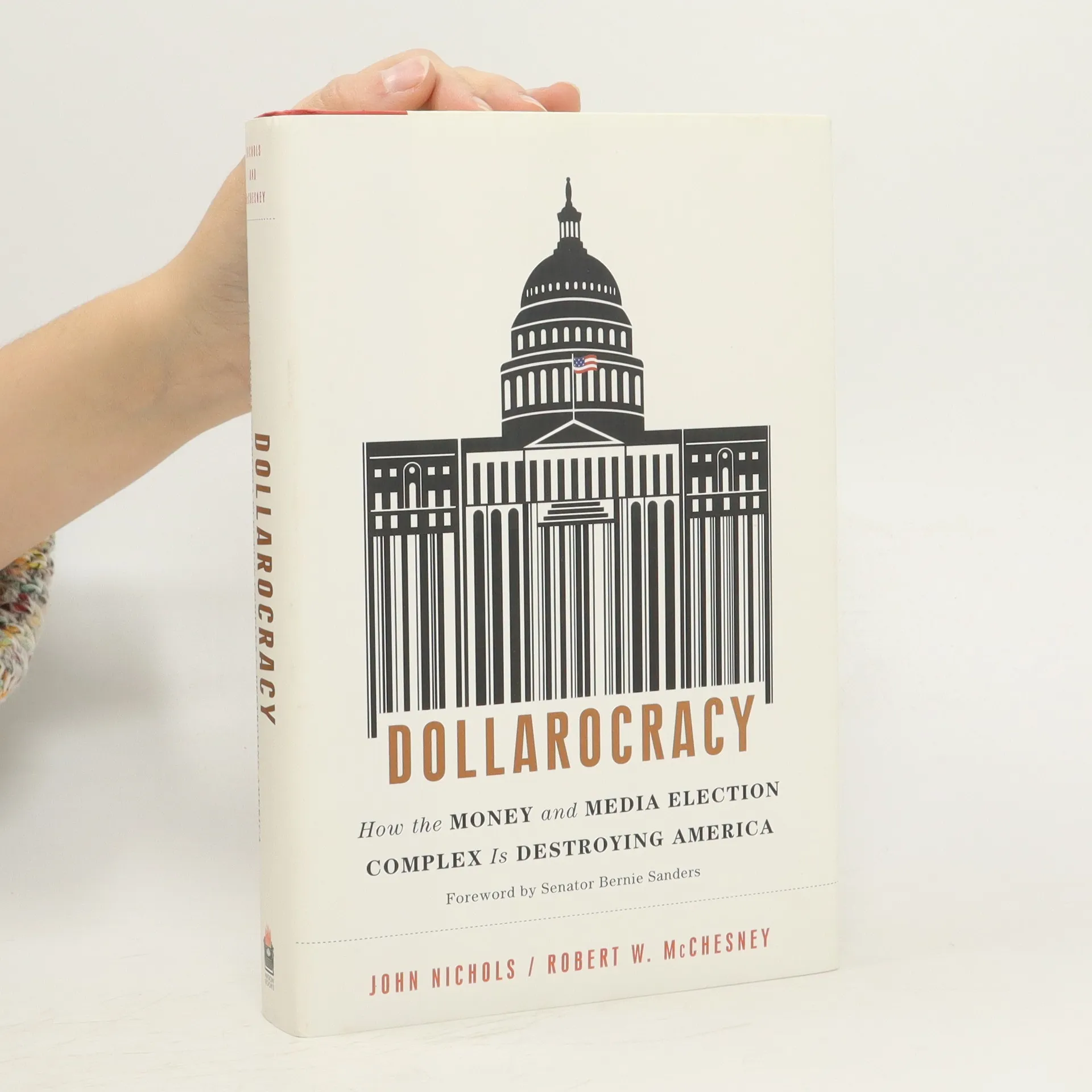
In the vein of Bernard Goldberg's 100 PEOPLE WHO ARE SCREWING UP AMERICA, John Nichols delivers an urgent and necessary guide to the people who will have the power to really screw up America in the next four years.
Argues that the infusion of more and more cash into election campaigns is leading to predictable results, reducing political elections to little more than a numbers game and allowing the powers that be to practically buy an election.
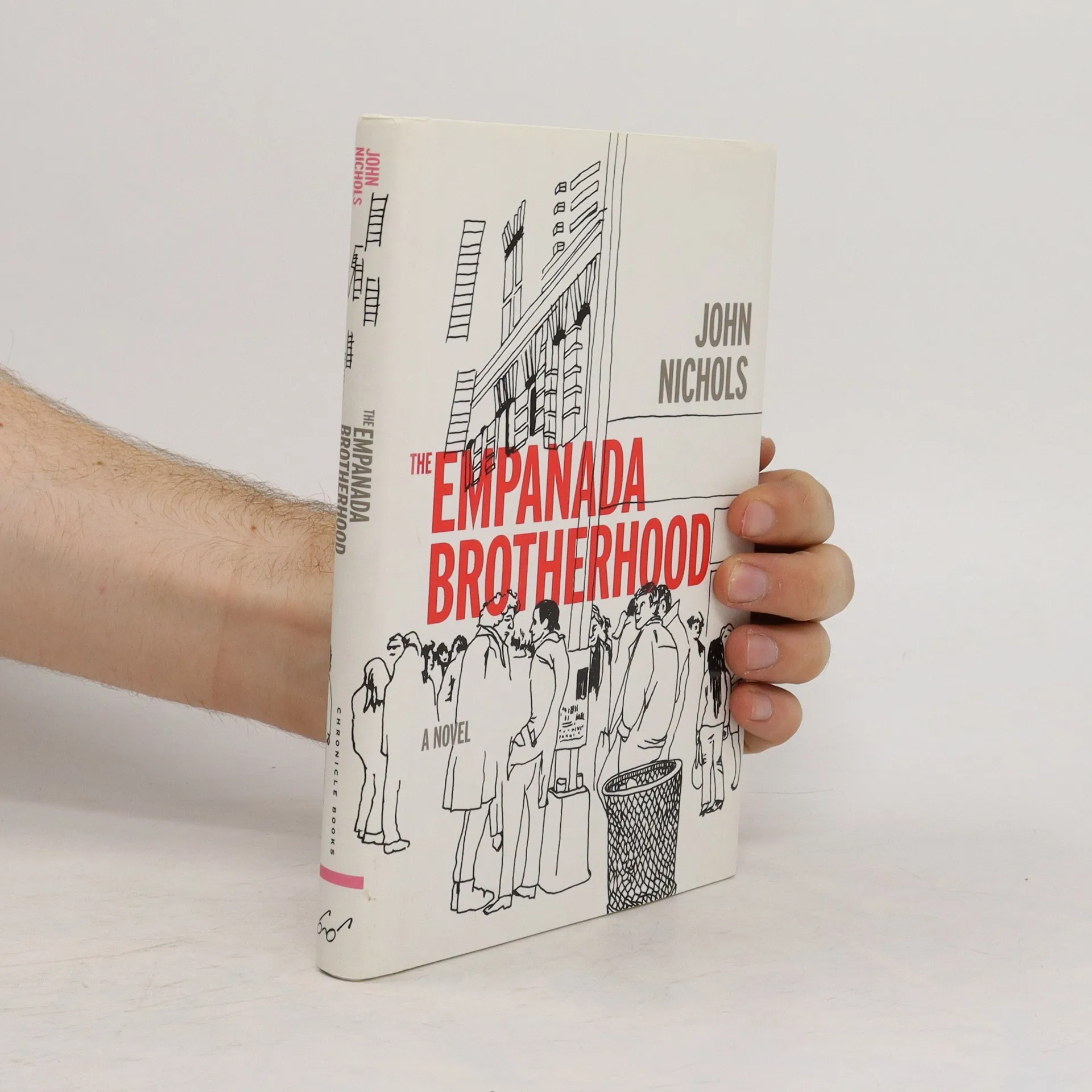
It's Greenwich Village in the early 1960s, when ex-patriots, artists, and colorful bums are kings. A tiny stand selling empanadas near the corner of Bleecker and MacDougal streets is the center of the action for the shy narrator, an aspiring writer just out of college. At the stand he falls in with a crowd of kooky outcasts from Argentina who introduce him to their raucous adventures, melodramatic dreamsand women, particularly a tough little flamenco dancer from Buenos Aires. Charming and insightful, this deceptively simple novel is a tale told by a master. It is a wise coming-of-age story, full of joyand touched by heartbreak, that captures a special time and place with extraordinary empathy and humor.
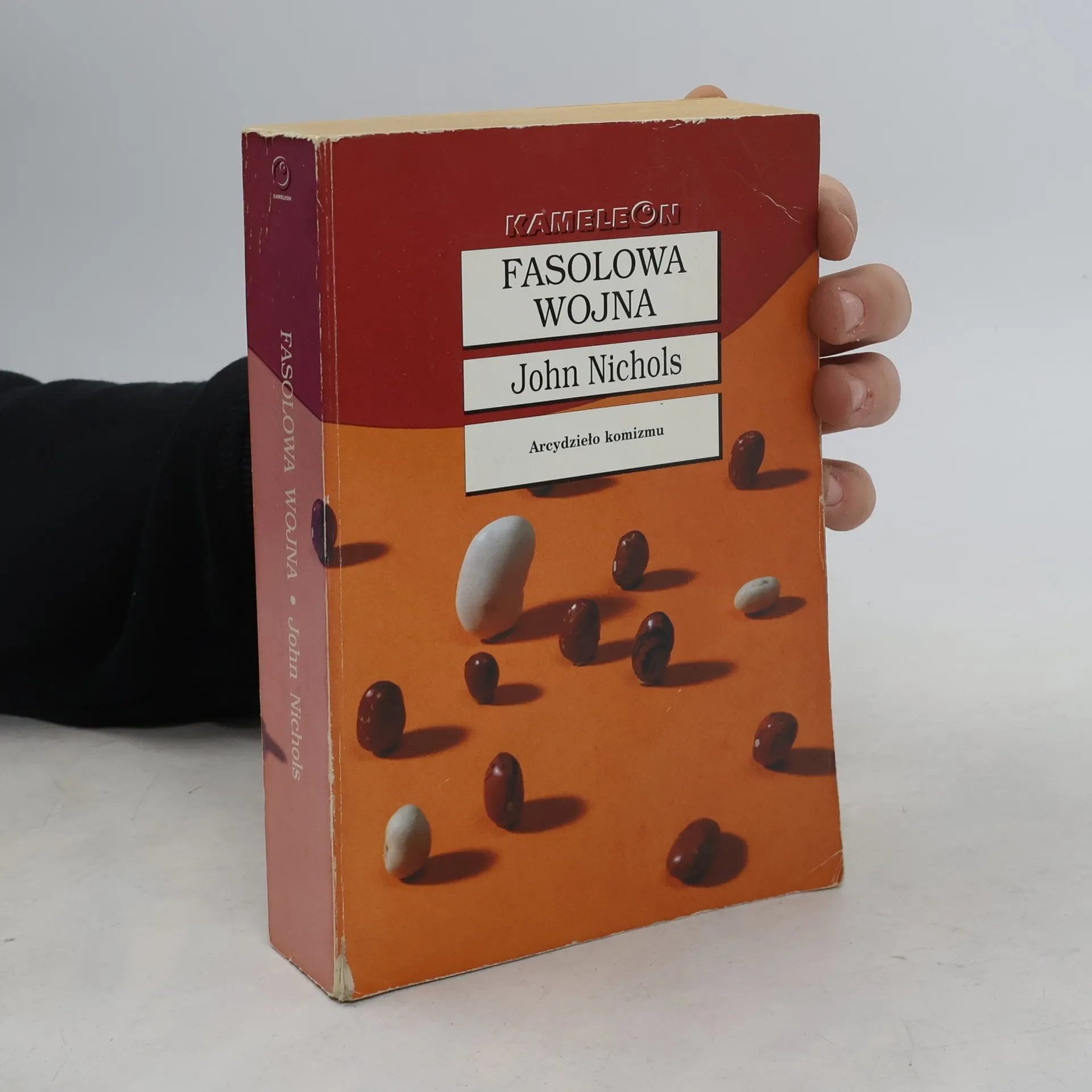
Książka jak rzadko która przypomina nastrojem i magią "Sto lat samotności" G.G. Marqueza. Autor natomiast, według krytyki literackiej, talentem dorównuje J.Steinbeckowi. Posiada tę samą wielką wrażliwość na ludzkie losy, głęboką potrzebę zaświadczenia o godności człowieka i chyba bardziej jeszcze subtelne poczucie humoru. Jest to komiczna historia jankeskiego sprytu, zabarwiona hiszpanskim akcentem.
In de onderlinge strijd tussen arme en rijke bewoners van een dorpje in Oklahoma tekenen zich de minder flatteuze en karikaturale trekjes van de Amerikaanse volksaard af.
"John Nichols has remarkable insight into life's crazy blend of comedy and tragedy. . . . Pure pleasure to read." -New York Times Book Review
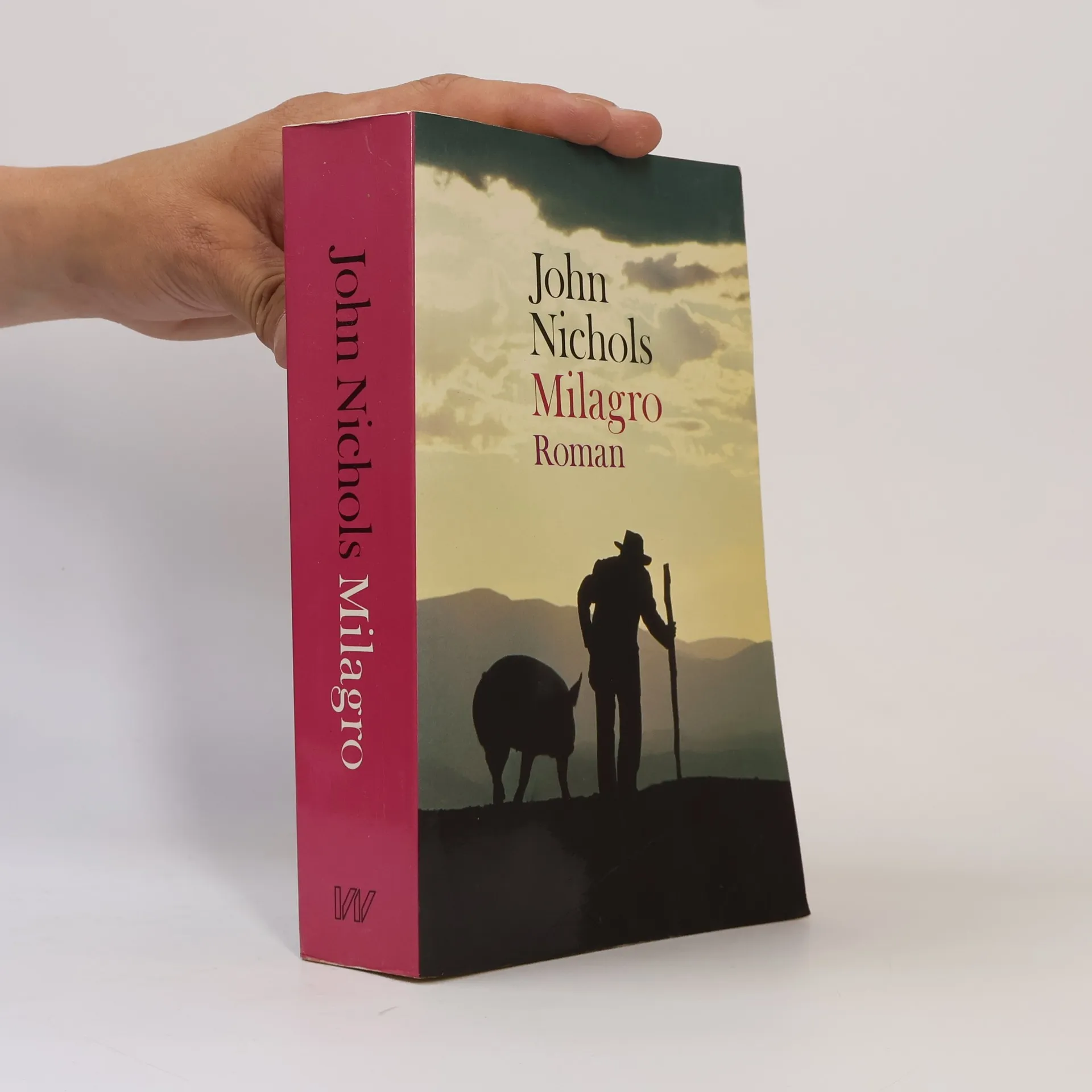
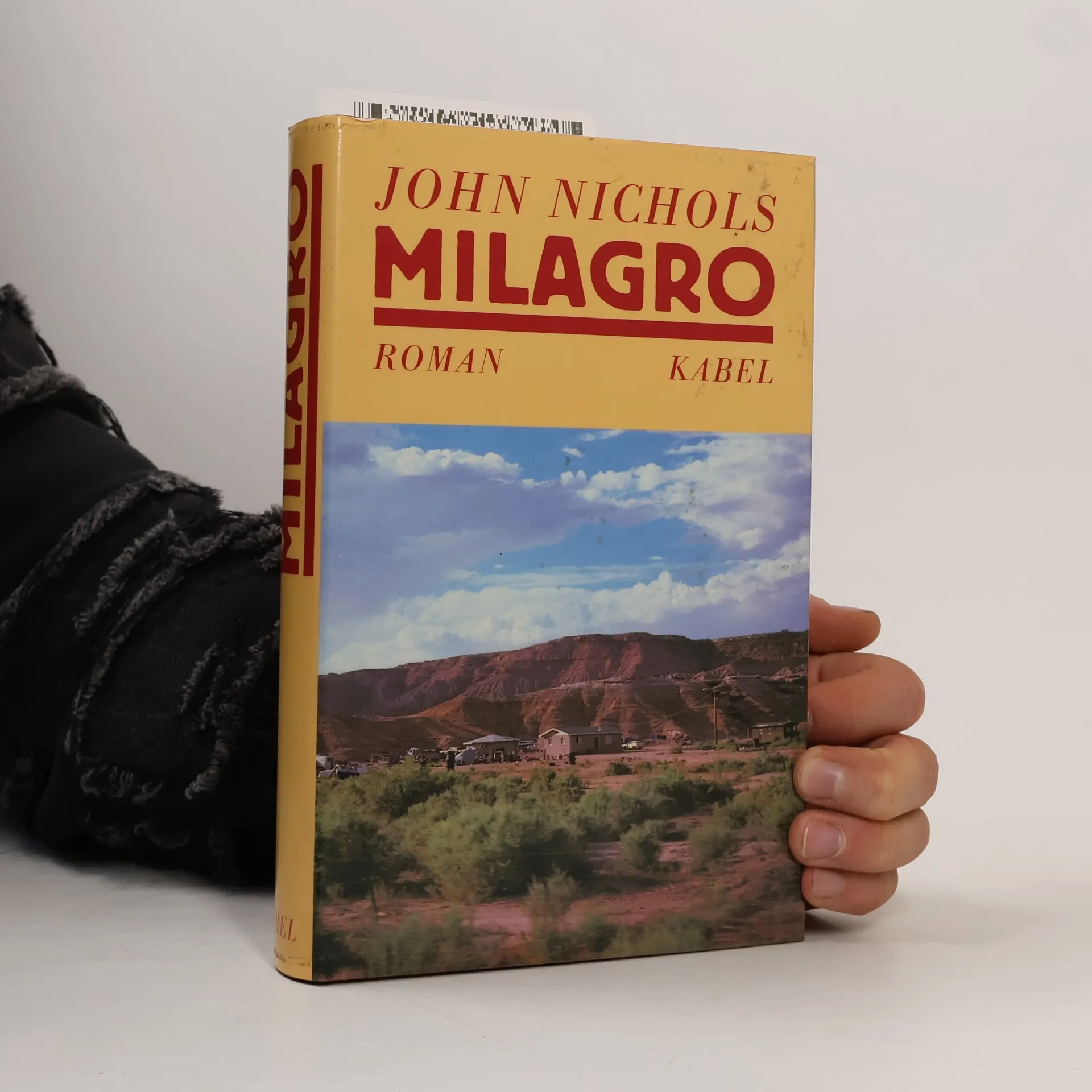
Joe Mondragon, ein lebhafter Gauner mit einem Talent für Schwierigkeiten, hält mit seinem ramponierten Pickup an und begibt sich in ein trockenes Stück Land. Indem er illegal auf den Hauptbewässerungskanal zugreift, entfacht er den sogenannten Milagro-Bohnenfeldkrieg. Dieser Konflikt ist jedoch nicht durch traditionelle Siege geprägt, sondern vielmehr durch taktische Rückzüge. Während sich die kleinen Bauern und Schafzüchter um Joe's Bohnenfeld versammeln, wird es zu einem kraftvollen Symbol ihrer verlorenen Rechte und Ländereien. In der Hauptstadt hingegen versammeln sich die anglo-amerikanischen Wasserbarone und Machtspieler, entschlossen, dieses Symbol zu zerschlagen, bevor es ihre lukrativen Landentwicklungspläne bedroht. Die Geschichte von Milagros Aufstieg ist sowohl wild komisch als auch zutiefst zärtlich und zeigt eine Stadt, die auf ihrem Weg zur eigenen Rettung stolpert. Die Erzählung wird als einfühlsam und unterhaltsam beschrieben und fängt ein Gefühl des Staunens ein, das an "Hundert Jahre Einsamkeit" erinnert. Insgesamt ist es eine sanfte, humorvolle und transzendente Geschichte, die bei den Lesern Anklang findet.
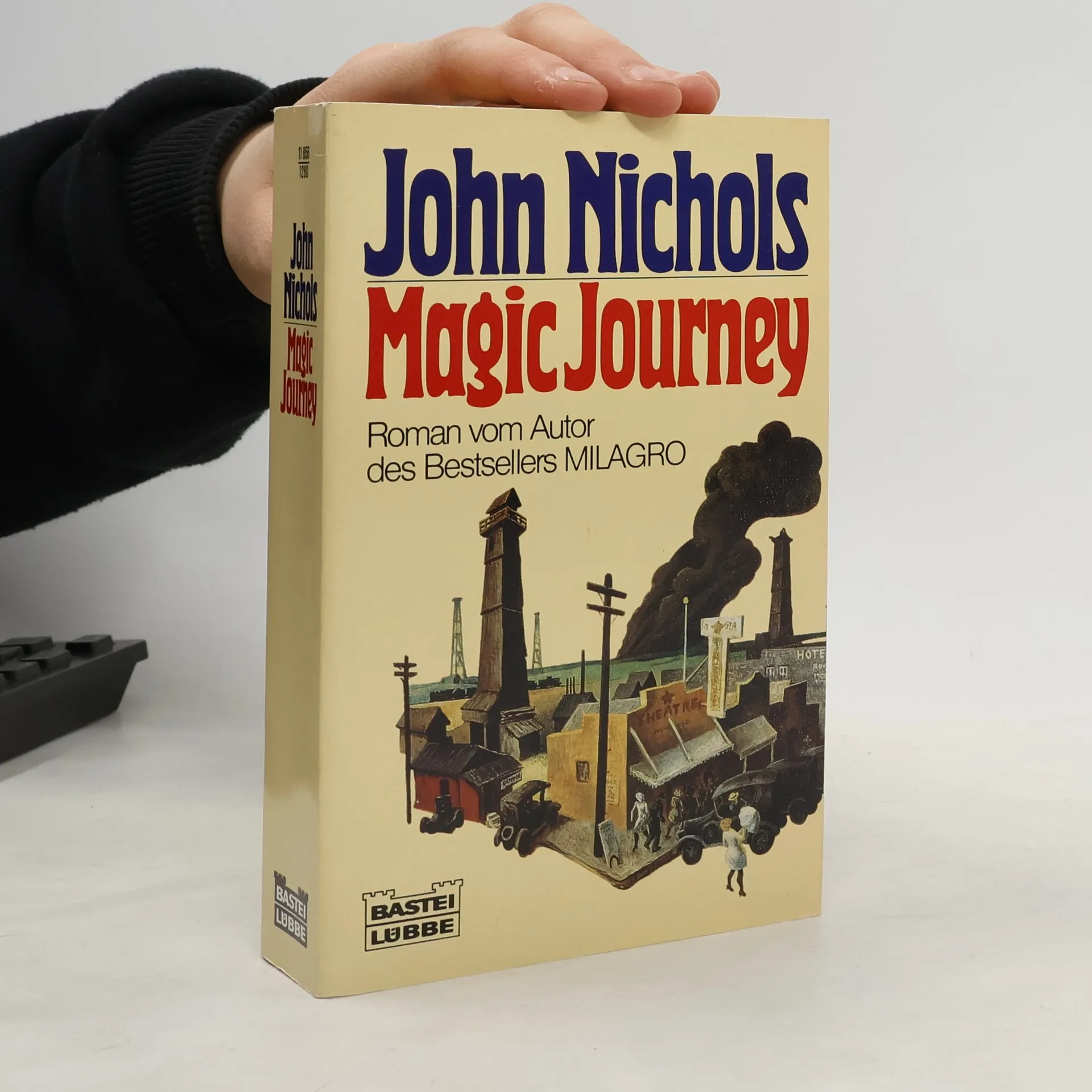
In der vergessenen kleinen Stadt Chamisaville im Südwesten kam der Aufschwung gerade als der Rest Amerikas in der Großen Depression steckte. Ausgelöst wurde er durch einen alten Bus, der mit gestohlenem Dynamit beladen war und in die Luft flog, wodurch eine riesige heiße Quelle entstand. Innerhalb weniger Minuten organisierten sich die Geschäftsleute der Stadt, und innerhalb eines Jahres wurde Chamisaville von Touristen und Pilgern überflutet, während die Händler reich wurden. Über einen Zeitraum von vierzig Jahren erzählt "Magic Journey", wie der Fortschritt eine ländliche Gegend in eine Boomtown verwandelte. Zunächst war es eine magische Zeit für Chamisaville – fast so, als wäre jeder Tag ein Feiertag. Doch die Euphorie ließ allmählich nach, und landgierige Entwickler, Spekulanten und Eindringlinge drängten sich hinein. Schließlich kam der Tag, an dem die Menschen von Chamisaville fast vertrieben waren, ihre Kinder keine Erben mehr ihres Landes oder ihrer Tradition waren. Mit wachsender Intensität erreicht die Geschichte einen tragisch vorbestimmten Höhepunkt. Es ist eine sensible, lebendige und ehrliche Chronik des Lebens im amerikanischen Südwesten und ein scharfsinniger Kommentar zu dem, was Amerika auf seinem Weg zum Fortschritt geworden ist.
The seventies are over. All across America, the overgrown kids of the middle class are getting their acts together -- and getting older. The once-tight Chicano community of Chamisaville is long gone, and the Anglo power-brokers control almost everything. Joe Miniver - faithful husband, loving father, and all-around good guy - is about to sink roots. To buy the land he wants, he embarks on a coke scam and ends up in erotic adventures with three headstrong women . . . "A work of genius... hilarious... it will be a .scandal if this book is not declared the year's best novel. In any event, you won't find one that's more fun" --Newsday "Transcendentally profound, also achingly funny... like a wonderful poem, or a great restaurant." --Los Angeles Times Book Review "John Nichols has all of Steinbeck's gifts, the same overwhelming compassion for people, plus an even finer sense of humor, and the need to celebrate the cause and dignity of man... he has left us with a classic American trilogy for our time." --Chicago Tribune