Hegel's Century explores the development of 19th-century German philosophy in
the wake of Hegel. Jon Stewart shows how Hegel's concepts of alienation and
recognition were appropriated by both the first and the second generation of
his students, and demonstrates how these concepts constituted a broader
cultural phenomenon.
The history of Continental philosophy is often conceived as being represented by two major schools: German idealism and phenomenology/existentialism. These two schools are frequently juxtaposed so as to highlight their purported radical differences. There is a commonly held view that an abrupt break occurred in the nineteenth century, resulting in a disdainful rejection of idealism in all its forms. This break is often located in the transition from Hegel to Kierkegaard. The history of philosophy in the first half of the nineteenth century has thus been read as a grand confrontation between the overambitious rationalistic system of Hegel and the devastating criticisms of it by Kierkegaard's philosophy of existence.This work aims to undermine this popular view of the radical break between idealism and existentialism by means of a series of detailed studies in specific episodes of European thought. As a whole, this book represents an important attempt to demonstrate the long shadow cast by Kant and Hegel over the subsequent history of European philosophy.
Jon Stewart's groundbreaking study is a major re-evaluation of the complex relationship between the philosophies of Kierkegaard and Hegel. Although the standard view on the subject is that Kierkegaard defined himself as explicitly anti-Hegelian (and viewed Hegel's philosophy with disdain), Jon Stewart demonstrates that Kierkegaard's criticism was not directed specifically to Hegel, but actually to some contemporary Danish Hegelians.
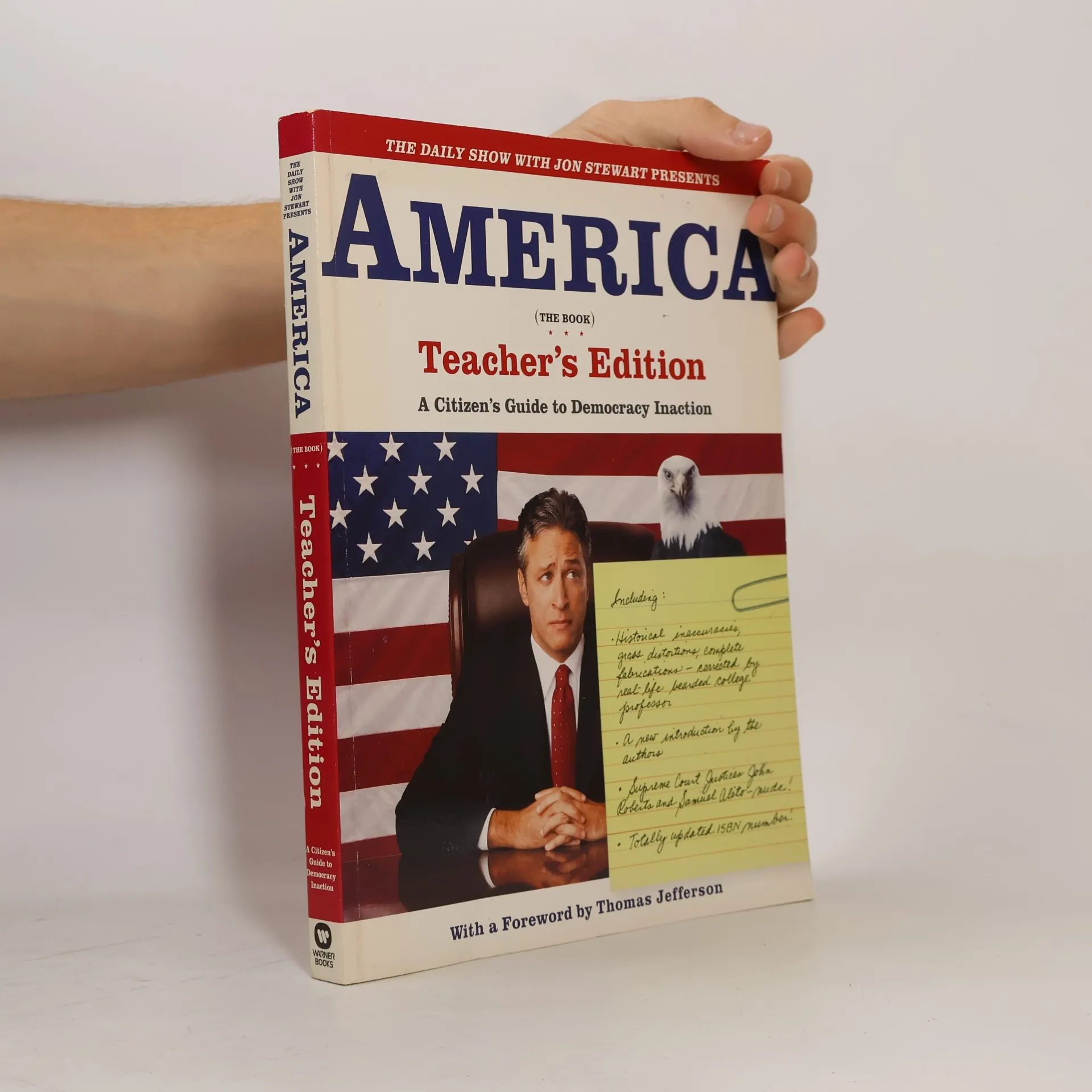
For everyone who was too cheap to buy the hardcover, the blockbuster, award-winning #1 New York Times bestseller is now in trade paperback-with a new introduction, fully updated, and with equally unsettling nude photos of the newest Supreme Court justices, and a text corrected by the most reputable college professor we could find/afford.Including:Historical inaccuracies, gross distortions, complete fabrications-corrected by real-life bearded college professor.
Amazon.com ExclusivesFeaturing a foreword by Thomas Jefferson, a Dress the Supreme Court layout, and, oddly enough, a profile of George "The Iceman" Gervin, America (The Book): A Citizen's Guide to Democracy Inaction, from Jon Stewart and the writers of the Emmy Award-winning The Daily Show, is by far one the most irreverent and wittiest (and may we add smartest) political book you're likely to encounter.
This book is designed as a complete text in econometric methods for intermediate and advanced undergraduates and graduate students. The text builds from the classical regression model to cover large sample theory, disturbance problems, generalized least squares, dynamic models, distributed lags, simultaneous equation models, time series models and limited dependent variable models. discussion of modern econometric theory (co-integration, unit root tests and all standard test procedures), matrix algebra materia, an appendix on matrix methods and live data sets provided in full with worked examples. There is also a discussion on computing which identifies key characteristics of modern software packages.
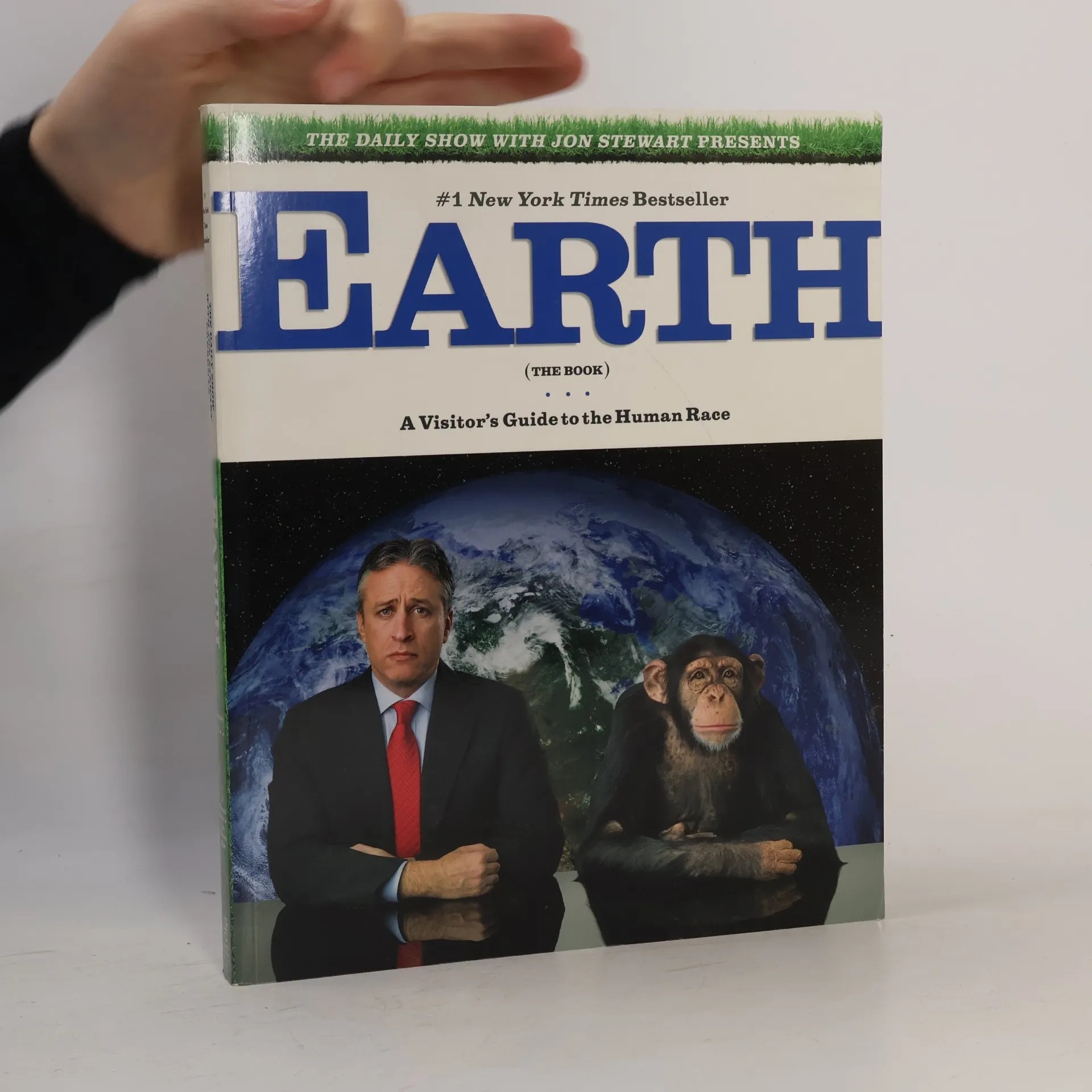
Where do we come from? Who created us? Why are we here? These questions have puzzled us since the dawn of time, but when it became apparent to Jon Stewart and the writers of The Daily Show that the world was about to end, they embarked on a massive mission to write a book that summed up the human race: What we looked like; what we accomplished; our achievements in society, government, religion, science and culture -- all in a tome of 238 pages with lots of color photos, graphs and charts. After two weeks of hard work, they had their book. EARTH (The Book) is the definitive guide to our species. With their trademark wit, irreverence, and intelligence, Stewart and his team posthumously answer all of life's most hard-hitting questions, completely unburdened by objectivity, journalistic integrity, or even accuracy.
33 Tausend Seiten, 44 Millionen Wörter, 10 Milliarden Jahre Geschichte – und 1 Mann, besessen von dem Wunsch, das Wissen der Welt zu erobern. A. J. Jacobs macht sich auf, die Encyclopaedia Britannica von A bis Z zu lesen: Goethe und Pythagoras, die Auster und ein Pantoffeltier, alles wird angeschaut und mit geistreichen Kommentaren versehen. Britannica & ich ist die Geschichte eines tollkühnen Unternehmens.
In these nineteen whip-smart essays, Jon Stewart takes on politics, religion, and celebrity with seething irreverent wit, a brilliant sense of timing, and a palate for the absurd -- and these one-of-a-kind forays into his hilarious world will expose you to all it's wickedly naked truths.
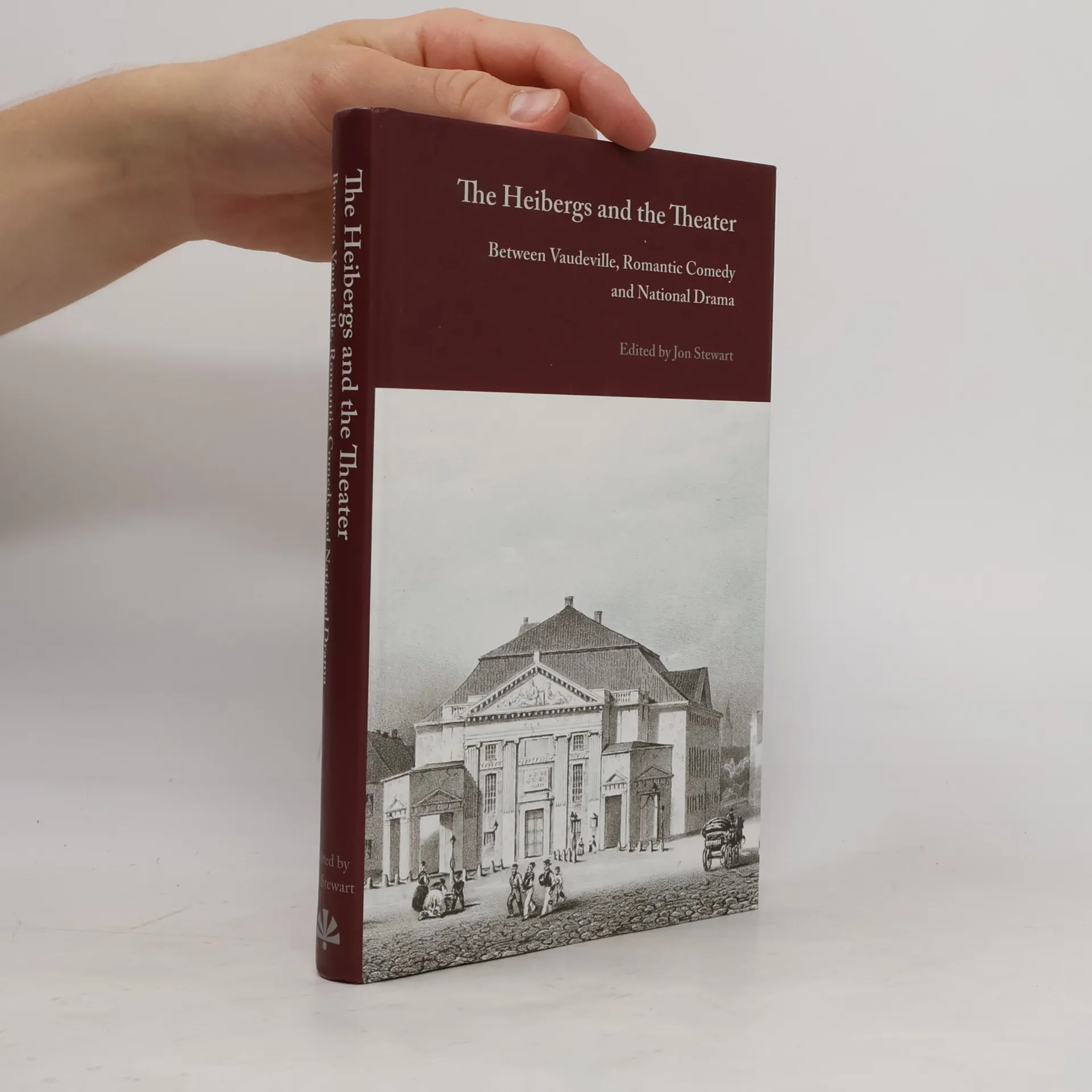
Between Vaudeville, Romantic Comedy and National Drama
269 Seiten
10 Lesestunden
Johan Ludvig Heiberg was one of the most famous playwrights, theater critics, and essayists of the Danish Golden Age, and his wife, Johanne Luise Heiberg, was one of its greatest actresses. This first book-length study in English examines the many ways they dominated theatrical life during the period. In these essays, the contributors explore the deep connections between the Heibergs’ far-reaching philosophical and political interests and their theatrical careers. More than just a study of Golden Age theater, this book offers an important look into the ideas and arts that constituted one of the richest eras in modern history.