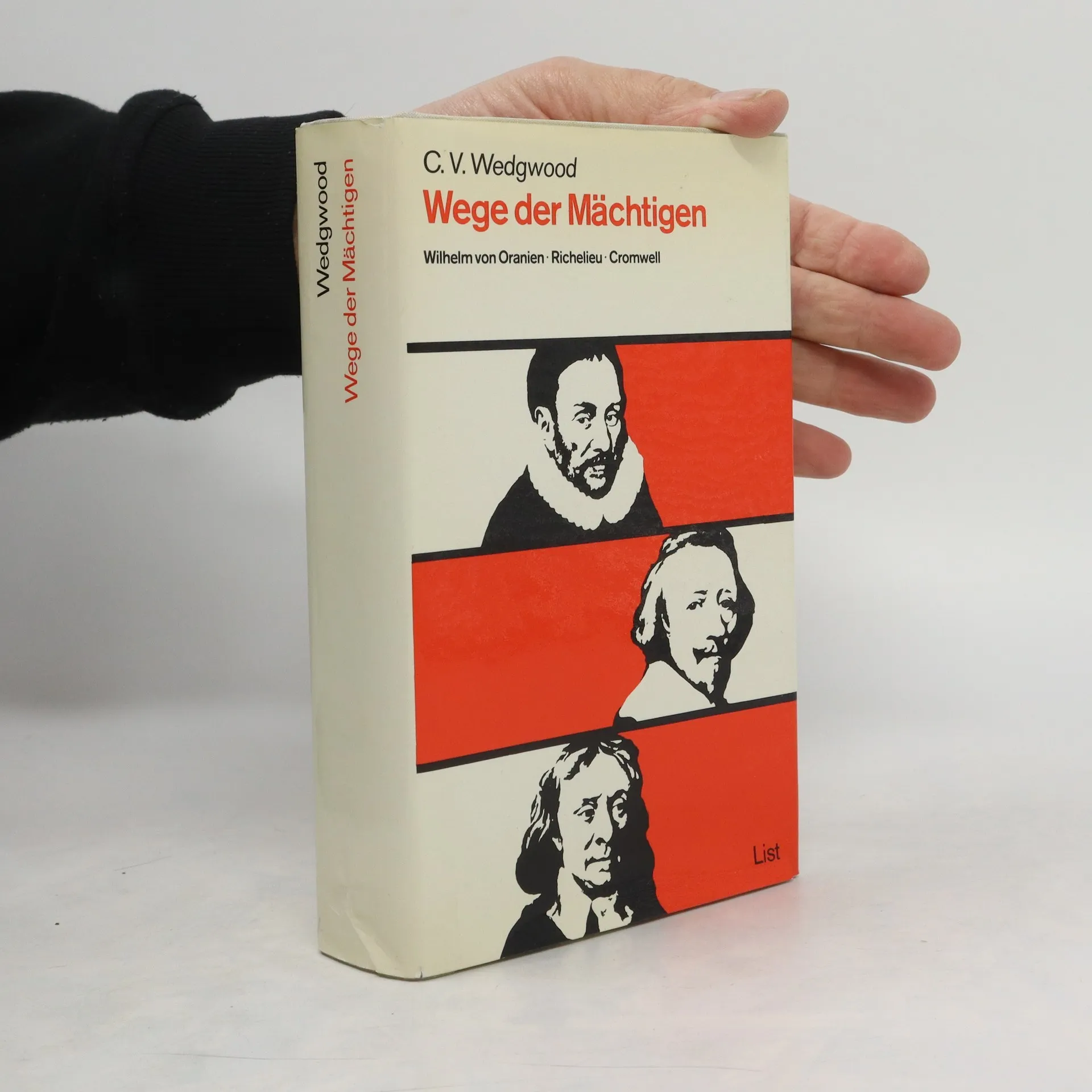
Der Dreißigjährige Krieg besitzt in der Geschichte des Abendlandes mehr als andere Epochen immerwährende Aktualität. C.V. Wedgwoods Standardwerk spricht Fachleute und interessierte Laien gleichermaßen Diese gründliche und umfassende Studie vereint wissenschaftliche Akribie mit Kraft und Elan der Darstellung. Man wird diese Chronik des Chaos und der Verwüstung nicht lesen, ohne sich von dem starken persönlichen Engagement der Autorin mitreißen zu lassen, und man wird gleichzeitig die Fairneß und Sachlichkeit ihres Urteils bewundern.
C. V. Wedgwood Bücher
Veronica Wedgwood war eine englische Historikerin, die sich auf das England und Kontinentaleuropa des 17. Jahrhunderts spezialisierte. Ihre Biografien und erzählenden Geschichtswerke boten eine klare und unterhaltsame Mitte zwischen populären und wissenschaftlichen Arbeiten. Sie erweckte historische Epochen und Persönlichkeiten meisterhaft zum Leben und machte komplexe Ereignisse durch ihre lebendige Prosa für ein breites Publikum zugänglich und fesselnd.

Rubens und seine Zeit
1577-1640
Die ersten 5000 [fünftausend] Jahre
- 434 Seiten
- 16 Lesestunden
Eine wunderbar mutige und umfassende Erzählung der prägenden Ereignisse der Welt von den Anfängen der Zivilisation bis zur frühen Renaissance.
Wege der Mächtigen
- 551 Seiten
- 20 Lesestunden
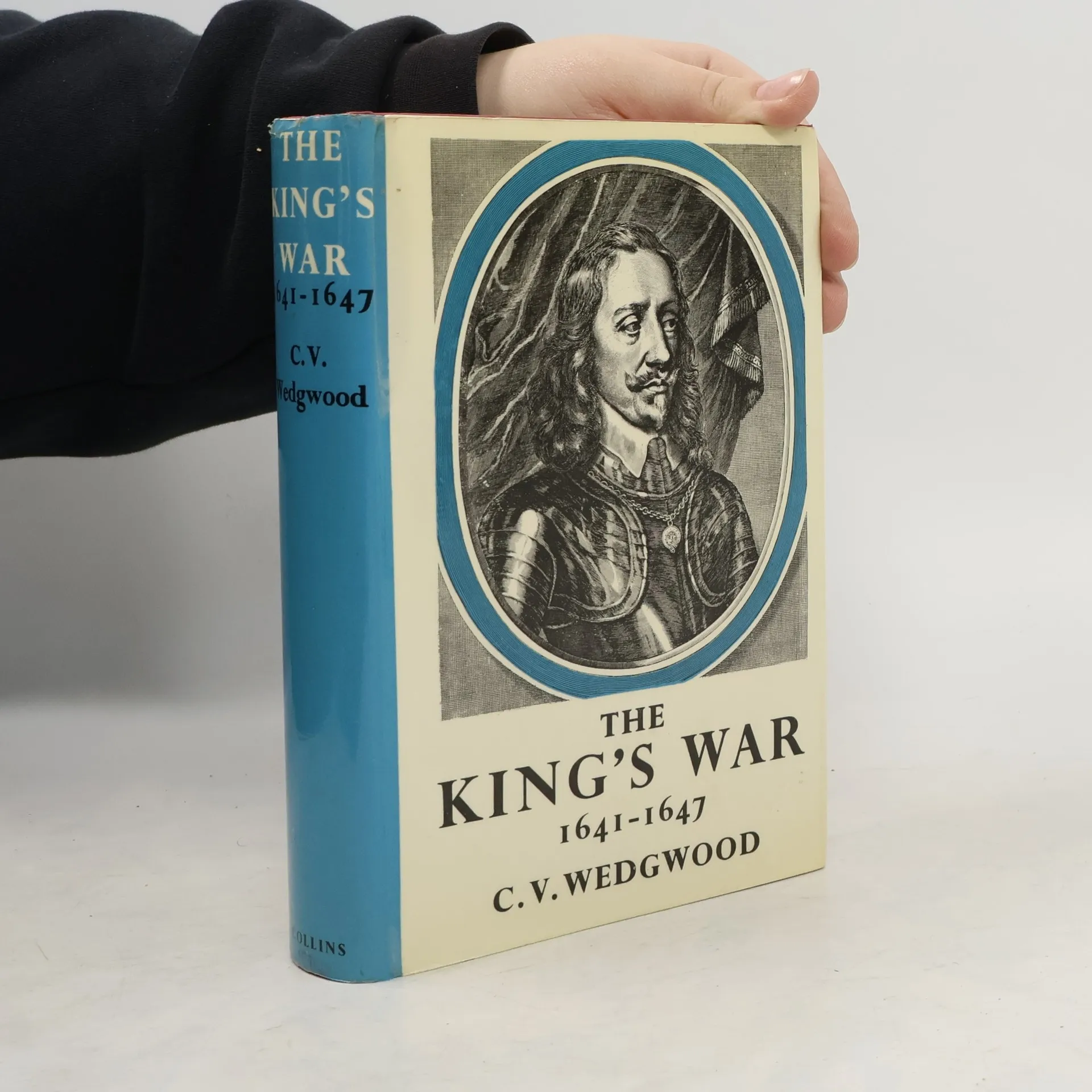
"When King Charles came home from Scotland in the autumn of 1641, London was bright with hangings and the fountains ran wine..." With these words, C V Wedgwood begins the second volume of her history of the Great Rebellion, covering the years from 1641 to 1647. This period includes the Parliamentary passage of the Grand Remonstrance and the dramatic moment when the Scots surrendered King Charles to the English. Key battles such as Marston Moor and Naseby unfold, with Prince Rupert emerging as the King's chief general and Montrose leading a brilliant yet doomed Scottish campaign. Following the death of Pym, Cromwell rises in prominence both in Parliament and on the battlefield, ultimately creating the New Model Army, which becomes a pivotal force for Parliament. This army represents not just military might but a transformative social force in England. By the volume's end, the Royalist cause faces a political and military defeat from which it cannot recover, as power shifts from the King to Parliament and within Parliament itself to factions led by Cromwell. The narrative is enriched by the influence of events in Scotland and Ireland, and Wedgwood depicts the tumult of military, political, and religious developments with clarity, humor, and empathy, capturing the tension and daily life in a nation at war.
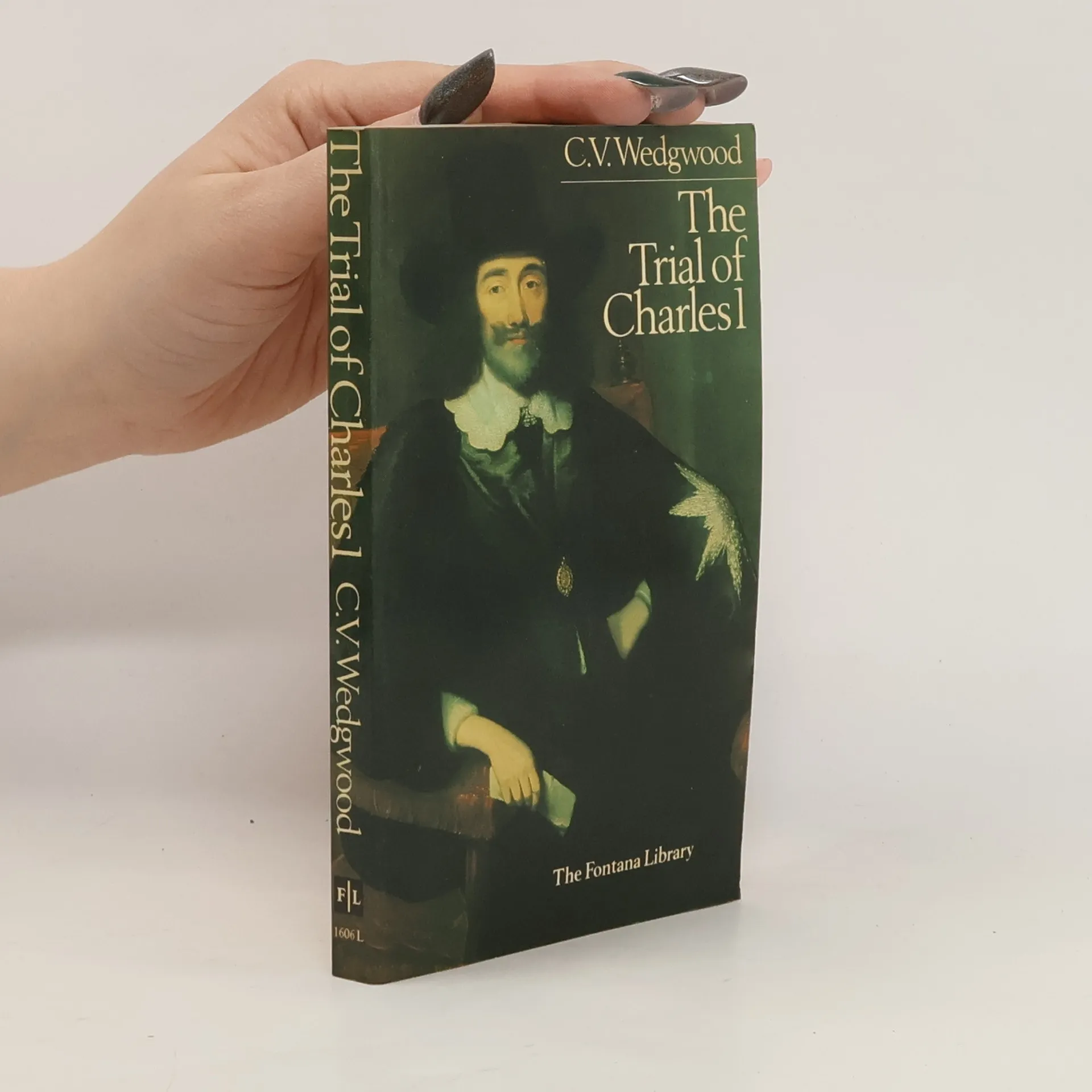
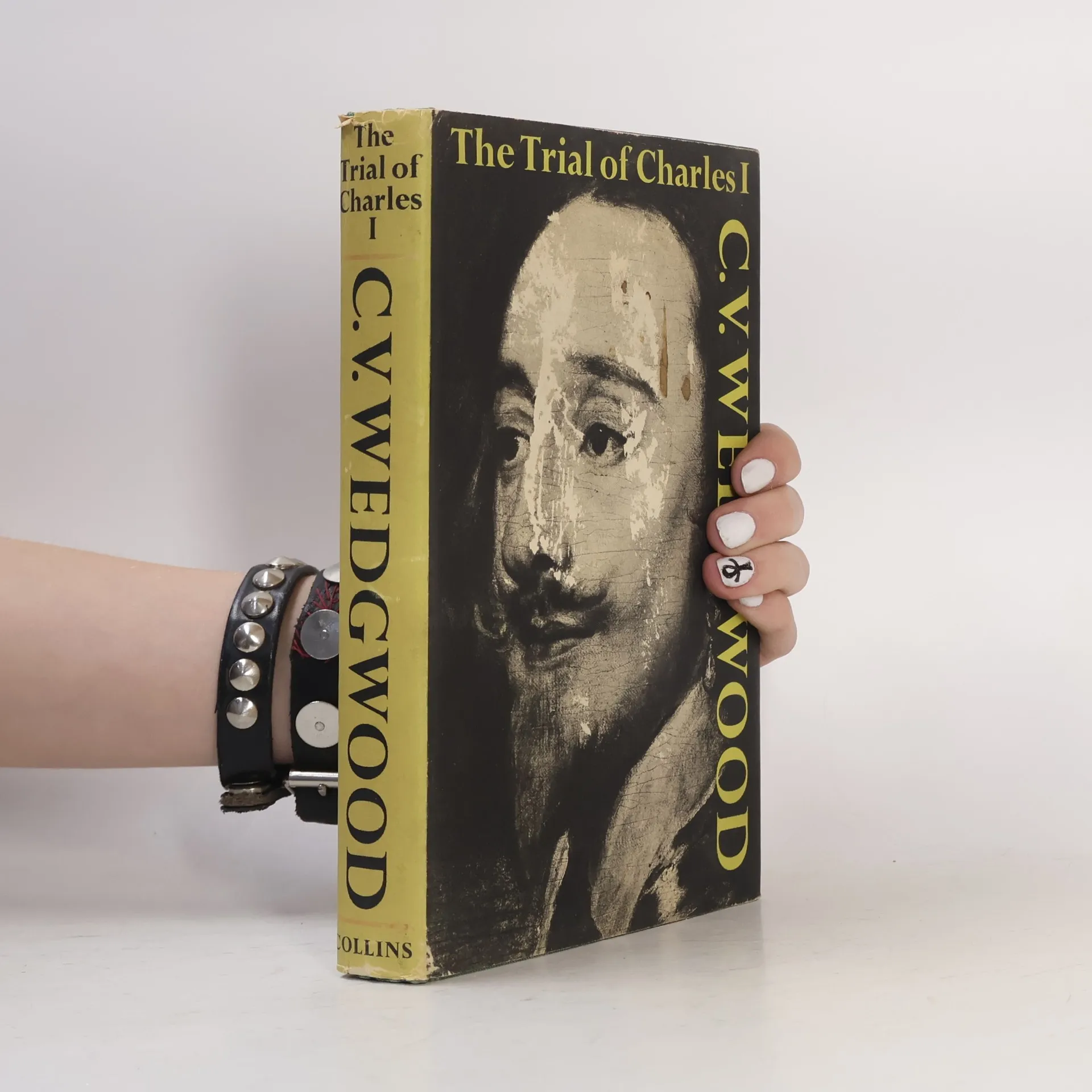
The trial and execution of Charles I shocked all Europe. On 20 November 1648 the Puritan army - Cromwell's army - demanded before the House of Commons that the king be brought to trial. Just over two months later on 30 January 1649, he was beheaded. In her acclaimed account C.V. Wedgood recreates the exciting events of those ten weeks, bringing vividly before us the main actors in this tragic drama: the calm and lonely Charles I and the daunting, iron-willed Cromwell.
![Die ersten 5000 [fünftausend] Jahre](https://rezised-images.knhbt.cz/1920x1920/44091647.webp)