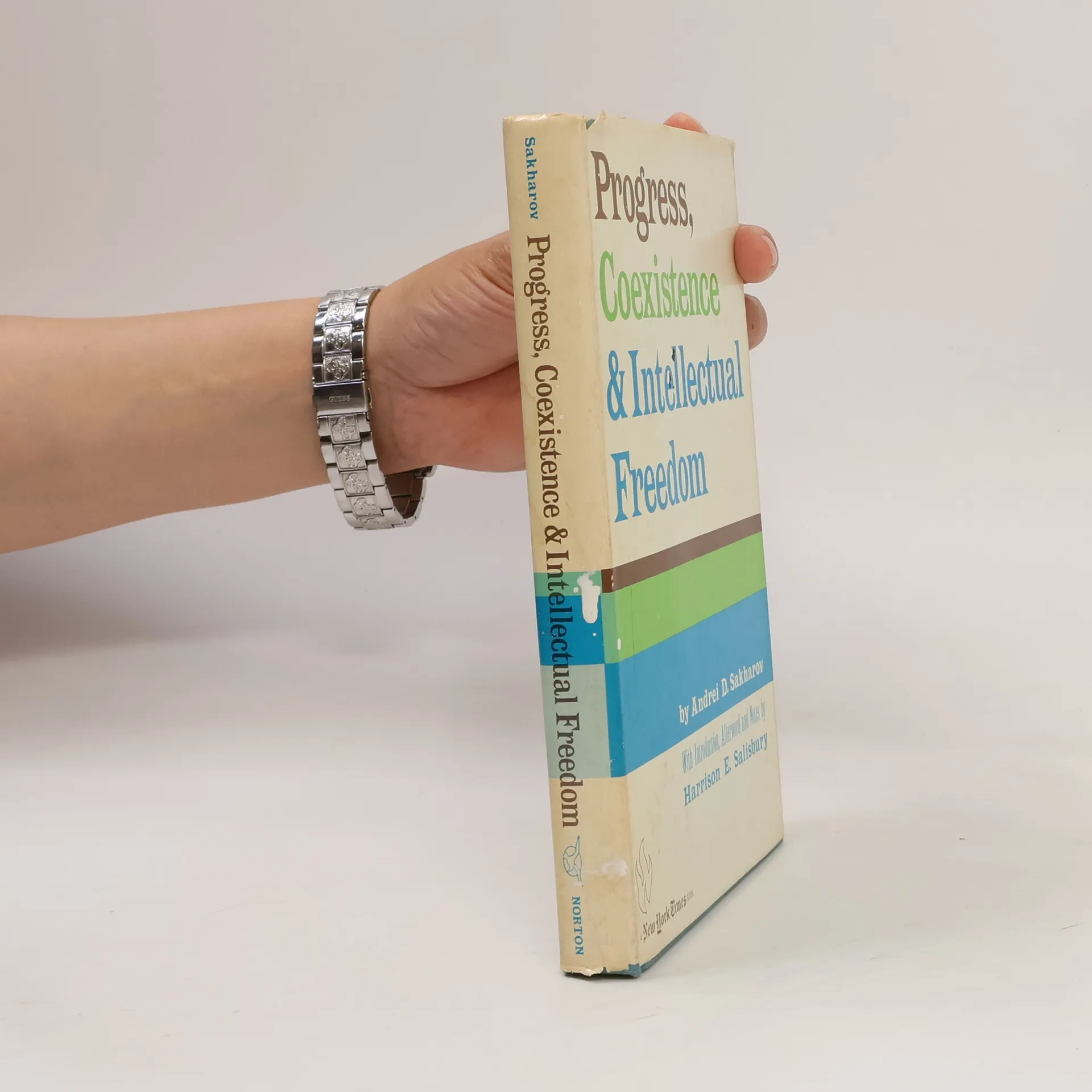
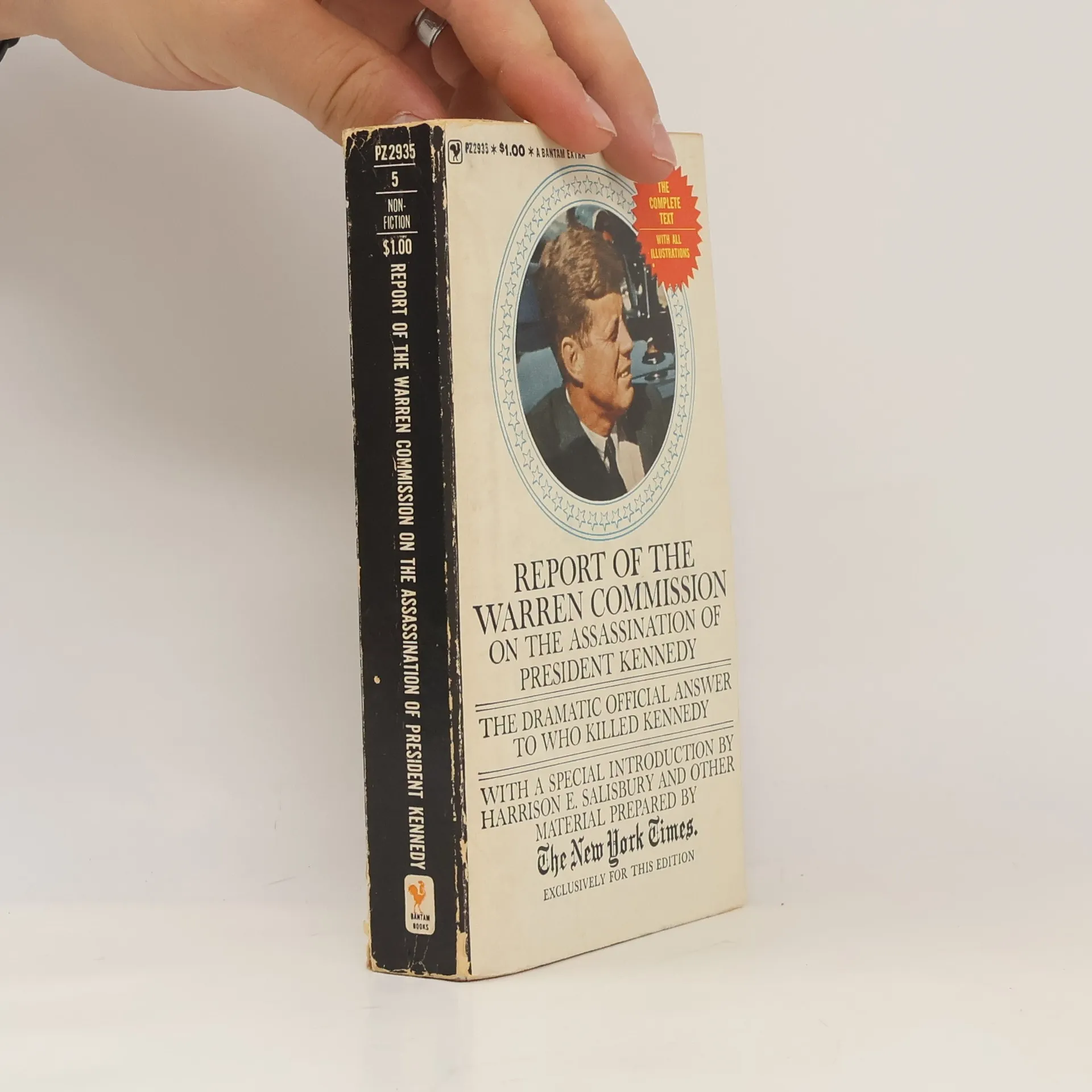
Harrison SalisburyReihenfolge der Bücher (Chronologisch)
14. November 1908 – 5. Juli 1993
Dieser langjährige Reporter und Redakteur der New York Times wurde vor allem für seine Berichterstattung aus Moskau in den frühen Jahren des Kalten Krieges berühmt. Sein tiefgehender Einblick in die Sowjetunion, den er während seiner Zeit als Korrespondent gewann, brachte ihm bedeutende Anerkennung ein, einschließlich eines Pulitzer-Preises. Salisbury konzentrierte sich in seinen späteren Jahren auf Asien und berichtete über die Kriege in Vietnam sowie über China. Seine journalistische Karriere war geprägt von einem intensiven Interesse an globalen Ereignissen und deren detaillierter Darstellung.
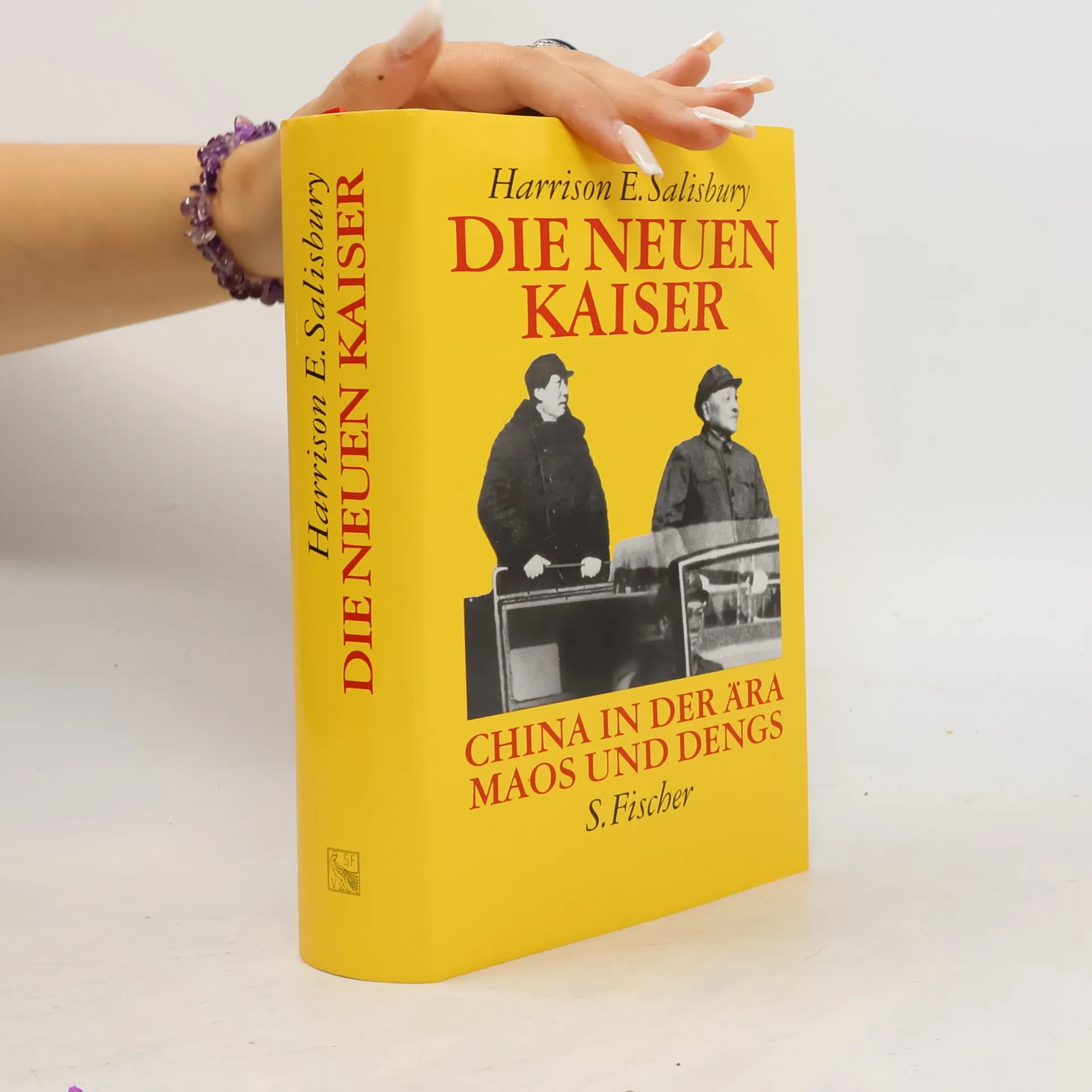
Focuses on the complex relationship between these two men as part of the development of modern China - Communist takeover - Mass famine - Great Leap Forward - Cultural Revolution - Third Line - Jiang Qing - Gang of Four - Tiananmen Square.
Published to commemorate the 40th anniversary of the Korean War, this book contains combat photographs forming a narrative of courage, grimness, ordeal and loyalty. It follows a group of marines through a series of battles, and contains text to explain the circumstances of each photograph.
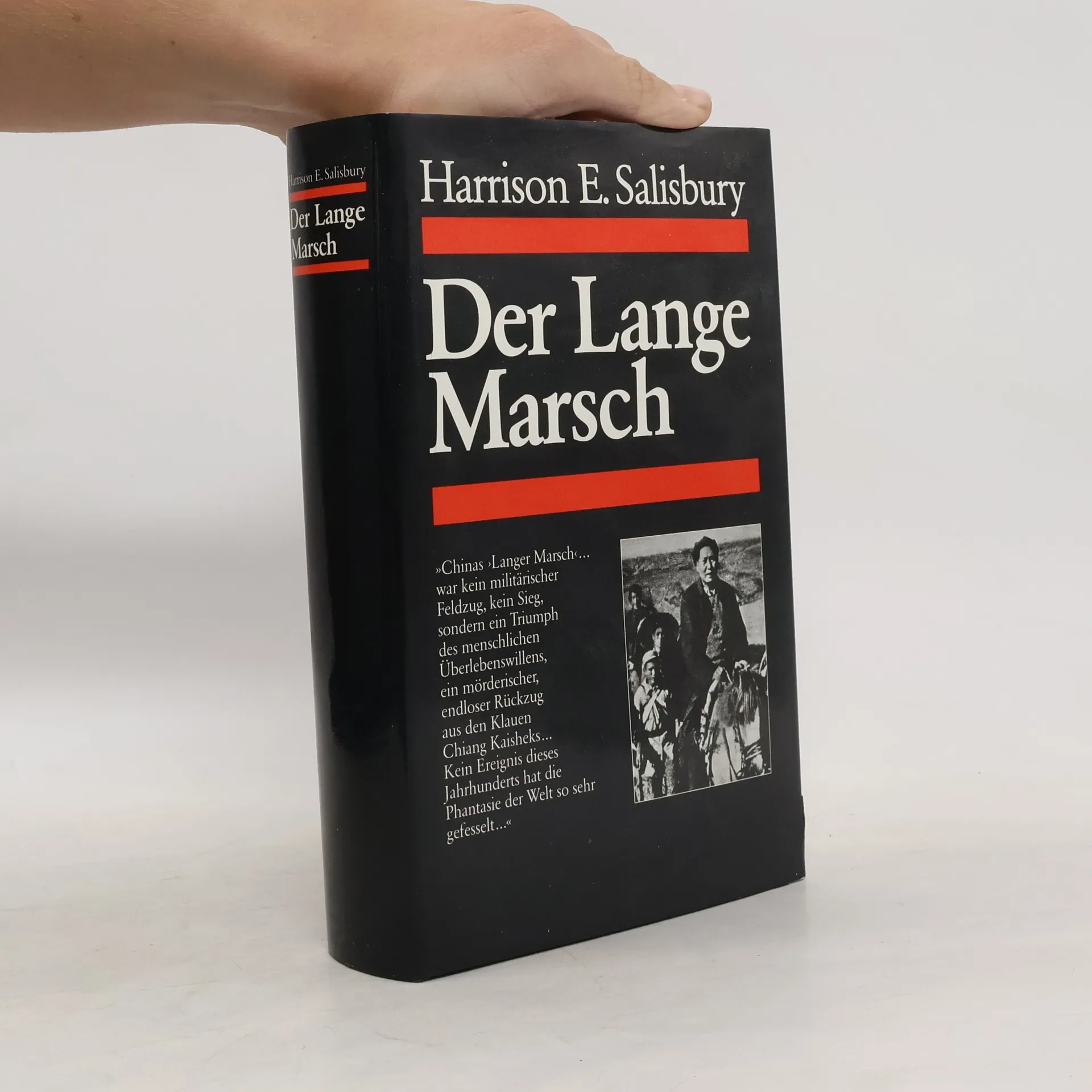
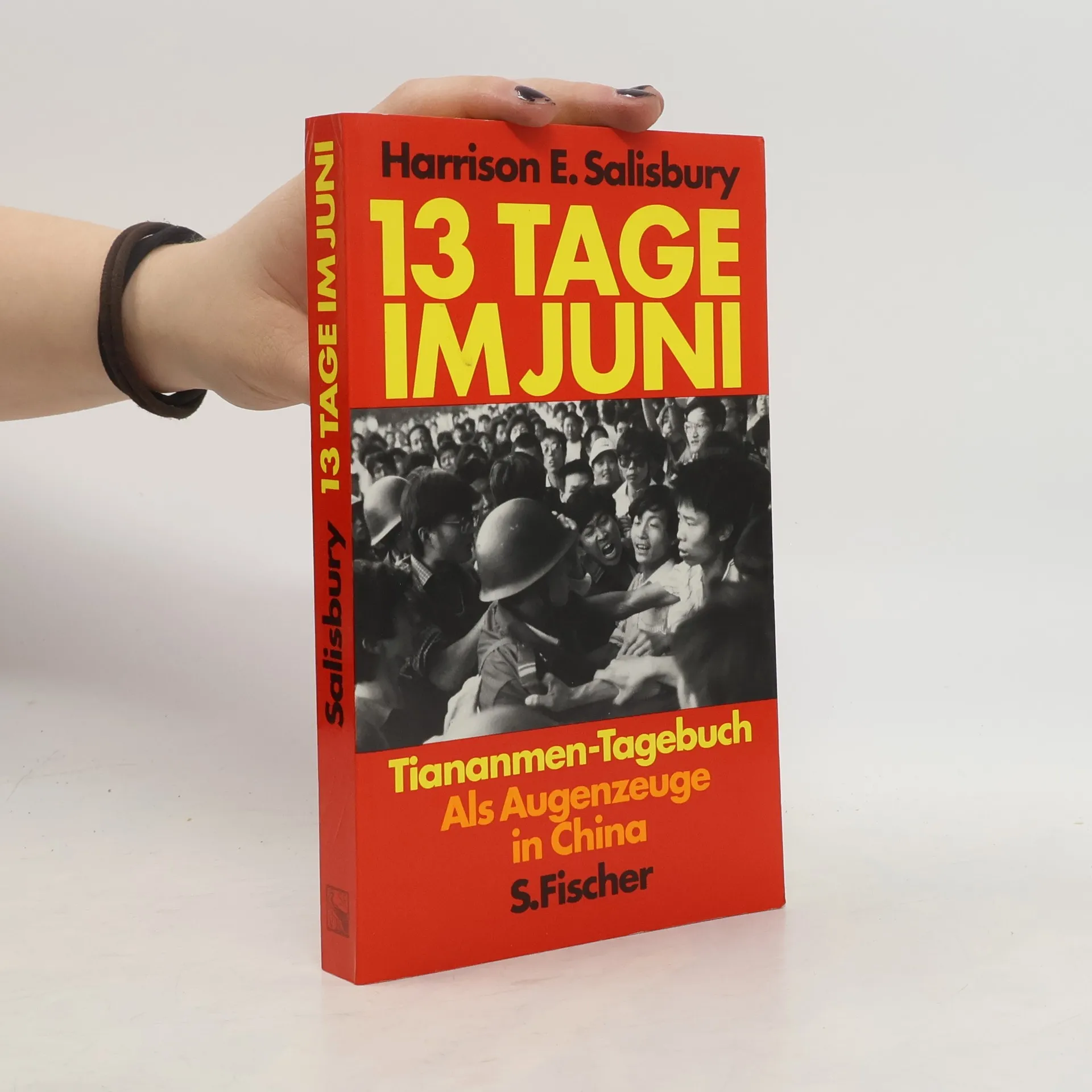
Hinter dem langen Marsch
Ein Spaziergang im Mondlicht
Der Aufstieg der Roten Banditen
In der Vorabendstunde
Der Mann im tristen Haus
Erste Schritte
Strategien
Die Verschwörung der Tragen
Die Frauen
Die erste große Schlacht
Die Rote Armee ändert Kurs
Zunyi
Mao übernimmt das Kommando
Eine Nadel in Baumwolle gewickelt
Mao umgeht die Katastrophe
Chang Kai-Shek an der Nase herumführen
Maos große Täuschungen
Der goldene Sand
Der Hühnerblut-Eid
Die Zurückgebliebenen
Die Legion des Todes
Die Luding-Brücke
Die großen schneebedeckten Berge
Wiedervereinigung
Am Ende der Welt
Ein magischer Teppich
Dunkle Stunde, heller Ruhm
Heimkehr
Die Versammlung
Rückkehr des Verlorenen
„Kaltäugig betrachte ich die Welt“
Der kleine Mann, der es konnte
Nie niederzuschlagen
Anmerkungen
Eine Anmerkung zu den Quellen
Bibliografie
Index
Illustrationen
Karten
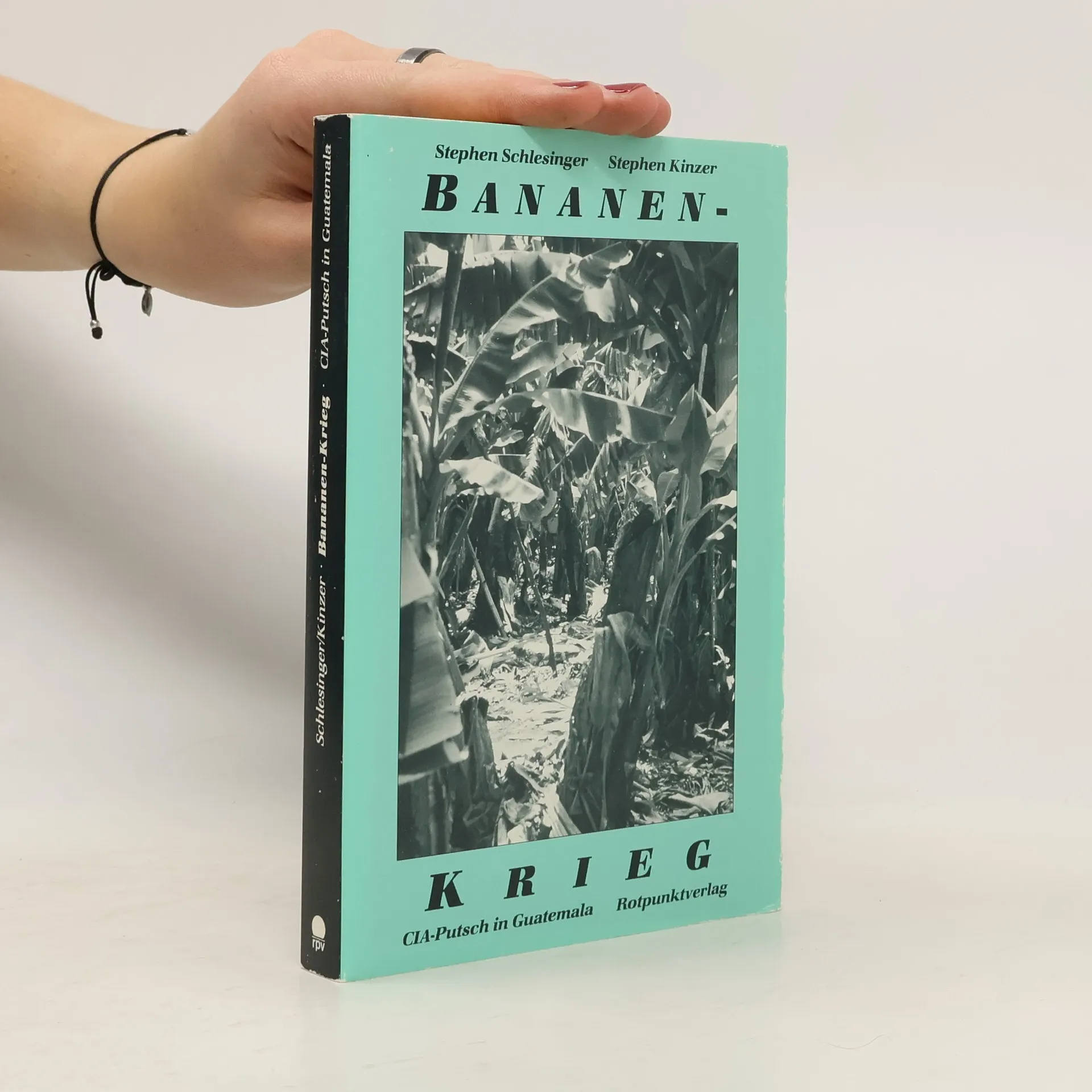
BITTER FRUIT explores the CIA's covert operations to overthrow Guatemala's democratically elected president, Jacobo Arbenz, in 1954. Arbenz's administration aimed to implement land reforms to alleviate poverty and enfranchise citizens, shaking off the remnants of a previous dictatorship. The title refers to the United Fruit Company (UFC), an American corporation with substantial land holdings in Guatemala, which exerted considerable influence over the U.S. government, particularly during Eisenhower's administration. When Arbenz nationalized UFC land—much of which was uncultivated and claimed as a reserve—the company lobbied Washington, invoking fears of communism. Eisenhower authorized operations to replace Arbenz with a military junta. Ironically, Guatemala's democratic aspirations in the '40s were inspired by FDR's vision of universal rights. The book also discusses Edward Bernays, Freud's nephew and a pioneering PR practitioner, who helped shape public sentiment against Arbenz. Following the coup, the U.S. government, concerned about perceptions of collusion with UFC, initiated an anti-trust suit against the company. Ultimately, a 1998 report revealed the tragic consequences of the coup: 150,000 deaths and 50,000 disappearances, primarily caused by government forces. This well-researched account is both disturbing and compelling, shedding light on a significant moment in U.S.-Guatemalan history.
The destruction of the Czars which brought about the reign of revolutions from 1905–1917 in Russia looms as the crucial political event of the twentieth century. In little more than a decade the Romanov dynasty was toppled, and its time-honored institutions repudiated. How did it happen? How could Nicholas and Alexandra, the nobility, middle class anarchists—even Lenin himself—not foresee the catastrophic changes that were shaking the empire? Why could nothing be done? And why were the efforts so ineffectual? Black Night, White Snow captures the rich drama of this whole period. With the artistry of a Balzac, Harrison Salisbury exposes the strata of Russian society, with its decedents, prophetic poets, religious fanatics, and newly liberated serfs. From archival sources within the Soviet Union, interviews, and his personal photography collection, he recreates the story as it happened. Hard data on Russia's economy, a first-hand knowledge of the county, and a historian's gift of compression are combined in a fast-paced narrative that reads with the ease of a good novel and the urgency of a newspaper headline.
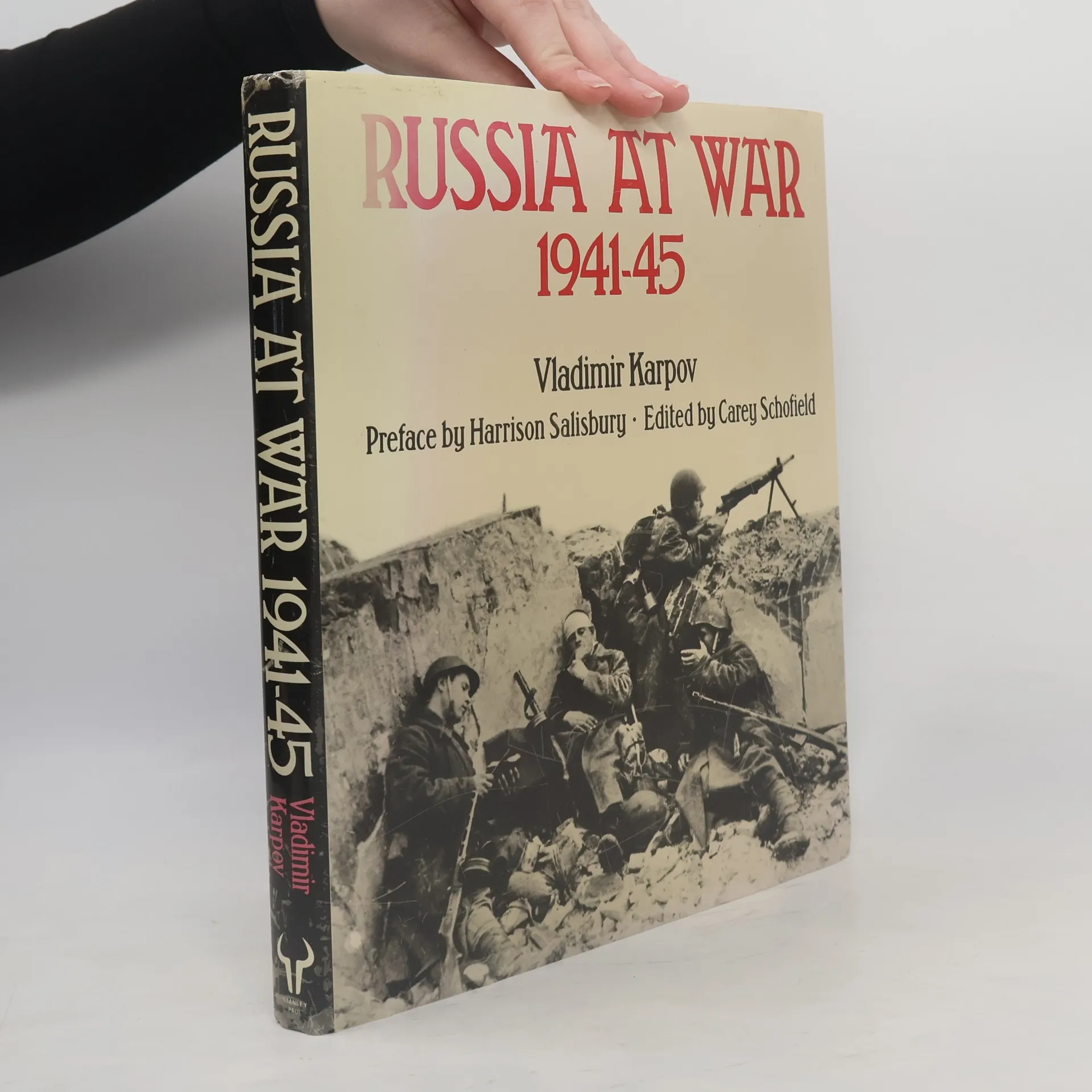
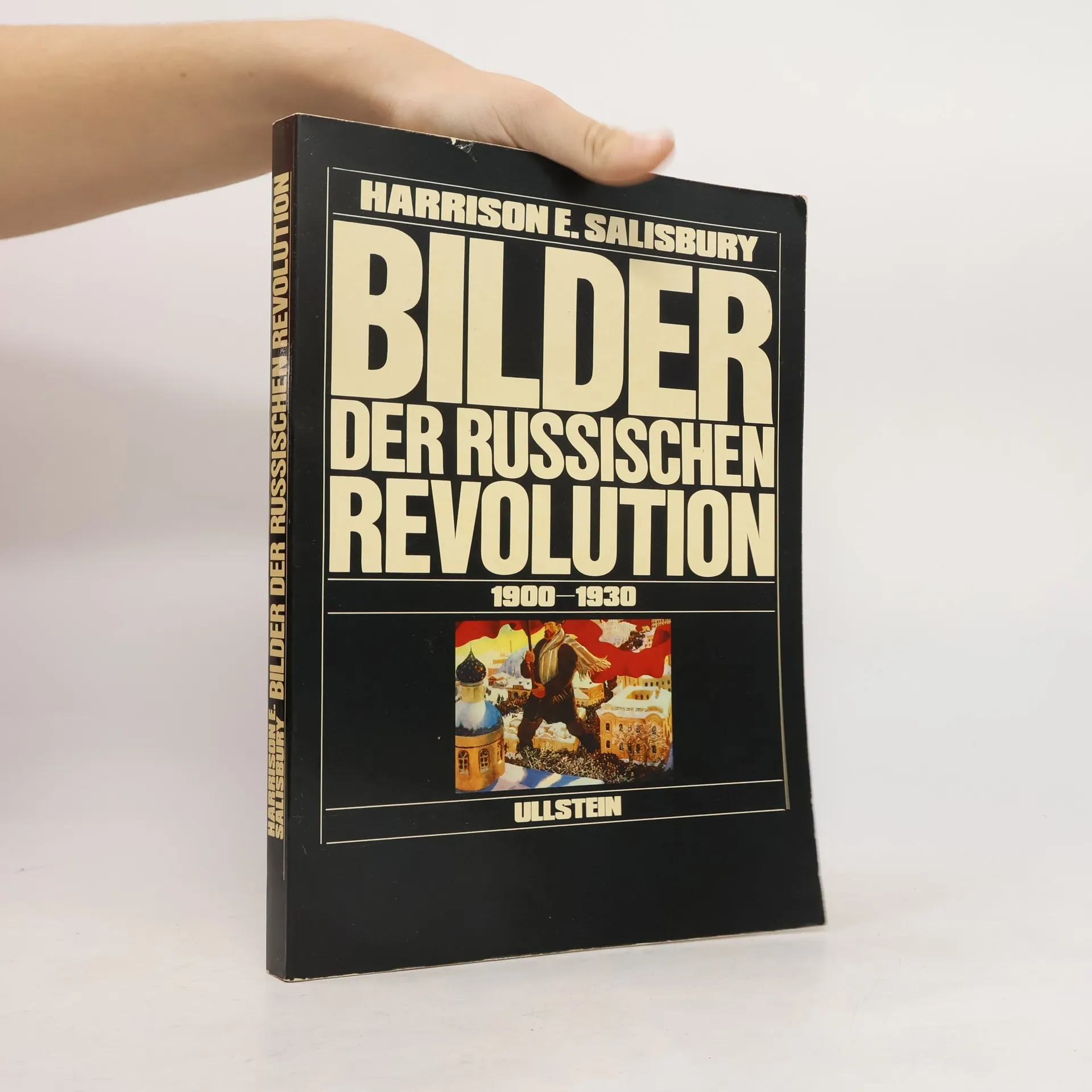
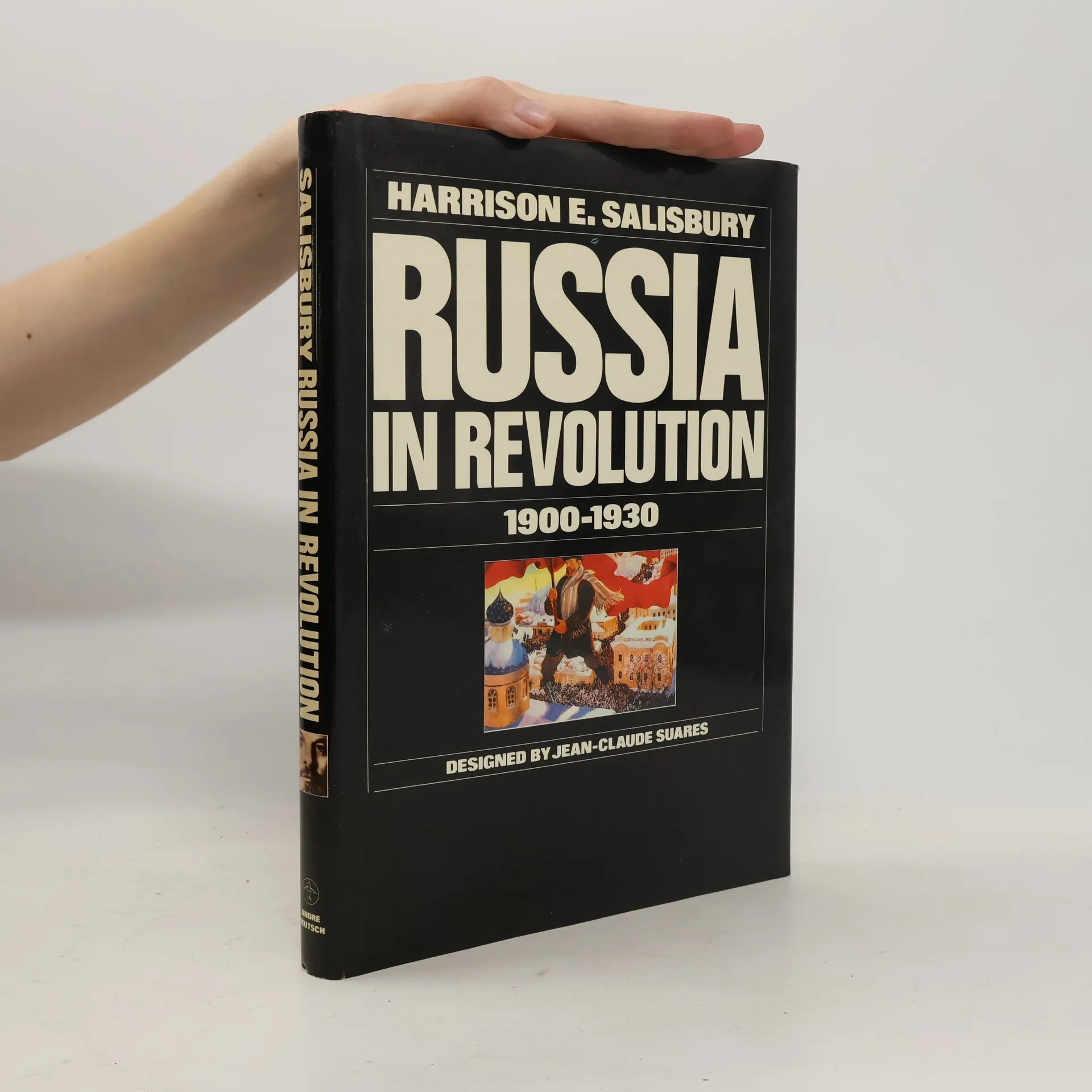
A narrative and pictorial portrait of the political and artistic upheaval that changed the course of Russian history and culture during the first three decades of the century.
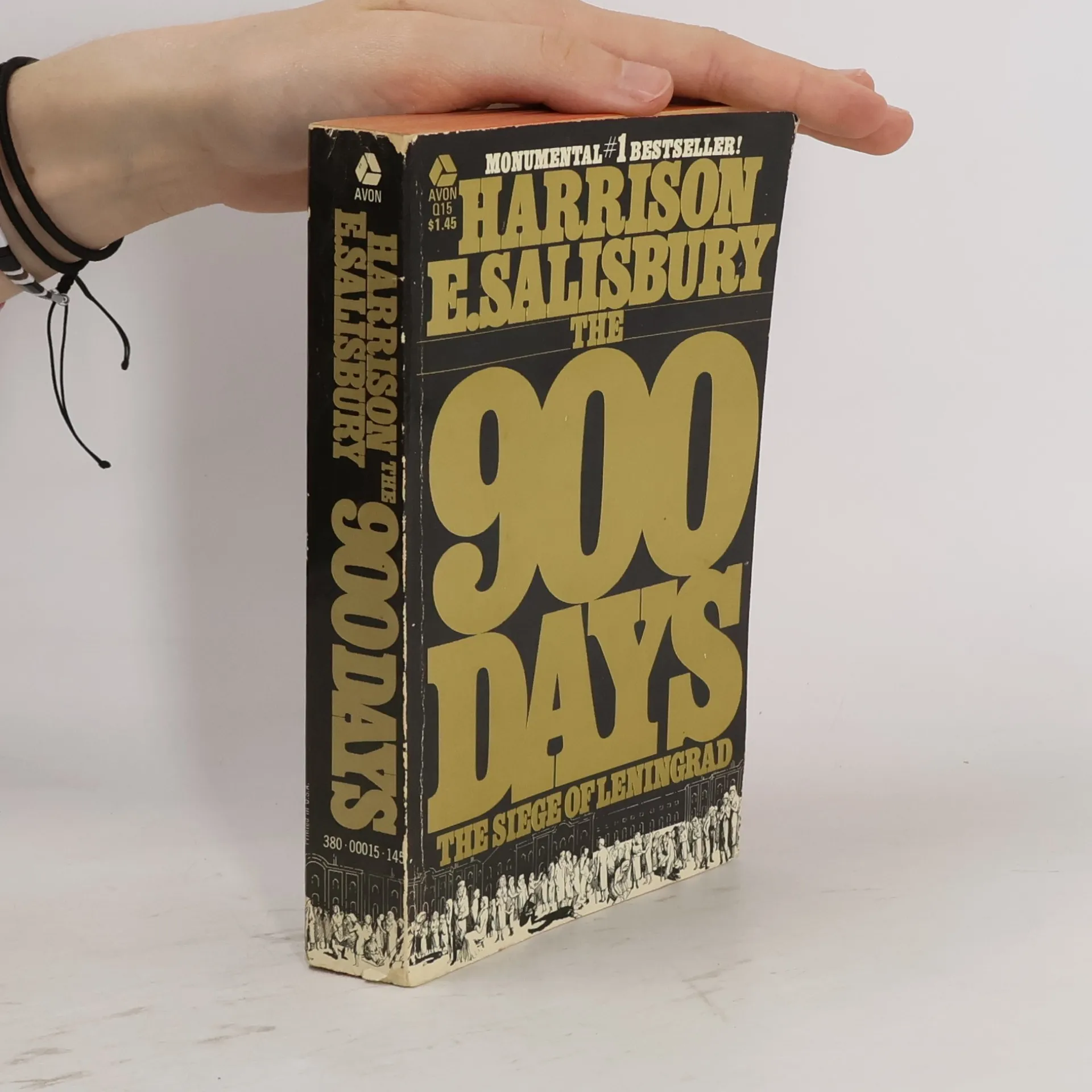
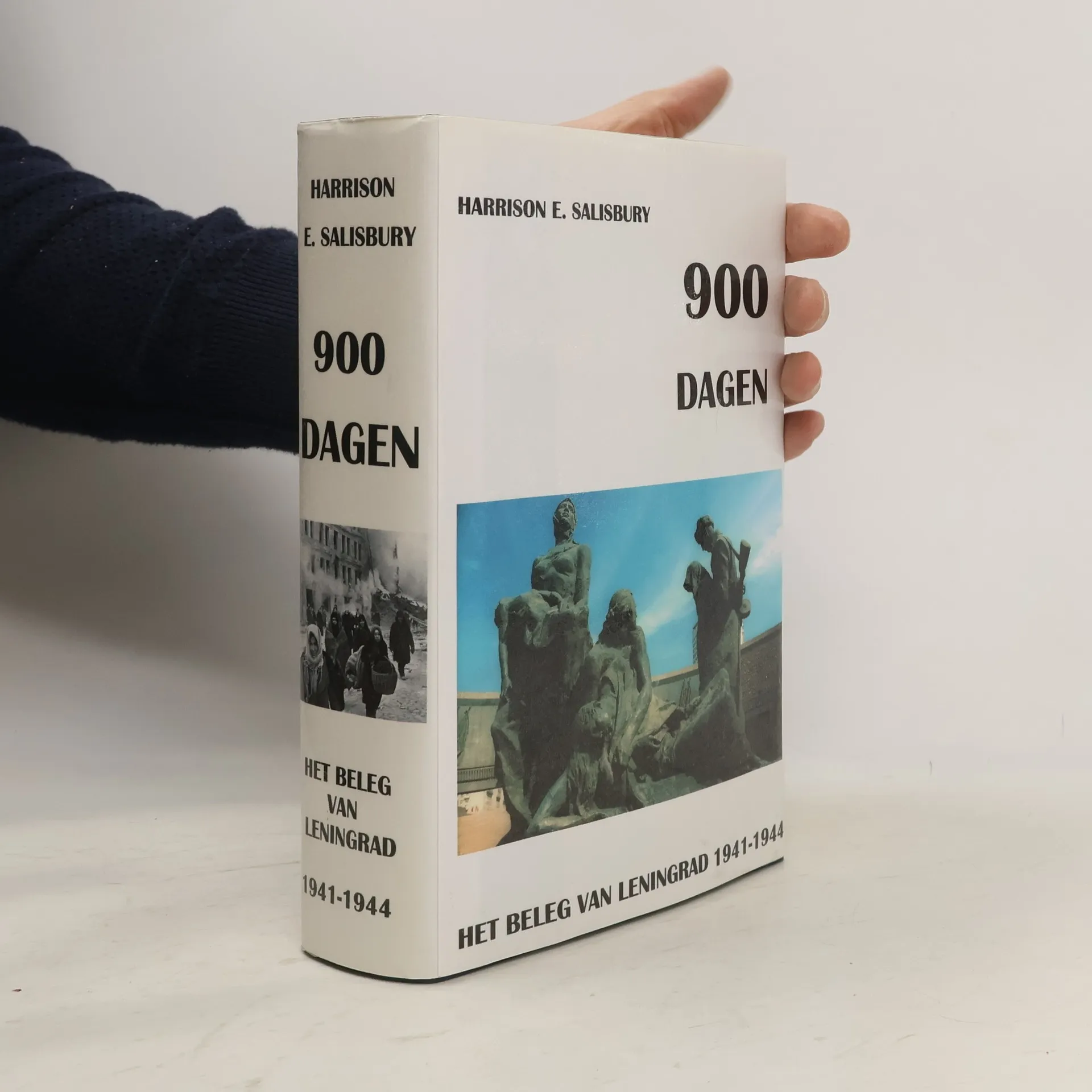
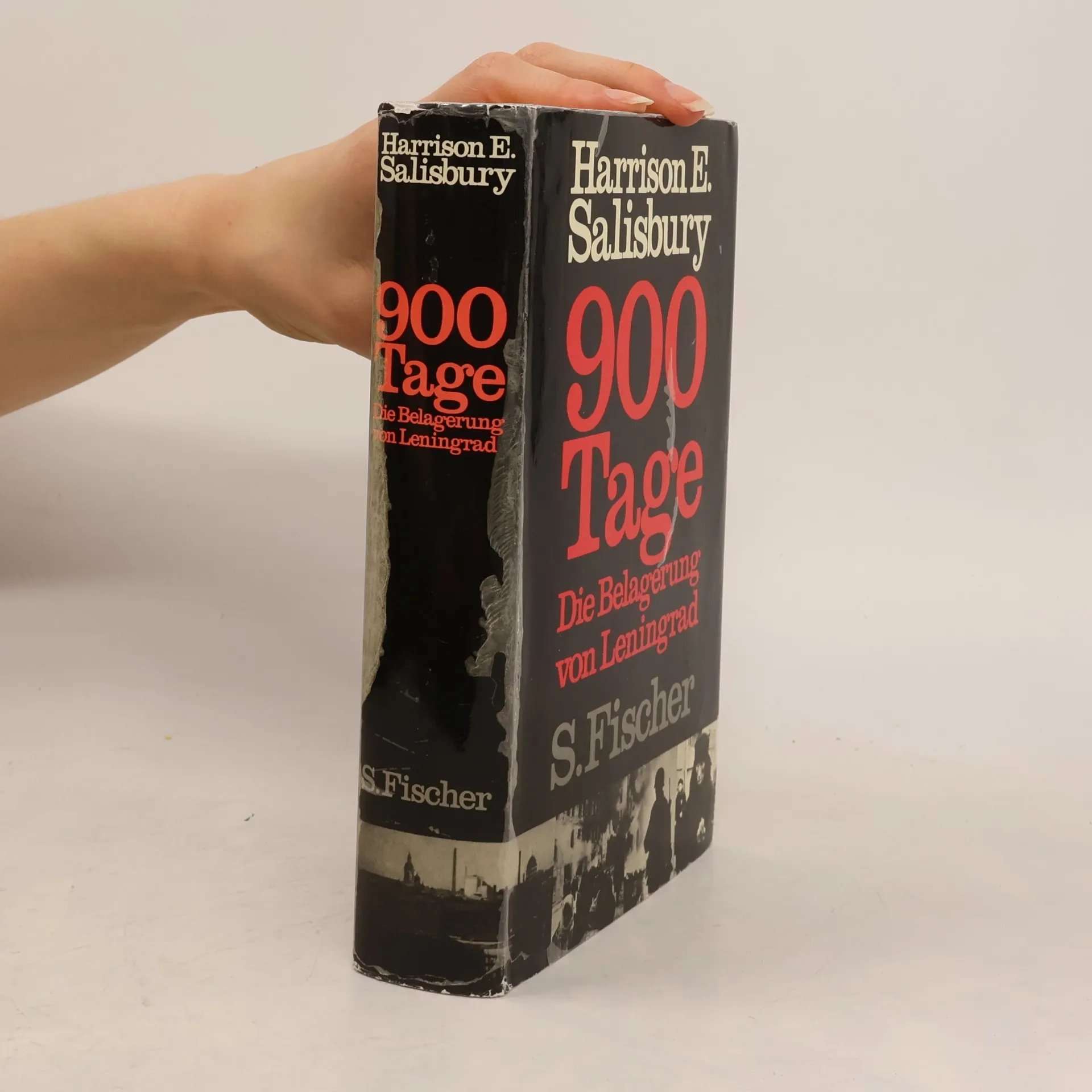
Die Nazi-Besatzung von Leningrad von 1941 bis 1944 war eine der grausamsten Episoden des Zweiten Weltkriegs. Fast drei Millionen Menschen ertrugen sie; knapp die Hälfte von ihnen starb. Der angesehene Journalist und Historiker Harrison Salisbury hat 25 Jahre lang diese bemerkenswerte Erzählung von Unrecht und Überleben zusammengestellt, in der die Stadt viel zu fürchten hatte - sowohl von Hitler als auch von Stalin.





![900 [Neunhundert] Tage](https://rezised-images.knhbt.cz/1920x1920/94274063.webp)