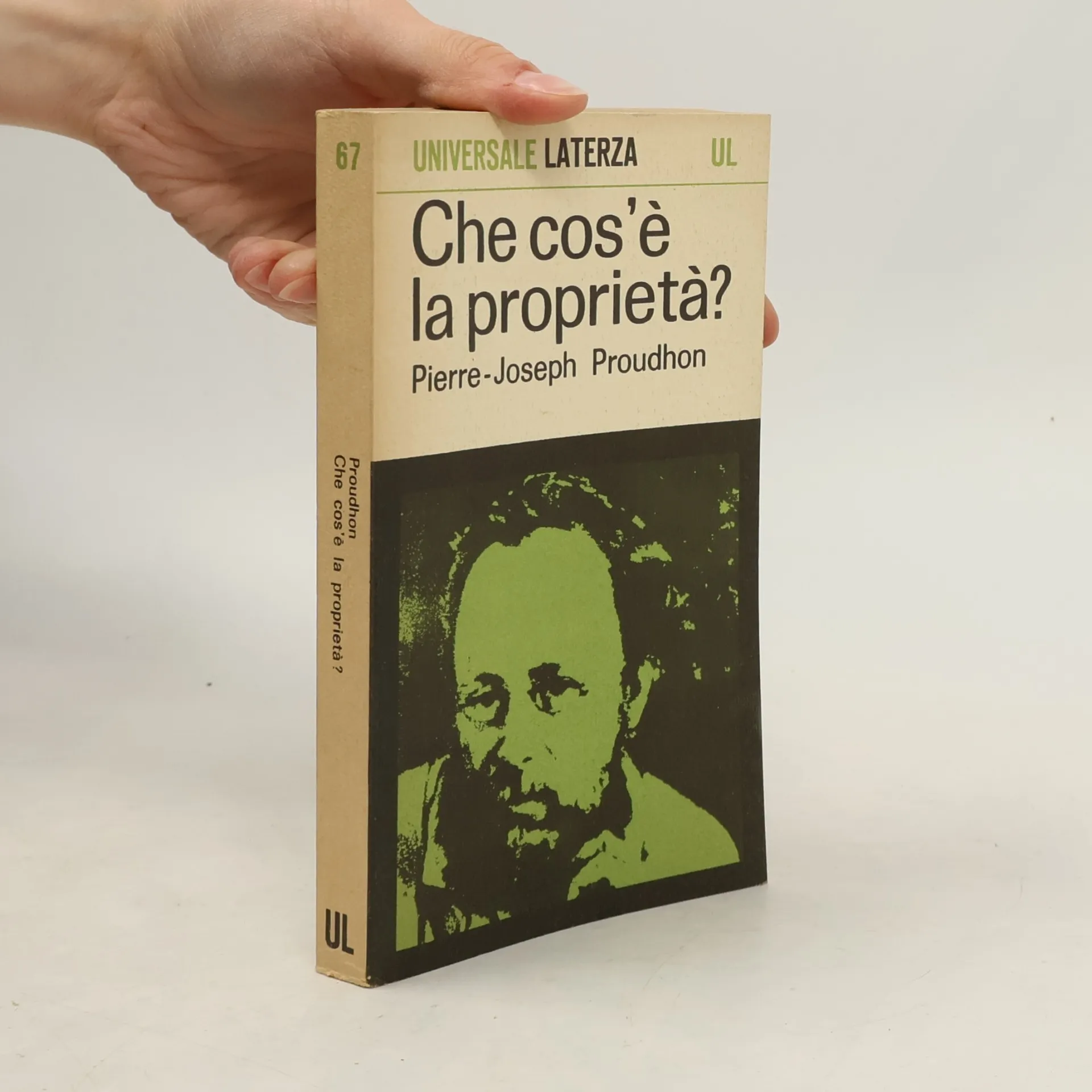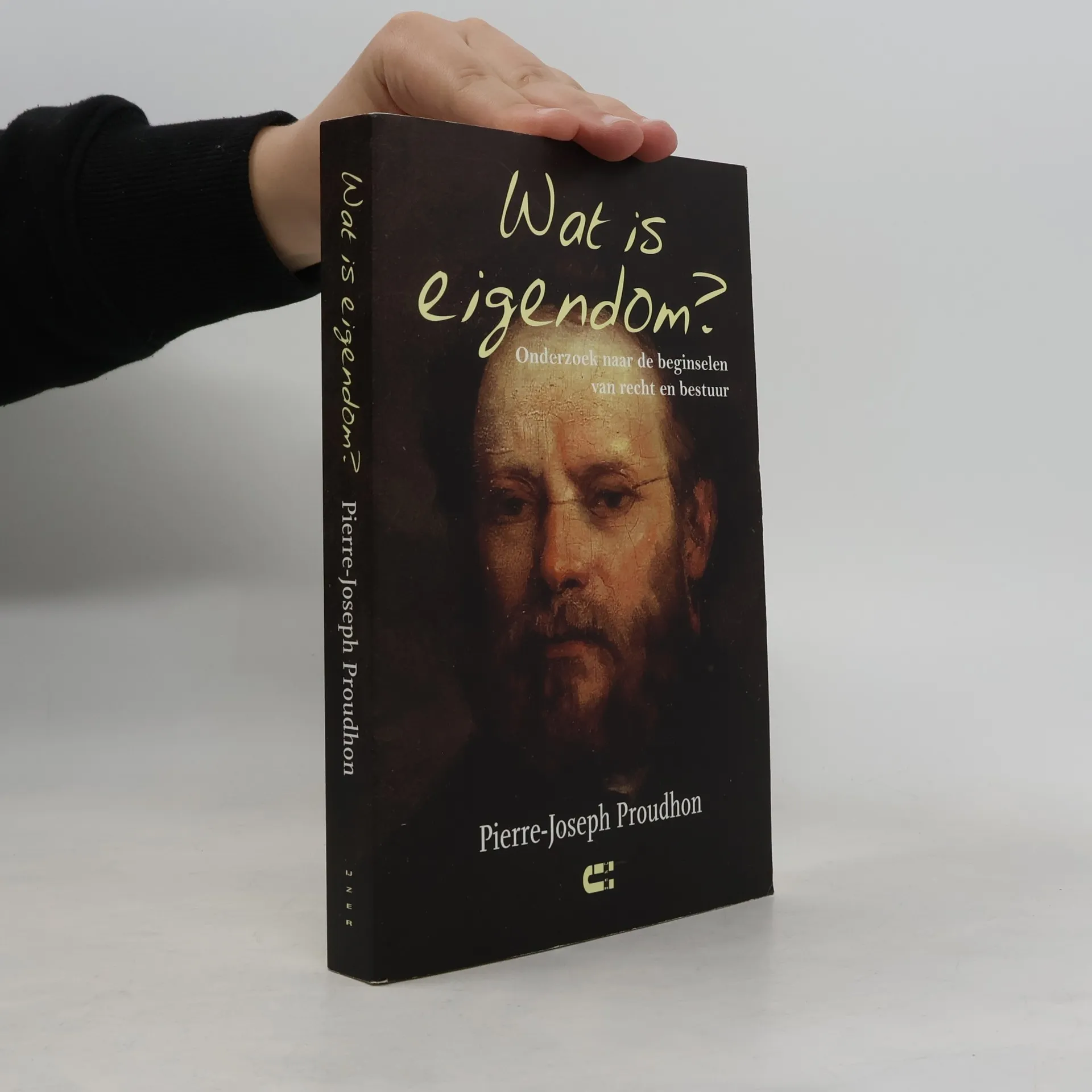
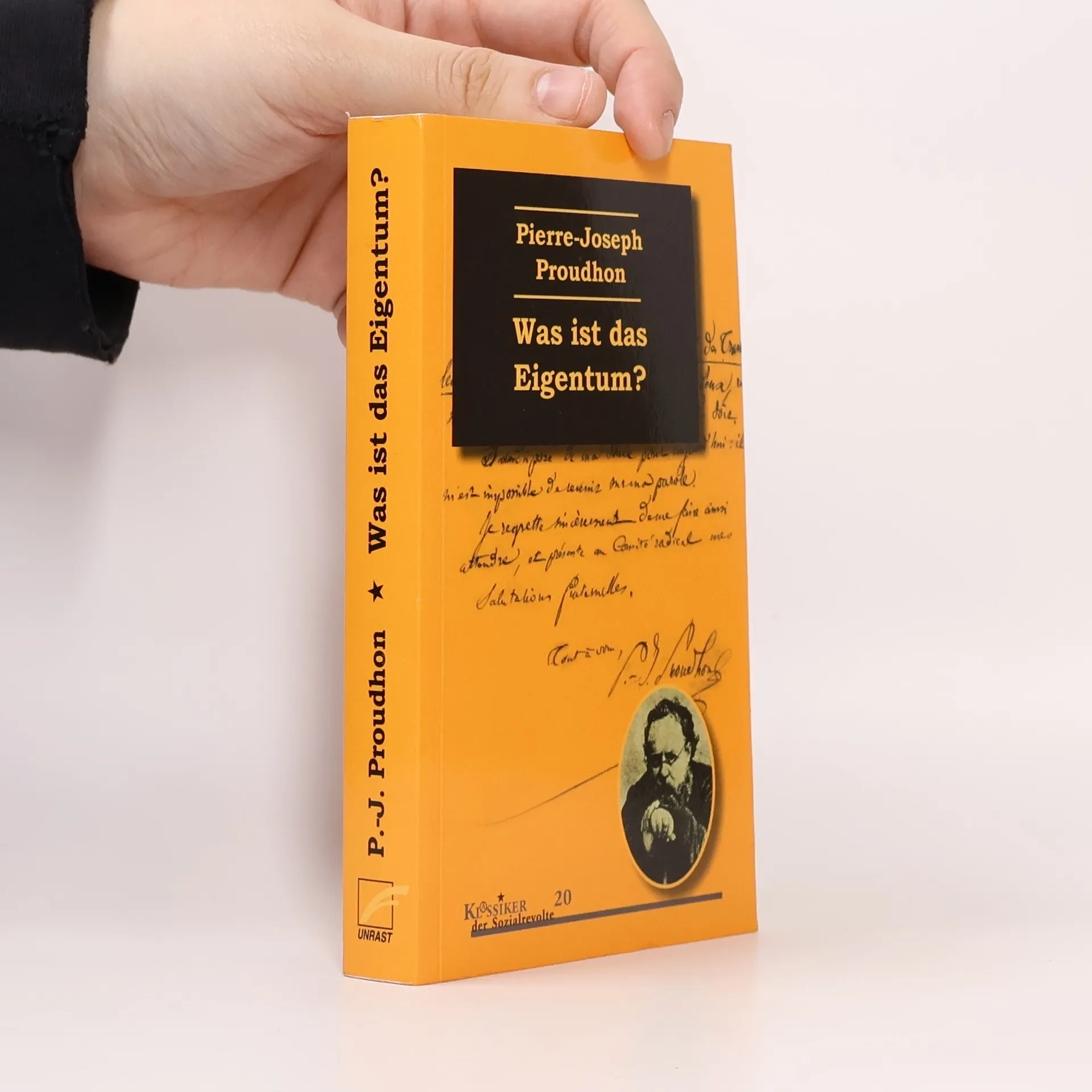
Was ist das Eigentum?
Untersuchungen über den Ursprung und die Grundlagen des Rechts und der Herrschaft


Untersuchungen über den Ursprung und die Grundlagen des Rechts und der Herrschaft
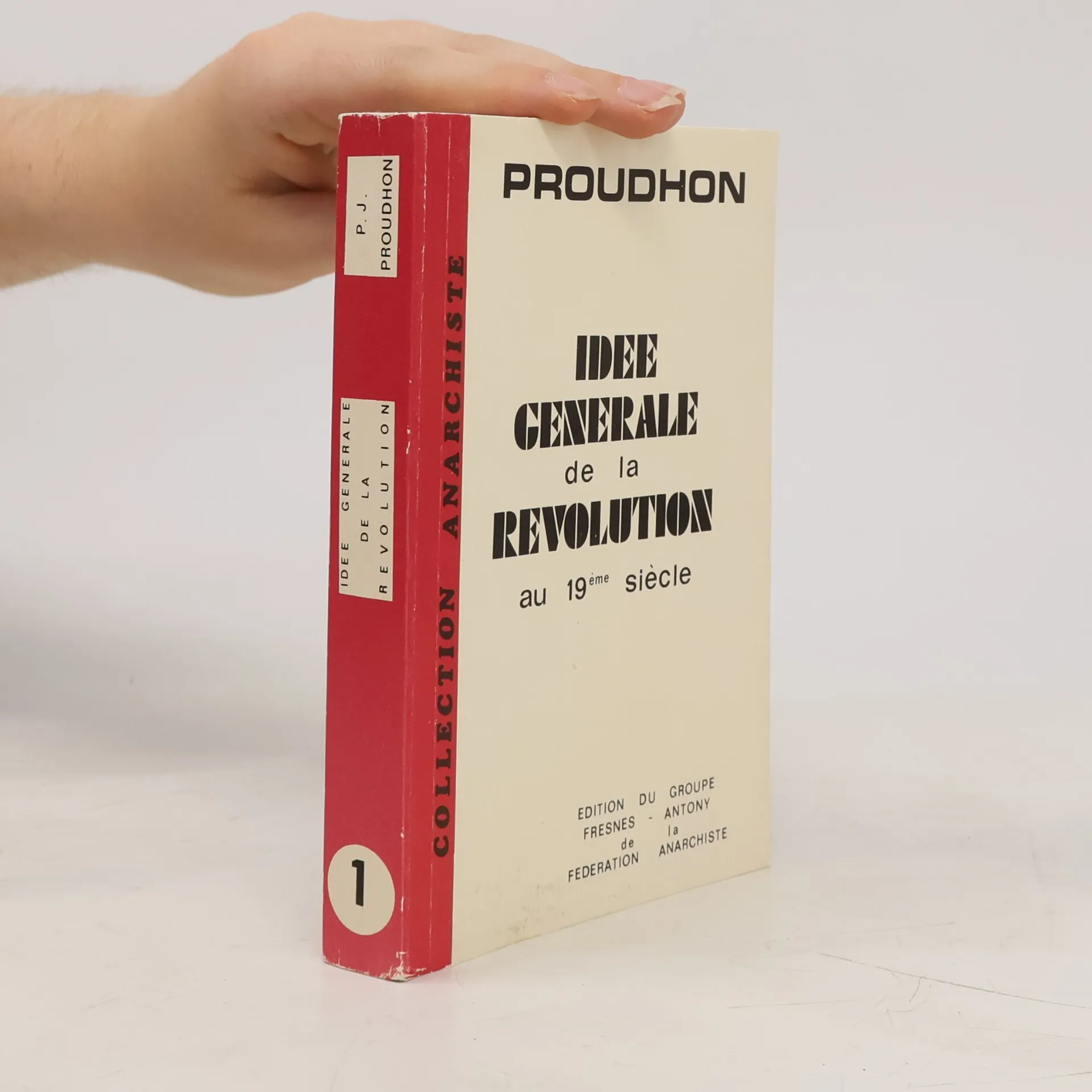
Focusing on the necessity of revolution, Pierre-Joseph Proudhon critiques past revolutionary efforts for their lack of genuine societal transformation. Amidst the political turmoil of the mid-1800s in France, he advocates for dismantling government structures in favor of social contracts that ensure mutually beneficial exchanges among individuals. Proudhon's vision promotes a society where exploitation is eliminated, leading to an anarchic utopia where no one suffers. His philosophy offers a new approach for future generations seeking true revolutionary change.
Of Proudhon’s best books, War and Peace is the least well known in the English-speaking world. This first English translation will open up both our understanding of Proudhon’s mature works as well as a window on mid-nineteenth century international relations and the history of international thought. Sharkey’s rich and faithful translation, and Prichard’s scholarly introduction and annotations, bring this book to life for a new, (post)modern audience. This is still one of the only extended accounts of anarchist international theory in history and is one of the earliest in the history of socialist thought. Prichard’s introduction describes both its specificity and the multiple lines of influence it had, on writers as diverse as Tolstoy, Sorel, French sociology more broadly, and post-1945 Anglo-American International Relations theory.
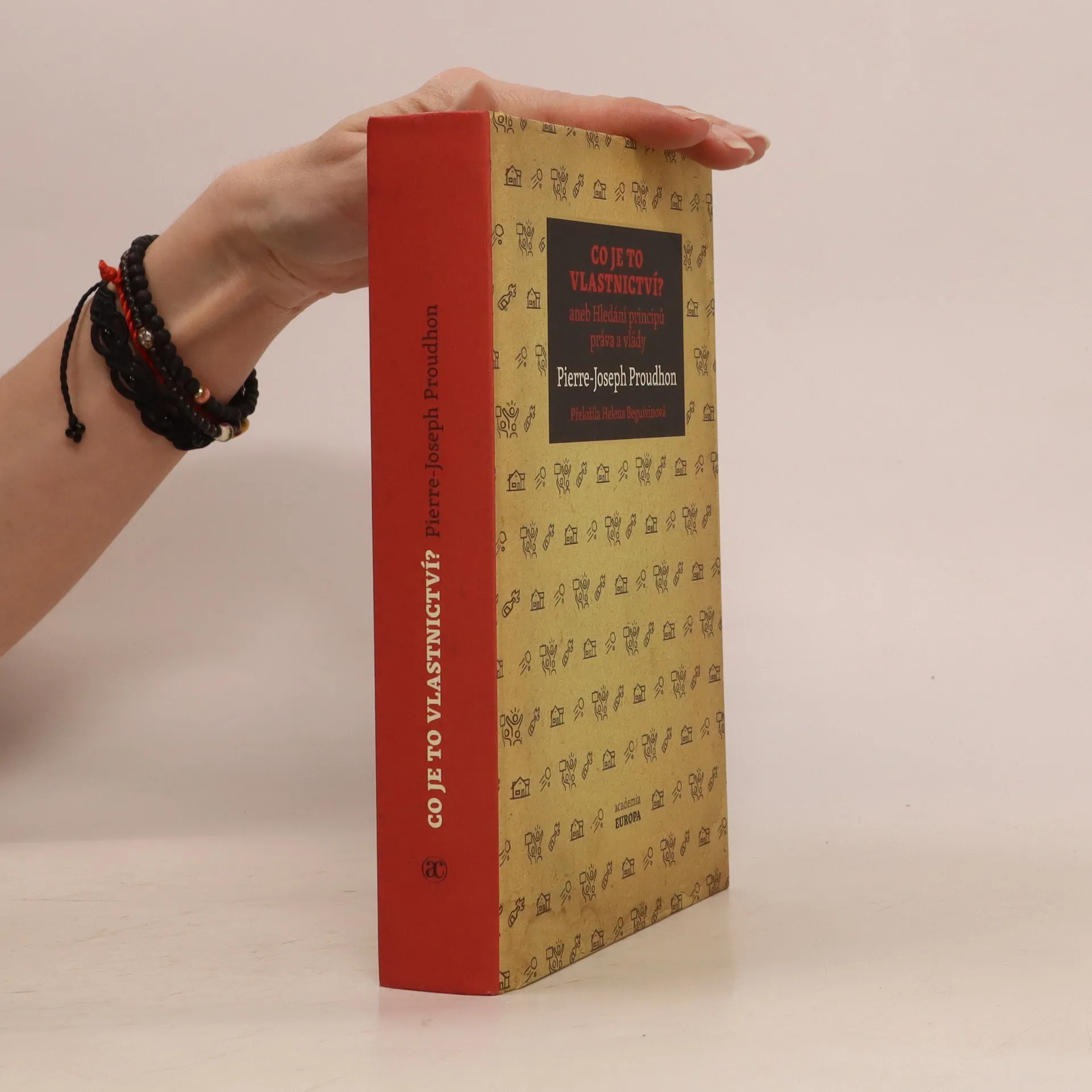
Co je to vlastnictví aneb Hledání principů práva a vlády (1840) je poměrně raný, ale snad nejznámější text Pierra-Josepha Proudhona. Začíná často citovanou větou „Vlastnictví je krádež.“ Nutno upřesnit, že nebrojí proti jakémukoli soukromému vlastnictví, ale spíše proti vlastnění nemovitostí, pozemků, a výrobního kapitálu, které vynášejí kapitálový zisk, považovaný za neoprávněný. Dopis panu Blanquimu o vlastnictví (1841) je věnován Adolphu Blanquimu, což byl bratr známějšího francouzského revolucionáře Augusta Blanquiho. Adolphe Blanqui, profesor ekonomie, se totiž postavil za Proudhona, když mu hrozilo stíhání za pojednání Co je to vlastnictví. Ve skutečnosti jde o jakési jeho pokračování, v němž rozvíjí a upřesňuje své názory.