Michael SimsReihenfolge der Bücher (Chronologisch)
Michael Sims befasst sich mit den komplexen Verbindungen zwischen Natur, Wissenschaft und Kultur und erforscht die faszinierenden Facetten der menschlichen Existenz und der natürlichen Welt. Seine Schriften bewegen sich fließend zwischen sachlicher Beobachtung und poetischer Reflexion und bieten den Lesern ein tieferes Verständnis der Welt um sie herum und ihres Platzes darin. Sims widmet sich der Aufdeckung verborgener Narrative und der Bereicherung unserer Wahrnehmung des Alltäglichen durch aufschlussreiche und fesselnde Essays. Seine Arbeit weckt Neugier und regt zum Nachdenken über die Komplexität des Lebens an.
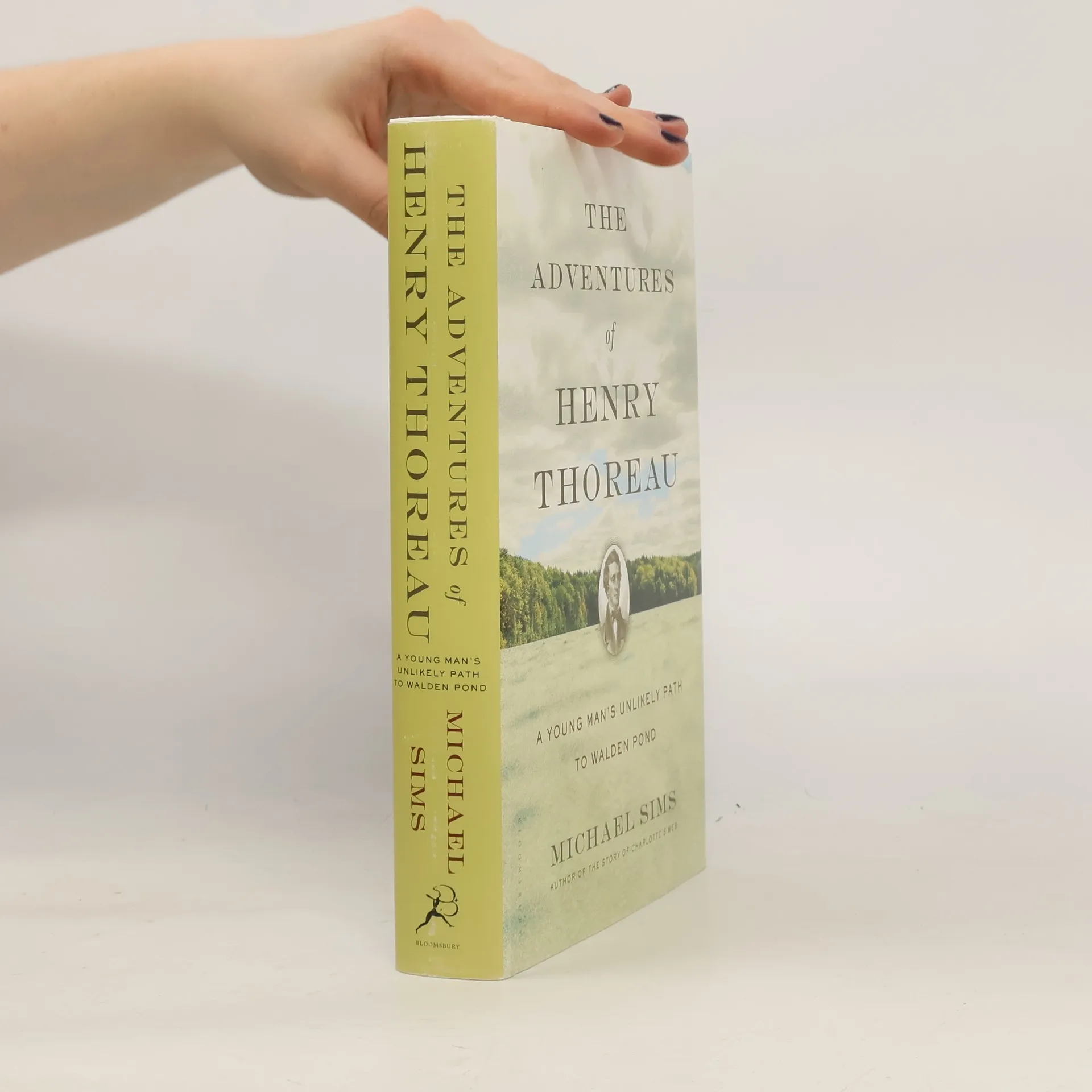
A revealing chronicle of the iconic American writer's formative years evaluates the decade between his graduation from Harvard and his departure for his Walden Pond cabin to describe the influences that rendered him an advocate for non-violent activism and environmentalism. 30,000 first printing.
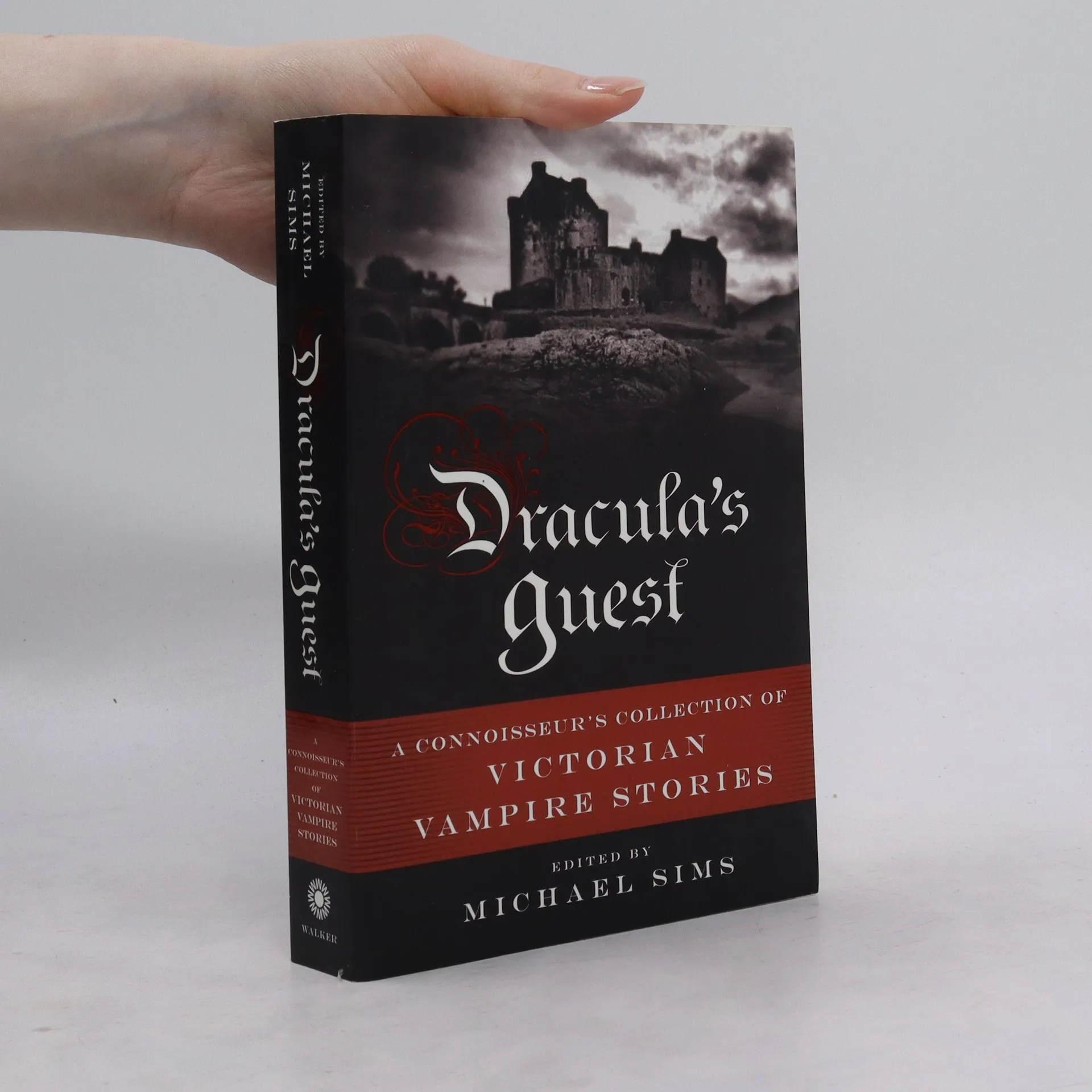
Michael Sims brings together the very best vampire stories of the Victorian era-from England, America, France, Germany, Transylvania, and even Japan-into a unique collection that highlights their cultural variety. Beginning with the supposedly true accounts that captivated Byron and Shelley, the stories range from Edgar Allan Poe's "The Oval Portrait" and Sheridan Le Fanu's "Carmilla" to Guy de Maupassant's "The Horla" and Mary Elizabeth Braddon's "Good Lady Ducayne." Sims also includes a nineteenth-century travel tour of Transylvanian superstitions, and rounds out the collection with Stoker's own "Dracula's Guest"-a chapter omitted from his landmark novel.Vampires captivated the Victorians, as Sims reveals in his insightful introduction: In 1867, Karl Marx described capitalism as "dead labor, which, vampire-like, lives only by sucking living labor"; while in 1888 a London newspaper invoked vampires in trying to explain Jack the Ripper's predations. At a time when vampires have been re-created in a modern context, Dracula's Guest will remind readers young, old, and in between of why the undead won't let go of our imagination.
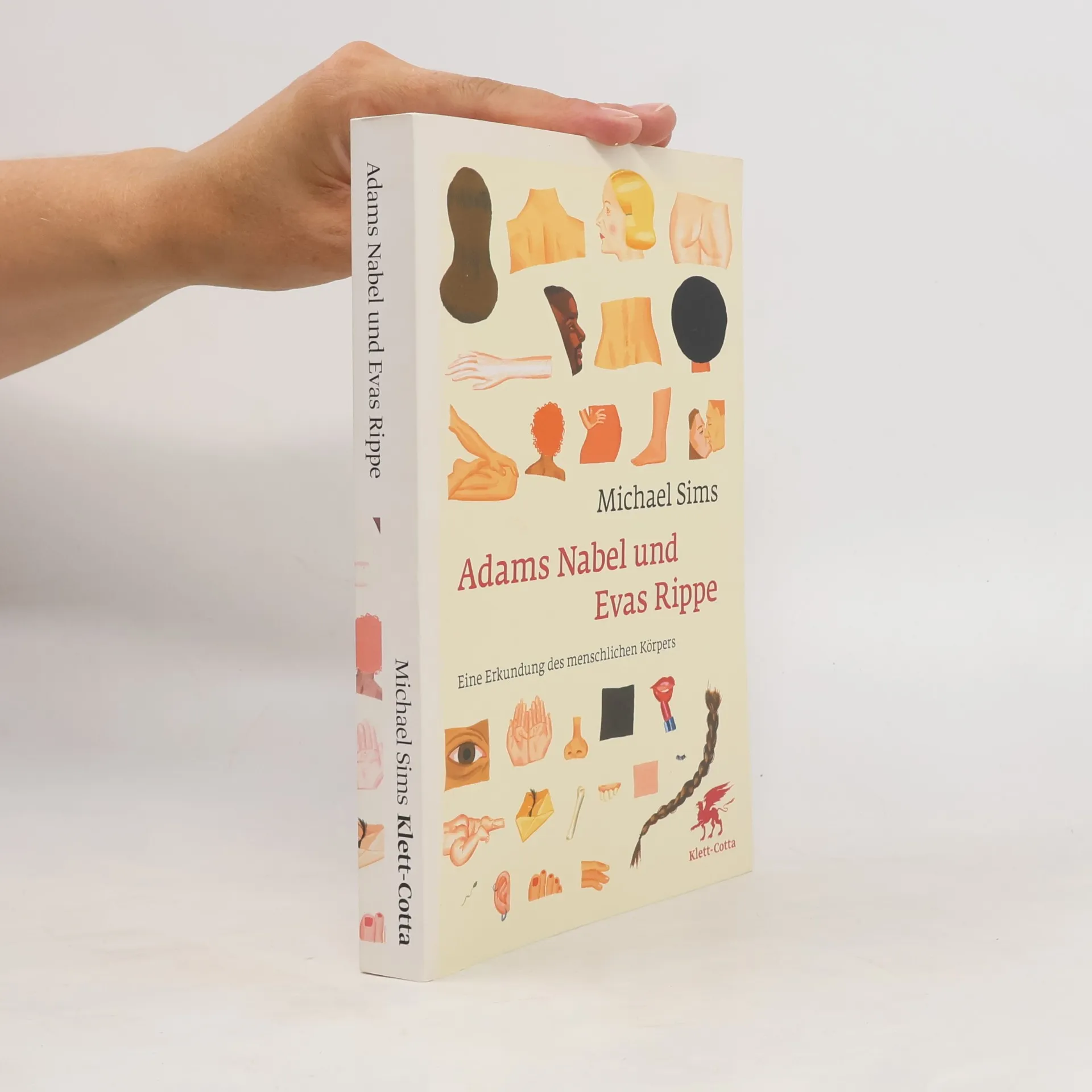
Als Lust-Schmetterling und Last-Esel ist der Körper uns im Alltag so selbstverständlich, dass wir ihn ständig übersehen. Was Augen, Ohren, Nase, Mund, Zunge, Lippen bis hin zu den Füßen tagtäglich ein Leben lang leisten - die erotischen Zonen von Frau und Mann nicht ausgenommen - wird hier wohldosiert als Brain-Food serviert. Darum wird hier ? von Kopf bis Fuß? der ? Tatort? erneut erkundet, der eigene Körperkontinent (wieder) einmal genauer - nämlich evolutions-, natur- und kulturgeschichtlich - schwarz auf weiß besichtigt und seriös erklärt, kuriose Erkundungen mit eingeschlossen. Kurz alles, was wir schon immer über unseren Körper wissen wollten, aber nie zu fragen wagten, ohne ihm zu nahe zu treten.
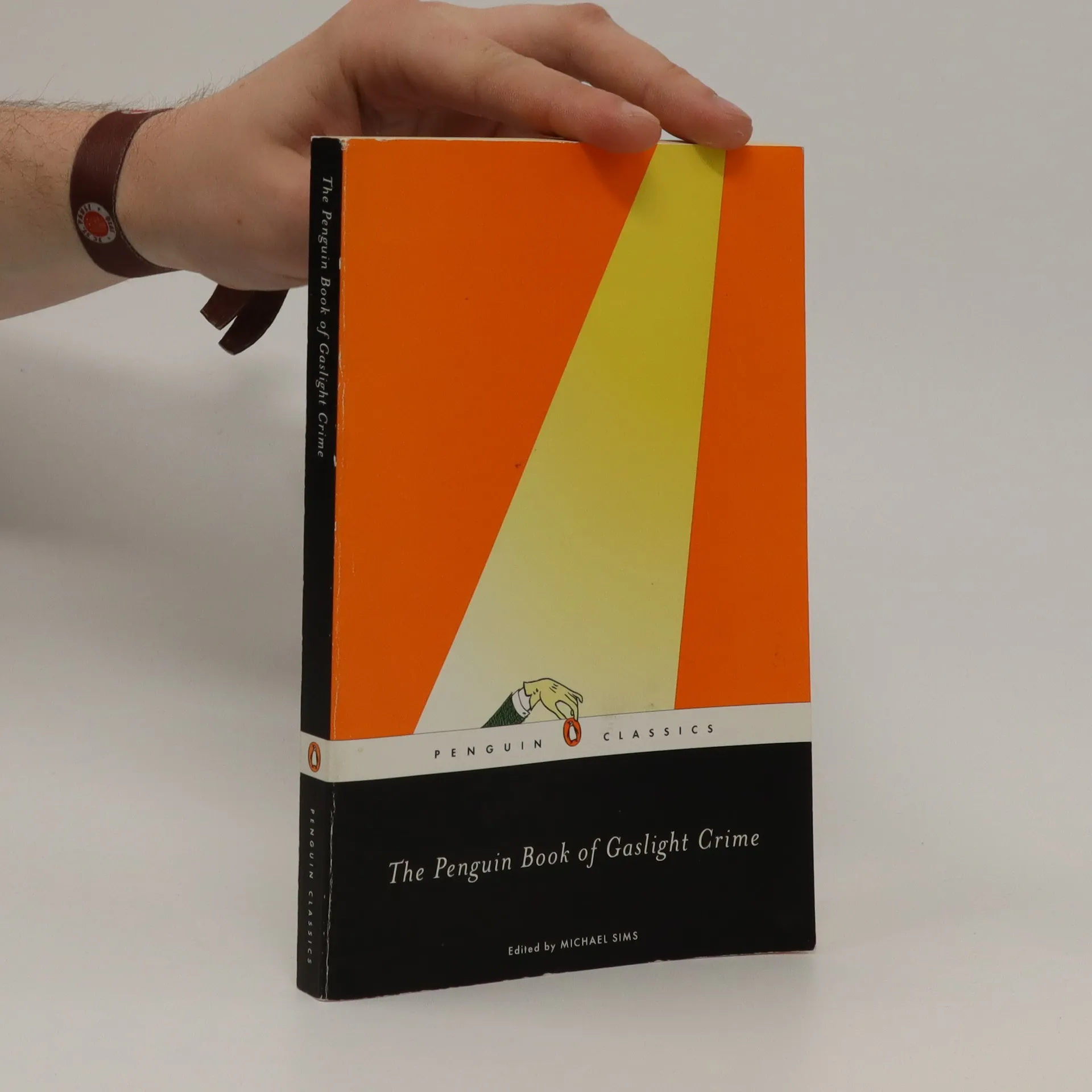
Take a trip back to a time when criminals armed themselves with wit rather than with guns, and the pinnacle of crime-fighting technology was represented by Sherlock Holmes's magnifying glass. Edited by award-winning author and editor Michael Sims, The Penguin Book of Gaslight Crime presents, for the first time, the best crime fiction from the gaslight era gathered in a single volume. All the legendary thieves are present - from Colonel Clay to Get Rich Quick Wallingford - burgling London and Paris, coming New York and Ostend, laughing all the way to the bank. Also featured are stories by distinguished writers from outside the mystery and detective genres, including Sinclair Lewis, Arnold Bennett, and William Hope Hodgson.
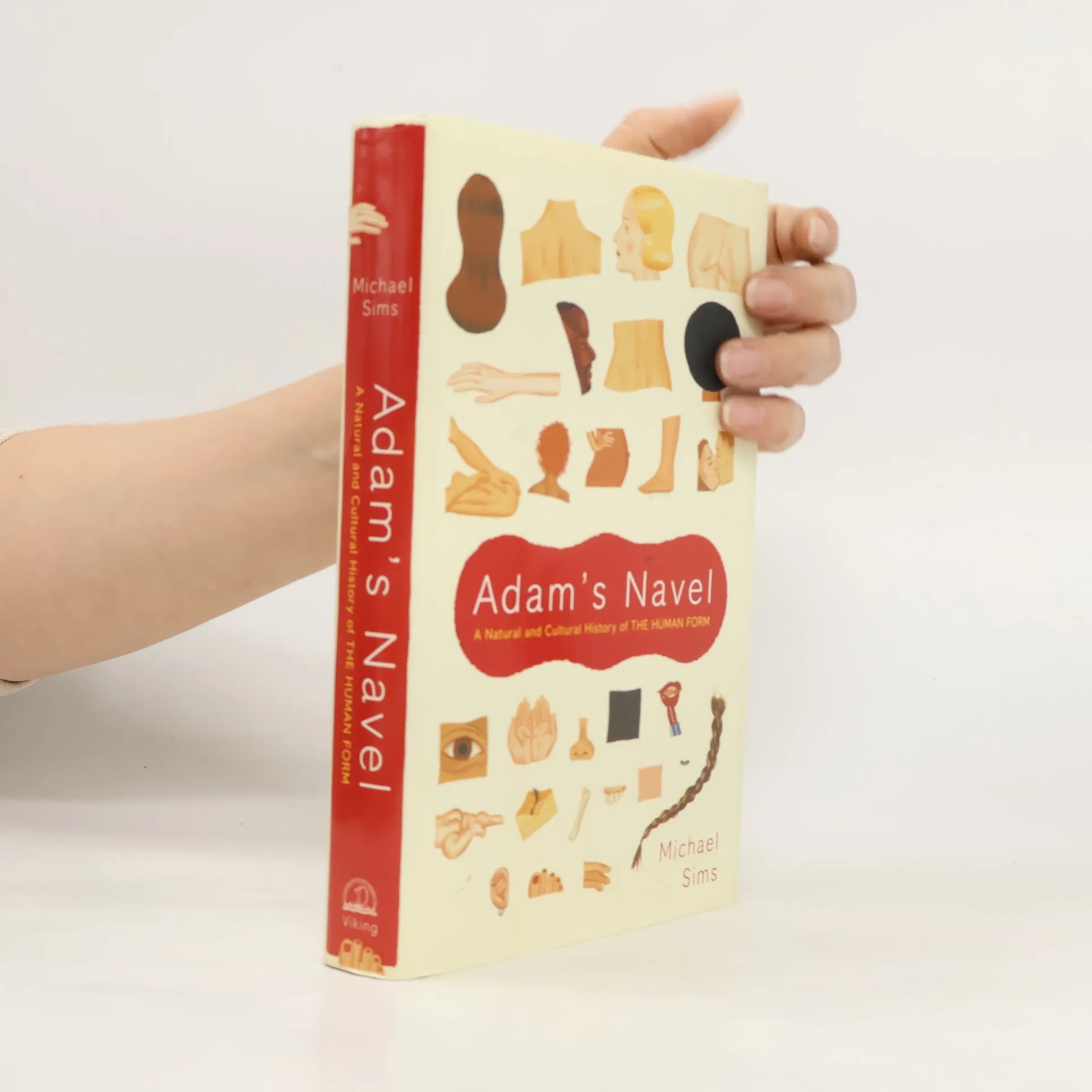
A witty and informed survey, Adam's Navel is a unique brew of science, history, and storytelling that illuminates our perception, exploitation, and celebration of the human body. Moving from head to toe in twelve chapters, Michael Sims blends cultural history with evolutionary theory to produce a wonderfully original narrative. "No part of the body lacks a story," writes Sims, who analyzes and demystifies the visible parts of the body that make up the whole-our animal form that is also a screen onto which we project our fears and obsessions. He tells of dreadlocks and Achilles' heel, of fingerprints and penis size. He discusses the history of breastfeeding, the allure of navel rings, ancient rules for shaking hands, why nature builds men and women on a female body plan, and how the evolution of our two-legged stance affects childbirth and back pain. Drawing on evolution and the mechanics of human anatomy, along with Shakespeare, mythology, film, and popular culture, Sims creates a marvelous new lens through which to view this body that we inhabit almost unconsciously. Adam's Navel is a field guide to the landscape of ourselves.