

Gratisversand in ganz Deutschland!
Bookbot

Linda Trinkaus Zagzebski

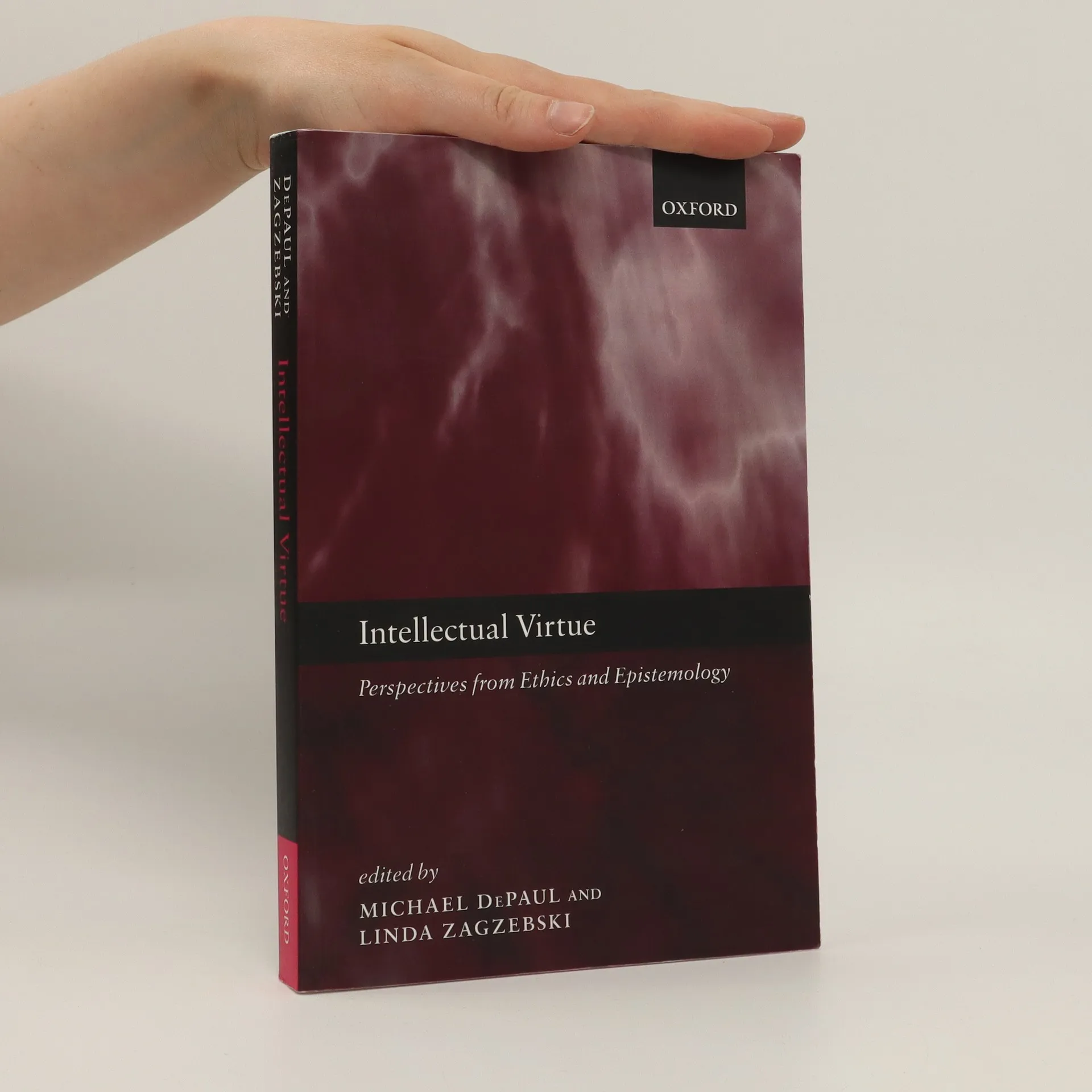
    Intellectual virtue : perspectives from ethics and epistemology
    Omnisubjectivity
    The Two Greatest Ideas
    • The Two Greatest Ideas

      • 272 Seiten
      • 10 Lesestunden
      3,9(30)Abgeben

      "In The Two Greatest Ideas, Linda Zagzebski tells the history of two hugely impactful ideas and their crucial role in shaping human culture over the last two thousand years. These ideas, Zagzebski argues, underlie virtually all of the intellectual innovations of human civilization, yet are so simple they are almost invisible. The first idea is that the human mind is capable of grasping the universe. The second is that the human mind is capable of grasping itself. Based on a series of lectures given in 2018 at Soochow University, Zagzebski offers an ambitious, big-history narrative of the emergence and influence of these two ideas and the tension and conflict between them. The idea that the human mind can grasp the universe had a significant influence on culture in many parts of the world in the first millennium BCE, giving rise to physics, mathematics, philosophy, and most major religions. In the early modern period, however, particularly in the West, the idea that the human mind can grasp itself supplanted some of the wider focus and popularity of the idea that human mind can grasp the universe, revealing something important was missing, namely, the subjectivity of minds. This transformation was reflected in radical changes in philosophy, political thought, art, literature, religion, and science. In this book, Zagzebski provides a new frame for understanding the intellectual underpinnings of Western culture and thought through an illuminating exploration of the history and contemporary legacy of these two great ideas (including reflections on their history in Eastern thought). Zagzebski also reveals the deep roots of some familiar divisions in contemporary culture (e.g. autonomy versus harmony, and rights versus responsibilities) as they relate to the great ideas. The book then concludes with a discussion of what reconciling the two great ideas might entail, including the possibility of a third great idea"-- Provided by publisher

      The Two Greatest Ideas
    • Linda Trinkaus Zagebski explains and defends the idea that the God of the monotheistic religions does not only know all objective facts, but he also perfectly grasps the conscious states of all conscious beings from their own point of view. She calls that property omnisubjectivity. God not only knows that you are in pain, for instance, but is present in your pain, grasping your pain the way you grasp it. The same point applies to every feeling, every belief, every thought, every desire you have. It also applies to the conscious states of animals. She argues that this attribute is entailed by attributes like omniscience and omnipresence, and is presupposed in common practices of prayer. Zagzebski proposes three models of omnisubjectivity, with special attention to the empathy model, where God's grasp of our conscious states is analogous to the way we empathize with someone else's thought or feeling. She shows how the attribute of omnisubjectivity has implications of the doctrines of the Trinity and the Incarnation, and argues that it means that subjectivity and intersubjectivity are deep in the universe, deeper than the universe objectively described.

      Omnisubjectivity
    • "Virtue ethics has attracted a lot of attention and there has been considerable interest in virtue epistemology as an alternative to traditional approaches in that field. This book fills a gap in the literature for a text that brings virtue epistemologists and virtue ethicists together."-- Back cover.

      Intellectual virtue : perspectives from ethics and epistemology