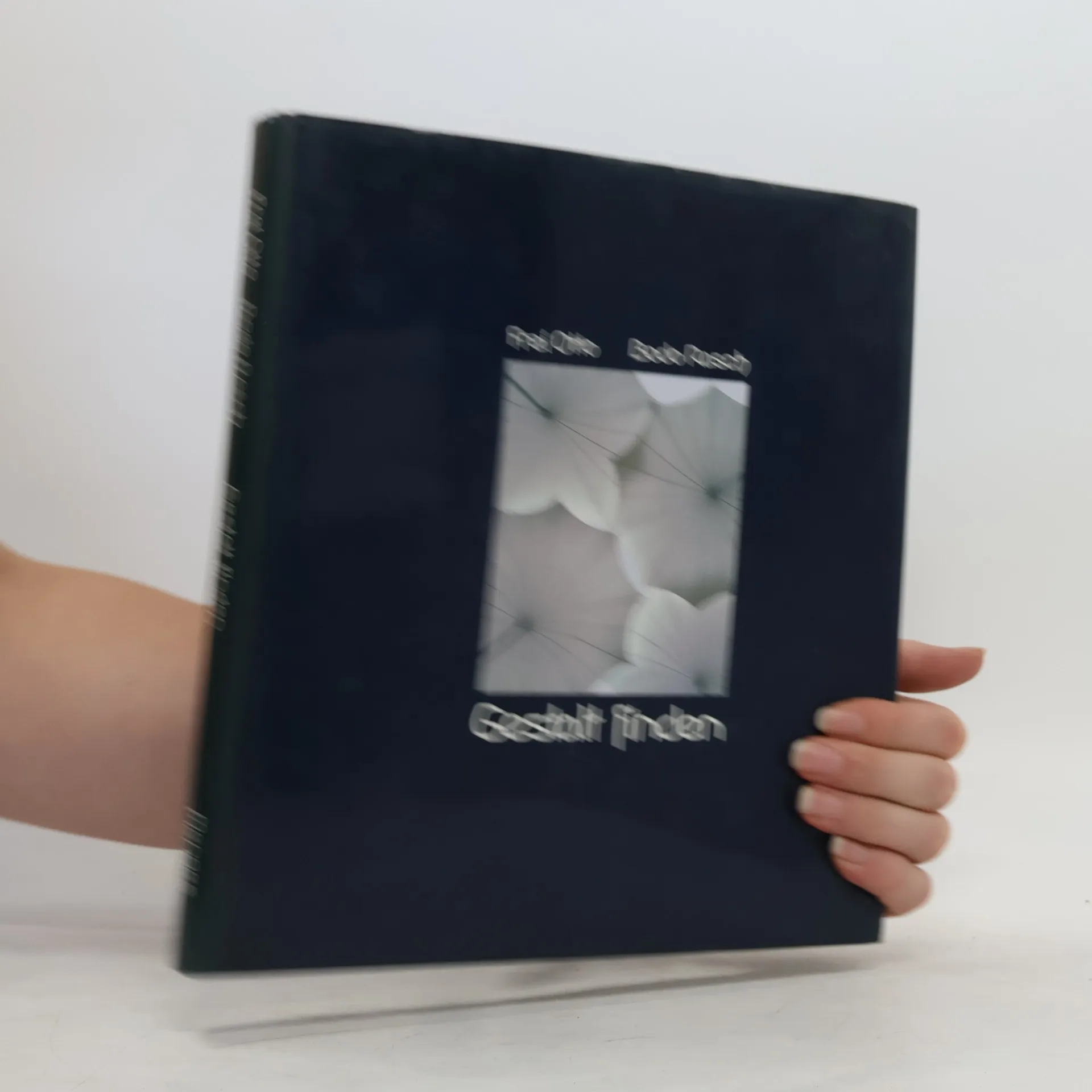
Frei Otto, Bodo Rasch: Gestalt finden
- 240 Seiten
- 9 Lesestunden




German
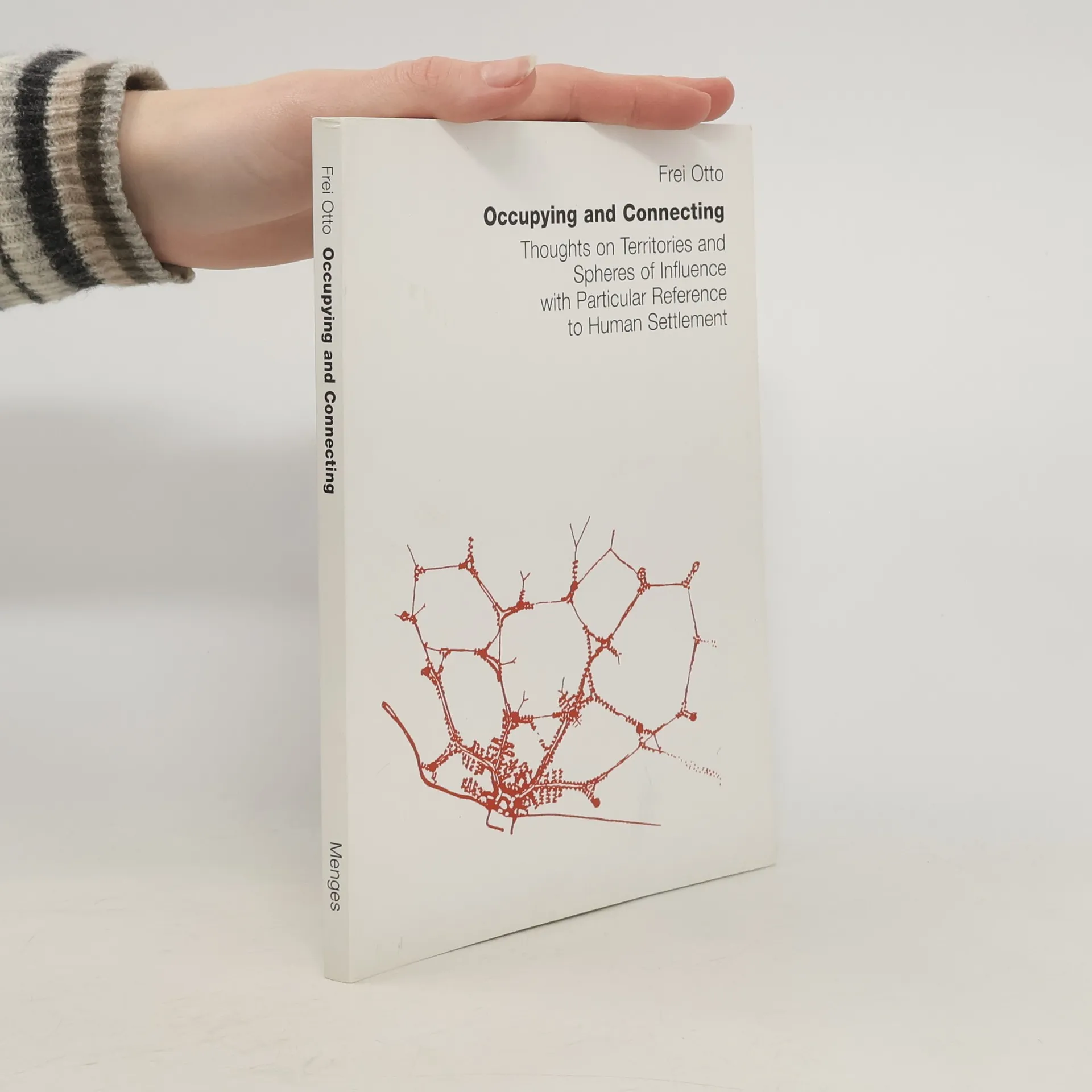
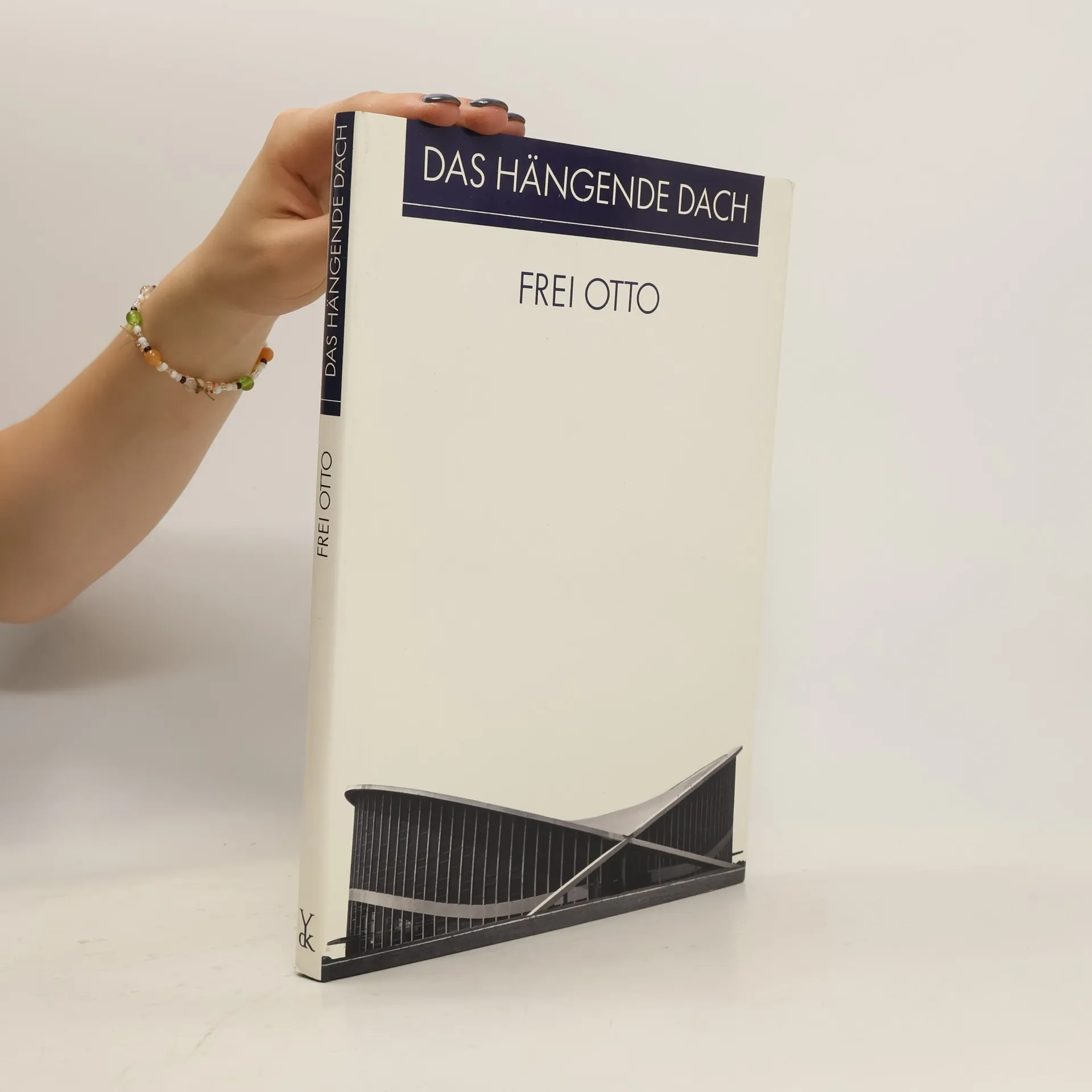
Cities, estates, and routing systems are in constant flux, making them difficult to plan effectively. Ownership claims, land regulations, and political decisions hinder the adaptability of settlement structures to evolving needs, complicating the ecological use of land. Despite this, new techniques and flexible planning models could connect with the organic processes of urban development. While plants are rooted in place, animals and humans occupy mobile territories that become static as density increases. Human settlements resemble organisms but lack the hereditary form of natural structures like corals or beehives, often growing and shrinking simultaneously. Their forms are rarely chaotic, as typical self-formation processes lead to remarkable optimization over time. However, the rapid pace of change has outstripped current urban planning theories. Effective, self-created, unplanned settlements can achieve energy and biological efficiency, resulting in ecologically sound and aesthetically pleasing solutions. This study, part of research into "natural constructions" by the Deutsche Forschungsgemeinschaft, was previously available only in German. Frei Otto, a key architectural visionary of the 20th century, transcends traditional construction, blending technical skill, artistry, and philosophy, with a focus on harmonizing building practices with nature.
The Pritzker Prize Laureates in Their Own Words - Revised and Updated
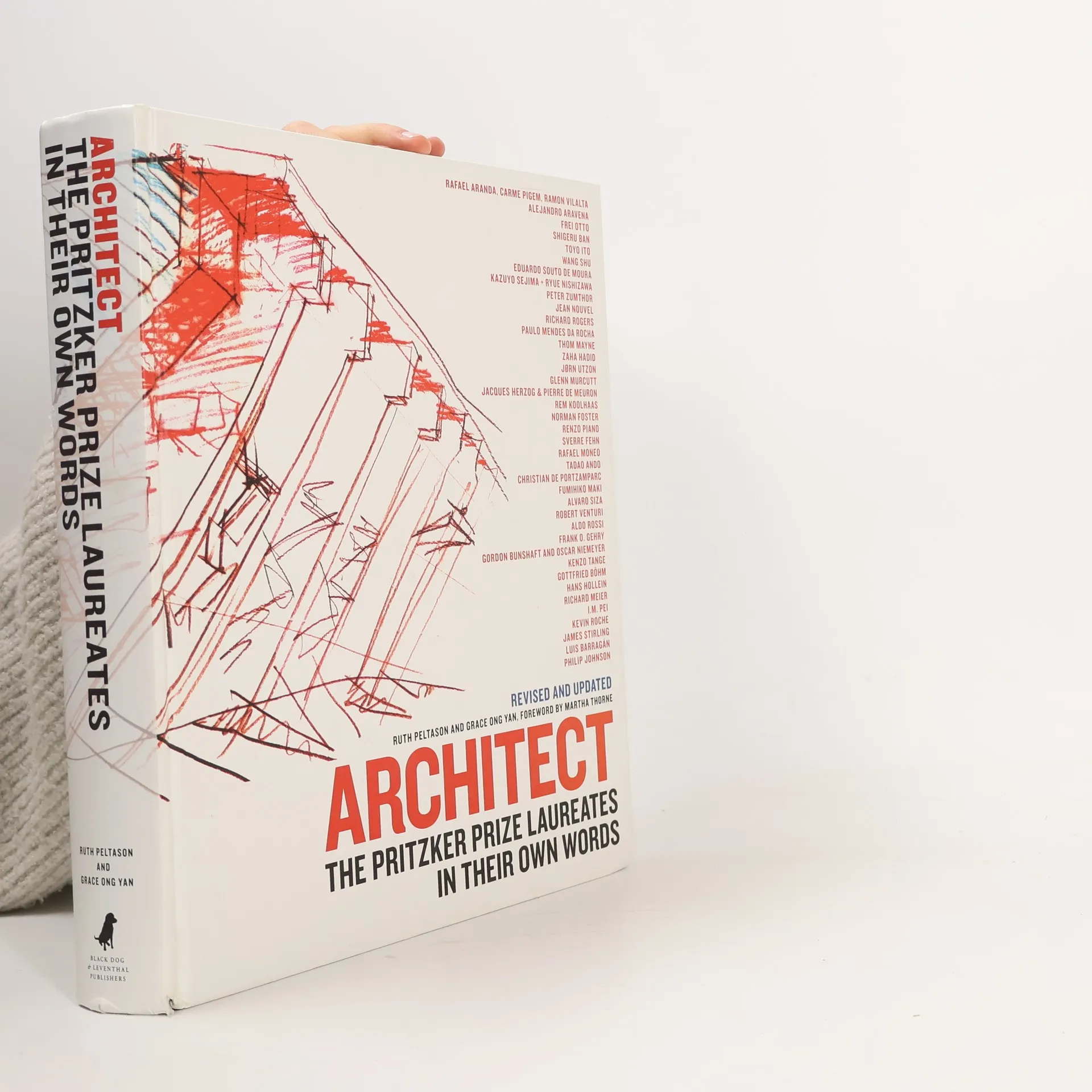
In this completely revised and up-to-date edition, the world's most accomplished architects -- Gehry, Pei, Meier, Nouvel, Piano, and 37 more-express their views on creativity, inspiration, and legacy in this visually stunning, one-of-a-kind collection. The Pritzker Prize is the most prestigious international prize for architecture. Architect includes all 42 recipients of the Pritzker Prize, and captures in pictures and their own words their awe-inspiring achievements. Organized in reverse chronological order by laureate each chapter features four to six of the architect's major works, including museums, libraries, hotels, places of worship, and more. The text, culled from notebooks, interviews, articles, and speeches illuminates the architects' influences and inspirations, personal philosophy, and aspirations for his own work and the future of architecture. The book includes More than 1000 stunning photographs, blueprints, sketches, and CAD drawings. Architect offers an unprecedented view into the minds of some of the most creative thinkers, dreamers, and builders of the last three decades and reveals that buildings are political, emotional, and spiritual.
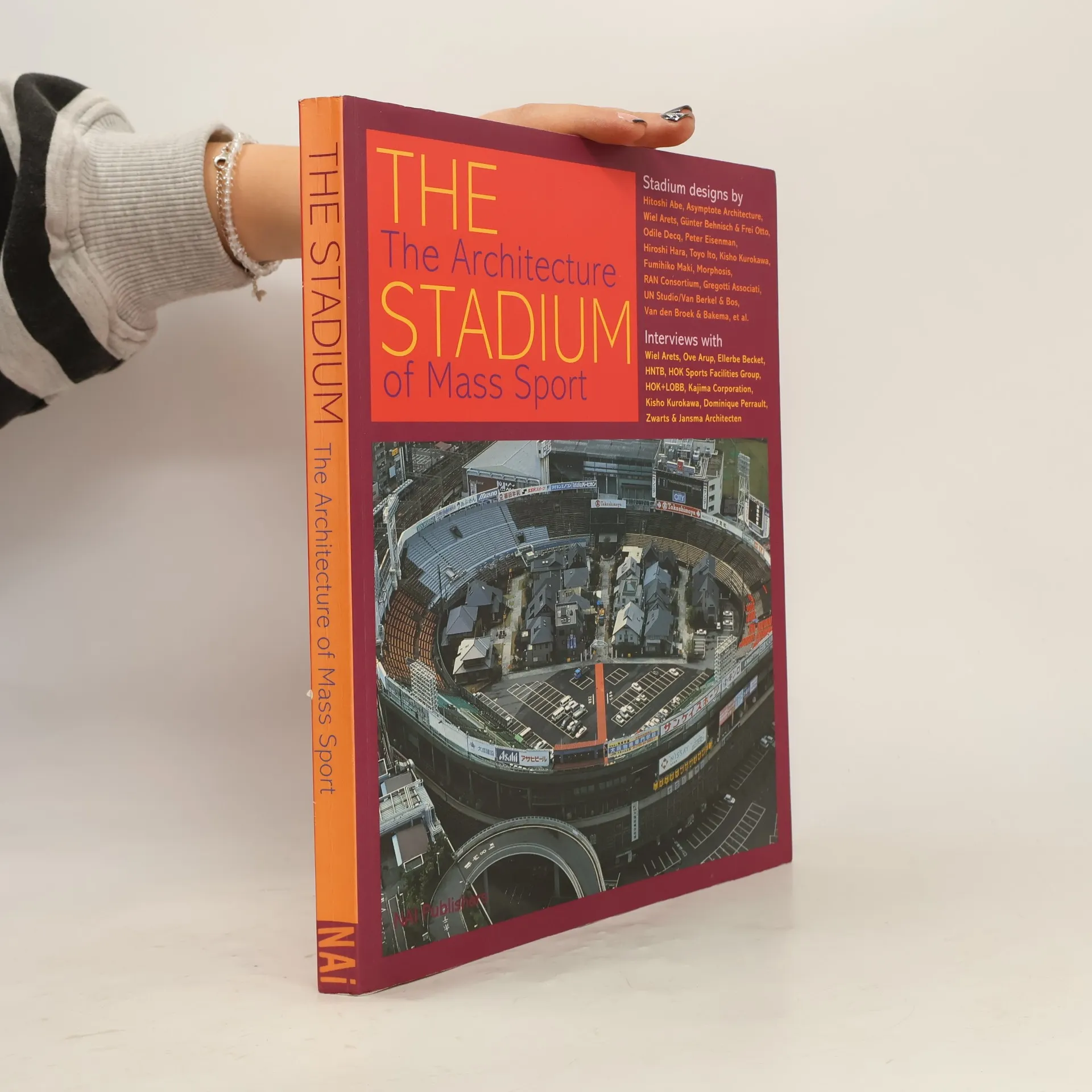
By Camiel van Winkel. Edited by Matthjis Bouw, Michelle Provoost. Text by Pauline Terreehorst, Marieke van Rooy.