

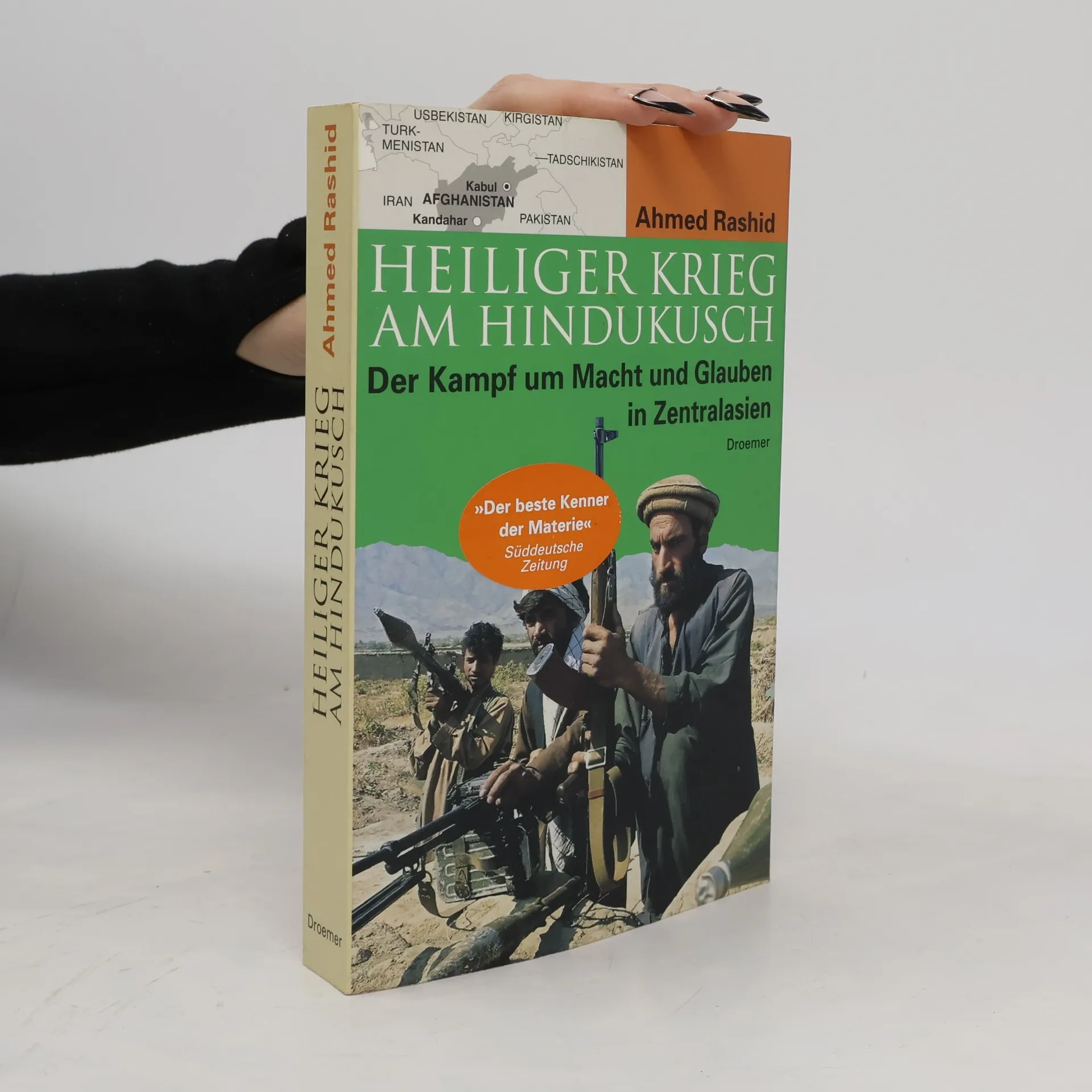
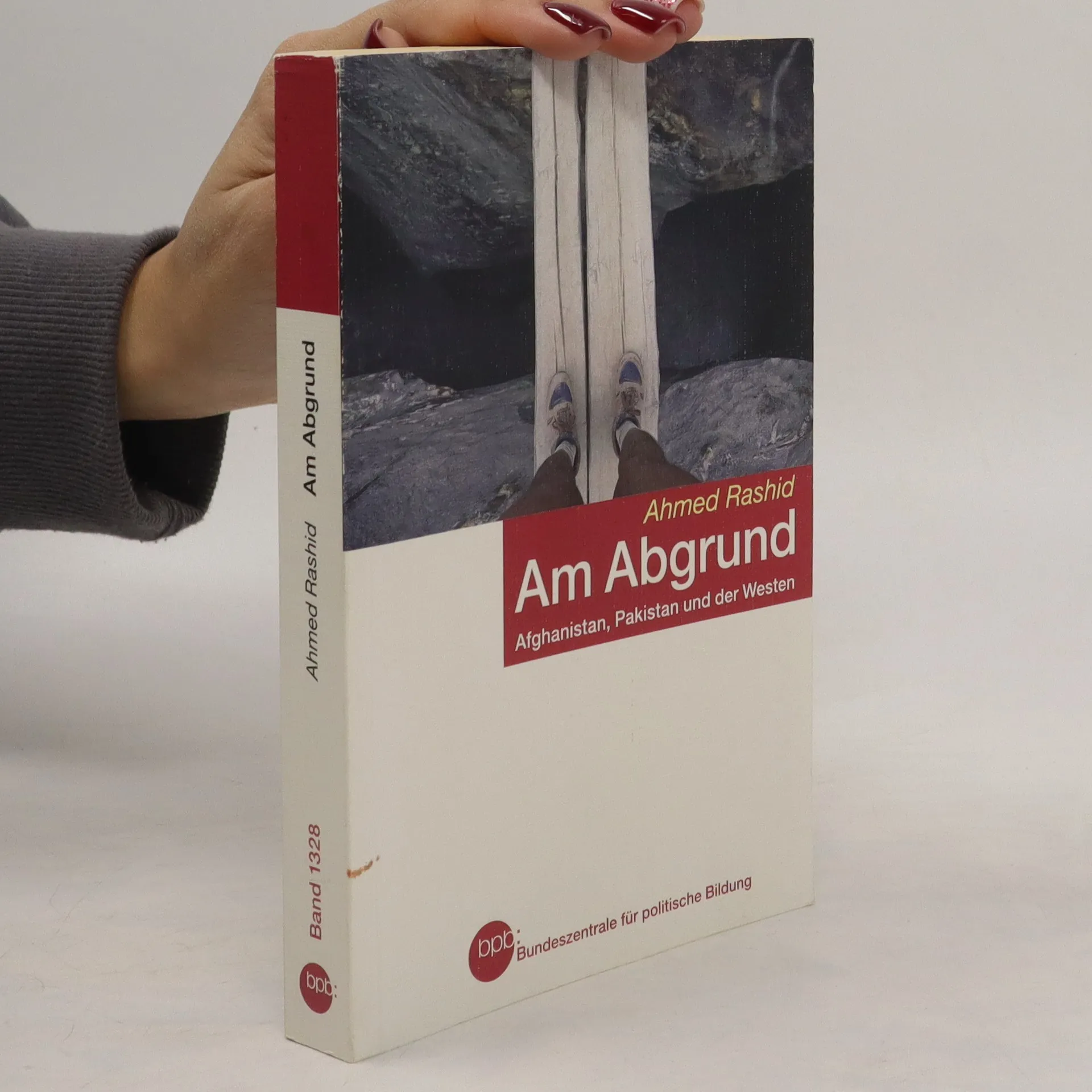
Die Anrainerstaaten Afghanistans - Usbekistan, Turkmenistan, Tadschikistan und vor allem Pakistan - sind durch die Anti-Terror-Aktion des Westens in Afghanistan enormen Spannungen ausgesetzt. Die meist autokratischen, repressiven Regierungen der Region stehen vor der Zerreißprobe mit den militanten religiösen Fundamentalisten, die sich am Vorbild Osama Bin Ladens und der Taliban ausrichten. Der Afghanistan-Experte Ahmed Rashid, international bekannt geworden durch seinen Bestseller „Taliban“, analysiert in seinem neuen Buch die Lage. Erstmals wird der komplizierte Konflikt in seinen vielfältigen Verästelungen und historischen Bezügen aufgeschlüsselt und verständlich gemacht. Mit oder ohne die Taliban - dieser Krisenherd wird in den nächsten Jahren die Tagesordnung der Weltpolitik bestimmen.
Ahmed Rashid Bücher
Ahmed Rashid ist ein pakistanischer Journalist und Autor, dessen Werk die komplexen politischen und sozialen Landschaften Zentralasiens beleuchtet. Seine Schriften befassen sich mit den komplizierten Zusammenhängen zwischen militantem Islam, geopolitischen Kräften und wirtschaftlichen Interessen und vermitteln den Lesern ein tiefes Verständnis der Region. Rashids aufschlussreiche Analysen und klare Erklärungen komplexer Themen machen ihn zu einem wichtigen Kommentator aktueller globaler Angelegenheiten. Seine Arbeit zeichnet sich durch scharfe Berichterstattung und eine kritische Auseinandersetzung mit Bemühungen um Staatsbildung aus.


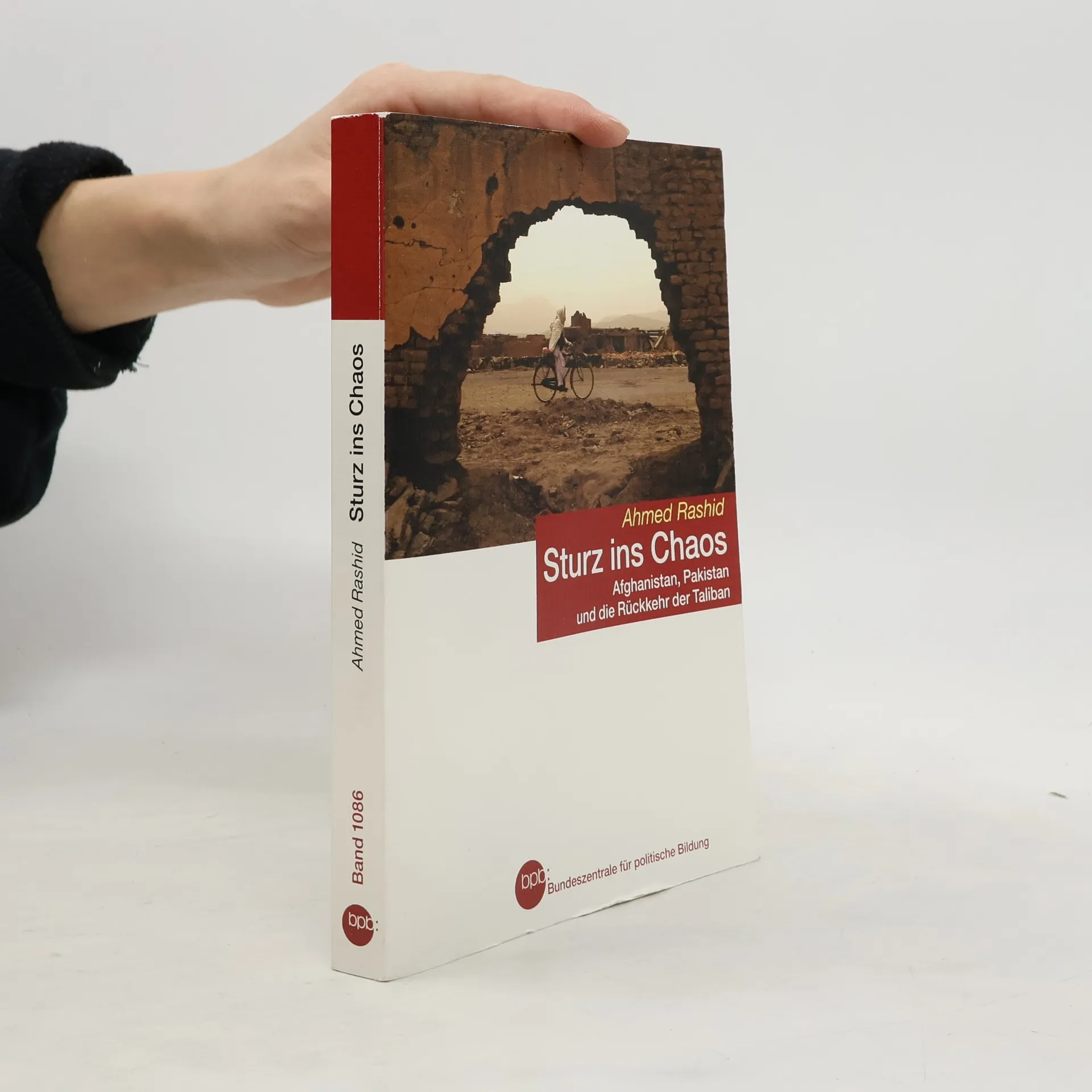
Sturz ins Chaos
Afghanistan, Pakistan und die Rückkehr der Taliban
„Sturz ins Chaos“ ist das wichtigste Buch, das bislang zu Afghanistan erschienen ist. Der pakistanische Journalist Ahmed Rashid, der auf zentralasiatischen Kriegsschauplätzen ebenso zu Hause ist wie in den Korridoren der Macht in den Hauptstädten des Westens, schildert detail- und kenntnisreich, warum sich die Lage in den vergangenen neun Jahren stetig verschlimmert hat. In einem beeindruckenden Panorama beschreibt Rashid die komplexen Hintergründe des Konflikts, das doppelte Spiel Pakistans und das Versagen des Westens. Längst steht nicht nur Afghanistan, sondern die ganze Region auf dem Spiel — und die Sicherheit der Welt.
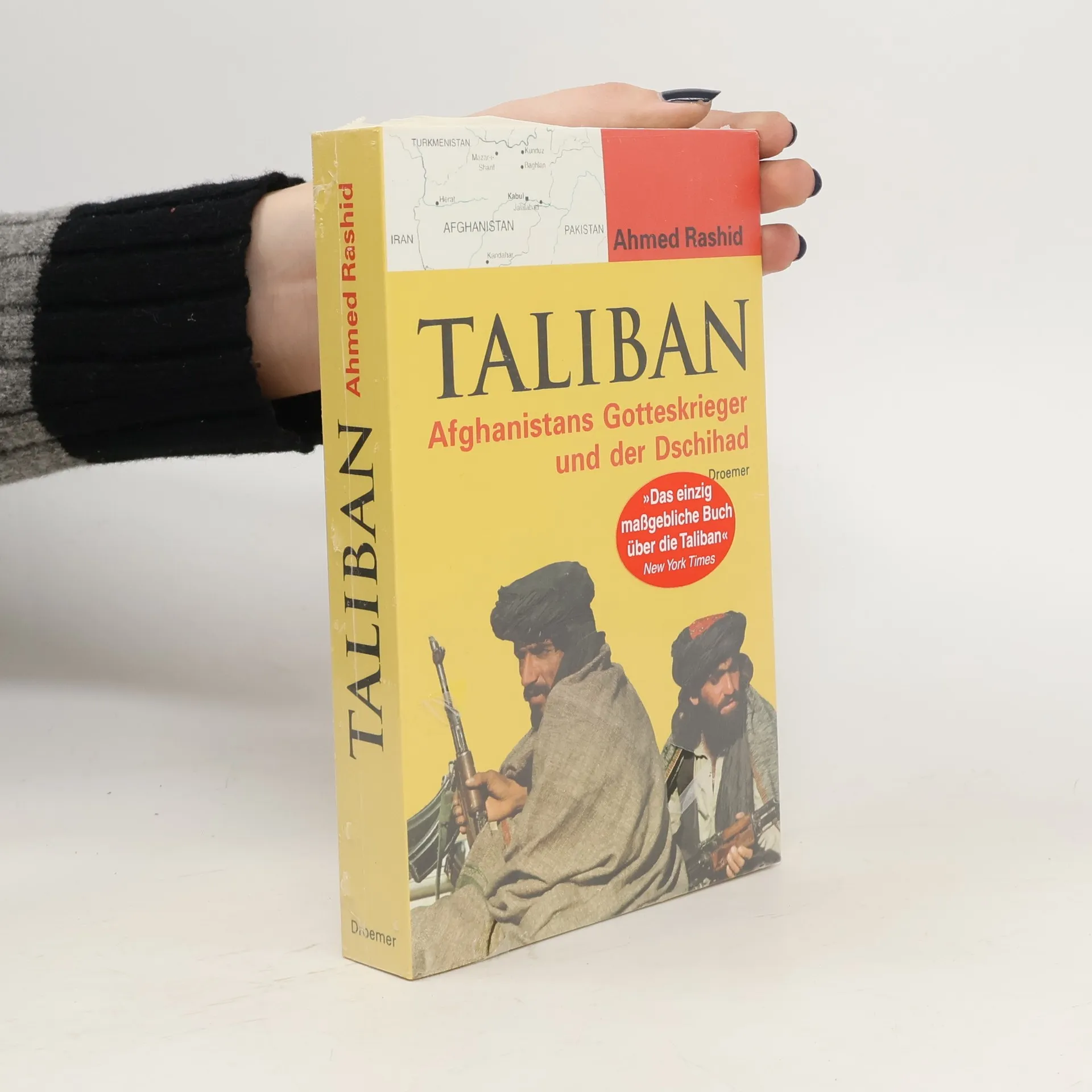
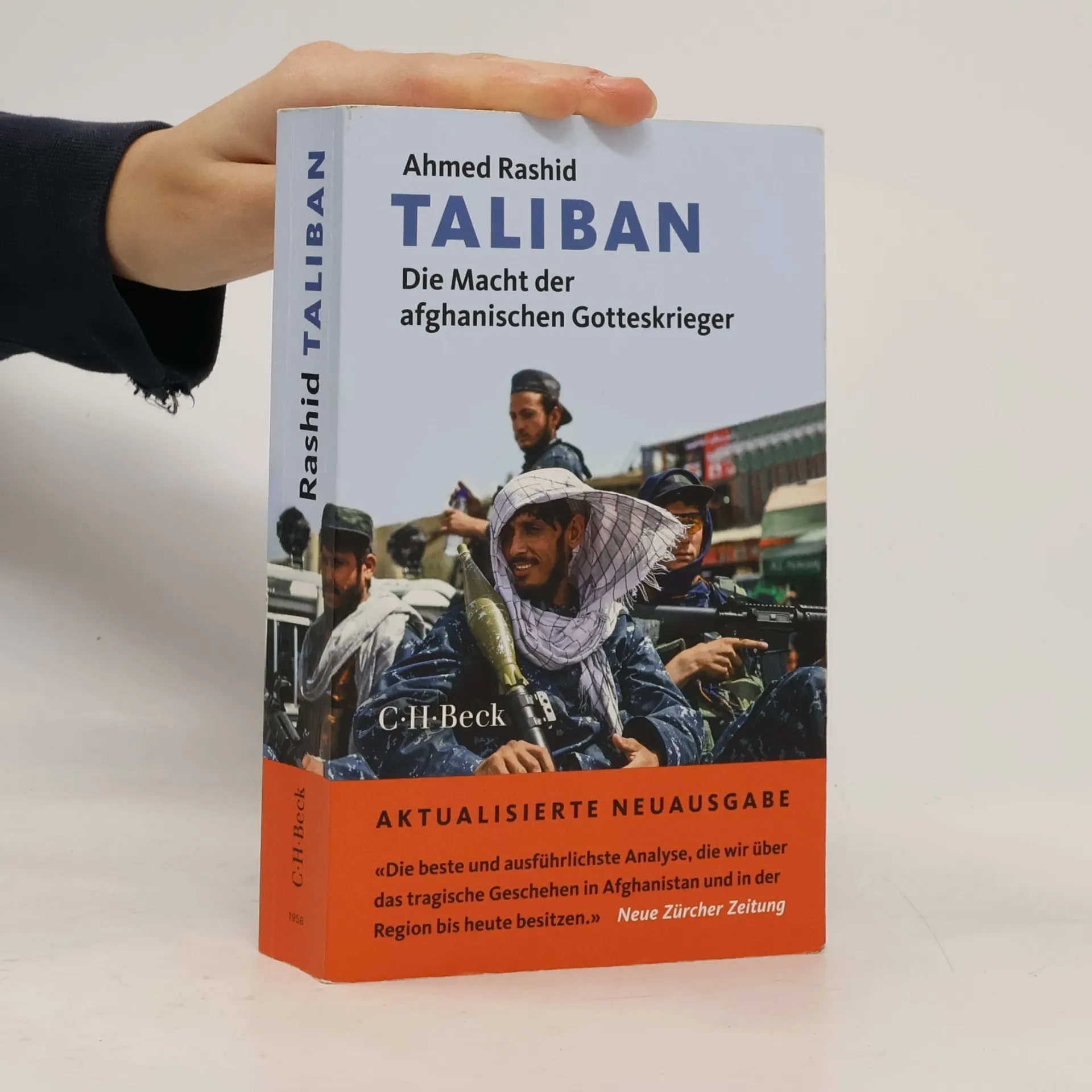
Taliban
- 432 Seiten
- 16 Lesestunden
Aus dem Englischen von Harald Riemann. Der pakistanische Journalist Ahmed Rashid stellt ausführlich dar, woher die Taliban kommen, wie sie ihre heutige Machtstellung erlangt haben und in welches komplizierte politische Spiel um Macht und Erdöl sie verstrickt sind. (Quelle: [Perlentaucher](https://www.perlentaucher.de/buch/ahmed-rashid/taliban.html))
Sturz ins Chaos
- 340 Seiten
- 12 Lesestunden
Access to nuclear weapons, political instability, and deep-rooted economic and social issues have placed Pakistan in the global spotlight. General Pervez Musharraf, re-elected in 2002, is the first leader in three decades to confront the nation’s Islamic extremists. However, questions loom about his ability to control the very forces that contributed to the rise of the Taliban and the ongoing conflict in Kashmir. Can the military and intelligence agencies rein in the radical elements they once nurtured? This compelling history of Pakistan from 1947 onward delves into the societal fractures within the country. It examines the roles of nationalists in the provinces, feudal landlords in rural areas, and the bureaucratic elite in Islamabad, while also analyzing the intricate dynamics between religion, regional politics, and the military. As a BBC correspondent in Pakistan from 1998 to 2001, Bennett Jones provides firsthand accounts of critical events leading to Musharraf's rise, including the 1999 coup, the Kargil conflict, and the nation’s nuclear tests. This book is essential for anyone seeking to grasp the complexities of a country pivotal in the expulsion of Soviet forces from Afghanistan in the 1980s and a key partner in the U.S. war against terrorism post-9/11.
Pakistan on the Brink
- 256 Seiten
- 9 Lesestunden
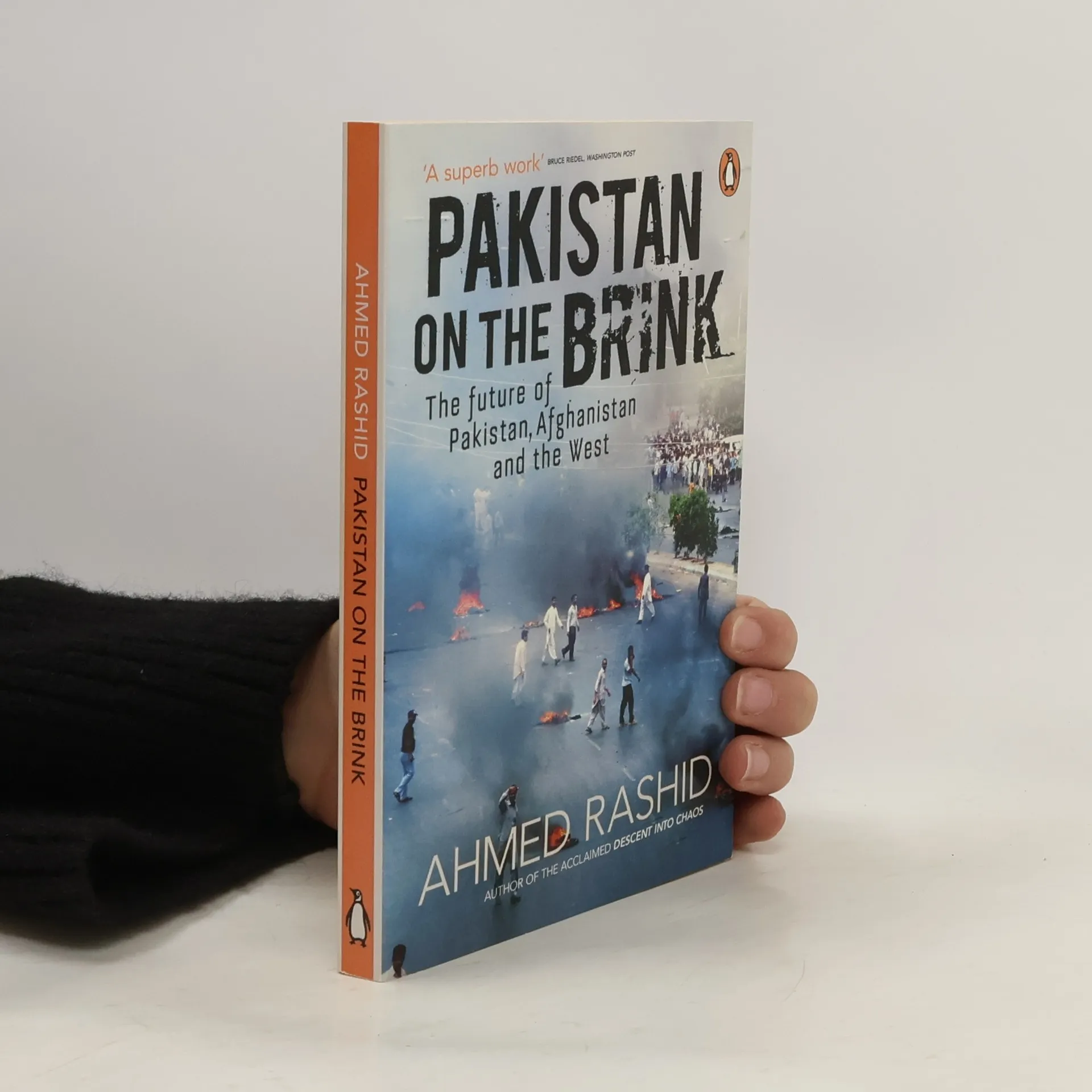
What does the future hold for the world's most unstable region? This title examines the changing casts of characters in this story, the future of the Taliban and international terrorism, and the political manoeuvring both within Pakistan and Afghanistan and among Western allies, offering a way forward for all countries involved.
An urgent, on-the-ground report from Pakistan—from the bestselling author of Descent Into Chaos and Taliban Ahmed Rashid, one of the world's leading experts on the social and political situations in Pakistan and Afghanistan, offers a highly anticipated update on the possibilities—and hazards—facing the United States after the death of Osama bin Laden and as Operation Enduring Freedom winds down. With the characteristic professionalism that has made him the preeminent independent journalist in Pakistan for three decades, Rashid asks the important questions and delivers informed insights about the future of U.S. relations with the troubled region. His most urgent book to date, Pakistan on the Brink is the third volume in a comprehensive series that is a call to action to our nation's leaders and an exposition of this conflict's impact on the security of the world.
Exploring a crucial and often neglected region of Islamic fundamentalism, this book offers a comprehensive analysis from the author of the "New York Times" bestseller "Taliban." It delves into the complexities and dynamics of the area, shedding light on its significance in the broader context of global Islamic movements. Through detailed research and insights, the author provides a deeper understanding of the ideological and social factors at play.


