



Eretria. Site and Museum
- 100 Seiten
- 4 Lesestunden
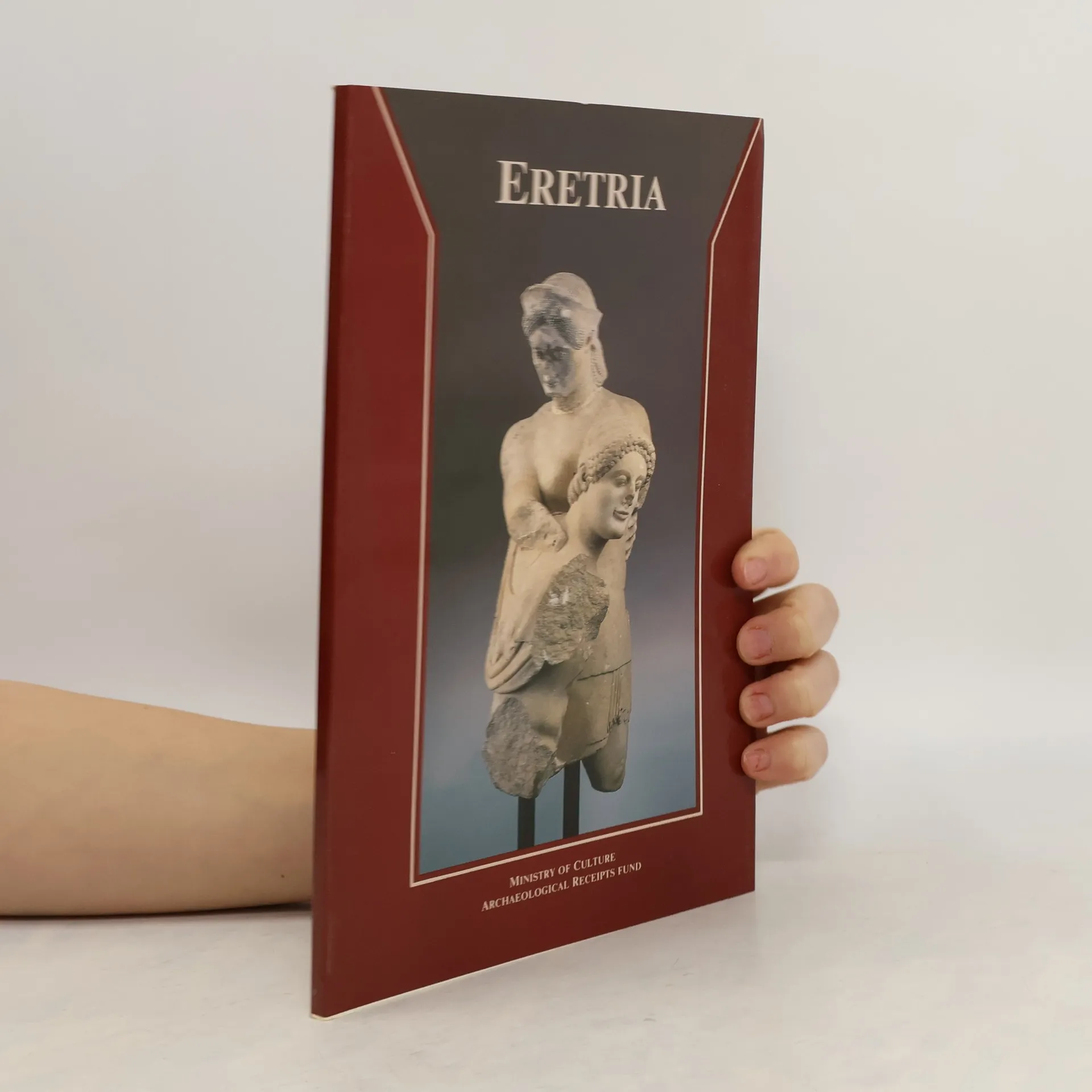
Greek Ministry of Culture, 1995. Softbound book fine. Bront Cover with front & back flaps flawless showing damaged sculture of Theseus abducting Antiope, originally part of the Temple of Apollo Daphnephoros (Apollo who bears away Daphne); back cover with faint crease at upper left corner, fine otherwise; binding sound; pages with color photos, plans, maps and illustrations as new. 100 pages; 10.5 X 7 X 0.25; 1 lb. 1 oz. shipping weight. This is a museum guide to the archaeological site and art of ancient Eretria, on the island of Euboea just off the east coast of Greece. Eretria was an important trading city during the Greek Iron Age and Archaic period (roughly 850 - 500 BCE). The island of Euboea gave rise to a number of important trading cities early in Greek history - The most important were Chalkis and Eretria which were equidistant from the site of Lefkandi, the site of an earlier trading town (c.1100 - 840 BCE) in the Lelantine Plain. Thucydides tells of a Lelantine War between Chalkis and Eretria during the 8th & 7th centuries BCE. Lefkandi's destruction could have been collateral damage from this war which went on for apparently 30 years. Translated from the Greek by David Hardy.