Manual for Developing Intercultural Competencies
- 102 Seiten
- 4 Lesestunden
This book presents a structured yet flexible methodology for developing intercultural competence in a variety of contexts, both formal and informal.



This book presents a structured yet flexible methodology for developing intercultural competence in a variety of contexts, both formal and informal.
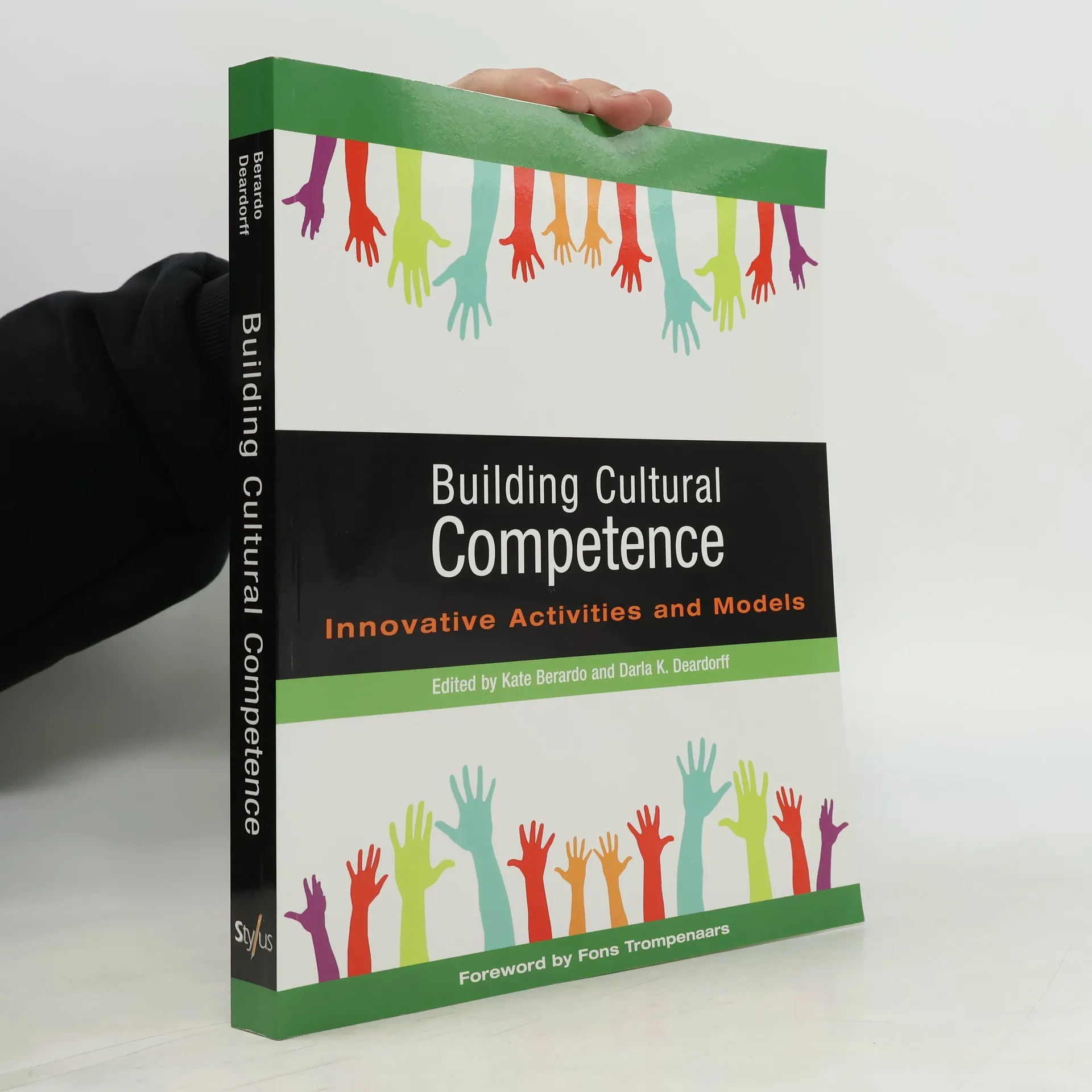
This book offers HR directors, corporate trainers, college administrators, diversity trainers, and study abroad educators a cutting-edge framework and a collection of ready-to-use tools and activities for building cultural competence. It covers everything from core concepts of culture to the complexities of negotiating identity and resolving cultural differences. Presenting the latest advancements in the intercultural field, it provides step-by-step instructions for effectively utilizing new models, frameworks, and exercises designed to enhance learners' cultural competence. With over 50 easy-to-use activities sourced from experienced coaches and trainers worldwide, this collection has been successfully implemented in various settings, including Fortune 500 companies, the World Bank, non-profits, and universities. Readers will learn about updates to classic models like the DIE (Description, Interpretation, Evaluation) framework and the U-Curve model of adjustment, alongside new exercises aimed at fostering intercultural competence. The research-based 4-stage model is applicable in any environment and aids in designing effective cultural competence courses. Education abroad administrators can incorporate these activities into pre-departure orientations, while corporate HR professionals will find them invaluable for cultural competence programs.
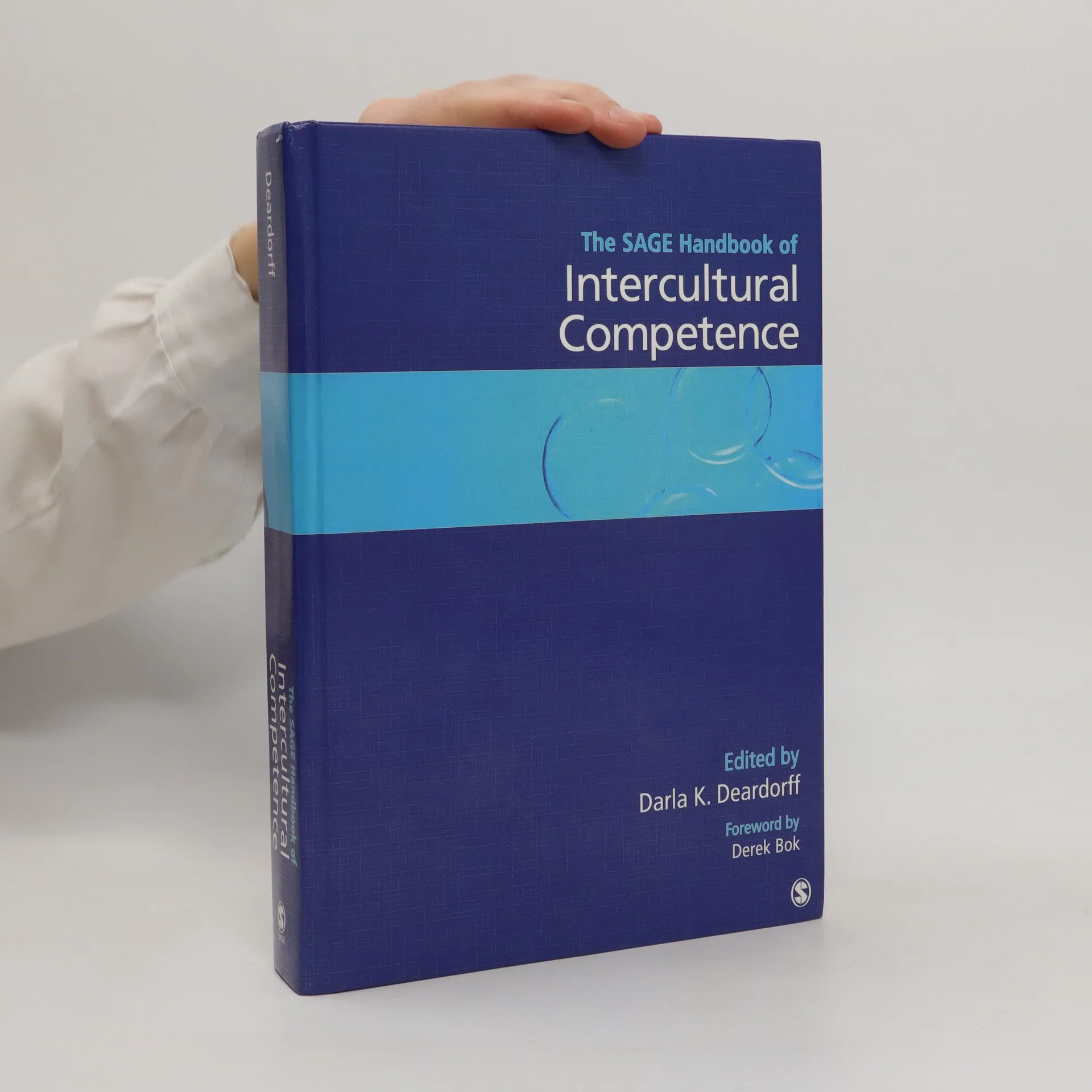
Bringing together leading experts and scholars from around the world, this Handbook provides a comprehensive overview of the latest theories and research on intercultural competence. It will be a useful and invaluable resource to administrators, faculty, researchers, and students.