

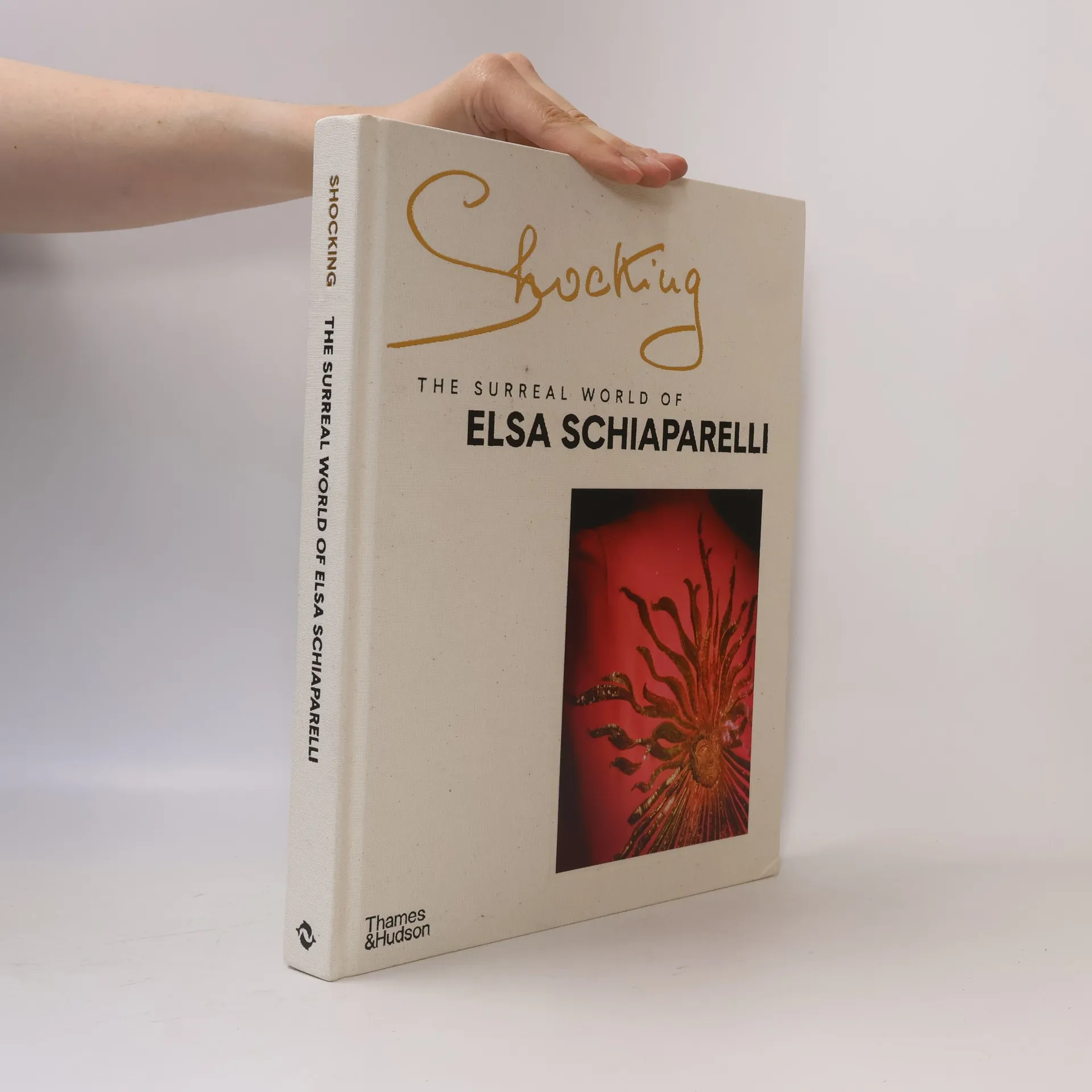
Accompanying a major exhibition at the Musée des Arts Décoratifs in Paris, this book on the legendary designer Elsa Schiaparelli is an essential reference for fashion enthusiasts. Schiaparelli (1890–1973) was a pivotal figure in Paris fashion between the two World Wars. Her first knitwear collection, launched in January 1927, showcased trompe-l’oeil motifs and quickly gained popularity in both France and the US. In 1935, she opened the Maison Schiaparelli on Place Vendôme, offering collections for sports, city, and evening wear. Like her rival Gabrielle Chanel, Schiaparelli collaborated with artists such as Man Ray, Jean Cocteau, and Salvador Dalí, famously creating the lobster dress. Her imaginative designs, influenced by Surrealism, utilized innovative materials and evolved throughout the 1930s, gaining acclaim for their originality. Notable collections included themes like the circus (Summer 1938) and astrology (Fall/Winter 1938–39). In 1937, she launched the fragrance “Shocking,” named for her signature color, shocking pink. Featuring vintage photographs, sketches, and contemporary articles from Harper’s Bazaar and Vogue, this lavishly illustrated volume showcases masterpieces from the Musée des Arts Décoratifs, solidifying Schiaparelli's legacy in fashion history. 200 illustrations.
Emmanuelle de L. Ecotais Reihenfolge der Bücher (Chronologisch)
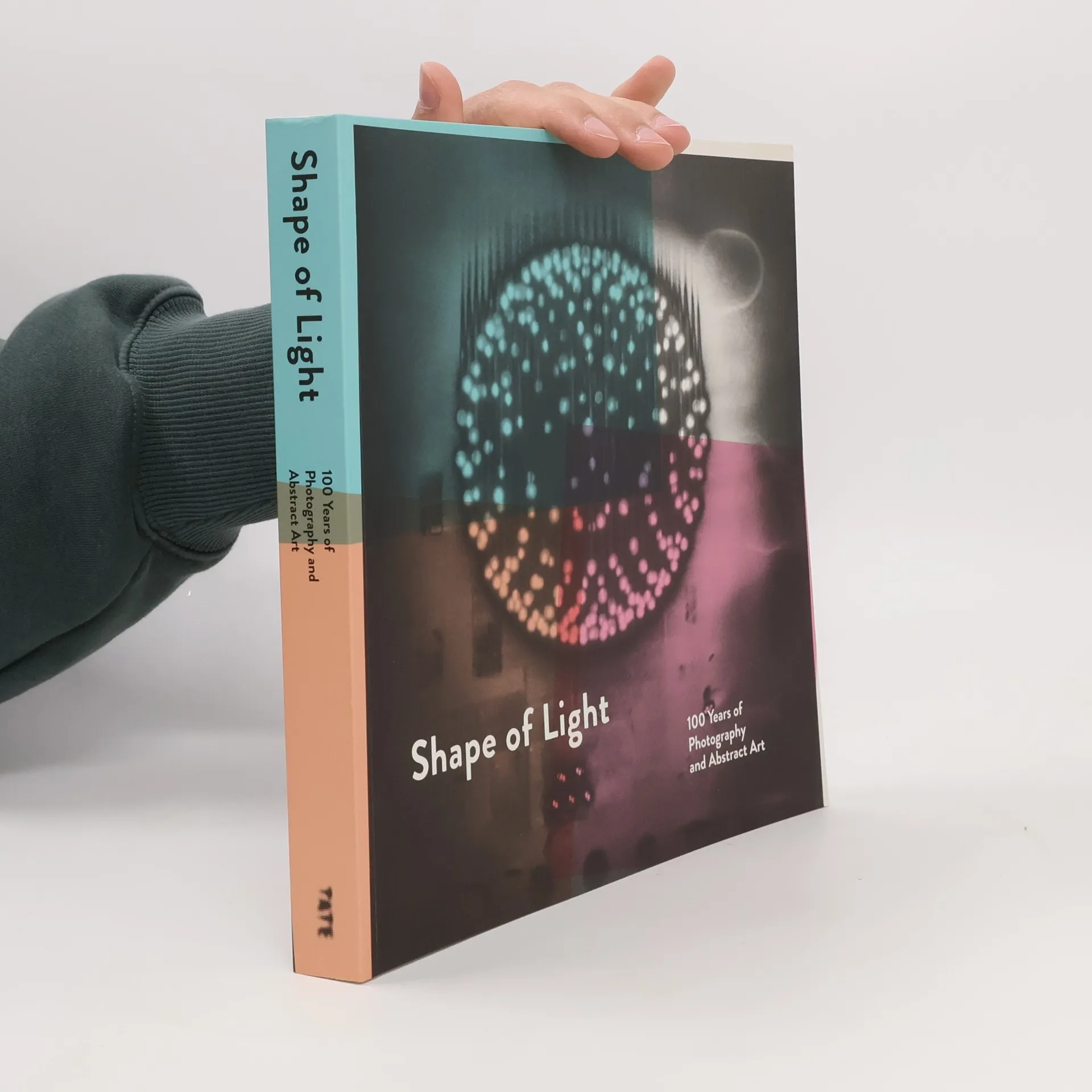
Shape of Light: 100 Years of Photography and Abstract Art
- 224 Seiten
- 8 Lesestunden
Bringing together iconic as well as rarely seen works, Photography and Abstract Art explores the development of photography in relation to abstract art, tracing the key moments of innovation in new techniques and practice.
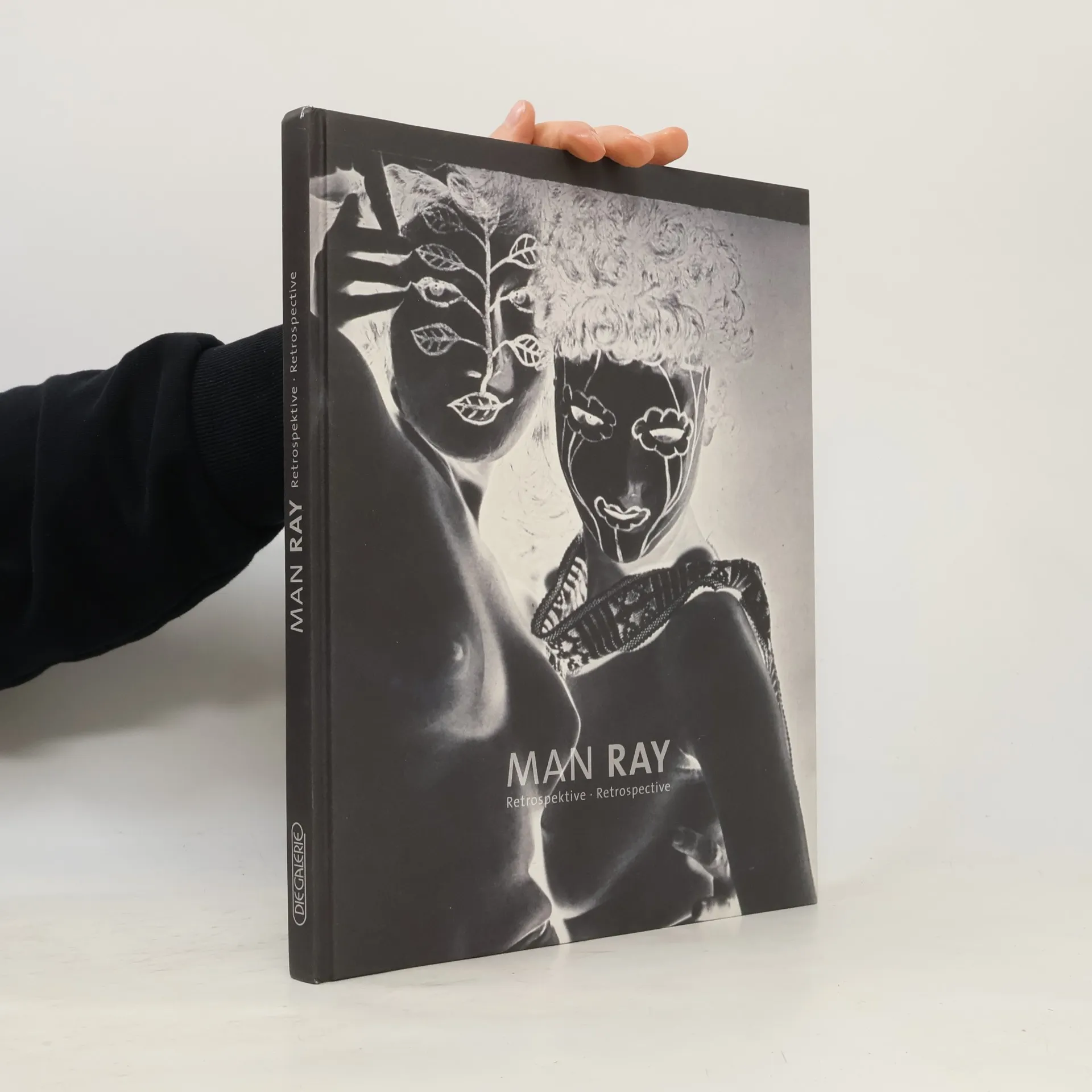
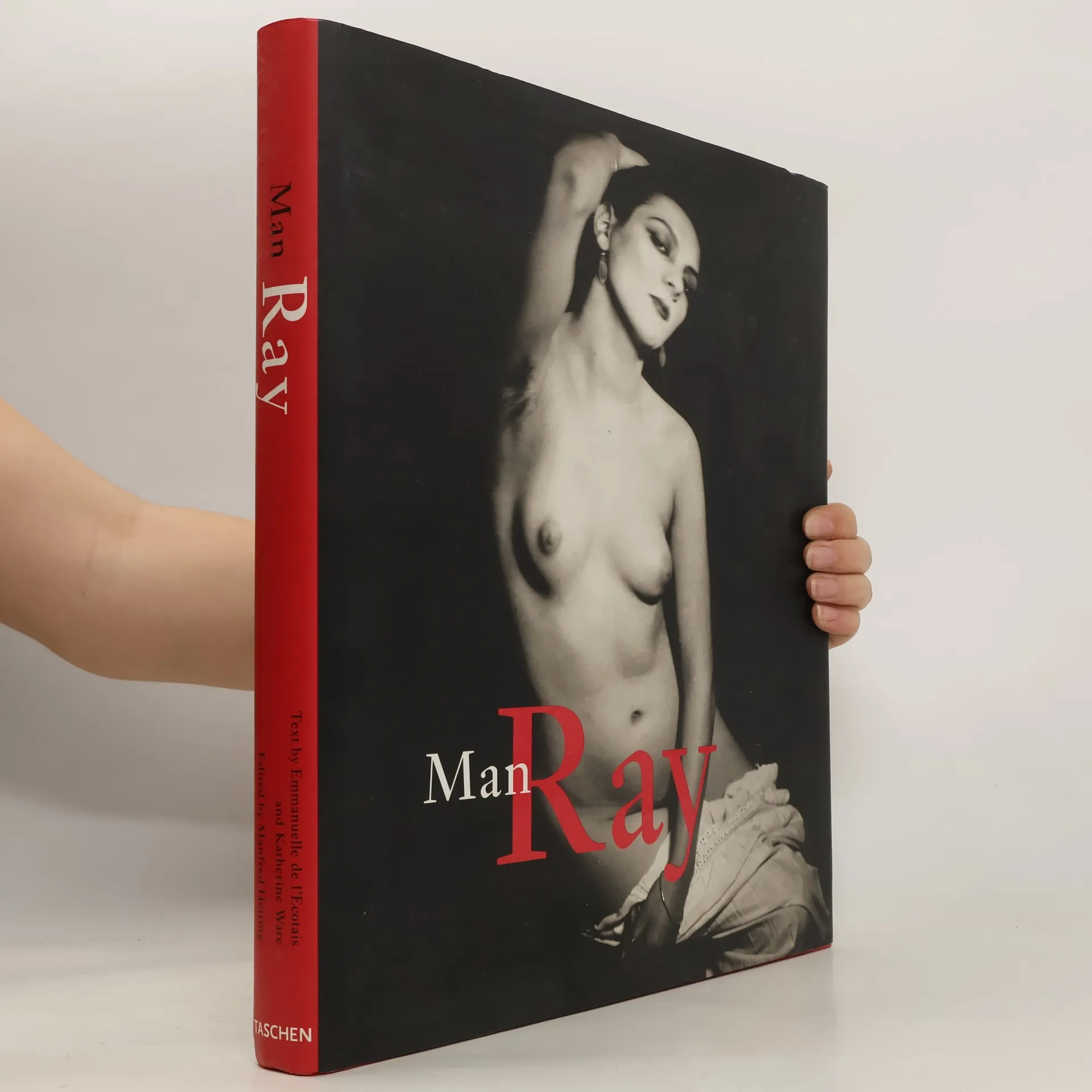
Presents an overview of the life and work of the groundbreaking artist Man Ray (1890-1976) who broke down the boundaries between photography and graphic design with his innovative techniques. This collection of famous, lesser known, and unknown works illustrates Man Ray's singular visionary power.
Man Ray : 1890-1976
- 252 Seiten
- 9 Lesestunden
Man Ray (1890-1976) war ein polymathischer Modernist, der in Malerei, Skulptur, Film, Druckgrafik und Poesie arbeitete. Doch es war sein Werk in der Fotografie, mit Aktstudien, Modearbeiten und Porträts, das ihn zum Pionier eines neuen Kapitels in der Geschichte der Kameratechnik und Kunst machte. Diese Monografie bietet einen lebendigen Überblick über Man Rays facettenreiche Praxis und fotografisches Erbe. Sie verfolgt Rays künstlerische Anfänge in New York bis zu seiner zentralen Rolle in der Pariser Avantgarde, wo er an der ersten surrealistischen Ausstellung mit Jean Arp, Max Ernst, André Masson, Joan Miró und Pablo Picasso teilnahm und ikonische Werke wie Noire et blanche und Le Violon d'Ingres schuf. Anhand zahlreicher Beispiele von Stillleben, Porträts und mehr sehen wir, wie Ray ständig mit neuen Techniken experimentierte und die Fotografie aus ihrem dokumentarischen Bereich in ätherische, poetische Ausdrucksformen überführte, unter anderem durch Mehrfachbelichtung, Solarisation und die besondere Art von Fotogrammen, die er witzig als "Rayographie" bezeichnete.
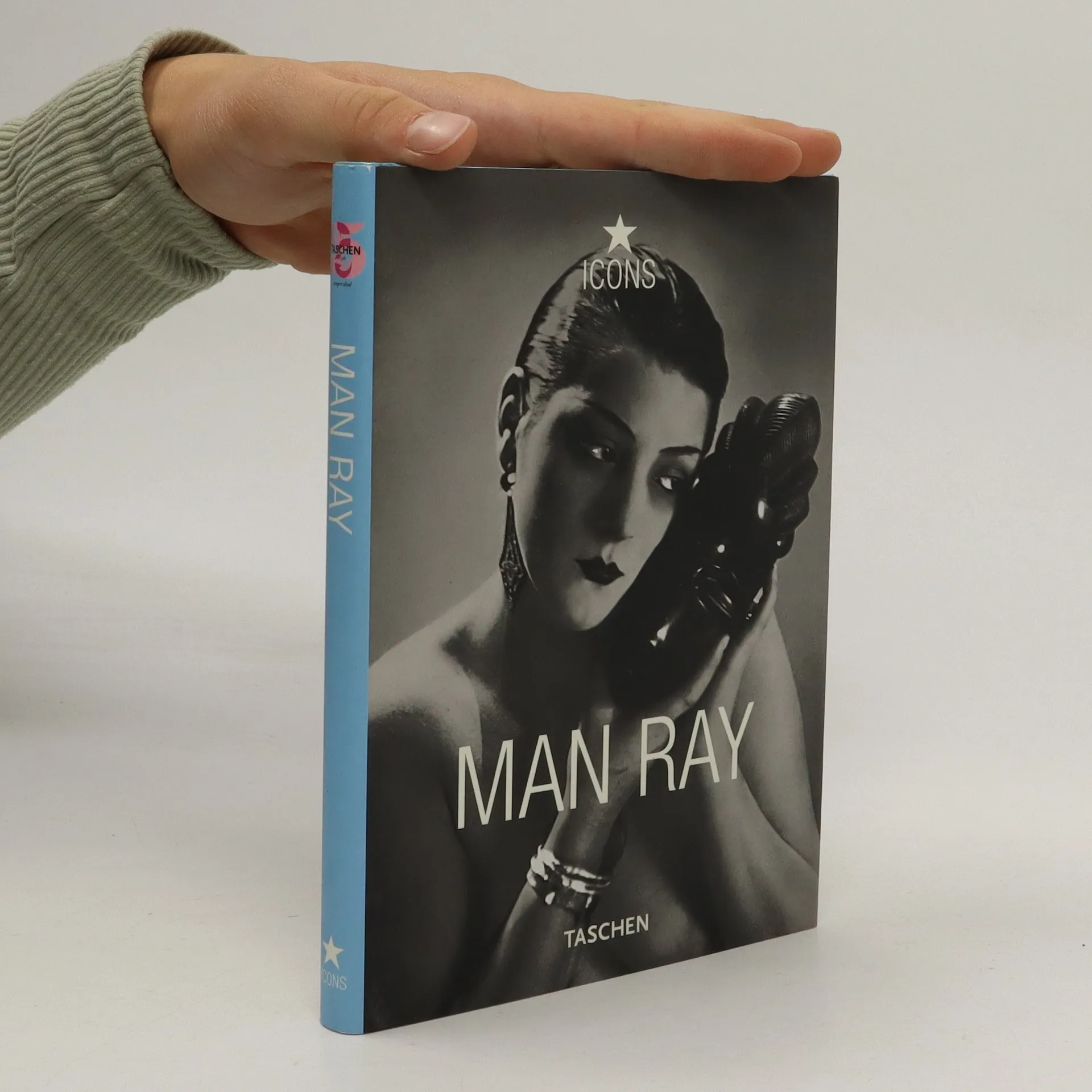
Dada represents artistic free-thinking. Man Ray (1890–1976), an American photographer, painter, designer, sculptor, and filmmaker, arrived in Paris in 1921, where he was inspired by the irrationality of Dada and the surreal vision of Surrealism. He created striking images that transform perceptions of reality. This volume features a rich selection of his works from the 1920s and 30s, reproduced on coated stock to preserve their dramatic impact. Ray's innovative techniques included over and underexposure, shooting through fabrics, superimposing images, and focusing on minute details. He embraced the artificiality and strangeness that arose from breaking conventional presentation modes. The photographs are organized into five categories: general subjects (still lifes, landscapes, etc.), female figures (mainly nudes), women's faces (including Gertrude Stein), celebrity portraits (Ray, Dalí, Picasso, and others), and rayographs, which are "cameraless" compositions. Ray's photographs challenge conventional aesthetics and remain significant in the art world.