


Gratis Versand ab 16,99 €. Mehr Infos.
Bookbot

Katie Hafner

    1. Januar 1957

    Katie Hafner ist eine anerkannte Autorin, die sich in ihren Werken mit dem Zusammenspiel von Technologie, Gesellschaft und menschlichen Geschichten beschäftigt. Ihre umfangreiche Erfahrung im Journalismus, einschließlich einer zehnjährigen Tätigkeit bei der New York Times, ermöglicht ihr eine tiefgründige Auseinandersetzung mit komplexen Themen. Hafners Schreiben deckt eine breite Palette von Themen ab, von den Anfängen des Internets und der Hacker-Kultur bis hin zu intimen Einblicken in familiäre Dynamiken. Sie ist bekannt für ihre klare und einfühlsame Prosa, die Fakten mit fesselndem Erzählen verbindet und dem Leser einzigartige Perspektiven auf die moderne Welt bietet.

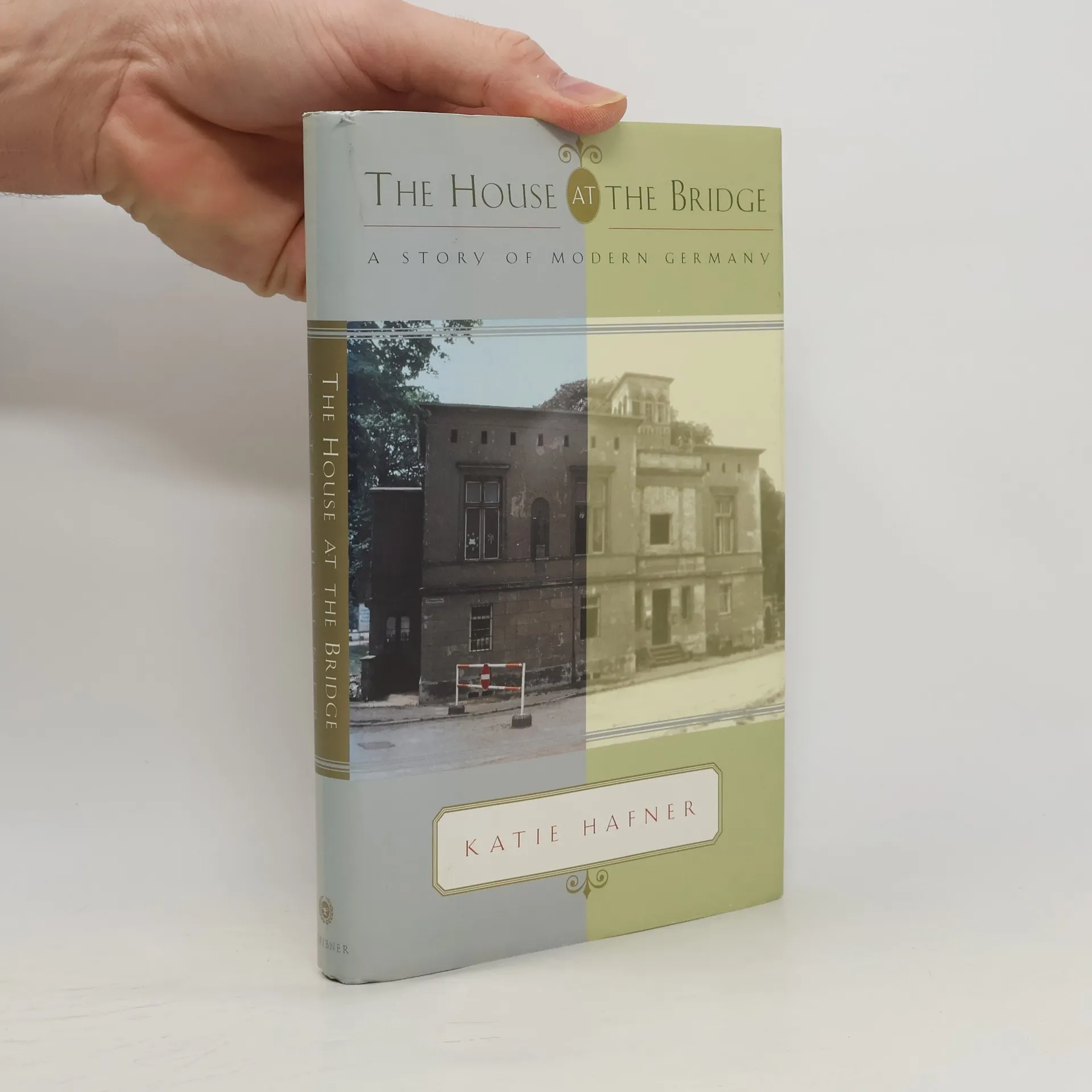
    The house at the bridge
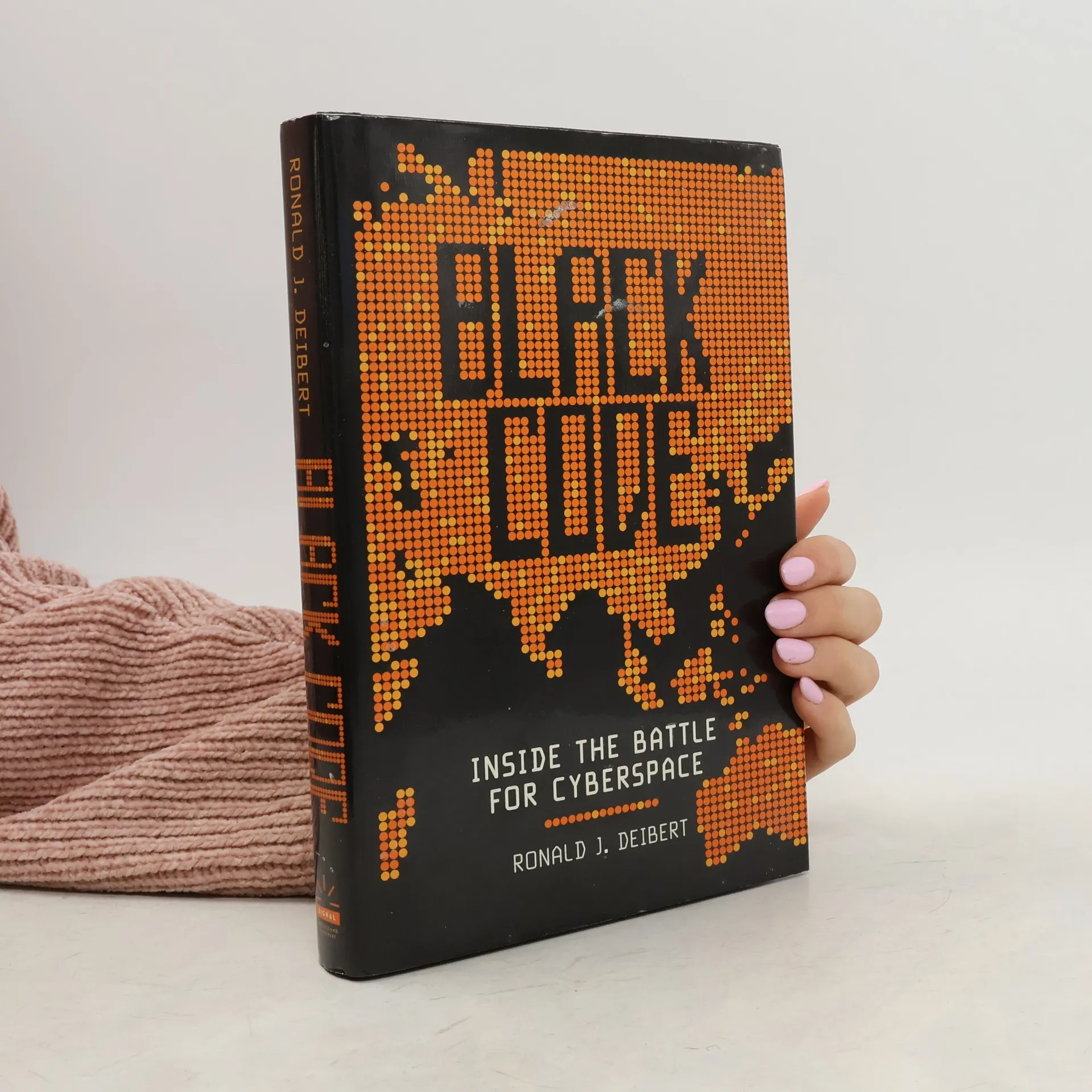
    Black Code
    A romance on three legs
    Verwehte Spuren
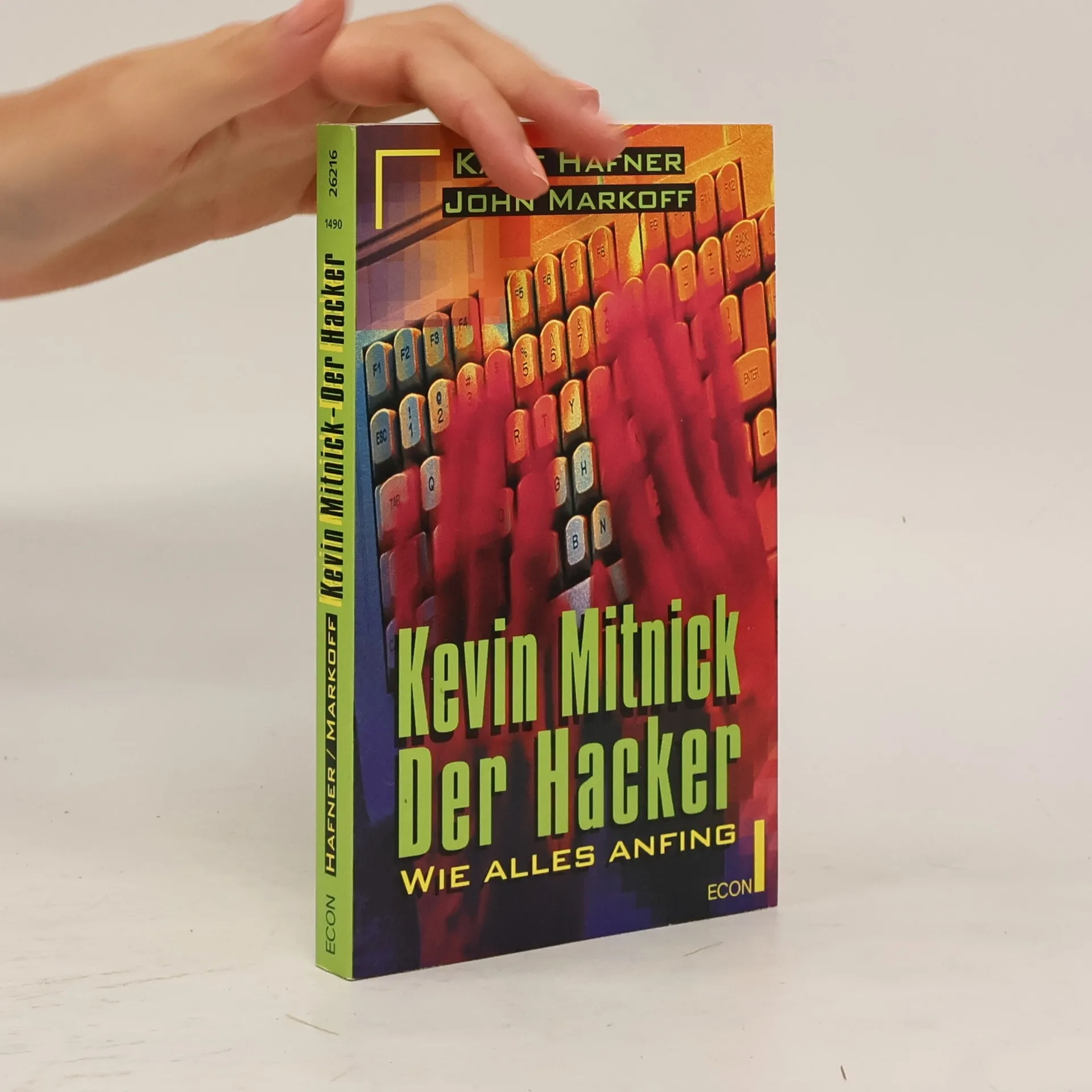
    Kevin Mitnick - der Hacker
    Arpa Kadabra
    • Black Code

      Inside the Battle for Cyberspace

      • 320 Seiten
      • 12 Lesestunden

      One of the world's leading internet experts explores the shadowy realm of cyberspace and cybersecurity, highlighting its transformative impact on our lives and the new rules we must adopt for survival. In the twenty-first century, we navigate a dynamic communications ecosystem that, just two decades ago, seemed like science fiction. Instant access and 24/7 connectivity have reshaped our business, governance, and social interactions around an unprecedented global network. However, this social transformation has also led to unintended consequences. The author examines how cyberspace influences the relationship between citizens and states, as well as the private and public spheres, affecting both domestic and international affairs. He argues that cyberspace has created a world of do-it-yourself signals intelligence, with phenomena like WikiLeaks representing a larger trend that governments, businesses, and individuals must adapt to. Our lives have been fundamentally altered by this digital landscape. Fast-paced and revealing, the narrative delves into the complexities of cybersecurity, offering insights into the future of cyberspace and the essential new norms we need to embrace to thrive in this evolving environment.

      Black Code2013
      4,0
    • Glenn Gould was famous for his obsessions: the scarves, sweaters and fingerless gloves that he wore even on the hottest summer days; his deep fear of germs and illness; the odd wooden "pygmy" chair that he carried with him wherever he performed; and his sudden withdrawal from the public stage at the peak of his career. But perhaps Gould's greatest obsession of all was for a particular piano, a Steinway concert grand known as CD318 (C, meaning for the use of Steinway Concert Artists only, and D, denoting it as the largest that Steinway built). A Romance on Three Legs is the story of Gould's love for this piano, from the first moment of discovery, in a Toronto dept. store, to the tragic moment when the piano was dropped and seriously damaged while being transported from a concert overseas. Hafner also introduces us to the world and art of piano tuning, including a central character in Gould's life, the blind tuner Verne Edquist, who lovingly attended to CD318 for more than two decades. We learn how a concert grand is built, and the fascinating story of how Steinway & Sons weathered the war years by supplying materials for the military effort. Indeed, CD318 came very close to ending up as a series of glider parts or, worse, a casket. The book has already been lauded by Kevin Bazzana, author of the definitive Gould biography, who notes that Hafner "has clarified some old mysteries and turned up many fresh details."

      A romance on three legs2009
      4,2
    • Arpa Kadabra

      Oder die Geschichte des Internet

      • 351 Seiten
      • 13 Lesestunden

      Es ist schon interessant: Eigentlich ist die Geschichte des Internet wohl besser dokumentiert als jede andere technische Innovation der Welt. Gleichwohl ist es bemerkenswert, wie verschmommen für die meisten seine Anfänge sind, selbst für alte Netzhasen. Und die älteste Mär von allen ist die, daß sich die Struktur des Internet aus Angst vor einem Atomschlag gebildet hat. So sind Katie Hafner und Matthew Lyon ausgezogen, um sich dieser Legende anzunehmen. Sie hat sich nicht bestätigt. Die beiden haben eine großartig recherchierte Geschichte des Internet geschrieben, basierend auf ausführlichen Interviews mit dessen Erschaffern, Entwicklern, Programmierern, Vätern: Der englische Titel Where Wizards Stay Up Late legt nahe, wie intensiv diese Leute sind. Da erfährt man auch so interessante Details wie die Lösung des nichtendenwollenden Rästsels, woher wohl unser geliebtes @-Zeichen als Teiler zwischen Benutzer- und Rechnernamen stammt. Dieses Buch ist eine unerläßliche Lektüre für alle, die in Vergangenheit und Zukunft des Netzes im Speziellen und der Telekommunikation im Allgemeinen interessiert sind.

      Arpa Kadabra1998
      3,9
    • The house at the bridge

      • 256 Seiten
      • 9 Lesestunden

      The house at the bridge in Potsdam watched as its residents fled the Nazis, as its rooms were converted into a boarding school and child care center by the East Germans, as the Berlin Wall was constructed, and as the wall was torn down. A memorable story of 20th-century Germany through the lens of one house and one family.

      The house at the bridge1995
      3,7
    • Kevin Mitnick - der Hacker

      • 234 Seiten
      • 9 Lesestunden

      Cyberpunk bietet eine faszinierende Tour durch eine bizarre Subkultur, die von Gesetzlosen bevölkert ist, die selbst die sensibelsten Computernetzwerke durchdringen und Chaos mit den Informationen anrichten, die sie finden – von Bankkonten bis hin zu Militärgeheimnissen. In einem Buch, das ebenso viel Abenteuer bietet wie ein Ludlum-Roman, zeigen die Autoren, was diese jungen Hacker motiviert, Systeme zu hacken, wie sie lernen, einzudringen, und wie wenig getan werden kann, um sie aufzuhalten.

      Kevin Mitnick - der Hacker1993
      3,9