
Gratis Versand ab 14,99 €. Mehr Infos.
Bookbot

Boston Museum of Fine Arts

    Della Robbia. Sculpting with color in renaissance Florence
    Painting Edo
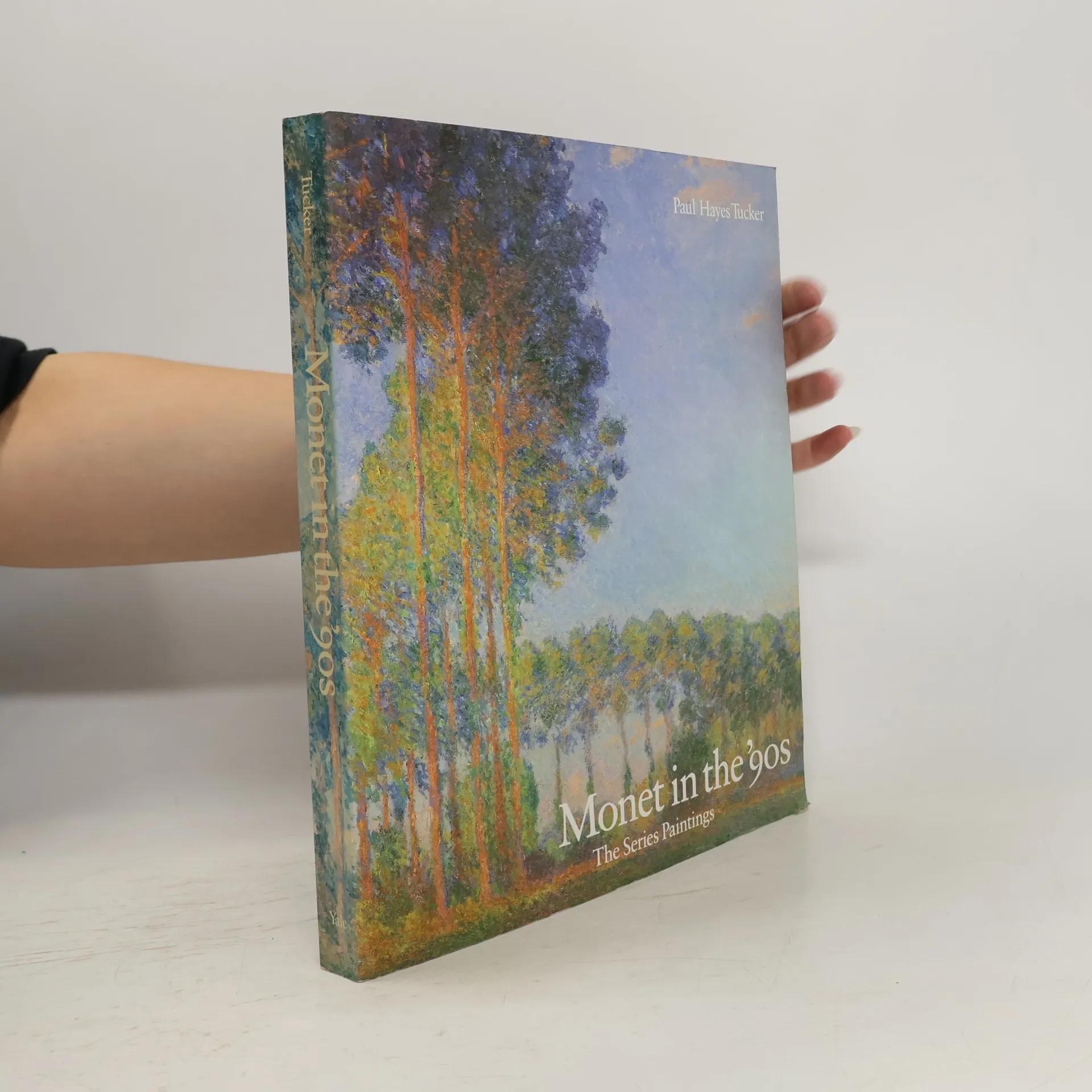
    Monet in the '90s
    • Painting Edo

      • 180 Seiten
      • 7 Lesestunden

      A sweeping and lavishly illustrated overview of a transformative period in Japanese art-making

      Painting Edo2020
      4,0
    • The glazed terracotta technique invented by Luca della Robbia, along with his exceptional skill as a sculptor, placed him firmly in the first rank of Renaissance artists in the fifteenth century. This quintessentially Florentine art - taking the form of dazzling multicoloured ornaments for major buildings, delicately modelled and ingeniously constructed freestanding statues, serene blue-and-white devotional reliefs, charming portraits of children, and commanding busts of rulers, along with decorative and liturgical objects - flowed in abundance from the Della Robbia workshops for a hundred years. Developed further by each generation, the closely held technique achieved new heights of refinement and durability in modelling and colour, combining elements of painting and sculpture into a new and all but eternal medium. In the 19th century, revived interest in the Renaissance and in the Della Robbia brought their works into major collections beyond Italy, particularly in England and the United States. Recently, renewed attention from art historians, backed by sophisticated technical studies, has reintegrated the Della Robbia into the mainstream of Renaissance art history and illuminated their originality and accomplishments. This beautifully illustrated book invites readers to experience one of the great inventions of the Renaissance and the enduring beauty it captured.

      Della Robbia. Sculpting with color in renaissance Florence2016
    • Monet in the '90s

      The Series Paintings

      • 307 Seiten
      • 11 Lesestunden

      Monet's renowned series paintings from the 1890s, including the haystacks, poplars, and Rouen Cathedral, exemplify his fascination with light, color, and ephemeral moments. In this insightful book, Paul Hayes Tucker offers a new perspective on these celebrated works. He argues that Monet's series were not merely artistic explorations of nature's beauty but also reflections of contemporary events in France and his ambition to lead the nation’s artistic narrative. Once criticized for his unconventional approach, Monet emerged by the late 1890s as a distinguished landscape painter and a national icon. Tucker investigates the factors that influenced this transformation, including shifts in Monet's art, changes in public taste, and evolving national sentiments. He delves into the cultural pressures of the 1880s that prompted Monet to embrace serial painting, and he analyzes the major and minor series from the following decade, exploring their creation, reception, and significance for both Monet and his audience. This study enriches our understanding of the series paintings, revealing how their intricate surfaces and striking light effects resonate with deep aesthetic and nationalistic themes. By placing these works in a broader historical context, Tucker provides a fresh view of Monet's role in the complexities of late 19th-century French culture. The book's release coincides with an exhibition of Monet's series paintings in Boston

      Monet in the '90s1990
      4,4