

Gratis Versand ab 14,99 €. Mehr Infos.
Bookbot

Sudhir Hazareesingh

    In the Shadow of the General
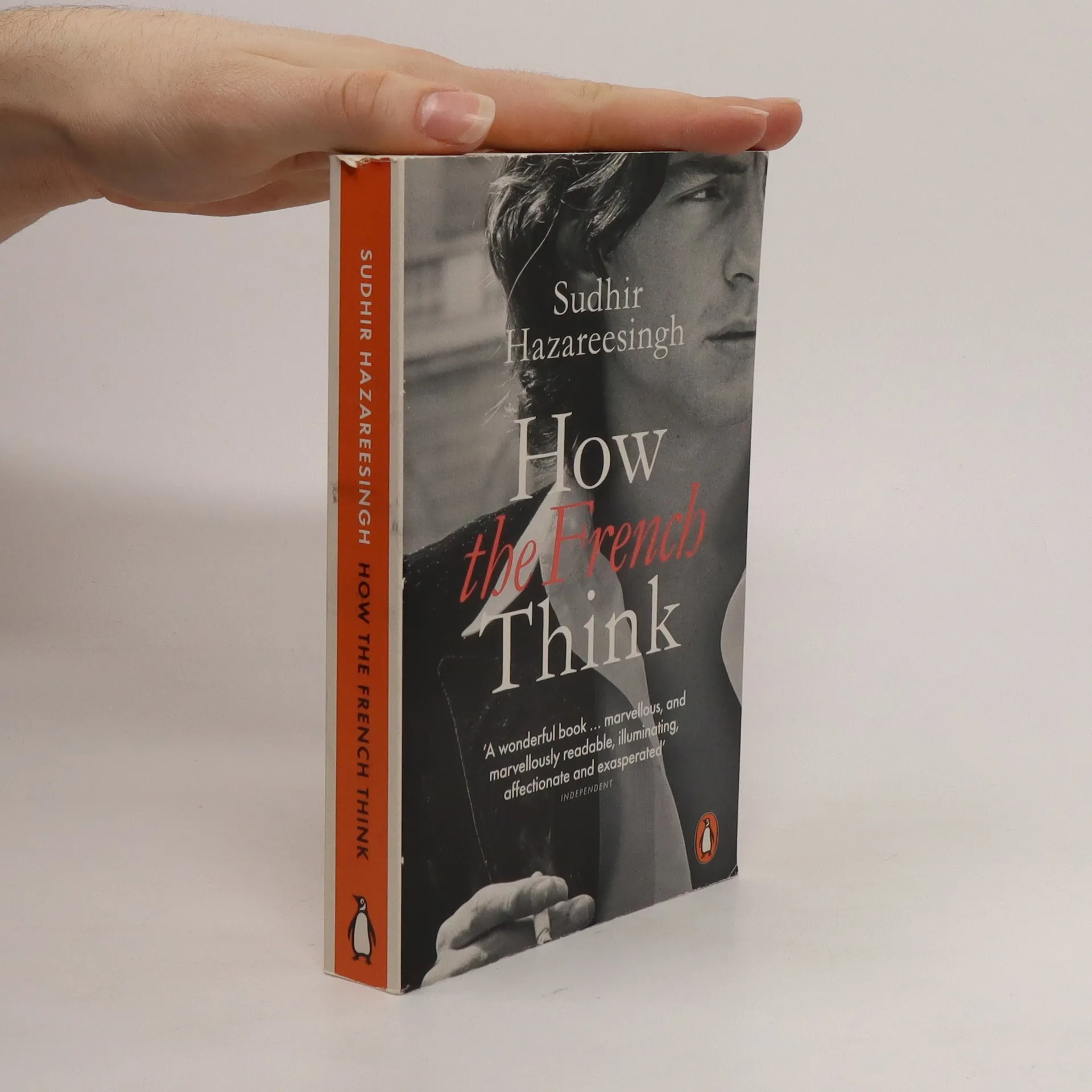
    How the French Think
    Black Spartacus: The Epic Life of Toussaint Louverture
    The Legend of Napoleon
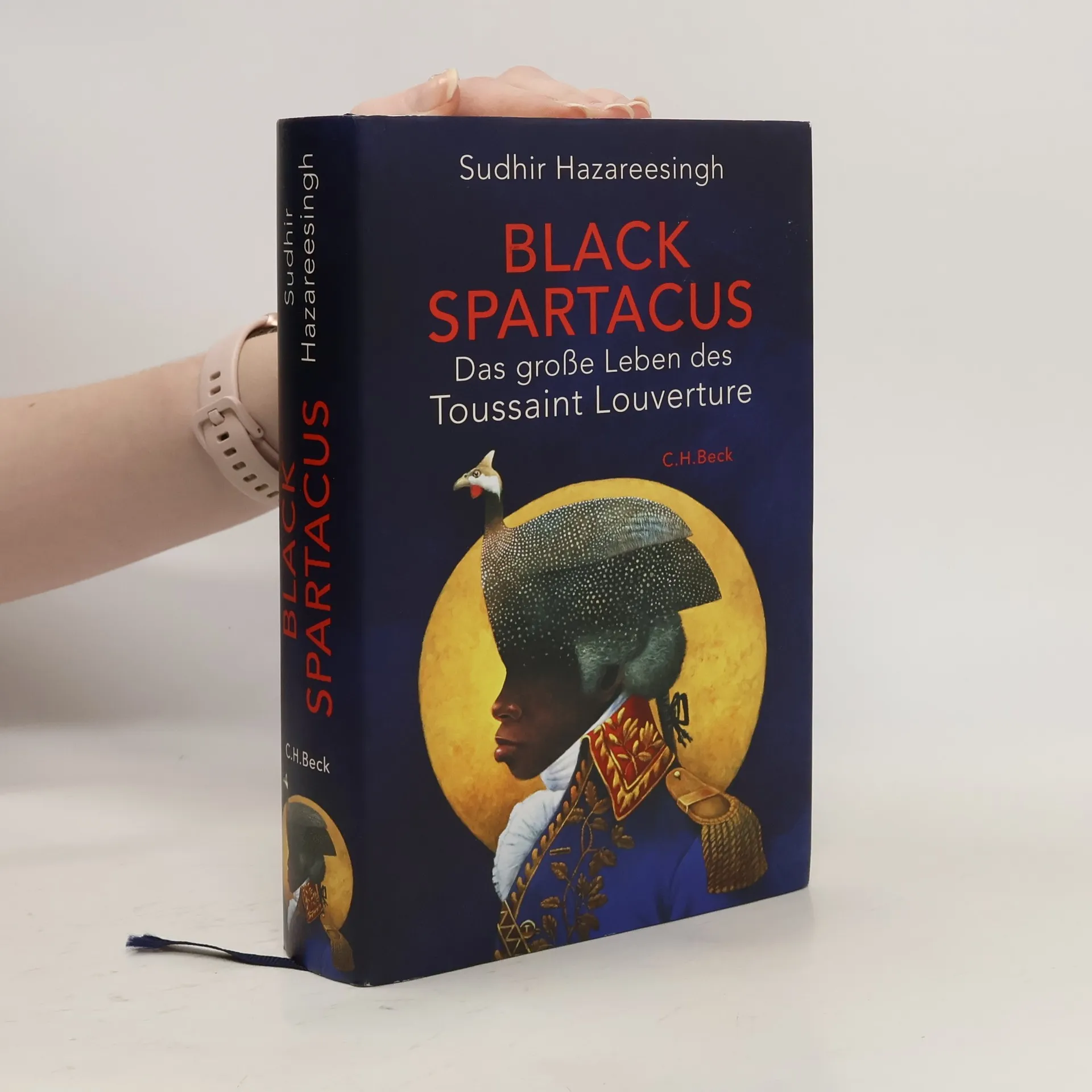
    Black Spartacus
    • Black Spartacus

      Das große Leben des Toussaint Louverture

      Die haitianische Revolution begann 1791 in der französischen Karibikkolonie Saint-Domingue mit einem Sklavenaufstand und gipfelte zwölf Jahre später in der Proklamation des ersten unabhängigen schwarzen Staates der Welt. Nach der Abschaffung der Sklaverei im Jahr 1793 wurde Toussaint Louverture, selbst ein ehemaliger Sklave, zum Anführer der schwarzen Bevölkerung der Kolonie, zum Kommandeur ihrer republikanischen Armee und schließlich zu ihrem Gouverneur. Im Verlauf seines außergewöhnlichen Lebens stellte er sich einigen der dominierenden Kräfte seiner Zeit – Sklaverei, Kolonialismus, Imperialismus und rassistischer Hierarchie. "Black Spartacus" nutzt eine Fülle von Archivmaterial, das von früheren Biografen oft übersehen wurde, um jeden Schritt von Louvertures einzigartiger Reise nachzuvollziehen. Sudhir Hazareesingh zeigt, dass Louverture seine Vision und Führung nicht nur als Reaktion auf importierte Aufklärungsideale und revolutionäre Ereignisse in Europa und Amerika entwickelte, sondern auch durch ein hybrides Erbe aus brüderlichen Sklavenorganisationen, karibischer Mystik und afrikanischen politischen Traditionen.

      Black Spartacus
      3,9
    • The Legend of Napoleon

      • 336 Seiten
      • 12 Lesestunden

      "God was bored with Napoleon" wrote Victor Hugo and as is well known, the Emperor was duly defeated at Waterloo in 1815 and exiled to St Helena, where he died an agonizing and horrifying death. The Emperor's real legacy is the modernizing and beautifying of Paris, the official promotion of religious tolerance, the current French legal and educational systems, and the European Union, to name but a few Napoleonic initiatives. And of course, the legend lives on. Drawing on new archival research, Hazareesingh traces not only the emergence of the Napoleonic myth and how it developed into a potent political culture, but also the amazing tenacity of popular affection for the emperor, manifest in countless busts and portraits in ordinary citizens' homes, grass-roots political activism, miraculous apparitions reported after his death, and the memories kept alive by thousands of imperial war veterans. This book is a timely study of why the fascination with Napoleon has endured for two centuries.

      The Legend of Napoleon
      4,0
    • How the French Think

      • 448 Seiten
      • 16 Lesestunden

      WINNER OF THE GRAND PRIX DU LIVRE D'IDÉES The French: serious and frivolous, charming and infuriating, rational and mystical, pessimistic, pleasure-loving - and perhaps more than any other people, intellectual. This original and entertaining book shows exactly what makes the French so ... French.

      How the French Think
      3,8
    • In the Shadow of the General

      Modern France and the Myth of De Gaulle

      • 254 Seiten
      • 9 Lesestunden

      Charles De Gaulle's leadership of the French while in exile during World War II cemented his place in history. In contemporary France, he is the stuff of legend, consistently acclaimed as the nation's pre-eminent historical figure. But paradoxes abound. For one thing, his personal popularity sits oddly with his social origins and professional background. Neither the Army nor the Catholic Church is particularly well-regarded in France today, as they are seen to represent antiquated traditions and values. So why, then, do the French nonetheless identify with, celebrate, and even revere this austere and devout Catholic, who remained closely wedded to military values throughout his life? In The Shadow of the General resolves this mystery and explains how de Gaulle has come to occupy such a privileged position in the French imagination. Sudhir Hazareesingh's story of how an individual life was transformed into national myth also tells a great deal about the French collective self in the twenty-first century: its fractured memory, its aspirations to greatness, and its manifold anxieties. Indeed, alongside the tale of de Gaulle's legacy, the author unfolds a much broader narrative: the story of modern France.

      In the Shadow of the General
      3,3