The narrative explores the profound emotional journey of its characters as they navigate the complexities of change and transition. Set against a backdrop of personal and societal upheaval, the book delves into themes of resilience, identity, and the search for belonging. Through rich character development and evocative storytelling, it captures the struggles and triumphs that come with moving forward in life, making it a poignant reflection on the human experience.
Luc Sante Reihenfolge der Bücher (Chronologisch)




Stanley Kubrick Photographs. Through a Different Lens
- 328 Seiten
- 12 Lesestunden
Bevor Stanley Kubrick mit Kultfilmen wie Lolita, 2001 – Odyssee im Weltraum und Shining berühmt wurde, begann er seine Karriere als Fotograf bei der Zeitschrift Look. Mit 17 Jahren dokumentierte er von 1945 bis 1950 das Leben in New York, indem er Geschichten mit einem menschlichen Blickwinkel festhielt. Kubrick fotografierte eine Vielzahl von Szenen: Menschen in Waschsalons, das Treiben an der Columbia University, Sportler, Showgirls, Artisten, Schauspielerinnen, Taxifahrer, Pärchen auf Bahnsteigen, Schuhputzjungen, Boxer, Patienten im Wartezimmer, prominente Geschäftsleute, Politiker, Kinder im Vergnügungspark und Pendler in der U-Bahn. Diese frühen Fotografien zeigen sein bemerkenswertes Gespür für Komposition, Spannung und Atmosphäre und wirken wie Filmstills aus nie gedrehten Noir-Dramen. Die Sammlung umfasst rund 300 Bilder und zahlreiche reproduzierte Seiten aus dem Look-Magazin und präsentiert eine wenig bekannte Seite des Regisseurs. Die Einleitung stammt von der renommierten Fotokritikerin Lucy Sante.
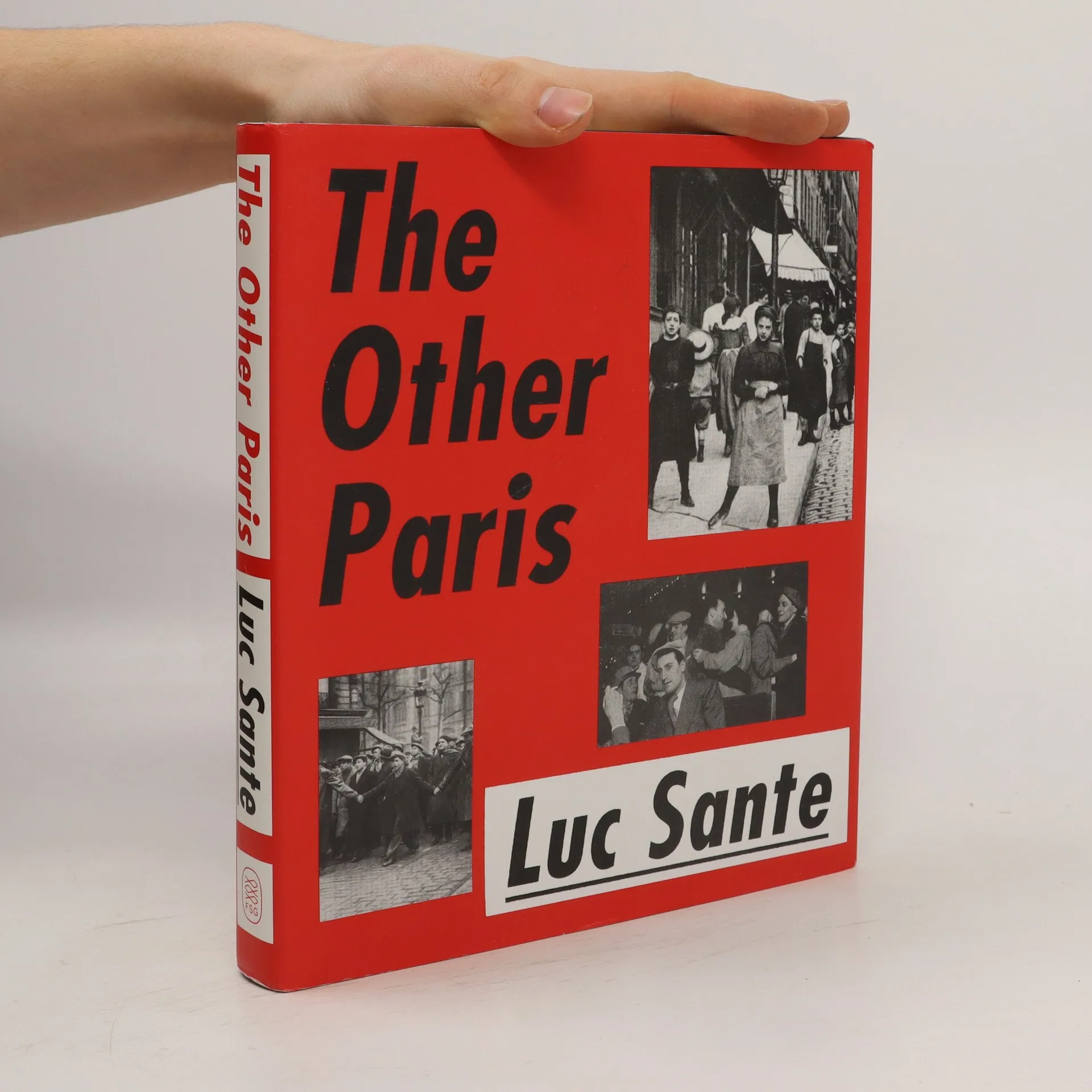
The Other Paris
- 320 Seiten
- 12 Lesestunden
"A vivid investigation into the seamy underside of nineteenth and twentieth century Paris"--
The Rolling Stones
- 519 Seiten
- 19 Lesestunden
Ladies and gentlemen...the Rolling Stones!: The definitive, authorized illustrated history of the world's greatest rock 'n' roll band The kind of fame and success the Rolling Stones have achieved in their 50-year career is completely without parallel; their most famous riffs and catchiest lyrics are indelibly engraved in our collective memory. With their bluesy rock 'n' roll and mesmerizing stage presence, the Stones redefined the music of the 1960s and paved the way for rock as we know it today. Produced in collaboration with the band, this book charts the Stones' remarkable history and outrageously cool lifestyle in around 600 pages of photographs and illustrations, many previously unseen, gathered from archives all over the world. Unprecedented access to the Rolling Stones' own archives in New York and London adds an equally extraordinary, more private side to the Stones' story. Standard TASCHEN edition
The Rolling Stones
- 197 Seiten
- 7 Lesestunden
Der Berühmtheitsgrad der Rolling Stones, die fast 60 Jahre aktiv sind, ist beispiellos; ihre bekanntesten Riffs und eingängigen Texte sind fest im kollektiven Gedächtnis verankert. Mit ihrer hypnotisierenden Bühnenpräsenz setzten sie Maßstäbe für Rockbands und erkannten früh, dass das Image einer Band, ihr Aussehen und Stil ebenso wichtig sind wie die Musik. Der Autor Luc Sante bemerkt, dass sie stets tadellos gekleidet waren und ihre Präsenz vor der Kamera meisterhaft inszenierten. Dies machte sie zu einem begehrten Motiv für viele der größten Fotografen der Geschichte. Das Buch dokumentiert die erstaunliche Geschichte der Band und ihren lässigen Lifestyle, unterstützt durch zahlreiche Fotos und Zeitdokumente. Viele Bilder aus globalen Archiven werden hier erstmals veröffentlicht. Zudem gewährt das Buch Zugang zu den privaten Archiven der Rolling Stones in New York und London, was einige Überraschungen bereithält. Es präsentiert fantastische Bilder von renommierten Fotografen sowie Essays von preisgekrönten Autoren. Ein ausführlicher Anhang mit Chronologie, Diskografie und Kurzbiografien der Fotografen rundet das Werk ab.
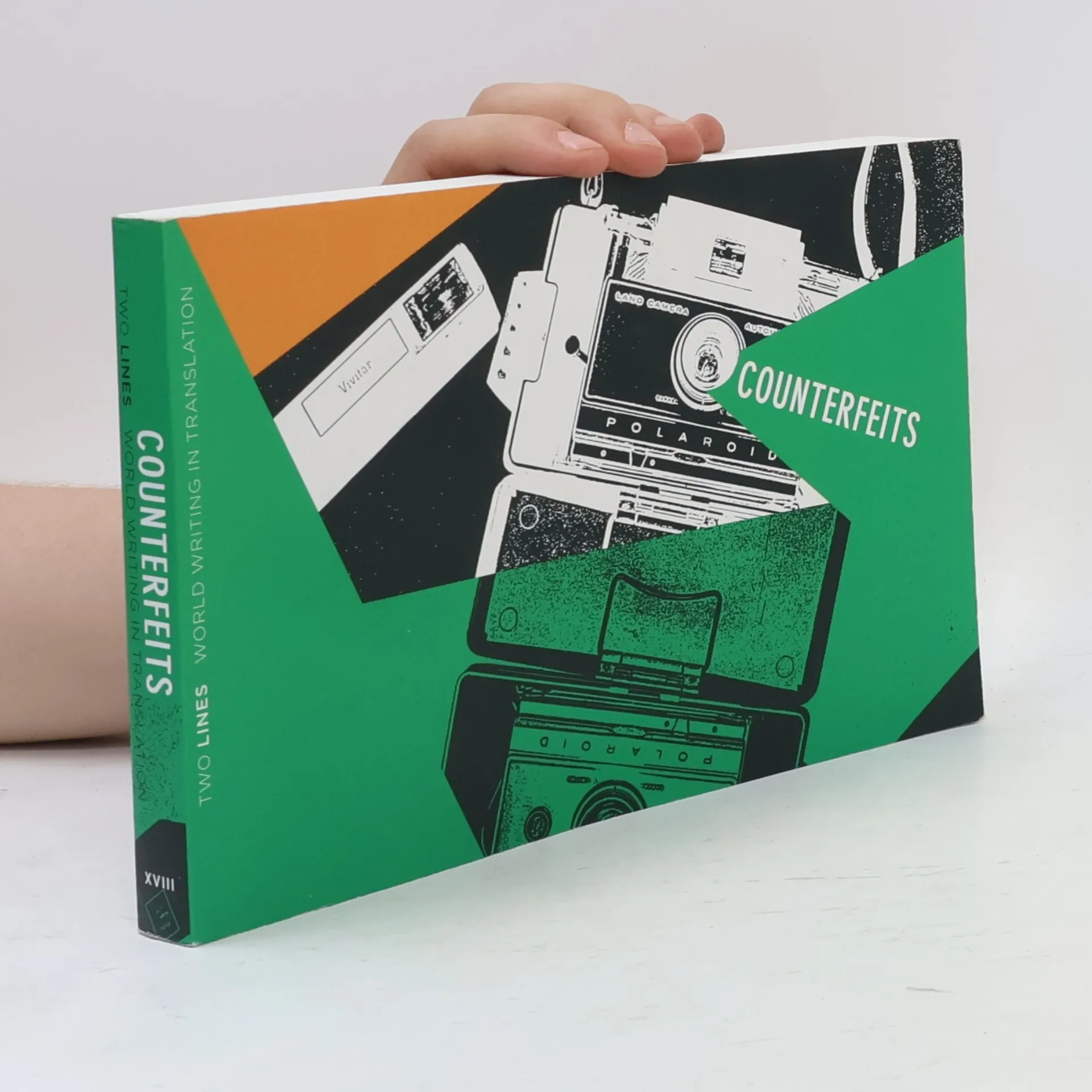
Counterfeits
- 270 Seiten
- 10 Lesestunden
Delving deep into the renaissance of international noir, and with new writing from César Aira, Primo Levi, and over 30 other celebrated authors, this 18th installment of the premier annual international literature anthology series strikes a dark, subversive chord. Co-edited by Guggenheim fellow and lauded writer Luc Sante, plus leading American poet and translator Rosanna Warren, Counterfeits delivers essential authors from nearly 20 different languages.Illuminating sinister corners of the globe, Counterfeits leads with a special section of innovative, international noir literature from Slovakia, Egypt, Chile, Russia, and elsewhere. It's also highlighted by translations of Mongolian, Catalan, and Bulgarian poetry, as well as fiction from Russian absurdist Sigizmund Krhizhanovsky and mordant Frenchman Albert Cossery, who counted Henry Miller as a fan.
In her books and in a string of wide-ranging and inventive essays, Luc Sante has shown herself to be not only one of our pre-eminent stylists, but also a critic of uncommon power and range. She is “one of the handful of living masters of the American language, as well as a singular historian and philosopher of American experience,” says the New Yorker’s Peter Schjeldahl. Kill All Your Darlings is the first collection of Sante’s articles—many of which first appeared in the New York Review of Books and the Village Voice—and offers ample justification for such high praise. Sante is best known for her groundbreaking work in urban history (Low Life), and for a particularly penetrating form of autobiography (The Factory of Facts). These subjects are also reflected in several essays here, but it is the author’s intense and scrupulous writing about music, painting, photography, and poetry that takes center stage. Alongside meditations on cigarettes, factory work, and hipness, and her critical tour de force, “The Invention of the Blues,” Sante offers her incomparable take on icons from Arthur Rimbaud to Bob Dylan, René Magritte to Tintin, Buddy Bolden to Walker Evans, Allen Ginsberg to Robert Mapplethorpe.
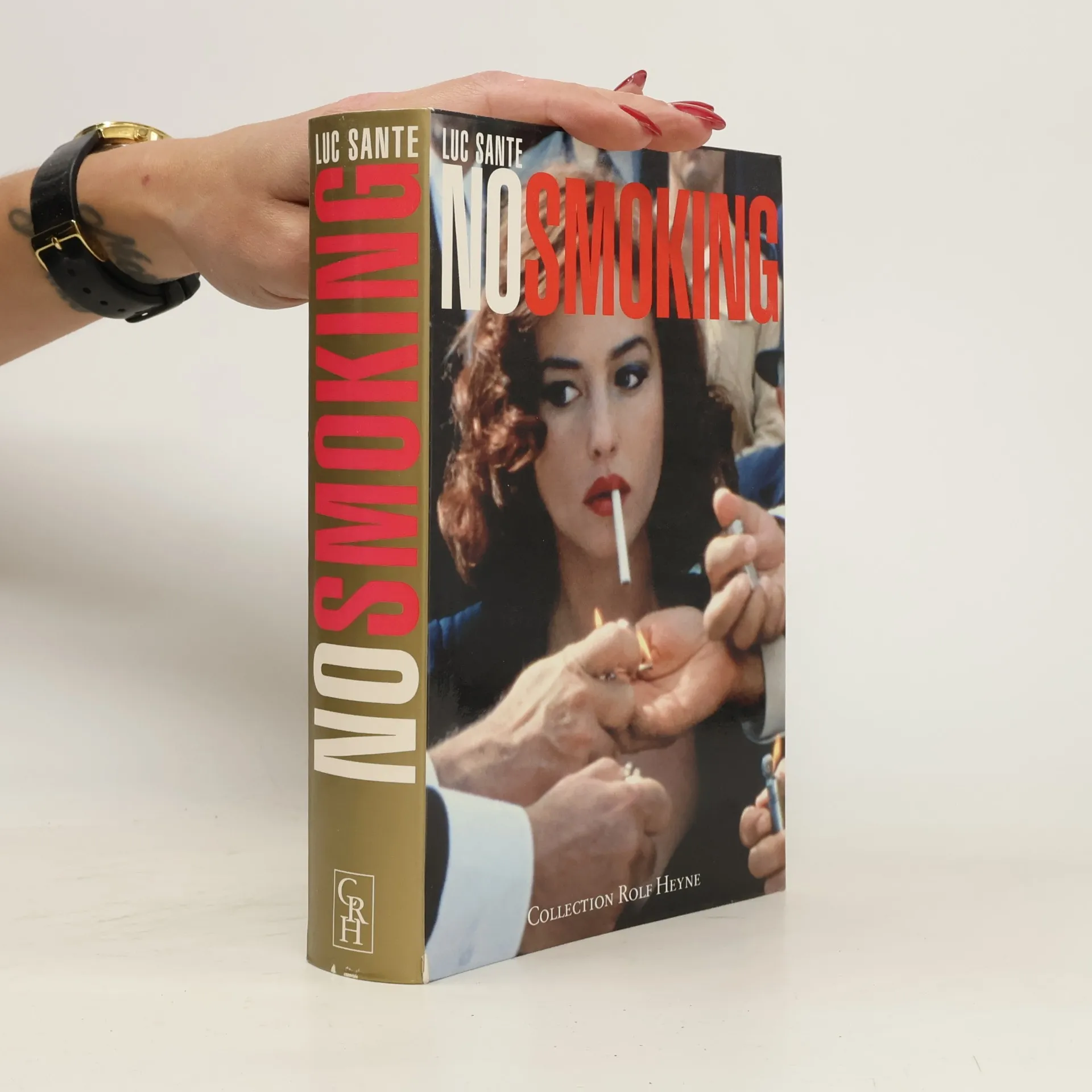
No smoking
- 391 Seiten
- 14 Lesestunden
Kannst du dir Groucho Marx ohne Zigarre vorstellen? Erinnerst du dich, dass vor einigen Jahren das Rauchen in Flugzeugen erlaubt war? Weißt du, wann New York mit dem Rauchen aufgehört hat? In der nicht allzu fernen Vergangenheit war es für Hollywood-Stars üblich, verführerisch mit einer Zigarette posieren. Wie viele Prominente wagen es heute, überhaupt eine zu halten? No Smoking ist eine Hommage an das 20. Jahrhundert, ein Jahrhundert, das die Zigarette schuf, förderte und verherrlichte und dann plötzlich den Krieg gegen sie erklärte.
Metropolitan Museum of Art Series: Many Are Called
- 208 Seiten
- 8 Lesestunden
Between 1936 and 1941 Walker Evans and James Agee collaborated on one of the most provocative books in American literature, Let Us Now Praise Famous Men (1941). While at work on this book, the two also conceived another less well-known but equally important book project entitled Many Are Called. This three-year photographic study of subway passengers made with a hidden camera was first published in 1966, with an introduction written by Agee in 1940. Long out of print, Many Are Called is now being reissued with a new foreword and afterword and with exquisitely reproduced images from newly prepared digital scans.Many Are Called came to fruition at a slow pace. In 1938, Walker Evans began surreptitiously photographing people on the New York City subway. With his camera hidden in his coat—the lens peeking through a buttonhole—he captured the faces of riders hurtling through the dark tunnels, wrapped in their own private thoughts. By 1940-41, Evans had made over six hundred photographs and had begun to edit the series. The book remained unpublished until 1966 when The Museum of Modern Art mounted an exhibition of Evans’s subway portraits.This beautiful new edition—published in the centenary year of the NYC subway—is an essential book for all admirers of Evans’s unparalleled photographs, Agee’s elegant prose, and the great City of New York.
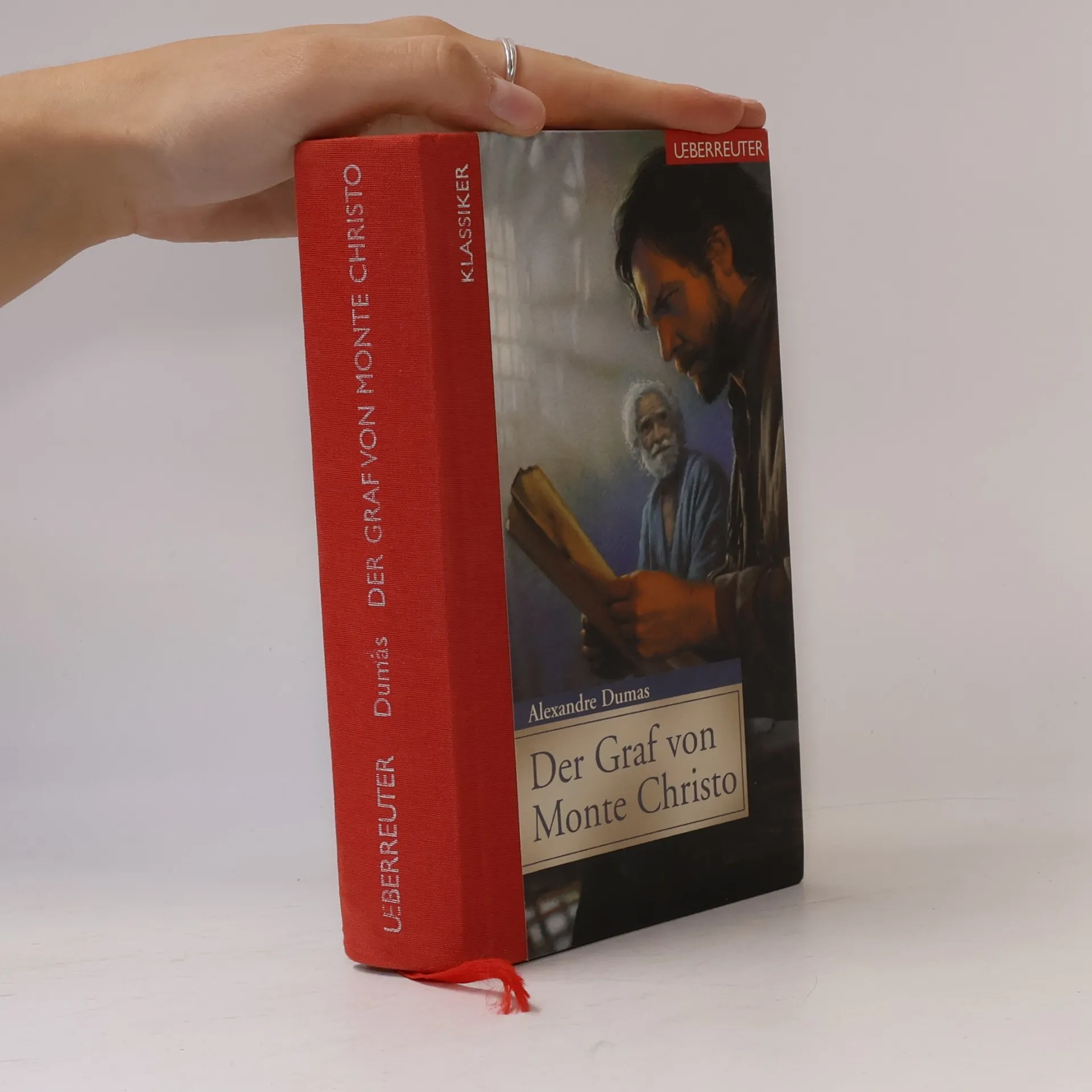
Der Graf von Monte Christo
- 361 Seiten
- 13 Lesestunden
Ein Meisterwerk der Weltliteratur Alexandre Dumas’ Meisterwerk von 1845/46 entstand nur zwei Jahre nach dem großen Abenteuerklassiker ›Die drei Musketiere‹ – die beiden Romane verhalfen dem Schriftsteller zu Weltruhm. Bis heute hat die dramatische Geschichte des jungen Seemanns Edmond Dantès, der am Tag seiner Hochzeit aufgrund einer Intrige verhaftet wird, nichts von ihrer Faszination verloren. Die Flucht aus dem Gefängnis auf die Insel Monte Christo und der eiskalte Rachefeldzug gegen seine Verräter boten Stoff für zahlreiche Verfilmungen, unter anderem mit Gérard Depardieu, der bekannte: »Monte Christo, das bin ich.« • Der monumentale Roman erstmals in einer einbändigen, vollständigen Ausgabe bei dtv • Mit einem neuen Anhang zu Leben und Werk
Adrenaline Classics: Crimes of New York
Stories of Crooks, Killers, and Corruption from the World's Toughest City
- 364 Seiten
- 13 Lesestunden
New York is not only a world capital of finance, fashion, and media, but also of every imaginable variety of criminal activity from the most brutal to the most creative. From rampaging draft rioters to Prohibition-era beer barons, from brilliant art thieves to Wall Street insiders, from the Boss Tweed to Dapper Don, New York's criminals personify the dark side of the most vibrant and diverse city on earth. Crimes of New York takes us from the tortured, violent life of David Berkowitz, aka Son of Sam, who terrorized the city in the process of killing six young women to the story of the Manhattan yuppie millionaire whose marriage dissolved in drug abuse and ended in murder; from the life of a woman struggling to stay straight in the South Bronx to the violent childhood of teen killer Cape Man Salvatore Agron. Their crimes reflect our common failings—greed, anger, lust for power—intensified by the brutality and sophistication of the unique pressure cooker that is New York.
Christopher Felver the Importance of Being
- 600 Seiten
- 21 Lesestunden
This book is a collection of portrait photographs taken by Felver of some of the worlds most influential modern artists, singeers, actors, spiritual gurus, activists.
Walker Evans (1903–75) is now considered perhaps the finest documentary photographer ever and his images have had considerable influence on other artists, and not only in the field of photography. He is well known for his 1930s work for the Farm Security Administration, documenting the effect of the Great Depression o
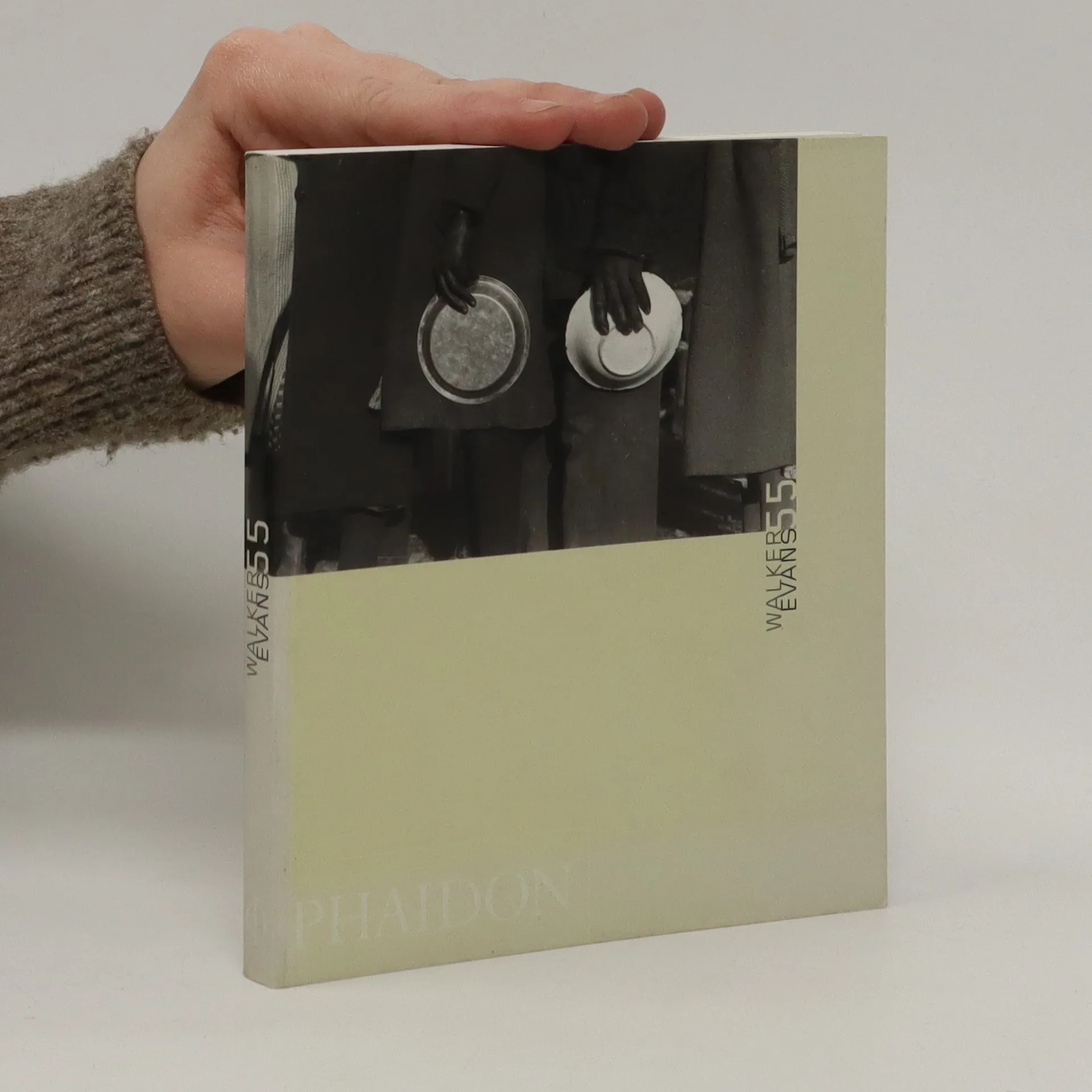
Walker Evans
- 125 Seiten
- 5 Lesestunden
Walker Evans (1903-1975) war einer der bedeutendsten und einflussreichsten Künstler des zwanzigsten Jahrhunderts, dessen Fotografien unser Verständnis der modernen Ära prägen. Er arbeitete in allen Genres und Formaten, in Schwarz-Weiß und Farbe, doch zwei Leidenschaften blieben konstant: Literatur und die gedruckte Seite. Während seine fotografischen Bücher zu den einflussreichsten der Geschichte des Mediums zählen, bleiben Evans' flüchtigere Seiten weitgehend unbekannt. Von kleinen avantgardistischen Publikationen bis hin zu Mainstream-Titeln wie Harper’s Bazaar, Vogue, Architectural Forum, Life und Fortune produzierte er innovative und unabhängige Journalismus, oft indem er eigene Aufträge vergab, seine Seiten bearbeitete, schrieb und gestaltete. Walker Evans: the Magazine Work präsentiert viele seiner Fotoessays in voller Länge und versammelt die ungeschriebene Geschichte dieses Schaffens, wodurch wir sehen können, wie er seine Autonomie schützte, seinen Lebensunterhalt verdiente und ein Publikum weit über Museen und Galerien hinaus fand.
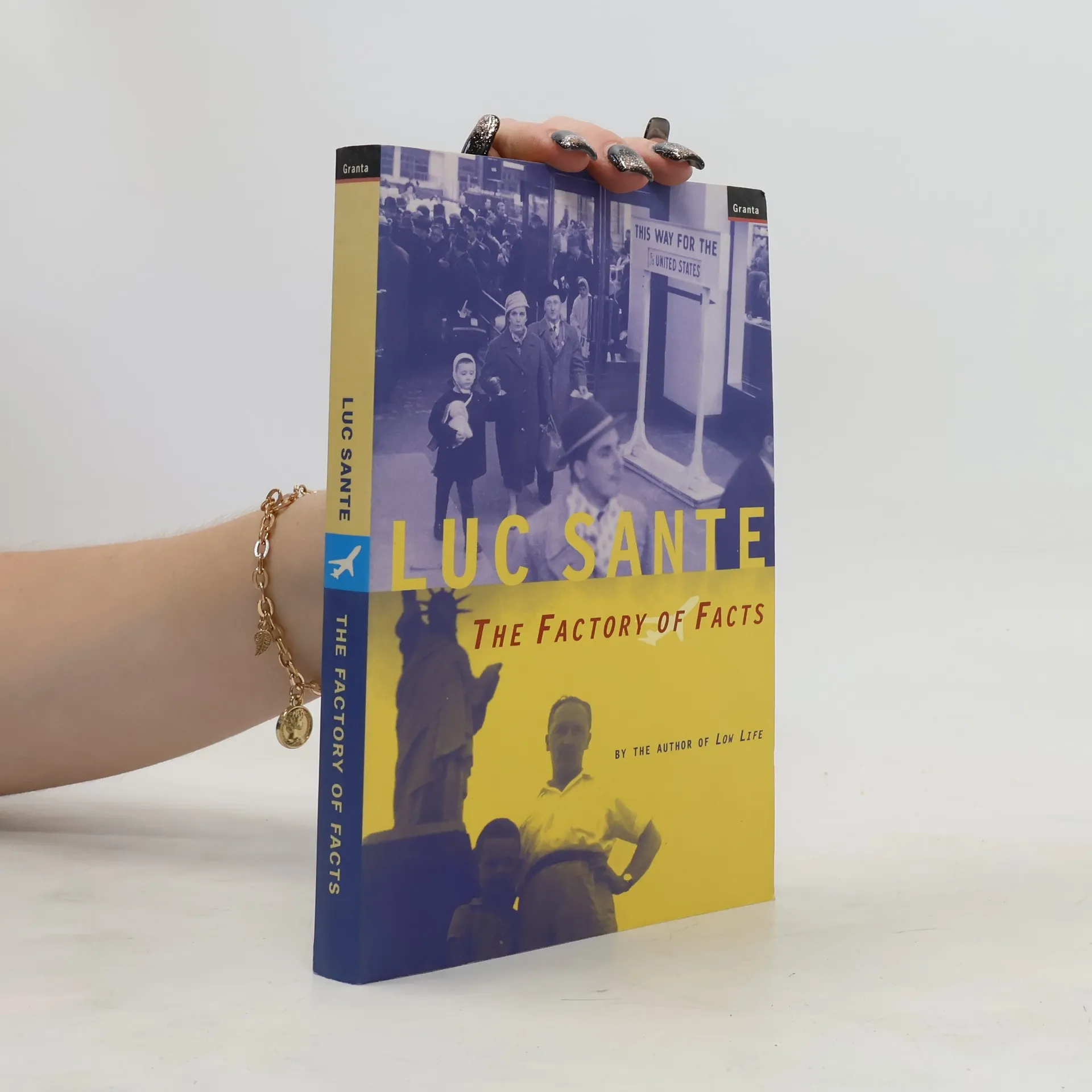
The Factory of Facts
- 288 Seiten
- 11 Lesestunden
Luc Sante was born in Belgium and as a child taken by his parents to the USA. However he never considered himself a proper American. At the age of 35 he returned to Belgium to research his own history and his homeland. This volume presents Sante's memoirs of this time of self-discovery.
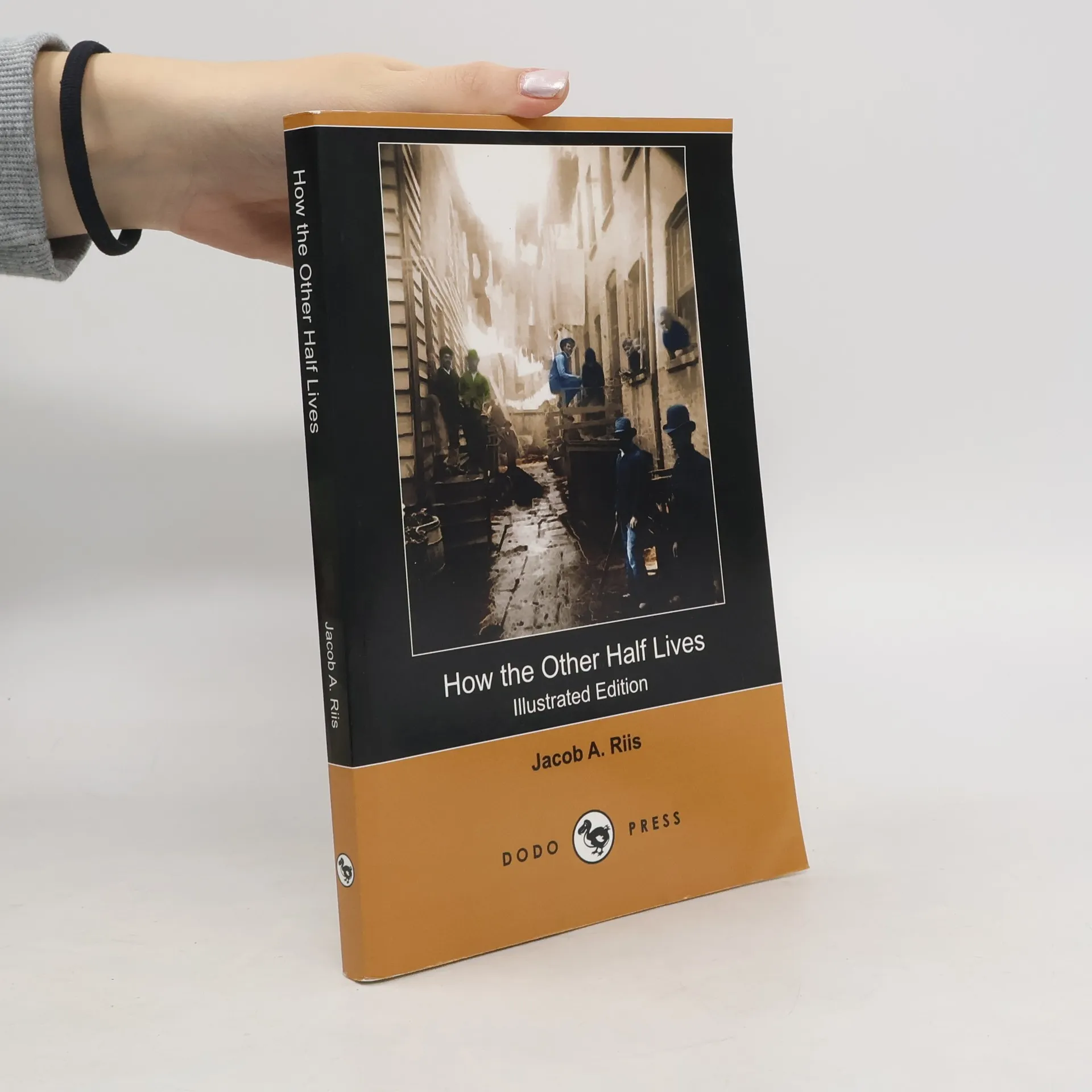
How the Other Half Lives - Illustrated Edition
- 214 Seiten
- 8 Lesestunden
Jacob August Riis (1849-1914) was a Danish-American muckraker journalist, photographer, and social reformer. He is known for his dedication to using his photographic and journalistic talents to help the less fortunate in New York City, which was the subject of most of his prolific writings and photographic essays. He helped with the implementation of "model tenements" in New York with the help of humanitarian Lawrence Veiller. As one of the first photographers to use flash, he is considered a pioneer in photography. His works include: How the Other Half Lives (1891), The Children of the Poor (1892), Out of Mulberry Street (1896), A Ten Years' War (1900), The Making of an American (1901), The Battle with the Slum (1902), Children of the Tenements (1902), The Peril and the Preservation of the Home (1903), Theodore Roosevelt: The Citizen (1904), The Old Town (1909), Hero Tales of the Far North (1910) and Neighbors: Life Stories of the Other Half (1914).
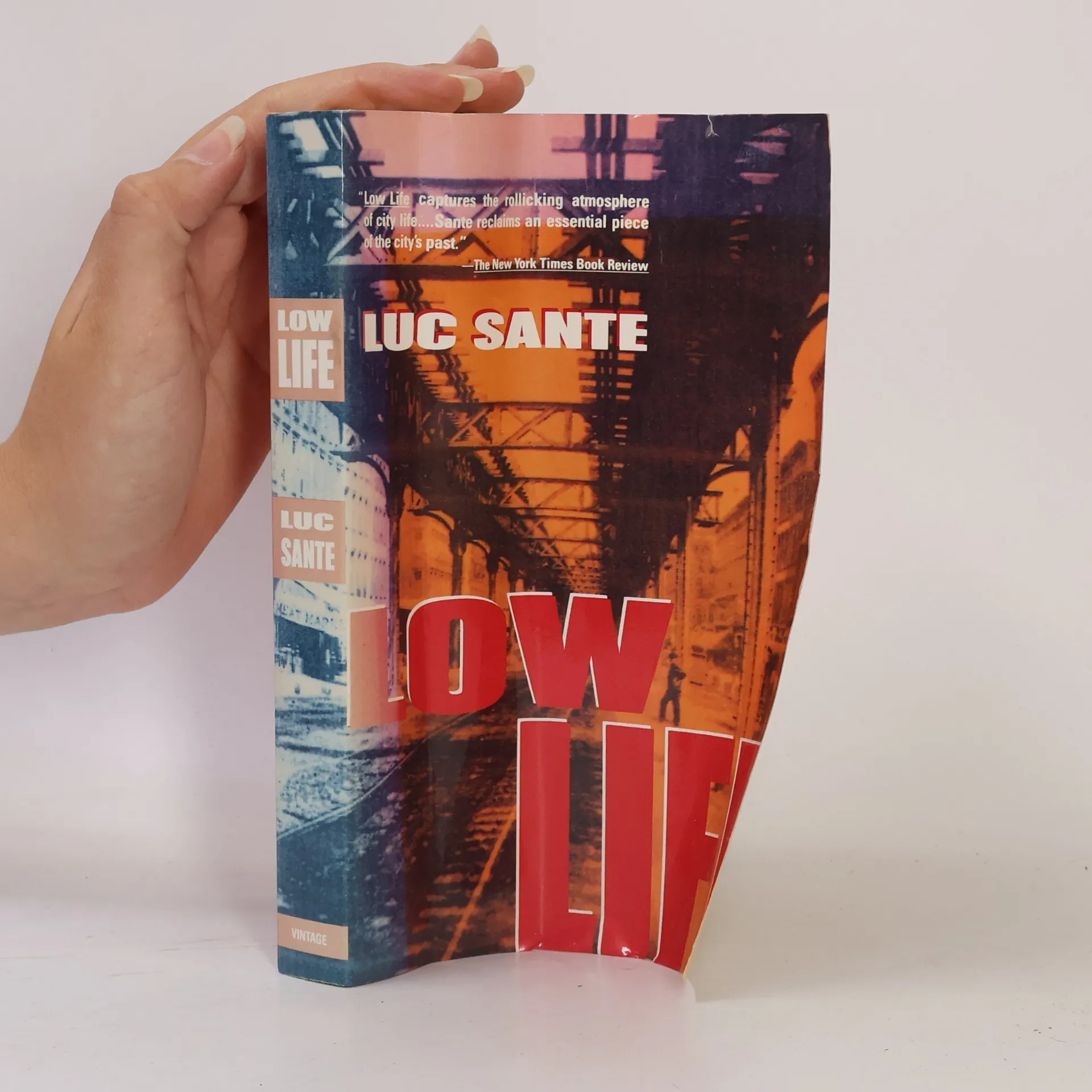
From opium dens to the Bowery's suicide saloons, this lively, learned work of outlaw urban history ushers readers through the dark heart of New York City in the years between 1840 and 1919. "A systematic, well-researched historical account of . . . corruption, vice, and miscellaneous mayhem . . . well-crafted and tightly written. Boston Globe. 63 photographs.