
Gratisversand in ganz Deutschland!
Bookbot

Martin Mobberley

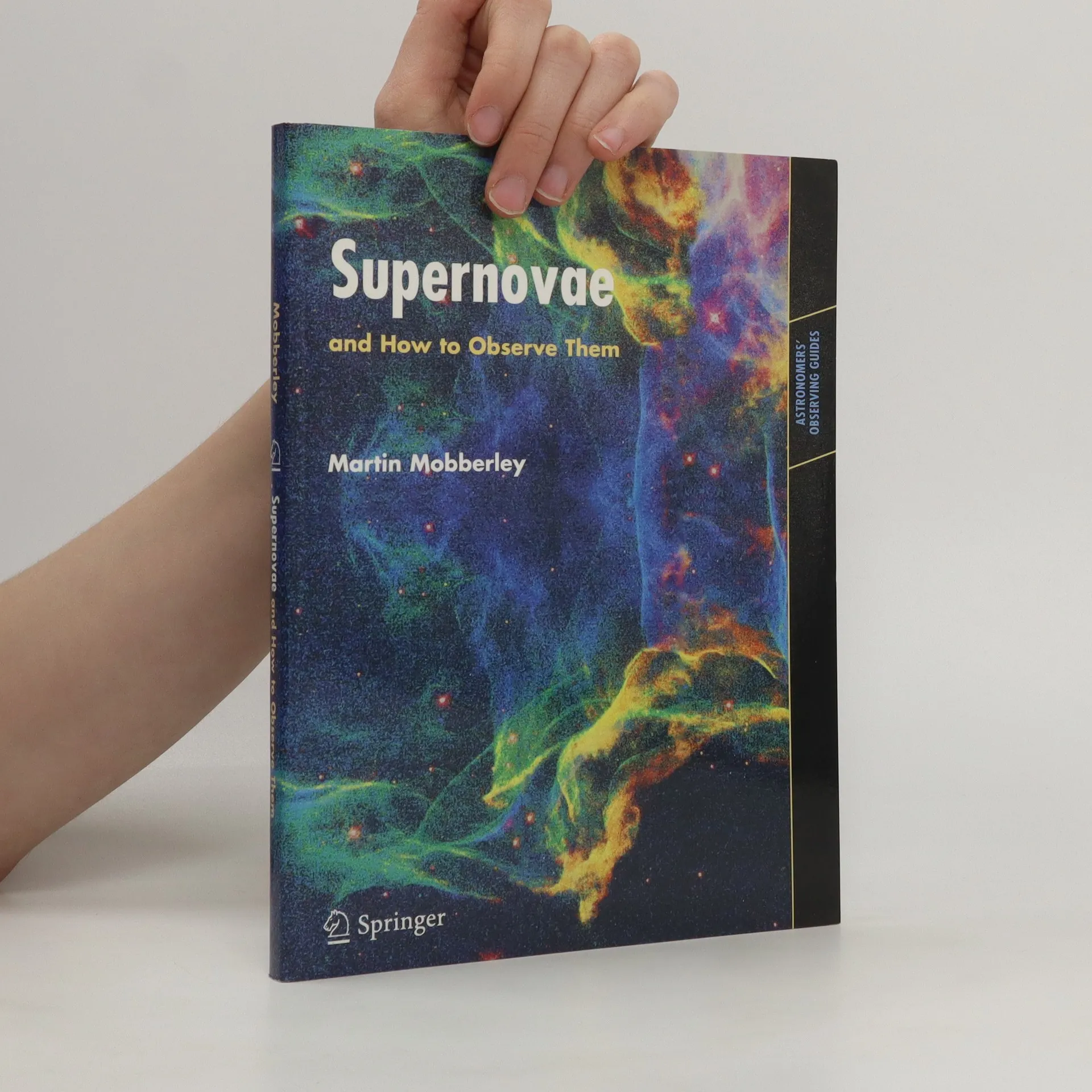
    Supernovae and how to observe them
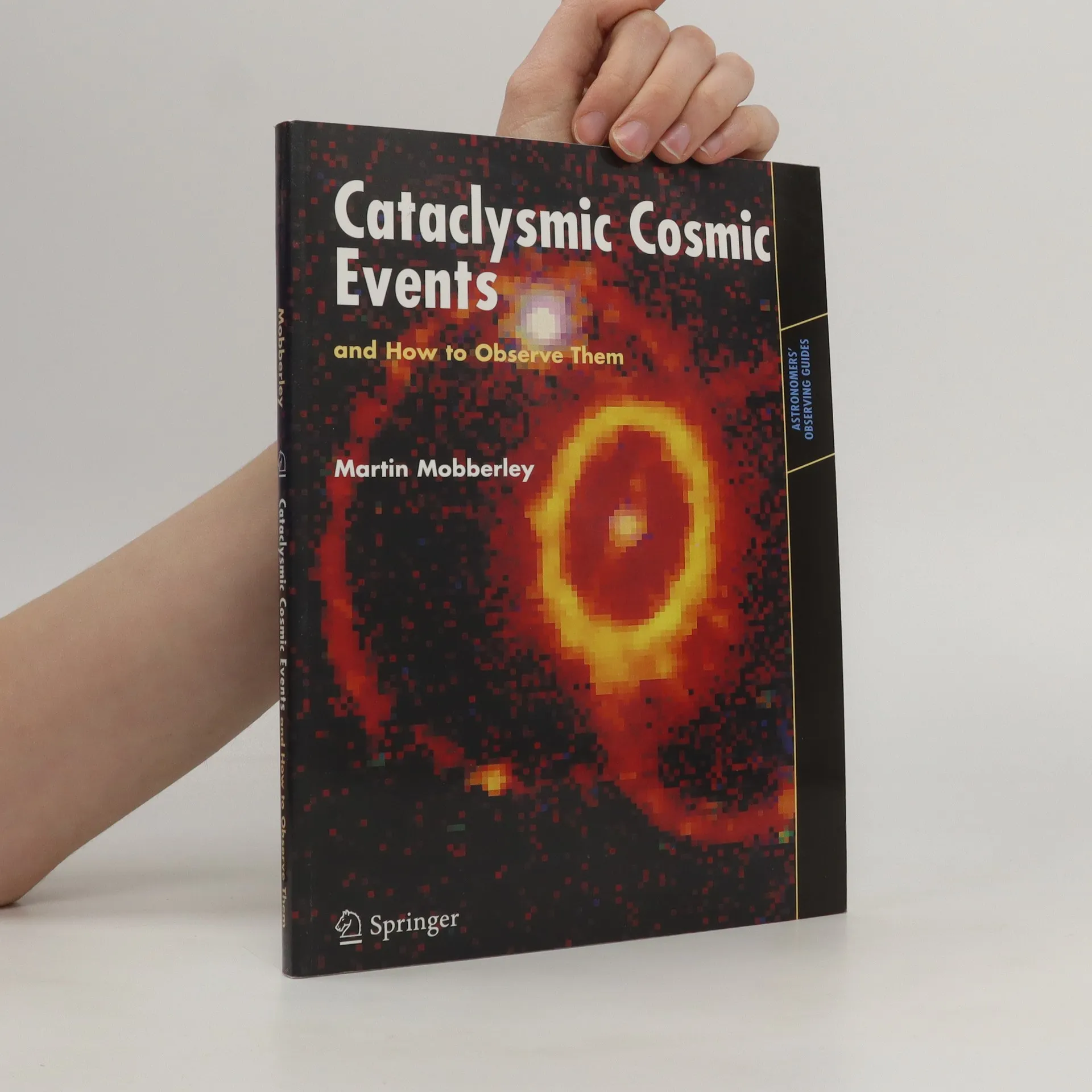
    Cataclysmic Cosmic Events and How to Observe Them
    The Caldwell Objects and How to Observe Them
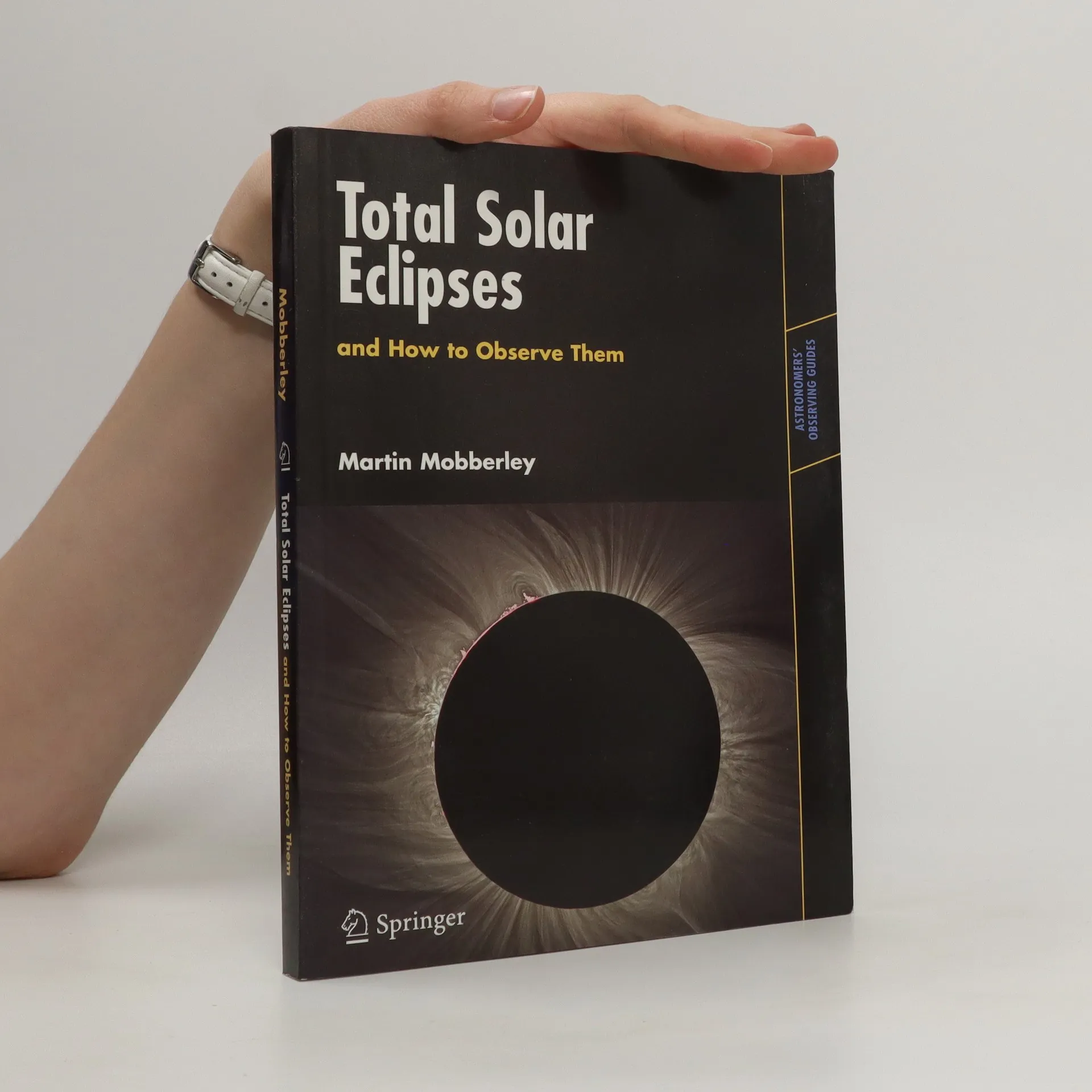
    Total solar eclipses and how to observe them
    • This is the ultimate, easy-to-read guide for "eclipse-chasers" which includes everything an eclipse chaser needs. There are some important eclipses coming up in the years ahead and the technology available to amateur astronomers is improving fast. The book provides "eclipse virgins" with a good feeling for what a trip abroad to an eclipse is like – including a humorous look at all the things that can and have gone wrong. Travel details are included, essential in these days of high-security. And of course the first part of the book contains a wealth of information about solar eclipses and what can be observed only during a total eclipse.

      Total solar eclipses and how to observe them
    • The book explores Sir Patrick Moore's catalog of 109 astronomical objects, expanding on the classic Messier catalog. It provides detailed descriptions of each object and practical guidance on locating them in the night sky, making it a valuable resource for both amateur and experienced astronomers.

      The Caldwell Objects and How to Observe Them
    • In the Victorian era – or for non-British readers, the mid-to-late nineteenth century – amateur astronomy tended to center on Solar System objects. The Moon and planets, as well as bright comets, were the key objects of interest. The brighter variable stars were monitored, but photography was in its infancy and digital imaging lay a century in the future. Today, at the start of the twenty-first century, amateurs are better equipped than any professionals of the mid-twentieth century, let alone the nineteenth. An amateur equipped with a 30-cm telescope and a CCD camera can easily image objects below magnitude 20 and, from very dark sites, 22 or 23. Such limits would have been within the realm of the 100- and 200-inch reflectors on Mount Wilson and Mount Palomar in the 1950s, but no other observatories. However, even those telescopes took hours to reach such limits, and then the photographic plates had to be developed, fixed, and examined by eye. In the modern era digital images can be obtained in minutes and analyzed ‘on the fly’ while more images are being downloaded. Developments can be e-mailed to other interested amateurs in real time, during an observing session, so that when a cataclysmic event takes place amateurs worldwide know about it. As recently as the 1980s, even professional astronomers could only dream of such instantaneous communication and proc- sing ability.

      Cataclysmic Cosmic Events and How to Observe Them
    • Supernovae and how to observe them

      • 209 Seiten
      • 8 Lesestunden

      This book is intended for amateur astronomers who are readers of Sky & Telescope magazine or similar astronomy periodicals – or are at least at the same level of knowledge and enthusiasm. Supernovae represent the most violent stellar explosions in the universe. This is a unique guide to supernova facts, and it is also an observing/discovery guide, all in one package. Supernovae are often discovered by amateur astronomers, and the book describes the best strategies for discovering and observing them. Moreover, it contains detailed information about the probable physics of supernovae, a subject which even today is imperfectly understood.

      Supernovae and how to observe them