

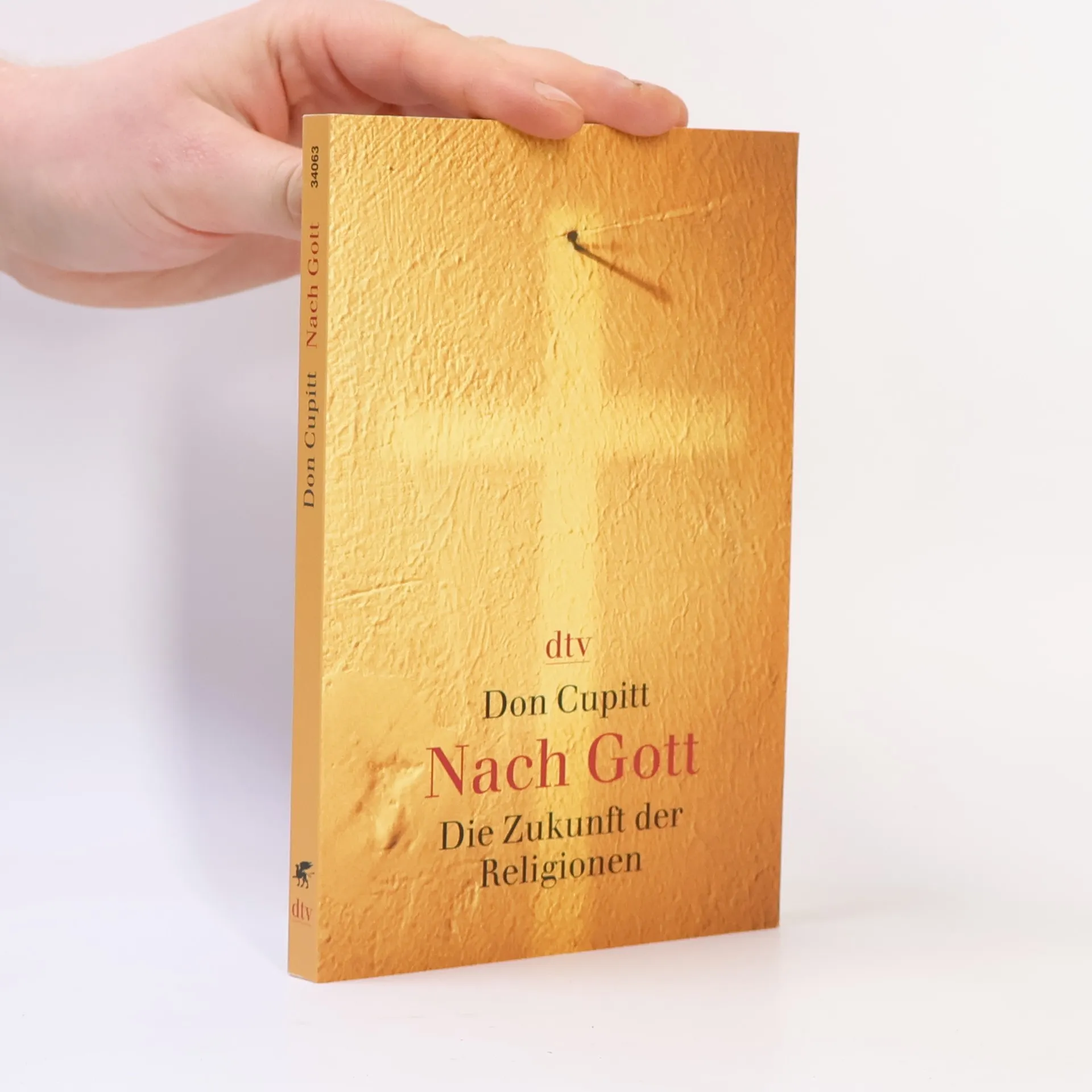
»Wir sind alle religiöse Geister ohne Religion.« E. M. Cioran Nietzsche erklärte lautstark den Tod Gottes, doch spürte er auch, dass die Religionskritik die Religion nicht beseitigen kann. Wenn Sinn in der Welt ist, dann ist auch Gott in der Welt. Im Prozess der religiösen Auseinandersetzung mit dem Göttlichen vollzogen sich Individualisierung und Selbstbewusstwerdung des Menschen. Don Cupitt zeichnet die Entwicklung des Gottesbegriffes als anthropologische nach, von den archaischen Tiergeistern über polytheistische Formen zum einen, inzwischen »entrealisierten« Gott, der nur mehr ein anderes Wort für »Weltsinn« ist. Die Entwicklungsgeschichte der Götter verläuft parallel zu der der Menschen. Wollen die Religionen in den säkularisierten Gesellschaften des 21. Jahrhunderts weiterhin eine Rolle spielen, müssen sie human und sozial sein, oder sie werden in der Bedeutungslosigkeit versinken.
Don Cupitt Reihenfolge der Bücher (Chronologisch)
A controversial and radical theologian looks at the traditional roots of religion to propose a basis for a belief that will reflect the post-modern worldin which we live.
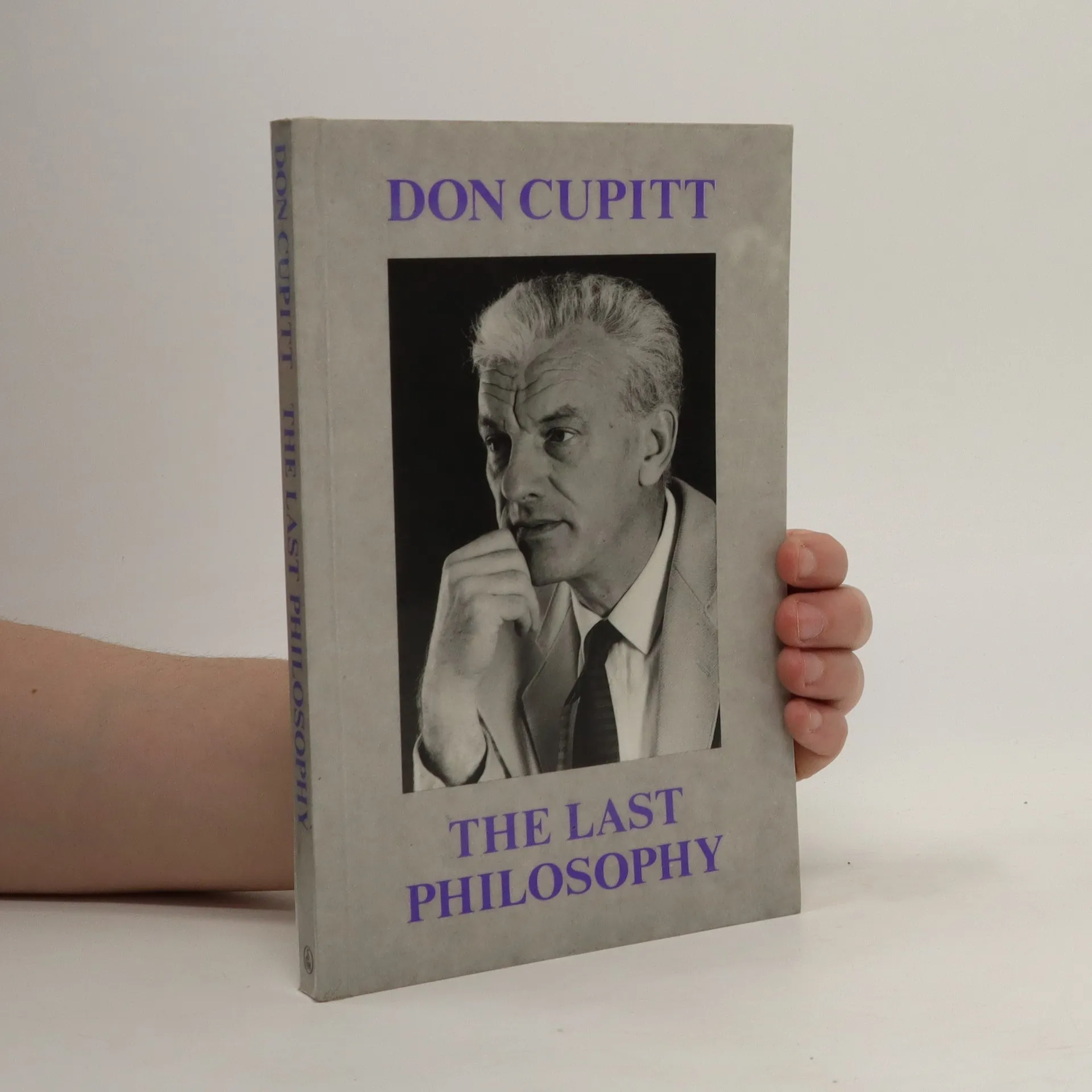
The Last Philosophy
- 160 Seiten
- 6 Lesestunden
In this new book, for the first time Don Cupitt sets out his own systematic philosophy of life. He is reviving an old how far in the direction of religious belief, and eternal happiness, is it possible to go on the basis of reason alone? His 'expressionist' philosophy leads him to conclusions that are both very startling and more positive than his critics might expect, and in an Appendix he sketches their theological corollaries. In effect, he is providing the new 'ultralight' Christian humanism with its philosophical background and its world view.
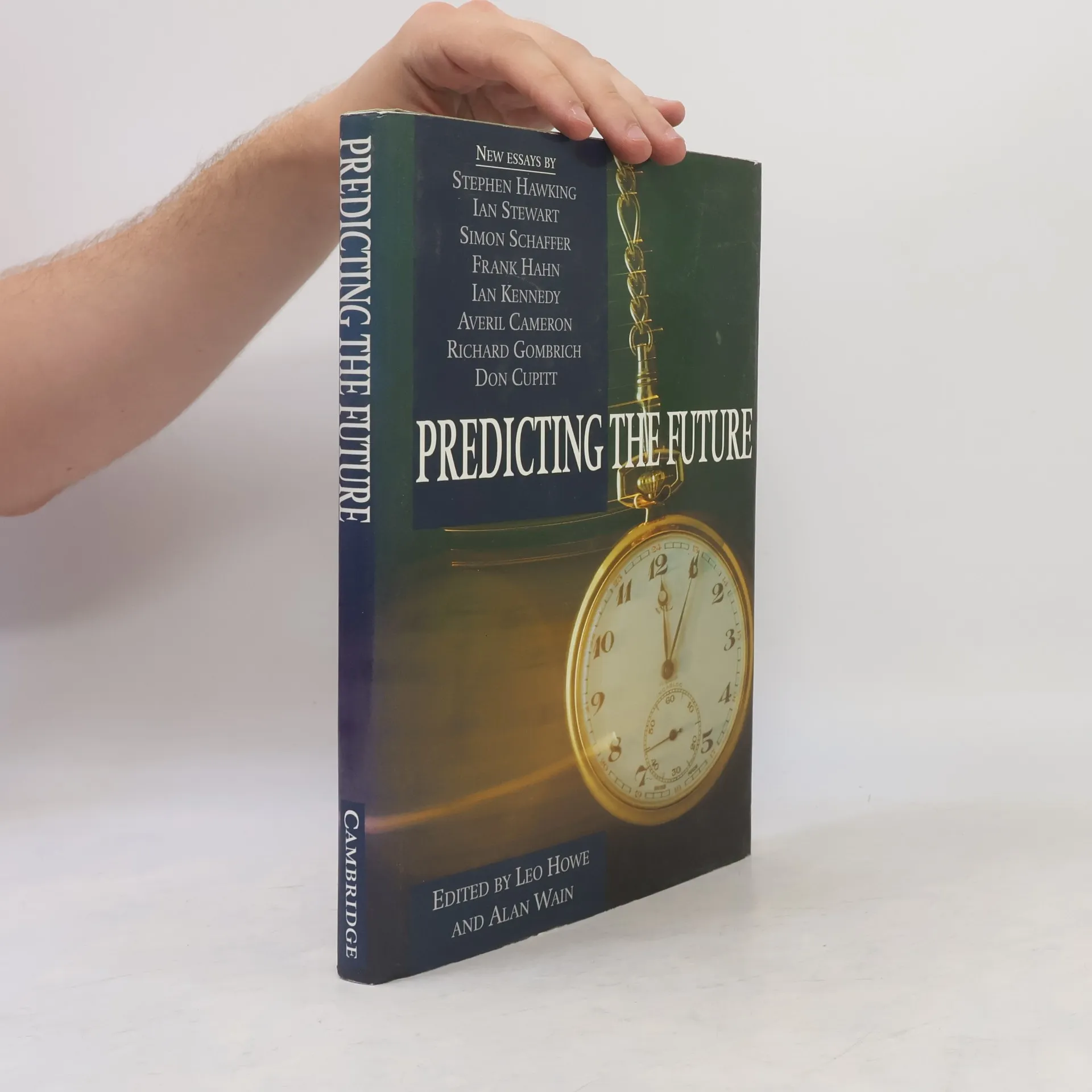
Predicting the Future
- 201 Seiten
- 8 Lesestunden
Auguries, oracles, omens...and software simulation. This exploration delves into humankind's enduring desire to foresee and influence future events. It opens with Stephen Hawking's predictions about the universe's billion-year future and concludes with Don Cupitt's reflections on the Last Judgement. The narrative traces the evolution of prediction, from ancient soothsayers and astrologers who relied on religious and traditional authority to today's experts who utilize empirical observation and scientific theory to forecast outcomes in various fields, including the economy and medicine. Despite advancements, contributors acknowledge that prediction remains fraught with uncertainty, navigating a delicate balance between alarmism and complacency, often disrupted by human unpredictability, unforeseen changes, or flawed data. Originating from the sixth annual series of Darwin College Lectures in Cambridge in 1991, the work features insights from various contributors, including Leo Howe, Ian Stewart, Simon Schaffer, Frank Hahn, Ian Kennedy, Averil Cameron, and Richard Gombrich, each offering unique perspectives on the complexities of predicting the future.
Don Cupitt reinterprets the traditional doctrine that the world has been created out of nothing by the divine Word. He shows how recent developments in thought have led to the rediscovery both of nihilism and of the creative power of language. Cupitt undertakes extended examinations of the relation of thought to language and of the relation of God to language - all in an effort to make intelligible a major worldview that has begun in philosophy, and which must now be applied also to religion. The consequence of all this is that divine and human creativity come to be seen as coinciding in the present moment. The creation of the world happens all of the time, in and through us, as language surges up within us and pours out of us to form and reform the world of experience. Reality and the conquest of nihilism are, in fact, effected by language, and the way is thus opened for a new 'creationist' conception of religious truth and life. This book offers a philosophy of religion for the future and a genuine alternative to pietism and fundamentalism.