Lucy R. LippardReihenfolge der Bücher (Chronologisch)
14. April 1937
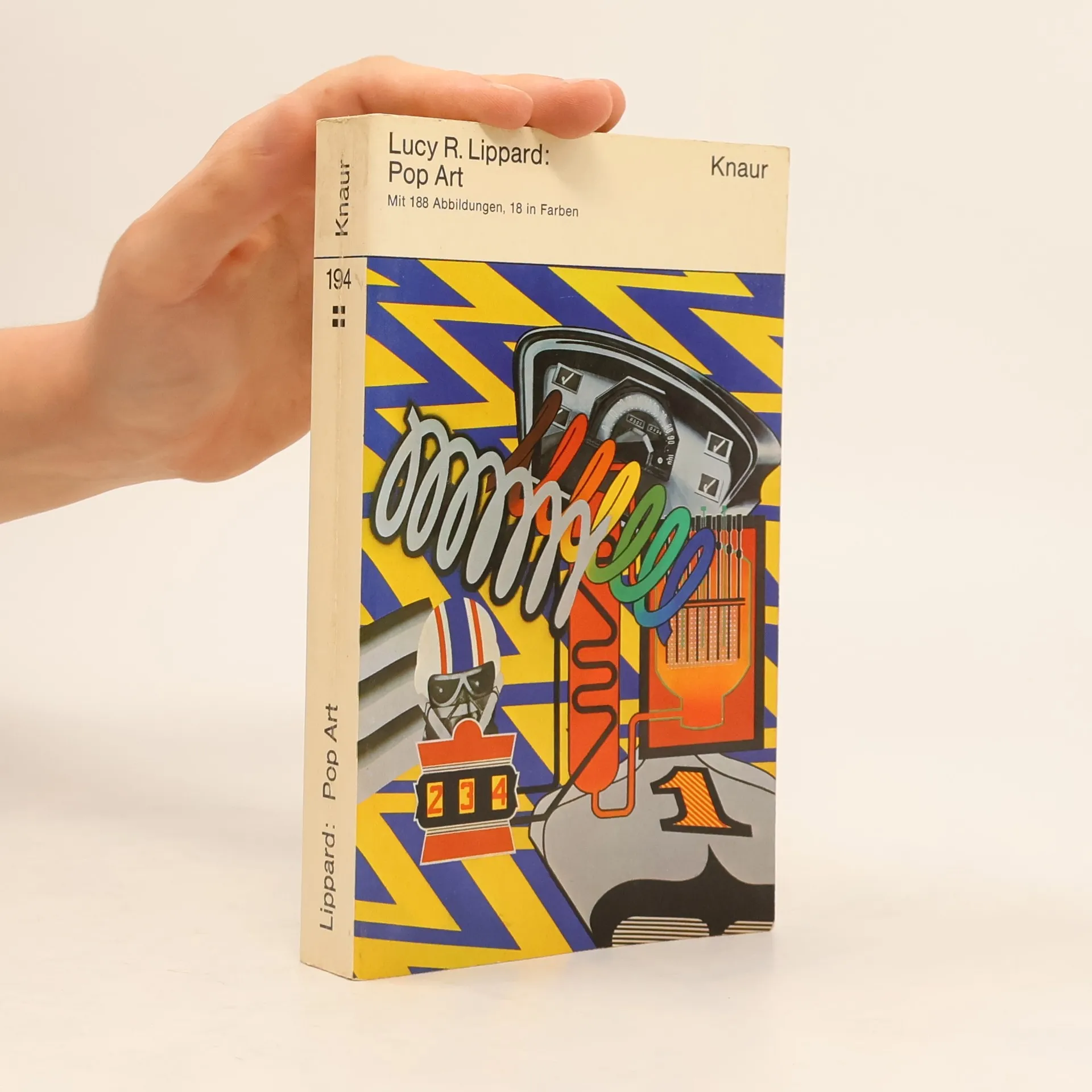
Lucy Lippard ist eine einflussreiche Kunstkritikerin und Aktivistin, deren Werk schon lange die Schnittstellen von Kunst, Feminismus, Politik und Ort erforscht. Ihre wegweisende Forschung hat das zeitgenössische Verständnis von Kunst geprägt, insbesondere durch ihre Auseinandersetzung mit der Entmaterialisierung des Kunstobjekts. Lippard stellt die traditionelle Kunstkritik konsequent in Frage, indem sie Ästhetik mit Ethik und politischem Aktivismus verbindet. Ihr Vermächtnis liegt in ihrer Fähigkeit, den Kunstdiskurs zu verändern und sich gleichzeitig aktiv für gesellschaftlichen Wandel einzusetzen.
An experimental novel about mirrors, maps, relationships, about the ocean, elusive success and possible happiness. Weaving overeard dialogue, sexual encounters, and elements from the I Ching, Tarot, and palmistry, Lippard charts changing relationships among four people. Written in 1970, this novel brings to life political, feminist and aesthetic struggles of its time.
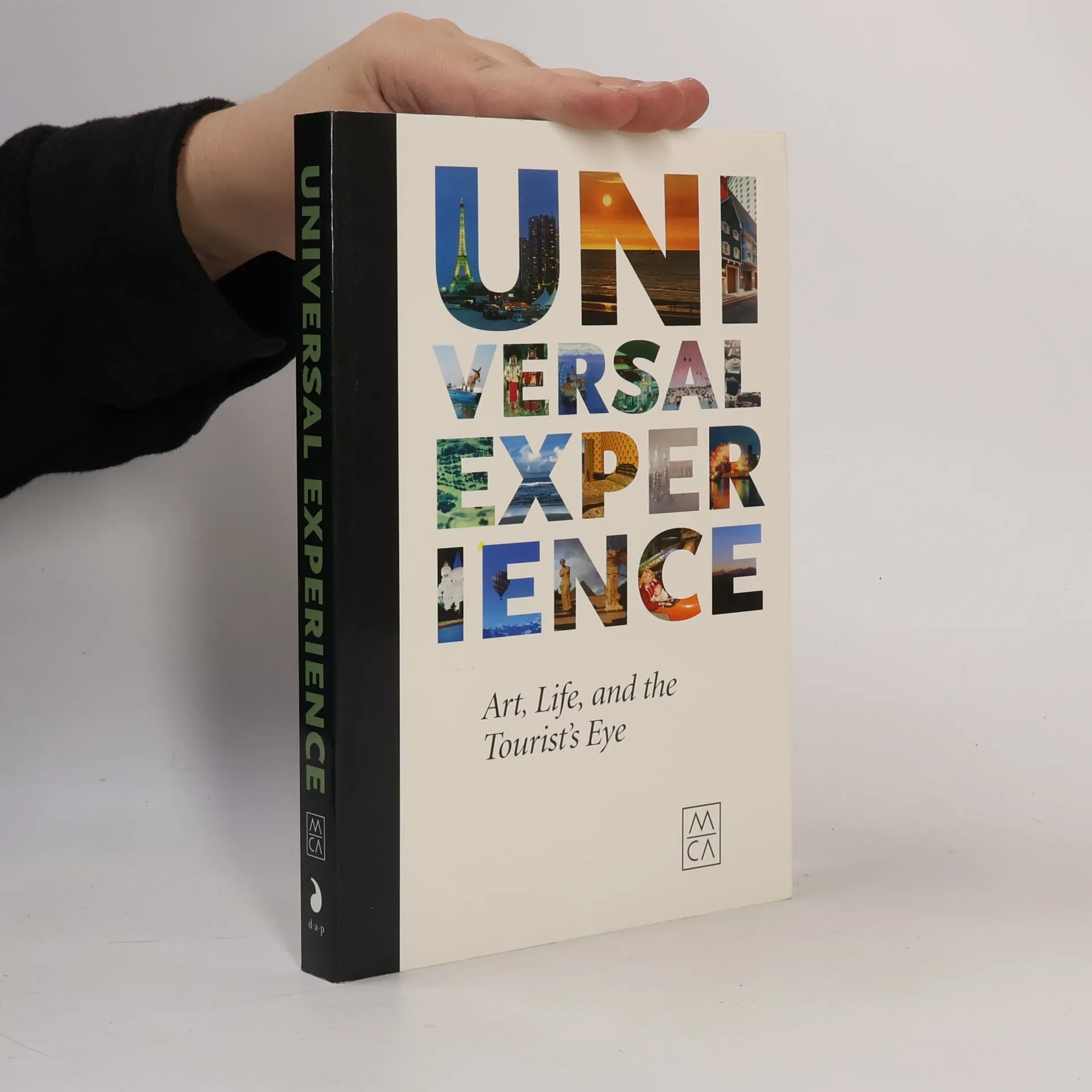
"Tourism, the largest industry in the world, is a significant force in contemporary society, with far-reaching economic, cultural, and geopolitical importance. Rather than seeking to represent tourism or travel itself, Universal Experience: Art, Life, and the Tourist's Eye considers art, history, and the social construction of places, spaces, and identities from the heightened perception of the tourist. Functioning as a guide book, a reader, and a souvenir, this lavish catalogue of the exhibition presents over 275 illustrations of thought-provoking artworks as icons and as tourist sites for exploration. A wide-ranging anthology of texts presents divergent routes and avenues through which to explore the symbols and cultural conventions created, deciphered, and disseminated by an increasingly mobile, international group of artists."--Jacket
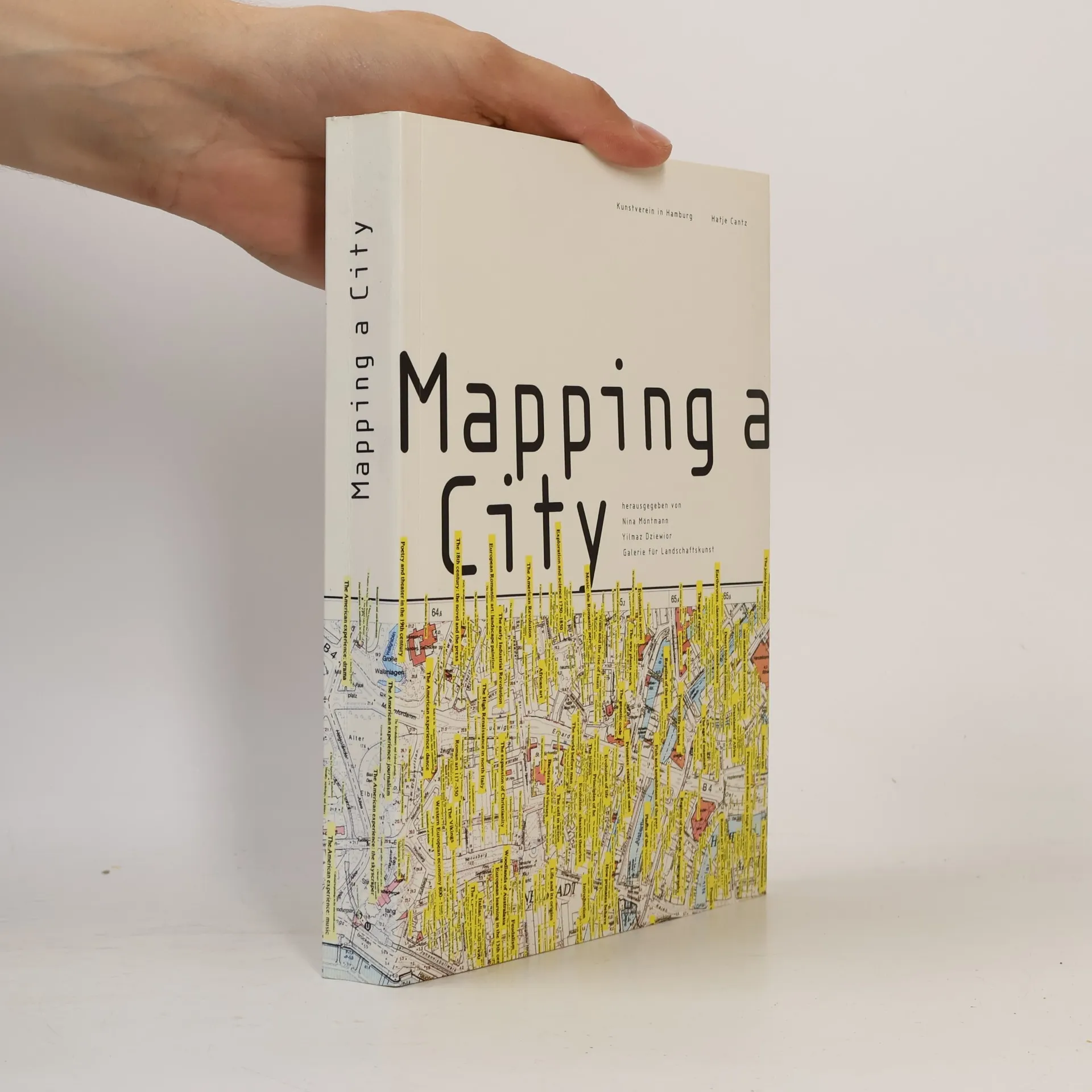
Die Stadt Hamburg diente für das umfangreiche Projekt Mapping a City als exemplarische urbane Metropole. Internationale Künstlerinnen und Künstler unternahmen in ihren Arbeiten Erkundungen des städtischen Raums und untersuchten Vorstellungen von Natur und Landschaft. Die Publikation präsentiert neben einem allgemeinen Reader zum Phänomen 'Mapping' die vielgestaltigen Ergebnisse dieser künstlerischen und wissenschaftlichen Recherchen. So spürte etwa der Amerikaner Bob Braine den ehemaligen Wall- und Befestigungsanlagen um die alte Hansestadt sowie dem Auftreten und Fehlen von Vegetation im heutigen Stadtbild mittels Infrarotaufnahmen nach. Till Krause lief auf einer geraden Linie von seiner Wohnung in Altona nach Kiel und kartografierte Blickhindernisse und Handyempfang. Und der Brite Nils Norman sah die alte Hansestadt als gigantischen Abenteuerspielplatz. Die vorgestellten Künstler: Bob Braine, Stephan Dillemuth, Mark Dion, Anna Gudjónsdóttir, Anke Haarmann [AHA], Kristinn G. Hardarson, Florian Hüttner, Jussi Kivi, Till Krause, Daniel Maier-Reimer, Matt Mullican, Nils Norman, Patrick Rieve, Malte Urbschat, Mark Wehrmann, Ralf Weißleder, Malte Willms
In this "excellent" (The Baltimore Sun) book, Lucy R. Lippard weaves together cultural criticism, anthropology, and community activism for an in-depth look at how tourism sites are conceived and represented, and how they affect the places they transform. Critic Andrew Ross calls Lippard "the most surefooted tour guide you could hope for" in her exploration of being a tourist in one's own home, of how advertising and photography define place, of how antique shops function as populist museums, and of the commodification of indigenous cultures. With her characteristic breadth and critical eye, Lippard discusses the political economies of leisure spaces, the tourist's fascination with tragic destinations (such as the sites of massacres and nuclear weapons tests, or Holocaust memorials), and our willingness to let national parks and heritage sites define nature and history.
The author reveals a continuum in materials, forms, symbols and imagery artists have employed over 1000s of years. She shows how contemporary art and prehistoric images are linked, with images of past times being 'overlaid' onto works of today's artists.
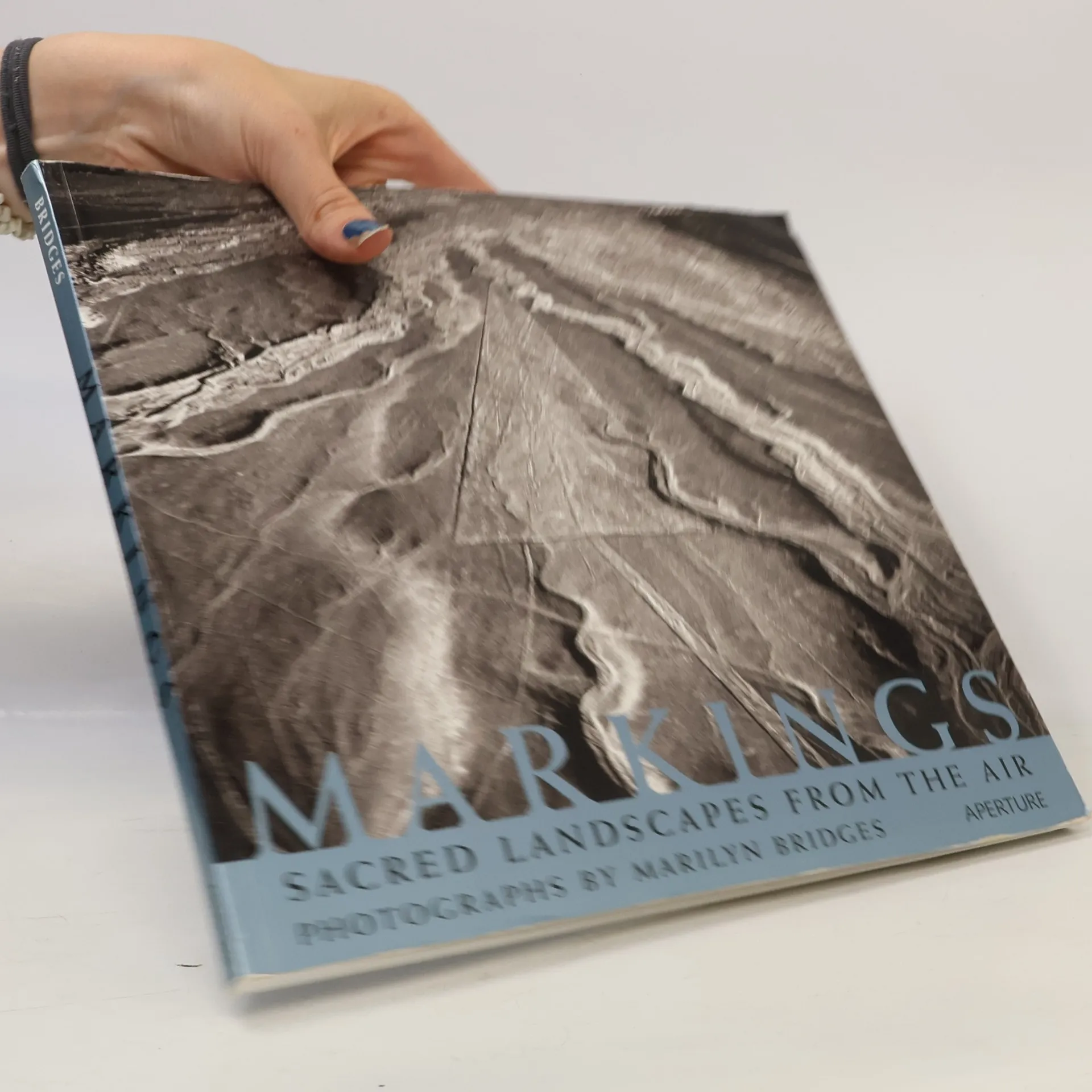
These earthworks were created for the gods, and Marilyn Bridges captures them as intended—from the heavens. Her photographic journey began with a flight over Peru, where she observed the vast spirals, "runways," and animal figures etched into the earth by the Nazca Indians. This aerial perspective unveiled the true scale of these enigmatic markings, inspiring her work. In the Yucatán jungle, Bridges photographed Mayan temples from low altitudes, revealing their grandeur amidst the dense foliage. Her images provoke deep reflections on the interplay between ancient cultures and the natural world, highlighting the geometric harmony of these sites against the encroachment of modernity. Her American aerial landscapes showcase a variety of forms and rhythms, emphasizing our responsibility to reconnect with the natural forces her photographs illustrate. In Britain, the closeness of monuments like Stonehenge to urban areas intensifies the contrast between ancient surveyors' intimate understanding of the land and contemporary development. Accompanying texts by geometrician Keith Critchlow, Nazca expert Maria Reiche, and critic Lucy Lippard enrich the narrative, offering insights into the significance of Bridges's work and the enduring power of these ancient sites.