

Bokar Rinpoche Reihenfolge der Bücher (Chronologisch)
Bokar Tulku Rinpoche war ein spiritueller Sohn von Kalu Rinpoche und ein Linienhalter der Karma-Kagyü- und Shangpa-Kagyü-Traditionen. Er wurde zu einem Hauptlehrer von Kalu Yangsi, der als Reinkarnation von H.E. Kalu Rinpoche gilt. Seine Arbeit umfasste die Leitung der Kalu Rinpoche Translation Group, wodurch die Verbreitung von Lehren erleichtert wurde.
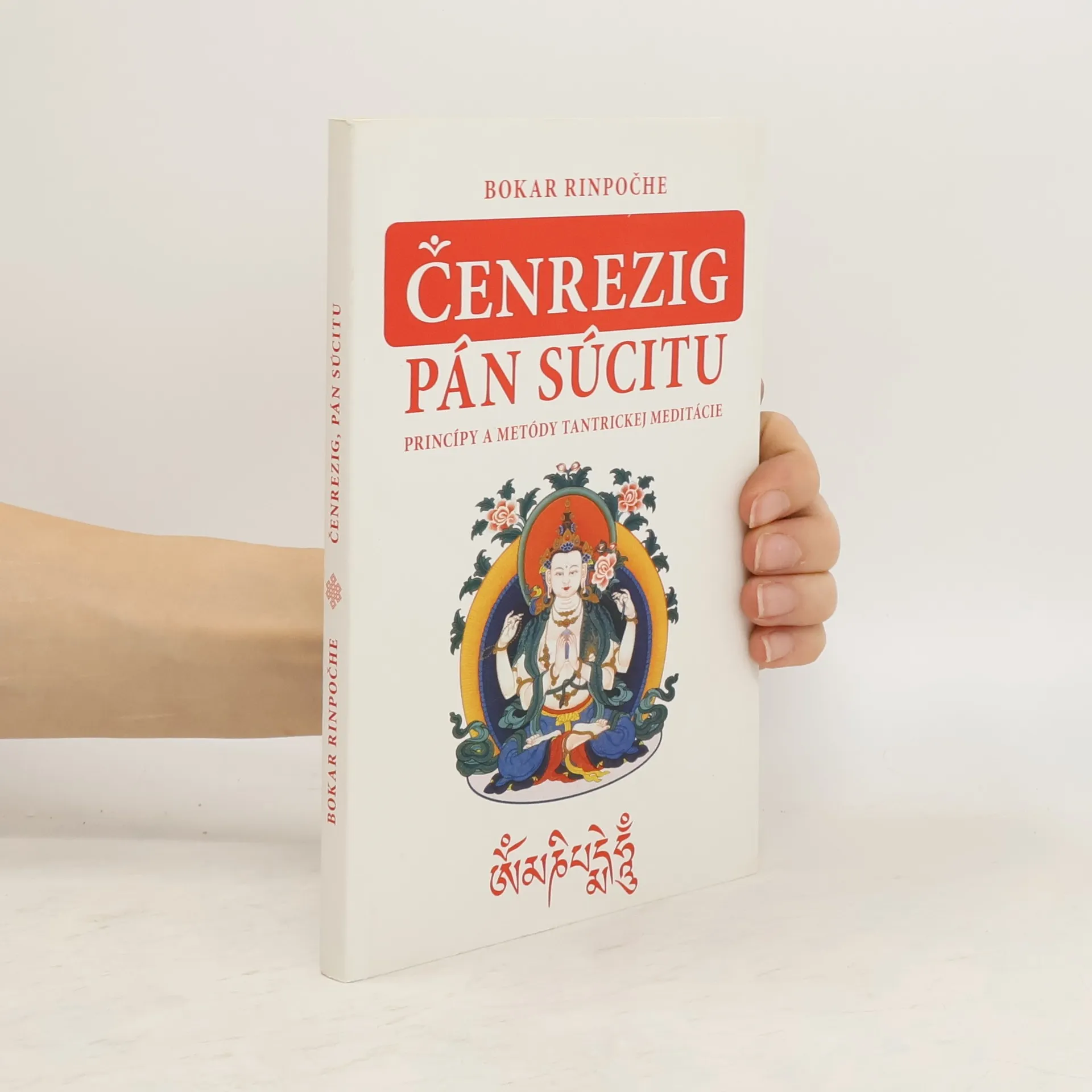

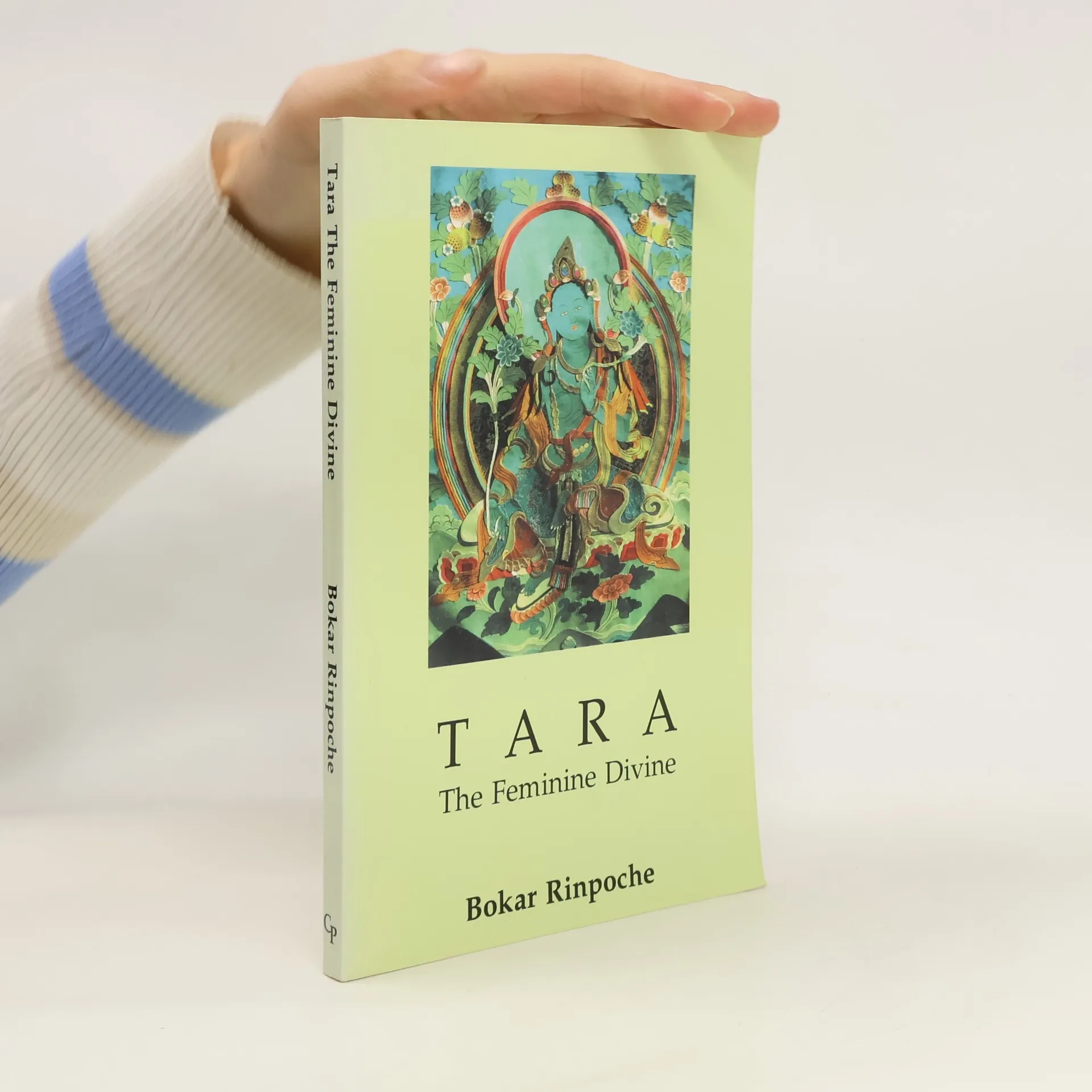
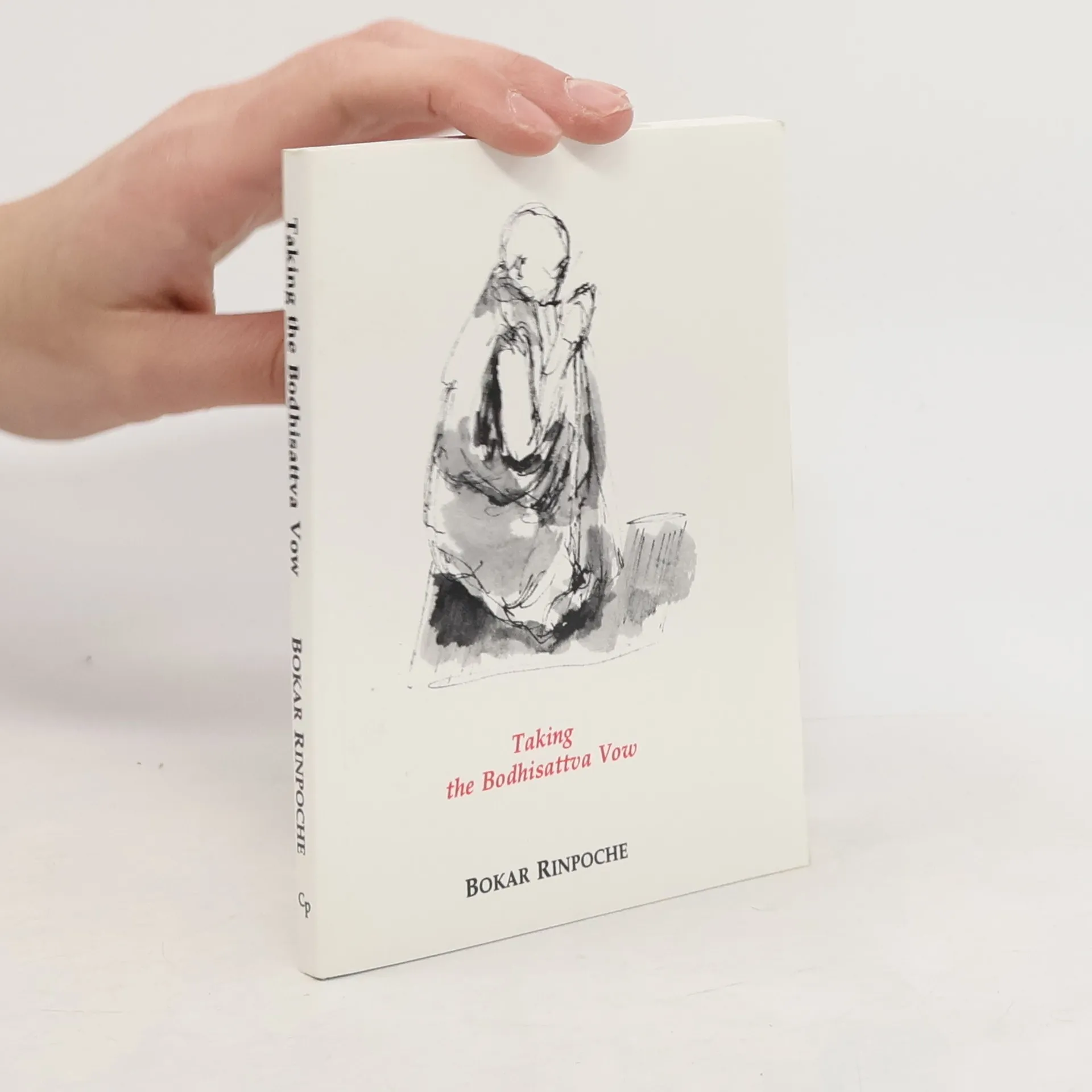
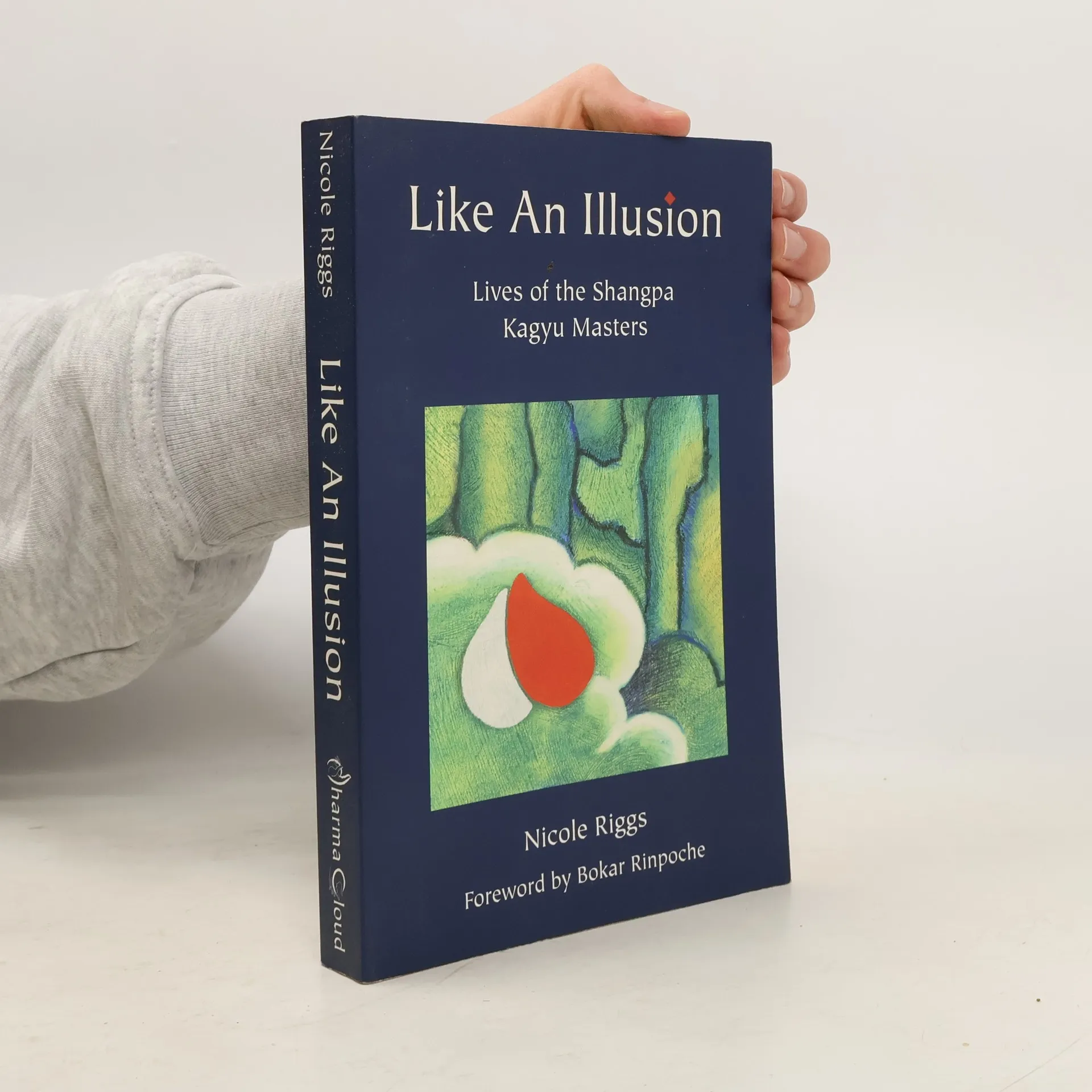
Like An Lives of the Shangpa Kagyu Masters presents the lively, touching, vibrant tales of the rare Shangpa Kagyu lineage of Tibet. This is the first English translation of biographies written between 500 and 1000 years ago. Like An Illusion includes the biographies of two accomplished women, the dakinis Niguma and Sukhasiddhi. The life stories then continue through the lineage, from Khyungpo Naljor, great yogi of the Shangpa Lineage, to Mokchokpa, Kyergangpa, on down to Jetsun Taranatha.
Tara the Feminine Divine
- 176 Seiten
- 7 Lesestunden
Tara, the most famous female deity in Tibetan Buddhism, is a personification of the Prajnaparamita and a mother dedicated to protecting her followers. Bokar Rinpoche presents the various aspects of Tara and the origin of her tantra, relates contemporary examples of her benevolent activity, provides an explanation of her praise, offers instruction for devotional practice, and discusses remarkable women in Indian and Tibetan Buddism. An extensive iconography completes the text.
Taking the Bodhisattva Vow
- 128 Seiten
- 5 Lesestunden
Buddhism encompasses various perspectives with distinct theories, practices, and commitments, commonly divided into three vehicles. The Small Vehicle (Hinayana) focuses on individual liberation from samsara, with vows related to monks, nuns, and lay practitioners. The Great Vehicle (Mahayana) aims for full Awakening, not for personal happiness but to develop the skills to help all beings end suffering, encapsulated in the Bodhisattva vow. The Diamond Vehicle (Vajrayana), a branch of Mahayana, shares this goal but employs rapid methods and includes sacred commitments known as samayas. This work aims to clarify the Mahayana vow, particularly the Bodhisattva vow, addressing common uncertainties about its nature and implications. It answers questions about the Bodhisattva, Bodhicitta, the commitments involved, eligibility for taking the vow, the ceremony, following precepts, and purifying transgressions. The teachings, delivered by Bokar Rinpoche in Bodhgaya in November 1995 during a seminar for Westerners, include insights from a long ceremony under the Bodhi Tree and private interviews, referencing key texts such as Gampopa's "The Jewel Ornament of Liberation" and Shantideva's "A Guide to the Bodhisattva's Way of Life." Bokar Rinpoche, recognized as a tulku at a young age, became a leading figure in the Kagyupa school after fleeing Tibet due to the Chinese invasion. He trained under Kalu Rinpoche and directed several retreat c
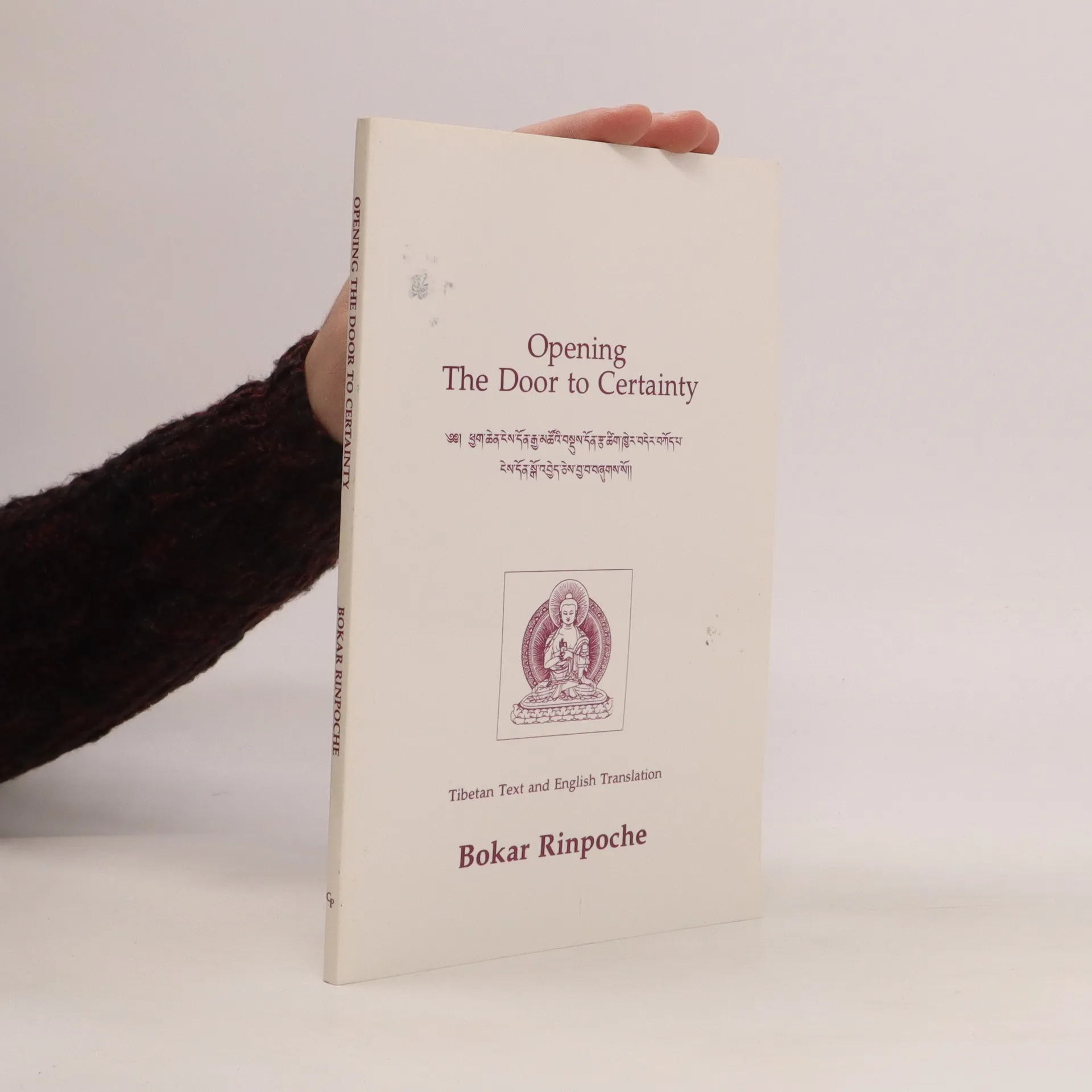
Opening the Door to Certainty (tibetsky, anglicky)
- 64 Seiten
- 3 Lesestunden
Jamgön Kongtrul Lodrö Tayé (1813–99),a pivotal figure in the nonsectarian movement of eastern Tibet, was one of the most outstanding writers and teachers of his time. In his monumental Encyclopedia of Buddhism, he presents a complete account of the major lines of thought and practice that comprise Tibetan Buddhism. Myriad Worlds is the first part of that work.As a prelude to Kongtrul's survey of the entire range of Buddhist teachings, Myriad Worlds describes four major cosmological systems found in the Tibetan tradition—those associated with the Hīnayāna, Mahāyāna, Kālacakra, and Dzog-chen teachings. To suit the capacities of different grades of beings, Buddha taught four levels of cosmology: the numerically definite cosmology of the individual way; the cosmology of infinite buddhafields of the universal way; the special cosmological system of the Kālacakra Tantra; and the dazzling non-cosmology of the Dzog-chen system, which dispenses with the dualistic perspective, revealing the creative principle to be awareness alone.Each of these cosmologies shows how the world arises from mind, whether through the accumulated results of past actions or from the constant striving of awareness to know itself.This detailed and thorough account of worldviews that present conceptions of space and time which differ significantly from Western ideas is at once illuminating and challenging.