John Guy gilt als einer der fesselndsten Historiker Großbritanniens, der die Vergangenheit mit außergewöhnlichem Geschick zum Leben erweckt. Sein erzählerischer Stil liest sich wie eine spannende Detektivgeschichte, in der er akribisch verborgene Motivationen und menschliche Schwächen aufdeckt. Guys tiefgreifendes Archivwissen ermöglicht es ihm, neue Forschungsansätze zu verfolgen und über etablierte Darstellungen hinauszugehen, um historische Rätsel zu lösen. Er lädt die Leser ein, in die Welten seiner Subjekte einzutauchen, wodurch historische Persönlichkeiten bemerkenswert real und zugänglich werden.
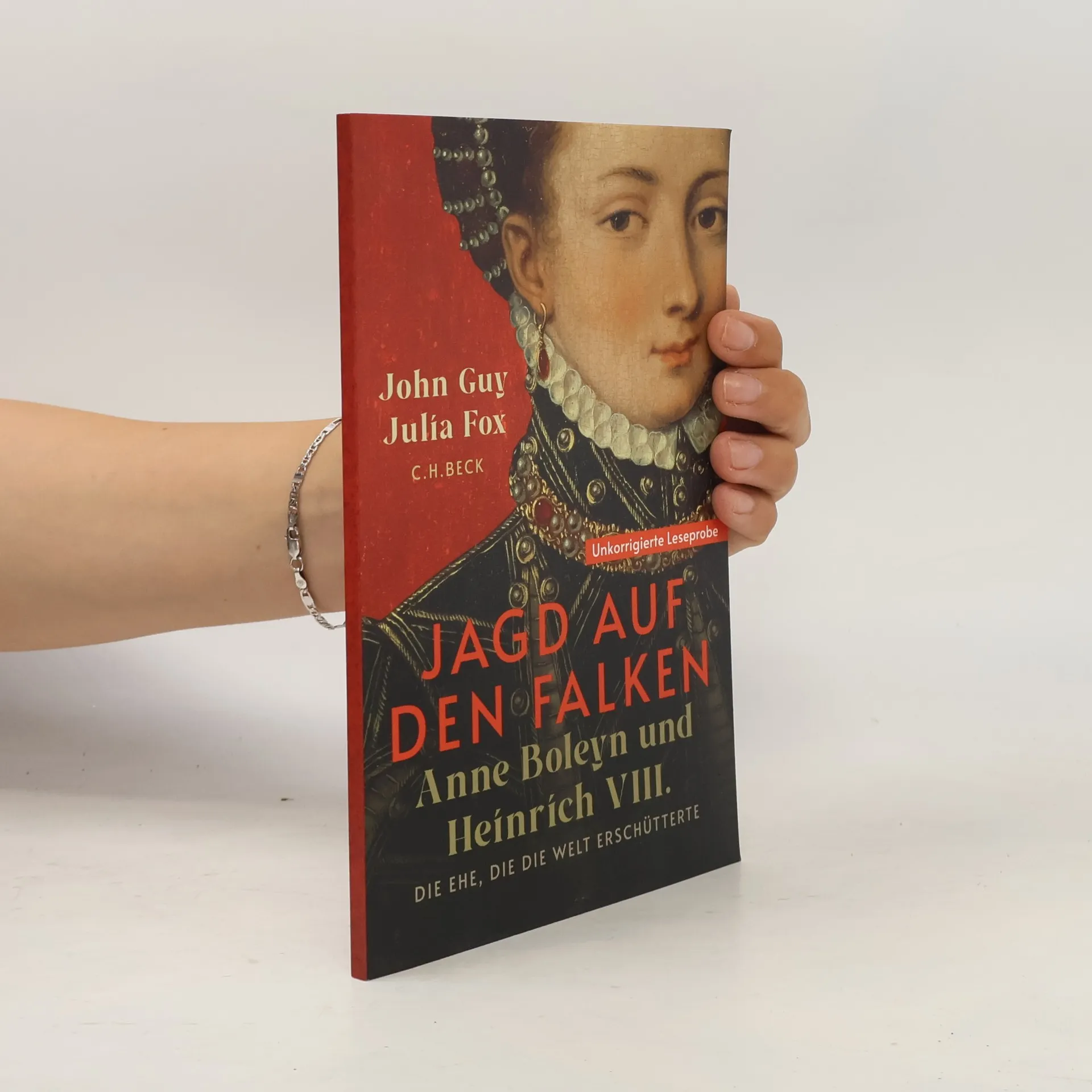
Die Biographie von Anne Boleyn und Heinrich VIII. von John Guy und Julia Fox beleuchtet Annes Einfluss am Hof und in der Politik. Sie wollte mehr als nur die Mätresse sein und strebte nach Macht, bis ihre Beziehung in Hass umschlug. Das Buch bietet eine neue Perspektive auf ihr dramatisches Leben in einem paranoiden Hof.
Diese ansprechend gestalteten Bücher bieten einen Überblick über das alte Ägypten, von der Ersten Dynastie (ca. 3100 v. Chr.) bis zur Zeit, als Ägypten von der römischen Kultur absorbiert wurde. Es ist die Geschichte der Pyramiden, der großen Tempel in Abu Simbel und Karnak und mehr.
Diese 32-seitigen Bücher sind reich an Fakten und hochwertigen Farbfotografien und fesseln Schüler aller Niveaus mit fesselnden Details über das Leben in der Antike. Jedes Buch behandelt interessante Themen, die selbst kämpfende Leser ansprechen. Themen sind: Freizeitbeschäftigungen, Essen, Trinken, Kunst, Gesundheit, Ehe, Kinder, Handel, Krieg, Wissenschaft und mehr!
Exploring the origins and significance of Buddhist artistic traditions, this pioneering study incorporates new photography of exceptionally rare artworks. It presents crucial discoveries and research, offering insights into the cultural and historical context of these artistic expressions, making it an essential resource for understanding Buddhism's rich artistic heritage.
A fierce, scholarly tour-de-force, this groundbreaking examination delves into one of the most dramatic marriages in Henry VIII’s tumultuous reign. It reveals how Henry's obsessive desire for Anne Boleyn transformed both him and his nation. Historians John Guy and Julia Fox present Anne and Henry in new light, utilizing recent archival discoveries to challenge historical myths and misinterpretations. They contextualize their tragic relationship within the major international events of the time, dispelling lingering misogynistic views that underestimated Anne's influence in a patriarchal society. Contrary to the belief that a sixteenth-century woman could wield little power, Anne emerges as a shrewd, ruthless politician who often guided Henry's policies against the counsel of his male advisers, even contemplating joint sovereignty. The authors highlight how Anne organized her court in subversive ways, adopting French protocols that allowed for mingling between sexes, which provided her with political intelligence and authority but also contributed to her downfall. This exhilarating feat of research and analysis offers a fresh perspective on a marriage that has captivated audiences for centuries, ensuring that even the most knowledgeable readers will discover this story anew.
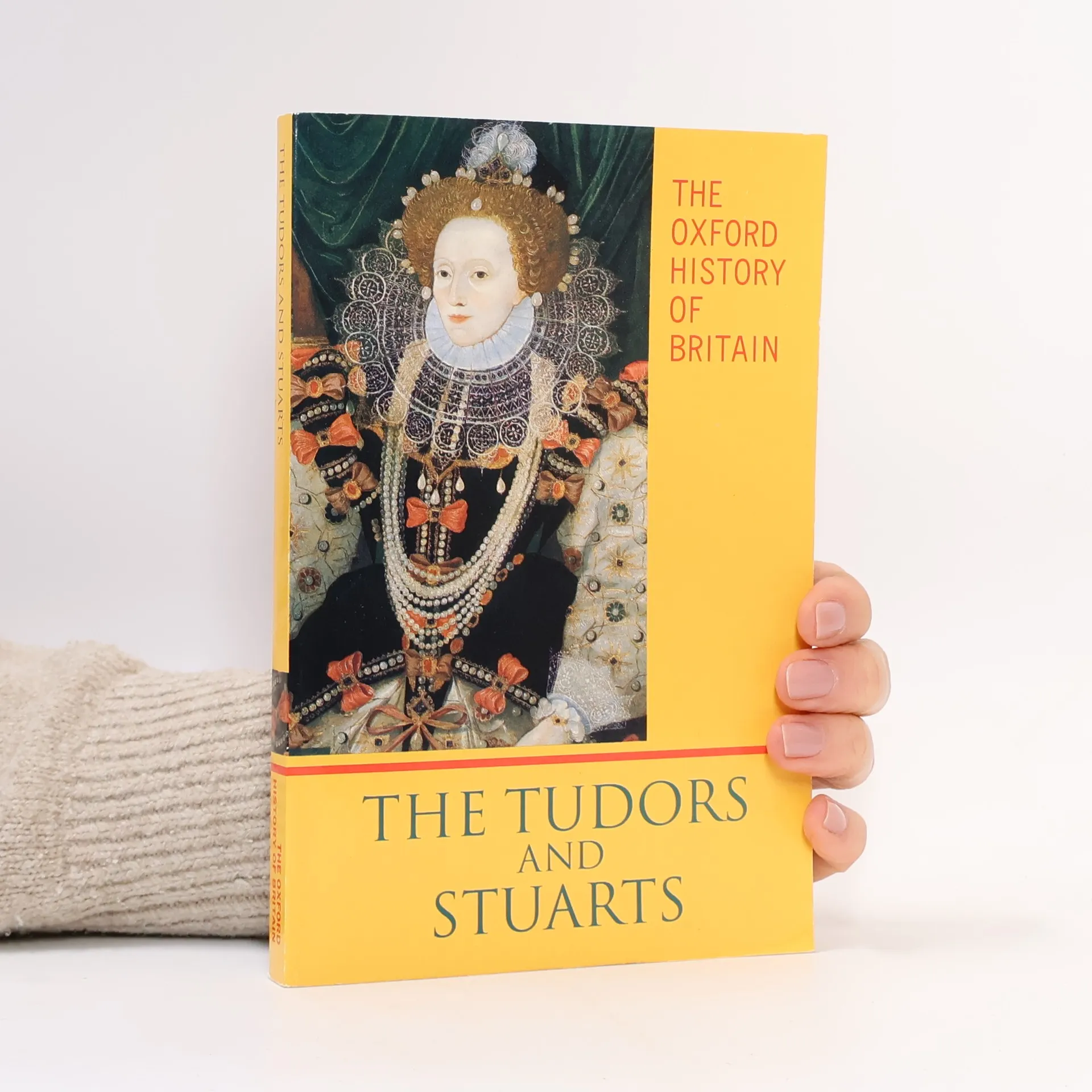
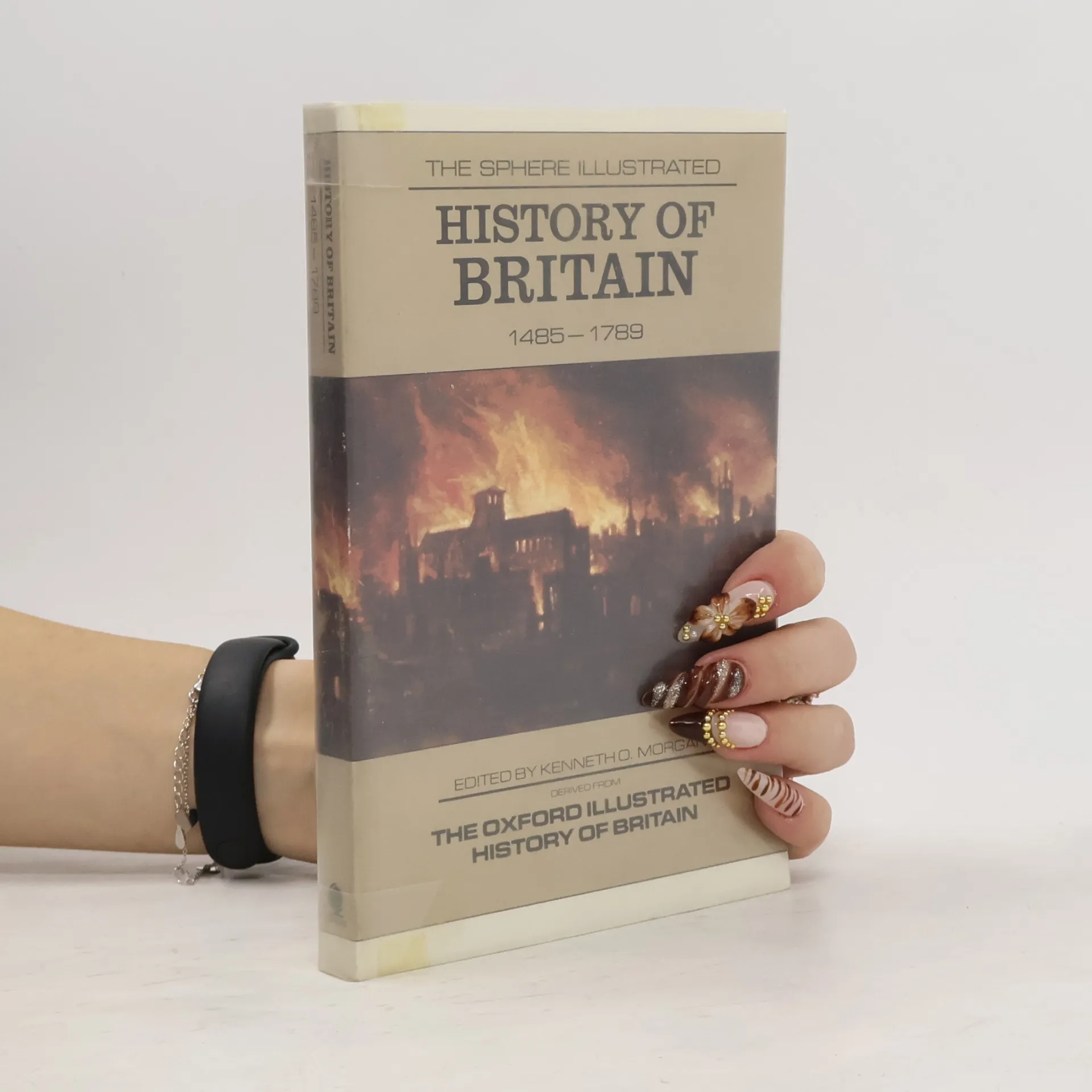
In five paperback volumes, "The Oxford History of Britain" tells the story of Britain and her peoples over 2000 years, from the coming of the Roman legions in 55 BC to the present day. This volume concentrates on Britain during the era of the Tudors and Stuarts. The Tudor age was marked by extreme pressure of population on economic resources, by religious conflict, and the threat of foreign invasion. The resultant political and religious tensions inherited by the house of Stuart are also despite a marked decline in internal lawlessness, two civil wars, regicide, a republic, a restoration and a revolution followed each other in bewildering profusion.
The topics in this series hold a special fascination for all young readers. Whether it's scary ghosts and monsters or mysterious UFOs, kids will be drawn to these high-interest books. Lively text, thought-provoking sidebars, and hundreds of vibrant, full-color photographs will hold their attention for hours.
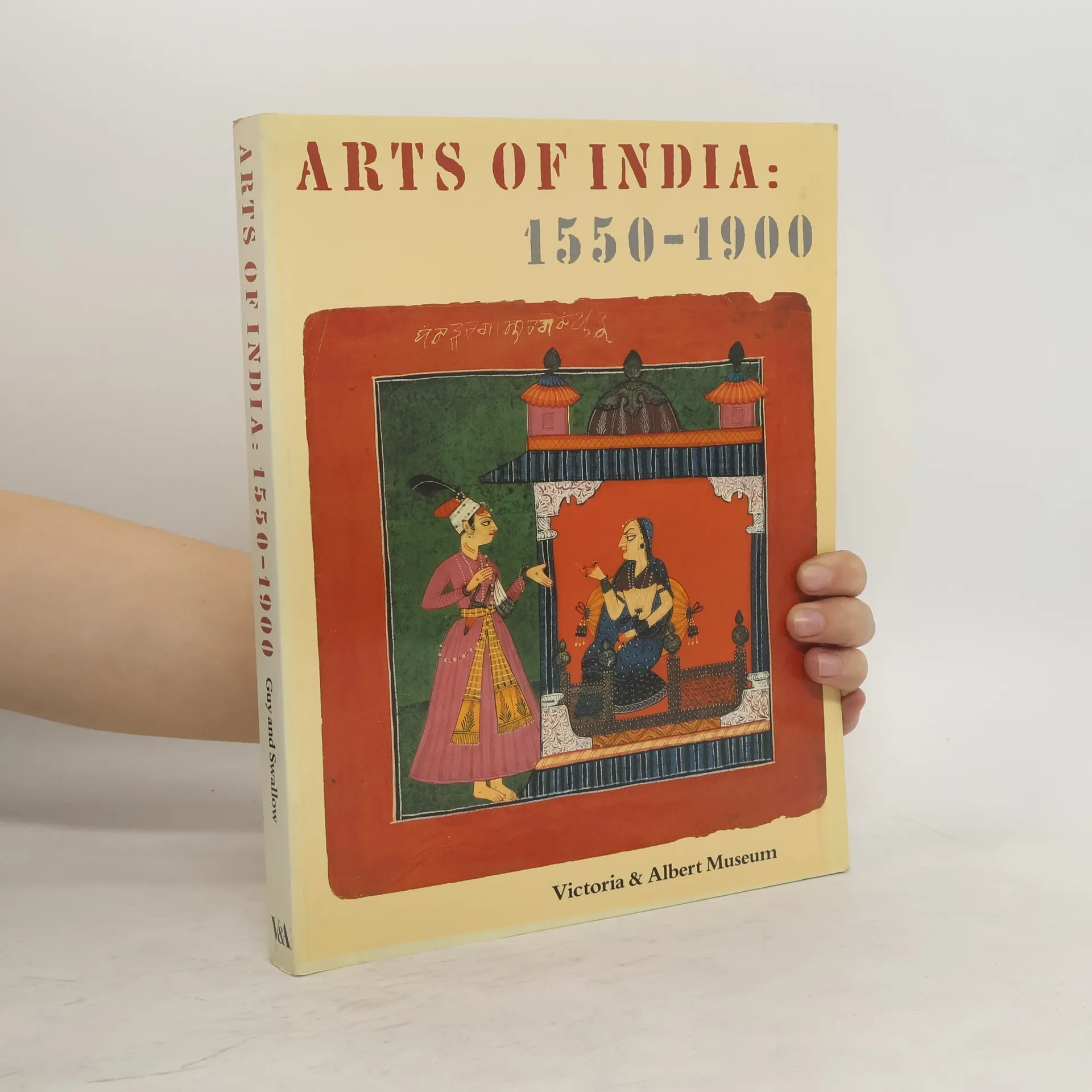
Illustrated with the Victoria and Albert Museum's unrivaled collection of
South Asian sculpture, this freshly redesigned volume makes John Guy's classic
study available once again. This is the first book to look at Indian temple
sculpture within its full context, from religion and ritual to architecture
and iconography. An excellent introduction to the three traditional religions
of the Indian subcontinent - Hinduism, Jainism, and Buddhism - through the
myths and manifestations of the principal deities, Indian Temple Sculpture
will fascinate all those interested in Indian culture.
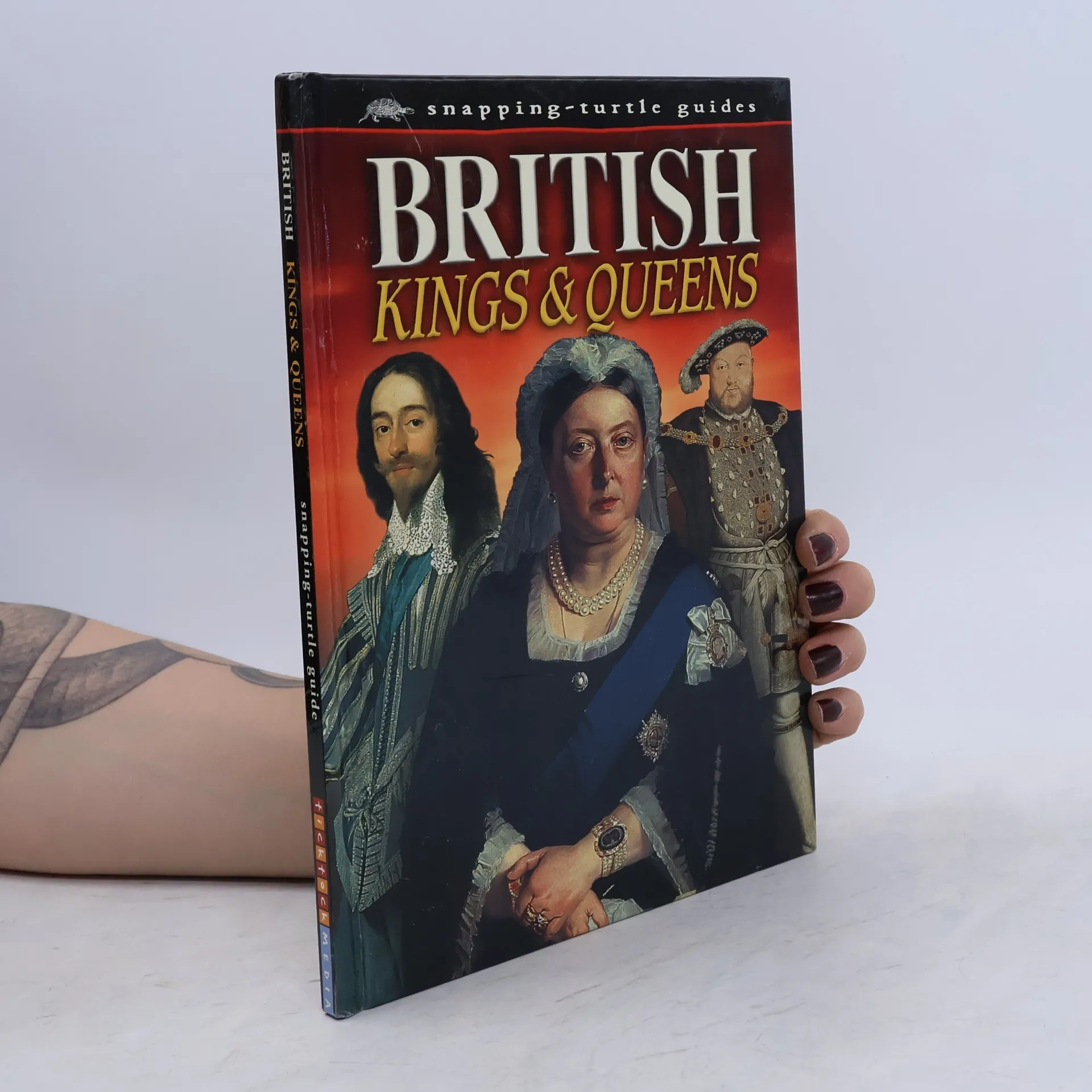
Chronicling the bloody battles, beheadings, betrayals, and many other monumental moments from Britain’s historical kingdoms, this expansive history explores 1,000 years of British heritage — from the early Saxon and Danish kings to the present day. An accompanying time line and historic artwork re-create the atmosphere of the periods described, bringing history alive for children as plenty of lighthearted facts help keep their interest. Specific events that have changed the course of history are highlighted by a simple key system, combining comprehensive information with fun learning. Using the monarchs — from the great and the lion-hearted to the tyrannical and the devious —as the thread, this resource details key events from Britain’s past, while a royal family tree helps kids make connections through the generations.
Each title in this series explores the key information required by the National Curriculum for the study of the subject. Information packed, the dip-in dip-out text that is levelled to reading age eight years, is supported by contemporary photographic imagery.
Good: A copy that has been read, but remains in clean condition. All pages are intact, and the cover is intact (including dust cover, if applicable). The spine may show signs of wear. Pages can include limited notes and highlighting, and the copy can include "From the library of" labels.Some of our books may have slightly worn corners, and minor creases to the covers. Please note the cover may sometimes be different to the one shown.
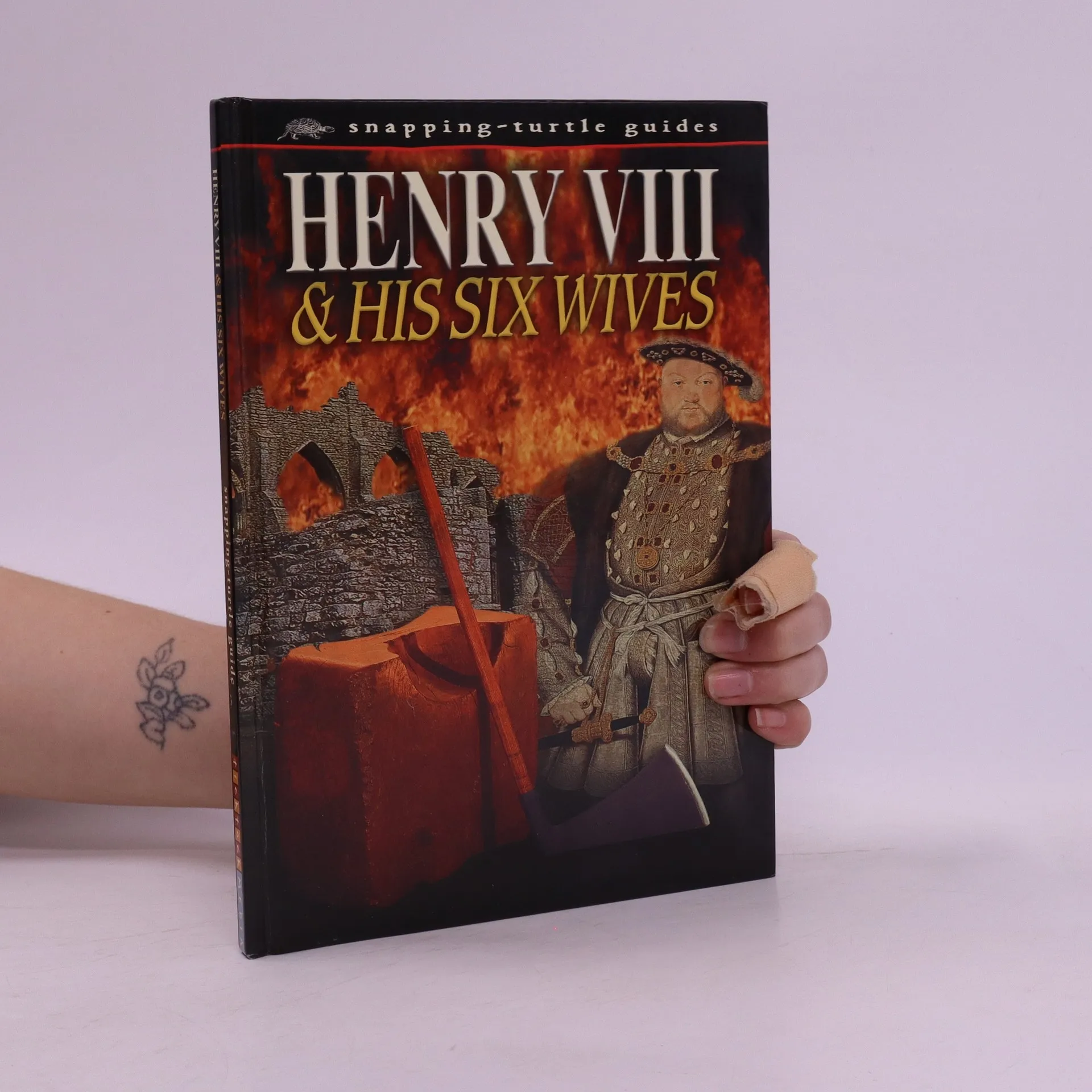
A short history of one of the most enigmatic and colourful figures in English history.Find out about life at Henry VIII's court, his European military campaigns and what happened to those who disobeyed him.From his accession to the throne as an athletic youth of 17 to his obese old age, discover the fascinating world of Henry VIII and his six wives.